posted on 22nd August 2025




 follow us
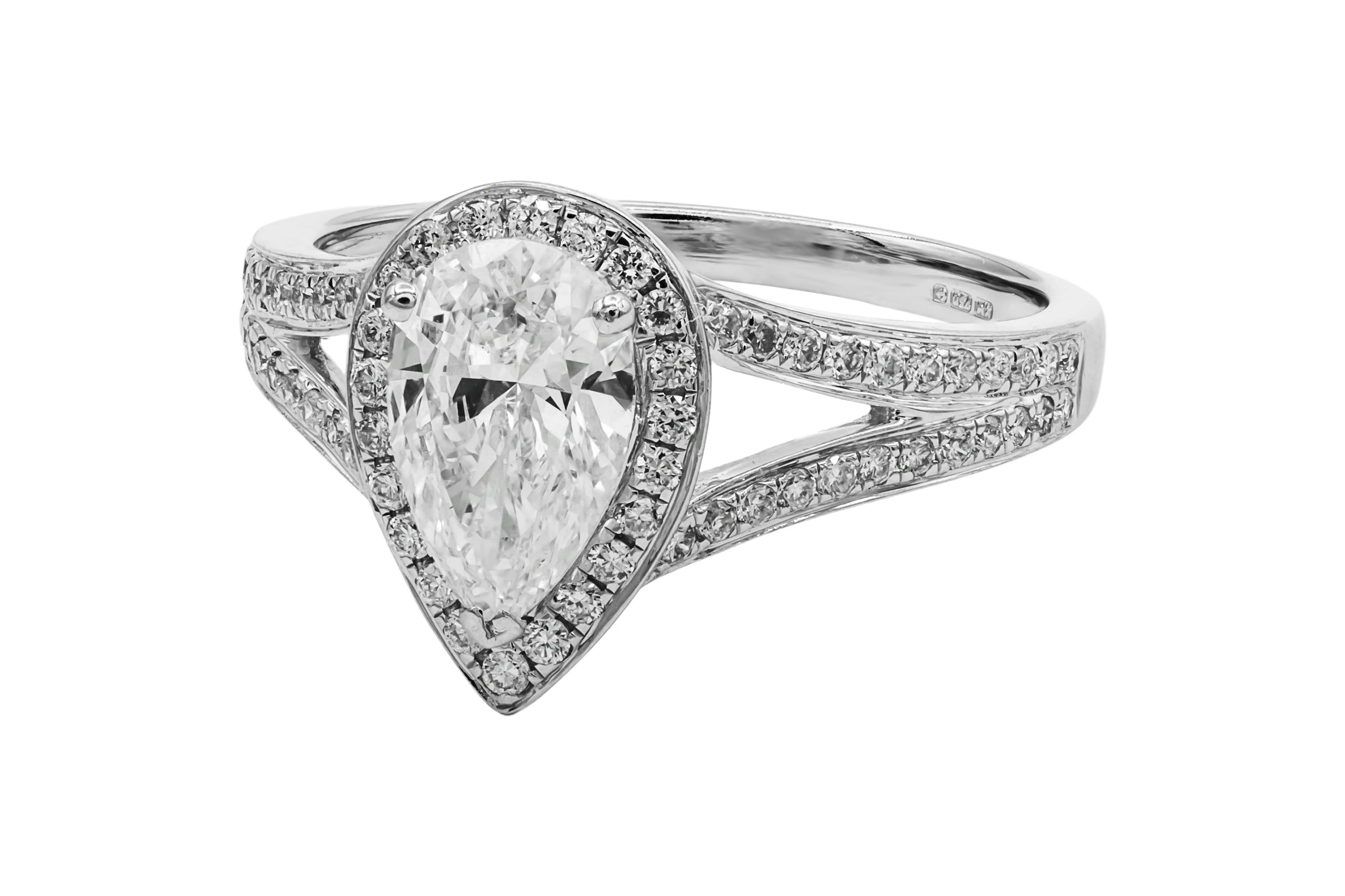
Diamonds are forever, but their grading system? Not so much. The Gemological Institute of America (GIA) just dropped a bombshell that's sending shockwaves through the $84 billion global diamond market.
Here's the scoop: GIA will no longer grade lab-grown diamonds using the same standards as natural ones. Instead, synthetic stones will get simplified descriptors like "premium" or "standard." This move creates a clear divide between nature's gems and their lab-created counterparts.
Why does this matter? It's all about differentiation.
Natural diamonds, formed over billions of years, have long been symbols of love, commitment, and luxury. Now, the industry is doubling down on this narrative.
But let's look at the numbers. Lab-grown diamond production skyrocketed from 6 million carats in 2020 to 10-11 million in 2022. That's rapid growth in a traditionally slow-moving market.
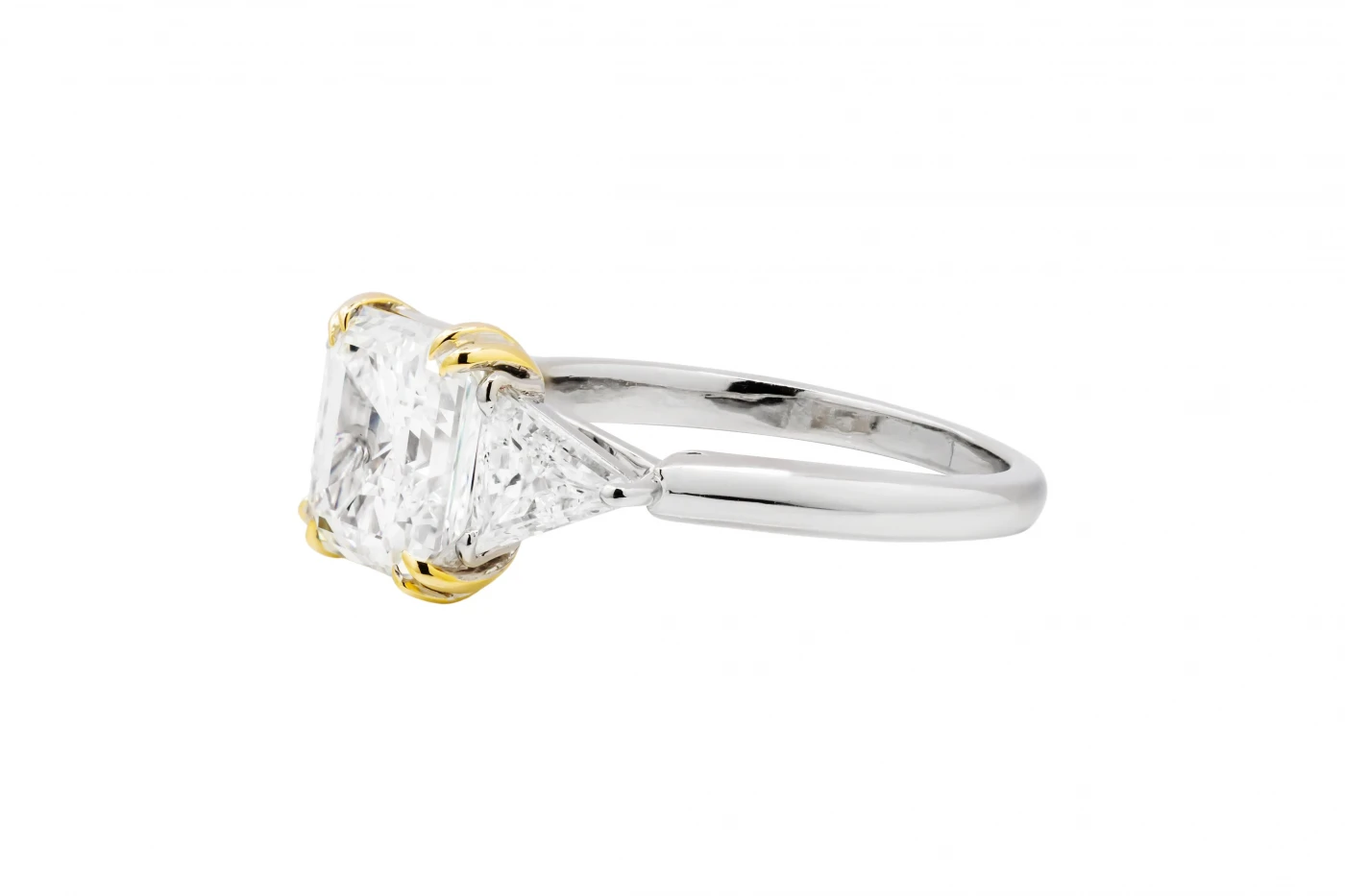
Yet, despite this surge, natural diamonds still command a hefty premium. A 1-carat natural stone can cost 3-4 times more than its lab-grown twin. The question is: will this price gap hold?
GIA's new policy suggests it might. By creating separate classification systems, the industry is drawing a line in the sand. Natural diamonds on one side, lab-grown on the other.
This isn't just about grading. It's about perception.
70% of consumers view natural diamonds as more valuable than lab-grown alternatives. They see these stones as investments, not just adornments.
But here's where it gets interesting. Major players like De Beers are hedging their bets. They're maintaining their natural diamond business while investing in lab-grown stones through subsidiaries.
It's a strategic move that acknowledges market realities while preserving the mystique of natural diamonds.
So what does this mean for luxury jewelry buyers and investors?
First, expect clearer marketing distinctions between natural and lab-grown diamonds. The industry is betting that informed consumers will choose based on more than just price.
Second, natural diamonds may increasingly be positioned as investment-grade assets. Some categories of natural colored diamonds have appreciated by up to 77% over the past decade.
Finally, the luxury jewelry market, projected to grow at 8.5% annually until 2030, will likely see a more pronounced split between high-end natural diamond pieces and more affordable lab-grown options.
In essence, GIA's new policy isn't just a change in grading. It's a recalibration of the entire diamond market.
For luxury buyers, this means more choice, but also more complexity. The value of a diamond will no longer be just about the four Cs. Its origin story - whether from the depths of the earth or the precision of a lab - will play an increasingly crucial role.
As the dust settles on this industry shake-up, one thing is clear: the diamond market is evolving. And for those in the luxury space, understanding these changes will be key to making sparkling decisions.
Visit us in store for great service and to see our amazing collection.
114 Ballards Lane, N3 2DN, London 020 8838 3655