






A Brief History Of Cartier's Iconic Watch Designs
Cartier, a name that resonates with luxury, elegance, and timeless style, has been one of the world’s most influential watchmakers for over a century. Founded in Paris in 1847 by Louis-François Cartier, the brand initially focused on jewelry, quickly gaining a reputation for exquisite craftsmanship. It wasn’t long before Cartier expanded into the world of horology, creating watches that would become symbols of sophistication and innovation. This article explores the history of Cartier's most iconic watch designs, their influence on fashion and watchmaking, and how they have remained relevant over the years.
The Birth Of Cartier Watches
Cartier’s entry into watchmaking was driven by the same principles that guided its jewelry: elegance, craftsmanship, and a touch of audacity. While watches existed long before Cartier, the company distinguished itself by blending jewelry design with mechanical innovation. Cartier watches were not just functional; they were statements of style, often worn by royalty, celebrities, and high society.
The first notable Cartier watch, introduced in the early 1900s, was more than a timepiece; it was a revolution. Cartier worked with skilled watchmakers, including Edmond Jaeger, to craft watches that combined aesthetic appeal with precision mechanics. The designs were elegant, innovative, and often drew inspiration from modern art movements.
The Santos de Cartier – The First Pilot Watch
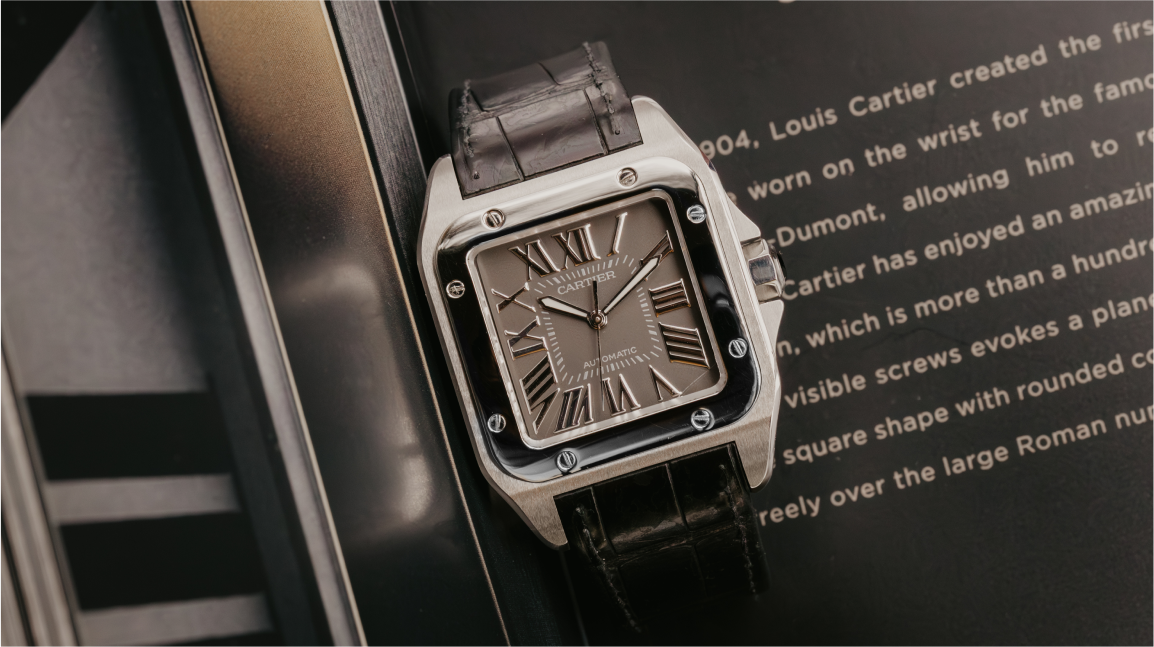
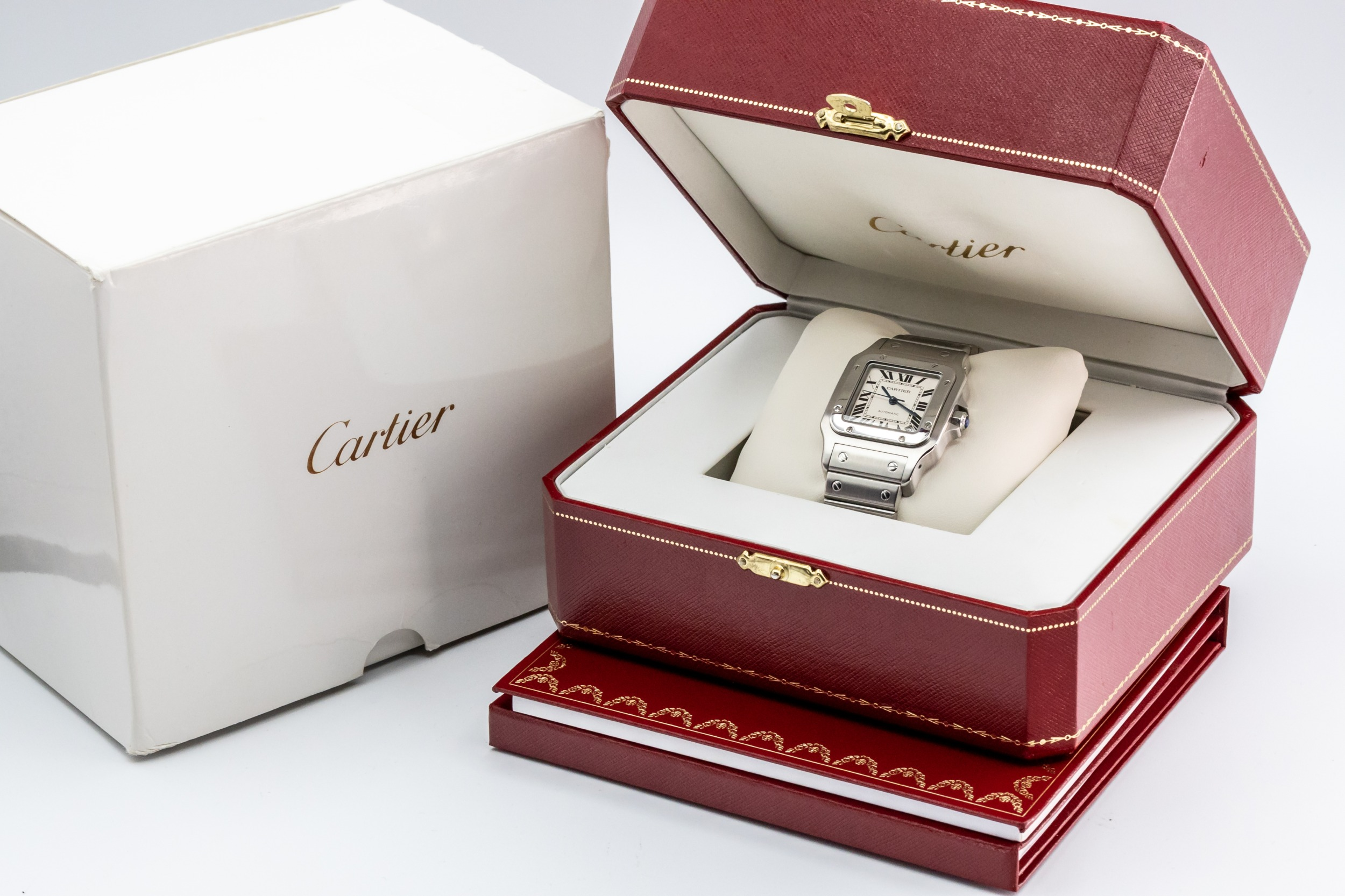
One of Cartier’s most famous early designs is the Santos de Cartier, created in 1904. The story behind it is as interesting as the watch itself. Alberto Santos-Dumont, a pioneering Brazilian aviator and friend of Louis Cartier, complained about the difficulty of checking his pocket watch while flying. In response, Cartier designed a wristwatch specifically for him.
The Santos featured a square face, exposed screws, and a leather strap, a bold departure from the round, pocket-style watches of the era. It was practical for pilots but stylish enough to appeal to the upper class. Over the years, the Santos evolved with modern materials like steel and gold, yet it has kept its signature square design. Today, it remains a symbol of Cartier’s ability to combine form, function, and fashion.
The Tank – A Classic of Minimalism
In 1917, Cartier introduced the Tank, arguably the most iconic watch in the brand’s history. Its design was inspired by the Renault tanks used during World War I, with clean, rectangular lines and parallel brancards (the vertical sidebars of the case) reminiscent of a tank’s tracks.
The Tank was revolutionary for its time. Unlike the ornate watches that were popular in the early 20th century, the Tank emphasized simplicity and elegance. It appealed to those who appreciated understated luxury and has since been worn by legends like Jackie Kennedy, Princess Diana, and Yves Saint Laurent.
The Tank has undergone various reinterpretations, including the Tank Américaine, Tank Française, and Tank Solo, yet the essence of the design remains the same, geometric, elegant, and unmistakably Cartier.
The Pasha – Boldness And Character
By the 1980s, Cartier introduced the Pasha, a watch that marked a departure from minimalism toward bold, statement-making designs. Originally created in the 1930s for the Pasha of Marrakech, the watch was revived decades later with a modern twist.
The Pasha features a round case, a prominent crown guard, and a distinctive grille protecting the dial. It blends elegance with sportiness, making it versatile for various occasions. The Pasha gained popularity among both men and women and became known for its daring design. Its combination of round shapes and prominent features added a new dimension to Cartier’s design portfolio, showing the brand could innovate while remaining true to its heritage.
Ballon Bleu – Contemporary Elegance
In 2007, Cartier launched the Ballon Bleu, a watch that reflects the brand’s evolution into contemporary design. The Ballon Bleu features a rounded case, a distinctive crown protected by an arch, and a slightly domed crystal that gives the watch a balloon-like appearance, hence the name.
The design is softer and more fluid compared to the geometric Tank or the bold Pasha, appealing to modern tastes. The Ballon Bleu has been embraced by both men and women, further solidifying Cartier’s reputation for producing versatile, stylish timepieces. Its combination of modern lines and classic elegance demonstrates Cartier’s ability to innovate while respecting its design legacy.
Santos, Tank, Pasha, And Ballon Bleu – A Summary Of Influence
Each of Cartier’s iconic watches represents a different aspect of the brand’s identity:
- Santos – Practicality meets bold design; a pioneer in wristwatches for men.
- Tank – Minimalism and elegance; a timeless classic worn by celebrities and royalty.
- Pasha – Sporty sophistication with a daring twist; suited for those who want a statement piece.
- Ballon Bleu – Modern luxury with soft, flowing lines; a bridge between tradition and contemporary style.
These watches reflect Cartier’s understanding of style and its ability to adapt to the changing tastes of society while maintaining a strong, recognizable identity.
Cartier’s Role In Watchmaking Innovation
Beyond aesthetics, Cartier has also contributed to technical advancements in watchmaking. The brand has collaborated with renowned watchmakers, experimented with new materials like stainless steel, titanium, and ceramic, and introduced complications such as moon phases and chronographs.
Cartier watches are known for their attention to detail. Every design element, from the shape of the hands to the placement of numerals, is carefully considered. Even the use of Roman numerals, a hallmark of many Cartier designs, is chosen for both readability and elegance. This careful attention has solidified Cartier’s reputation as a luxury brand that blends elegance with technical excellence.
Cultural Impact Of Cartier Watches
Cartier watches have left a lasting mark on popular culture. They are not just accessories but symbols of status, sophistication, and taste. Celebrities, politicians, and business leaders have consistently chosen Cartier watches, reinforcing the brand’s image as a marker of success.
The Tank, for instance, has appeared in countless films and photographs, cementing its status as a fashion icon. Similarly, the Santos and Pasha have been celebrated in both high society and sports circles, showing the versatility of Cartier’s designs. By creating watches that are both stylish and functional, Cartier has shaped how people perceive timepieces, not merely as tools, but as extensions of personal style and identity.
Why Cartier Watches Remain Relevant Today
Over the decades, Cartier has successfully balanced tradition with innovation. The brand honors its historical designs while updating them with modern technology, materials, and trends. Limited editions, collaborations, and high-complication watches ensure that Cartier appeals to collectors and new buyers alike.
Moreover, Cartier’s marketing emphasizes storytelling. Every watch comes with a narrative, whether inspired by aviation, military vehicles, royalty, or contemporary elegance. This storytelling adds depth and meaning, making each watch more than just an instrument for telling time.
In a world where luxury watch brands often compete on features and pricing, Cartier continues to lead through design, heritage, and emotion. It is a brand that understands that people buy watches not only for their function but for their legacy, prestige, and style.
Conclusion
The history of Cartier’s watch designs is a journey through elegance, innovation, and timeless style. From the pioneering Santos to the classic Tank, the bold Pasha, and the contemporary Ballon Bleu, each watch tells a story of craftsmanship and design excellence. Cartier watches are not just instruments of time; they are symbols of personal taste, status, and cultural impact.
For over a century, Cartier has remained at the forefront of watchmaking, blending jewelry artistry with mechanical innovation. Its iconic watches continue to inspire designers, collectors, and enthusiasts around the world, proving that true style is timeless.
Whether you are drawn to the geometric lines of the Tank, the aviation-inspired Santos, the bold personality of the Pasha, or the modern elegance of the Ballon Bleu, Cartier offers more than a watch; it offers a piece of history on your wrist.