By Grace ·
posted on 09th April 2026



 follow us
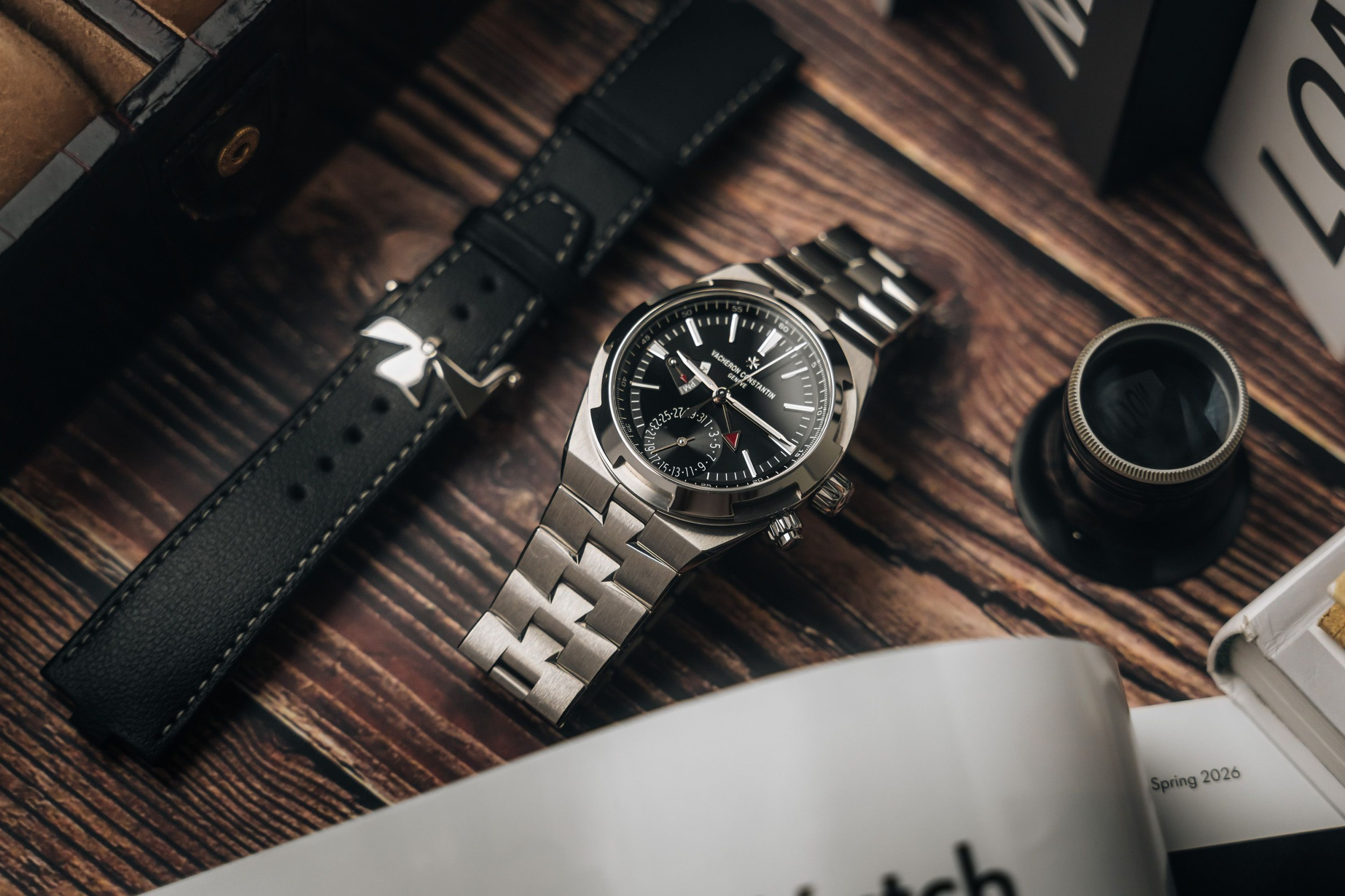
TL;DR: Luxury watches beyond Rolex, including Patek Philippe, Audemars Piguet, and Vacheron Constantin, offer a different path in watchmaking. They are more complex, more costly to service, and often historically significant. The right choice depends on whether you value recognition and reliability, or rarity and mechanical depth.
When people first enter the world of luxury watches, they often begin with Rolex.
It is the most recognisable name. The one that feels safe when spending several thousand pounds. But once you spend time researching and understanding what actually matters in watchmaking, other names begin to appear more frequently.
Patek Philippe. Audemars Piguet. Vacheron Constantin. A. Lange & Söhne.
These are not alternatives in the sense of being second choices. They represent entirely different approaches, each with its own philosophy, heritage, and standards of craftsmanship.
Understanding that difference requires looking beyond branding and into what you are actually buying.
An automatic watch is not a one-time purchase. It is an ongoing commitment that includes servicing, and proper care.
Servicing, maintenance, and long-term care all form part of ownership, and the costs vary significantly depending on the brand.
Servicing alone tells you a great deal about what you are getting into.
Rolex servicing typically ranges from £400 to £900 every five to ten years
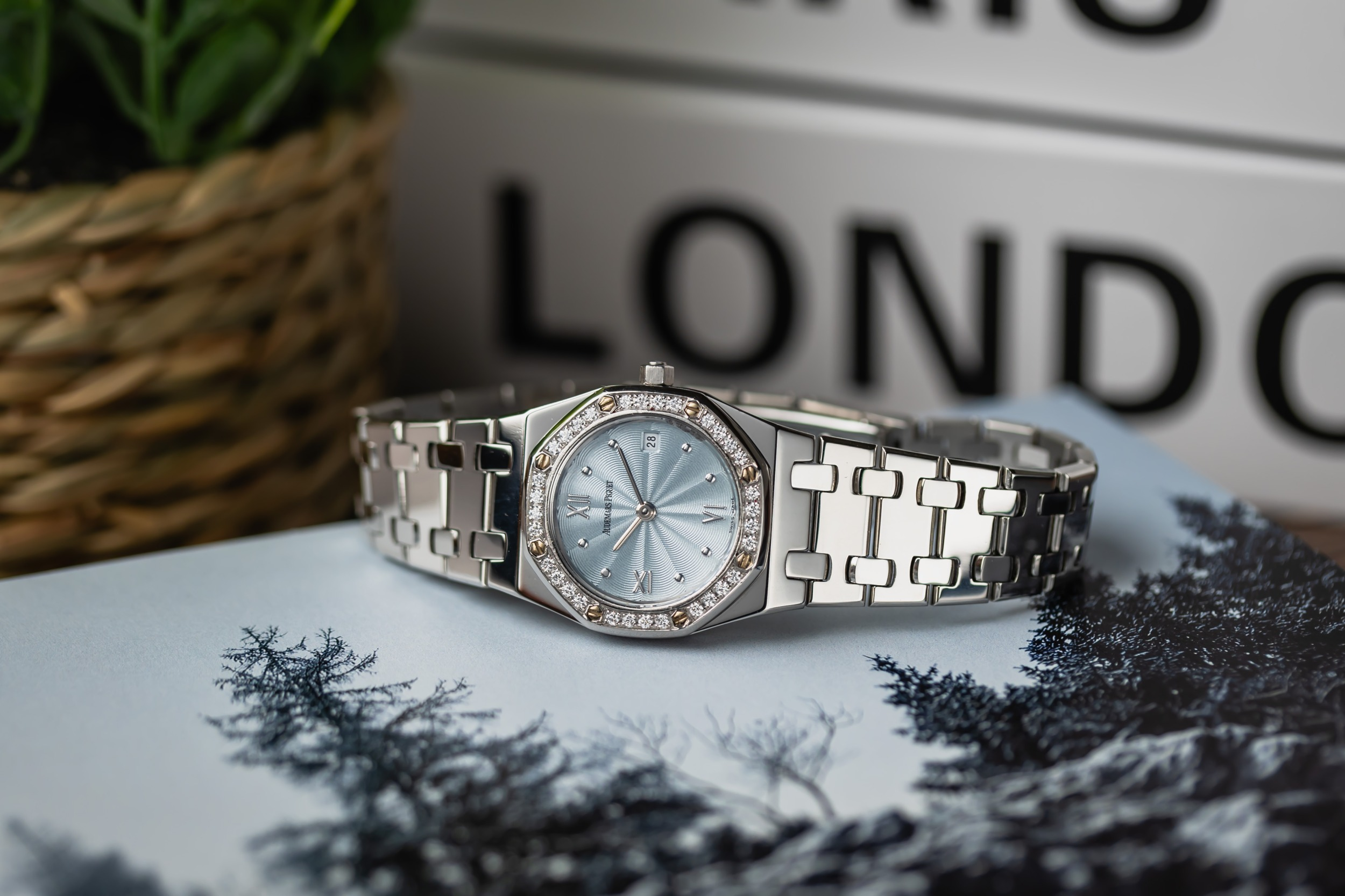
Brands such as Patek Philippe or Audemars Piguet often exceed £2,000
Grand complications can go significantly higher
This is not a drawback. It reflects the level of complexity and craftsmanship involved. At The Diamond Box, we've serviced watches across all these brands for over twenty years, and we've seen firsthand how proper maintenance protects value over time.
What matters is understanding this before you buy, not years later when the first service becomes due.
A well-maintained watch will last decades and often retain its value better. Poor maintenance leads to compounding issues and far higher repair costs down the line. This is why we talk through servicing expectations with every customer before they buy.
Patek Philippe, Audemars Piguet, and Vacheron Constantin are often referred to as the “Holy Trinity” of watchmaking.
This is not marketing language. It is recognition earned over centuries through contributions that shaped modern horology.
These houses did not simply produce watches. They advanced the craft itself.
What that means in practical terms is higher levels of finishing, more intricate movements, and a stronger emphasis on mechanical artistry.
Rolex occupies a different space.
It is built on reliability, durability, and global recognition. All of which hold real value. But if you are drawn to rarity, craftsmanship, and historical significance, the Holy Trinity represents that direction.
The luxury watch market in 2026 has become more considered.
Buyers are taking time. Researching. Asking better questions. Moving away from hype-driven decisions.
This reflects what we've seen at The Diamond Box for years. The most satisfied buyers are rarely the fastest. They're the ones who understand what they're buying and why.
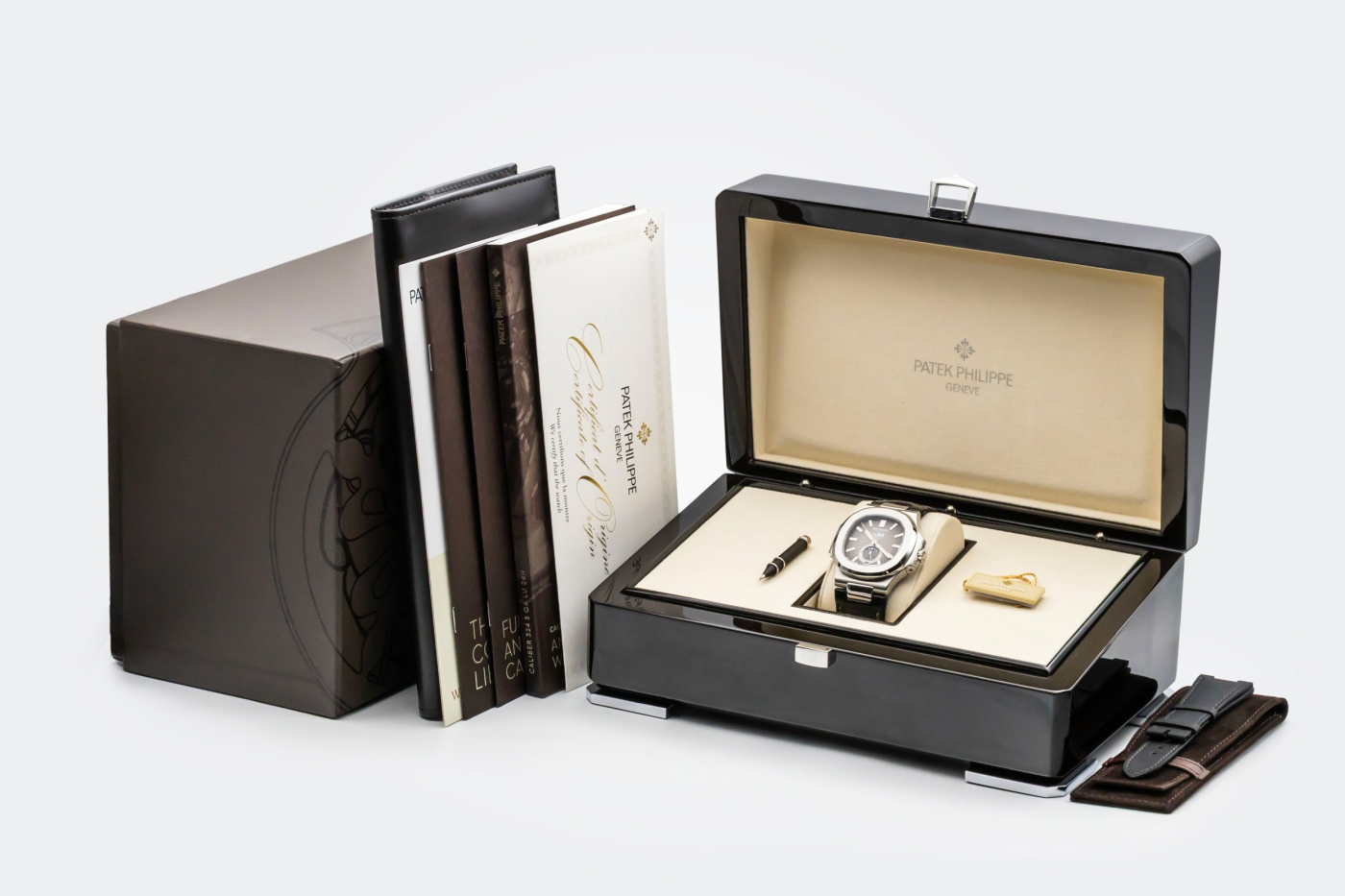
Brands with strong identity, genuine heritage, and clear craftsmanship are gaining more attention. Speculation is giving way to long-term thinking.
That creates opportunity.
Watches from brands such as A. Lange & Söhne often sit in a space where craftsmanship is exceptional, yet pricing in the secondary market does not fully reflect it. For buyers who value quality over visibility, this gap becomes meaningful.
Counterfeits have become significantly more sophisticated.
In 2024, nearly one-third of luxury watches submitted for resale were rejected as fake. Many of these were convincing at first glance.
This is where working with an established dealer becomes essential.
You are not relying on your own ability to assess authenticity. You are relying on experience built over years of handling genuine pieces.
At The Diamond Box, we've seen watches that appeared correct initially but revealed issues under closer inspection. Poor servicing, incorrect parts, or subtle inconsistencies that only become obvious with experience. This is why authentication and proper servicing history matter so much.
Whether you're buying, selling, or part exchanging, working with a trusted source removes that uncertainty.
Anyone can sell a watch once. Very few can support you over time.
At The Diamond Box, we offer:
Authentication expertise
Transparent history
Professional servicing and repairs on-site
Transparent buying, selling, and part exchange options
Long-term accountability
This becomes most valuable years after purchase.
When servicing is due. When questions arise. When something does not feel right.
At that point, having someone who knows your watch and stands behind it makes a significant difference.
What is the difference between Rolex and the Holy Trinity?
Rolex focuses on reliability and recognition. The Holy Trinity focuses on craftsmanship, complexity, and historical significance.
How much does servicing cost for high-end watches?
Rolex typically costs £400–£900. Holy Trinity brands often exceed £2,000, depending on complexity.
Are counterfeits really that common?
Yes. A significant proportion of watches entering the resale market are rejected as fake.
Is A. Lange & Söhne worth considering?
Yes. It offers exceptional finishing and strong horological value, often with less mainstream visibility.
How often should an automatic watch be serviced?
Typically every five to ten years, depending on usage and complexity.
Automatic watches require long-term commitment beyond the initial purchase
Servicing costs vary significantly depending on brand and complexity
The Holy Trinity represents craftsmanship and innovation, not marketing
Counterfeits are increasingly sophisticated and difficult to detect
Established dealers provide essential protection and long-term support
The 2026 market rewards research, patience, and informed decisions
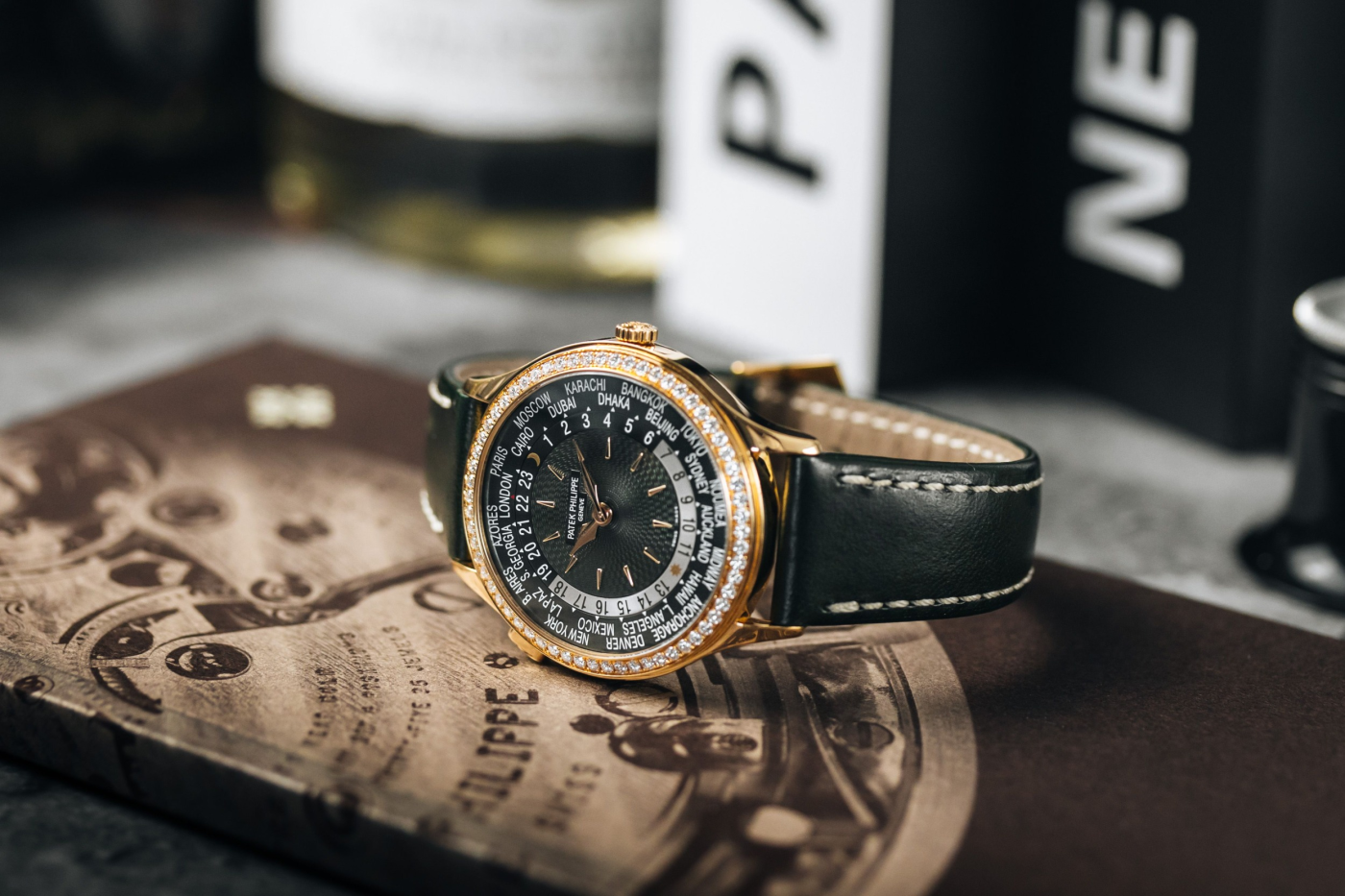
Looking beyond Rolex opens up a different side of watchmaking.
One that focuses less on recognition and more on detail, craftsmanship, and heritage.
There is no single right choice.
What matters is understanding what you value and choosing a watch that reflects that over time.
When you approach it that way, the decision becomes clearer. If you're weighing options between Rolex and other brands, or you're looking for servicing, repairs, or part exchange on a watch you already own, we're here to help. No pressure. Just honest guidance built on over twenty years of experience in North London.
Visit us in store for great service and to see our amazing collection.
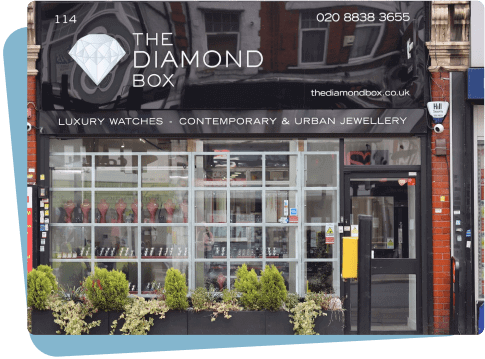
114 Ballards Lane, N3 2DN, London 020 8838 3655