











TL;DR: Professional watch sourcing services help buyers navigate luxury watch scarcity by providing access to secondary markets, authentication expertise, and transparent pricing. Authorised dealer allocation systems favour existing relationships and purchase history, so independent buyers face structural barriers. Professional sourcing reduces information gaps and authenticity risks in a market where counterfeit watches are increasingly sophisticated.
What Professional Watch Sourcing Provides:
-
Access to secondary market inventory through established dealer relationships built over decades
-
Authentication expertise to identify counterfeits (which account for the majority of fraud cases)
-
Transparent pricing based on actual market dynamics rather than opportunistic markup
-
Condition assessment from professionals who have examined thousands of examples
-
Long-term accountability measured in years, not transaction completion
Why Watch Sourcing Services Exist
The secondary market for luxury watches reached £13 billion in 2025. That's a 36.4% increase from the previous year.
These numbers reveal something important. Finding a specific watch has become harder, not easier.
The waiting list for a Patek Philippe Nautilus extends 5-8 years for most references. Some people wait up to a decade.
Rolex steel sports models follow similar patterns.
Professional sourcing services exist because of this gap. There's what you want, and there's what you get access to through traditional channels.
The Bottom Line: Scarcity drives secondary market growth. Authorised dealer allocation systems create structural barriers for independent buyers who lack existing purchase history.
How Do Authorised Dealer Allocation Systems Work?
Most people think authorised dealer waiting lists work like a queue.
You add your name. You wait your turn. You get the watch.
That's not how it works.
The Rolex Waiting List Reality
The Rolex waiting list isn't a formal, first-come-first-served system.
It's an interest list maintained at the store level. No centralised company-wide list exists.
Dealers prioritise allocations based on customer relationships and purchase history.
Wait times vary significantly by model and location.
The Patek Philippe Allocation System
For Patek Philippe, the system operates on relationship strength rather than chronological order.
Customers who continue purchasing other models, demonstrate brand loyalty, and maintain regular dealer contact often receive priority consideration.
Some dealers require annual purchases in the £40,000 to £80,000 range to maintain serious consideration for Nautilus allocation.
This creates a structural problem. Access depends on factors most people don't control or even understand.
Key Insight: Authorised dealer allocations prioritise existing customer relationships and purchase history, not chronological order. Independent buyers without established spending patterns face structural disadvantages in accessing high-demand models.
What Does Professional Sourcing Provide?
We spend decades building relationships across the secondary market.
Not to bypass the system, but to navigate it with transparency.
Reducing Information Gaps
Professional sourcing reduces informational asymmetry.
You know what's available, where it's located, what condition standards matter, and what price reflects actual market dynamics rather than opportunistic positioning.
The value isn't finding the watch. It's knowing what you're getting.
Why Authentication Expertise Matters
Counterfeit watches account for the majority of fraud cases in the secondary market.
Fraudsters now price fakes at near-retail levels through social media and fake websites.
The most dangerous assumption? That original box and papers guarantee authenticity.
They don't.
Sophisticated counterfeiters now replicate green certification cards, hologram details, and even the weight of the box itself.
Authentication requires direct examination by someone who has seen thousands of examples, knows the subtle tells that separate genuine from fake, and understands how condition affects long-term value retention.
Essential Point: Professional sourcing provides access to secondary market inventory, authentication expertise to identify counterfeits, and transparent pricing based on actual market conditions rather than opportunistic markup.
Why the Secondary Market Matters
The secondhand watch market once evoked images of back alley deals and dubious authenticity.
Today's market is transparent. It's fueled by online information sharing, supported by authentication services, and composed of knowledgeable buyers and established sellers.
Nearly 95% of watches are no longer in production.
The secondary market is essential for collectors who seek rare and special watches.
Value Propositions in the Secondary Market
Secondary market watches often present strong value propositions.
Recently discontinued models typically sell at 20 to 40% below retail.
You also gain access to vintage pieces that showcase important design evolutions and historical significance unavailable in current collections.
Price Appreciation Potential
Some models appreciate over time.
Patek Philippe steel sports models have achieved annual appreciation rates of 4 to 6% over the past decade.
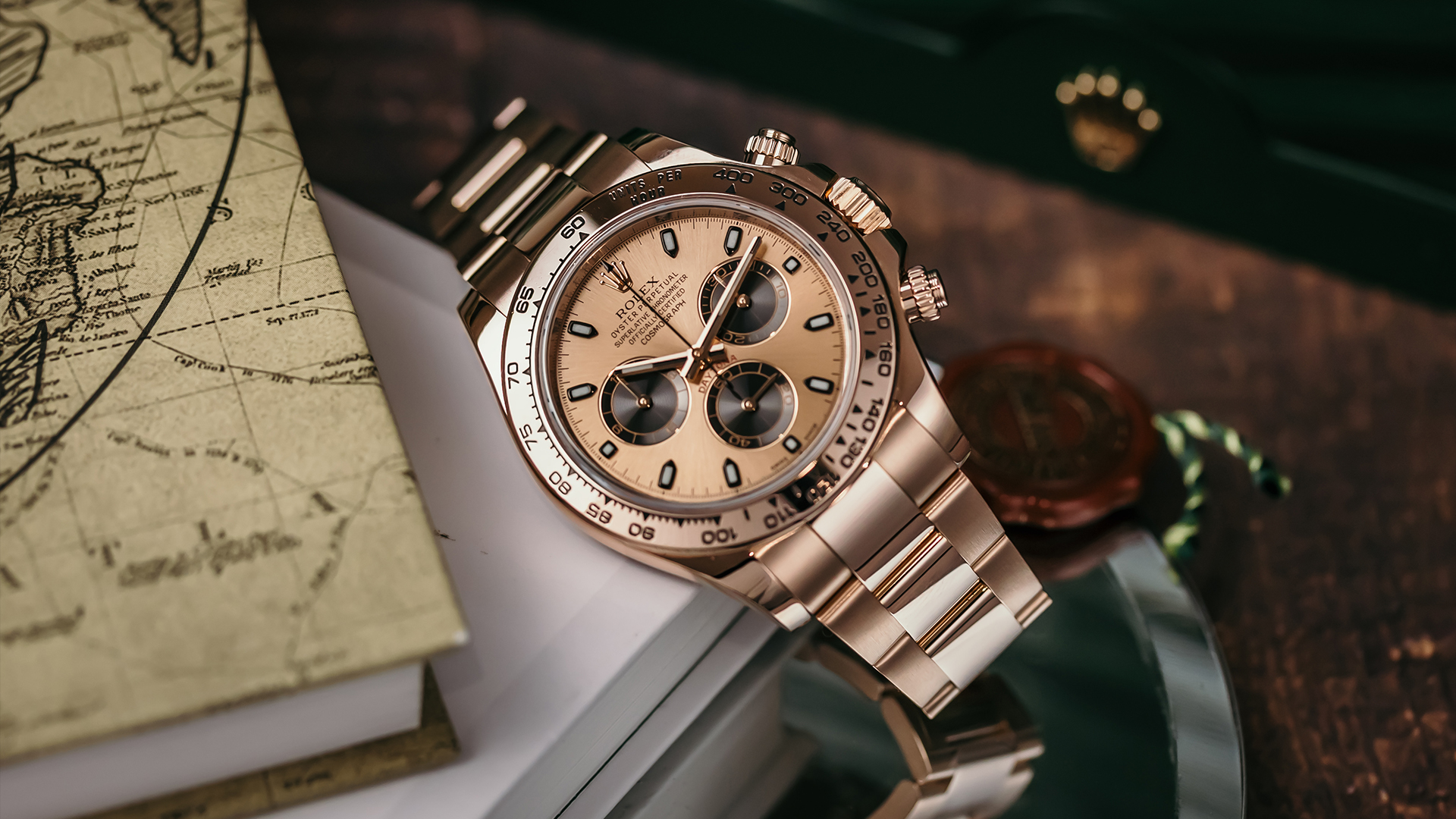
The GMT-Master II collection has demonstrated average price appreciation over 550% since 2010 according to dealer data.
These outcomes depend on authenticity, condition, and market timing. You can't predict future appreciation with certainty.
Reality Check: The secondary market offers access to 95% of watches no longer in production, often at 20 to 40% below retail for recently discontinued models. While some models appreciate over time, outcomes depend on authenticity, condition, and market timing.
Why We Prioritise Process Over Speed
We slow things down deliberately.
When you're making a decision that involves significant capital and emotional weight, velocity works against comprehension.
The market rewards speed. We prioritise understanding.
This means we sometimes tell you to wait.
We sometimes recommend a different reference than the one you initially wanted.
We sometimes say no when the watch doesn't meet condition standards or the price doesn't reflect actual market value.
Professional sourcing isn't about getting you any watch quickly.
It's about getting you the right watch with full information about what you're committing to.
The relationship doesn't end at transaction completion. We remain accountable for the guidance we provide, measured in years rather than moments.
Core Principle: Deliberate deceleration allows comprehensive evaluation. Professional sourcing prioritises informed decision-making over transaction velocity because comprehension matters more than speed when capital and emotional weight intersect.
How to Decide if Professional Sourcing Is Right for You
If you're trying to find a specific watch, you're navigating a system designed around scarcity, relationship capital, and information gaps.
The Diamond Box sourcing gives you access to pattern recognition accumulated across thousands of transactions.
You benefit from relationships built over decades.
You gain transparency about condition standards, authentication protocols, and market dynamics that aren't visible from outside the system.
The decision to use professional sourcing depends on three factors:
-
How you value your time
-
What level of risk you're comfortable with
-
Whether you want to navigate this complexity alone or with someone who has direct observational knowledge of how outcomes actually unfold
We exist because the gap between what the market demands and what humans need to make confident decisions keeps widening.
Slowing down isn't inefficiency. It's intentional design that produces better long-term outcomes.
Frequently Asked Questions
How long does it take to source a specific watch?
Timelines vary based on model rarity and market availability. Common references might appear within weeks. Rare vintage pieces or high-demand models (like certain Patek Philippe Nautilus references) require months of monitoring secondary market channels. We don't manufacture urgency or pressure you to accept alternatives that don't meet your criteria.
How do you authenticate watches?
Authentication requires direct physical examination by professionals who have evaluated thousands of examples. We examine movement details, case construction, dial printing, serial number placement, and dozens of subtle characteristics that counterfeiters struggle to replicate accurately. Box and papers alone don't guarantee authenticity because sophisticated counterfeiters now replicate documentation.
Why can't I get on an authorized dealer waiting list?
Authorised dealer allocation systems prioritise existing customers with established purchase history. Most high-demand models (Rolex steel sports models, Patek Philippe Nautilus) go to customers who have spent £40,000 to £80,000 annually over multiple years. The waiting list functions as an interest list, not a chronological queue.
Do secondary market watches cost more than retail?
Pricing depends on the specific model. Recently discontinued references typically sell at 20 to 40% below original retail. High-demand models with limited production (certain Rolex sports models, Patek Philippe steel sports watches) often trade above retail because authorized dealer access is restricted. Vintage pieces have independent pricing based on condition, rarity, and collector demand.
Are watches good investments?
Some models have appreciated over time. Patek Philippe steel sports models showed 4 to 6% annual appreciation over the past decade. The GMT-Master II collection demonstrated over 550% average appreciation since 2010. These outcomes depend on authenticity, condition, and market timing. We don't position watches as financial instruments or guarantee future appreciation because uncontrollable market forces govern outcomes.
What happens if there's a problem after purchase?
We remain accountable for the guidance we provide, measured in years rather than moments. The relationship doesn't end at transaction completion. If issues arise with authenticity or undisclosed condition problems, we address them because our business model depends on long-term relationship integrity, not transaction frequency.
How does professional sourcing differ from buying directly from the secondary market?
Direct secondary market purchases expose you to authenticity risk, condition misrepresentation, and pricing opacity. Professional sourcing provides authentication expertise (counterfeit watches account for the majority of fraud cases), transparent pricing based on actual market dynamics, and access to inventory through dealer relationships built over decades. You also gain pattern recognition from thousands of prior transactions.
What if I want to sell my watch later?
We provide guidance on resale potential based on market observation, but we don't guarantee buyback prices or future values. Authenticity documentation, condition preservation, and complete provenance (original papers, service records) affect resale value. Market dynamics change over time. Some models maintain value better than others based on brand perception, production scarcity, and collector interest.
Key Takeaways
-
Authorised dealer allocation systems prioritise existing customer relationships and purchase history over chronological waiting lists, creating structural barriers for independent buyers without established spending patterns.
-
Professional sourcing reduces informational asymmetry by providing authentication expertise (counterfeits account for the majority of fraud cases), transparent pricing, and access to secondary market inventory through relationships built over decades.
-
The secondary market offers access to 95% of watches no longer in production, often at 20 to 40% below retail for recently discontinued models, though high-demand current production models trade above retail due to allocation restrictions.
-
Authentication requires direct physical examination by professionals who have seen thousands of examples because sophisticated counterfeiters now replicate boxes, papers, and certification cards.
-
Professional sourcing prioritises process over speed because velocity works against comprehension when decisions involve significant capital and emotional weight.
-
While some models (Patek Philippe steel sports models at 4 to 6% annually, GMT-Master II over 550% since 2010) have appreciated, outcomes depend on authenticity, condition, and market timing. Future appreciation cannot be predicted with certainty.
-
Long-term accountability distinguishes professional sourcing from transaction-focused services because relationship integrity matters more than transaction frequency when measured over years rather than moments.