




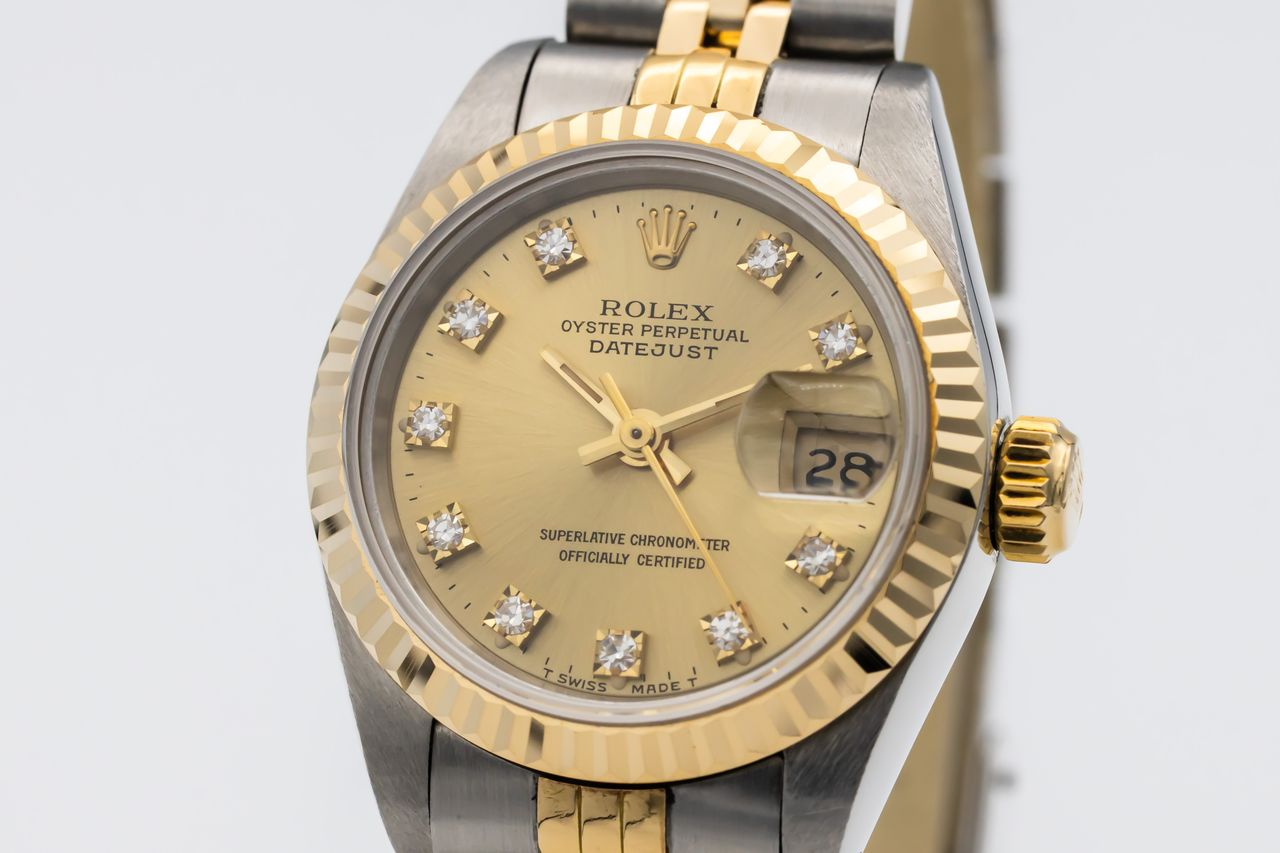
Quick Summary: Rolex financing has shifted from necessity to strategic choice. In 2026, 75% of buy-now-pay-later users have full funds available but choose financing for liquidity management. The luxury watch market has slowed, giving buyers space to make thoughtful decisions. This guide shares what we've observed helping buyers navigate financing options over two decades.
Is financing a Rolex right for you?
-
Financing works when monthly payments fit comfortably in your budget without stress
-
75% of luxury financing users have full purchase funds but choose payment plans strategically
-
Rolex watches hold value better than most luxury goods, with the pre-owned market at £25+ billion
-
Younger buyers (late 20s to early 40s) view financing as a tool, while older buyers prefer paying in full
-
The decision depends on your comfort with payments, liquidity needs, and long-term financial goals
Why Buyers Are Slowing Down
Over the past few years, we've watched something shift. The people coming through our doors move differently now. There's less urgency, more questions, and a thoughtfulness we didn't see as often five or ten years ago.
They want to understand what they're doing before they commit. When the conversation turns to financing a Rolex, the questions get sharper. Not because people are uncertain about wanting the watch, but because they're uncertain about the right way to acquire something this significant.
The way you pay for a purchase like this shapes how you feel about owning the watch long after the transaction closes. We've seen this pattern repeat across hundreds of conversations, and we've learned to honour the uncertainty that comes with these decisions.
What this means: Taking time with financial decisions leads to better long-term satisfaction. The method you choose matters as much as the watch itself.
How Has the Luxury Watch Market Changed in 2026?
For a while, the luxury watch market moved at a pace where reflection felt impossible. Prices climbed. Availability tightened. There was a sense you'd miss your chance if you didn't act immediately.
The pressure has eased. Buying habits within the watch market have changed. Rising prices and greater access to information have encouraged buyers to pause, research, and reflect before committing. Watches are no longer impulse purchases driven by hype. They're considered investments of money, time, and personal taste.
We see this shift in our daily conversations. People take longer now. They ask more detailed questions. They think about how the decision fits into the rest of their financial life, not whether they want the watch.
This is where financing enters the conversation, not as a fallback option but as a deliberate choice worth considering.
Bottom line: The market slowdown has created space for buyers to make more thoughtful, aligned decisions about how they acquire luxury watches.
What Does Financing a Rolex Mean in 2026?
There's still an assumption floating around. If you're financing a luxury purchase, you're stretching beyond your means. If you need to spread the payments, you're overreaching.
The data tells a different story.
Consumer spending data shows 75% of customers using buy-now-pay-later services have the funds to cover the purchase in full. Instead of using financing to afford out-of-reach purchases, many buyers use these tools as an intelligent money management strategy.
Among higher-income consumers earning more than £75,000 yearly, about one-third have used buy-now-pay-later options. Only 5.7% reported using these services out of necessity. The rest chose financing as their preferred payment method.
The shift is subtle but meaningful. Financing has moved from being a sign of financial limitation to being a tool for financial flexibility. These payment structures allow you to preserve liquidity, manage cash flow, and make purchases without disrupting other priorities.
This doesn't mean financing is the right choice for everyone. But the conversation around these tools has changed in ways worth understanding.
Key insight: Modern luxury financing is a strategic choice, not a sign of financial strain. Most users have full funds available but choose structured payments for liquidity management.
Why Is Financing a Rolex Different From Other Purchases?
Financing a watch differs from financing a car or home. Those purchases have clear practical value. A car gets you to work. A home provides shelter.
A Rolex serves a different function, one harder to measure but no less real for the people who own them.
For some people, the watch marks a personal milestone. For others, the piece is a long-term hold carrying both sentimental and financial value. For many, owning a Rolex is something they've wanted for years and are finally positioned to acquire.
The question isn't whether the watch holds worth. The question is whether the payment method aligns with how you want to feel about ownership.
We've seen people finance a Rolex and feel good about the decision years later because the structure allowed them to keep savings intact while acquiring something meaningful. We've also seen people pay cash and feel relief at closing the transaction in one step.
Both approaches work. The method needs to match your situation and comfort level.
Remember this: Rolex purchases are personal decisions with emotional weight. The payment method should align with how you want to feel about ownership, not what others expect.
Does a Rolex Hold Its Value Over Time?
One reason people feel more comfortable financing a Rolex is these watches tend to hold value better than most luxury goods. They're not immune to market changes, but they're more resilient than many alternatives.
Between 2010 and early 2025, average pre-owned Rolex prices saw significant growth. Even when the broader market dipped, these watches held their ground. The global luxury watch market sits at £50-65 billion, growing 5-12% yearly, with the pre-owned segment projected at pound;25 billion or more.
This doesn't mean a Rolex guarantees returns. Market conditions shift. Demand changes. What's sought after today might be less popular in five years.
But if you care for the watch and choose a model with enduring appeal, you're less likely to see dramatic depreciation compared to other luxury purchases.
This stability matters when you're thinking about financing. If you're spreading payments over time, you want confidence the piece you're paying for will still carry value when the last payment clears.
What you need to know: Rolex watches are more stable than most luxury goods, but they're not guaranteed investments. Choose models with enduring appeal and care for them properly.
What Questions Should You Ask Before Financing a Rolex?
The people who feel most comfortable with their financing decisions take time to ask themselves a few questions before moving forward.
Can You Afford the Payments Without Stress?
This isn't about whether the monthly amount fits your budget. The question is whether the payment fits comfortably, whether you'll make each payment without feeling stretched or anxious.
What Else Could You Do With That Liquidity?
If you have cash to pay outright, financing frees up capital for other uses. Some people prefer keeping those funds available for emergencies, investments, or other opportunities. Others prefer the simplicity of a single transaction.
How Do You Want to Feel About This Purchase in a Year?
This question often clarifies everything. If you imagine looking back twelve months later, what scenario feels better: making payments over time while keeping savings intact, or paying in full and moving on?
There's no universal answer. But asking the question tends to surface what matters most to you.
Think through: Comfortable payments, liquidity trade-offs, and how you want to feel about the decision long-term are the three most important factors in financing decisions.
How Do Different Generations Approach Rolex Financing?
We've noticed younger buyers, those in their late twenties to early forties, approach financing differently than older generations.
They're more comfortable with the mechanics. They've grown up in environments where financing options are woven into nearly every purchasing experience. The tools don't carry the same weight they once did.
But they're also more deliberate. In China, 60% of Gen Z buyers are willing to delay purchases and save up to buy from the luxury brand they prefer, rather than downgrade their choice because of budget limits. Gen Z and Millennials are expected to make up 80% of the global luxury market by 2030.
This willingness to wait, combined with comfort around structured payment plans, creates a different decision process. The focus shifts from "Do I have enough right now?" to "What's the smartest way to make this work?"
Older buyers tend towards caution. They often prefer paying in full when possible, viewing financing as something to avoid unless needed. This isn't wrong. The approach reflects a different framework shaped by different experiences.
Both approaches hold validity. What matters is choosing an approach reflecting your own values and circumstances, not someone else's expectations.
The pattern: Younger buyers view financing as a strategic tool, while older buyers prefer full payment when possible. Neither approach is superior; both reflect valid frameworks shaped by different experiences.
How Does Rolex Scarcity Affect Financing Decisions?
One factor complicating the financing conversation is availability. Rolex watches, especially certain models, aren't always easy to find. When the watch you want becomes available, there's often a narrow window for decisions.
This creates pressure. Pressure leads to decisions feeling wrong later.
We've seen people finance a watch because they felt they had to act fast or lose the opportunity. Sometimes this works out fine. Other times, they wish they'd waited until they felt more certain.
The scarcity is real. According to early 2026 data, 56% of Rolex watches and 63% of Audemars Piguet watches sell above retail, commanding premiums. Limited retail availability keeps demand high, especially for well-known models.
But scarcity doesn't mean rushing. If the financing doesn't feel right, or if the timing doesn't align with your broader financial picture, consider whether this particular opportunity is the right one, even if waiting means missing this specific watch.
The watches will still be there. The market will still be there. When the conditions align, you'll be better positioned to move forward with confidence.
Worth considering: Scarcity is real, but rushing into financing because of availability pressure often leads to regret. Wait for the right conditions, not the right moment.
What Financing Options Do We Offer?
We work with buyers who want to explore structured financing options. We'll walk you through what's available, explain how the terms work, and help you think through whether the approach makes sense for your situation.
What we don't do is push you towards financing when the fit isn't right. We don't create urgency where none exists. We don't promise financing will make a purchase affordable when the underlying numbers don't support the decision.
Our role is providing clarity, not manufacturing comfort where uncertainty still exists.
If you're thinking about financing, we're here for the conversation. We'll explain the options, answer your questions, and give you space to think things through. If you decide against financing, we're fine with the decision.
The goal is feeling good about the decision, not when you make the choice but years down the line when you look back on how things came together.
Our approach: We provide clarity and options without pressure. The decision needs to feel right for you, both now and years from now.
Where Is the Luxury Watch Market Headed?
The luxury watch market is moving into a more balanced phase. Collectors prioritise thoughtful, long-term choices over fast trends. The market gives buyers time to research and understand the watches they choose, selecting pieces feeling personal, practical, and rooted in strong design.
This shift benefits buyers willing to take their time. The change creates space for more deliberate decisions, better alignment between what you want and what you acquire, and less regret down the line.
Financing fits into this landscape as one option among several. The tool isn't a default choice, and structured payments aren't the solution to every situation. But for buyers valuing flexibility, wanting to preserve liquidity, and feeling comfortable with structured payments, financing serves a purpose.
The difference comes down to knowing when financing serves you and when another approach fits better.
Market direction: The luxury watch market is slowing down in ways benefiting thoughtful buyers. Financing is one tool among many, useful when aligned with your specific needs and values.
Making Your Decision
We provide information, explain options, and share what we've seen work well for other buyers in similar situations. But we don't tell you what's right for you.
The decision belongs to you. Make the choice when you feel ready, not when the market, availability, or financing terms create pressure to move faster than feels comfortable.
If you're thinking about financing a Rolex, take time asking yourself the questions mattering most. Talk things through with someone you trust. Think about how the decision fits into your broader financial picture.
When you're ready, we're here to help you move forward in a way feeling right for your situation.
Common Questions About Financing a Rolex
Is financing a Rolex a bad financial decision?
Financing isn't inherently good or bad. The decision depends on whether monthly payments fit comfortably in your budget, whether you value preserving liquidity, and how you want to feel about the purchase long-term. Most buyers using luxury financing (75%) have full funds available but choose payment plans for strategic reasons.
How much should I put down when financing a Rolex?
The down payment varies based on the financing structure and your comfort level. Some buyers prefer larger down payments to reduce monthly obligations. Others minimise the down payment to preserve liquidity. The right amount is whatever allows you to make the remaining payments comfortably without stress.
Will financing affect my credit score?
Most financing applications involve a credit check, which has a temporary, minor impact on your credit score. Making on-time payments helps build positive credit history. Missing payments damages your score. Before committing, understand the credit requirements and how the financing will appear on your credit report.
What happens if I need to sell the watch before finishing payments?
This depends on your financing agreement. Some structures allow early payoff without penalties. Others include fees for early repayment. If you sell the watch, you'll typically need to pay off the remaining balance. Understanding these terms before signing helps avoid surprises.
Do all Rolex models hold their value equally?
No. Certain models, especially sports models like the Submariner, Daytona, and GMT-Master, tend to hold value better than others. Limited editions and discontinued models often command premiums. If value retention matters to you, research specific models and their historical performance in the pre-owned market.
Should I finance through the dealer or my bank?
Both options have trade-offs. Dealer financing is often more convenient with terms structured for luxury purchases. Bank financing might offer better interest rates if you have strong credit. Compare the total cost, interest rates, terms, and flexibility of both before deciding.
What's the typical financing term for a Rolex?
Financing terms vary widely, from 6 months to several years, depending on the purchase price and financing structure. Shorter terms mean higher monthly payments but less total interest. Longer terms reduce monthly obligations but increase the total cost. Choose a term where payments fit comfortably in your monthly budget.
How do I know if I'm ready to finance a luxury watch?
You're likely ready when monthly payments fit comfortably in your budget without creating stress, when you've thought through how the decision aligns with your broader financial goals, and when you've given yourself time to consider the purchase without pressure. If you're feeling rushed or uncertain, wait until conditions feel more aligned.
Key Takeaways
-
Rolex financing in 2026 has shifted from necessity to strategic choice, with 75% of users having full funds available but choosing payment plans for liquidity management
-
The luxury watch market has slowed, creating space for buyers to make more thoughtful, deliberate decisions about acquisition methods
-
Rolex watches hold value better than most luxury goods, with the pre-owned market at £25+ billion and growing 5-12% yearly
-
Before financing, ask yourself three questions: Do the payments fit comfortably? What else could I do with this liquidity? How do I want to feel about this decision in a year?
-
Generational differences exist: younger buyers view financing as a strategic tool, while older buyers prefer full payment when possible
-
Scarcity is real (56% of Rolexes sell above retail), but rushing into financing because of availability pressure often leads to regret
-
The right financing decision aligns with your specific situation, comfort level, and long-term financial goals, not market pressure or others' expectations
What feels most important to you when thinking about how you'd want to pay for something like this?