




TL;DR: Choosing the right bracelet depends on understanding core types (chain, bangle, tennis, charm, cuff), recognising quality markers like hallmarks and clasp construction, and matching the piece to your actual lifestyle. Most satisfaction comes from slowing down the decision and focusing on fit, durability, and long-term wearability over trends.
What you need to know:
-
Different bracelet types suit different lifestyles. Chain bracelets work for daily wear, bangles offer simplicity, tennis bracelets provide elegance, charm bracelets build meaning over time, and cuffs make bold statements.
-
Quality shows in hallmarks, metal purity, clasp construction, and overall durability. These details protect your investment.
-
Proper fit matters more than most people realise. Too tight or too loose affects comfort and whether you'll wear the piece regularly.
-
Long-term value depends on material quality and proper care. Regular servicing and professional cleaning preserve both appearance and worth.
-
Taking time to understand what suits your life creates better outcomes than rushing based on trends or price alone.
We've spent more than twenty years watching people choose bracelets. Some decisions happen quickly and feel right years later. Others take months of consideration before someone finds what they're looking for.
The difference often comes down to understanding what you're looking for and knowing enough to recognise it when you see it.
Why Does Bracelet Type Matter?
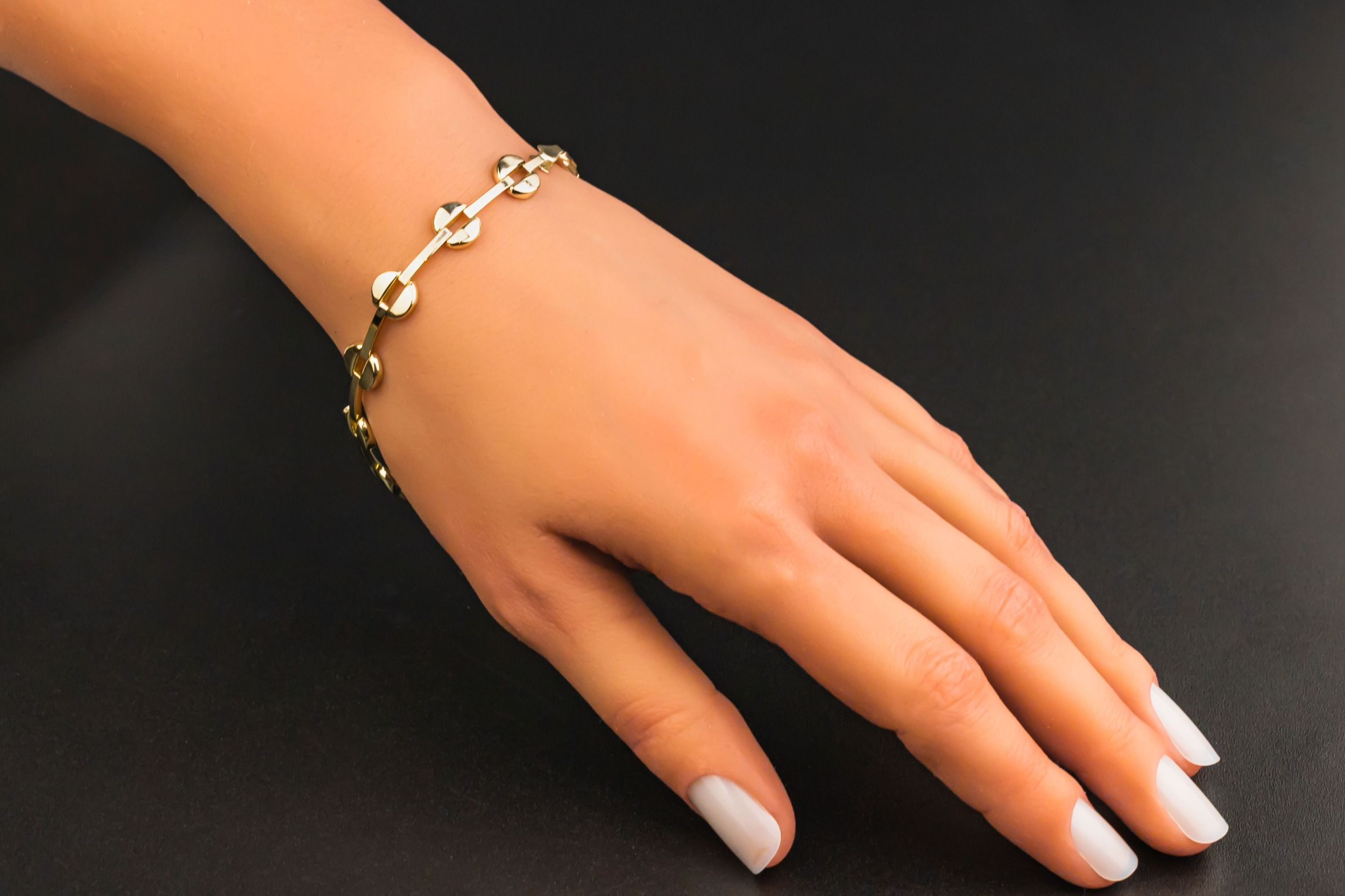
A bracelet sits on your wrist every day. It moves with you, catches light differently depending on how you hold your hand, and becomes part of how you present yourself.
The type of bracelet you choose affects far more than appearance.
It influences comfort, durability, how often you'll wear it, and whether it holds value over time. Some styles suit active daily wear. Others work better for occasional use. Some look beautiful on their own, whilst others layer well with watches or other pieces.
Understanding these distinctions before you buy helps you avoid a pattern we see often: purchasing something beautiful in the moment but doesn't fit your life.
Key insight: The right bracelet type matches your daily routine, not trends or impulse.
What Are the Main Bracelet Types?
Most bracelets fall into a few core categories. Each has characteristics worth understanding.
Chain Bracelets
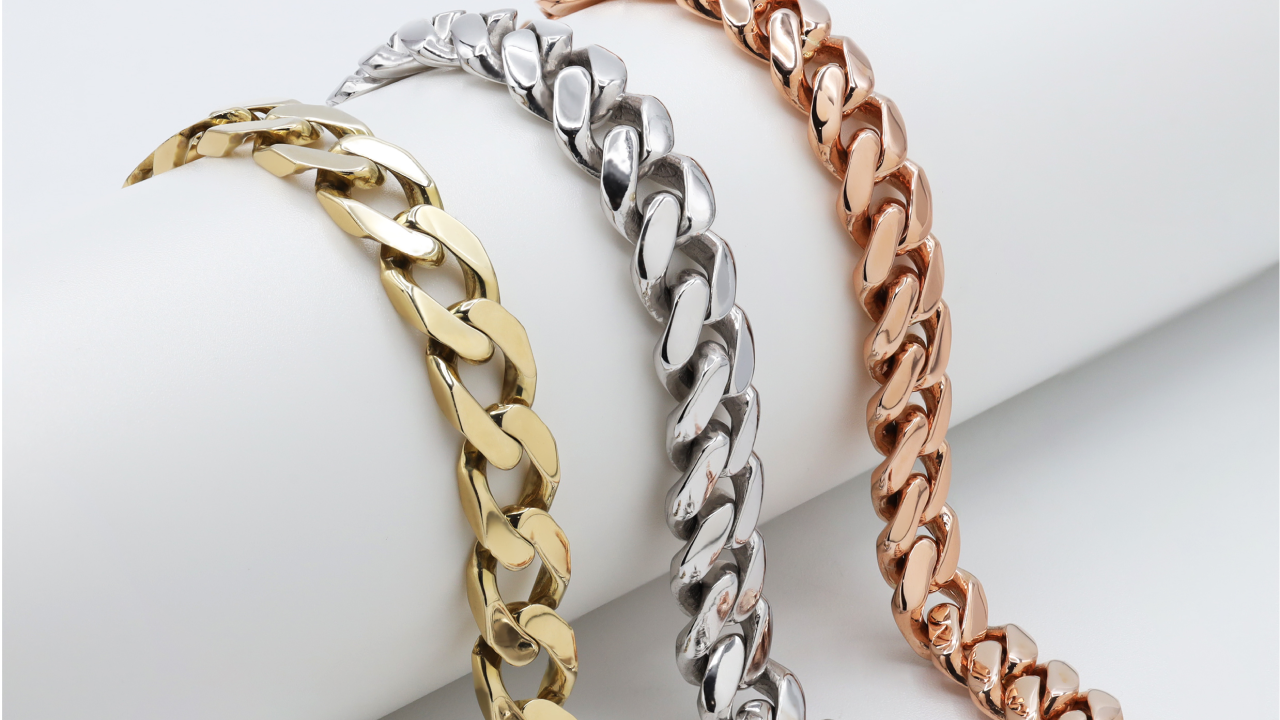
Chain bracelets are formed from interlocking metal links. The style of link changes the entire character of the piece.
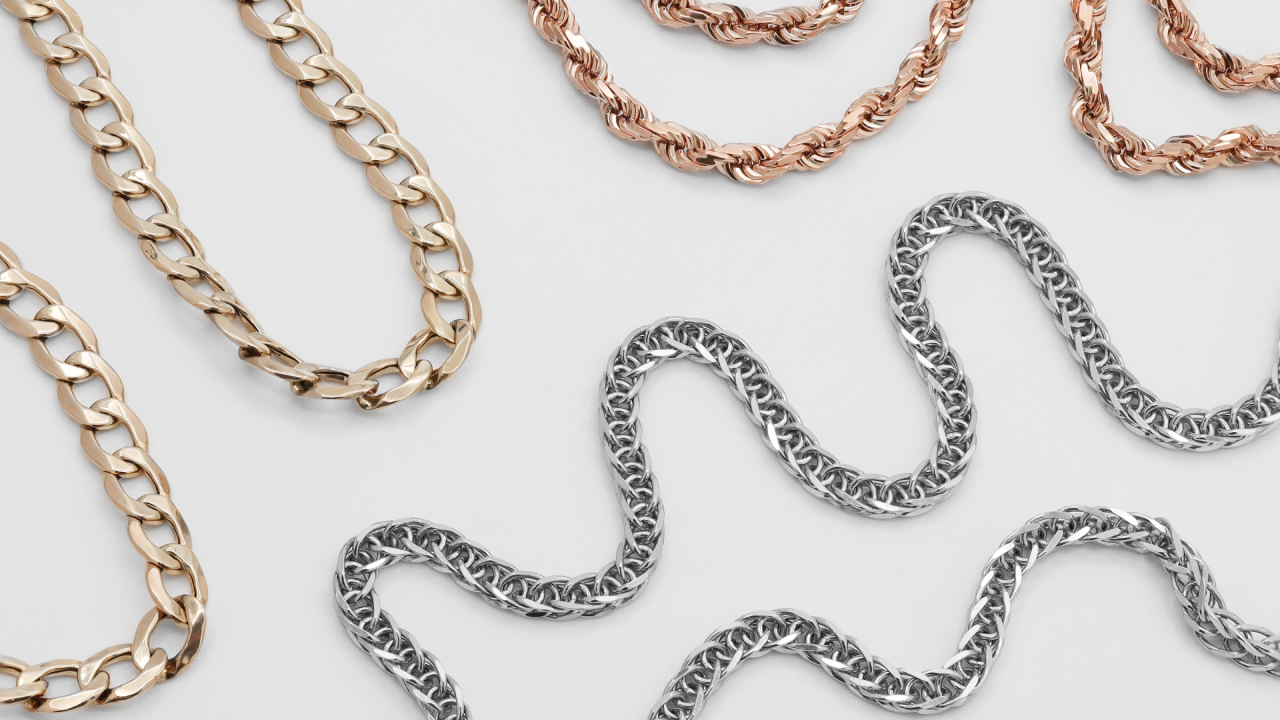
Curb chains: Flattened, interlocking links that lie flat against the wrist. Durable and suited to everyday wear.
Figaro chains: Alternate between shorter and longer links, creating visual rhythm. Slightly more decorative.
Rope chains: Twist together to create texture and catch light. Elegant but sometimes more delicate depending on thickness.
The weight and gauge of the chain matters considerably. A lightweight chain feels insubstantial. Too heavy becomes tiring to wear. We've noticed that people who wear bracelets daily tend to prefer mid-weight chains that feel present without being intrusive.
Worth noting: Chain weight affects daily comfort more than most people expect.
Bangle Bracelets
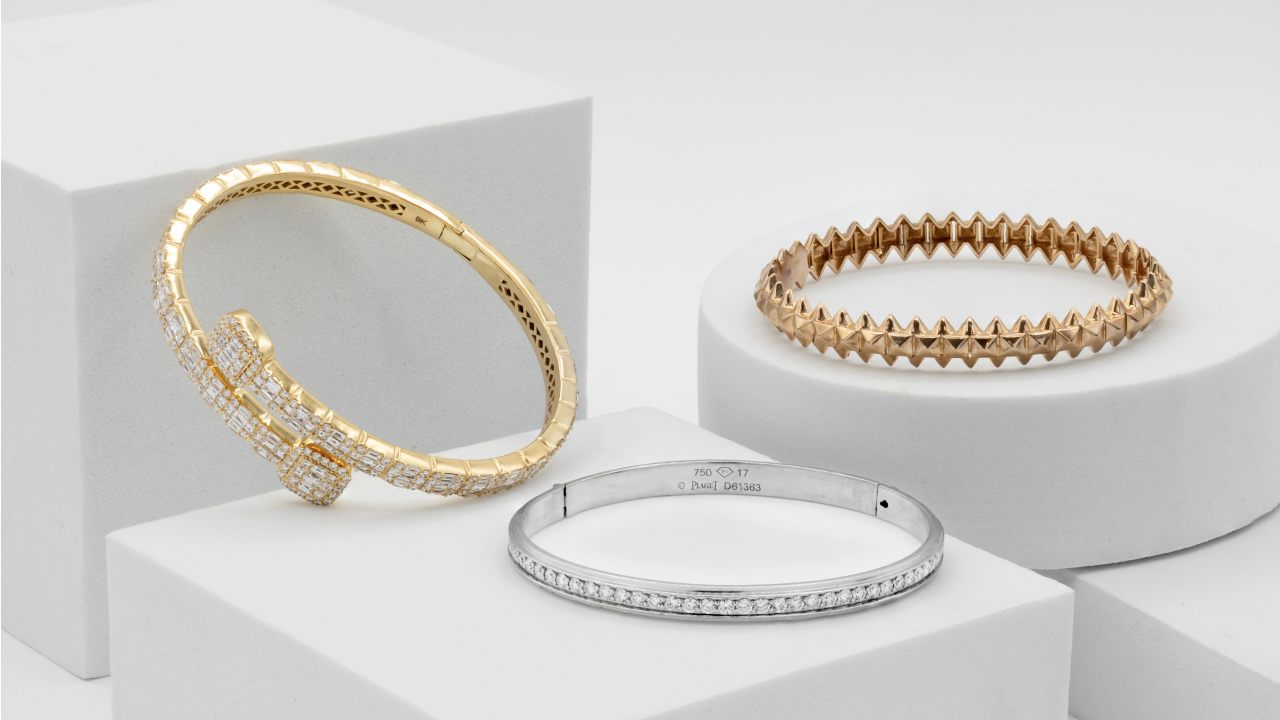
Bangles are solid, circular bracelets without clasps. You slip them over your hand onto your wrist.
They're plain and minimal, or set with gemstones. Some are hinged to make them easier to put on, especially if you have larger hands or prefer a snug fit.
The key consideration with bangles is sizing. Too tight makes them hard to get on. Too loose means they slide around or fall off. Unlike chain bracelets, you're unable to adjust a solid bangle easily once it's made.
We see bangles work well for people who want something they put on once and don't think about. No clasp means no fiddling, no worry about it coming undone.
Key insight: Bangles offer simplicity but require precise sizing from the start.
Tennis Bracelets
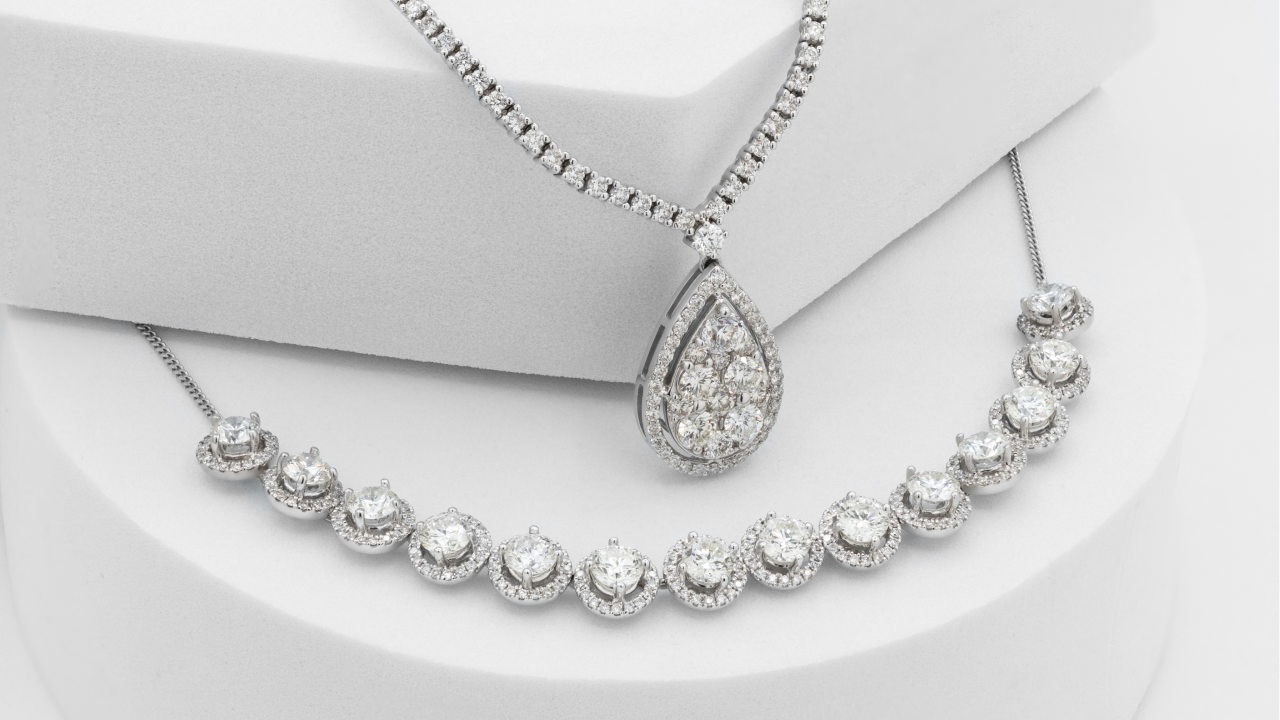
Tennis bracelets feature a continuous line of individually set gemstones (usually diamonds) linked together with minimal metal showing.
They're elegant and formal, but surprisingly versatile. The name comes from a professional tennis player whose diamond bracelet broke during a match in the 1980s, stopping play whilst she searched for it.
Quality matters with tennis bracelets. The setting needs to be secure enough to protect each stone during daily wear, and the overall construction needs flexibility without feeling fragile.
These pieces represent considerable investment, so understanding metal purity becomes important. With gold prices at current levels, the intrinsic value of the metal itself has become a more significant part of the overall piece.
Worth noting: Tennis bracelet value depends on both gemstone quality and secure setting construction.
Charm Bracelets
Charm bracelets allow you to add individual charms over time, creating a piece that builds personal meaning.
They're often given as milestone gifts: a charm for a birthday, an anniversary, a journey, an achievement. The bracelet becomes a wearable record.
The base bracelet needs to be sturdy enough to support the weight of multiple charms without stretching or breaking. We've repaired quite a few charm bracelets where the chain wasn't built for the load it eventually carried.
Key insight: Charm bracelets need strong construction to support growing weight over time.
Cuff Bracelets
Cuffs are wide, open-ended bracelets that slip onto the wrist. They make a statement without requiring gemstones or elaborate detail.
A well-made cuff should have enough spring in the metal to hold its shape whilst still allowing you to adjust the fit slightly. Too stiff becomes uncomfortable. Too soft bends out of shape.
Cuffs suit people who want presence and impact without delicacy.
Worth noting: Cuff quality shows in the balance between springiness and structural integrity.
How Do You Assess Bracelet Quality?
Once you know which type appeals to you, the next layer is understanding quality.
What Do Hallmarks Tell You?
Hallmarking is one of the oldest forms of consumer protection in the world, dating back more than 700 years. It exists to verify the purity of precious metals and protect you from fraud.
Every piece of gold, silver, or platinum jewellery sold in the UK should carry a hallmark unless it falls below a certain weight threshold. The mark tells you exactly what you're buying.
9ct gold: 37.5% pure gold. Durable and affordable, but the colour appears lighter.
18ct gold: 75% pure gold. Richer colour and still practical for everyday wear.
22ct and 24ct gold: Softer and more prone to scratching, so less common in bracelets designed for regular use.
Understanding these distinctions helps you assess value properly. A bracelet's worth isn't only about how it looks. It's anchored to the real material value of the metal and gemstones.
Key insight: Hallmarks provide verifiable proof of metal purity and protect your investment.
How Should a Bracelet Fit?
A bracelet should never distract you from your day.
If it's too tight, it pinches or restricts movement. If it's too loose, it slides off or catches on things. The right fit feels effortless, looks better on your wrist, and lets you enjoy your jewellery without constantly adjusting it.
For most bracelets, finding the right fit means adding about ½ inch to your wrist measurement. If you're active, a slightly snugger fit helps prevent slipping.
We measure wrists in person when we're helping someone choose a bracelet. It removes guesswork and makes a difference to long-term satisfaction.
Worth noting: Proper fit affects comfort and whether you'll wear the piece regularly.
Why Does Clasp Quality Matter?
The clasp is where most bracelets fail over time.
A weak or poorly designed clasp puts the entire piece at risk. We've seen valuable bracelets lost because the clasp wore out and no one noticed until it was too late.
Lobster clasps: Secure and common, but fiddly if you're putting the bracelet on yourself.
Box clasps: Easier to operate one-handed and tend to sit flatter against the wrist.
Magnetic clasps: Convenient but not always suitable for heavier pieces.
A good jeweller checks clasp condition during regular servicing. It's part of protecting the piece long-term.
Key insight: Clasp quality determines security and affects whether you'll lose the bracelet over time.
What Affects Long-Term Value?
Luxury jewellery has been one of the most resilient segments across the entire luxury market. Whilst fashion houses and handbag brands struggled through declining years, quality jewellery continued to hold value.
A well-chosen bracelet isn't only decorative. It's anchored to real material value in gold, platinum, and precious stones.
But the value only holds if the piece is cared for properly.
Regular servicing, professional cleaning, and proper storage all contribute to how a bracelet performs over decades. We treat aftercare as essential, not optional, when working with customers on their purchases.
A bracelet looked after properly doesn't only retain value. It often becomes more meaningful over time.
Worth noting: Aftercare protects both financial value and emotional significance.
How Should You Approach Choosing a Bracelet?
The bracelet market is noisy. There's pressure to decide quickly, to choose based on trends, or to prioritise price over everything else.
We've found slowing down usually creates better outcomes.
People who take time to understand what they're looking for, who ask questions, who try pieces on and live with the decision for a few days, tend to choose bracelets they're still wearing years later.
If you're comparing options, focus on a few questions:
Does this suit how you live? A delicate bracelet might be beautiful, but if you work with your hands daily, it's likely not practical.
Does the quality match the price? Hallmarks, clasp construction, and metal weight all signal whether a piece is built to last.
Who will service it over time? Jewellery needs care. Buying from someone who looks after it long-term protects your investment.
Does it feel right when you wear it? This sounds simple, but if something doesn't feel comfortable or natural on your wrist, you won't wear it.
Key insight: The best choices come from understanding your lifestyle and taking time to assess fit and quality.
Common Questions About Choosing Bracelets
What's the most durable bracelet type for everyday wear?
Chain bracelets, especially curb chains, tend to be the most durable for daily wear. Mid-weight chains in 18ct gold offer a good balance between durability and precious metal content. Bangles are also durable if sized correctly, though you need to be careful about getting the fit right from the start.
How do I know if a bracelet is properly hallmarked?
Look for small stamps on the clasp or inner surface showing metal purity (like 375 for 9ct gold, or 750 for 18ct gold). UK hallmarks also include an assay office mark and sometimes a date letter. If you're unsure, ask the jeweller to show you the hallmark and explain what it means.
Should I buy a bracelet online or in person?
In-person purchases allow you to assess fit, weight, and comfort before committing. You get to see how the bracelet moves on your wrist and whether it suits your hand size. If you're buying online, make sure there's a clear returns policy and detailed sizing information.
How often should bracelets be serviced?
Most bracelets benefit from professional cleaning and clasp inspection every 12 to 18 months, especially if you wear them daily. Tennis bracelets need more frequent checks to ensure stone settings remain secure. Regular servicing catches small problems before they become expensive repairs.
What's a reasonable budget for a quality gold bracelet?
Quality varies widely based on metal purity, weight, and craftsmanship. With gold prices at current levels, expect to pay more for the metal itself. A solid 18ct gold chain bracelet starts at several hundred pounds, whilst tennis bracelets with quality diamonds represent a considerably higher investment. Focus on value rather than price alone.
Do bracelets hold their value over time?
Bracelets made from precious metals and quality gemstones hold intrinsic value based on material worth. Well-maintained pieces from established jewellers tend to retain value better than fashion jewellery. The key is buying quality in the first place and looking after it properly over time.
How do I prevent my bracelet from stretching or breaking?
Remove your bracelet before activities that put stress on it (heavy lifting, sports, gardening). Have the clasp checked regularly, as wear often starts there. Store bracelets flat or hanging to prevent tangling. If you notice any stretching or weak links, take it to a jeweller before it breaks.
What's the difference between a tennis bracelet and a line bracelet?
Tennis bracelets typically feature a continuous line of individually set diamonds or gemstones with minimal metal showing. Line bracelets are similar but may have larger gaps between stones or different setting styles. The terms are sometimes used interchangeably, though tennis bracelets usually refer to higher-quality pieces.
Key Takeaways
-
Different bracelet types serve different purposes. Chain bracelets suit daily wear, bangles offer simplicity and statement, tennis bracelets provide formal elegance, charm bracelets build personal meaning, and cuffs make bold impressions.
-
Quality shows in details most people overlook: hallmarks proving metal purity, clasp construction affecting security, proper weight distribution for comfort, and setting integrity for gemstones.
-
Fit affects satisfaction more than appearance. Too tight restricts movement, too loose risks loss. Adding about ½ inch to wrist measurement typically works, but in-person fitting removes guesswork.
-
Long-term value depends on material quality and proper care. Regular servicing, professional cleaning, and appropriate storage protect both financial worth and emotional significance.
-
Better outcomes come from slowing down. Taking time to understand what suits your lifestyle, asking questions about construction and servicing, and living with the decision before committing leads to pieces you'll wear for years.
We're happy to talk through any of this if it's useful. No pressure, no expectation, only honest guidance based on what we've seen work well over the years.
What feels right for you?