




How Much Does a Rolex Watch Cost in 2026?
TL;DR: Rolex raised retail prices 5-9% in January 2026, but the pre-owned market hasn't followed in step. Steel sports models now trade near or below retail for the first time in years, whilst gold models show wider gaps. Availability has improved for core references, though Daytonas and precious metal pieces remain scarce. Authentication matters more than ever, with sophisticated counterfeits flooding the market. The real question isn't just price but value, timing, and whether the watch makes sense for you.
Quick Answer:
-
Steel Submariner (no-date): ~£8,450 retail, ~£8,200-£9,500 pre-owned
-
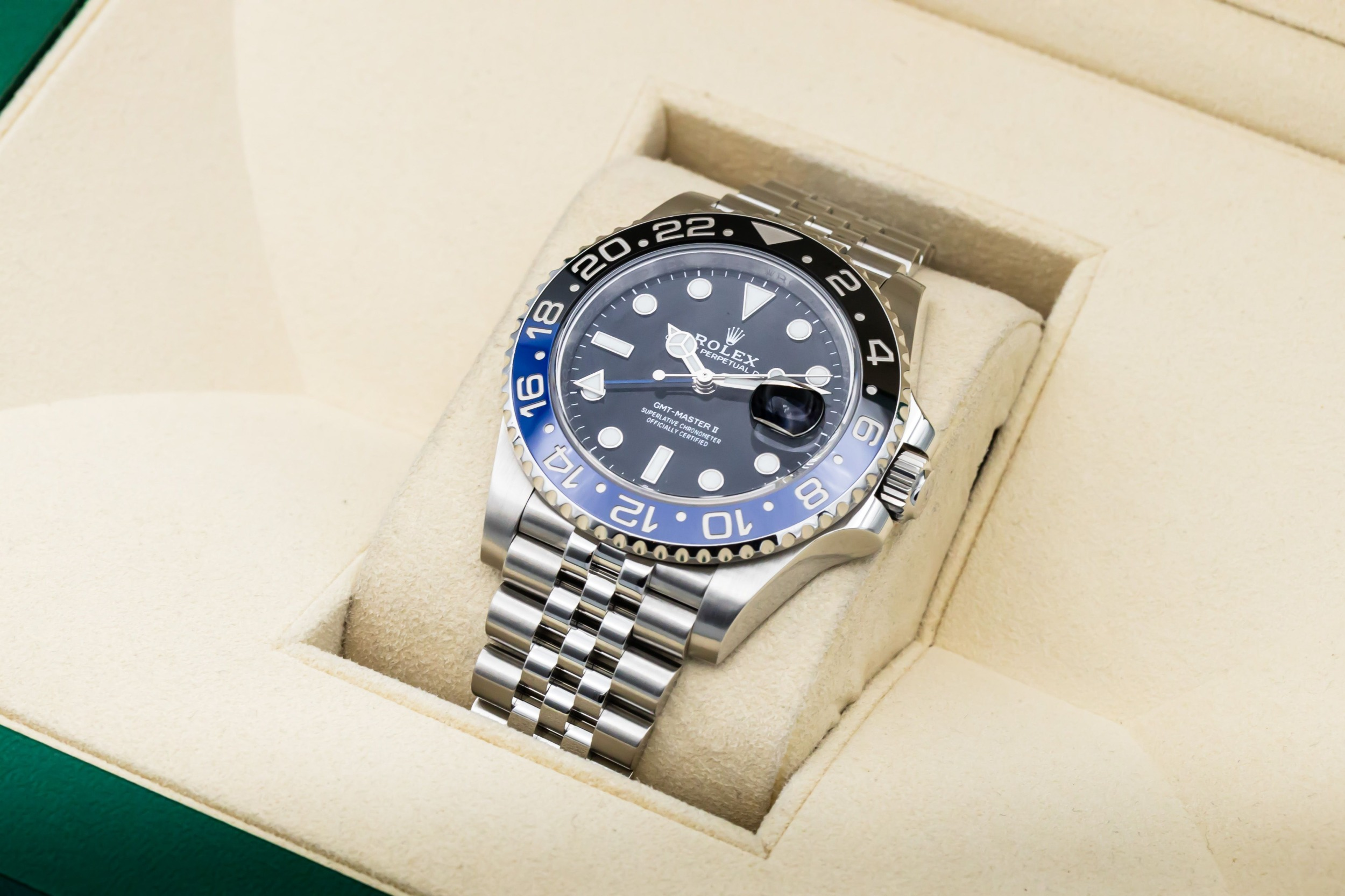
GMT-Master II (steel): ~£10,100 retail, varies significantly pre-owned
-
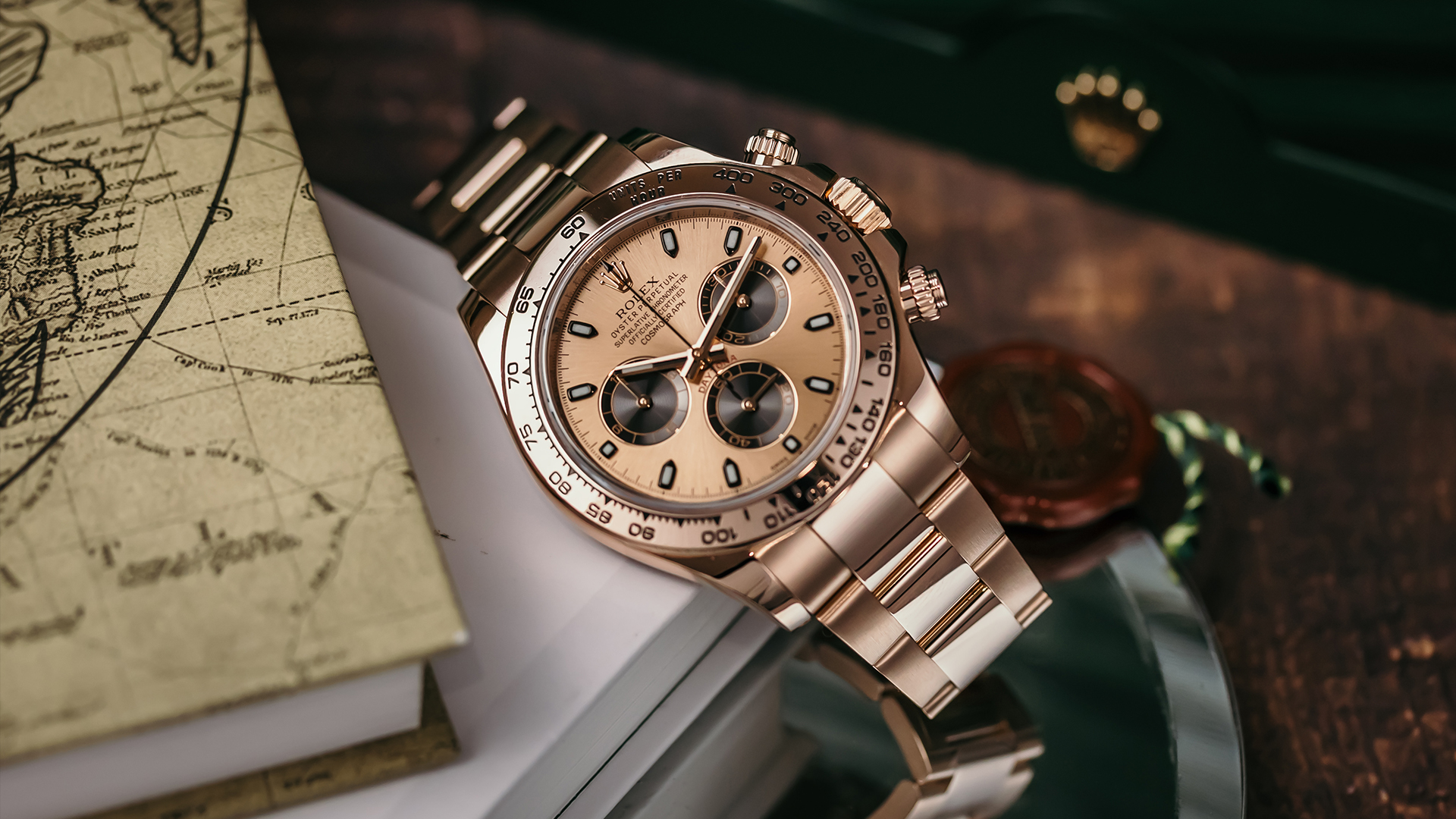
Gold Day-Date: ~£32,000 retail, ~£26,000-£28,000 pre-owned
-
Pre-owned value depends heavily on reference, condition, and provenance
-
Availability has improved for most models except Daytonas and select precious metal pieces
If you're researching Rolex prices in 2026, you've probably noticed the landscape feels different from even a year ago. Retail prices shifted again in January, the third major adjustment in twelve months. The secondary market hasn't moved in step. Availability has improved for some models whilst others remain as difficult as ever.
We've worked with Rolex buyers and sellers for over twenty years. What we've noticed is that price is rarely the real question. The real question is usually about value, timing, authenticity, and whether the watch you're considering will hold up over time, not just mechanically, but financially and emotionally.
Here's what the market looks like in 2026, and what it means if you're deciding whether to buy or sell.
What Changed in January 2026
Rolex raised prices globally at the start of 2026. In the US, the average increase was around 7%. In the UK, the adjustments followed similar logic: stainless steel models rose roughly 5-6%, whilst precious metal and two-tone references climbed 8-9%.
This wasn't unexpected. Rolex has increased prices every January since 2020, and the pattern has become part of how the market operates. But this year's revision was shaped by three specific pressures: record-high gold costs, persistent inflation, and new tariffs on Swiss imports.
The impact varies by material. A no-date Submariner in steel now sits around £8,450. A GMT-Master II in steel is closer to £10,100. Gold models, particularly Day-Dates and two-tone Datejusts, absorbed the steepest rises because Rolex uses its own foundry. When gold prices climb, material costs move directly into retail pricing.
What this means for you: Retail moved overnight. The secondary market didn't.
That gap creates opportunity and confusion. Some pre-owned models now sit below new retail. Others still trade well above it. The difference comes down to demand, configuration, and how the specific reference has behaved over time. We track these patterns daily across our London showroom, and the variation between similar references can be surprising.
What matters: The January price rise created immediate value opportunities in the pre-owned market, but only for specific references where secondary pricing hasn't adjusted yet.
How Do Retail and Pre-Owned Prices Compare?
The relationship between retail and pre-owned pricing used to feel straightforward. Pre-owned was cheaper. That stopped being true around 2020, when demand surged and availability collapsed.
In early 2026, the picture is more nuanced.
Core steel sports models like Submariners, GMT-Master IIs, and Explorers still command strong secondary market prices, but they're no longer universally above retail. A pre-owned example in excellent condition might sit just under the new retail price, particularly if it's a recent reference without box and papers.
Gold and precious metal models are where the gap has widened. Retail climbed steeply, but pre-owned hasn't caught up yet. If you're considering a yellow gold Day-Date or an Everose Daytona, the pre-owned market offers better value right now than it has in years.
Vintage and discontinued references operate on their own logic entirely. A 16610 Submariner or a 16570 Explorer II trades based on condition, provenance, and collector demand, not current retail pricing.
What we've seen over the years is this: pre-owned value isn't a blanket concept. It's reference-specific, configuration-specific, and timing-specific. The watch you're looking at today behaves very differently from the one next to it on the same shelf. That's why we spend time understanding what you're looking for before suggesting options, whether you're buying from us or elsewhere.
What matters: Pre-owned pricing now varies dramatically by material and reference. Gold models offer the strongest value differential versus retail in 2026.
What's the Availability Picture?
Rolex waitlists dominated conversation from 2019 through 2022. Customers were quoted years-long waits. Some were never added to a list at all.
That's shifted.
Still extremely scarce are the Daytona in steel, certain precious metal Day-Dates, and discontinued or limited references. These remain as difficult as ever.
Availability still depends on supply, demand, and how specific your requirements are. Some models are now more accessible than they were a few years ago, whilst others remain tightly held due to ongoing demand.
In practice, availability tends to fall into three broad bands.
Genuinely attainable models include the no-date Submariner, both Explorer sizes, the Air-King, and many smooth-bezel Oyster Perpetual and Datejust configurations. These watches still require some patience, but they are far more accessible than they were previously.
Moderately difficult models include the GMT-Master II, fluted Datejusts, and Yacht-Master references, where availability varies depending on configuration.
Still scarce are Daytonas in steel, certain precious metal Day-Dates, and discontinued references.
What this means for you: If you're flexible, there are more options available today. If you're focused on a specific reference, sourcing becomes more important. At The Diamond Box, we help clients navigate both—whether that’s sourcing a specific watch or identifying alternatives that offer similar long-term value.
What matters: Availability has genuinely improved for core sports models, but allocation still depends on dealer relationships and your willingness to be flexible on configuration.
Why Does Authentication Matter More Than Ever?
One pattern we've noticed more frequently in 2026: buyers asking about authentication before they ask about price.
That's sensible.
The counterfeit watch market is now worth over £1 billion annually. More than 40 million fake watches enter circulation each year. The quality of those fakes has improved to the point where even experienced dealers are caught out by what the industry now calls "superclones", sophisticated counterfeits built to pass standard authentication checks.
Rolex Submariners, GMT-Master IIs, and Daytonas are the most commonly replicated. Some use genuine Swiss movements modified to resemble Rolex calibres. Others replicate serial numbers, engravings, and even packaging with alarming accuracy.
What we've learned over two decades: authentication isn't a single check. It's a process. Movement inspection, case construction, dial printing, bracelet tolerances, weight, and provenance all contribute. It's why we don't buy watches we haven't verified in person, and why we walk away from deals that don't feel right, even when the price is tempting. Every Rolex we sell has been through this complete verification process.
If you're buying pre-owned, particularly from a private seller or an unfamiliar platform, the authentication question should come before the price question. A bargain that isn't genuine isn't a bargain. Working with an established dealer means you're paying for verification expertise as much as the watch itself.
What matters: The counterfeit market has become sophisticated enough to fool experienced dealers. Authentication needs to be a thorough process, not a quick check.
What Have Rolex Prices Done Over Time?
It's easy to get lost in short-term price movements and miss the longer pattern.
According to fifteen years of transaction data from Bob's Watches, average Rolex prices increased by over 550% between 2010 and 2025, from roughly £2,000 to £13,426.
That wasn't a straight line. Prices rose steadily through 2015, then surged dramatically from late 2020 through March 2022, nearly doubling in under two years. Since then, the market has cooled, corrected, and stabilised.
What that tells us: Rolex watches have appreciated significantly over time, but the pace has been uneven. The peak in 2022 was driven by speculation and scarcity. The correction that followed was driven by reality.
If you're buying a Rolex as something to wear and enjoy, the long-term data is reassuring. If you're buying purely as an investment, the short-term volatility is worth understanding.
What matters: Long-term appreciation is real and substantial, but short-term volatility means timing matters if you're treating a watch as a financial asset.
So What Does a Rolex Cost in 2026?
The honest answer: it depends on what you're buying, where you're buying it, and what you're optimising for.
A new stainless steel Submariner at retail costs around £8,450. The same watch pre-owned, in excellent condition with box and papers, might cost £8,200 or £9,500, depending on the year, the seller, and the market that week.
A yellow gold Day-Date at retail might be £32,000. Pre-owned, you might find one for £28,000. Or you might find one for £26,000 that needs servicing, which can add several hundred pounds to the real cost depending on the work required. At The Diamond Box, we assess this upfront so you understand the full picture before making a decision.
The price on the tag is only part of the equation. Authentication, servicing history, provenance, aftercare, and the reputation of the seller all contribute to what you're paying for. When you buy from a specialist dealer, you're also paying for ongoing support, transparency about condition, and someone to talk to if questions arise months or years later.
We've seen buyers save money upfront and lose it on the back end when the watch wasn't what it seemed. We've also seen buyers pay slightly more to work with someone they trust, and feel better about the decision years later. That trust includes knowing you have access to aftercare, part exchange options down the line, and someone who'll answer questions honestly even when it doesn't lead to a sale.
What matters: The displayed price tells only part of the story. Total cost includes authentication quality, servicing needs, and the reliability of your source.
[products brand="Rolex" attribute_watches="178271, Rolex DateJust 31mm steel and rose gold, Rolex DateJust black baton dial, Rolex DateJust Jubilee bracelet Everose, Rolex DateJust 2008 for sale UK, buy Rolex DateJust 31 London, luxur,178383 Rolex DateJust 31mm diamond bezel UK Rolex 178383 steel and gold London Rolex DateJust midsize two-tone watch for sale UK luxury ladies Rolex Finchley Rolex yellow gold steel DateJust,179171, Rolex DateJust 26mm steel and rose gold, Rolex DateJust Everose Jubilee bracelet, Rolex DateJust ladies watch UK, Rolex DateJust 26mm 2008 for sale, buy Rolex DateJust London, luxury,179174, Rolex Lady DateJust 26mm stainless steel, Rolex Lady DateJust white gold bezel, Rolex Lady DateJust Oyster bracelet, Rolex Lady DateJust 2009 for sale UK, buy Rolex Lady DateJust Lond" limit="4"]
Frequently Asked Questions
Will Rolex prices go up in 2026?
Rolex has raised retail prices every January since 2020. Based on this pattern, further increases are likely, particularly if gold prices or tariffs continue to rise. However, pre-owned prices move independently based on supply and demand.
Are Rolex watches still hard to get?
Availability has improved significantly for core models like the no-date Submariner, Explorer, and many Datejust configurations. Steel Daytonas and certain precious metal pieces remain extremely difficult. Availability still depends on demand, configuration, and how specific your requirements are. Working with an experienced dealer can often give you a clearer and more efficient route to the right watch.
Should I buy new or pre-owned in 2026?
It depends on the reference. Steel sports models often trade close to retail, so the decision comes down to condition, completeness, and how much value you place on provenance and aftercare. Gold models show wider gaps, making pre-owned options particularly appealing.
An experienced dealer can help you assess both routes properly and source the right watch based on your priorities. At The Diamond Box, we regularly guide clients through both options to ensure the decision makes sense long-term.
How do I know if a Rolex is genuine?
Authentication requires multiple checks: movement inspection, case construction, dial details, bracelet tolerances, and weight. Superclones now replicate packaging and serial numbers, so buying from a reputable dealer with in-person verification is essential. We verify every detail before a watch enters our inventory, and we're transparent about what we find.
Do Rolex watches hold their value?
Long-term data shows substantial appreciation, over 550% from 2010 to 2025. However, this wasn't linear. The market surged in 2020-2022 and has since corrected. Sports models typically hold value better than dress watches, and condition matters significantly.
What's the cheapest Rolex you can buy in 2026?
The Oyster Perpetual in 28mm or 31mm typically represents the entry point, starting around £4,800 retail. Pre-owned, you might find older Datejust or Air-King references from £3,500 to £5,000, depending on condition.
Is now a good time to sell my Rolex?
The market has stabilised after the 2022 peak. If you own a steel sports model purchased before 2020, you're likely still well ahead. If you bought at peak prices in 2021-2022, you're probably looking at a loss. Timing depends on your specific reference and what you paid.
What affects pre-owned Rolex prices most?
Reference and configuration matter first, followed by condition, box and papers, servicing history, and market demand at that moment. A full set in excellent condition from a trusted source commands a premium over a watch-only example with unclear provenance.
What Feels Right for You?
If you're still reading, you're probably weighing options: new versus pre-owned, buying outright versus sourcing through a specialist, now versus later.
What we've noticed over the years is that the right decision usually becomes clear when the pressure drops. When you have time to ask questions, compare properly, and think through what matters most to you. That's the environment we try to create, whether you visit our London showroom, get in touch by phone, or take time to consider your options.
Rolex prices will continue to move. The market will continue to shift. But the watch you choose, and how you feel about the process, matters more than timing the market perfectly.
Does that sound right for you?
Key Takeaways
-
Rolex raised retail prices 5-9% in January 2026, with gold models seeing the steepest increases due to high material costs
-
Pre-owned pricing hasn't followed retail increases, creating value opportunities, especially in precious metal models
-
Availability has genuinely improved for steel sports models, though Daytonas and select precious metals remain scarce
-
Authentication is more critical than ever, with sophisticated counterfeits now capable of fooling experienced dealers
-
Long-term appreciation is real (550% from 2010-2025), but short-term volatility means timing matters for investment buyers
-
Total cost includes more than the price tag: authentication quality, servicing history, and seller reputation all affect real value
-
The right decision depends less on perfect market timing and more on finding a watch and process that feel right for you
The Diamond Box
Visit us in store for great service and to see our amazing collection.
114 Ballards Lane, N3 2DN, London, United Kingdom 020 8838 3655