




How to Style Your Luxury Watch for Everyday Wear: A Practical Guide
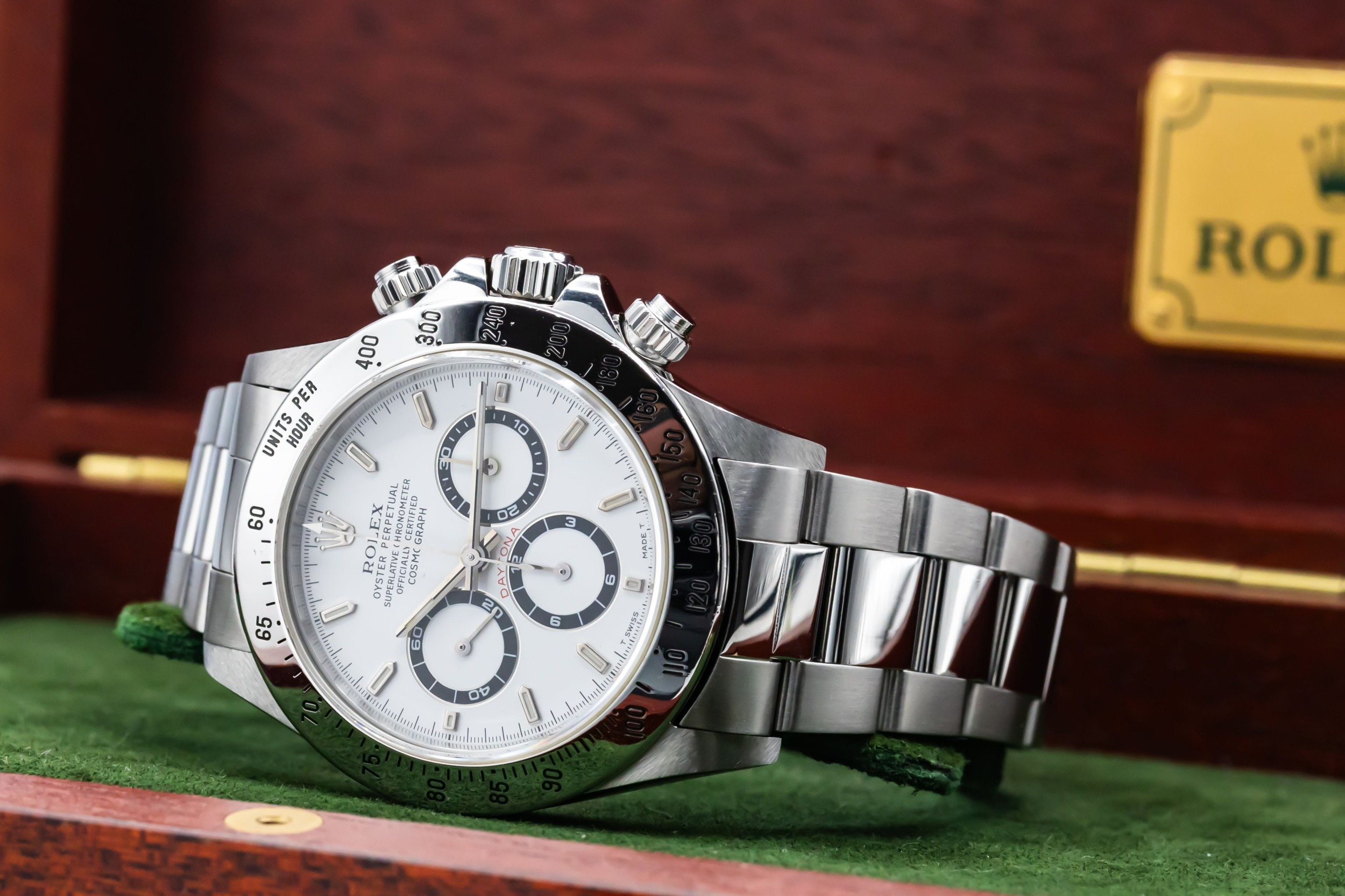
We've noticed something interesting happening in the luxury watch market. People are done keeping their timepieces locked in safes for special occasions.
The numbers tell the story. Versatile sports watches now consistently outsell dress-only models across every brand. The top sellers of 2025—Tudor Black Bay, OMEGA Seamaster, and Cartier Santos—share one critical trait: they transition effortlessly from boardroom to weekend.
This shift reveals a fundamental change in how we think about luxury. Your watch shouldn't sit in a drawer waiting for the "right moment." It should work with your life as you live it.
We've spent years helping customers at The Diamond Box find watches that fit their actual routines. Here's what we've learned about making luxury work for everyday wear.
Understanding Your Daily Context
Before you style anything, you need to map your typical week.
Start with your work environment. Do you spend most days in formal business settings, creative spaces, or mixed environments? Your answer shapes everything else.
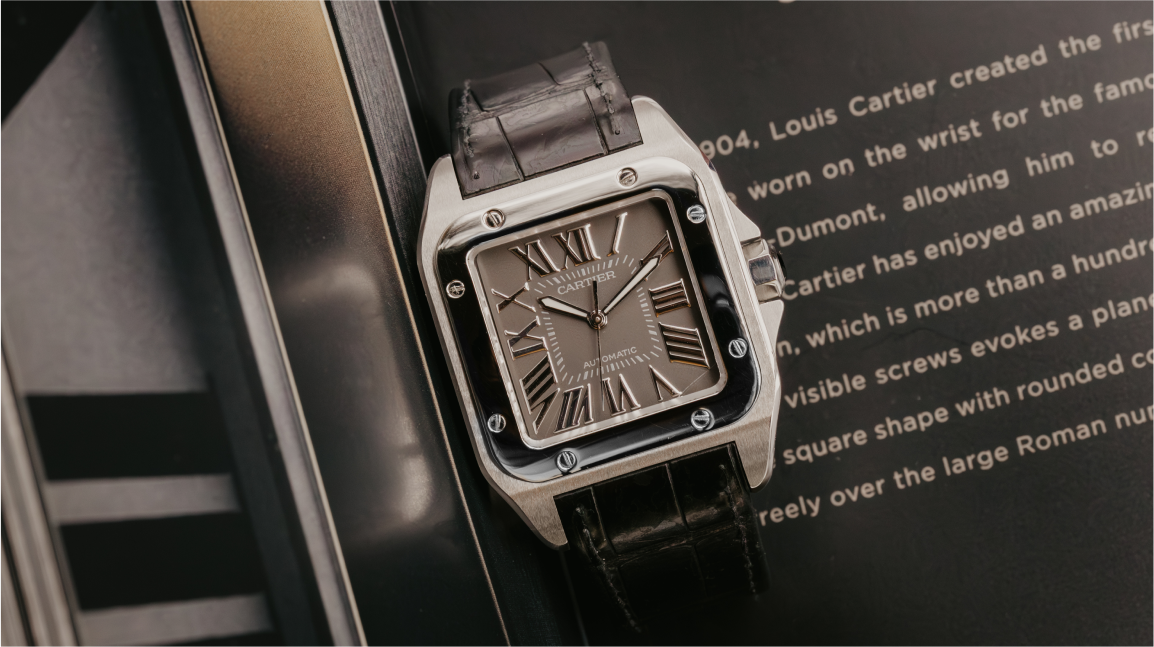
Office professionals need watches that read as polished without screaming for attention. A steel Datejust or Cartier Tank works in client meetings and casual Fridays alike.
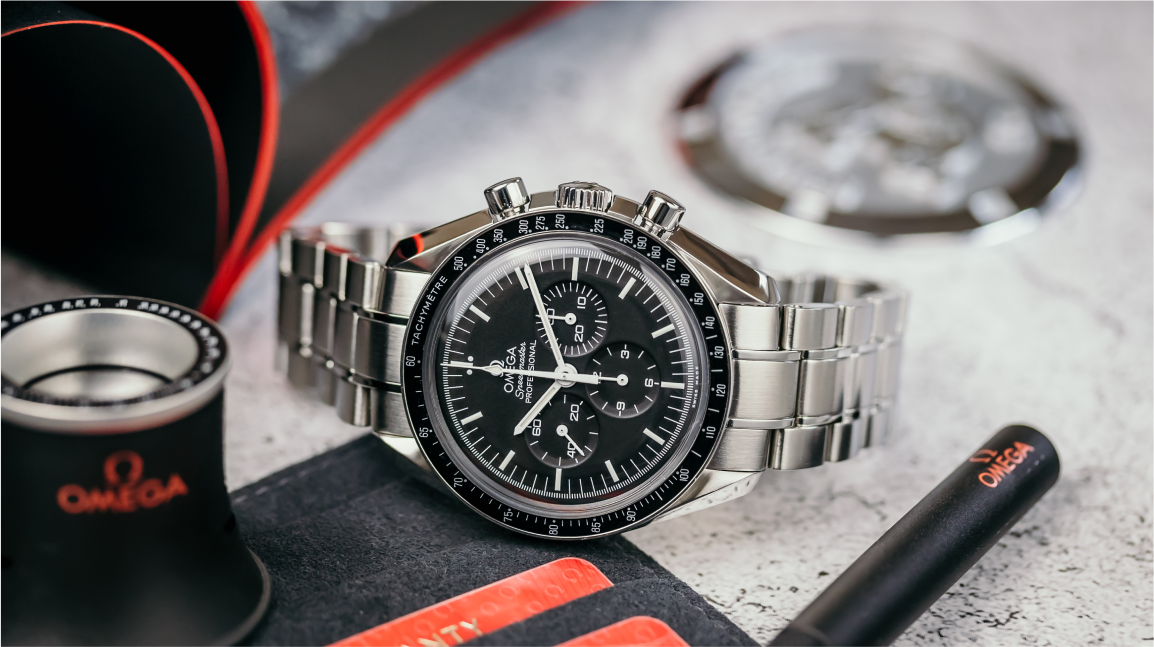
Creative industry workers have more flexibility. You can lean into colored dials, vintage pieces, or sports models without raising eyebrows. A Seamaster with a blue dial or a vintage Speedmaster becomes a conversation starter rather than a distraction.
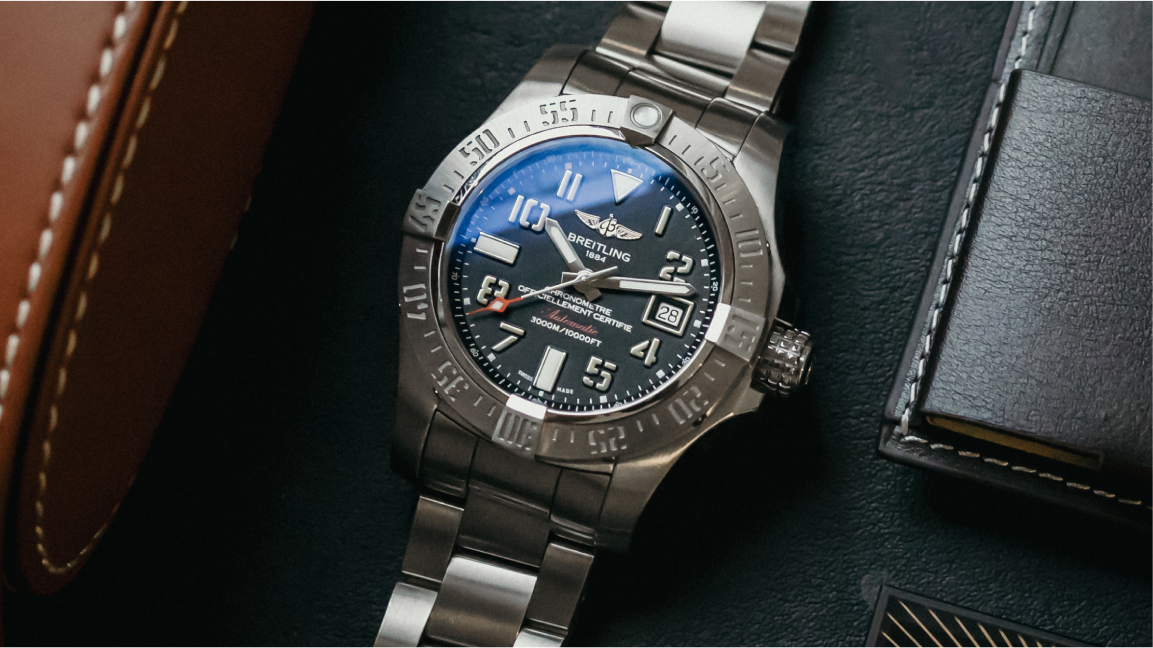
Hands-on professionals need durability first. If you're moving between sites, working with tools, or spending time outdoors, your watch needs to handle impact. Sports models like the Submariner or a robust Breitling Chronomat make sense here.
Map out your activities beyond work too. Do you hit the gym daily? Spend weekends hiking? Attend frequent evening events? Your watch needs to survive all of it.
Choosing the Right Case Size and Material
Case size determines whether your watch looks intentional or awkward.
Measure your wrist circumference with a tape measure. Most men fall between 6.5 and 7.5 inches. Most women range from 5.5 to 6.5 inches.
For wrists under 6.5 inches: Stick to cases between 36mm and 40mm. Anything larger overwhelms your proportions. Vintage Rolex Oyster Perpetuals, Cartier Santos Medium, or OMEGA Aqua Terra 38mm work beautifully.
For wrists between 6.5 and 7.5 inches: You have the most flexibility. Cases from 38mm to 42mm typically work well. This range includes most modern sports watches and many dress pieces.
For wrists over 7.5 inches: You can wear larger cases without looking disproportionate. Pieces up to 44mm work, though we still recommend staying at or below 42mm for versatility.
Material matters for daily wear.
Stainless steel handles scratches better than you'd think. It develops character over time without looking damaged. Steel works everywhere—from beach vacations to board meetings.
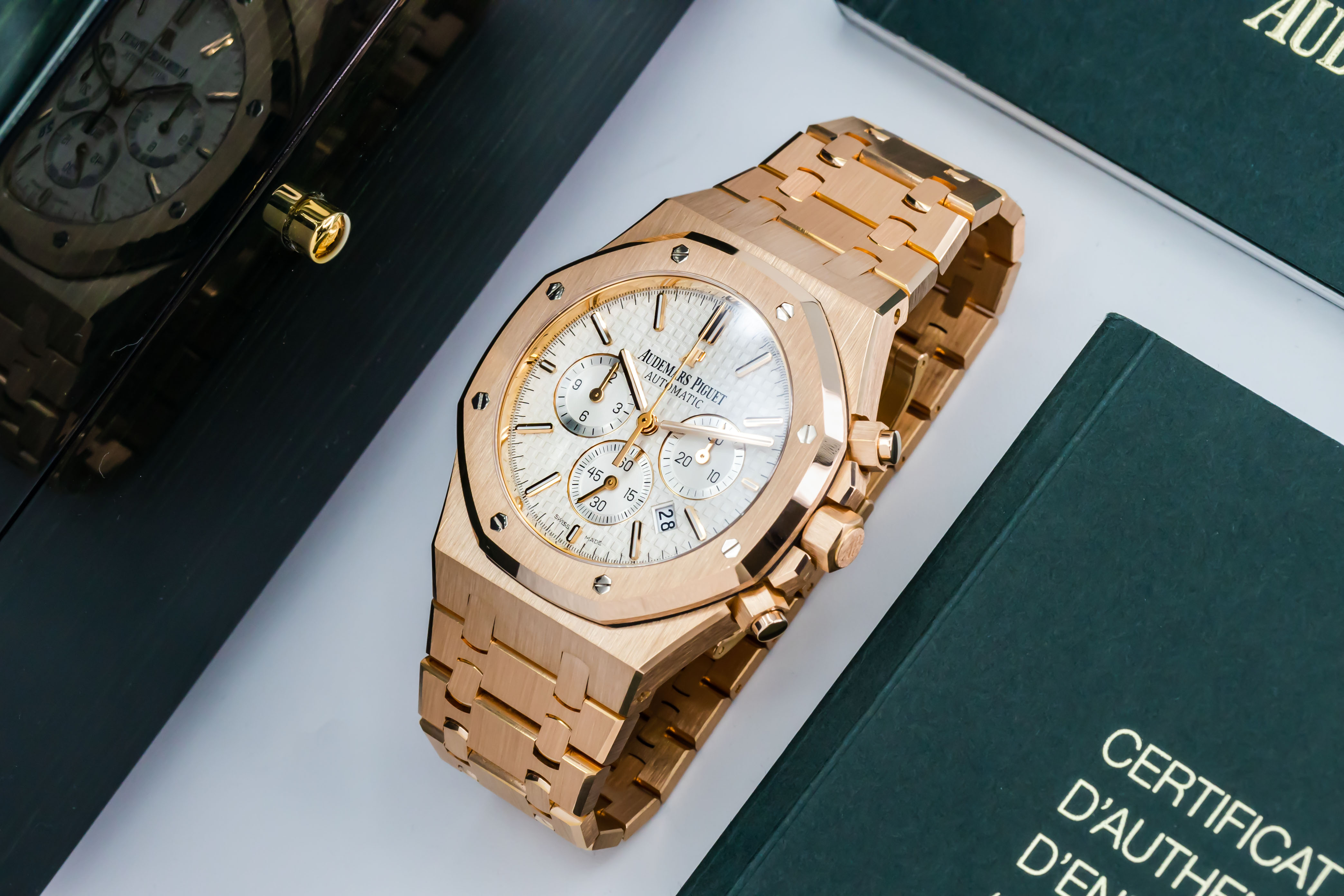
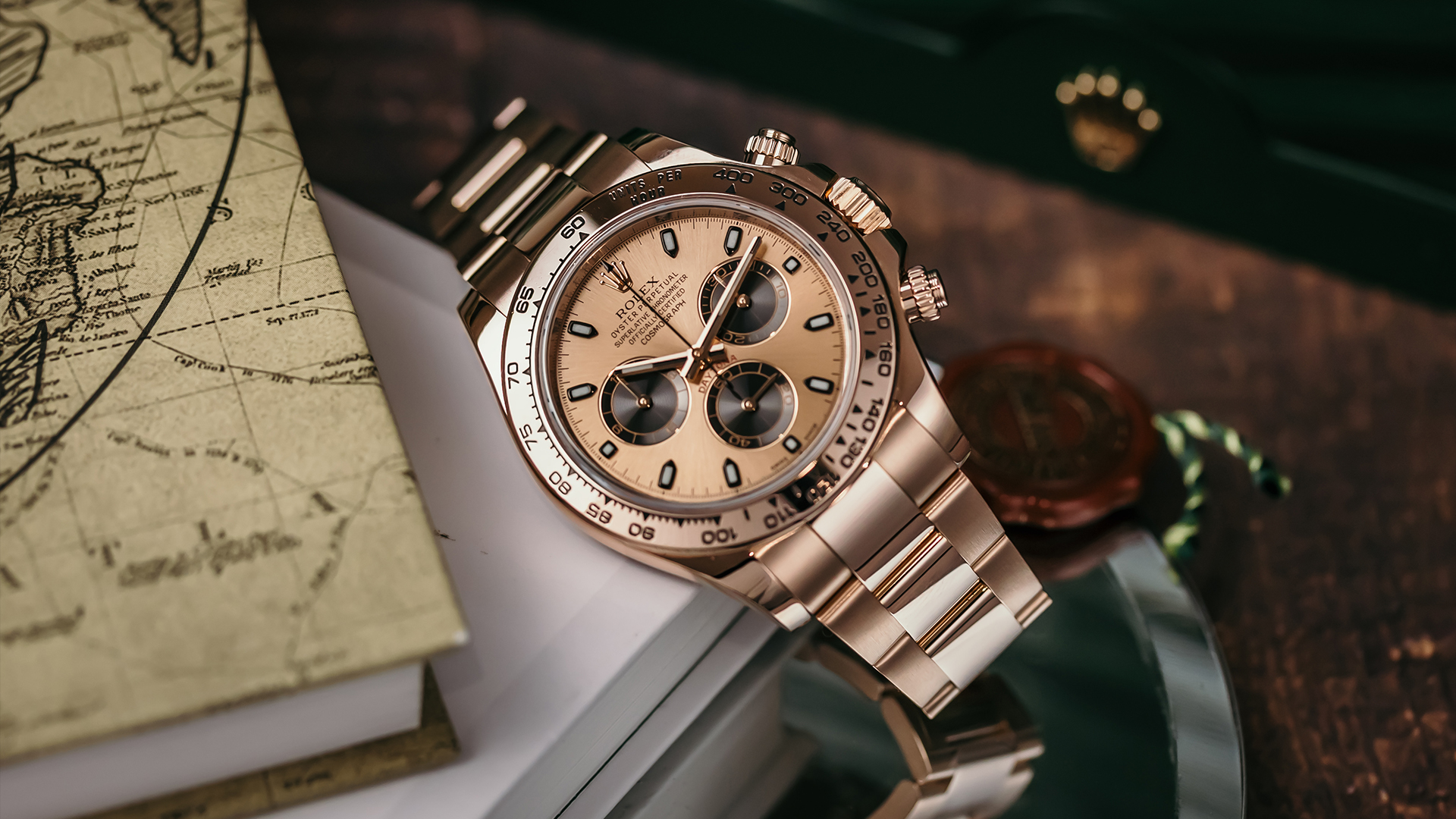
Gold cases require more consideration. Yellow gold reads as formal and traditional. Rose gold feels warmer and slightly more casual. White gold often gets mistaken for steel, giving you precious metal durability with steel versatility.
Two-tone combinations split the difference. They add warmth without the full commitment of solid gold. A Datejust in steel and gold transitions seamlessly from jeans to suits.
Matching Watches to Your Wardrobe
Your watch should complement your clothes, not compete with them.
With formal wear: Keep it simple. A dress watch on leather or a slim sports watch on a bracelet works. Avoid anything oversized or overly complicated. Your watch should enhance your outfit, not dominate it.
The classic move: A steel Datejust or Calatrava on leather pairs with everything from charcoal suits to navy blazers. If you're wearing cufflinks, your watch should stay under the cuff when your arms rest at your sides.
With business casual: This is where versatility shines. Sports watches work perfectly here. An Aqua Terra, Santos, or Submariner looks right with chinos and an Oxford shirt or dark jeans and a sweater.
The data backs this up. The pre-owned market shows buyers want pieces that work day to night, whether at meetings or weekend escapes. Your business casual wardrobe needs the same flexibility.
With casual wear: Almost anything works, but proportions still matter. A chunky dive watch looks great with a t-shirt and jeans. A delicate dress watch might look out of place.
Weekend styling gives you room to experiment. Try pairing a vintage Speedmaster with a denim jacket, or wear a Submariner with a henley and chinos. The key is confidence—if you feel good wearing it, it works.
Navigating Dial Colors for Maximum Versatility
Dial color determines how often you'll actually wear your watch.
Black dials remain the safest choice. They work with everything in your closet and never feel out of place. A black dial Submariner or Speedmaster transitions from gym clothes to evening wear without missing a beat.
White or silver dials offer similar versatility with a slightly dressier feel. They reflect more light, making them pop against darker clothing. A white dial Datejust or Aqua Terra works in virtually any context.
Blue dials have become the new neutral. Deep navy reads as sophisticated and pairs well with most colors. The market has embraced this—blue dial watches consistently rank among the most popular choices for everyday wear.
The trend data supports this shift. Colored dials in 2025 embrace deep forest greens, petrol blues, burgundy reds, and warm browns. These aren't seasonal experiments—they're long-term design pillars that signal confidence and individuality.
Green dials work better than you'd expect. Forest green or olive tones pair naturally with earth tones, navy, and gray. They add personality without limiting your options.
Avoid overly bright colors for daily wear unless your lifestyle supports them. A bright orange or yellow dial becomes a statement piece rather than a versatile tool.
Strap and Bracelet Selection
Changing your strap changes your watch's entire personality.
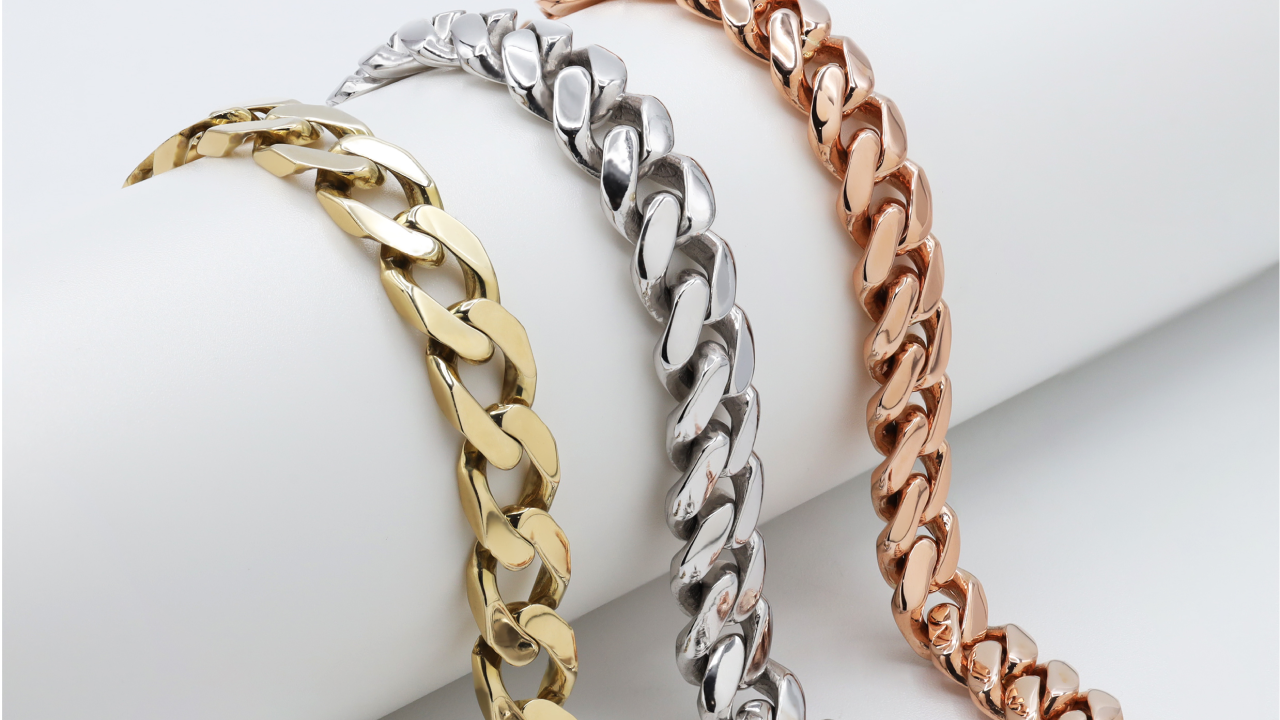
Metal bracelets offer the most versatility. They're durable, weather-proof, and work with almost any outfit. A steel bracelet looks equally appropriate with a suit or swim trunks.
The practical advantage: You never need to worry about water damage or wear patterns. A quality bracelet lasts decades with minimal maintenance.
Leather straps dress things up. They work beautifully with business wear and add warmth to casual outfits. Brown leather pairs with earth tones and denim. Black leather skews more formal.
The limitation: Leather straps require rotation. Sweat and water damage them over time. If you wear your watch daily, keep a spare strap ready.
NATO straps and fabric options add casual versatility. They're inexpensive, easy to swap, and nearly indestructible. A single watch with three NATO straps gives you three different looks.
We've seen customers transform their watches entirely by switching straps. A Submariner on a NATO feels sporty and relaxed. The same watch on its bracelet reads as more serious and refined.
The Pre-Owned Advantage for Everyday Wear
Buying pre-owned changes how you think about wearing luxury watches daily.
The financial logic is straightforward. The global pre-owned luxury watch market is projected to grow from $24.9 billion in 2024 to $63.7 billion by 2034. Pre-owned watches now account for over 30% of the $75 billion overall luxury watch market.
This growth reveals something important: Buying pre-owned is no longer a niche choice. It's become mainstream.
The practical benefits matter more for daily wear:
Lower initial investment means less anxiety about scratches. You'll actually wear your watch instead of saving it for special occasions.
Access to discontinued models opens up options you can't find in authorized dealers. Many of the most versatile everyday watches are no longer in production.
Better value retention protects your investment. Pre-owned pieces have already taken their biggest depreciation hit. Some models even appreciate over time.
The younger generation understands this instinctively. Over 80% of Gen Z buyers purchase through the pre-owned market, viewing these timepieces as both lifestyle statements and solid financial investments.
Sustainability adds another layer. The secondhand luxury market's growth is significantly fueled by consumer demand for sustainability, with 77% of European shoppers interested in buying sustainable luxury goods.
Maintenance for Daily Wear
Wearing your watch daily requires a maintenance routine.
Daily care takes seconds: Wipe your watch with a soft cloth when you take it off. This removes oils, sweat, and debris that accumulate throughout the day.
Pay attention to the bracelet or strap. Dirt builds up between links and under the lugs. A soft toothbrush and warm soapy water clean most steel bracelets safely. Dry thoroughly afterward.
Water resistance needs respect: Even if your watch is rated for 100 meters, have the gaskets checked every few years. Water resistance degrades over time. A $50 pressure test prevents a $2,000 repair.
Service intervals matter: Mechanical watches need servicing every 5-7 years. Daily wear accelerates this slightly. Watch for accuracy issues or difficulty winding—both signal it's time for service.
Store your watch properly when you're not wearing it. A watch box or soft pouch prevents scratches. If you have multiple pieces, a watch winder keeps automatics running between wears.
Building Confidence in Your Choices
The best everyday watch is the one you'll actually wear.
We've watched customers agonize over choices that don't matter in practice. They worry about scratches that add character. They stress about "rules" that don't exist.
Here's what actually matters: Does the watch fit your wrist properly? Does it work with most of your wardrobe? Can you afford to wear it without constant anxiety?
If you answer yes to all three, you've found your everyday watch.
The market data confirms what we see daily. Buyers want watches they can wear every day, not just on special occasions. The top-selling luxury watches of 2025 all share one trait: they transition effortlessly from formal to casual settings.
Your luxury watch should enhance your life, not complicate it.
Start by identifying your needs. Map your typical week. Consider your wardrobe. Think about your activities. Then choose a watch that fits all of it.
The pre-owned market gives you access to pieces that have proven their versatility over decades. These watches have survived real-world wear. They've been tested by previous owners in conditions similar to yours.
Making Your Next Move
You now have a framework for choosing and styling a luxury watch for everyday wear.
The key insights:
• Match case size to your wrist proportions, not trends
• Choose dial colors that work with your existing wardrobe
• Consider material durability for your actual lifestyle
• Use strap changes to multiply your watch's versatility
• Embrace pre-owned options for better value and less anxiety
We've built The Diamond Box around helping you find watches that work with your real life. Our collection includes pieces from Rolex, Breitling, Tag Heuer, Audemars Piguet, and Patek Philippe—all in excellent condition, ranging from vintage classics to nearly new models.
We also offer part exchange services if you're looking to upgrade your current watch into something more versatile.
The right everyday luxury watch exists for your lifestyle. You just need to know what to look for.
The Diamond Box
Visit us in store for great service and to see our amazing collection.
114 Ballards Lane, N3 2DN, London, United Kingdom, N3 2DN 020 8838 3655