




The luxury jewelry industry is splitting in two.
We're watching a market share transformation that's accelerating faster than anyone predicted. Lab-grown diamonds captured 14.3% of the market in 2023. By 2025, that number hits 21%.
But market share tells only half the story.
The real disruption lives in the price collapse. Wholesale prices for one-carat lab-grown diamonds fell from $1,800 per carat in mid-2018 to about $80 in mid-2025. That's a 96% plunge in seven years.
Think about that trajectory. We're not talking about gradual price compression. We're watching one of the most dramatic value collapses in luxury goods history.
Two distinct markets now exist where one used to dominate.
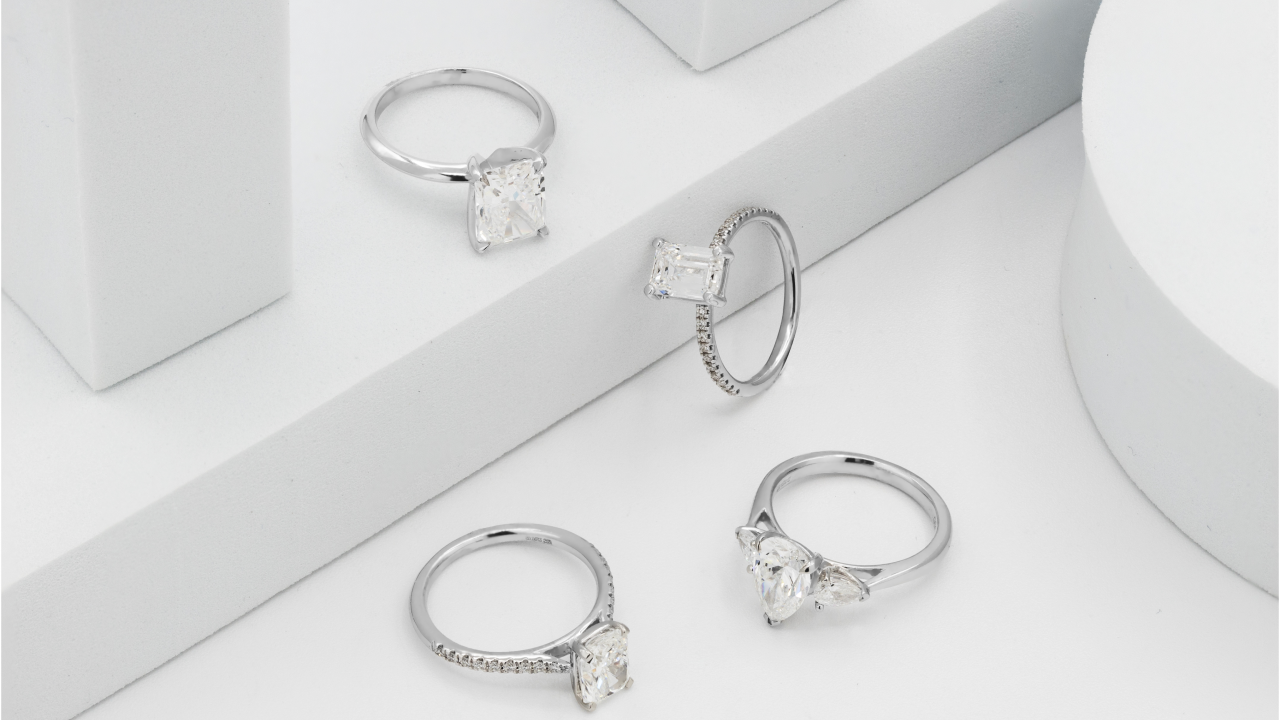
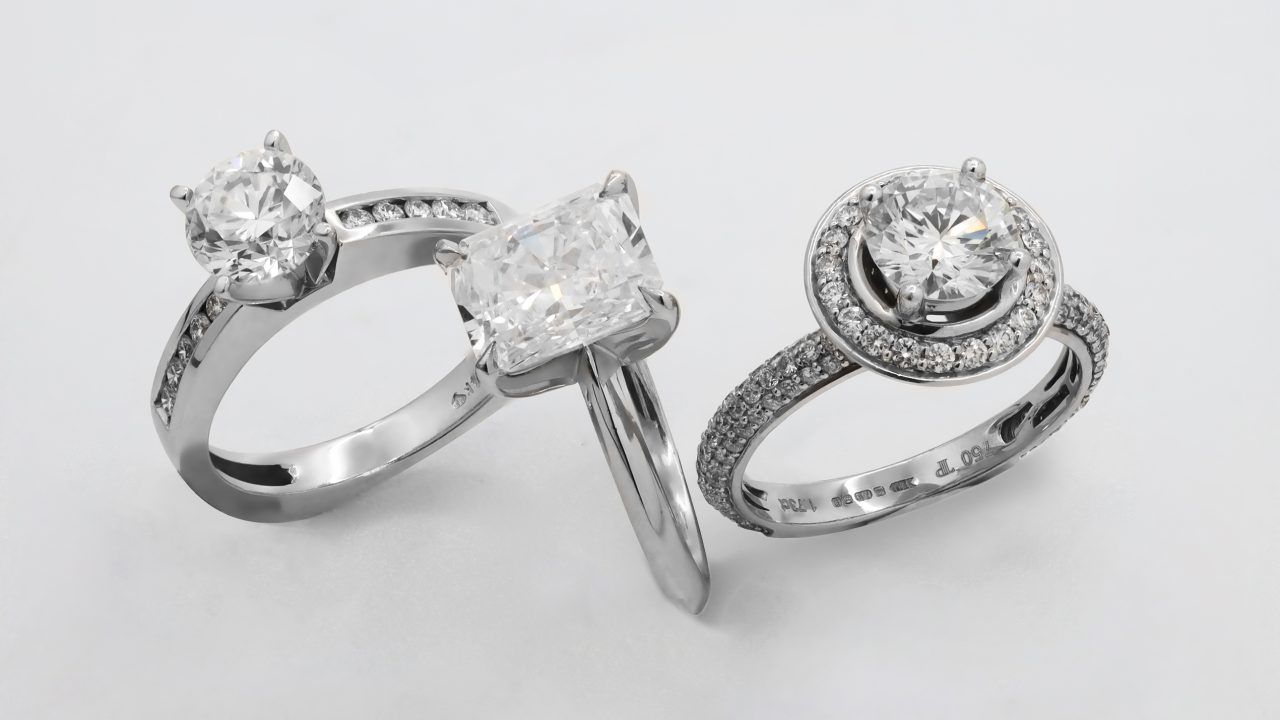
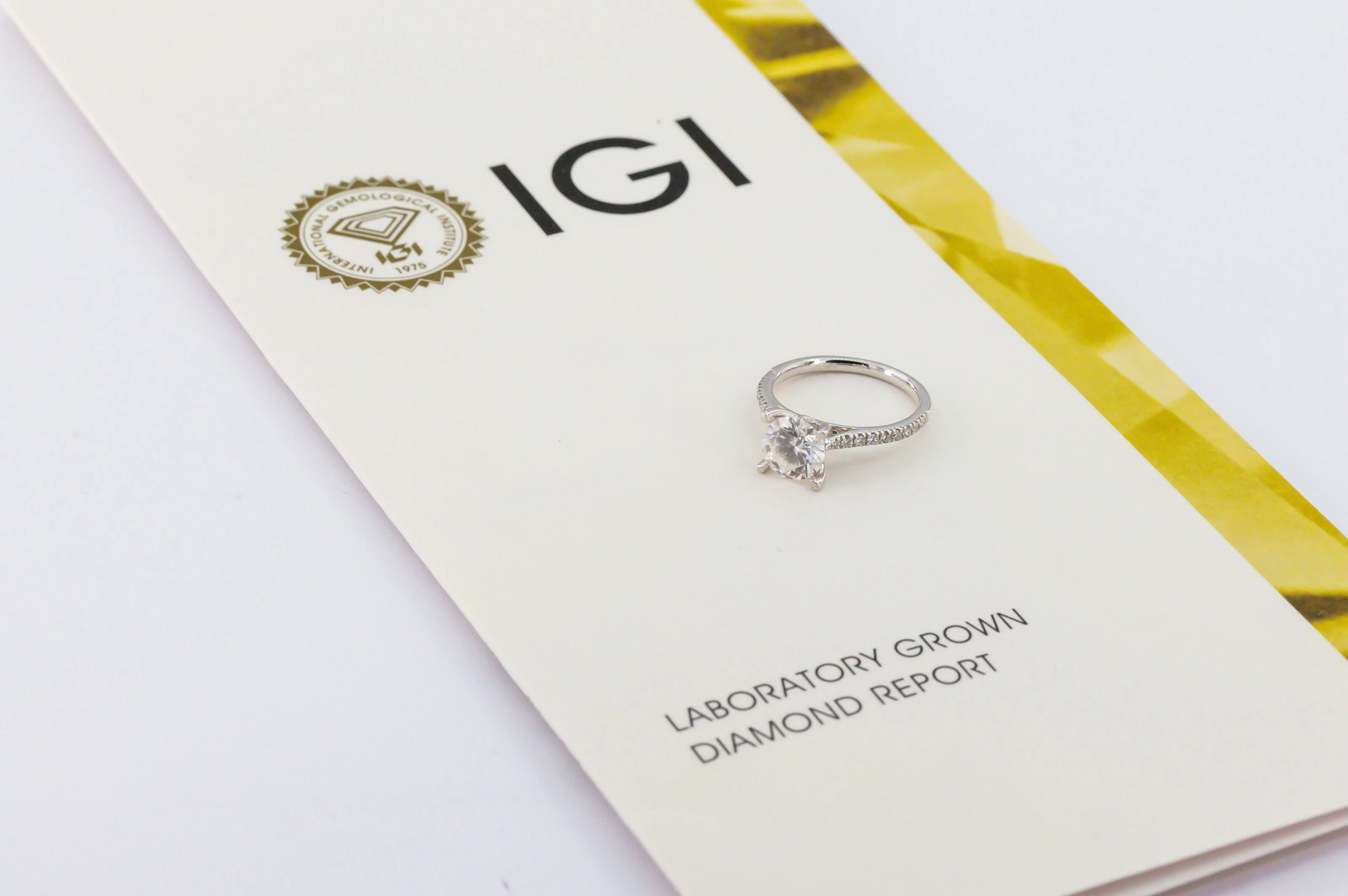
Traditional mined diamonds hold their pricing power among consumers who value rarity and heritage. Lab-grown diamonds attract buyers who want size and visual impact at accessible prices. The average lab-grown engagement ring center stone jumped from 1.31 carats in 2019 to 2.45 carats in 2025.
Consumers are using their savings to buy bigger stones. The definition of luxury is shifting from scarcity to scale.
More than half of couples now report their engagement ring features a lab-grown stone. That's 40% more than in 2019.
Here's where the narrative gets interesting.
The lab-grown diamond industry built its marketing on sustainability and ethics. But when you examine actual consumer behavior, a different picture emerges.
Diamond analyst Paul Zimnisky puts it bluntly: "Consumers don't care about that as much as the media talks about it. Consumers are buying lab diamonds because they're so cheap. It's all about the price."
The data supports this. Only one third of millennials and Gen Z prioritize low prices in surveys, yet lab-grown diamond purchases surge primarily when prices drop. The sustainability story makes for compelling marketing, but price drives actual purchasing decisions.
We're not returning to a single diamond market. The bifurcation is permanent.
Traditional diamond companies face existential pressure. De Beers cut production by 20% and saw sales drop by the same percentage in the first half of 2024. Natural diamond prices fell 26% over two years.
Meanwhile, lab-grown producers compete on manufacturing efficiency, driving prices down further. Retailers maintain healthy margins even as wholesale costs collapse, capturing value at the point of sale.
The luxury jewelry industry split into two markets. One anchored in rarity and tradition. The other built on accessibility and size.
Both can survive. But they're playing entirely different games now.
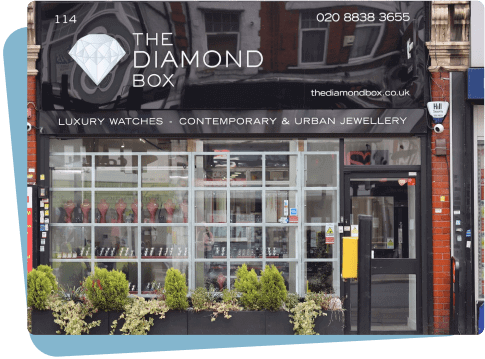
Visit us in store for great service and to see our amazing collection.
114 Ballards Lane, N3 2DN, London 020 8838 3655
Your bag is empty
Get browsing!