





Market Data Actually Reveals About Rolex's Two Most Debated Models
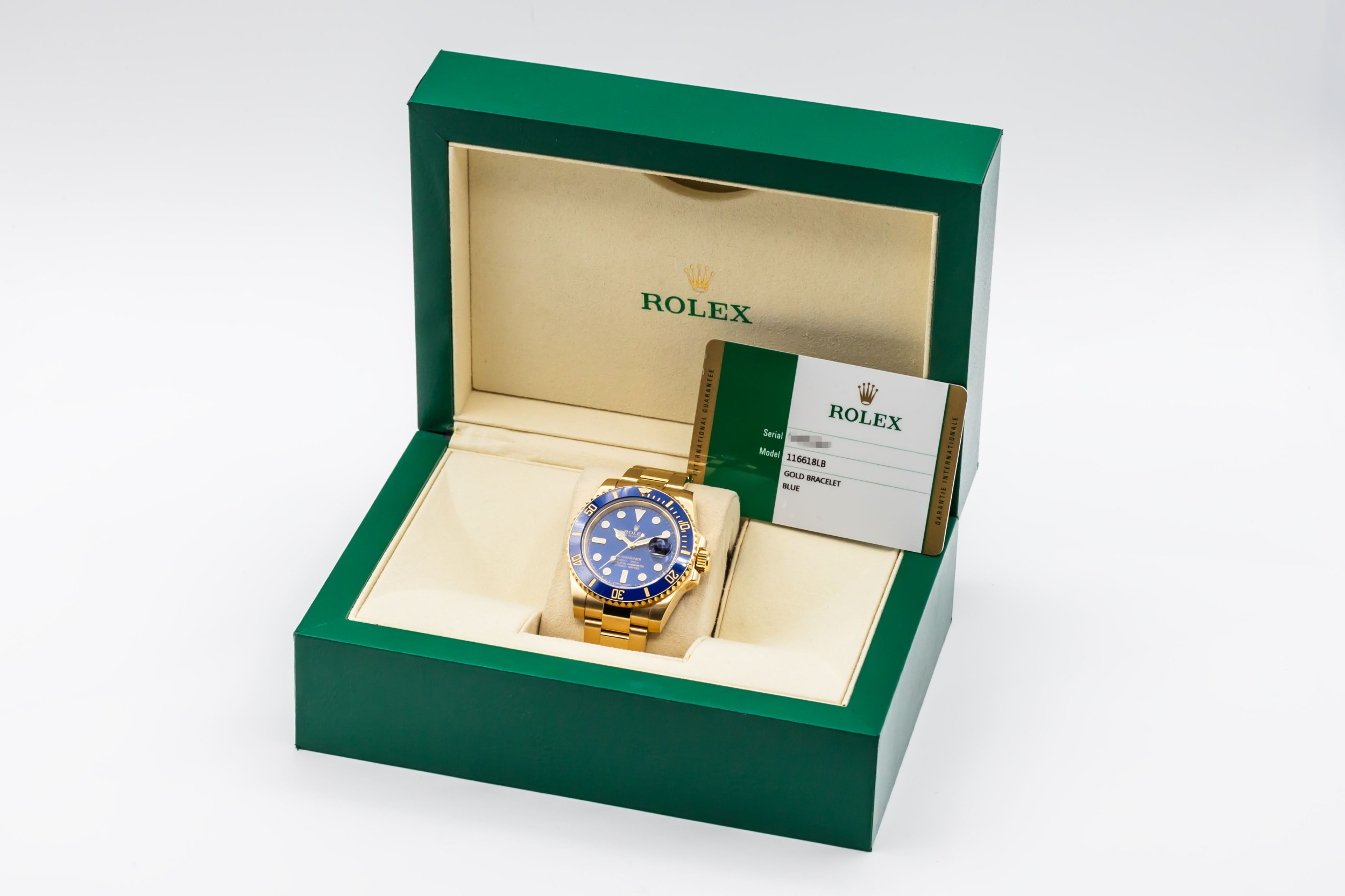
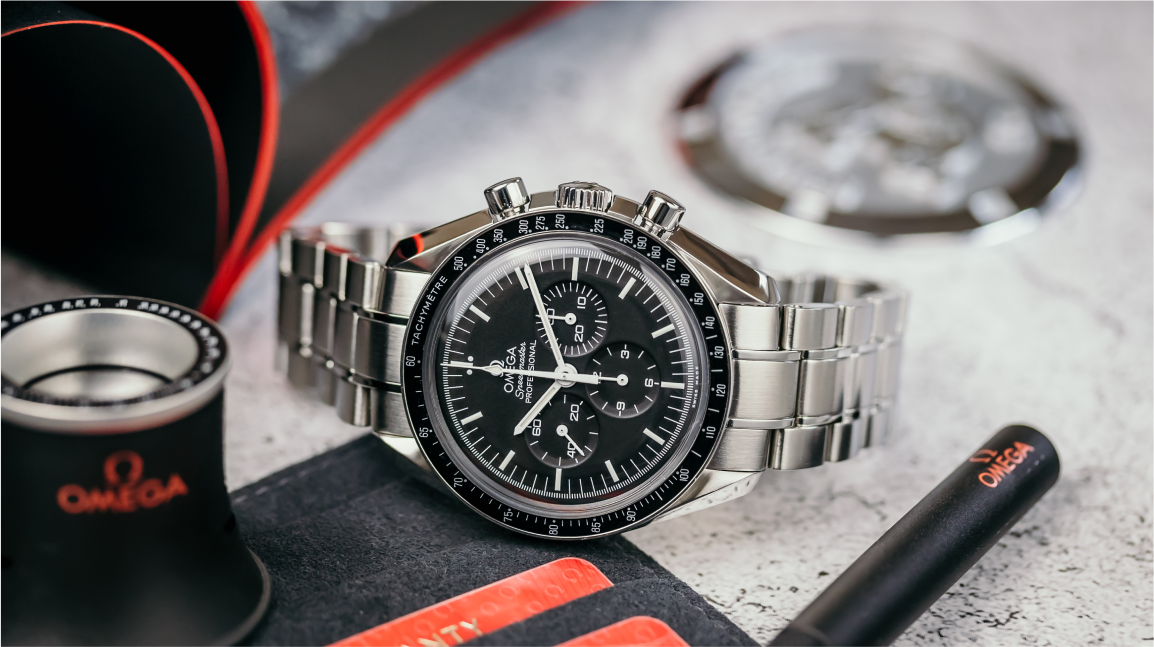
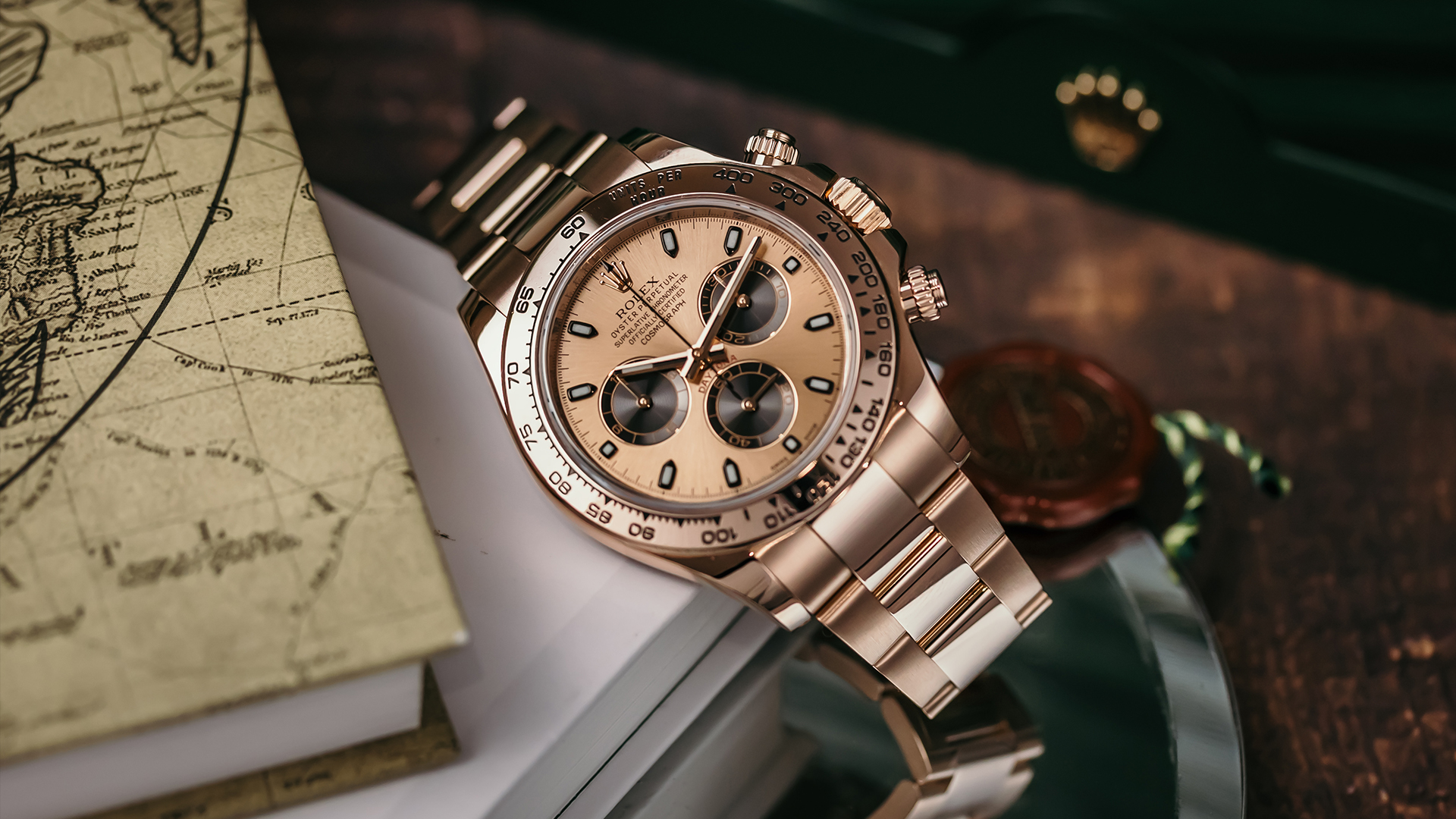
TL;DR: The GMT-Master II has appreciated 506% since 2010 and trades at 100% above retail. The Submariner shows 38% premiums over retail. Both models demonstrate exceptional value retention (+17.1% average), but they serve different purposes. The GMT-Master II suits frequent travellers crossing time zones. The Submariner offers classic versatility for those who don't need dual time zones.
Quick Answer: Submariner vs GMT-Master II
-
Price premium: GMT-Master II Pepsi trades at £12,000-£14,400 (100% above retail). Submariner shows 38% over retail.
-
Appreciation: GMT-Master II leads all Rolex lines with 506% appreciation from 2010 baseline.
-
Wait times: Steel GMT-Master II models require 2-5 years at authorised dealers. This drives secondary market demand.
-
Best for: GMT-Master II suits international travellers. Submariner suits those valuing simplicity and versatility.
-
Value retention: Both models sit well above Rolex's +17.1% average retention rate.
Here at The Diamond Box, we've tracked 15 years of sales data across the secondary market. We've analysed pricing premiums, wait times, and value retention patterns. We've looked at what people actually pay, not what they say they'll pay.
The Submariner versus GMT-Master II debate is the most common question our clients ask. But here's what we find most interesting: it's not which model wins. It's what the data reveals about how luxury goods markets actually function when scarcity meets desire.
What Are the Current Market Prices for Submariner vs GMT-Master II?
Here at The Diamond Box, we start with the numbers that matter: what our clients actually pay.
GMT-Master II Pricing
The Pepsi GMT-Master II (Ref. 126710BLRO) trades between £12,000 and £14,400 on the secondary market. Retail price sits at £8,560.
This represents a 40-70% premium over list price. The GMT-Master II Pepsi specifically shows 100% premium over retail.
Submariner Pricing
The Submariner shows approximately 38% over retail as of 2025.
What This Premium Gap Reveals
When a product consistently trades at double its retail price, you're not looking at a traditional watch market. We've seen this firsthand at The Diamond Box: you're looking at an allocation game.
The secondary market has become the primary market for most buyers because authorised dealer access is severely restricted.
Key insight: The 62-percentage-point gap between Submariner (38%) and GMT-Master II Pepsi (100%) premiums directly reflects demand intensity and scarcity dynamics.
How Much Have These Models Appreciated Over 15 Years?
Here at The Diamond Box, this is where the long-term data gets interesting.
GMT-Master II Appreciation
The GMT-Master II collection leads all Rolex lines with 506% appreciation from its 2010 baseline.
This represents 15 years of consistent value growth through multiple economic cycles. The GMT-Master II outpaced even Rolex's exceptional brand-wide performance.
Rolex Brand Average
The average Rolex climbed from around £1,600 in 2010 to over £10,400 today. That's 550% appreciation across the brand.
Submariner Performance
The Submariner remains the number two collection by total sales volume over the past 15 years.
It's trending higher year-over-year in 2025. The Submariner is bouncing back faster from the 2022-2023 market correction than most luxury categories.
What This Tells Us About Complication Value
We're watching a specific functionality (dual time zones) command a sustained premium over pure dive watch utility.
In our experience at The Diamond Box, the market has spoken clearly: complications that solve real-world problems (tracking multiple time zones) command higher premiums than single-purpose tool watches.
Bottom line: Both models perform exceptionally, but the GMT-Master II's dual-timezone functionality has driven superior appreciation over 15 years.
Why Are Wait Times So Long at Authorised Dealers?
Here at The Diamond Box, we've seen how the authorised dealer experience shapes secondary market dynamics in ways most buyers don't anticipate.
Actual Wait Times
Estimated wait times for steel GMT-Master II models run 2-5 years at most authorised dealers.
As we tell our clients at The Diamond Box: that's not a queue. That's a relationship test.
How Authorised Dealers Allocate Inventory
Authorised dealers prioritise clients with existing purchase relationships.
First-time buyers face the longest waits or outright refusals to join waitlists. This isn't a bug in the system. This is the system working as designed.
Why the Secondary Market Exists
When you can't access retail inventory without a multi-year relationship and purchase history, the secondary market stops being an alternative.
Here at The Diamond Box, we serve clients who need that default entry point because they want a watch this year, not in 2028.
Market Size and Growth
The pre-owned luxury watch market was valued at £14.4 billion in 2018. Projections put it above £24 billion by 2025.
We've witnessed this growth firsthand at The Diamond Box. The growth driver is clear: buyers who can't access authorised dealer inventory turn to the secondary market.
Key takeaway: Long wait times at authorised dealers aren't reducing demand—they're redirecting it to the secondary market, where The Diamond Box provides immediate access.
Which Model Should You Choose Based on Functionality?
Here at The Diamond Box, we help our clients strip away the investment analysis to find a straightforward functional question.
The Core Question
Do you track multiple time zones regularly?
When the GMT-Master II Makes Sense
If you travel internationally for work, the GMT complication becomes genuinely useful because it solves a specific problem.
You can track home time whilst abroad without mental maths or phone checks. This isn't a luxury feature. It's a practical tool for frequent international travellers.
When the Submariner Makes More Sense
If you don't regularly cross time zones, you're paying a significant premium for a complication you'll rarely use.
The Submariner gives you:
-
300 metres of water resistance
-
Unidirectional bezel
-
One of the most recognised watch designs ever produced
-
Robust tool watch versatility (works equally well in a boardroom or on a boat)
Complexity vs Simplicity
The GMT-Master II adds complexity through its dual-timezone functionality.
The Submariner removes complexity by focusing on a single, well-executed purpose.
Both approaches have merit. We always advise our clients at The Diamond Box: your actual usage pattern determines which approach serves you better.
Decision point: Choose GMT-Master II if you cross time zones monthly or more. Choose Submariner if you value versatility and don't need dual-timezone tracking.
What Does Trading Volume Tell Us About These Models?
Most Traded Rolex Collections
Here at The Diamond Box, we see the Datejust lead as the most traded Rolex collection. The Submariner and GMT-Master II follow closely behind.
Why Trading Volume Matters
High trading volume signals two things:
-
Sustained interest: Consistent buyer and seller activity
-
Liquidity: Easy market access when you want to buy or sell
When you can easily find buyers and sellers for a specific model, you're holding an asset with real market depth. Therefore, price discovery happens efficiently and transaction costs stay reasonable.
Why Sports Models Outperform
Sports models like the Submariner, Daytona, and GMT-Master II consistently perform best on the secondary market.
Here at The Diamond Box, we know the reason: they combine versatility with global recognition. A steel sports Rolex works in almost any context—from boardrooms to beaches.
Cross-Segment Demand
That versatility creates demand across different buyer segments:
-
Collectors seeking iconic references
-
First-time luxury watch buyers wanting recognised brands
-
Investors looking for wearable assets
At The Diamond Box, we serve all three segments.
Market Dynamics
When multiple buyer types compete for limited inventory, prices rise. When prices rise consistently, more sellers enter the market. When more sellers enter, trading volume increases.
Here at The Diamond Box, we're watching a functional market with real price discovery, not a speculative bubble built on hype.
What this means: High trading volume for both models ensures you can liquidate quickly if needed, making them practical investments as well as functional timepieces.
How Well Do These Models Retain Value?
Rolex Brand Average
Average value retention across Rolex sits at +17.1%. At The Diamond Box, we consider that strong holding power for a luxury good.
Distribution Behind the Average
But here at The Diamond Box, we know averages hide the distribution.
Some references appreciate significantly. Others hold steady. A few decline from retail, though they rarely drop below a certain floor.
Submariner and GMT-Master II Performance
The Submariner and GMT-Master II both sit well above that average retention rate.
We've seen this consistently at The Diamond Box: they're not just holding value. They're building it.
Why This Matters for Buyers
This matters if you view the purchase as capital allocation rather than pure consumption.
Consider the difference:
-
A £12,000 watch that holds or increases its value over five years = asset preservation
-
A £12,000 watch that drops to £6,400 = 47% depreciation
You're still spending money. But you're spending it on an asset that maintains liquidity and value rather than a depreciating good.
Value insight: Both the Submariner and GMT-Master II consistently outperform Rolex's already-strong +17.1% average retention, making them among the safest luxury watch investments.
How Should You Actually Make This Decision?
Here at The Diamond Box, we've noticed most buyers approach this decision backward.
Our clients often start with which model they prefer aesthetically, then justify the choice with functional or investment reasoning.
At The Diamond Box, we recommend a more useful framework that starts with honest usage assessment:
1. Travel Frequency
If you cross time zones monthly or more, the GMT complication has genuine utility.
If you travel domestically or stay in one region, it's a feature you'll rarely use.
2. Wrist Presence Preference
The GMT-Master II's colourful bezels (Pepsi, Batman, Root Beer) make stronger visual statements.
In contrast, the Submariner offers more understated versatility.
3. Investment Timeline
If you plan to hold for 10+ years, both models show strong historical performance.
If you might sell within 2-3 years, the GMT-Master II's higher premium offers more upside potential but also more downside risk if market dynamics shift.
4. Access to Retail
If you have an established dealer relationship, retail pricing changes the calculation entirely.
If you're buying secondary, the premium you pay today becomes your baseline for future value assessment.
Framework summary: Neither model is objectively better. They serve different use cases and appeal to different preferences. Use actual usage patterns, not aspirational thinking.
What the Data Actually Tells You
We've analysed 15 years of market performance. We've tracked premiums, wait times, and trading patterns.
The conclusion isn't which model to buy. The conclusion is that both models have demonstrated sustained demand and value retention through multiple market cycles.
The Real Insight
When you're choosing between two assets that both appreciate significantly over time, you're making a preference decision, not a financial one.
Model Comparison Summary
The Submariner offers classic versatility and slightly lower entry premiums.
The GMT-Master II offers distinctive aesthetics and proven outperformance in appreciation.
Both are available through us at The Diamond Box, where we help clients navigate these choices.
Long-Term Outlook
Both watches will likely hold or increase their value over a 5-10 year horizon.
Both offer genuine utility. Both provide the brand recognition and build quality that justify their premium positioning.
The market has validated both approaches. Your decision comes down to which functionality and aesthetic you'll actually use and enjoy.
Because at the end of the analysis, as we remind our clients, you're buying a watch to wear, not a spreadsheet to optimise.
Final verdict: Both models are excellent investments with proven track records. Choose based on lifestyle fit, not just financial returns.
Frequently Asked Questions
Is the Rolex GMT-Master II worth the extra cost over the Submariner?
Yes, if you travel internationally monthly or more. The GMT-Master II trades at 100% above retail (£12,000-£14,400) compared to the Submariner's 38% premium, but it has delivered 506% appreciation since 2010. The dual-timezone functionality provides genuine utility for frequent travellers. If you don't cross time zones regularly, the Submariner offers better value.
How long is the wait for a GMT-Master II at an authorised Rolex dealer?
Estimated wait times for steel GMT-Master II models run 2-5 years at most authorised dealers. Authorised dealers prioritise clients with existing purchase relationships. First-time buyers face the longest waits or outright refusals to join waitlists. This is why many buyers turn to secondary market dealers like The Diamond Box for immediate access.
Which Rolex model has better value retention: Submariner or GMT-Master II?
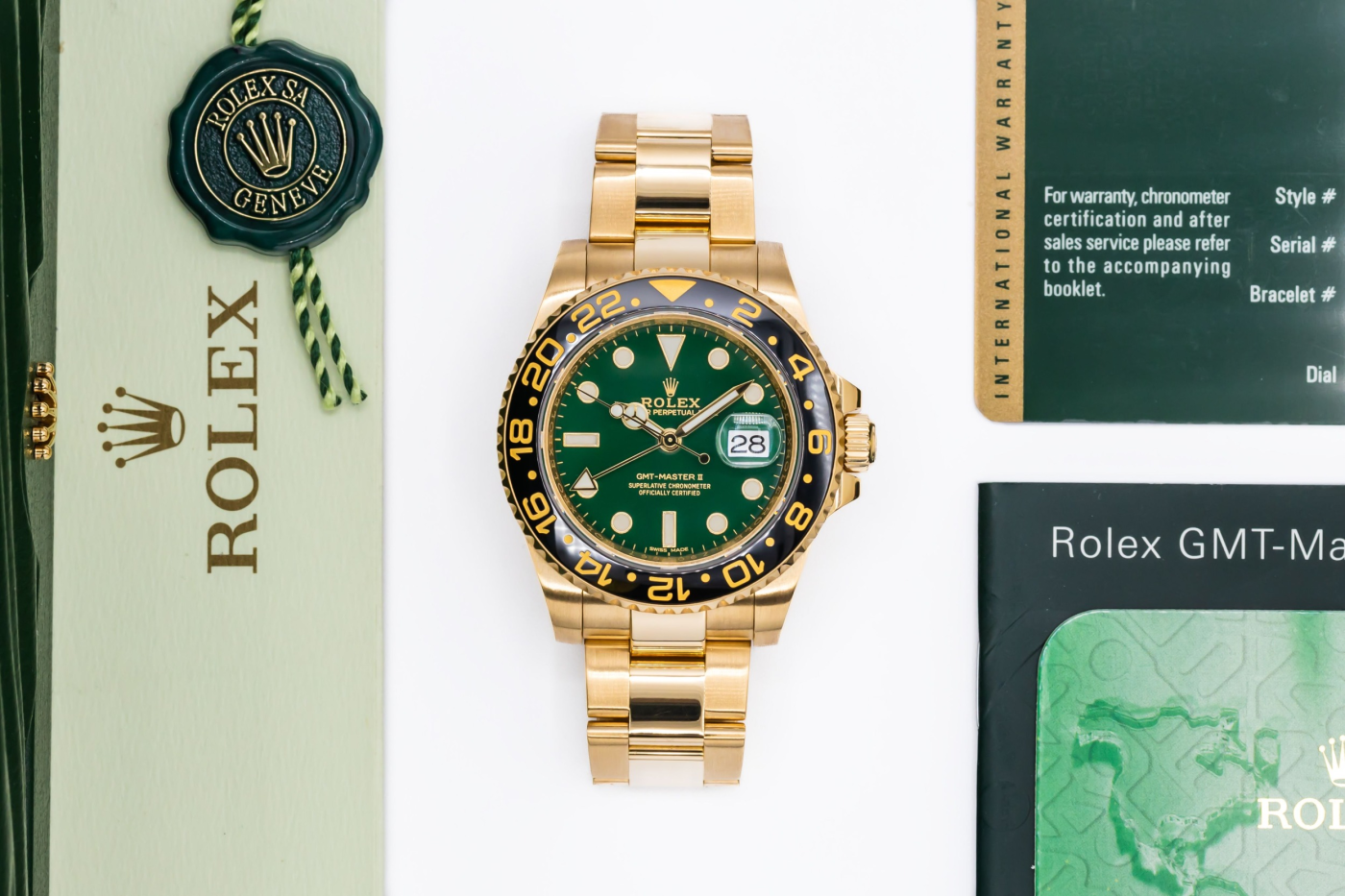
Both models sit well above Rolex's +17.1% average value retention. The GMT-Master II has shown superior appreciation (506% since 2010) compared to the Submariner. However, both models consistently hold or increase their value over 5-10 year horizons, making them among the safest luxury watch investments.
Can I buy a GMT-Master II or Submariner at retail price?
Technically yes, but practically difficult. Retail prices are £8,560 for the GMT-Master II Pepsi and lower for the Submariner. However, accessing these prices requires multi-year wait times and established dealer relationships. Most buyers pay secondary market premiums (38-100% above retail) for immediate access.
What is the current market price for a Rolex Submariner?
The Submariner shows approximately 38% premium over retail as of 2025. Exact pricing varies by reference, condition, and whether it includes box and papers. At The Diamond Box, we provide transparent pricing based on current market conditions.
Why does the GMT-Master II Pepsi cost more than other GMT models?
The Pepsi bezel (red and blue) is the most iconic GMT-Master II design and has the strongest collector demand. It trades at 100% above retail (£12,000-£14,400) because it combines distinctive aesthetics with functional utility. The Pepsi specifically has shown stronger appreciation than other GMT-Master II variants.
Are Rolex watches a good investment in 2025?
Rolex sports models like the Submariner and GMT-Master II have demonstrated sustained value retention (+17.1% average) and appreciation through multiple economic cycles. The average Rolex climbed from £1,600 in 2010 to over £10,400 today (550% appreciation). However, these should be viewed as wearable assets that maintain value, not speculative investments.
Should I buy from an authorised dealer or secondary market?
Authorised dealers offer retail pricing but require 2-5 year wait times and purchase history. The secondary market (like The Diamond Box) offers immediate access at 38-100% premiums above retail. If you want a watch this year rather than 2028, the secondary market is your practical option. The premium you pay today becomes your baseline for future value assessment.
Key Takeaways
-
Price premium gap matters: GMT-Master II Pepsi trades at 100% above retail (£12,000-£14,400) vs Submariner's 38% premium, reflecting demand intensity differences
-
Superior appreciation for GMT-Master II: 506% appreciation since 2010 leads all Rolex lines, outpacing even the brand's exceptional 550% average
-
Wait times drive secondary markets: 2-5 year waits at authorised dealers redirect demand to secondary market; pre-owned luxury watch market projected above £24 billion by 2025
-
Functionality determines fit: Choose GMT-Master II if you cross time zones monthly or more; choose Submariner for versatility without needing dual-timezone tracking
-
Both models outperform on value retention: Both sit well above Rolex's +17.1% average retention, making them among the safest luxury watch investments
-
High liquidity ensures exit options: Strong trading volume for both models means you can liquidate quickly when needed, combining practical utility with investment characteristics
-
Decision is preference, not financial: When both models appreciate significantly, choose based on actual lifestyle fit and usage patterns rather than purely financial projections
The Diamond Box
Visit us in store for great service and to see our amazing collection.
114 Ballards Lane, N3 2DN, London, United Kingdom, N3 2DN 020 8838 3655