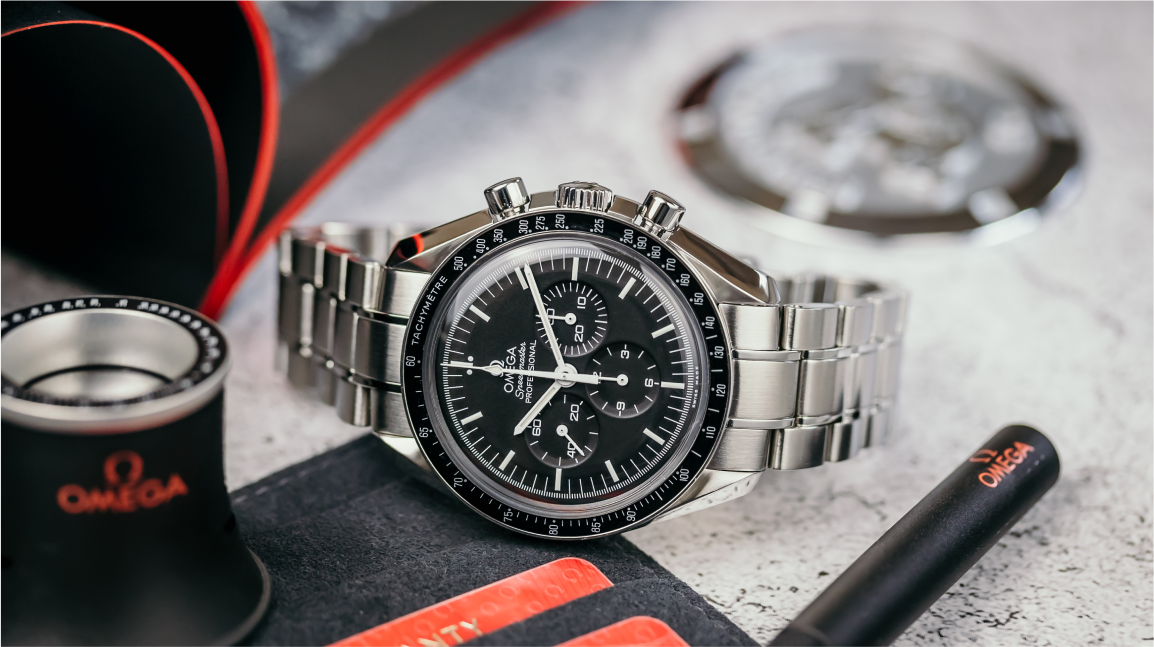
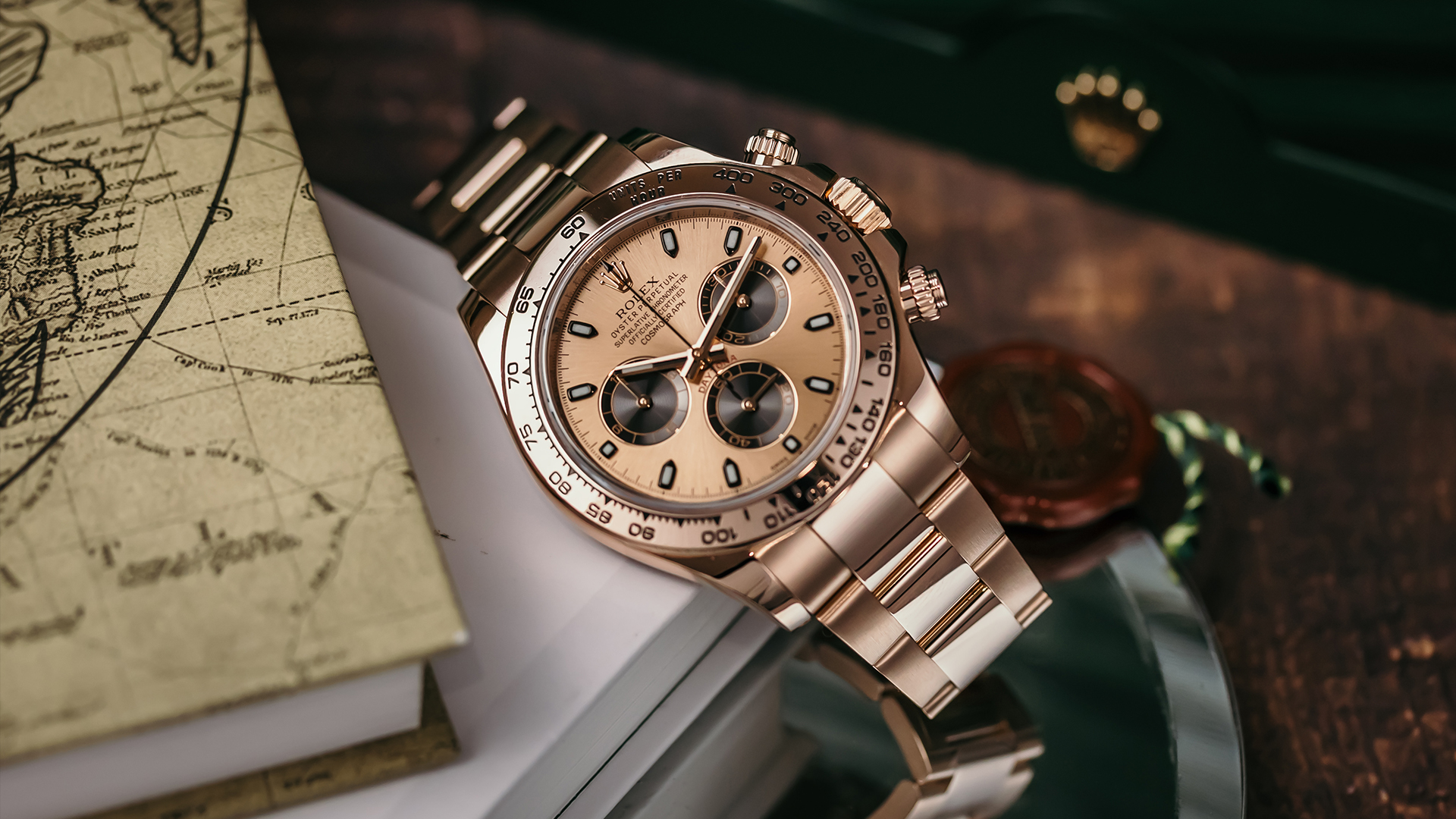







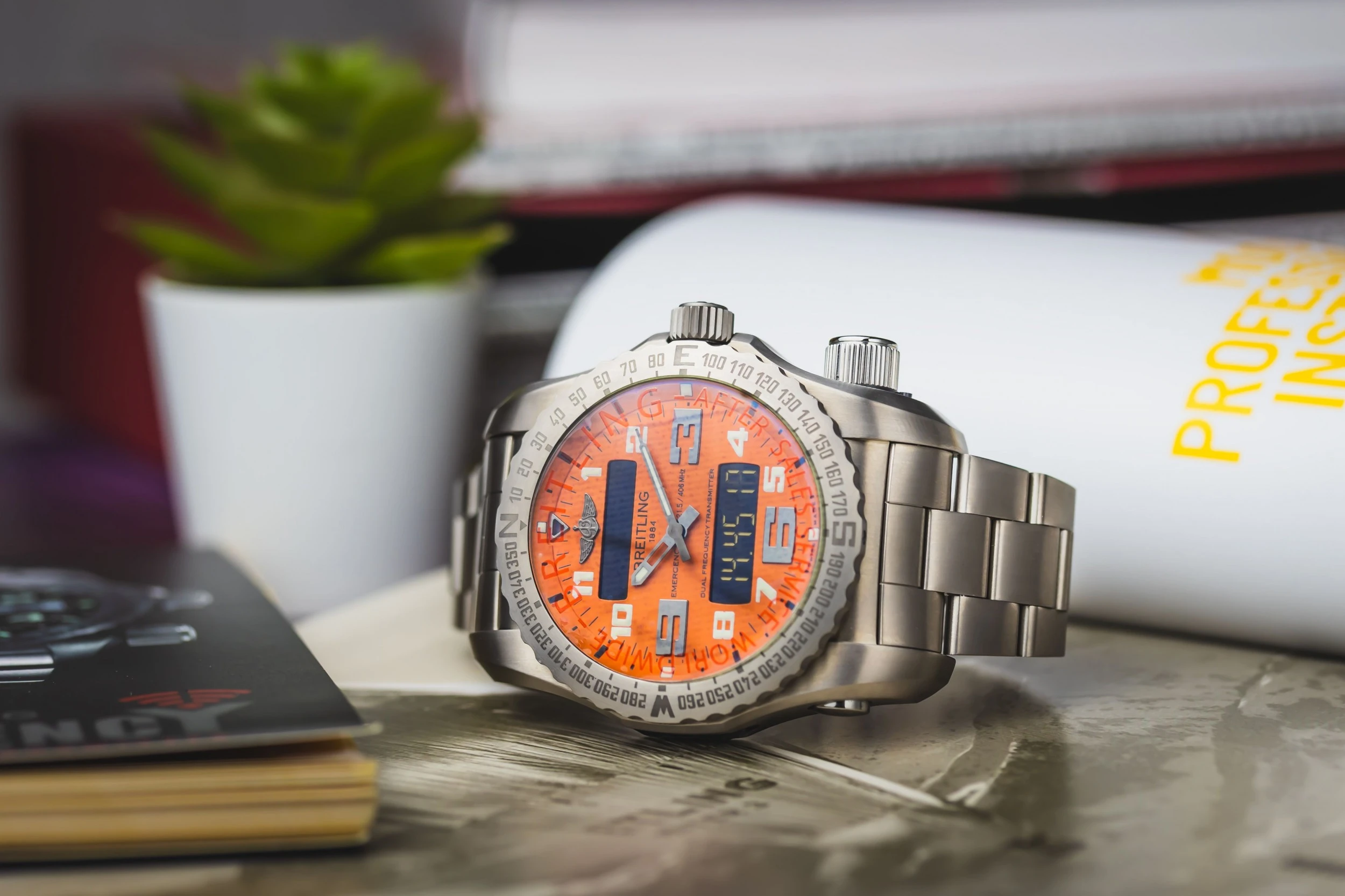
We've tracked a curious evolution in the watch industry. The same timepieces designed to save lives in Antarctica and war zones now sit in climate-controlled safes as investment pieces.
The transformation happened gradually, then suddenly.
The Original Mission: Survival Equipment
Military watches entered service in the 19th century with one purpose: keep soldiers alive. These weren't accessories. They were tools that determined whether missions succeeded or failed.
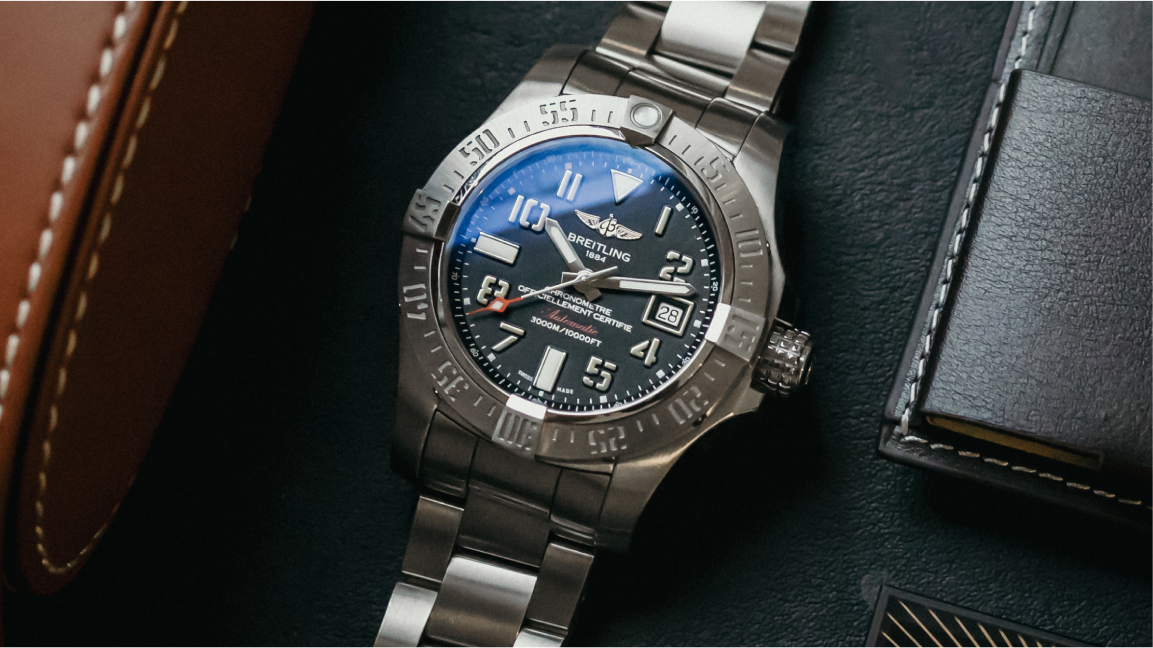
The Rolex Milsub, issued to British special forces, needed to function during underwater demolition operations. The Breitling Emergency carried a distress beacon that transmitted on military aviation frequencies. Both watches answered the same question: what happens when everything else fails?
The design requirements read like survival manuals. Submersion resistance. Impact tolerance. Legibility in zero-light conditions. Every feature served operational necessity.
In January 2003, two British pilots crashed their helicopter in Antarctica. Squadron Leader Steve Brooks and Flight Lieutenant Hugh Quentin-Smith activated their Breitling Emergency transmitter watches. Rescue teams found them in conditions that kill most people within hours.
The watches worked exactly as designed.
The Performance Standard Nobody Talks About
Between 1995 and 2010, Breitling sold 40,000 Emergency watches. The company recorded dozens of successful rescues during this period.
Zero false alarms were ever reported.
Think about that reliability record. Forty thousand units in the field, operating in extreme conditions, with technology sophisticated enough to trigger international search and rescue operations. No accidental activations. No system failures that sent rescue teams on wild chases.
The development process explains the reliability. Breitling spent nearly a decade engineering the Emergency. Two prototypes failed completely before the company announced the watch to the press in 1995. Even then, Swiss communications regulators wouldn't approve sales until May 1996.
The battery technology alone required breakthroughs that Breitling deliberately didn't patent. Standard miniature batteries die in under 50 seconds at –20ºC. The Emergency needed to transmit for hours in Antarctic conditions. The solution was so advanced that Breitling kept it secret, knowing mobile phone companies would find the disclosure too valuable.
Military-grade performance demands this level of engineering. The question is whether buyers today understand what they're purchasing.
The Accountability Question
Civilians who buy the Breitling Emergency sign a document during purchase. The paperwork details estimated search and rescue fees: approximately $10,000 if they trigger the beacon in a non-emergency.
Breitling covers the costs if the rescue is genuine. The company even provides a replacement watch for free.
This accountability framework reveals something important about military watch design. The technology is real. The consequences are real. The watches weren't designed for people who wanted the appearance of capability.
After a cargo aircraft crash in Afghanistan's Koh-i-Baba range killed nearly all passengers in November 2004, Blackwater founder Erik Prince equipped his thousands of contractors with Emergency watches. These weren't issued as status symbols. They were backup systems for operators working in active combat zones across Iraq, Afghanistan, and dozens of other countries.
The military versions operated on 243.0 MHz, the military aviation emergency frequency, versus 121.5 MHz for civilian models. These watches rarely appear on the secondary market because contractors returned them at the end of deployment. The military understood the risk of rescue beacon technology entering civilian circulation without proper protocols.
The Status Shift
Today, collectors pay premium prices for military-issued watches that never saw combat. The Rolex Milsub, originally issued as expendable equipment, trades at auction for six figures.
We're watching two markets diverge. One values the watches for their engineering and proven performance under extreme conditions. The other values them as rare artifacts and investment vehicles.
The divergence raises questions about what happens when survival equipment becomes collectible. Does the status appeal dilute the original purpose? Or does collector interest preserve the engineering standards that made these watches effective in the first place?
The answer matters because military watch design continues to influence the broader industry. Water resistance standards, shock protection systems, and legibility requirements that started as military specifications now appear in consumer watches.
What the Industry Trend Reveals
The transformation of military watches from tools to status symbols shows how markets revalue proven performance. The watches didn't change. The context around them shifted.
Breitling still manufactures the Emergency. Rolex still builds watches to military specifications, even though armed forces no longer issue them as standard equipment. The engineering standards remain because they work.
What changed is who buys them and why.
The original buyers needed watches that functioned when their lives depended on it. Today's buyers often want the association with that capability more than the capability itself.
We're left with a question the industry hasn't fully answered: does the status symbol market sustain the engineering excellence that created these watches, or does it gradually replace substance with appearance?
The Antarctic rescue in 2003 suggests the technology still matters. The auction prices suggest the story matters just as much.
We understand this appeal—both the engineering excellence and the heritage these watches represent. That's why we stock and source military watches on our website, recognizing that the hype is built on something real: decades of proven performance when it mattered most.
Both can be true, but they're not the same thing.