




Ring Styles Through the Ages: What Two Decades of Customer Conversations Taught Us About Choosing Well
Quick Read: Understanding ring styles across different eras helps you make better decisions when buying jewellery. This guide shares what we've learnt from twenty years at The Diamond Box, working with preowned luxury pieces in North London, about quality, durability, and value in both vintage and modern rings.
Core Insights:
-
Durability depends on three factors: hardness, toughness, and stability (not just one)
-
Older pieces often show superior craftsmanship, but condition determines actual value
-
Setting height affects both appearance and daily wearability in ways most people don't anticipate
-
Material choice (platinum vs. gold) involves trade-offs between security and flexibility
-
Personalization has become the norm as buyers prioritize transparency and alignment with their values
The Questions That Never Change
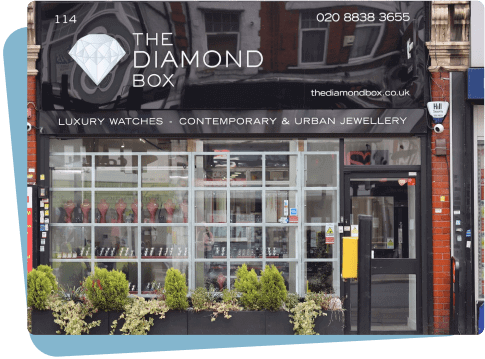
We've watched thousands of people stand at our cases in North London over the years, trying to decode what makes one ring different from another. The questions rarely change: What makes this style different from that one? How do I know if this will last? Why does this cost more than something that looks similar?
Understanding ring styles across different eras isn't about memorising design periods or impressing anyone with historical knowledge. It's about recognising patterns that help you make better decisions when the stakes feel high and the information feels thin.
Why Historical Context Actually Matters for Your Decision
When someone asks us about vintage versus modern rings, they're often trying to understand something deeper than aesthetic preference. They're asking: What survives? What holds up? What was built to last versus what was built to sell?
Here's what we've observed across two decades at The Diamond Box, working with both antique pieces and contemporary designs in gold, diamond, and platinum:
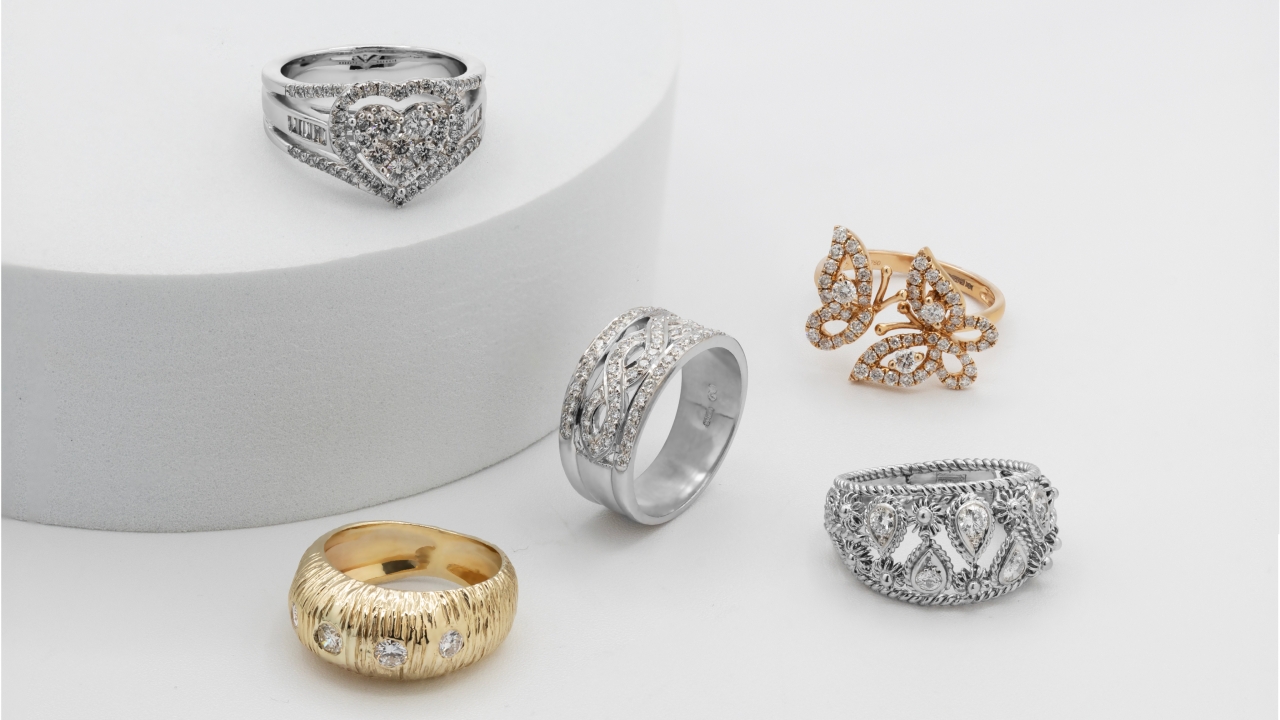
Many antique rings were created during periods when handcrafting was the norm. These pieces often show organic uniqueness or intricate details that are difficult to replicate with modern mass-production methods. The preference collectors show for hand-faceted old-cut diamonds over machine-cut stones demonstrates something important: craftsmanship quality becomes more apparent through extended observation windows.
This isn't nostalgia. It's pattern recognition.
Older pieces, especially those crafted in the 19th or early 20th century, tend to be more valuable due to their rarity and historical significance. They reflect now-obsolete craftsmanship techniques and aesthetics. But here's the complexity most people miss: while a piece's age increases its value due to scarcity and demand, its condition determines whether that theoretical value translates to actual worth.
Condition depends entirely on how the jewellery has been looked after. Better condition fetches higher resale prices, which means the care decisions you make today directly affect long-term value. This is why we spend time talking through how you'll wear a piece, not just how it looks in the case.
What matters: Age creates rarity, but condition determines actual value. How you care for a ring today shapes its worth years from now.
What Does "Durable" Really Mean?
Most conversations about ring quality collapse into a single question: "Will it last?" That's the right instinct, but the answer is more layered than most people expect.
Gem durability combines three properties: hardness, toughness, and stability. No gemstone scores a perfect 10 on all three parameters.
Hardness measures scratch resistance. Toughness measures resistance to breaking or chipping. Stability measures how well a stone handles environmental factors like heat, light, and chemicals.
A diamond scores highest on hardness but still chips if struck at the right angle because its toughness is lower. An opal has beautiful visual properties but requires different care because its stability is more sensitive to environmental changes.
Understanding this three-part framework changes how you evaluate options. It also explains why setting design matters as much as stone selection.
Setting Height: The Trade-Off Most People Don't Anticipate
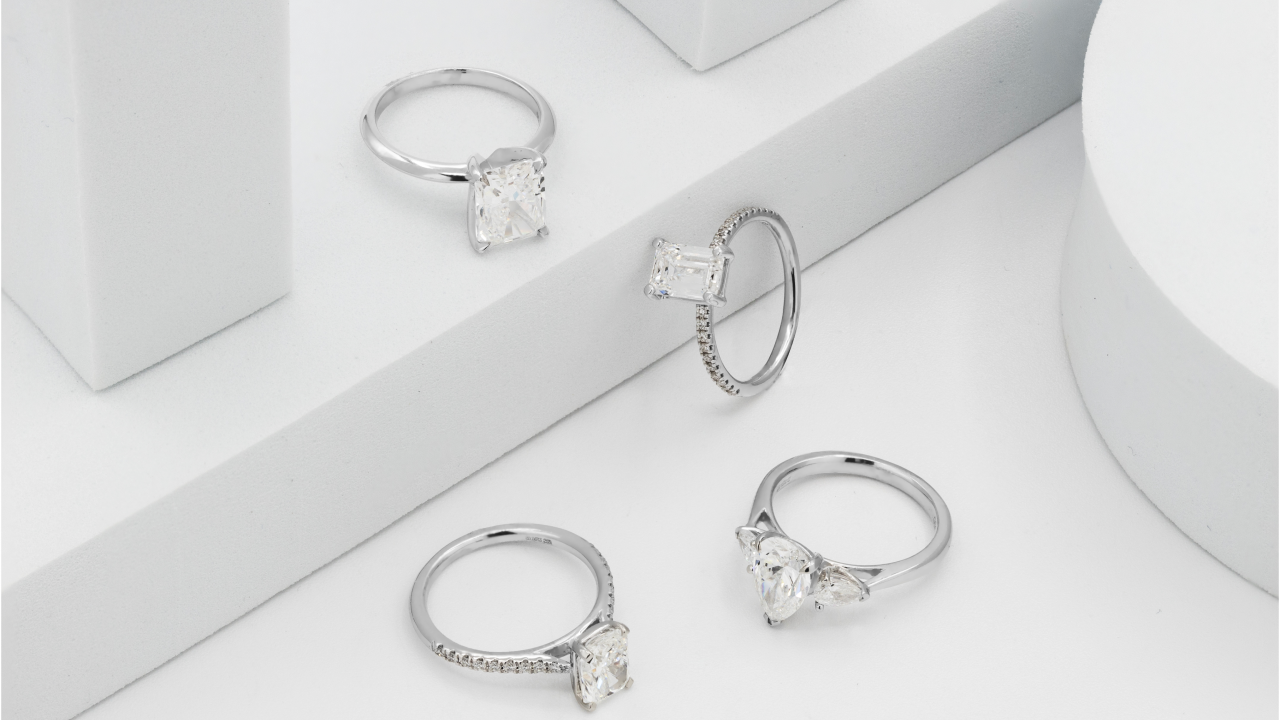
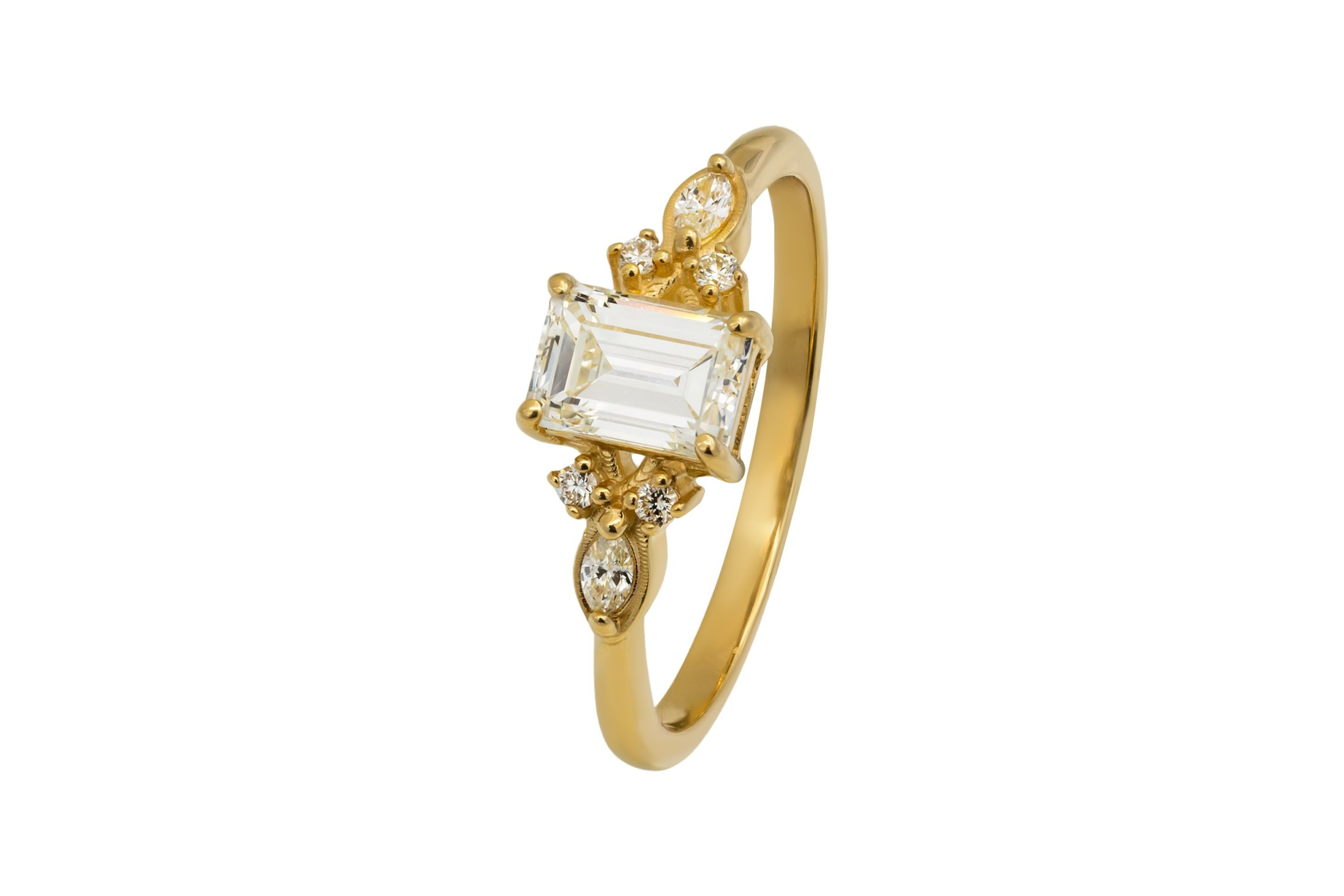
How high a gemstone is set is an important durability factor. Stones raised high above the band enhance sparkle and size appearance, but this setting comes with major wearability consequences and extra opportunities for the stone to get scratched or the setting to become damaged.
We've seen people fall in love with high cathedral settings, then return months later frustrated by how often the ring catches on clothing or gets bumped during daily activities. That's not a design flaw. It's a trade-off that becomes meaningful only when you have permission to slow down and consider how you'll live with the piece.
What matters: Durability isn't one thing. It's three properties (hardness, toughness, stability) working together. Setting height affects both beauty and daily wear in ways that only become clear over time.
How Metal Choice Affects Long-Term Performance
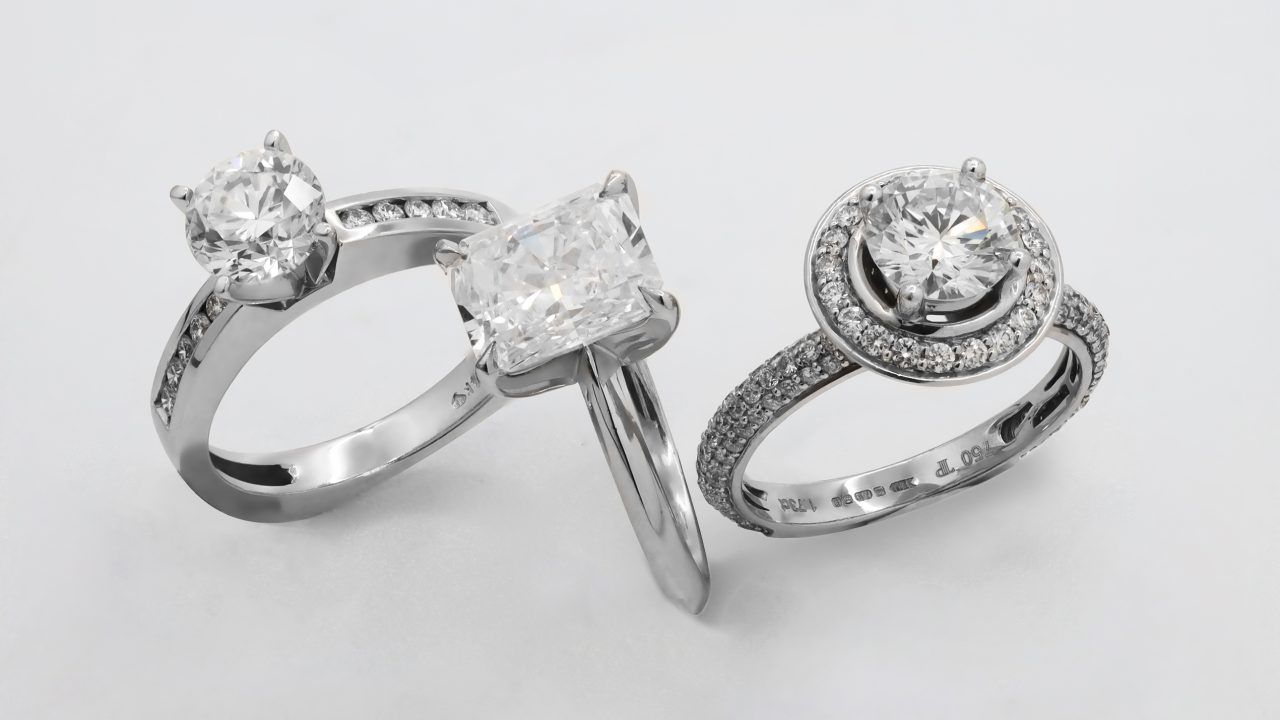
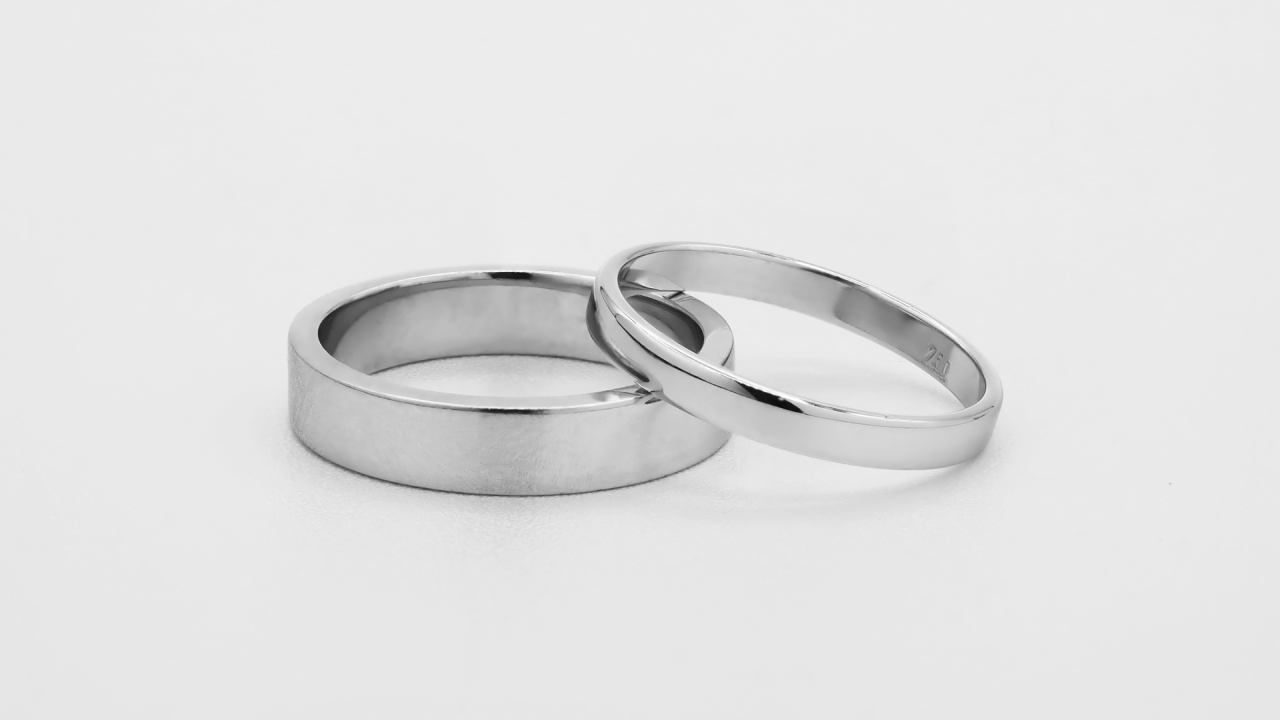
The metal you choose affects more than colour preference. Platinum settings generally hold stones securely for longer periods than white or yellow gold. The higher density and hardness of platinum reduces risks of deformation over time.
This doesn't make gold inferior. It means the materials perform differently under long-term wear patterns.
Gold is softer, which makes it easier to resize and repair. Platinum is harder, which means it holds stones more securely but requires specialized tools and expertise for modifications.
Neither choice is wrong. The right answer depends on how you prioritize flexibility versus security, and whether you value ease of future adjustments over maximum stone protection.
These are the kinds of details that matter years from now, not in the moment of purchase. We've learned to slow down conversations around material selection because the implications only become clear when you project forward, when you imagine the ring five years from now, ten years from now, worn daily through all the activities that make up your life.
What matters: Platinum offers superior stone security. Gold offers easier modifications. Your choice depends on which priority matters more for how you'll wear the ring.
Why Personalization Has Become the Norm
Something has changed in how people approach ring selection over the past several years. In 2026, customization and personalization have become the norm rather than the exception. Couples are choosing rings designed specifically for them rather than pulled from generic catalogs.
This shift reflects something deeper than aesthetic preference. People are reclaiming decision sovereignty, choosing to make selections based on internal readiness rather than external pressure or inventory availability.
We see this in how conversations unfold. Fewer people arrive with a predetermined style they saw online. More people arrive with questions about what's possible, what trade-offs exist, and how different choices play out over time.
The Connection Between Transparency and Satisfaction
The demand for transparency has accelerated this shift. In 2025, 78% of American consumers consider ethical sourcing when buying jewellery, up from 52% in 2020. Consumers, particularly younger generations, seek out brands that align with their values. They want to know where their jewellery comes from, how it was produced, and whether it was made in a way that respects both people and the planet.
This isn't just about ethics. It's about information symmetry.
When people have access to the full context (where materials come from, how pieces are made, what trade-offs exist in different design choices) they make decisions with greater confidence and experience higher long-term satisfaction.
That's what we've observed across thousands of conversations. The correlation between process transparency and sustained satisfaction is consistent.
What matters: Personalization reflects a shift toward decision sovereignty. When you have full context about materials, methods, and trade-offs, you make choices with greater confidence.
How to Assess Value in Antique and Vintage Pieces
Understanding whether an antique or vintage piece represents good value requires looking at multiple factors simultaneously. Craftsmanship, type, and materials all affect value, but older pieces typically command higher prices because fewer pieces from that era have survived to the present day.
Knowing techniques used to craft jewellery during a certain era allows assessment of whether a piece is truly as old as sellers claim. This is where accumulated pattern recognition becomes valuable.
At The Diamond Box, we've handled enough pieces from different periods to recognise hallmarks of specific eras: the way settings were constructed, the cutting styles used for stones, the finishing techniques applied to metalwork. These details emerge from years of direct observation and handling both preowned luxury pieces we buy and those we sell across different time periods.
But here's what you can assess yourself: condition relative to age.
A 100-year-old ring in excellent condition tells you something about how it was cared for. A 20-year-old ring showing significant wear tells you something different. Both pieces have value, but the relationship between age, condition, and price should make sense when you understand the full context.
If something feels misaligned (if the story doesn't match the physical evidence, if the price seems disconnected from condition) that's information worth paying attention to.
What matters: Age creates scarcity, but condition determines whether theoretical value becomes actual value. Look for alignment between a piece's age, condition, and price.
Making Choices That Align With How You'll Live
We've learned that the best ring decisions emerge from a different process than most people expect. It's not about finding the perfect style or catching the right trend. It's about understanding the trade-offs clearly enough that you make choices aligned with how you'll live with the piece.
High settings versus low profiles. Platinum versus gold. Antique character versus modern precision. Customization versus selection from existing inventory.
None of these choices is inherently better. Each represents a different set of priorities and trade-offs. The question isn't what's objectively best. The question is what aligns with your specific circumstances, preferences, and long-term intentions.
That answer takes time to develop. It requires permission to slow down, ask questions, and sit with complexity rather than collapsing it into false certainty.
Does that approach feel right for where you are in your decision process? Whether you're considering buying a preowned luxury piece or looking to sell jewellery you already own, we're here in North London to help you understand the full context.
Common Questions About Ring Selection
How do I know if a vintage ring is authentic?
Look for hallmarks of the era: construction techniques, cutting styles, and finishing methods specific to that period. A 100-year-old ring should show age-appropriate wear patterns and craftsmanship techniques that match its claimed origin. If the story doesn't align with the physical evidence, that misalignment is worth investigating.
What's more important for durability: the stone or the setting?
Both matter equally. A diamond scores highest on hardness but still chips if the setting doesn't protect vulnerable angles. A high cathedral setting enhances sparkle but increases opportunities for damage during daily wear. Durability comes from how stone properties and setting design work together.
Should I choose platinum or gold for daily wear?
Platinum holds stones more securely over time due to its density and hardness. Gold is easier to resize and repair. Your choice depends on whether you prioritize maximum security or future flexibility. Neither is wrong, they just perform differently under long-term wear.
Why are antique rings often more expensive than modern ones?
Age creates scarcity. Fewer pieces from earlier eras have survived to present day. Antique rings also reflect now-obsolete craftsmanship techniques and hand-finishing that's difficult to replicate with modern production methods. But condition determines whether that theoretical value translates to actual worth.
How does setting height affect daily wearability?
Higher settings enhance sparkle and make stones appear larger. They also catch on clothing more often and create more opportunities for the stone or setting to get damaged. Lower settings protect better but show less stone. The trade-off becomes meaningful when you consider how the ring fits into your daily activities.
What does ethical sourcing mean for jewellery buyers?
Ethical sourcing means knowing where materials come from, how pieces are made, and whether production respects both people and the planet. In 2025, 78% of American consumers considered this when buying jewellery. It's about information symmetry: having full context helps you make decisions aligned with your values.
How do I assess if a ring's price reflects its actual value?
Look for alignment between age, condition, craftsmanship, and price. A piece's age creates rarity, but condition determines actual worth. Better condition fetches higher resale prices. If the relationship between these factors feels misaligned, that's information worth paying attention to.
Why is customization becoming more common?
People are reclaiming decision sovereignty. Fewer buyers arrive with predetermined styles. More arrive with questions about what's possible and what trade-offs exist. Customization reflects a shift toward making selections based on internal readiness rather than external pressure or what happens to be available.
What should I look for when buying preowned luxury jewellery?
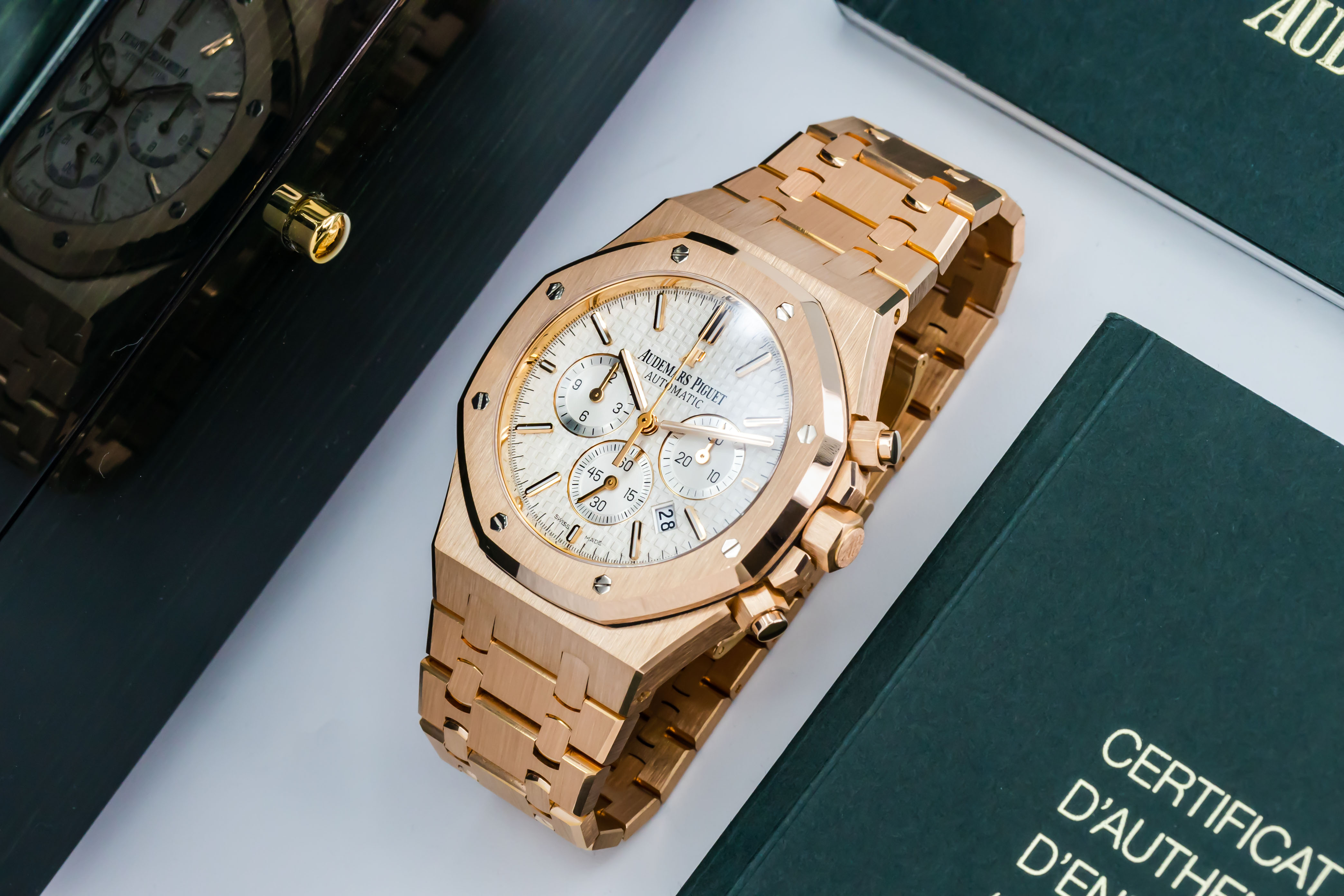
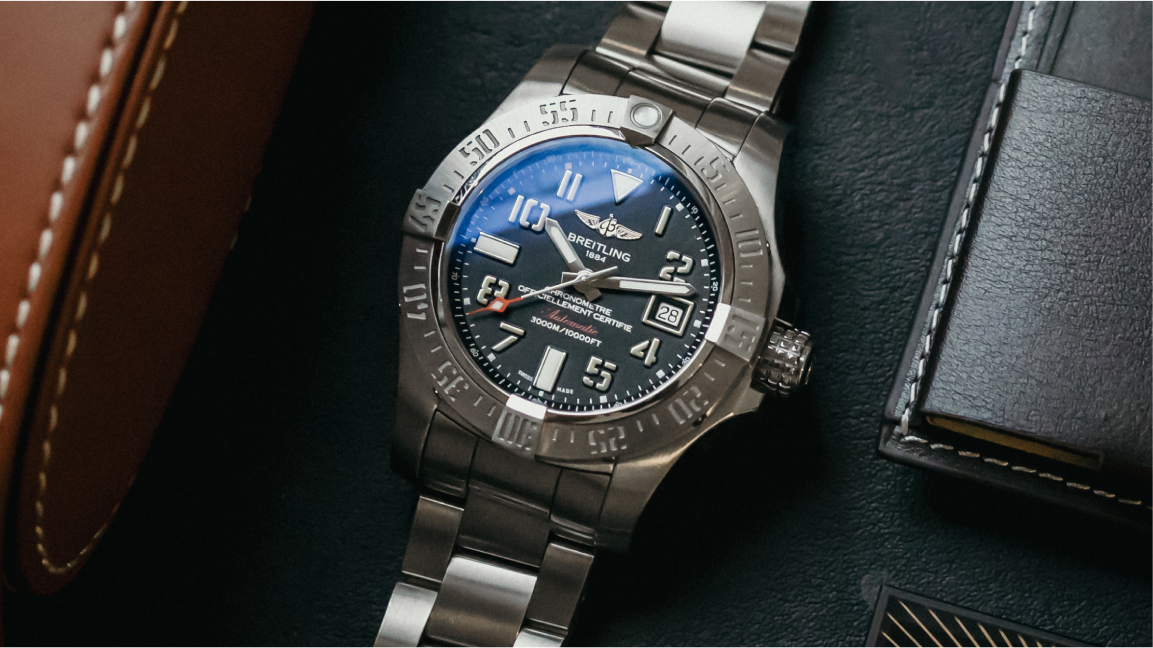
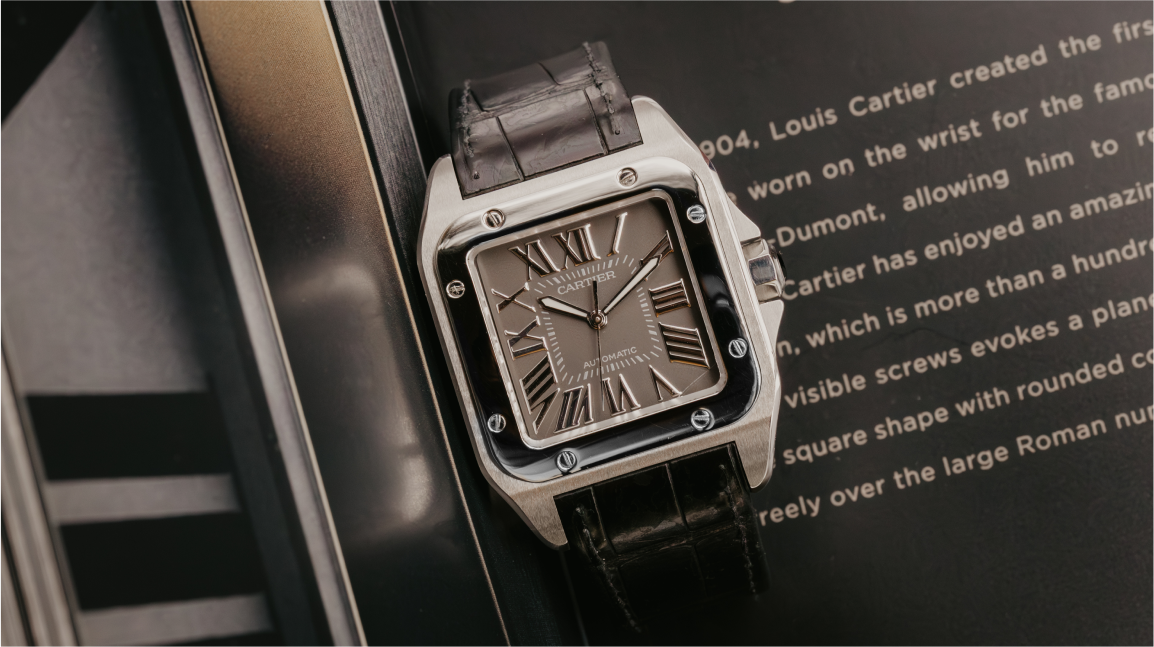
Focus on the relationship between age, condition, and craftsmanship. Preowned pieces in gold, diamond, and platinum often offer better value than new because you're paying for the materials and craftsmanship rather than retail markup. Look for pieces that have been well cared for, with clear provenance when possible, and work with dealers who take time to explain what you're looking at.
Key Takeaways
-
Durability is three properties working together (hardness, toughness, stability), not a single measure. Understanding this framework changes how you evaluate stones and settings.
-
Age creates rarity and value, but condition determines whether theoretical value becomes actual worth. The care decisions you make today directly affect long-term value.
-
Setting height involves trade-offs between beauty and daily wearability that only become clear over time. High settings enhance sparkle but increase opportunities for damage.
-
Material choice (platinum vs. gold) depends on whether you prioritize stone security or future flexibility. Neither is wrong, they perform differently under long-term wear.
-
Transparency correlates with satisfaction. When you have full context about materials, methods, and trade-offs, you make decisions with greater confidence.
-
The best ring decisions come from understanding trade-offs clearly enough to make choices aligned with how you'll live with the piece, not from finding an objectively perfect option.
-
Good decisions take time to develop. They require permission to slow down, ask questions, and sit with complexity rather than collapsing it into false certainty.
The Diamond Box
Visit us in store for great service and to see our amazing collection.
114 Ballards Lane, N3 2DN, London, United Kingdom 020 8838 3655