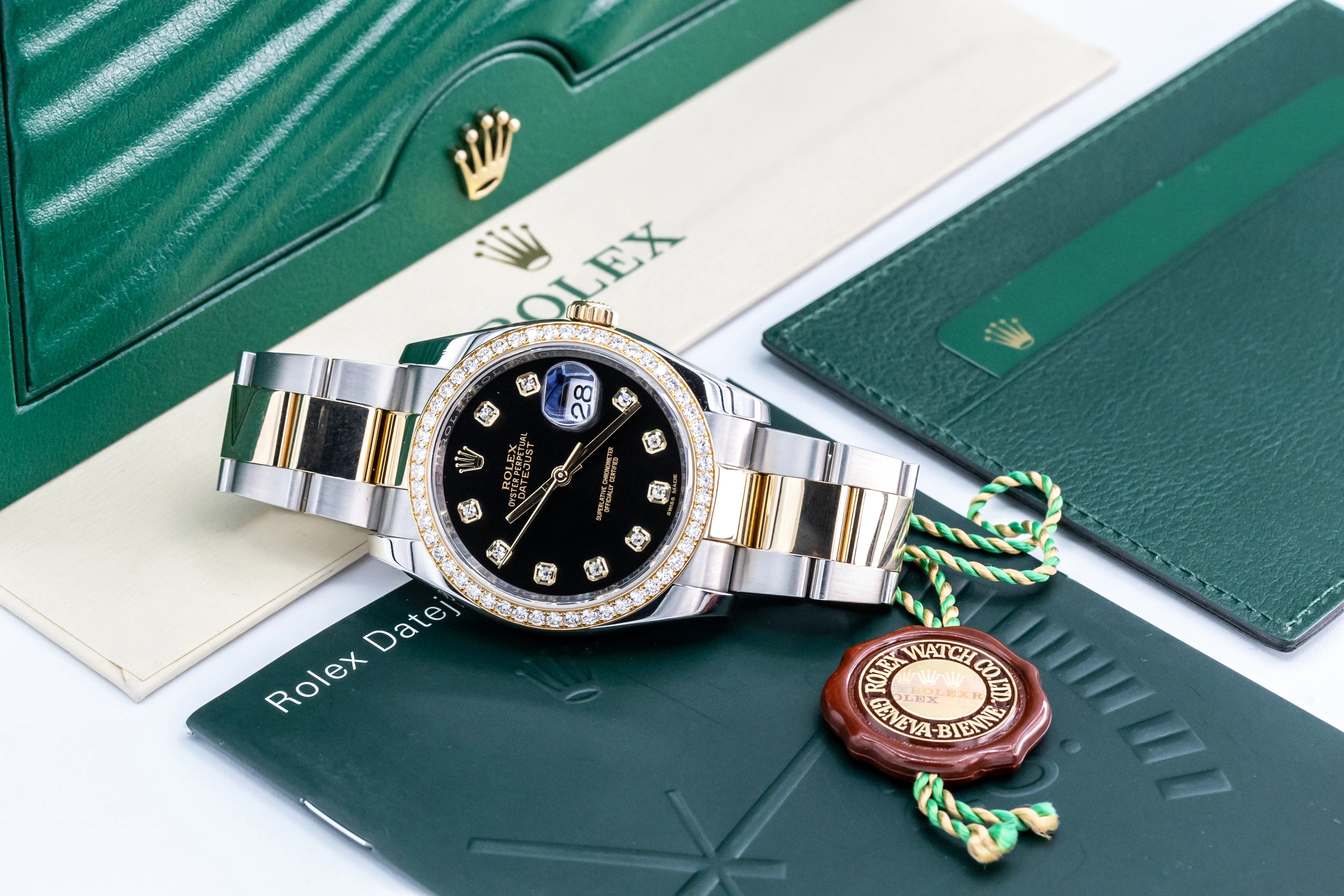
Rolex is a brand known worldwide for luxury, precision, and style. Among its many collections, the Datejust and the Day-Date are two of the most famous. Both watches are elegant, reliable, and with a long history. However, they are not the same. Understanding their differences is important for anyone thinking of buying a Rolex. This article will explain the key differences between the Rolex Datejust and Rolex Day-Date in simple terms.
A Brief History
Rolex Datejust
The Rolex Datejust was first introduced in 1945. It was a first-of-its-kind watch because it was the first wristwatch to display the date automatically through a small window on the dial. This was a new feature back then and made the Datejust very popular. Over the years, Rolex has improved the Datejust with new movements, materials, and designs, but its classic look is still the same.
Rolex Day-Date
The Rolex Day-Date, also called the “President,” was introduced in 1956. This watch was special because it displayed both the date and the day of the week in full on the dial. At that time, it was the first watch to have this feature. The Day-Date has always been seen as a symbol of prestige, worn by many world leaders, business people, and celebrities. It is considered a high-status Rolex, often made from precious metals like gold or platinum.
Key Features Comparison
To understand the differences better, let's compare the key features of these two famous watches.
1. Date Display
- Datejust: Shows only the date through a small window at the 3 o’clock position. The date changes automatically at midnight.
- Day-Date: Shows the day of the week written in full at the 12 o’clock position, along with the date at 3 o’clock. The day is fully visible and can be displayed in multiple languages.
The Day-Date gives more information at a glance with its additional day feature.
2. Case Material
- Datejust: Comes in a wide range of materials. You can find stainless steel, two-tone combinations (steel and gold), and full gold versions. Some models even use Rolesor, Rolex’s combination of gold and steel.
- Day-Date: Traditionally made only in precious metals like yellow gold, white gold, rose gold, and platinum. There is no stainless steel version.
Datejust is more versatile in materials, while Day-Date is always luxurious.
3. Size Options
- Datejust: Available in various sizes, usually ranging from 28mm to 41mm, making it suitable for both men and women.
- Day-Date: Traditionally comes in 36mm or 40mm sizes, which are mainly marketed to men, though women can wear them too.
Datejust offers more size variety for different wrist sizes.
4. Bracelet Styles
- Datejust: Can come with the Oyster bracelet (flat three-piece links), Jubilee bracelet (five-piece links), or even leather straps. This allows buyers to choose a style they prefer.
- Day-Date: Usually comes with the President bracelet, which has semi-circular three-piece links. This bracelet is elegant, comfortable, and exclusive to the Day-Date line.
Day-Date focuses on a classic, luxurious bracelet, while Datejust gives more options.
5. Dial Options
- Datejust: Offers a huge variety of dial colors, markers, and designs. From simple stick markers to Roman numerals and even diamond-set dials, the Datejust can suit different tastes.
- Day-Date: While it also offers many dial choices, the options are more formal and luxurious. Diamond markers, mother-of-pearl dials, and rich colors are common.
Datejust is versatile and stylish for daily wear. Day-Date emphasizes prestige and luxury.
6. Movements and Precision
Both watches use Rolex’s in-house automatic movements, which are known for accuracy and reliability. However:
- Datejust: Equipped with movements like the Caliber 3235, offering a power reserve of about 70 hours and high precision.
- Day-Date: Uses movements such as Caliber 3255, which also has about 70 hours of power reserve but includes additional features for the day display. It is often slightly more advanced due to the additional function.
Both watches are precise, but the Day-Date has a more complex movement because of the day function.
7. Price
- Datejust: Generally more affordable. Prices start from several thousand dollars depending on the material and model.
- Day-Date: More expensive, as it is made entirely from precious metals. It is considered a luxury statement piece, often costing tens of thousands of dollars.
Datejust is a versatile luxury watch. Day-Date is a high-end investment piece.
8. Status and Symbolism
- Datejust: Seen as a classic Rolex suitable for everyday wear. It is stylish, elegant, and versatile.
- Day-Date: Known as the President’s watch. It symbolizes power, success, and prestige. Wearing a Day-Date makes a statement about status.
If you want a watch for everyday elegance, choose Datejust. If you want to show prestige, Day-Date is ideal.
Similarities Between Datejust and Day-Date
Despite the differences, these watches share some qualities:
- Rolex Quality: Both watches are made to last a lifetime. They are waterproof, shock-resistant, and durable.
- Cyclops Lens: Both have the signature Rolex magnifying lens over the date for easier reading.
- Automatic Movement: Both are powered by Rolex’s automatic movements.
- Timeless Design: Both maintain a classic Rolex style that never goes out of fashion.
Choosing Between Datejust and Day-Date
When deciding which watch is right for you, consider the following:
- Budget: Datejust is more budget-friendly. Day-Date is a premium choice.
- Material Preference: If you want stainless steel, Datejust is the choice. If you prefer gold or platinum, go for Day-Date.
- Information on Dial: If you want the day of the week visible, choose Day-Date.
- Style and Statement: For everyday elegance, Datejust works well. For prestige and luxury, Day-Date stands out.
- Bracelet and Comfort: Try both on your wrist. Datejust gives more bracelet options. Day-Date’s President bracelet is exclusive and comfortable.
Maintenance and Longevity
Both watches require periodic servicing to maintain performance. Rolex recommends service every 10 years, but many enthusiasts service them sooner. Proper care ensures they last generations and even increase in value over time. The Day-Date, being made of precious metals, may require extra care to avoid scratches and dents. Datejust in stainless steel is slightly more robust for daily wear.
Investment Value
Rolex watches generally hold their value well. However:
- Datejust: More accessible, may appreciate moderately over time, especially rare or vintage models.
- Day-Date: Often seen as a better investment due to its exclusivity, precious metals, and famous status.
Both watches can be considered collectible, especially limited editions or vintage models.
Conclusion
Both the Rolex Datejust and Rolex Day-Date are excellent timepieces. The choice depends on your style, budget, and what you want your watch to represent.
- Choose Datejust if you want a versatile, classic watch that is elegant, practical, and suitable for daily wear.
- Choose Day-Date if you want a luxurious, prestigious watch that makes a statement and features the full day display.
No matter which one you pick, owning a Rolex means owning a piece of history, craftsmanship, and timeless elegance.