





TL;DR: The Submariner costs $10,050 and offers broader versatility. The GMT-Master II costs $11,800 and adds a second time zone. Wait times have dropped from years to weeks. Prices rose three times in 2025. The market has stabilized enough that you don't need to rush this decision.
Core Answer:
-
The Submariner makes more sense if you want versatility, liquidity, and lower cost
-
The GMT-Master II makes sense if you travel across time zones regularly or prefer the distinctive bezel colors
-
Wait times have collapsed from 105+ days to manageable windows
-
Prices increased 25% over five years, with three separate rises in 2025 alone
-
The secondary market now offers transparency and smaller premiums than three years ago
Why This Decision Feels Different in 2026
The question isn't which watch looks better on your wrist.
It's which one still makes sense after the market has shifted three times in twelve months, after pricing has broken through psychological thresholds, and after the wait times that defined 2022 have quietly disappeared.
We've watched both models move through several market cycles over the past two decades. The patterns that emerge tell you more than any single data point ever could.
What You're Paying in 2026
The Submariner crossed $10,000 in 2026. It starts at $10,050 for the standard no-date steel model, up from $9,500 the year before. That represents a 25% increase over five years.
Steel prices haven't surged. Manufacturing processes haven't changed materially. The watch itself is fundamentally the same.
The GMT-Master II sits at $11,800 in steel, up from $11,100. It's always commanded a premium over the Submariner, but the gap has widened as both models climbed.
Here's what matters: 2025 saw three separate price increases. One in January. Another in May after tariffs on Swiss goods jumped to 39%. Then January 2026 brought another round. We've never seen that pattern before, not in twenty years of working with these watches daily.
What's happening: Pricing pressure continues, but the rate of increase might slow as tariffs stabilize and demand normalizes.
Secondary Market Reality
A GMT-Master II Batman (the steel model with the black and blue bezel) bought at retail for $11,100 in 2024 trades around $13,000 to $14,500 in early 2026.
That looks like appreciation. It's not. The spread exists because retail moved to $11,800 and inventory stays finite. You're seeing supply friction, not investment growth. The watch didn't gain value, the entry point moved.
The all-gold Submariner Bluesy retails for $63,000. Dealers buy that same model around $55,000. That's a $10,000 loss the moment you walk out. Gold rallied 64% in 2025. The gold Rolex models trade below retail anyway.
The disconnect between material costs and actual demand shows up clearly when you track these patterns across hundreds of transactions. The market rewards steel sport models. It punishes precious metal versions that don't align with what people want to wear.
What this means: Steel sport models maintain value through supply constraints, not genuine appreciation. Precious metal versions lose value immediately despite commodity price gains.
Wait Times Have Collapsed
The Submariner's wait time peaked at 105 days in 2023. By 2024, it dropped to 60 days. The GMT-Master II hit 180 days in 2022, then settled around 90 days in 2024. The Explorer saw wait times fall by nearly 66% over two years. Demand normalized. Availability improved in ways that would have seemed impossible a few years ago.
What does that mean for you? The urgency that defined 2021 and 2022 is gone. You're no longer making a decision under pressure because if you don't buy now, you'll wait two years. You have time to think it through. That shift matters more than any feature comparison ever could.
What changed: You now control the timeline. The pressure to decide quickly has lifted completely.
Submariner vs GMT-Master II: Function and Purpose
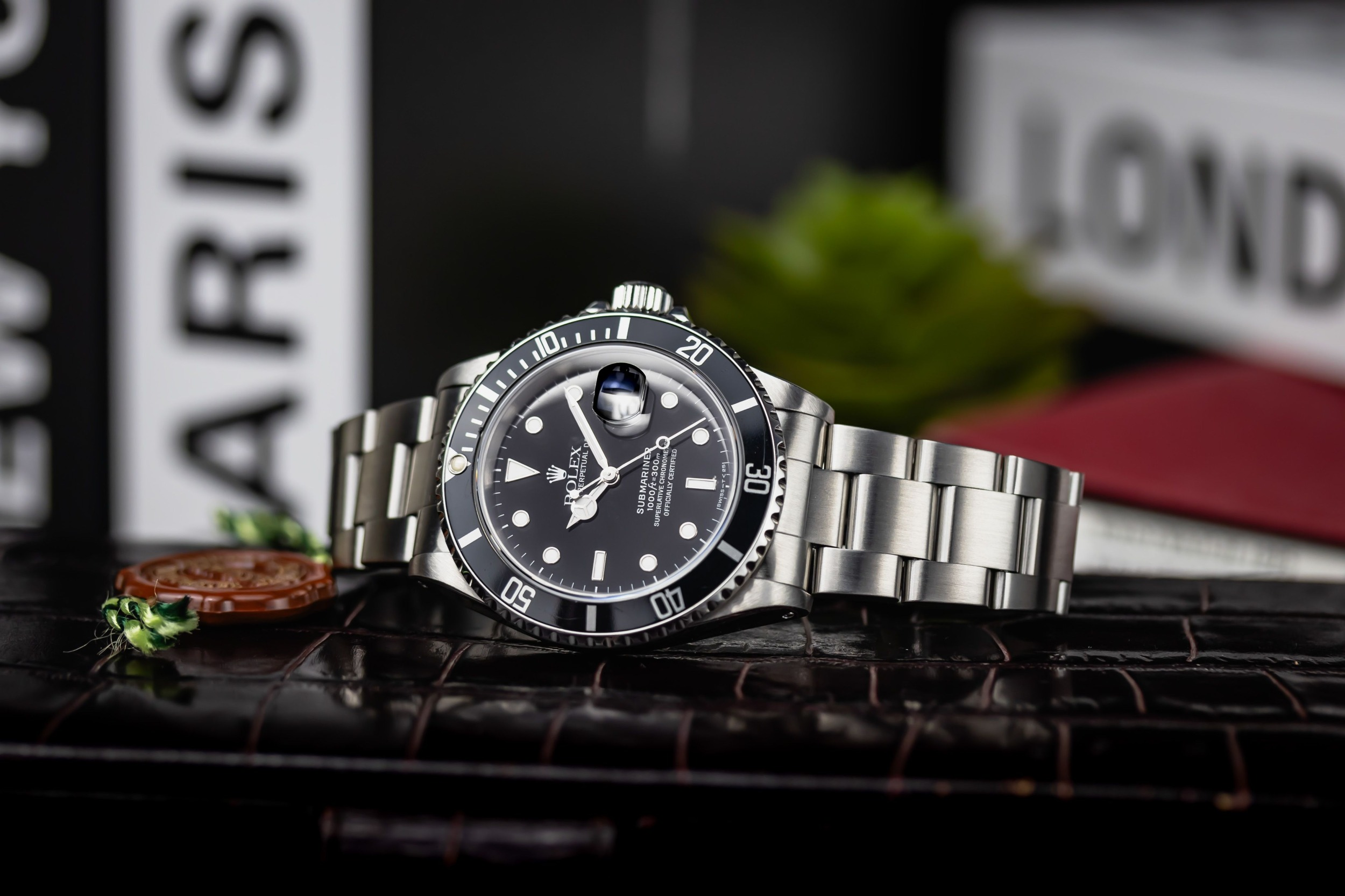
The Submariner is a dive watch. It tracks one time zone. It's rated to 300 meters of water resistance. Clean, focused, immediately recognizable.
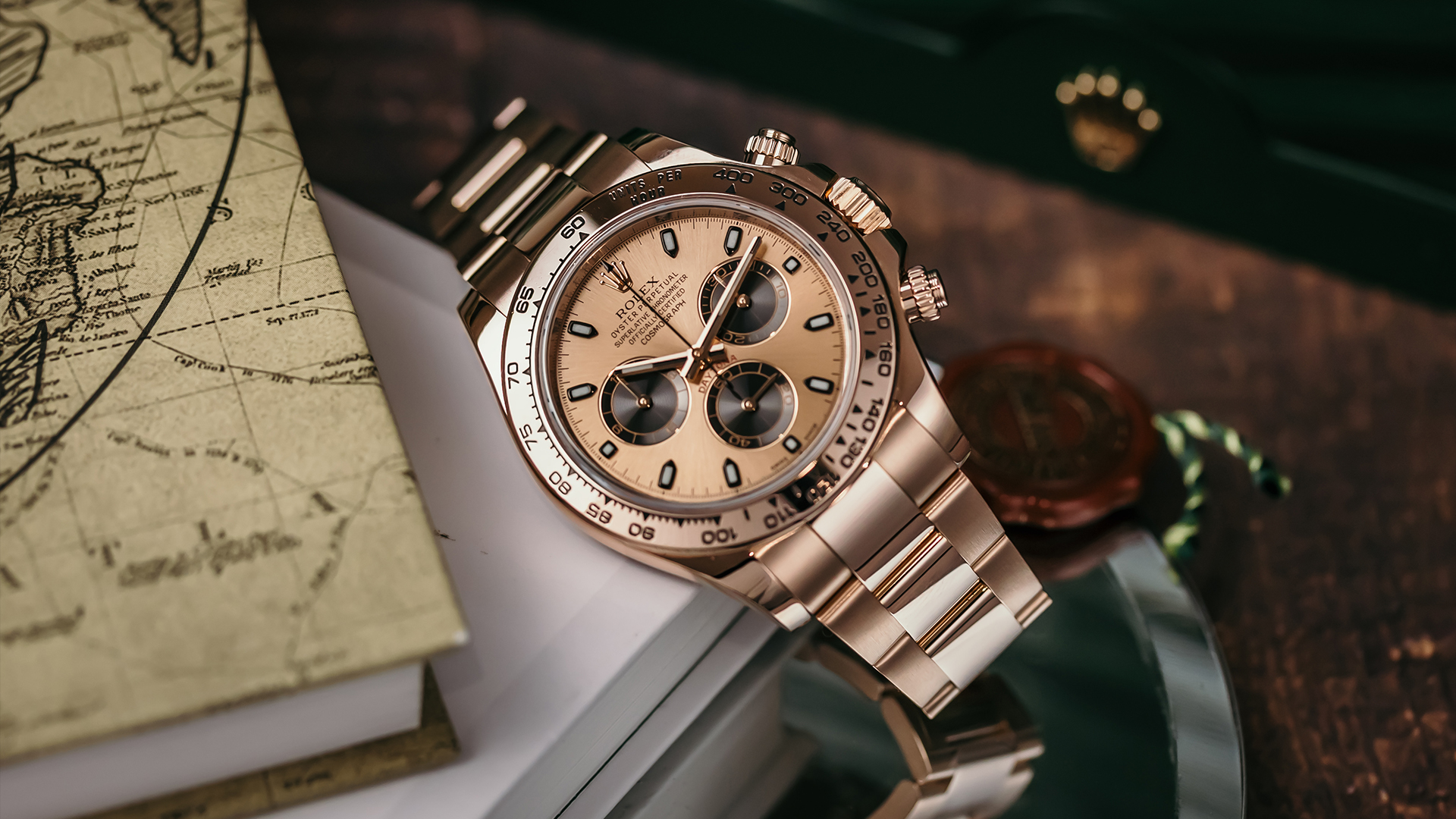
The GMT-Master II tracks two time zones simultaneously. It's rated to 100 meters. Designed for pilots, not divers, but most people buy it because they travel or because they like the two-tone bezel.
Here's what we've noticed over thousands of conversations: People buy the Submariner because it feels like the default Rolex. The one they picture when they think Rolex sport watch. What their father or grandfather wore. Familiar.
People buy the GMT-Master II because they want the complication or the color. The Pepsi (red and blue) and Batman (black and blue) bezels create visual interest the Submariner doesn't offer. The GMT hand adds functionality, even when they rarely use it.
Neither choice is wrong. But the reasons people give for their decision often don't match how they use the watch six months later.
How to Know Which Watch You Actually Need
Do you travel across time zones regularly enough that tracking a second zone matters?
If yes, the GMT-Master II makes functional sense. If no, you're paying $1,750 more for a complication you won't use and a watch slightly less versatile in water.
Most people don't answer that question honestly before they buy. They focus on which one looks better or which one feels more special. That's fine, just know what you're doing. Aesthetic preference is a valid reason. But call it what it is.
The deciding factor: Function justifies premium only when you use it. Otherwise, you're paying for aesthetics, which is completely valid when that's your conscious choice.
Market Conditions in 2026
The Submariner collection bounced back faster than most luxury goods categories after the 2022-2023 correction. The broader market settled to pre-COVID levels, but multi-year growth stays positive.
Rolex has resumed its role as a market anchor, not a speculative asset. The preowned watch market hit $22 billion in 2021, accounting for nearly one-third of the $75 billion luxury watch market. That segment grows faster than the new market.
More importantly, the preowned market is now transparent. Authentication services exist. Information flows freely. Knowledgeable buyers connect with established sellers. That transparency reduces the risk that used to come with buying preowned. You see exactly what a watch trades for in real time, not what a dealer tells you it's worth.
What this creates: Transparency has reduced risk and premiums in the preowned market. Information asymmetry no longer protects dealers from educated buyers.
What This Means for Your Purchase Decision
If you're buying new from an authorized dealer, you're paying retail in a market where availability has improved. You're not competing against a two-year waitlist.
If you're buying preowned, you're entering a market with better information and lower premiums than existed three years ago. The Batman and Pepsi GMT models still command premiums, but they're smaller and more predictable.
The Submariner trades closer to retail in the preowned market. More liquid. Easier to sell when your circumstances change.
Your options: New purchases face no wait time pressure. Preowned purchases benefit from transparency and reduced premiums. Liquidity favors the Submariner.
Side-by-Side Comparison
Feature Comparison That Matters
Let's strip away the marketing and focus on what changes your experience.
Water resistance: The Submariner goes to 300m. The GMT-Master II stops at 100m. Unless you dive recreationally, this doesn't matter. Both exceed what you'll need.
Bezel function: The Submariner has a unidirectional rotating bezel for timing dives. The GMT-Master II has a bidirectional bezel for tracking a second time zone. You'll use one or neither, depending on your life.
Visual presence: The Submariner reads as more tool-like. The GMT-Master II, especially in Pepsi or Batman, reads as more colorful and complex. Subjective, but it affects how the watch feels on your wrist over time.
Versatility: The Submariner works in more contexts. Less visually loud. The GMT-Master II makes more of a statement, which means it works well in some settings and feels limiting in others.
Resale patterns: The Submariner moves faster in the secondary market. The GMT-Master II holds premiums on certain colorways but takes longer to sell. Liquidity matters when you think you might move the watch in five years.
The reality: Water resistance differences are theoretical for most wearers. Bezel use depends on lifestyle. Visual presence affects daily wearability more than specs suggest.
How to Make This Decision
What do you need this watch to do?
Not what sounds good when you're explaining it to someone else. Not what feels impressive. What do you need it to do in your daily life?
If the answer is tell time reliably and survive my lifestyle, both watches do that equally well. The Submariner costs less and offers slightly more versatility.
If the answer includes track two time zones because I travel for work, the GMT-Master II justifies its premium.
If the answer is look interesting and feel special, then you're choosing based on aesthetics, and that's completely valid. Just be clear that's the decision you're making.
How to decide: Match watch function to your actual daily needs, not aspirational scenarios. Aesthetic preferences are valid reasons when you acknowledge them honestly.
Should You Buy Now or Wait?
Prices went up three times in 2025. They went up again in January 2026. The pattern suggests continued pressure, but the rate of increase might slow as tariffs stabilize and demand normalizes further.
Wait times dropped significantly. That removes the urgency that used to push people into hasty decisions.
If you're ready to buy and you've thought it through, there's no reason to wait. But there's also no reason to rush. The market has stabilized enough that taking another month to consider won't cost you the opportunity. That's a meaningful shift from where things stood three years ago.
The timing: Market stability allows deliberation. Urgency no longer justifies rushed decisions.
Which Watch Makes Sense for You
The Submariner makes sense when you want the most versatile, most liquid, most recognizable Rolex sport watch. It's $1,750 less than the GMT-Master II. Works in more situations. Easier to sell when your life changes.
The GMT-Master II makes sense when you genuinely use the GMT function or when the visual complexity of the two-tone bezel matters enough to justify the premium. More distinctive. Signals something different.
Neither watch is a bad choice. But the right choice depends entirely on what you value and how you'll use it. We've seen people agonize over this decision for months, only to realize six months after purchase that they never think about the features they thought mattered. They think about how the watch feels when they put it on in the morning.
That's the question worth sitting with. Does the Submariner feel right when you imagine wearing it every day? Or does the GMT-Master II?
The market will keep moving. Prices will keep adjusting. But the watch that feels right on your wrist won't change because a bezel color went out of fashion or a premium shifted by $500.
Take the time you need. The urgency that defined this market for years has finally lifted.
Common Questions About Submariner vs GMT-Master II
Which Rolex holds value better, Submariner or GMT-Master II?
The Submariner typically offers better liquidity in the secondary market. Trades closer to retail and sells faster. The GMT-Master II holds premiums on specific colorways like Batman and Pepsi, but takes longer to find buyers. When resale speed matters, the Submariner has the advantage.
How long is the wait time for a Rolex Submariner in 2026?
Wait times have dropped dramatically. The Submariner went from 105 days in 2023 to around 60 days in 2024. Some authorized dealers now have stock available with minimal wait. The two-year waitlists from 2021-2022 no longer exist.
Is the GMT function worth the extra $1,750?
Only when you regularly travel across time zones and will use the second time zone hand. Most buyers overestimate how often they'll use this complication. If you travel internationally for work monthly or more, it justifies the cost. For occasional travelers, it's primarily an aesthetic choice.
Do I need 300m water resistance on a Submariner?
For most wearers, no. The GMT-Master II's 100m rating exceeds what you'll need unless you dive recreationally. Both watches handle swimming, showering, and water sports comfortably. The difference matters only when you scuba dive beyond recreational depths.
Will Rolex prices keep increasing in 2026?
Prices rose three times in 2025 and again in January 2026. The pattern suggests continued upward pressure, but the rate of increase might slow as tariffs stabilize. Wait times have normalized, removing the urgency premium. Future increases will likely be smaller and less frequent than 2025's pattern.
Should I buy new or preowned?
The preowned market now offers transparency through authentication services and real-time pricing data. Premiums are smaller than three years ago. If you want immediate availability and slightly lower cost, preowned makes sense. If you value the full warranty and authorized dealer relationship, buy new. Wait times no longer force you toward preowned.
Which watch is more versatile for daily wear?
The Submariner works in more contexts. Its cleaner dial and less colorful bezel make it more tool-like and less visually loud. The GMT-Master II, especially in Pepsi or Batman configurations, makes a stronger statement. That's an advantage in some settings and a limitation in others.
How do precious metal models compare to steel?
Steel sport models maintain value through supply constraints. Precious metal versions typically lose value immediately. The all-gold Submariner Bluesy retails for $63,000 but dealers buy it around $55,000. Even with gold rallying 64% in 2025, gold Rolex models trade below retail. The market rewards what people want to wear, not material costs.
Key Takeaways
-
The Submariner costs $1,750 less and offers broader versatility, making it the practical choice for most buyers
-
The GMT-Master II justifies its premium only if you regularly travel across time zones or consciously choose it for aesthetics
-
Wait times collapsed from 105+ days to manageable windows, eliminating the urgency that defined 2021-2022
-
Prices increased 25% over five years with three separate rises in 2025, but the rate might slow as the market stabilizes
-
The secondary market now offers transparency and smaller premiums, giving buyers better information and lower risk
-
Steel sport models maintain value through supply friction, while precious metal versions lose money immediately despite commodity gains
-
The right choice depends on honest assessment of how you'll use the watch daily, not aspirational scenarios or features you'll rarely need
What feels right for you?