




TL;DR: The UK Rolex market in 2026 presents a choice between selling outright for immediate cash or part-exchanging toward another watch. Secondary market prices have dropped 20-30% from peak while retail prices rose 5%. Your best option depends on your timeline, documentation completeness, and whether you need cash or another watch. Neither choice is universally better.
Should you sell your Rolex outright or part-exchange in 2026?
Selling gives you cash and flexibility but exposes you to current lower market prices
Part-exchange offers simplicity and potentially better value but locks you into one dealer and purchase
Complete documentation (box, papers, service records) adds 15-20% to value regardless of method
The retail-secondary price gap is at its widest, favouring buyers over sellers
Your decision should match your actual need and timeline, not market speculation
We've watched the UK Rolex market shift over the past few years. The patterns we're seeing in 2026 tell a different story than what many people expect when they come to us. The question comes up almost daily: should you sell your Rolex outright, or use it as part-exchange toward another piece? The answer depends on what the market is doing right now, not what you hope it's doing or what it was doing two years ago.
Rolex raised UK retail prices by roughly 5% across most collections for 2026. That sits higher than UK inflation, which was around 2.5% in early 2026. At the same time, the secondary market corrected. Average prices for popular models decreased 20-30% from their peaks, with pre-owned Rolex prices hitting their lowest points since 2020 as of early 2025.
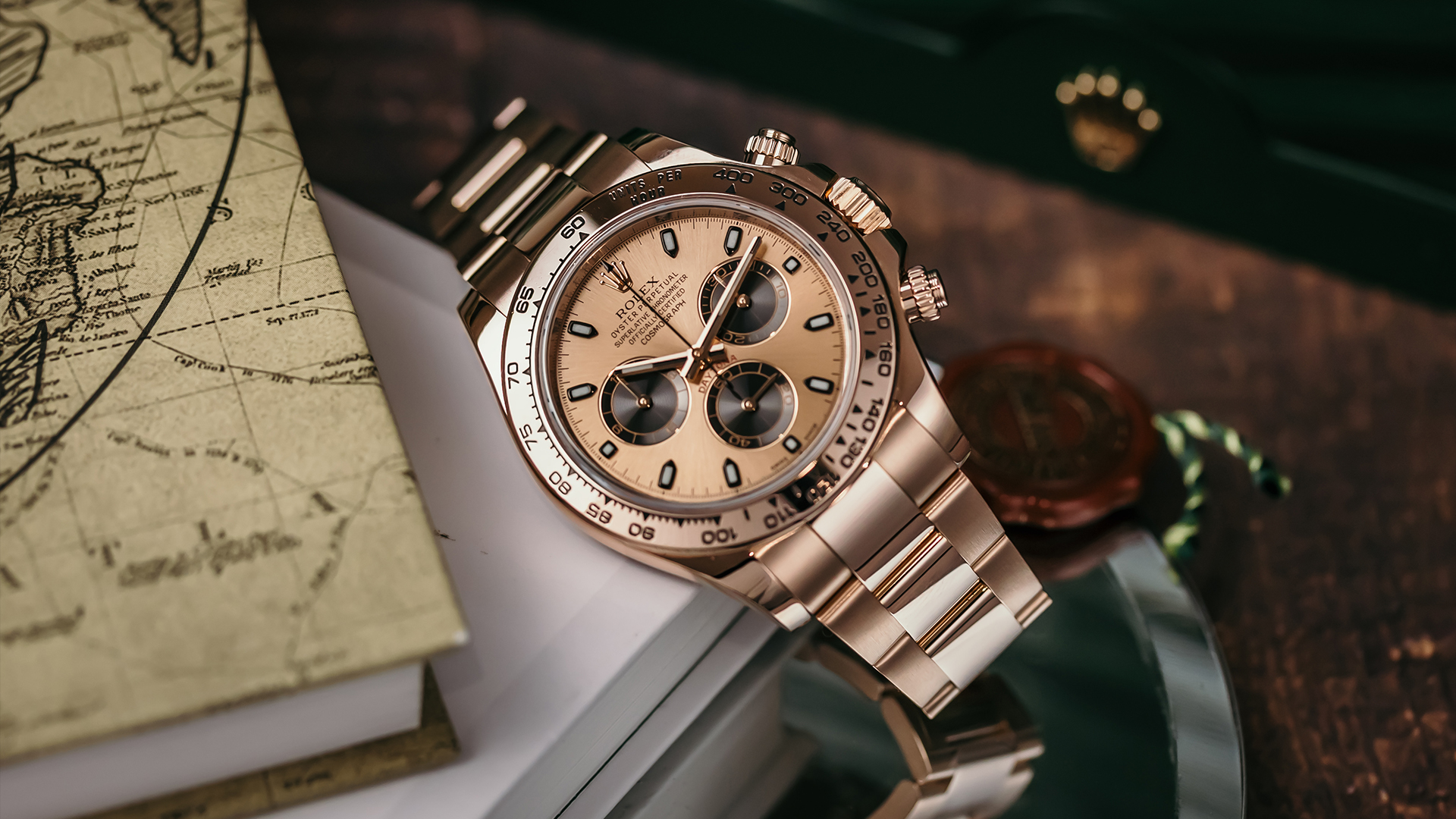
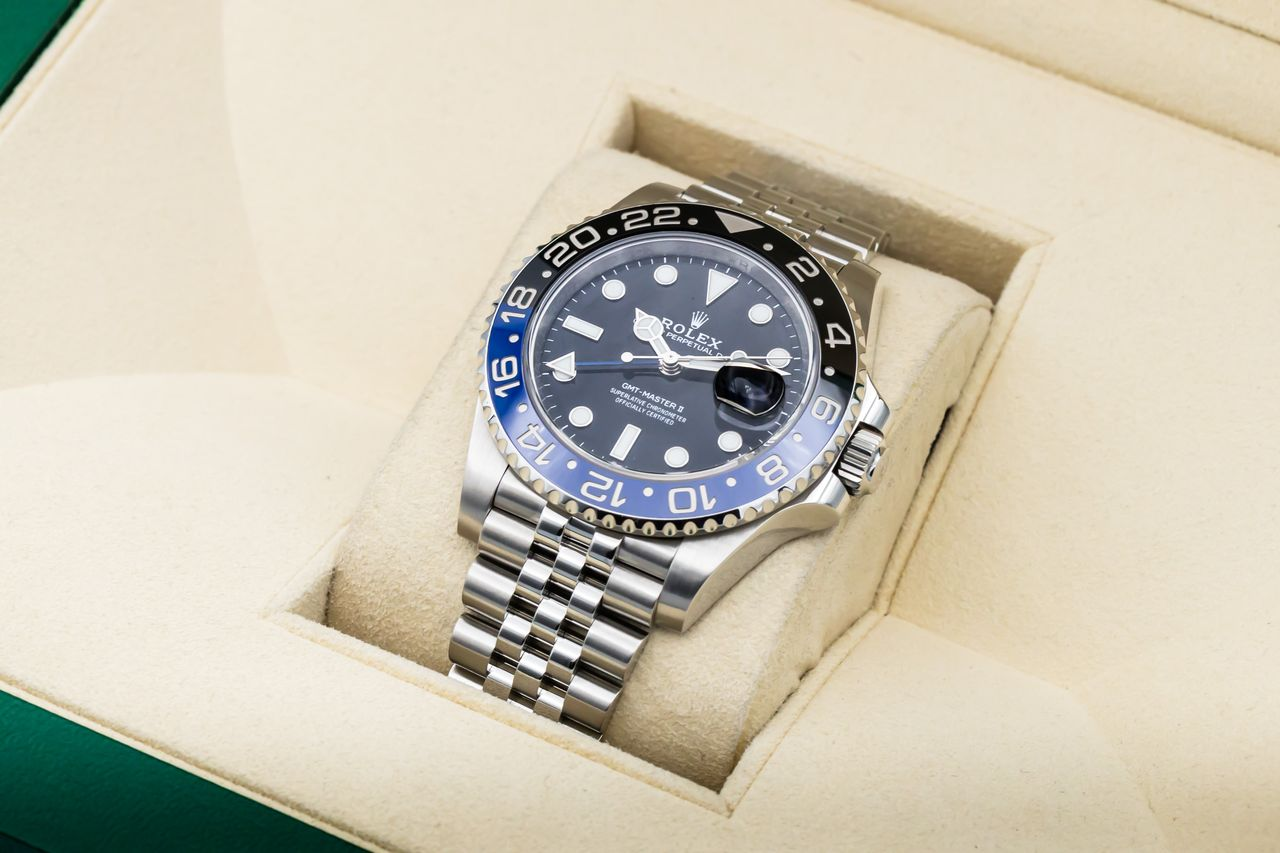
The Rolex Daytona 116500LN commanded prices above £35,000 in 2022. In early 2025, its market value dropped to around £25,000, a 29% decline, despite retail price increases continuing upward. This creates what we call the retail price trap. Retail keeps climbing. Secondary market values keep falling. The gap between them widens, and that gap changes how you should think about selling versus part-exchanging.
Key point: The widening gap between rising retail prices and falling secondary prices means you're selling into a buyer's market in 2026.
When you sell your Rolex directly to a dealer or through a private sale, you're converting the watch into cash at today's market value. The advantage is liquidity and control. You receive money you use however you choose, whether toward another watch, another purchase, or simply held as savings. You're not locked into a specific transaction or dealer relationship.
The challenge is market timing. If the secondary market is down, and it is, you're selling into a buyer's market. The price you receive reflects current demand, not what the watch was worth two years ago or what you hope it might be worth in two years. For steel sports models like the Submariner, Daytona, and GMT-Master II, you're working with pieces that hold value better than most. But even these models saw 30-50% drops from peak 2022 valuations.
Less popular models, certain Datejust variants and the Cellini line, face lower demand and greater availability at retail, which puts additional downward pressure on secondary pricing.
Key point: Selling outright gives you cash flexibility but means accepting current market rates, which are 20-30% below peak values.
Part-exchange means you're using your current watch as credit toward another piece, usually from the same dealer. The advantage is simplicity and potential value preservation. You're not exposed to the open market's current pricing. Instead, you're negotiating a trade value that factors into a larger transaction. Many dealers offer more favorable trade-in values than outright purchase prices because they're securing a larger sale. At The Diamond Box, we buy watches and offer part-exchange based on fair market valuations and what you're looking to achieve next.
The challenge is limited flexibility. You're committing to a specific purchase with a specific dealer. If you don't find the right piece, or if you'd rather wait, part-exchange doesn't give you that option. You're also trusting that the dealer's trade-in valuation is fair relative to what you could achieve elsewhere. Part-exchange works best when you know what you want next, and when the dealer has it available.
Key point: Part-exchange offers convenience and potentially better value but limits your flexibility to one dealer and one transaction.
Regardless of whether you sell or part-exchange, provenance matters more now than during the market peak. Original boxes, warranty cards, and service records enhance buyer trust. We've seen these add an average of 15-20% to resale value across the market. Even small changes like aftermarket bezels, dial replacements, or missing links reduce value by up to 40%. That's according to current valuation data we're seeing across the industry.
If you're missing documentation, that doesn't mean your watch is worthless. It means you're working with a narrower buyer pool and lower pricing expectations. This is where transparency helps you. Know what you have. Know what's missing. Know how that affects value. Then you make a decision based on reality, not hope.
Key point: Complete documentation adds 15-20% to resale value, while modifications or missing papers reduce value by up to 40%.
Something else shifted in 2026 beyond pricing. Buying habits within the watch market changed. Rising prices and greater access to information are encouraging buyers to pause, research, and reflect before committing. Watches are no longer impulse purchases driven by hype. They're considered investments of money, time, and personal taste. That's according to industry analysis we've seen reflected in our own customer conversations.
This deceleration works in your favor if you're willing to match it. Rushing to sell because you think the market will drop further might cost you. Waiting because you think it will recover might cost you too. The better approach is to align your decision with your actual need and timeline, not market speculation.
Key point: The market has slowed, and buyers are taking more time to decide. Matching this pace works better than rushing based on fear or speculation.
We've observed something over two decades of working with Rolex buyers and sellers. Short-term market movements create noise. Long-term patterns create clarity. Rising retail prices and continued lack of inventory at authorized dealers may boost demand for the pre-owned market over time. Some experts note that long term, it could result in greater demand for pre-owned Rolex watches as their value proposition becomes stronger.
That doesn't mean you should hold indefinitely. It means you should consider your own timeline, not the market's. If you need liquidity now, sell now. If you're ready to move into another piece and a dealer offers fair trade value, part-exchange now. If neither feels right, wait. The market will be here in six months. So will we.
Key point: Base your timing on your actual need and timeline, not on trying to predict future market movements.
We've found that the clearest decisions come from asking the right questions before you act.
Do you need cash or another watch? If you need cash, selling outright is the only option. If you want another piece, part-exchange might offer better value, but only if the dealer has what you want and the trade-in valuation feels fair.
Are you selling because you need to or because you're worried about the market? Selling out of fear rarely produces good outcomes. The market already corrected. Selling now to avoid further drops means you're making a decision based on speculation, not need.
Do you have complete documentation? If yes, you're in a stronger position for both selling and part-exchange. If no, expect lower valuations and be prepared to justify your asking price with service history or other provenance.
What's your timeline? If you need to move quickly, part-exchange offers speed and simplicity. If you afford to wait, selling privately might yield better returns, but it requires patience and market knowledge.
Key point: Your decision should be based on your specific needs (cash vs. watch), documentation status, timeline, and motivation (need vs. fear).
When someone asks us whether they should sell or part-exchange, we start with what's best for them. That means understanding their timeline, their next step, and what they're trying to achieve. Sometimes selling makes more sense. Sometimes part-exchange does. Sometimes neither does, and the right answer is to wait. At The Diamond Box, we buy watches outright and offer part-exchange options, but we're equally comfortable telling you when waiting serves you better.
We've built our reputation on being willing to say "not yet" when that's the honest answer, even when it costs us a transaction today. That's because we've learned that the best customer relationships are built over years, not closed in a single meeting.
Key point: The right choice depends on your individual circumstances, and sometimes waiting is the better option.
We don't speculate on future pricing. We've watched too many people make decisions based on predictions that didn't materialize. What we tell you is this. The gap between retail and secondary pricing is wide right now. That gap will close over time, either through retail stabilization, secondary recovery, or both.
When it closes, the advantage will shift. Right now, buyers have leverage in the secondary market. Sellers have to meet the market where it is, not where they wish it was. If you're selling, that means accepting current valuations. If you're part-exchanging, that means negotiating from a position of realism, not nostalgia.
The market rewards patience and punishes urgency. That's been true for twenty years, and it's still true in 2026.
Key point: The retail-secondary price gap will eventually close, but trying to time that shift is speculation. Focus on your needs, not predictions.
Is it better to sell or part-exchange a Rolex in 2026?
Neither option is universally better. Selling gives you cash and flexibility but exposes you to lower current market prices. Part-exchange offers convenience and potentially better trade value but limits you to one dealer and purchase. Your best choice depends on whether you need cash or another watch, your timeline, and your documentation status. The Diamond Box buys watches and offers part-exchange tailored to your specific situation.
How much have Rolex prices dropped in 2026?
Secondary market prices for popular Rolex models dropped 20-30% from peak 2022 values. Some models like the Daytona 116500LN fell 29%, from above £35,000 to around £25,000. Meanwhile, retail prices rose approximately 5%, creating a widening gap between new and pre-owned pricing.
Does missing documentation affect my Rolex's value?
Yes, significantly. Complete documentation (original box, warranty cards, service records) adds 15-20% to resale value. Missing papers or modifications like aftermarket bezels or dial replacements reduce value by up to 40%. You work with a smaller buyer pool when documentation is incomplete.
Should I wait for the Rolex market to recover before selling?
Base your timing on your actual need, not market predictions. If you need cash now or have found the right next piece, act now. If you're selling out of fear that prices will drop further, you're making a decision based on speculation. The market already corrected 20-30% from peak.
Will part-exchange give me better value than selling outright?
Possibly. Many dealers offer more favorable trade-in values than outright purchase prices because they're securing a larger sale. The trade-off is you lose flexibility and commit to one dealer and one purchase. Compare offers from multiple dealers and private sale estimates before deciding.
Which Rolex models hold their value best in 2026?
Steel sports models (Submariner, Daytona, GMT-Master II) hold value better than most, though they still dropped 30-50% from 2022 peaks. Less popular models like certain Datejust variants and the Cellini line face lower demand and greater retail availability, creating more downward pressure on secondary pricing.
How long does it take to sell a Rolex privately versus part-exchange?
Part-exchange is faster, often completing in days once you agree on terms. Private sales require more time for marketing, negotiating, and finding the right buyer. If you need to move quickly, part-exchange offers speed and simplicity. If you have time, private sales might yield better returns.
What's causing the gap between Rolex retail and secondary prices?
Retail prices rose about 5% in 2026 whilst secondary market prices fell 20-30% from peaks. This created the widest gap in years. The correction followed the 2022 peak when demand and speculation drove pre-owned prices well above retail. The market is now normalising, favouring buyers over sellers.
The 2026 UK Rolex market presents a wide gap between rising retail prices (up 5%) and falling secondary prices (down 20-30% from peak), creating a buyer's market
Selling outright provides cash and flexibility but means accepting current lower market values, while part-exchange offers convenience and potentially better trade value at the cost of flexibility
Complete documentation adds 15-20% to value regardless of selling method, while missing papers or modifications reduce value by up to 40%
Your decision should align with your actual needs (cash vs. another watch), timeline, and documentation status rather than market speculation or fear
The market has slowed as buyers take more time to research and decide, making patience more valuable than urgency in 2026
Neither selling nor part-exchanging is universally better, the right choice depends on your individual circumstances and whether the dealer has what you want at fair value
Deciding whether to sell or part-exchange your Rolex isn't about pricing alone. It's about understanding what you need, what the market offers, and whether those two things align right now. We've found that the people who feel best about their decisions took time to understand the landscape before acting. That doesn't mean waiting forever. It means giving yourself permission to think it through without pressure. What feels right for you?
Visit us in store for great service and to see our amazing collection.
114 Ballards Lane, N3 2DN, London 020 8838 3655