




TL;DR: The 2026 jewellery market is shifting toward bold, sculptural statement pieces with heritage and character. Jewellery is growing 4x faster than clothing, with 42% of women now buying for themselves. Key trends include oversized statement earrings, architectural gold designs, modern baroque pearls, chunky chains, and Art Deco revivals. Pre-owned luxury pieces from brands like Cartier, Bulgari, and Tiffany offer 40-60% savings while delivering superior craftsmanship and investment value.
What's Driving the 2026 Jewellery Market Shift?
Self-purchasing dominance: 42% of women now buy jewellery for themselves versus 2-3 years ago
Fastest-growing fashion category: Jewellery will grow 4.1% annually (2025-2028)—4x faster than clothing
Bold over subtle: Statement earrings, sculptural forms, and chunky gold pieces are outperforming delicate designs
Pre-owned advantage: Vintage luxury pieces offer 40-60% savings with better craftsmanship and appreciating value
Investment focus: Buyers prioritize pieces in the £3,722-£74,430 range for craftsmanship, rarity, and resale potential
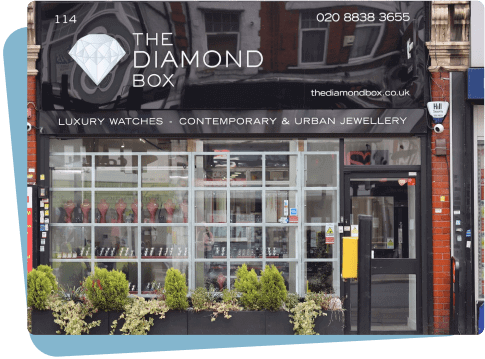
From our vantage point at The Diamond Box, where we've specialized in pre-owned luxury diamonds, platinum, and gold jewellery for years, we're seeing the early adopters already moving.
In our London showroom, clients want pieces with heritage and character—not mass-produced designs, but unique treasures with stories to tell.
The data supports what we're observing.
Between 2025 and 2028, jewellery is projected to record annual unit growth of 4.1%—four times the rate of clothing.
This makes jewellery the fastest-growing category in fashion by unit sales.
The global personal luxury goods market is heading toward nearly £327.5 billion by 2026.
More significant: 42% of women report buying more jewellery for themselves than they did two or three years ago.
Women are buying for themselves—not waiting for gifts, not marking occasions.
This shift changes everything because it prioritizes personal taste over traditional expectations.
At The Diamond Box, we're seeing this firsthand. Women invest in statement diamond pieces, bold gold designs, and platinum jewellery that reflects their personal style.
They're building collections with intention, seeking pieces with heritage that will appreciate over time.
Bottom line: Jewellery is now about self-expression and investment, not passive gift-receiving. This drives demand for unique, pre-owned pieces with provenance.
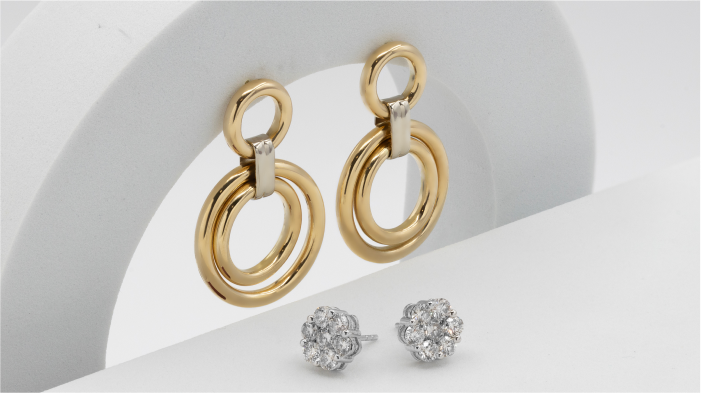
Major fashion houses—Valentino, Chanel, Saint Laurent, Acne Studios—have all gone big on earrings for Spring/Summer 2026.
The defining features of 2026 statement earrings:
Oversized hoops in gold, platinum, and mixed metals
Dramatic drops that extend to the chest (Area, Givenchy)
Sculptural shapes with architectural elements
Bold, maximalist designs that command attention
Statement earrings offer immediate visual impact without requiring a complete wardrobe overhaul.
You pair them with a simple neckline and pulled-back hair. Your outfit transforms instantly. One piece doing heavy lifting.
Demand is spiking for vintage and pre-owned statement earrings.
In our curated collection, clients gravitate toward bold gold hoops and sculptural drops from Cartier, Bulgari, and Tiffany.
These pieces deliver runway impact at a fraction of retail prices because buyers want experts who've already done the searching.
Statement earrings offer accessible transformation.
The investment is singular but the styling potential is endless because you can wear the same blazer and jeans. Add bold earrings. Different person.
At The Diamond Box, we're seeing clients who've never considered pre-owned jewellery now specifically requesting it.
Why? A pair of vintage Bulgari hoops carries more character than anything fresh from a factory.
When a piece needs adjustment—resizing, cleaning, or repair—our in-house jewellery repair services ensure these statement pieces fit perfectly and maintain their brilliance for generations.
Key insight: Statement earrings provide maximum style impact per pound invested, especially when purchased pre-owned from authenticated sources like Cartier, Bulgari, or Tiffany.
Designers are treating metal differently now—embracing architectural forms and fluid lines that transform gold and silver into wearable art.
Key characteristics include:
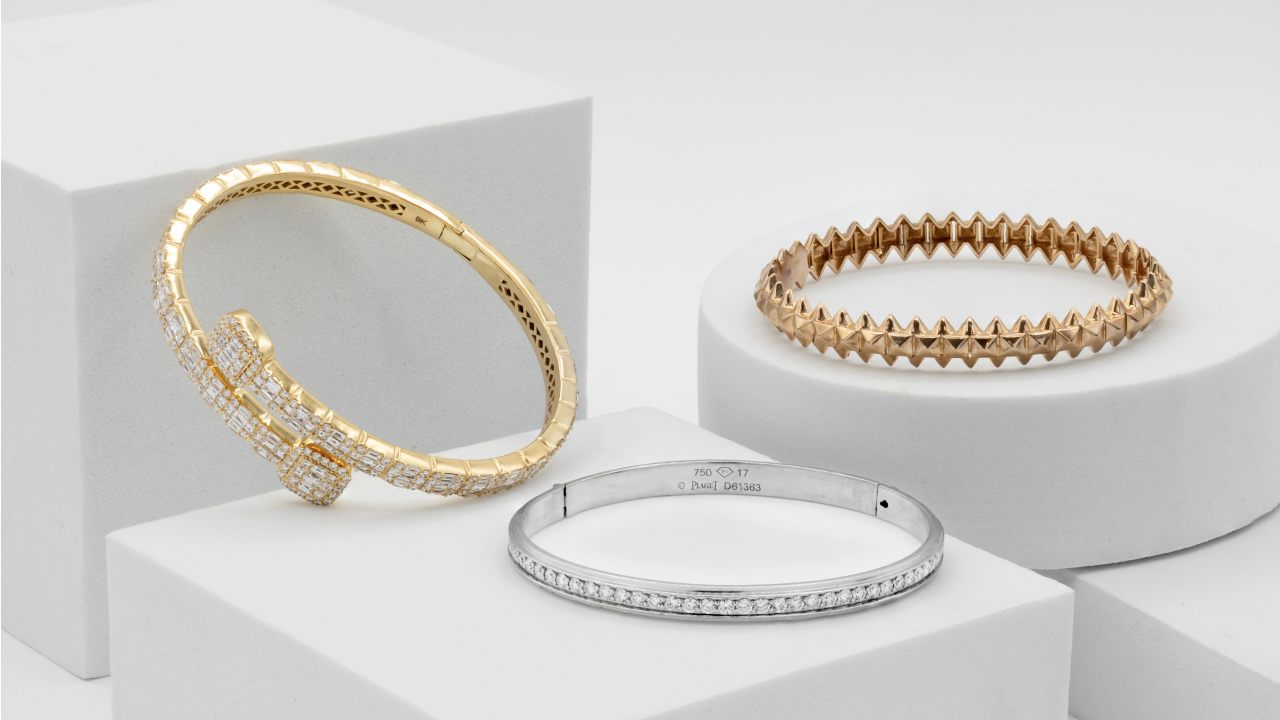
Bold gold cuffs with substantial presence
Oversized hoops in hollow-form construction
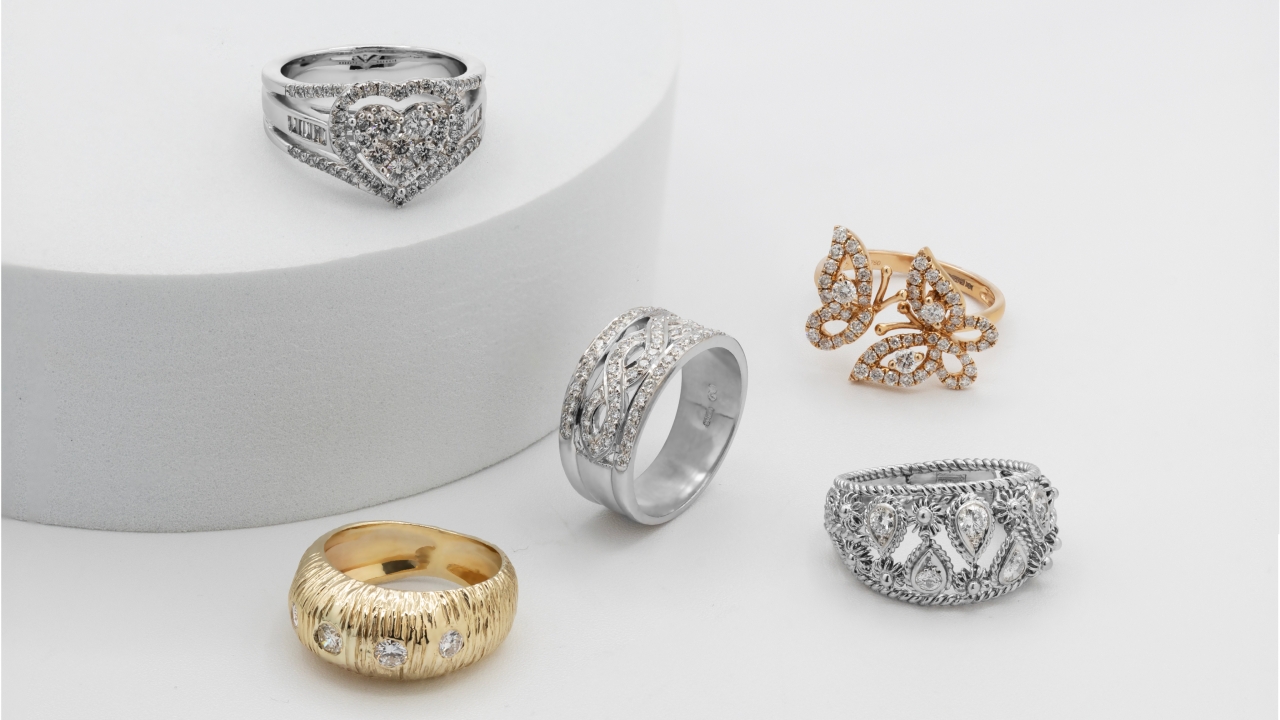
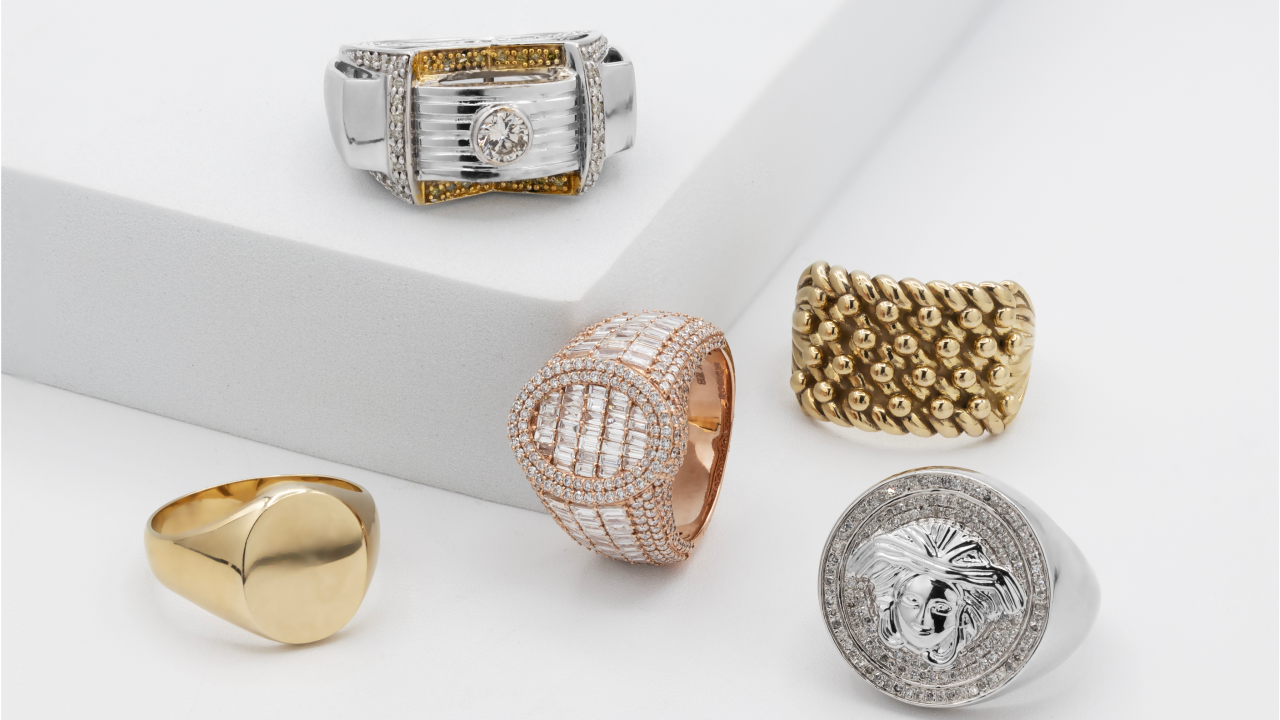
Statement rings that play with proportion and texture
Organic shapes with curved, inflated, or hollow links
The 2026 jewellery forecast confirms these pieces create movement without feeling rigid.
Well-executed sculptural pieces look substantial but wear comfortably because designers use hollow forms and strategic weight distribution.
This trend rewards craftsmanship. You can spot the difference between a genuine sculptural piece and a cheap imitation immediately.
At The Diamond Box, every piece in our luxury jewellery collection undergoes rigorous authentication and quality assessment.
We evaluate construction, hallmarks, and finish because our reputation depends on selling only genuine, expertly crafted pieces.
Sculptural jewellery occupies interesting investment territory because these pieces often represent limited production runs. The fabrication is complex.
When you're looking at pre-owned sculptural pieces, you're looking at designs that won't be reproduced because:
The molds are gone
The artisan has moved on
The piece is finite
That scarcity creates value over time.
This is why we also buy luxury jewellery at The Diamond Box. Clients come to us when they're ready to sell exceptional pieces, knowing we understand their true value.
A rare sculptural cuff from a limited Cartier collection isn't just gold and craftsmanship—it's an appreciating asset.
Collector's advantage: Pre-owned sculptural pieces from limited production runs offer scarcity-driven appreciation that mass-produced jewellery cannot match.
Pearls will continue dominating in 2026, but traditional pearl strands are out.
Designers are embracing:
Unique pearl pairings instead of uniform matches
Baroque pearls with organic, "misshapen" forms
Unexpected shapes that deviate from classical perfection
Pearls contrasted against other materials and gemstones
Asymmetric arrangements for modern, avant-garde aesthetics
The result feels fresh rather than formal.
We've noticed something interesting in our inventory.
Vintage pearl pieces that would have been considered "flawed" five years ago are now exactly what people want.
Baroque pearl necklaces from our collection—pieces with organic shapes and natural irregularities—move faster than the perfectly matched strands.
The irregularity is the appeal because it signals authenticity and uniqueness.
Today's pearl buyer isn't looking for their grandmother's necklace.
They want something that nods to tradition while breaking from it.
Modern pearl buyers seek:
Baroque pearls with natural irregularities
Mixed sizes in single pieces
Asymmetric arrangements
Design choices that signal sophistication without stuffiness
The market has figured out that perfection can be boring. Character sells.
Market shift: Imperfect, characterful pearls now outperform traditionally "perfect" matched strands because buyers prioritize uniqueness over uniformity.
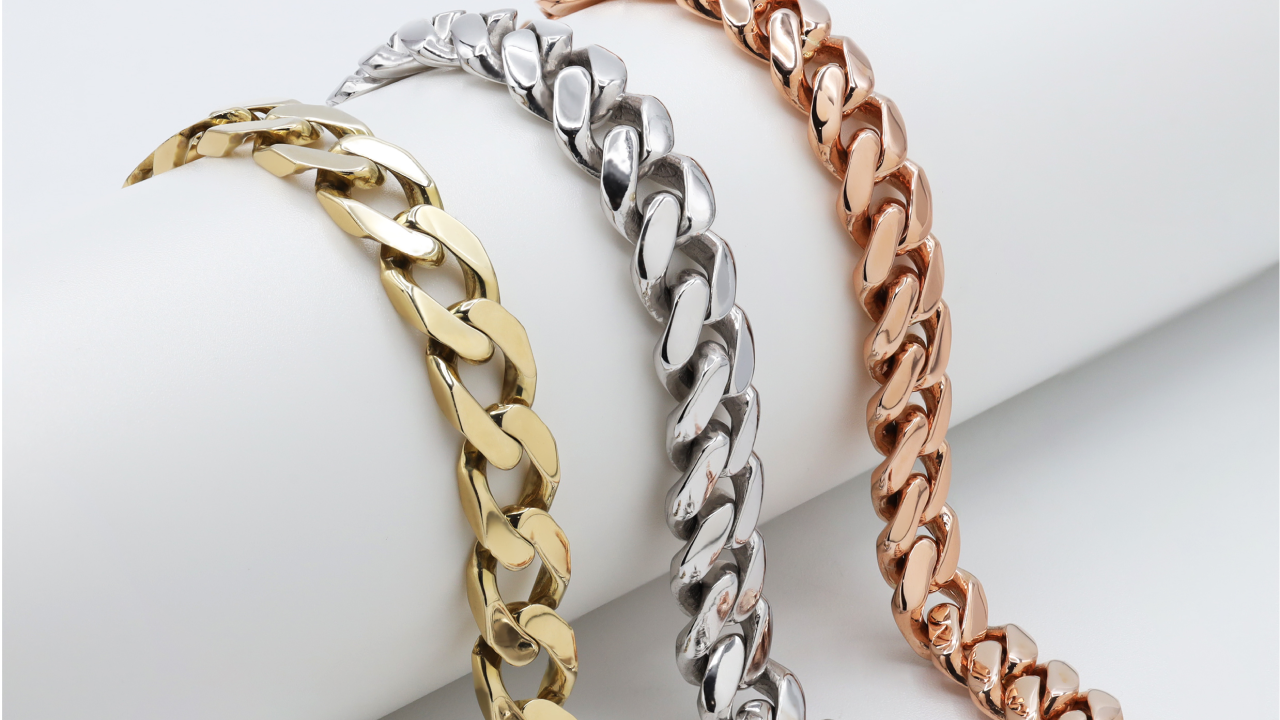
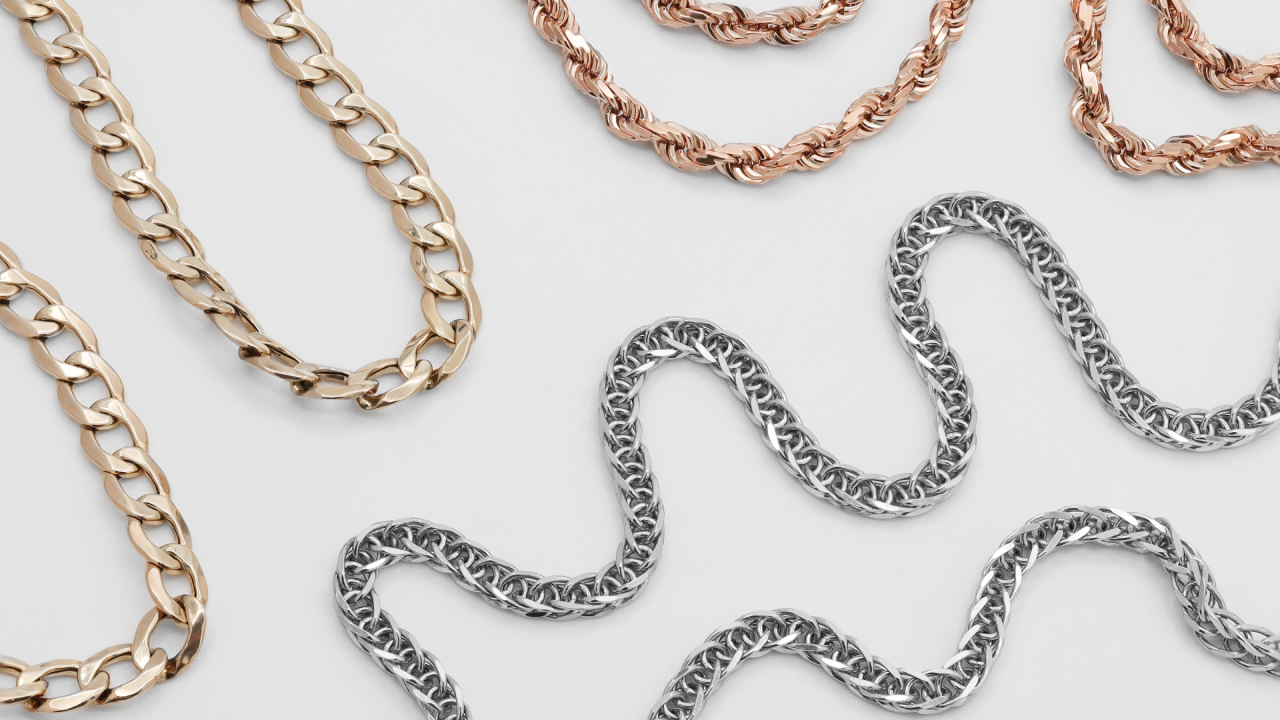
Chunky jewellery captures attention because it delivers maximum visual impact through weighty, sculptural pieces that feel almost architectural on the body.
Bold cuffs in substantial gold weights
Oversized chain-link earrings
Thick collar necklaces
Pieces in 18-karat yellow gold (not rose or white)
These pieces dominated Spring/Summer 2026 shows, reaffirming yellow gold's place as the metal of the moment.
In uncertain times, people gravitate toward gold because:
It's tangible and historically valuable
It makes a statement about permanence
It holds intrinsic value independent of fashion
This explains why our pre-owned gold jewellery—particularly chunky chains and bold cuffs in platinum and 18-karat yellow gold—has seen unprecedented demand.
Clients understand they're not just buying adornment. They're acquiring portable wealth with intrinsic value that transcends fashion cycles.
Buyers are flocking to the mid-luxury segment—pieces in the £3,722 to £74,430 range—where the focus shifts to craftsmanship, rarity, and resale potential.
Luxury jewellery is increasingly divided into two categories:
Objects of finite supply (limited production, unique designs)
Objects of infinite reproduction (mass-produced pieces)
Long-term collectors prioritize objects that cannot be scaled.
When you're looking at chunky gold pieces, you're looking at significant gold weight.
This creates a floor value based purely on metal content, independent of design trends.
Smart buyers understand they're not just buying a look. They're buying stored value that happens to look good.
At The Diamond Box, we break down the mathematics for clients:
The piece's gold weight
The current market value of the metal
The premium they're paying for design and brand
Transparency builds trust, and educated buyers make confident decisions.
Investment principle: Chunky gold jewellery offers dual value—aesthetic appeal plus intrinsic metal value that creates a price floor regardless of fashion trends.
Beaded jewellery for 2026 gets an adult upgrade.
Runway examples:
Chanel: Long, multi-colored beaded necklaces looped around the neck
Balmain: Layered wooden bead necklaces in various shapes and sizes
Key characteristics:
Bohemian or natural wood vibe, but elevated
Colorful beads paired with precious metals and gemstones
High-quality materials and thoughtful color palettes
Substantial clasps and findings
This isn't costume jewellery. It's considered design that uses beads as a primary element.
Beaded jewellery offers texture and colour in ways that traditional fine jewellery often doesn't.
You can create visual interest without relying solely on gemstones.
This opens up styling possibilities because you can mix beaded pieces with traditional fine jewellery without looking mismatched.
The combination feels intentional rather than confused.
Styling advantage: Beaded pieces add dimension and versatility to luxury collections, bridging casual and formal aesthetics.
Art Deco-inspired jewellery on runways draws from the architecture, art, and fashion trends that defined the 1920s.
Key characteristics:
Geometric patterns and ornate details
Gothic-inspired pieces with gemstone-encrusted designs
Ornate heart-shaped pendants
Designs that feel pulled from classic literature
The appeal is emotional as much as aesthetic because these pieces tell stories, reference history, and feel like they have provenance even when they're new.
Authentic Art Deco pieces from the 1920s and 1930s are experiencing renewed interest, but they're also becoming scarce.
Well-preserved examples command premium prices.
In contrast, Art Deco revival pieces from the 1980s and 1990s—many from Cartier, Bulgari, and other prestigious houses—offer similar aesthetics at more accessible price points.
For buyers who understand the difference, this creates a strategic entry point into the trend without the five-figure commitment.
Our vintage and branded jewellery collection includes both:
Museum-quality originals for serious collectors
Revival pieces for those building their first significant collection
Smart buying: Art Deco revival pieces from the 1980s-1990s offer the aesthetic at accessible prices, while original 1920s-1930s pieces command premium values for serious collectors.
The 2026 trends point toward a market that rewards boldness, craftsmanship, and individuality over quiet conformity.
What's outperforming:
Statement pieces over subtle ones
Architectural forms over traditional designs
Reimagined traditional materials (pearls, beads) over conventional pieces
The buyers who win understand the difference between trend and movement.
Trends are temporary. Movements represent fundamental shifts in how people think about and use jewellery.
What we're seeing for 2026 is a movement toward jewellery as personal expression rather than status signalling.
People want pieces that reflect their taste, not pieces that broadcast their wealth.
This shift creates opportunity in the pre-owned luxury market because when people prioritize design and craftsmanship over newness, the stigma around pre-owned pieces evaporates.
A well-executed sculptural cuff from five years ago is still a well-executed sculptural cuff today. The design doesn't expire.
The pre-owned luxury market offers access to exceptional pieces at fractions of their original retail prices.
Real examples from The Diamond Box:
Tiffany bracelets: 40-60% savings vs. buying new
Cartier rings: Superior craftsmanship from earlier production eras
Bulgari necklaces: More character than current retail pieces
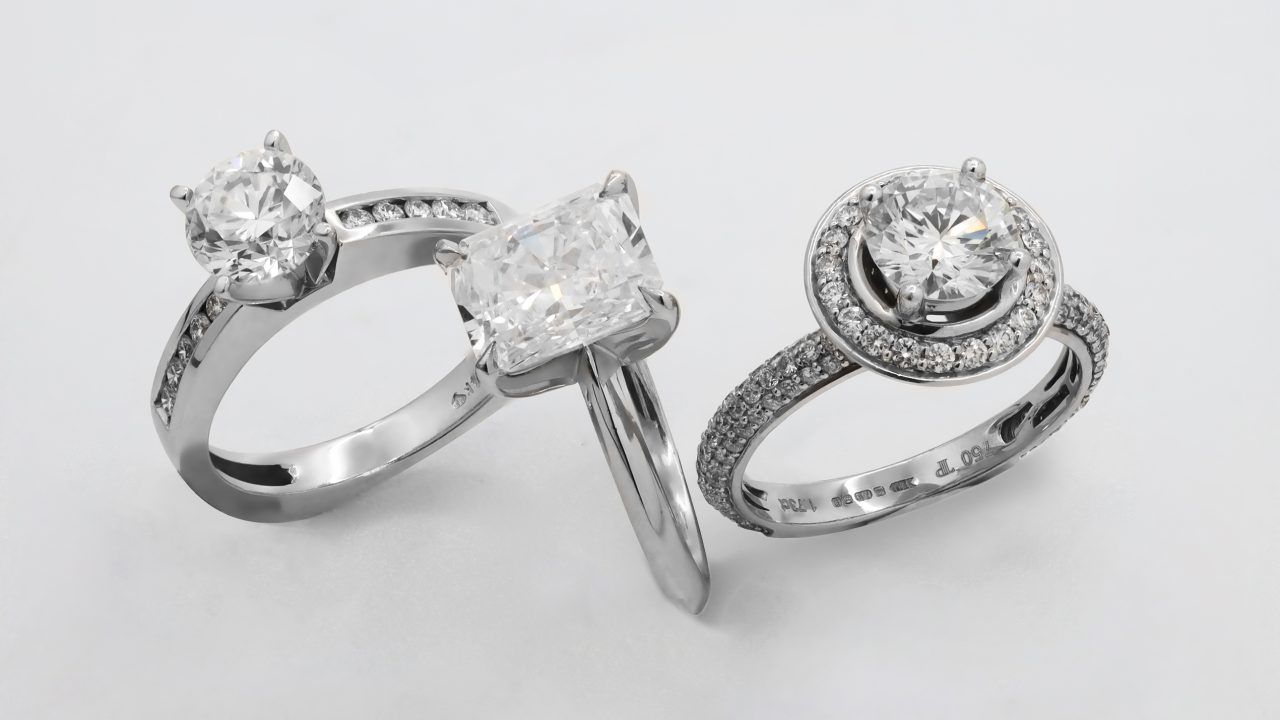
This shift perfectly aligns with what we do at The Diamond Box. Whether someone's searching for a unique engagement ring with character that can't be found in chain stores, or adding a statement piece to their collection, they're choosing jewellery that tells their story.
Heritage matters. Provenance matters. Character matters.
Buyer's strategy: Focus on pieces with heritage and character from authenticated sources. Pre-owned luxury offers 40-60% savings while delivering superior craftsmanship and investment potential.
At The Diamond Box, we're curating inventory that reflects these movements:
Statement earrings
Sculptural forms
Modern pearls
Chunky gold and platinum pieces
Art Deco influences
We're expanding our services to support this new jewellery landscape:
Jewellery buying service: We help clients liquidate pieces that no longer serve them
Repair and restoration workshop: We breathe new life into inherited treasures
Engagement ring consultations: We help couples find rings with soul—not cookie-cutter designs, but pieces with provenance
We curate pieces that align with how people actually want to wear jewellery in 2026—not what they're supposed to want, but what they actually want.
The winners in this market understand what they're looking at, distinguish between well-executed design and hollow trend-chasing, and recognize value independent of newness.
Visit our London showroom or browse our collection online to discover pre-owned luxury jewellery with heritage, character, and lasting value.
The biggest 2026 jewellery trends are oversized statement earrings, sculptural architectural pieces, modern baroque pearls, chunky gold chains, and Art Deco revivals. These trends emphasise bold, wearable art over delicate, subtle designs.
Jewellery is growing 4x faster than clothing because 42% of women now buy jewellery for themselves (versus 2-3 years ago). This shift from gift-receiving to self-purchasing drives consistent demand. Jewellery also offers investment value and personal expression that clothing cannot match.
Yes. Pre-owned luxury jewellery from brands like Cartier, Bulgari, and Tiffany offers 40-60% savings compared to buying new. Pre-owned pieces often feature superior craftsmanship from earlier production eras, plus they carry heritage and character that new pieces lack. The design doesn't expire.
Original Art Deco pieces from the 1920s-1930s command premium prices and are becoming scarce. Art Deco revival pieces from the 1980s-1990s offer similar geometric patterns and ornate details at more accessible price points. Both are authentic branded pieces, but originals have greater rarity and collector value.
Yellow gold dominates 2026 trends because it's tangible, historically valuable, and makes a statement about permanence. In uncertain times, people gravitate toward yellow gold for its intrinsic value independent of fashion trends. Yellow gold also provides a floor value based purely on metal content.
The mid-luxury segment (£3,722 to £74,430) offers the best balance of craftsmanship, rarity, and resale potential. At this price range, you're buying objects of finite supply rather than mass-produced pieces. Focus on gold weight, brand reputation, and limited production runs for best investment returns.
Sculptural jewellery is valuable because it often represents limited production runs with complex fabrication. Pre-owned sculptural pieces feature designs that won't be reproduced—the moulds are gone, the artisan has moved on. This scarcity creates value over time, making them appreciating assets.
Buy pre-owned statement earrings from authenticated sources. Vintage pieces from Cartier, Bulgari, and Tiffany deliver runway impact at fractions of retail prices. They carry more character than factory-fresh pieces, and you can access expert repair services for resizing or maintenance to ensure they fit perfectly.
Self-purchasing drives growth: Jewellery is growing 4.1% annually (4x faster than clothing) because 42% of women now buy for themselves
Bold outperforms subtle: Statement earrings, sculptural forms, and chunky gold pieces command attention and investment value
Pre-owned offers superior value: Save 40-60% on Cartier, Bulgari, and Tiffany pieces while getting better craftsmanship and character
Focus on finite supply: Limited production sculptural pieces and Art Deco originals appreciate over time due to scarcity
Yellow gold provides dual value: Aesthetic appeal plus intrinsic metal value creates a price floor regardless of trends
Character sells: Imperfect baroque pearls, vintage pieces with provenance, and unique designs outperform uniform perfection
Investment sweet spot: The £3,722-£74,430 range offers optimal craftsmanship, rarity, and resale potential for serious collectors
Visit us in store for great service and to see our amazing collection.
114 Ballards Lane, N3 2DN, London 020 8838 3655