



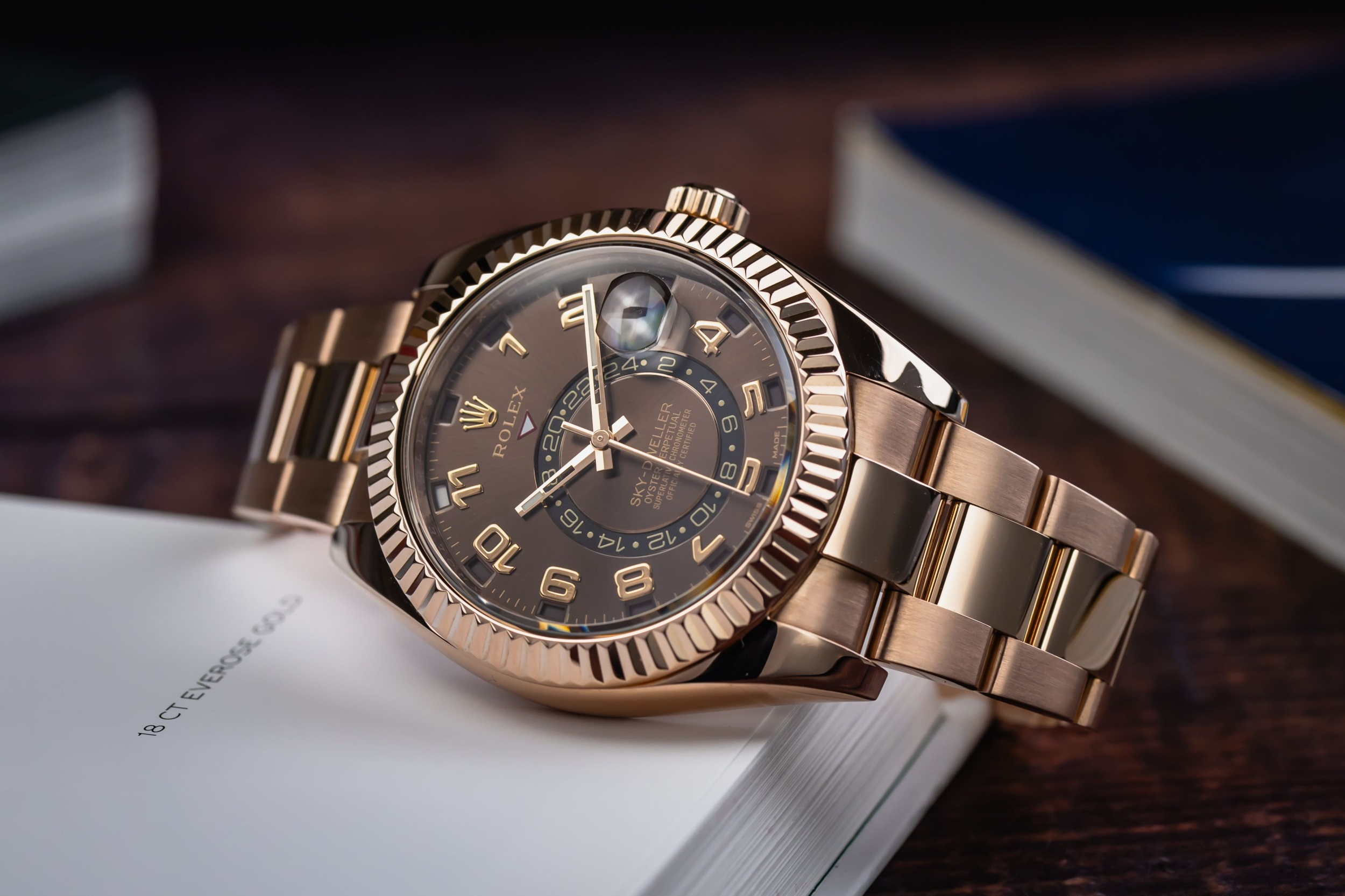
TL;DR: Rolex raised prices 7% in January 2026, marking the third increase in twelve months. Rolex steel models have climbed 24-27% since 2020, driven by gold prices, inflation, and new tariffs. Retail availability hasn't improved, making the secondary market and Rolex's Certified Pre-Owned programme the more practical path for buyers in 2026.
What You Need to Know:
-
Rolex retail prices rose 7% across most models in January 2026
-
Submariner models have increased 24-27% since 2020
-
Gold prices surged 64% in 2025, driving precious metal watch costs higher
-
Retail availability hasn't improved, waitlists remain long
Secondary market and Certified Pre-Owned offer better access and value
Rolex raised retail prices roughly 7% across most models in January 2026. This marks the third major adjustment in twelve months. The pattern becomes clearer when you look at the numbers over time.
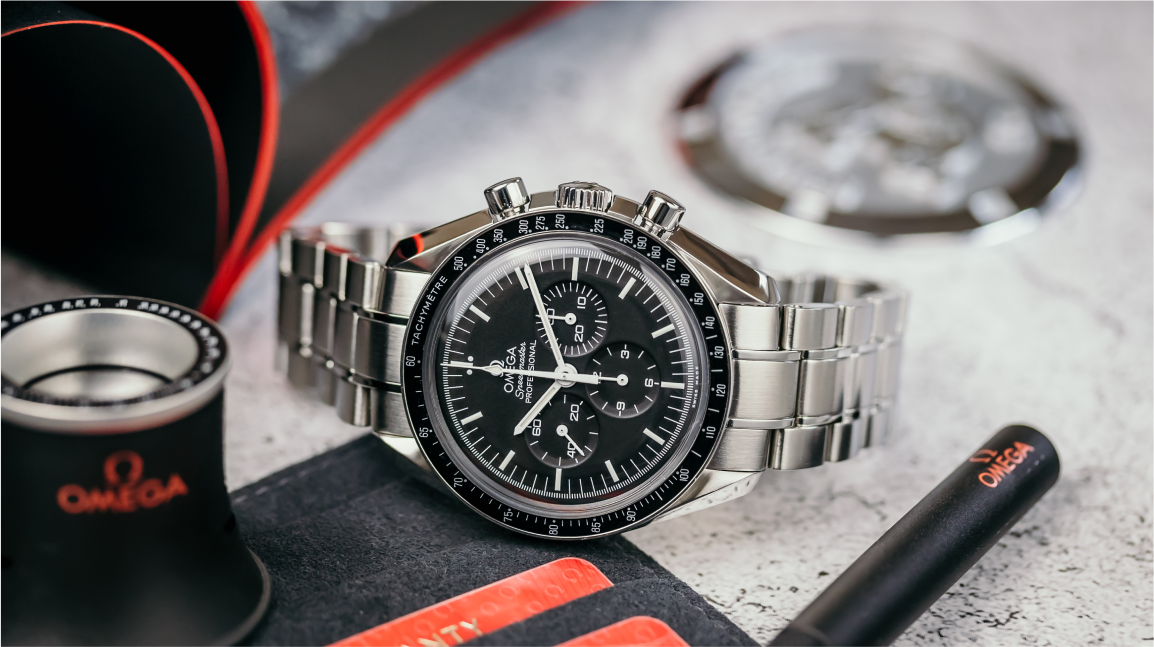
The Submariner no-date sat at around £6,400 when it launched in 2020. As of January 1, 2026, the same watch retails for £7,950. That's £1,550 more, or about 24% higher, over six years.
The steel Submariner Date follows a similar path. In 2022, it retailed for £7,300. Today it has climbed over 27.5% in four years.
What we find worth noting isn't the increase alone. It's what's driving these changes and how they affect the way people buy these watches.
What's Driving the Price Increases?
Three factors come up when we talk to customers about these price movements.
Gold prices hit record levels in 2025. The precious metal surged about 64% over the year as global economic uncertainty made it more attractive as a safe haven. This pressure flows directly into Rolex's production costs, especially for precious metal pieces.
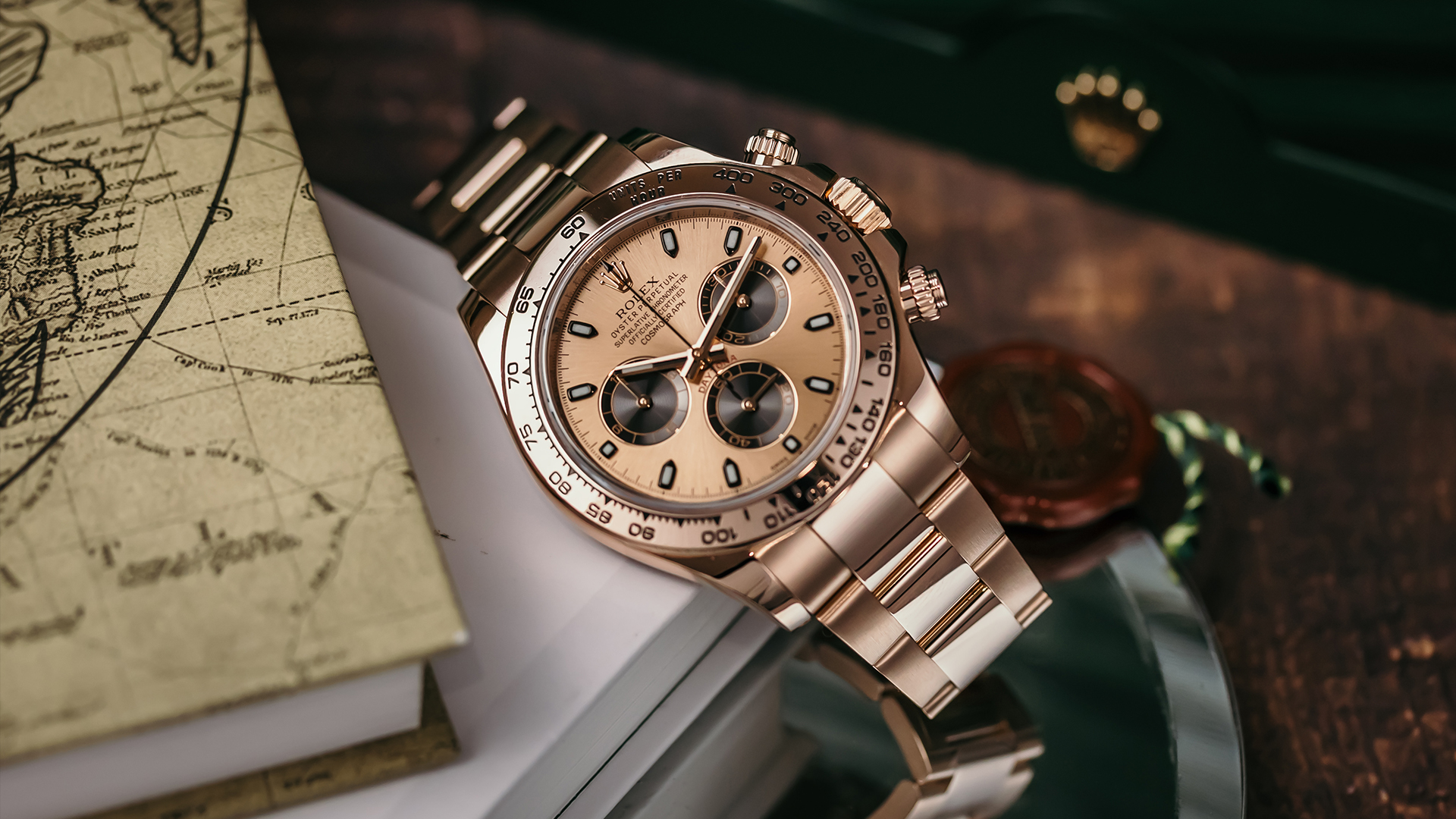
The yellow gold Cosmograph Daytona broke the £39,500 barrier this year, moving from near £38,000 to the low £39,500 range. Gold pieces saw the steepest increases, which makes sense given the commodities market.
Global inflation and currency fluctuations continue affecting manufacturing and distribution costs across the luxury sector. Rolex operates in dozens of markets with different economic pressures. Those realities show up in retail pricing.
A new 15% tariff on Swiss watch imports added cost pressure in certain markets, especially the United States. These aren't abstract policy decisions. They translate directly into the price tag at an authorised dealer.
What this means: Rolex steel sports watches are being positioned in the premium segment once reserved for precious metal pieces. The pricing architecture is shifting upward across the entire range.
How Does the Secondary Market Compare?
This is where the conversation becomes more nuanced.
Retail price increases matter less than they should. Most buyers never get retail access in the first place.
We've seen this pattern repeat over years of working with customers. Steel Rolex watches remain difficult to purchase at authorised dealers. The Submariner, GMT-Master II, and Daytona all have extensive waitlists. The retail price going up doesn't change the core challenge. You still won't walk into most authorised dealers and buy the watch you want.
The secondary market operates mostly independent of Rolex retail adjustments.
Pre-owned pricing for the Daytona 126500 stays at or above £23,700. That's often double its new MSRP of £13,400. The gap hasn't closed because retail prices went up. Availability at authorised dealers won't improve alongside higher prices. This is why buying through the grey market makes sense for many buyers.
The grey market offers an alternative for people who want immediate availability or better value compared to current retail levels. Pre-owned tends to be the smarter option unless you're buying for warranty coverage or the boutique experience.
Bottom line: Retail availability, not price, drives most buying decisions in 2026.
How Does Rolex's Certified Pre-Owned Program Fit In?
One development worth noting is how Rolex's Certified Pre-Owned programme is reshaping trust in the secondary market.
The programme offers previously worn timepieces certified as authentic, fully serviced, and guaranteed by the brand. All Rolex Certified Pre-Owned watches come with a two-year international guarantee starting from their sale date.
This makes pre-owned a safer path for buyers entering 2026. You get authentication certainty in a complex secondary market. You avoid the waitlist challenge. The programme shows Rolex's commitment to sustainability while providing peace of mind when you're spending this kind of money.
Worth remembering: Certified Pre-Owned gives you brand backing without the retail wait.
What's Different About Demand in 2026?
We've noticed something about how the market feels right now compared to a few years ago.
The hype phase has ended.
The market now runs on genuine demand, not flippers trying to profit from artificial scarcity. This makes 2026 more stable than the fever-pitch years during and after the pandemic.
Collectors are moving away from short-lived hype pieces and back to timeless models. The Submariner, GMT-Master II, Datejust, and Daytona continue seeing strong demand. The difference is it's coming from people who want to wear these watches, not resell them.
That's a shift from speculation to collector value.
Interest rates and inflation trends will continue being factors as we move through 2026. Rolex tends to stay resilient during economic slowdowns. The brand acts as a safe asset in uncertain times, which supports long-term value retention.
Key observation: The market has moved from speculation to sustainable collector interest.
What Might 2026 Bring?
There's anticipation building around what Rolex will announce at Watches & Wonders Geneva in April 2026.
Several major anniversaries land this year.
The Rolex Explorer II turns 50. The Milgauss celebrates its 70th anniversary. The current version was discontinued a few years ago, making a reissue plausible. The Day-Date, sometimes called The President, reaches 70 years in 2026.
Rolex has a history with anniversaries. We'd be surprised if nothing appeared to celebrate their flagship's birthday.
These milestone moments create collector anticipation. We've learned over the years that anniversary releases often become sought-after references that hold value well over time.
Watch for: Anniversary editions at Watches & Wonders Geneva in April 2026.
Where Does Rolex Stand in the Market?
Despite pricing pressure, market volatility, and economic uncertainty, Rolex continues dominating the luxury watch sector with notable market share.
An estimated 1.1 million watches were sold last year, with the company capturing 32.1% of market share in 2024. This level of dominance shows how Rolex has distinguished itself through resilience and desirability, even in an uncertain global economic environment.
The brand maintains global demand and long-term value retention. That's not marketing language. It's what we've observed over years of working with customers who buy, wear, and sometimes sell these watches.
Market reality: Rolex holds over 32% market share with unmatched demand.
What Does This Mean for Your Purchase Decision?
If you're thinking about a Rolex purchase in 2026, here's what we'd keep in mind.
Retail prices will likely keep rising. Access to retail is the bigger challenge. You won't buy what isn't available, regardless of the price on paper.
The secondary market offers genuine advantages. Immediate availability, often better value, and through Rolex's Certified Pre-Owned programme, the same authentication and warranty assurance you'd get from an authorised dealer.
Focus on models with proven collector appeal. The Submariner, GMT-Master II, Datejust, and Daytona continue representing the strongest long-term value retention. These aren't trend pieces. They're watches that have proven themselves over decades.
Think about timing around major announcements. Watches & Wonders Geneva in April might shift availability or pricing on certain references, especially around anniversary models.
The market has stabilized from the speculative years. This makes 2026 a more thoughtful time to make a decision based on what you want to wear and own for years.
Does this approach feel right for where you are in your decision?
Frequently Asked Questions
Why did Rolex raise prices in 2026?
Rolex increased prices by roughly 7% in January 2026 due to three main factors: gold prices surging 64% in 2025, ongoing global inflation affecting manufacturing costs, and a new 15% tariff on Swiss watch imports in markets like the United States.
How much have Rolex prices increased since 2020?
The Submariner no-date has increased from about £6,400 in 2020 to £7,950 in 2026, a 24% increase over six years. The steel Submariner Date has climbed over 27.5% in four years from its 2022 price of £7,300.
Should I buy from an authorized dealer or the secondary market?
The secondary market often makes more sense in 2026 because authorised dealers have long waitlists and limited stock. Pre-owned watches, especially through Rolex's Certified Pre-Owned programme, offer immediate availability, often better value, and the same authentication and warranty assurance.
What is Rolex's Certified Pre-Owned program?
Rolex's Certified Pre-Owned programme offers previously worn watches that are certified authentic, fully serviced, and guaranteed by the brand. Each watch comes with a two-year international guarantee from the sale date, providing peace of mind in the secondary market.
Which Rolex models hold their value best?
The Submariner, GMT-Master II, Datejust, and Daytona have proven themselves over decades as the strongest models for long-term value retention. These aren't trend pieces. They're timeless models with genuine collector appeal.
Will Rolex release new models in 2026?
There's anticipation around Watches & Wonders Geneva in April 2026. Several major anniversaries occur this year: the Explorer II turns 50, the Milgauss celebrates 70 years, and the Day-Date reaches 70 years. Rolex has a history of commemorating anniversaries with special releases.
Is the Rolex market still inflated in 2026?
No, the hype phase has ended. The market now runs on genuine demand from people who want to wear these watches, not from flippers seeking quick profits. This makes 2026 more stable than the fever-pitch years during and after the pandemic.
How does the grey market compare to retail pricing?
Grey market pricing operates mostly independent of Rolex retail adjustments. For example, the Daytona 126500 sells for £23,700 or more on the secondary market, often double its MSRP of £13,400. The gap exists because retail availability hasn't improved despite price increases.
Key Takeaways
-
Rolex raised prices 7% in January 2026, driven by surging gold prices, inflation, and new tariffs on Swiss imports.
-
Steel sports models like the Submariner have increased 24-27% since 2020, pushing them into premium territory.
-
Retail availability hasn't improved despite price increases. Long waitlists at authorized dealers persist.
-
The secondary market and Rolex's Certified Pre-Owned program offer better access, immediate availability, and often stronger value.
-
The market has stabilized from speculation to genuine collector demand. The hype phase is over.
-
Watch for anniversary releases at Watches & Wonders Geneva in April 2026, including potential Explorer II, Milgauss, and Day-Date commemorative models.
-
Rolex maintains over 32% market share with 1.1 million watches sold in 2024, showing resilience in uncertain economic times.