









The luxury watch market just split in two.
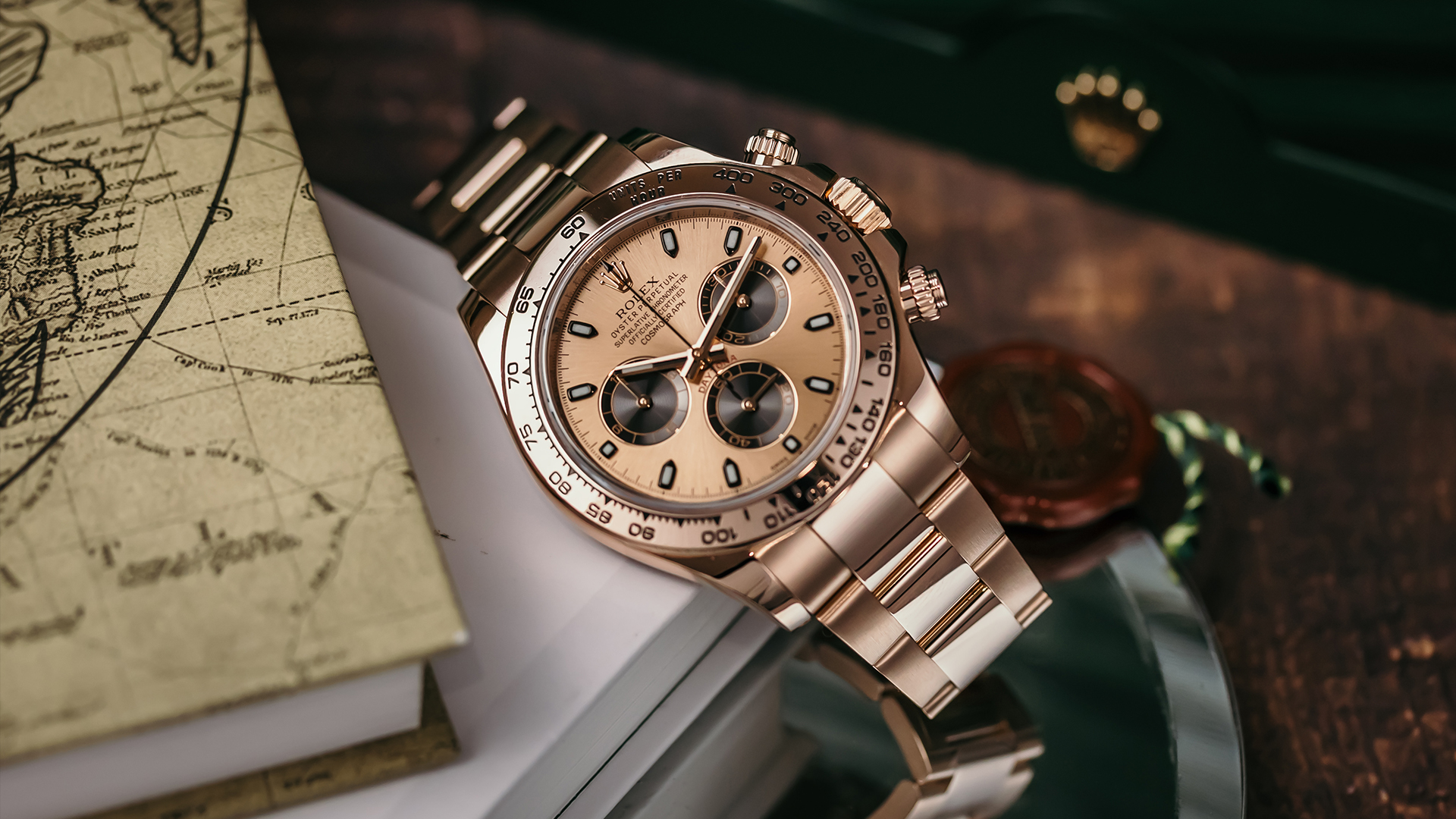
On August 7, 2025, a 39% tariff on Swiss imports took effect. That rate is nearly four times the previous 10% baseline. For Rolex buyers, the math changed overnight.
A watch priced at $10,000 now costs $11,200 or more if brands pass the full burden to consumers. Industry analysts predict 12-14% retail price increases across the board.
The market responded before the ink dried
Pre-owned timepiece sales spiked 160% in April 2025 when the tariff threat first emerged. Consumers saw the writing on the wall and moved fast.
The pre-owned market was already growing. Valued at $26.8 billion in 2024, projections show it reaching $43.7 billion by 2031. That's a 7.2% compound annual growth rate, and tariffs just accelerated the timeline.
Today, the secondary market accounts for more than 30% of the overall $75 billion luxury watch market. The tariff didn't create this shift. It amplified what was already in motion.
Supply meets friction
Paul Altieri, Founder and CEO of Bob's Watches, captured the dynamic clearly: "Rolex watches have long been symbols of craftsmanship and controlled scarcity. With the new tariff, we may not just see higher prices, we may see fewer watches, period."
Authorized dealers already maintain waiting lists stretching up to four years for popular models. Add tariff costs and reduced import volumes, and the primary market becomes even less accessible.
The pre-owned sector offers immediate availability without the import burden. Existing inventory avoids the tariff entirely. For buyers facing sticker shock at authorized dealers, the secondary market delivers both value and access.
Two markets, one country
The United States represents Switzerland's largest export market for watches. Over $3.17 billion worth shipped from January to June 2025 alone. That's 16.8% of total Swiss watch exports, making American buyers critical to the industry.
The tariff created what insiders now call "two separate Swiss watch markets." Americans pay premium prices. Everyone else gets relative deals.
Some U.S. buyers are traveling to Europe to purchase watches and reclaim VAT, avoiding tariffs altogether. Others are simply waiting, watching the pre-owned market for opportunities that make more financial sense.
The data tells a clear story. Market forces don't wait for sentiment. When new becomes prohibitively expensive, existing inventory gains value. The pre-owned sector was positioned to absorb this demand, and it did exactly that.