posted on 05th January 2026



 follow us
We need to talk about what happened at the Metropolitan Museum of Art last year.
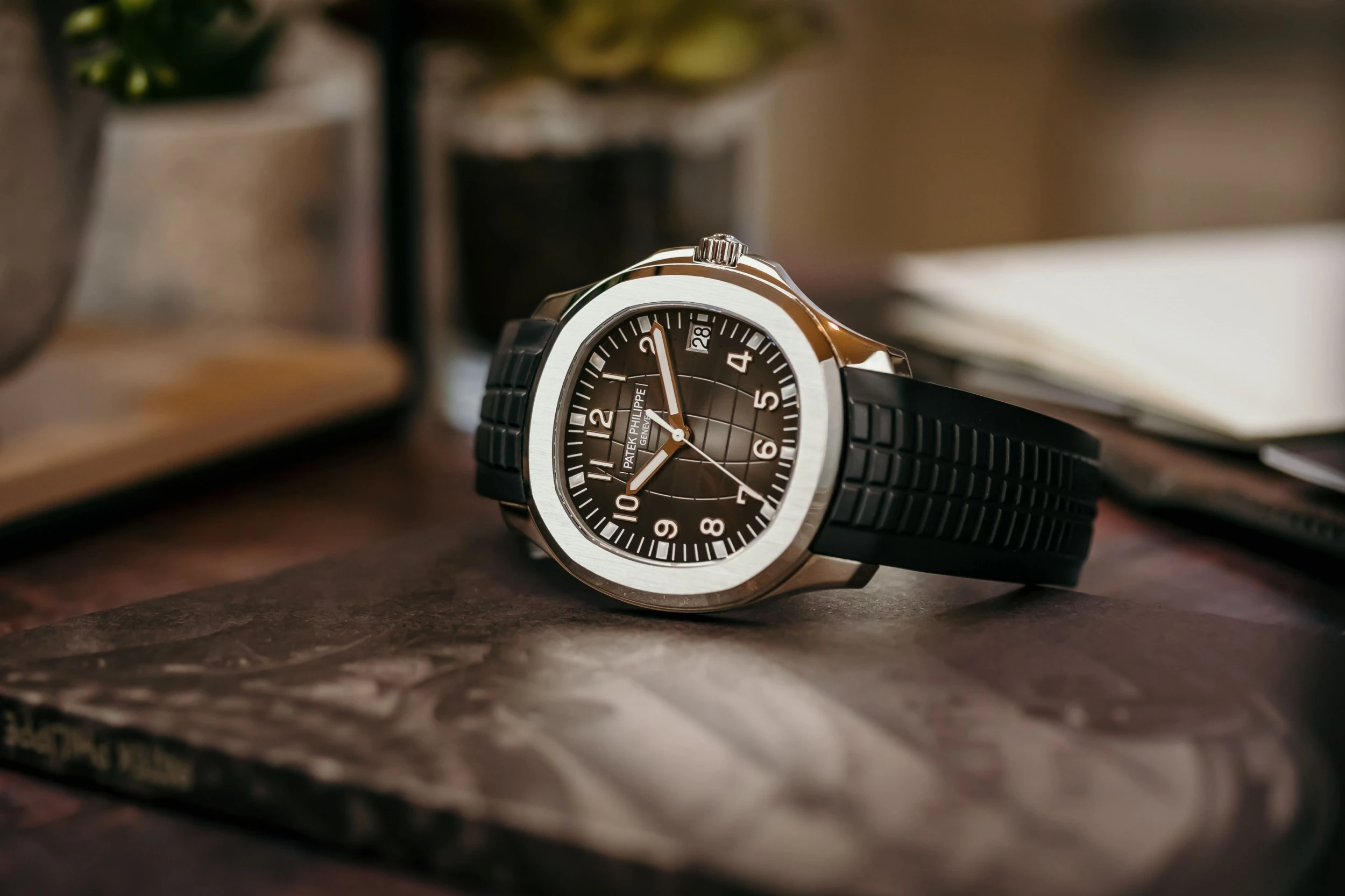
RollieFest brought together 209 watch collectors who paid £1,200 each just to show up. They wore millions of pounds on their wrists. Piagets. Cartiers. Patek Philippes. Rolexes worth more than most people's homes.
The event wasn't about checking the time. It was about displaying wealth in its most concentrated, portable form.
Here's what most people miss: the luxury watch industry now exceeds £48 billion annually. That's larger than the entire global art market. We're watching a fundamental shift in how wealth signals itself and how assets perform.
From 2018 to 2023, sought-after Rolex watches increased in value by an average of 20% annually.
The S&P 500 during that same period? 8%.
A Patek Philippe purchased between 2017 and 2022 could deliver a 207% return. Pre-owned Rolex watches have experienced an annualised increase of 13.1% per year over the past decade. An investment of £8,500 doubled in less than six years.
The average value of a pre-owned Rolex in 2011 was £2,950. Today it's £10,100. The price jumped over three times in just over a decade.
But here's where it gets interesting.
Between 2017 and 2022, the Watch Market Price Index delivered an ROI over four times better than gold and 13 times better than silver. Traditional safe-haven investments got crushed by watches you can wear to dinner.
The global luxury watch market is projected to grow from £48.4 billion in 2025 to £108.6 billion by 2032. That's a compound annual growth rate of 12.23%. We're looking at explosive growth that dwarfs traditional investment vehicles.
Luxury watches occupy a unique position in the investment landscape.
They're portable. A £161,000 Patek Philippe fits in your pocket. Try that with real estate or fine art.
They're liquid. The secondary market for luxury watches has matured into a sophisticated ecosystem with transparent pricing and global reach. You can sell a rare Rolex faster than you can sell a car.
They're engineered for longevity. A well-maintained mechanical watch can function for centuries. The oldest working watch dates back to the 1500s. Your stock certificates won't last that long.
But the real reason watches work as investments comes down to something more fundamental: strategic scarcity.
Leading manufacturers like Rolex, Patek Philippe, and Audemars Piguet control their production volumes with surgical precision. They release limited editions. They maintain waiting lists that stretch for years. They create artificial supply constraints that drive demand through the roof.
This isn't accidental. It's the business model.
When you buy a rare watch, you're buying into a system designed to maintain and increase value over time. The manufacturers have every incentive to protect the secondary market because it validates the primary market pricing.
Adding watches to an investment portfolio yields an annualised return of around 7.0 to 7.5%.
That's solid, but not spectacular.
Here's what matters: watches reduce portfolio volatility by more than a quarter. They're effective tools for risk management alongside traditional assets. When stocks crash, rare watches tend to hold their value or even appreciate.
High-net-worth individuals currently invest around 5% of their wealth in collectibles and probably less than 1% in watches. That suggests significant room for growth as awareness of watches as investment vehicles increases.
We're still early in this market cycle.
The secondary market for luxury watches has consolidated since its peak in spring 2022, but it still demonstrates a gain of 22.85% over the past five years. Even during correction periods, the market proves resilient.
Research on wealth signalling reveals something fascinating about how luxury goods function in society.
Wealthy consumers high in need for status use loud luxury goods to signal to the less affluent that they're different. They want separation. They want visibility.
Wealthy consumers low in need for status want to associate with their own kind. They pay a premium for quiet goods only they can recognise. A subtle Patek Philippe that looks modest to outsiders but screams expertise to insiders.
Luxury watches serve both functions simultaneously.
A Rolex Submariner signals wealth to everyone. A vintage Patek Philippe Calatrava signals connoisseurship to collectors. The same wrist can communicate different messages to different audiences.
This dual functionality explains why the luxury watch market continues to expand even as other status symbols lose relevance. Watches work across multiple social contexts. They're appropriate in boardrooms and at beach resorts. They communicate wealth without shouting.
Millennials view luxury timepieces as both functional items and symbols of personal achievement. The watch industry is driven by increasing consumer demand for status-symbol products, growing interest in collectible and heritage timepieces, and rising disposable income in emerging economies.
The market isn't shrinking. It's globalising.
The rise of watches as investment vehicles and status symbols reveals something deeper about how wealth operates in the 21st century.
Traditional markers of success are losing their power. You can't show off your stock portfolio at a party. Real estate is impressive but invisible in daily life. Even luxury cars have become common enough to lose their edge.
Watches solve the visibility problem.
They're instantly recognisable to those who know. They're portable markers of achievement that travel with you everywhere. They appreciate in value whilst you wear them. They tell a story about taste, knowledge, and financial sophistication.
The £48 billion watch industry represents more than just a market for timekeeping devices. It represents a fundamental shift in how we signal status, store value, and think about portable wealth.
When 209 collectors pay £1,200 each to gather at the Met and show off their wrists, they're not just displaying watches. They're participating in a new asset class that combines the emotional satisfaction of luxury goods with the financial performance of alternative investments.
We need to address the elephant in the room.
The luxury watch market peaked in spring 2022 and has since corrected. Some watches that were selling for 2-3 times retail are now trading closer to retail or even below.
This correction scared off speculators who thought watches were a one-way bet. That's healthy.
The long-term data still shows consistent appreciation for the right pieces. The correction separated collectors from flippers. It revealed which brands and models have genuine staying power versus which were riding hype cycles.
The watches that maintain value through corrections are the watches worth owning.
Rolex sport models, vintage Patek Philippe complications, and limited-edition pieces from established manufacturers continue to perform. The market is maturing. It's becoming more sophisticated. It's weeding out weak hands.
The projection of £108.6 billion by 2032 assumes continued growth in emerging markets, sustained interest from millennials and Gen Z collectors, and ongoing innovation in the secondary market infrastructure.
All three trends are accelerating.
China, India, and Southeast Asia are producing new generations of wealthy consumers who view luxury watches as essential status symbols. Online platforms are making it easier to buy, sell, and authenticate rare pieces. Blockchain technology is creating transparent provenance records that reduce fraud and increase buyer confidence.
The watch market is professionalising.
We're seeing the emergence of watch funds, investment vehicles that pool capital to acquire rare pieces. We're seeing sophisticated analytics platforms that track pricing trends and predict future values. We're seeing major auction houses dedicate entire departments to watches.
The infrastructure of a mature alternative asset class is falling into place.
If you're thinking about watches as investments, understand this: not all luxury watches appreciate.
The vast majority of watches lose value the moment you walk out of the boutique. Even within prestigious brands, only certain models maintain or increase in value.
You need to focus on:
Established brands with controlled production: Rolex, Patek Philippe, Audemars Piguet, Vacheron Constantin
Sport models with high demand: Submariner, Daytona, Nautilus, Royal Oak
Vintage pieces with provenance: Well-documented history increases value
Limited editions from respected manufacturers: Scarcity matters, but only if the brand matters
Condition and originality: Unpolished cases, original parts, and complete documentation command premiums
The secondary market rewards knowledge. You can't just buy any expensive watch and expect it to appreciate. You need to understand what collectors want, what drives scarcity, and what makes certain pieces culturally significant.
⚠️ Warning: Watches are illiquid compared to stocks. They require insurance, maintenance, and secure storage. They can be stolen or damaged. They're not suitable for short-term speculation. If you need to access your capital quickly, watches are a terrible choice.
Understanding the investment potential of luxury watches is one thing. Accessing the right pieces at the right price is another entirely.
This is where the preowned market becomes your strategic advantage.
When you purchase a preowned luxury watch, you sidestep the immediate depreciation that occurs the moment a new watch leaves the boutique. You're buying at true market value—often at a significant discount compared to retail—whilst still acquiring fully authenticated, investment-grade timepieces.
The benefits of buying preowned are substantial:
Immediate value positioning: No new-watch premium means you start from a position of strength
Access to discontinued models: Many of the most sought-after pieces are no longer in production
Faster appreciation potential: Preowned prices already reflect market demand, positioning you for gains
Wider selection: You're not limited to current collections or interminable waiting lists
Verified authenticity: Professional authentication eliminates the risk that plagues private sales
We stock the exact watches that drive the market: Rolex sport models including the Submariner and Daytona, Patek Philippe complications, Audemars Piguet Royal Oaks, and other established brands known for holding and increasing value. Every piece is thoroughly authenticated, documented, and ready to become part of your investment portfolio.
The preowned luxury watch market offers something rare in today's economy: tangible assets with proven appreciation potential, immediate enjoyment, and the credibility that comes from established brands with controlled production.
Whether you're diversifying your portfolio, acquiring your first investment-grade timepiece, or adding to an existing collection, the preowned market provides access to the watches that matter—at prices that make financial sense.
Visit our website to explore our current inventory of authenticated preowned Rolex, Patek Philippe, Audemars Piguet, and other prestigious timepieces. Each watch comes with complete documentation, authentication certification, and the assurance that you're investing in pieces with genuine appreciation potential.
The watch on your wrist might tell time, but the right watch purchased at the right price tells a smarter story: you understand that the best investments are the ones you can enjoy whilst they appreciate.
Start building your collection today.
Visit us in store for great service and to see our amazing collection.
114 Ballards Lane, N3 2DN, London 020 8838 3655