




We've been tracking something unusual in the luxury market.
While new luxury watch sales follow predictable patterns, the pre-owned sector is experiencing growth that challenges everything we thought we knew about luxury goods depreciation.
The global luxury watch resale market reached $23.7 billion in 2024. Analysts project it will hit $52.3 billion by 2033, expanding at 9.3% annually.
This isn't a trend. This is a fundamental shift in how collectors, investors, and enthusiasts approach luxury timepieces.
We've spent months investigating this market transformation, speaking with dealers, analyzing price movements, and examining what's driving this explosive growth. What we discovered reveals why purchasing pre-owned luxury watches has become one of the most compelling opportunities in the alternative asset space.
The Numbers Tell a Story Traditional Retail Can't Match
Let's start with concrete examples.
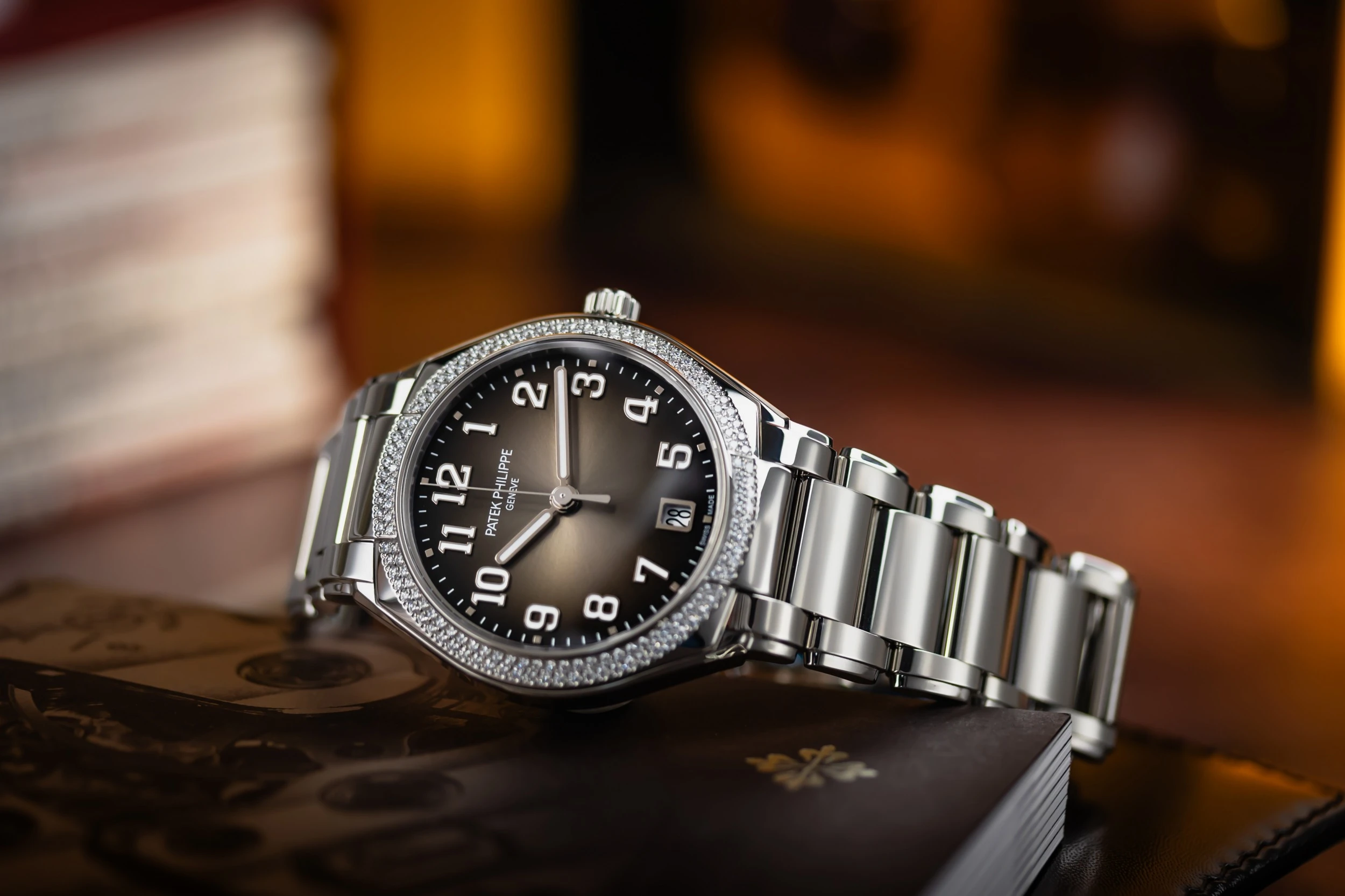
In 2006, you could purchase a Patek Philippe Nautilus 5711/A for £25,000 at retail. Today, that same watch regularly sells for over £70,000 on the secondary market.
That's a 200% return over 15 years.
Compare that to traditional investment vehicles during the same period, and the appeal becomes clear. We're not suggesting watches replace your investment portfolio, but these returns demand attention from anyone interested in alternative assets.
The Nautilus 5711/1A tells a similar story. Limited availability combined with iconic design has created market values that continue climbing despite broader economic uncertainty.
But here's what most people miss: these aren't isolated examples.
Patek Philippe produces approximately 60,000 watches annually. Rolex manufactures around one million. The scarcity built into luxury watchmaking creates natural supply constraints that traditional luxury goods don't experience.
When global demand increases while production remains deliberately limited, basic economics takes over.
Who's Actually Buying Pre-Owned Luxury Watches?
The buyer profile surprised us.
We expected seasoned collectors and wealthy investors. We found Millennials and Gen Z driving significant market growth.
55% of Gen Z buyers prefer online channels for luxury watch purchases. They prioritize three factors above everything else:
-
Value for money
-
Sustainability and environmental impact
-
Access to unique designs no longer in production
This generation views pre-owned luxury differently than their predecessors. They see vintage and pre-owned pieces as opportunities to acquire craftsmanship and design that new production can't replicate.
The sustainability angle carries real weight. Each pre-owned watch purchase represents reduced demand for new resource extraction, lower energy consumption, and decreased manufacturing waste.
In China, the world's second-largest importer of Swiss watches, sustainability now ranks as the third most powerful driver behind watch purchases, trailing only brand and price.
We're watching environmental consciousness reshape luxury consumption patterns in real time.
The Authentication Challenge No One Talks About
Growth brings problems.
The luxury watch resale market faces a significant challenge from counterfeit products. As values increase, sophisticated fakes proliferate.
We've examined counterfeits that fooled experienced collectors. The quality of modern replicas has reached levels that make authentication critical for every transaction.
This creates a trust problem, particularly in online transactions where buyers can't physically inspect watches before purchase.
71% of industry experts view the pre-owned market positively, but they acknowledge that maintaining credibility requires robust authentication protocols.
The solution involves multiple verification layers:
-
Physical inspection by certified watchmakers
-
Documentation verification
-
Movement analysis
-
Case and dial authentication
-
Serial number validation
Reputable dealers invest heavily in authentication infrastructure. They understand that one counterfeit sale destroys years of reputation building.
When you purchase from established dealers who guarantee authenticity, you're paying for expertise and verification systems that protect your investment.
Why Vintage Watches Are Experiencing Unprecedented Demand
Between 2012 and 2022, the vintage watch market experienced remarkable momentum.
Models from lesser-known brands saw values increase ten-fold during this period. Watches that collectors previously overlooked became sought-after pieces commanding premium prices.
We investigated what changed.
Social media created communities where enthusiasts share knowledge about obscure brands and forgotten models. Information that once required years of research became accessible through online forums and collector networks.
This democratization of knowledge revealed quality and craftsmanship in brands that mainstream attention had passed over.
Vintage pieces offer something new watches can't replicate: historical significance and design evolution. Each vintage watch represents a specific moment in horological development.
Collectors appreciate the story behind these pieces. They value the connection to watchmaking history that vintage timepieces provide.
The vintage market also offers entry points at various price levels. While iconic Patek Philippe and Rolex watches in UK command premium prices, quality vintage pieces from brands like Omega, Longines, and Universal Genève remain accessible.
The Industry Response: Brands Enter the Pre-Owned Space
Luxury watch brands initially resisted the pre-owned market.
They viewed secondary sales as competition that cannibalized new watch revenue. That perspective has shifted dramatically.
Major brands now integrate pre-owned strategies through dedicated platforms, partnerships, and Certified Pre-Owned programs.
Why the change?
Brands realized the pre-owned market provides benefits they can't ignore:
-
Extended customer relationships beyond initial purchase
-
Control over brand presentation in secondary markets
-
Revenue opportunities from authentication and servicing
-
Market intelligence about which models retain value
Industry experts predict the pre-owned market will match new watch market volume within the next decade.
That projection reflects fundamental changes in how consumers approach luxury purchases. Younger buyers see pre-owned as a smart alternative, not a compromise.
What This Means for Your Purchasing Strategy
We've analyzed the data. We've examined the trends. Now let's discuss practical implications.
If you're considering a luxury watch purchase, the pre-owned market offers advantages that new retail can't match:
Immediate availability of discontinued models. When brands discontinue popular references, the only way to acquire them is through the pre-owned market. The Nautilus 5711, for example, is no longer in production, but you can still purchase one from reputable dealers.
Better value proposition. New luxury watches typically depreciate 20-30% the moment you leave the boutique. Pre-owned pieces have already experienced this initial depreciation, offering better value from day one.
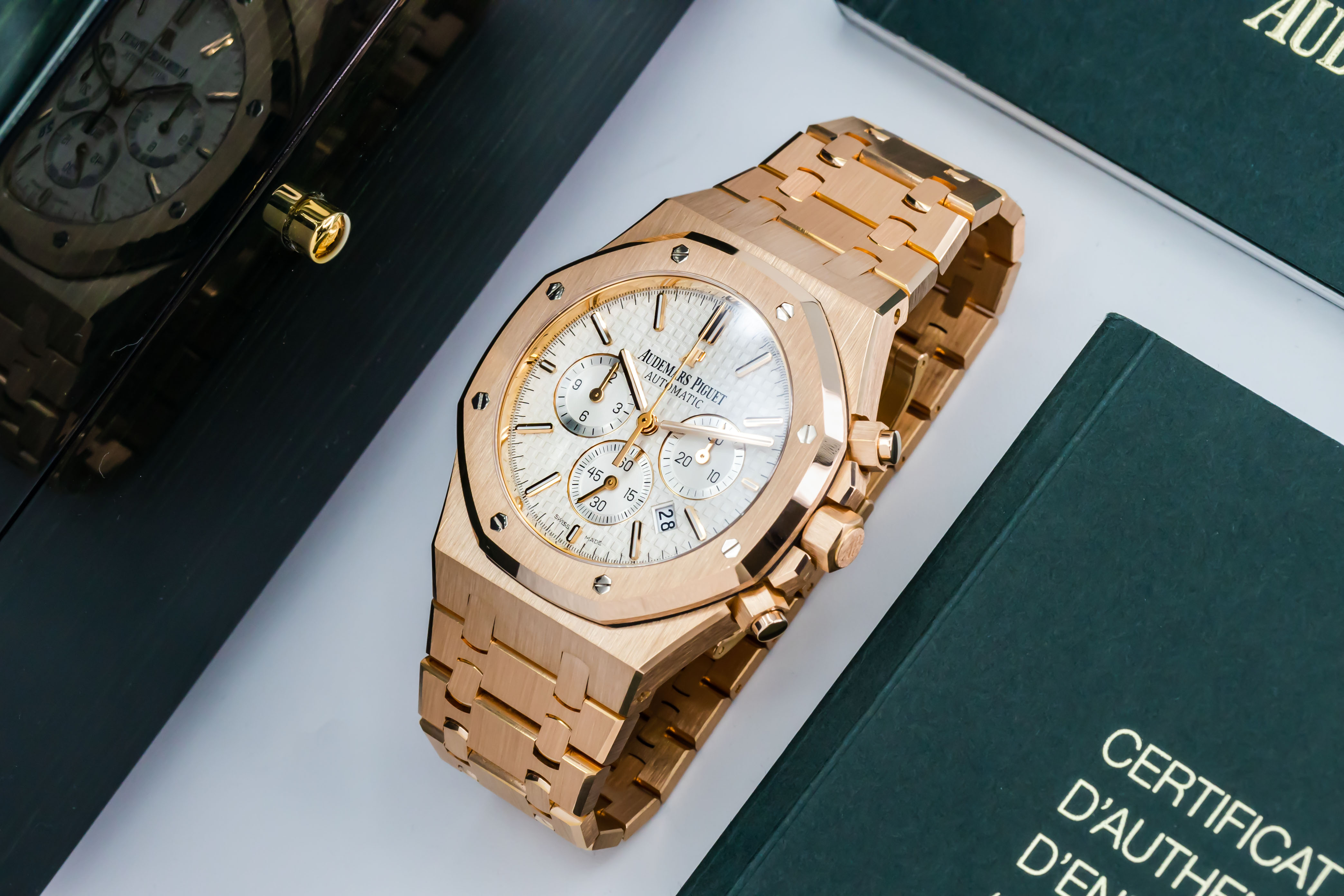
Investment potential. Certain models from brands like Patek Philippe, Rolex, and Audemars Piguet have demonstrated consistent appreciation. While past performance doesn't guarantee future returns, the track record deserves consideration.
Access to vintage craftsmanship. Older watches often feature hand-finishing and construction techniques that modern production has abandoned for efficiency. Collectors value this artisanal quality.
Environmental responsibility. Purchasing pre-owned reduces demand for new resource extraction and manufacturing. This matters to buyers who consider sustainability in purchasing decisions.
The Research Process: What You Need to Know Before Buying
Smart purchasing requires preparation.
We recommend a systematic approach that reduces risk and increases the likelihood you'll acquire a watch you'll value long-term.
Start with market research. Understand which models hold value and which depreciate. Resources like Chrono24, WatchCharts, and specialized forums provide pricing data and market trends.
Verify the dealer's reputation. Look for established businesses with verifiable customer reviews. Check how long they've operated and whether they offer guarantees.
Understand condition grading. Pre-owned watches range from mint condition to heavily worn. Learn how dealers describe condition and what terms like "excellent," "good," and "fair" actually mean.
Request complete documentation. Original boxes, papers, and service records add value and provide provenance. While not always available with vintage pieces, documentation matters for modern pre-owned Rolex watches.
Consider service history. Luxury watches require periodic servicing. Understanding when a watch was last serviced helps you anticipate future maintenance costs.
Examine photos carefully. Reputable dealers provide detailed photographs showing case condition, dial details, and movement when possible. If photos seem inadequate, request additional images.
The Authentication Imperative
We can't overstate this point.
Authentication separates legitimate purchases from expensive mistakes.
Sophisticated counterfeits exist for every major luxury brand. Some replicas use genuine parts mixed with fake components, making detection difficult even for experienced collectors.
Reputable dealers invest in authentication infrastructure that individual buyers can't replicate.
They employ certified watchmakers who examine every piece. They verify serial numbers against manufacturer databases. They inspect movements under magnification to confirm authenticity.
This expertise protects your investment. When you purchase from dealers who guarantee authenticity, you transfer authentication risk from yourself to professionals with the tools and knowledge to verify watches properly.
The cost difference between buying from a reputable dealer versus a private seller often reflects this authentication value. You're paying for peace of mind that your purchase is genuine.
Where the Market Goes From Here
Projections suggest continued growth.
The $52.3 billion market size forecast for 2033 assumes current growth rates continue. Several factors support this projection.
Generational wealth transfer will bring new buyers into the luxury watch market. As Millennials and Gen Z inherit wealth, their preference for pre-owned and sustainable luxury will drive market expansion.
Digital infrastructure improvements make online luxury purchases more secure and accessible. Better authentication technology, improved photography, and virtual try-on capabilities reduce barriers to online transactions.
Brand participation legitimizes the pre-owned market. As more manufacturers launch certified pre-owned programs, consumer confidence in secondary market purchases increases.
Economic uncertainty often drives interest in tangible assets. Luxury watches offer a physical store of value that some buyers find appealing compared to purely financial instruments.
We're also seeing geographic expansion. Markets in Asia, particularly China and Southeast Asia, show strong growth in pre-owned luxury watch purchases.
Making Your First Pre-Owned Purchase
If you're ready to enter the market, start with a clear strategy.
Define your purpose. Are you buying for personal enjoyment, investment potential, or both? Your answer shapes which watches make sense.
Set a realistic budget. Include the purchase price plus anticipated service costs. Factor in insurance if the watch represents significant value.
Research specific models. Understand which references from your preferred brands hold value. Learn about common issues or service concerns for models you're considering.
Choose your dealer carefully. Look for businesses that specialize in luxury watches, offer authentication guarantees, and provide clear return policies.
Ask questions. Reputable dealers welcome inquiries about condition, service history, and authenticity verification. If a dealer seems evasive or unwilling to provide information, that's a warning sign.
Inspect thoroughly upon receipt. When your watch arrives, examine it immediately. Verify it matches the description and photos. Most reputable dealers offer return windows if the watch doesn't meet expectations.
Establish a service relationship. Find a qualified watchmaker who can service your watch when needed. Regular maintenance protects your investment and ensures long-term reliability.
The Reality Check
We need to address something important.
Not every luxury watch appreciates. Many maintain value, and some depreciate despite brand prestige.
The watches that gain value typically share characteristics: limited production, iconic design, strong brand heritage, and consistent demand.
If you're purchasing primarily for investment, understand that you're entering a market with risks. Values fluctuate based on fashion trends, economic conditions, and brand decisions.
The safest approach? Buy watches you genuinely appreciate and would enjoy wearing regardless of future value. If appreciation happens, that's a bonus. If not, you still own a quality timepiece you value.
This perspective protects you from making purely speculative purchases that might not deliver expected returns.
Why We're Optimistic About This Market
After investigating this sector thoroughly, we see compelling reasons for optimism.
The fundamentals supporting market growth remain strong. Younger generations demonstrate sustained interest in pre-owned luxury. Sustainability concerns continue gaining importance in purchasing decisions. Brand participation legitimizes the market.
Authentication technology improves constantly, addressing one of the market's primary challenges. Blockchain verification, advanced imaging, and AI-assisted authentication make counterfeit detection more reliable.
The market also shows resilience. Even during economic uncertainty, certain luxury watch models maintain or increase value.
We're watching a market mature from niche collector activity into a recognized sector of the luxury economy. That maturation brings infrastructure improvements, increased transparency, and better consumer protection.
Your Next Step
The pre-owned luxury watch market offers opportunities for collectors and enthusiasts willing to approach it thoughtfully.
You can acquire iconic timepieces at better value than new retail. You can access discontinued models that new production can't provide. You can participate in a market showing consistent growth and increasing sophistication.
Success requires partnering with reputable dealers who prioritize authentication, transparency, and customer service.
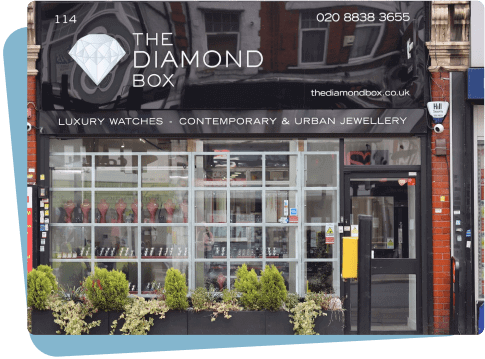
At The Diamond Box, we've built our reputation on these principles. We guarantee the authenticity of every watch we sell. Our collection spans vintage pieces through recent releases, offering options at various price points.
Whether you're a seasoned collector or considering your first luxury watch purchase, we provide the expertise and verification you need to buy confidently.
Explore our complete collection at The Diamond Box to see what's currently available.
The market is moving. The question is whether you'll participate in what industry experts predict will be one of the most significant shifts in luxury goods consumption over the next decade.
We think the opportunity deserves your attention.