





TL;DR: The luxury industry is undergoing a fundamental shift toward sustainability, driven by younger British consumers who prioritise ethical sourcing over brand heritage. Lab-grown diamonds now represent 40% of the UK market, consumers pay 9.7% more for sustainable luxury goods, and 71% of couples under 35 make sustainability a primary purchase criterion. Traditional luxury brands face a stark choice: rebuild supply chains around transparency and environmental responsibility, or lose market share to sustainability-native competitors.
Why luxury brands must embrace sustainability:
-
78% of British consumers consider ethical sourcing essential when buying jewellery
-
Sustainable luxury brands achieve 24% higher customer loyalty rates in the UK
-
Buyers under 40 now prioritise material ethics over brand prestige
-
UK regulations will mandate sustainable packaging by 2027, enforcing the shift legally
-
The European sustainable luxury market will reach $180 billion by 2034
We've been tracking something strange in the luxury market.
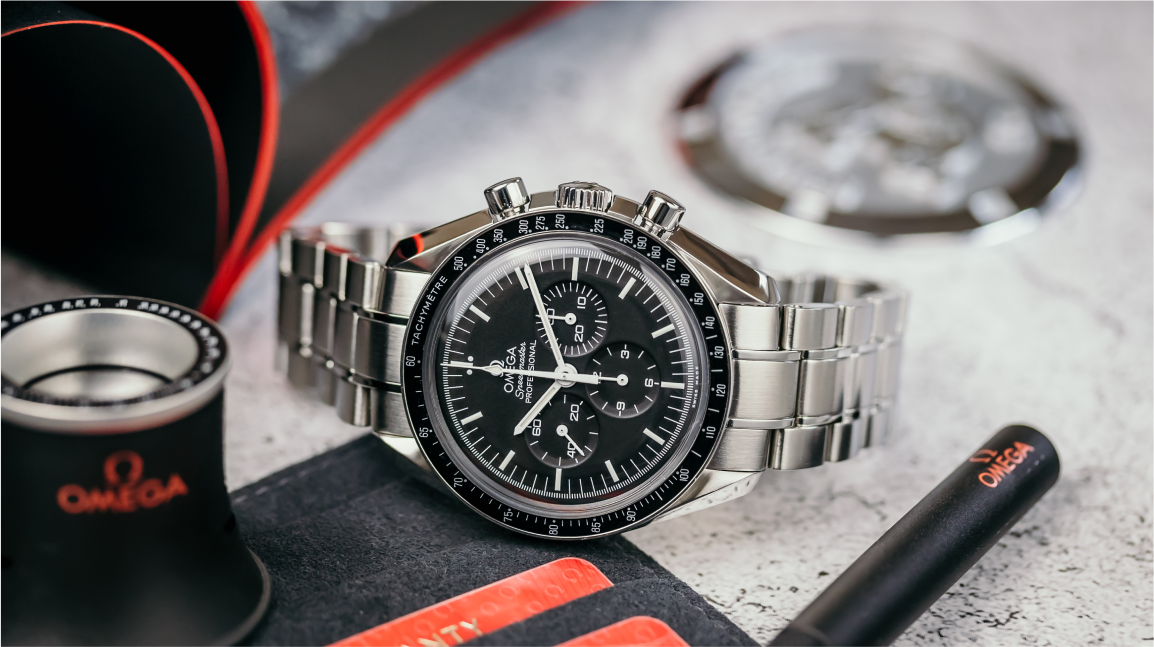
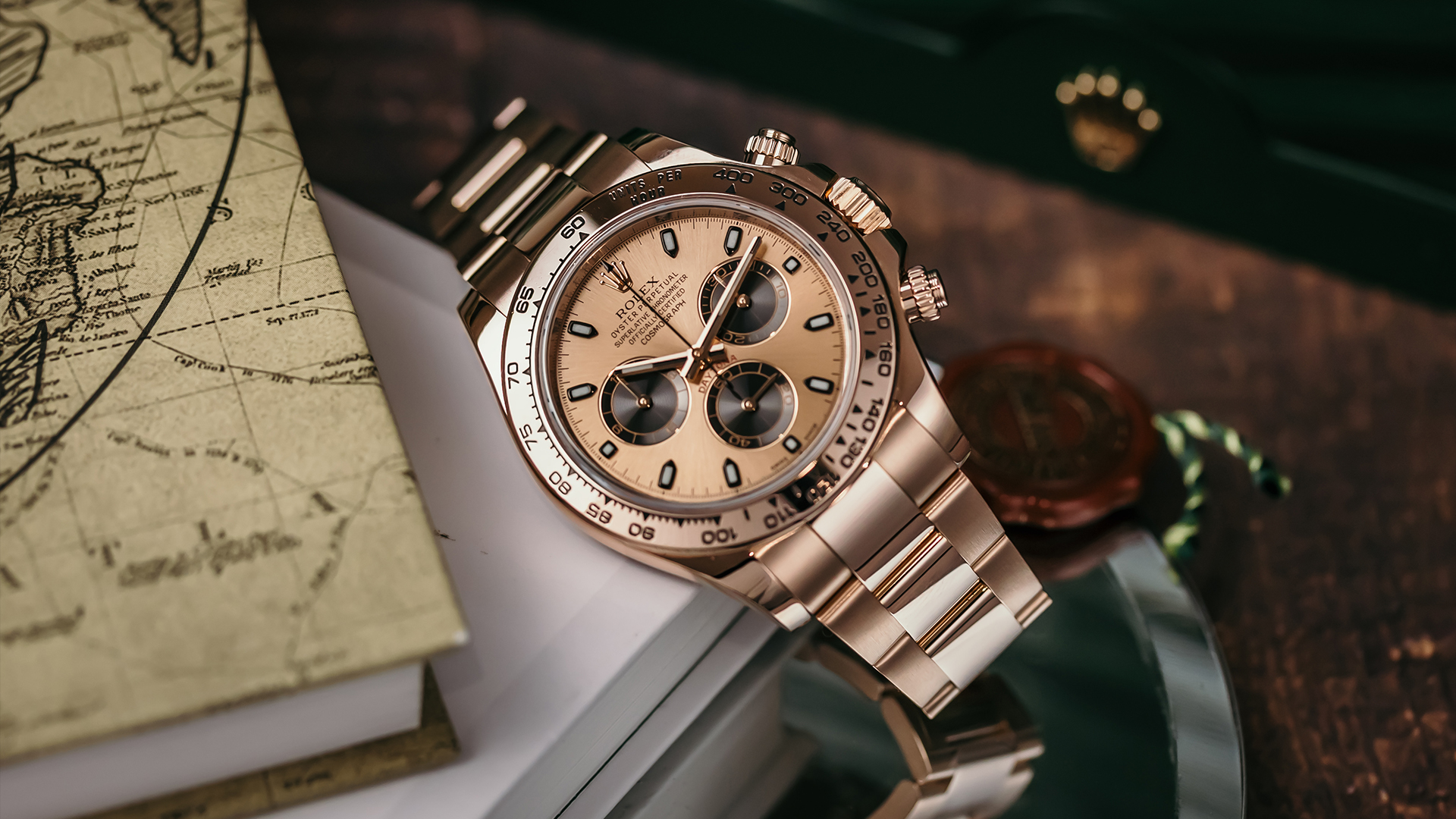
The same brands that built empires on exclusivity, tradition, and timeless craftsmanship are now racing to prove their environmental credentials. Rolex talks about ocean conservation. Panerai builds watches from 99% recycled materials. Omega makes straps from ocean plastic.
This isn't greenwashing theater. The numbers tell a different story.
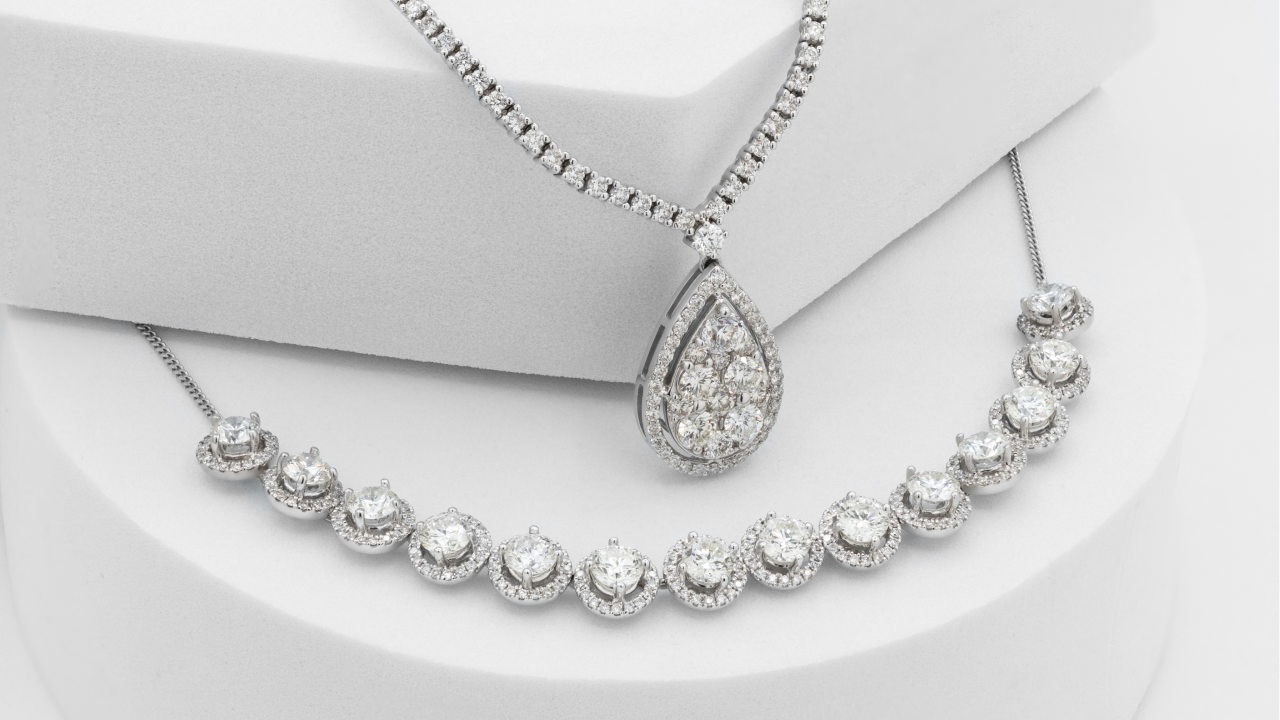
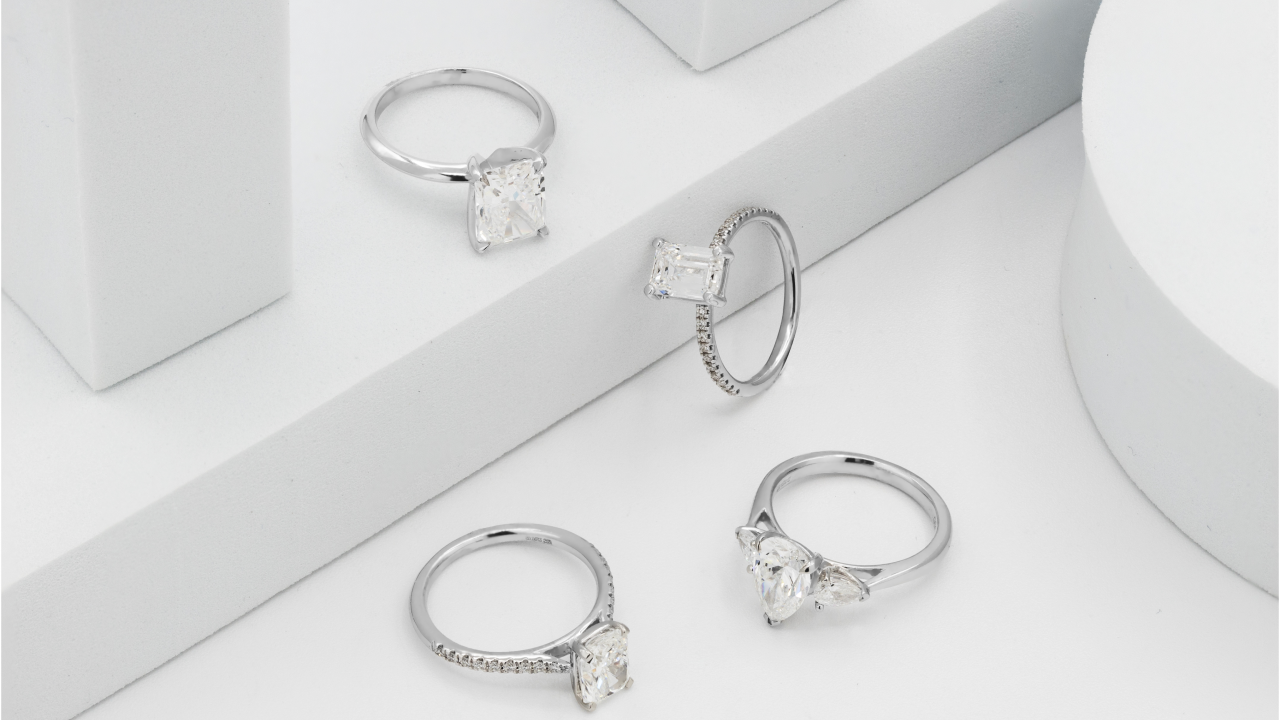
Lab-grown diamonds now represent 31% of engagement ring sales in the U.S., up from 8% in 2020. In the UK, adoption has been even more dramatic, with lab-grown stones now accounting for nearly 40% of the market. The lab-grown diamond market hit $12.8 billion globally in 2025. Meanwhile, 78% of British consumers consider ethical sourcing when buying jewellery, compared to 52% in 2020.
Something fundamental shifted. And most luxury brands are still pretending it's a passing trend.
Why Are Luxury Consumers Paying More for Sustainability?
Here's what we found digging into the research.
British consumers will pay an average of 9.7% more for sustainably produced goods. Four out of five UK consumers say they'll pay premium prices for products that meet environmental criteria. This includes locally sourced materials, recycled components, and lower carbon footprints in the supply chain.
Read that again.
Sustainability commands a premium in luxury. The industry spent decades arguing that environmental responsibility would hurt margins. The opposite happened.
Jewellery brands using recycled precious metals see 24% higher customer loyalty rates in the UK market. About 15% of new jewellery production now incorporates recycled gold and silver. Brands that embrace transparency don't just attract new customers. They create deeper relationships with existing ones.
The Luxury Jewellery Market sits at $51.87 billion in 2025 and projects to reach $109.9 billion by 2034. That's an 8.7% compound annual growth rate. The sustainable luxury goods market in Europe specifically will hit $180 billion by 2034, with the UK representing nearly 20% of that figure—growing at 8.5% annually.
Bottom line: Sustainability isn't cannibalizing luxury growth—it's the primary driver of it.
What Do Young Luxury Buyers Actually Prioritise?
We need to talk about the generational divide.
71% of British couples under 35 prioritise sustainability in their purchase decisions. Not as a nice-to-have. As a primary driver. These buyers grew up with climate awareness baked into their worldview. They don't see a conflict between luxury and ethics.
They expect both.
84% of UK consumers recognise the importance of diamond certification. 67% actively seek Fairmined or similar ethical certifications. 73% of luxury jewellery buyers in Britain request supply chain transparency information before purchase.
Transparency stopped being optional. It became the baseline expectation because younger buyers grew up with climate awareness as a core value, not an afterthought.
The watch industry shows the same pattern. Nearly half of watch brands now publish sustainability reports. 70% view the pre-owned market positively because it extends product lifecycles. Research from the sector indicates that sustainability is becoming more important than brand image for many watch buyers.
Think about that implication:
A Rolex or Patek Philippe built their value on heritage and prestige. Now British buyers under 40 care more about whether the materials came from ethical sources than the name on the dial. Even storied British brands like Bremont are finding that provenance matters less than proof of sustainability.
The shift: For buyers under 40, sustainability credentials now outweigh brand heritage in purchase decisions.
How Are Luxury Brands Responding to Sustainability Demands?
The Panerai Case Study
Panerai created the Submersible eLAB-ID from 98.6% recycled materials.
This isn't a concept watch or marketing stunt. It's a production timepiece that costs real money and delivers on the brand's performance standards. The case uses recycled titanium. The dial incorporates recycled copper. Even the strap comes from recycled materials.
Omega followed with the Seamaster Diver 300M line featuring ocean plastic components and recycled rubber straps. Rolex launched the "Perpetual Planet" initiative supporting environmental conservation projects worldwide and promoting ethical mining of precious metals. British brand Bremont has committed to carbon-neutral production by 2028, while Scottish jeweller Hamilton & Inches now sources exclusively from certified ethical suppliers.
These are the most prestigious names in horology. They're not experimenting with sustainability. They're rebuilding their supply chains around it.
Here's the uncomfortable question: Why did it take this long?
The technology existed. The consumer demand was building. The profit margins supported it. Yet the industry waited until younger buyers started walking away before taking action.
We watched luxury brands spend years insisting that traditional methods and materials were non-negotiable. Then the market spoke. And suddenly everything became negotiable.
Key insight: Luxury brands delayed action until younger buyers started walking away, despite having the technology, demand signals, and profit margins to act earlier.
Why Is There a Gap Between Sustainability Claims and Action?
The Executive Blind Spot
Deloitte research found that 64% of industry executives rank ethical sourcing of materials and human rights as the most important sustainability issue.
European consumers agree. They rank these same issues as top priorities alongside minimal, recycled packaging. The UK's incoming Extended Producer Responsibility regulations will make sustainable packaging mandatory, not optional, by 2027.
So why the disconnect in execution?
We see brands publishing sustainability reports while their supply chains remain opaque. We see marketing campaigns highlighting recycled materials whilst the majority of production still uses virgin resources. We see commitments to carbon neutrality by 2030 or 2040 without clear roadmaps to get there—particularly concerning given the UK's legally binding net-zero target for 2050.
The gap between stated values and actual practice keeps growing.
Part of the problem is measurement. Luxury brands excel at craftsmanship metrics. They can tell you the exact tolerances in a watch movement or the clarity grade of a diamond. But ask about the carbon footprint of their supply chain or the working conditions at their gold suppliers, and the answers get vague.
You can't manage what you don't measure.
The other part is incentive structure. Executives get rewarded for quarterly results and annual growth. Sustainability investments often take years to show returns. Therefore, the system punishes long-term thinking.
The measurement problem: Luxury brands can't manage sustainability because they don't measure it with the same rigor they apply to craftsmanship metrics.
What Happens When Ethical Credentials Outweigh Brand Heritage?
The real disruption isn't coming from established luxury houses.
New brands are launching with sustainability built into their DNA from day one. They're not retrofitting ethics onto existing business models. They're building entirely new models where transparency and environmental responsibility are features, not add-ons.
These brands attract younger British buyers who don't carry loyalty to heritage names. They compare certifications, research supply chains, and make purchasing decisions based on values alignment. The rise of UK-based sustainable luxury brands like Vashi and Monica Vinader demonstrates this shift perfectly.
Traditional luxury brands face a choice.
They can continue incremental changes and hope brand prestige carries them through the transition. Or they can acknowledge that the market fundamentally shifted and rebuild accordingly.
The data suggests waiting is expensive. Brands utilizing recycled materials see higher loyalty rates. Transparent supply chains drive customer acquisition. Sustainability credentials command premium pricing.
Every quarter spent hesitating is market share lost to competitors who moved faster.
The competitive threat: Sustainability-native brands attract younger buyers who prioritize values alignment over heritage loyalty, forcing traditional luxury houses to choose between incremental change or fundamental transformation.
What Is the Cost of Clinging to Tradition?
We understand the resistance.
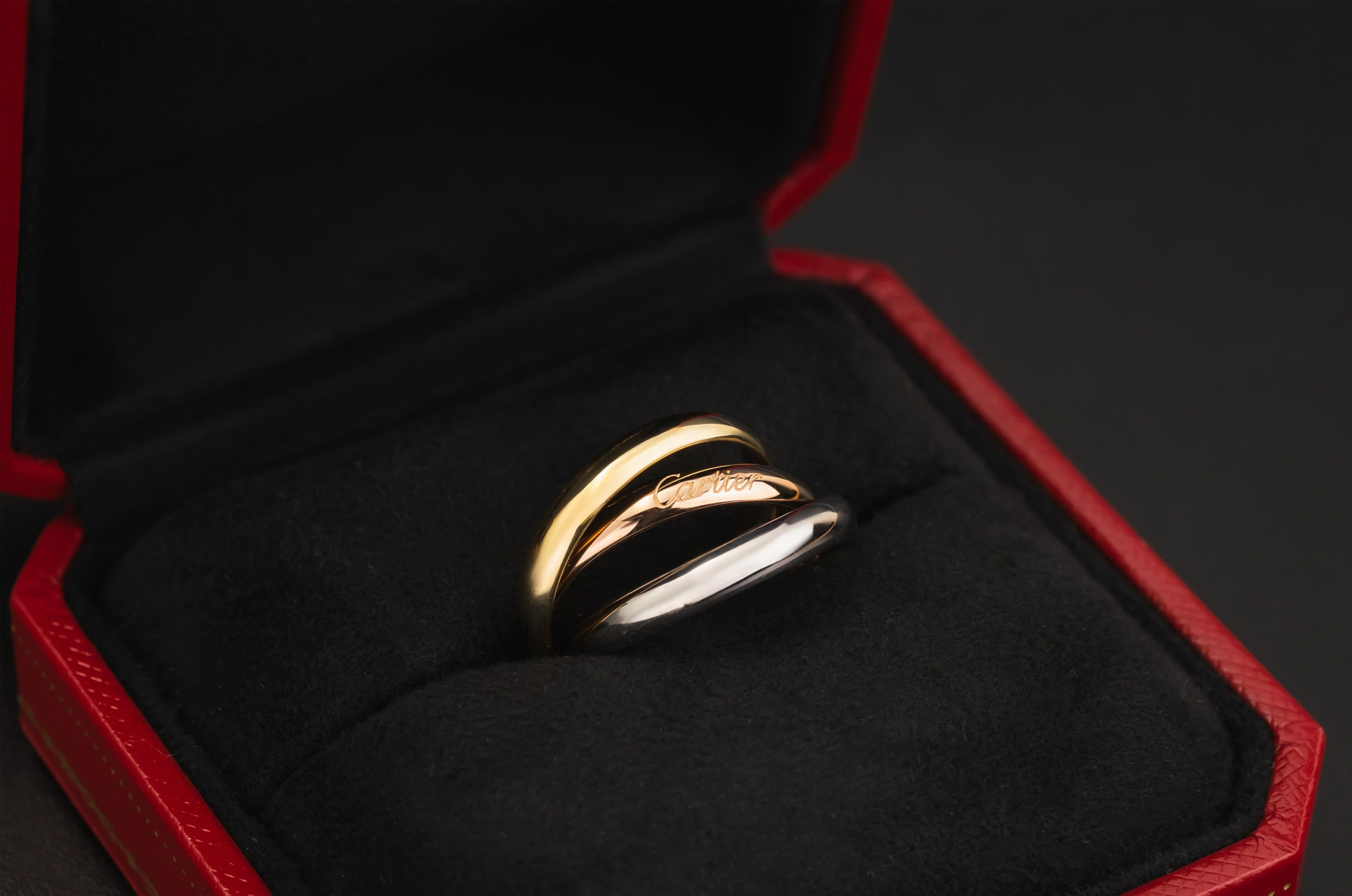
Luxury brands built their reputations on consistency. Rolex uses the same Oystersteel formula. Cartier maintains the same design language across decades. Tiffany's blue box hasn't changed in over a century.
Tradition provides comfort. It signals reliability. It justifies premium pricing.
But tradition becomes a liability when it prevents adaptation.
The watch industry almost died in the 1970s because Swiss manufacturers insisted mechanical movements were superior to quartz. They were right about craftsmanship. They were wrong about the market. Japanese brands nearly destroyed an entire sector before Swiss companies finally adapted. British watchmaking, which had dominated for centuries, never recovered from that complacency.
We're watching a similar pattern with sustainability.
Established brands insist that traditional sourcing and manufacturing are essential to luxury. Meanwhile, younger consumers demonstrate they'll pay more for ethical alternatives. The market is moving. The question is whether traditional luxury moves with it or gets left behind.
Historical parallel: Swiss watchmakers nearly destroyed their industry in the 1970s by refusing to adapt to quartz technology. British watchmaking never recovered from similar complacency.
Where Does the Luxury Sustainability Movement Go Next?
The trajectory is clear.
Sustainability will become table stakes in luxury. Brands without credible environmental and ethical credentials will struggle to attract buyers under 40. Transparency will shift from differentiator to baseline expectation. EU regulations on supply chain due diligence will enforce this shift legally across Europe, including the UK market.
The luxury market will bifurcate. One segment will serve older buyers who prioritize heritage and traditional craftsmanship. The other will serve younger buyers who demand sustainability alongside quality. Brands that successfully bridge both segments will dominate.
Technology will accelerate the transition. Blockchain enables supply chain transparency. AI optimizes material usage and reduces waste. Lab-grown alternatives improve in quality while dropping in price.
The economic incentives align. Sustainable practices reduce risk, improve margins, and increase customer lifetime value. Therefore, the business case gets stronger every quarter.
What's missing is leadership.
We need executives willing to make uncomfortable decisions. We need boards that reward long-term thinking over short-term results. We need industry associations that set meaningful standards instead of lowest-common-denominator guidelines.
The luxury industry has an opportunity to lead on sustainability. The brands that built empires on craftsmanship and quality can demonstrate that ethics and excellence aren't contradictory.
But that requires acknowledging an uncomfortable truth.
The old playbook stopped working. Consumer expectations changed. Market dynamics shifted. What built success in the past won't sustain it in the future.
The brands that recognize this reality and act accordingly will thrive. The ones that cling to tradition while the market moves will become cautionary tales.
We're watching to see which path luxury chooses.
Frequently Asked Questions About Luxury Sustainability
Is sustainable luxury actually more expensive to produce?
No. While initial investments in sustainable supply chains can be significant, the data shows sustainable practices improve margins over time. British consumers pay 9.7% more for sustainable goods, brands using recycled materials achieve 24% higher loyalty rates, and sustainable practices reduce long-term supply chain risks.
What percentage of UK consumers prioritise sustainability in luxury purchases?
78% of British consumers consider ethical sourcing essential when buying jewellery. Among couples under 35, this rises to 71% who make sustainability a primary purchase criterion. 84% of UK consumers recognize the importance of certification, and 73% request supply chain transparency before purchase.
How big is the lab-grown diamond market in the UK?
Lab-grown diamonds now represent nearly 40% of the UK engagement ring market, up from 8% in 2020. This is higher than the US adoption rate of 31%. The global lab-grown diamond market reached $12.8 billion in 2025.
Which luxury brands are leading on sustainability?
Panerai created the Submersible eLAB-ID from 98.6% recycled materials. Omega produces the Seamaster Diver 300M with ocean plastic components. Rolex launched the Perpetual Planet initiative for ethical mining. In the UK, Bremont committed to carbon-neutral production by 2028, whilst Hamilton & Inches sources exclusively from certified ethical suppliers. UK brands Vashi and Monica Vinader built sustainability into their core business models.
What regulations are forcing luxury brands to become more sustainable?
The UK's Extended Producer Responsibility regulations will make sustainable packaging mandatory by 2027. EU regulations on supply chain due diligence will enforce transparency across Europe, including the UK market. The UK also has legally binding net-zero targets for 2050.
Will the luxury market split between sustainable and traditional segments?
Yes. The market is bifurcating into two segments: one serving older buyers who prioritize heritage and traditional craftsmanship, and another serving younger buyers who demand sustainability alongside quality. Brands that successfully bridge both segments will dominate because they can capture the entire market lifecycle.
How are sustainability-native brands disrupting traditional luxury?
New brands like Vashi and Monica Vinader launch with sustainability built into their DNA from day one, rather than retrofitting ethics onto existing models. They attract younger British buyers who compare certifications and research supply chains instead of defaulting to heritage names. This forces traditional brands to compete on transparency and values, not just prestige.
What's the biggest barrier to luxury brands adopting sustainability?
Executive incentive structures. Leaders get rewarded for quarterly results and annual growth, whilst sustainability investments take years to show returns. This creates a measurement problem—brands excel at craftsmanship metrics but struggle to quantify carbon footprints or supply chain ethics with the same rigor.
Key Takeaways
-
The market has fundamentally shifted: 78% of British consumers prioritize ethical sourcing, and sustainability now commands a 9.7% price premium in luxury goods.
-
Younger buyers prioritize ethics over heritage: 71% of UK couples under 35 make sustainability a primary criterion, caring more about material ethics than brand prestige.
-
Sustainability drives loyalty and growth: Brands using recycled materials achieve 24% higher customer loyalty rates, and the European sustainable luxury market will reach $180 billion by 2034.
-
Traditional brands face an existential choice: Rebuild supply chains around transparency, or lose market share to sustainability-native competitors who attract values-driven younger buyers.
-
Regulations will enforce the shift: UK packaging regulations become mandatory by 2027, EU supply chain rules will require transparency, and net-zero targets create legal pressure.
-
The business case is proven: Sustainable practices reduce risk, improve margins, increase customer lifetime value, and enable premium pricing—making hesitation economically costly.
-
Leadership is the missing ingredient: The technology exists, consumer demand is clear, and profits support it—but executive incentive structures still punish the long-term thinking required for transformation.