




TL;DR
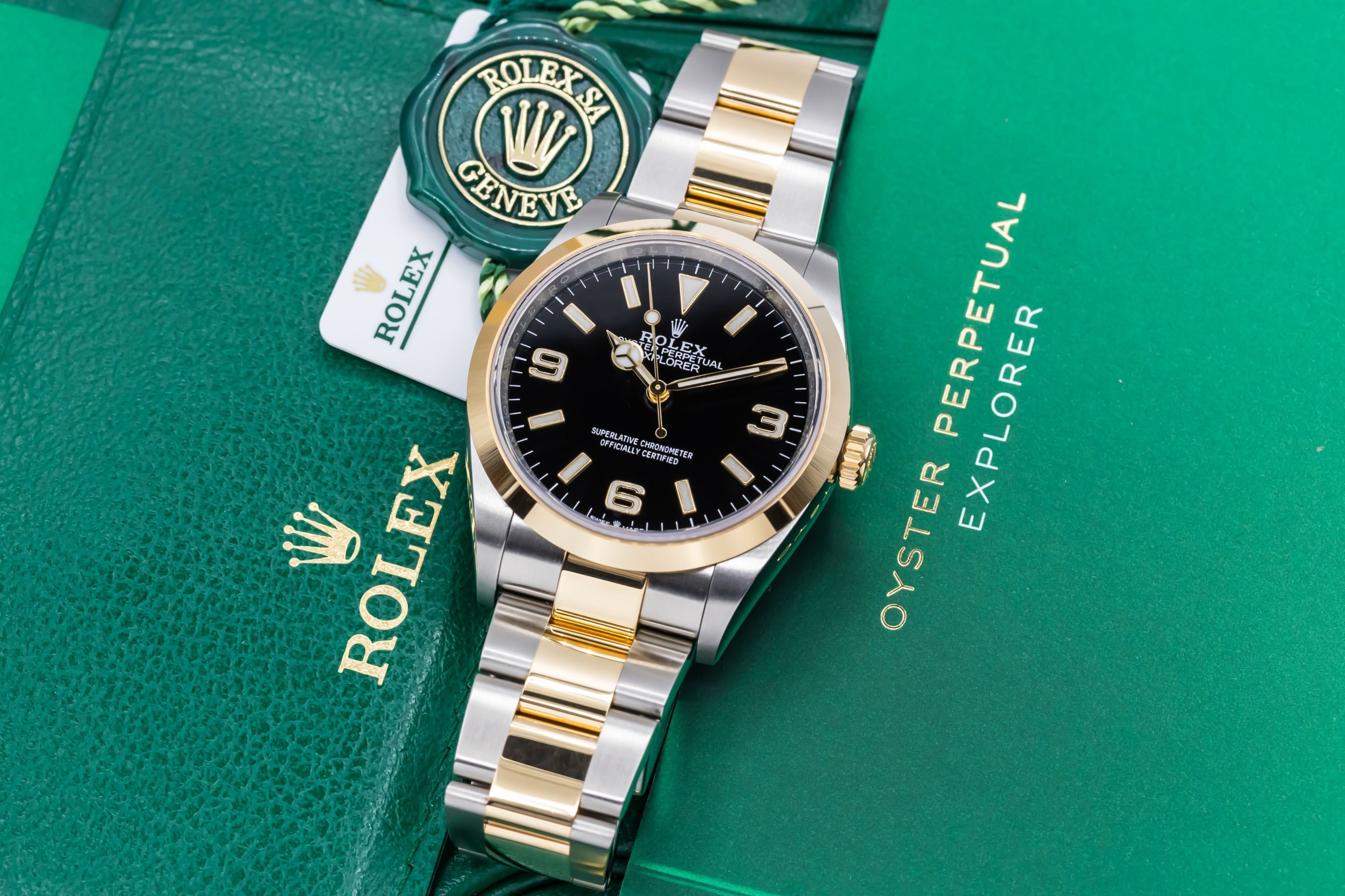
Rolex maintains a 6.7% premium above retail in 2026's secondary market. The brand achieved 555% price growth from 2010 to 2025, with top models like the Submariner appreciating 335% over fifteen years. Rolex's Certified Pre-Owned programme and controlled production support sustainable premiums, whilst the £18 billion secondary market continues expanding faster than primary sales.
Quick Answer:
-
Rolex watches trade at 6.7% above retail value in early 2026
-
Average Rolex prices grew from £1,500 (2010) to £9,800 (2025)
-
Steel sports models maintain 87% to 145% premiums over MSRP
-
The secondary market (£18bn annually) grows faster than primary sales (£36bn)
-
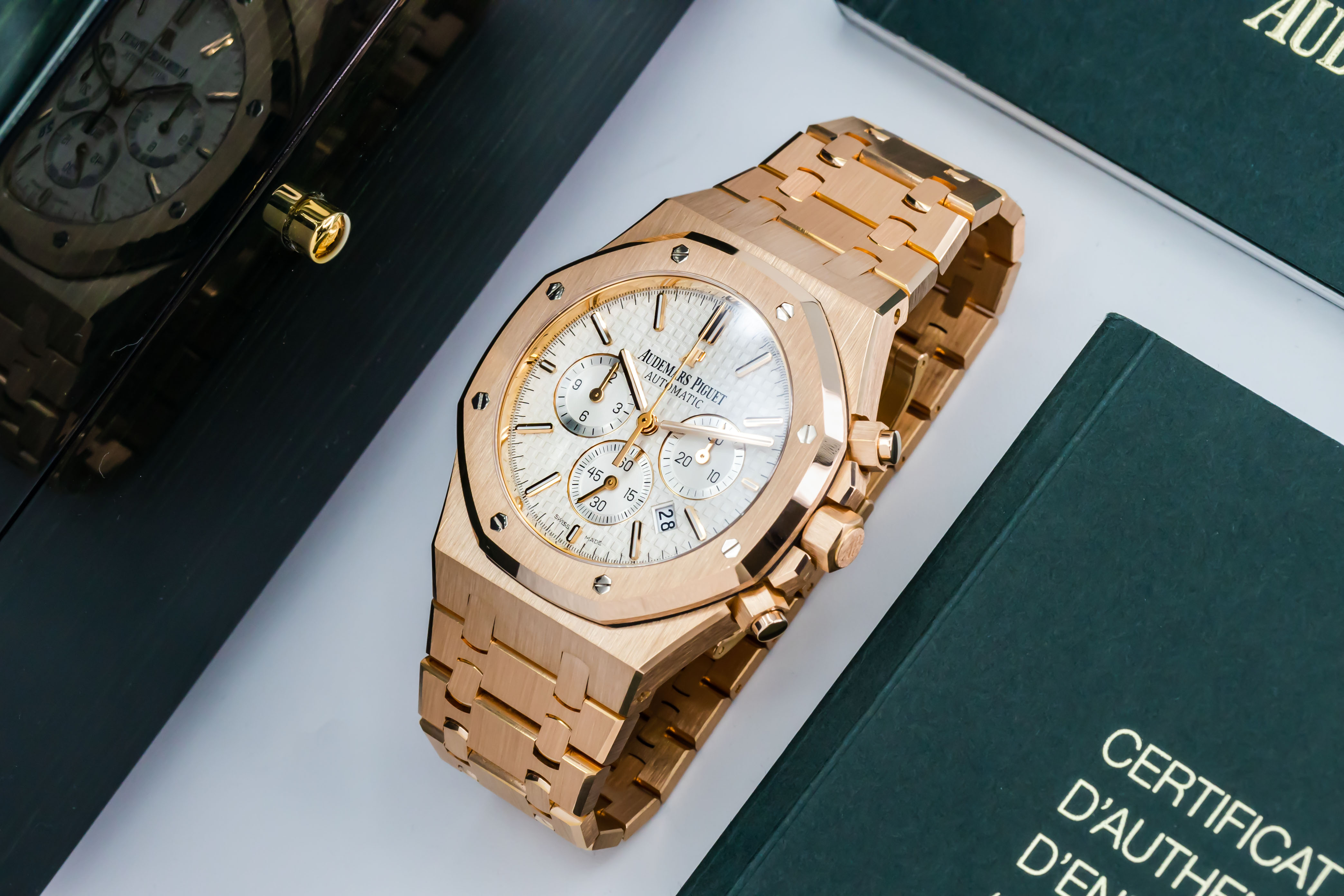
Value retention remains strongest for Rolex, Patek Philippe, and Audemars Piguet
Why Rolex Holds Value in 2026
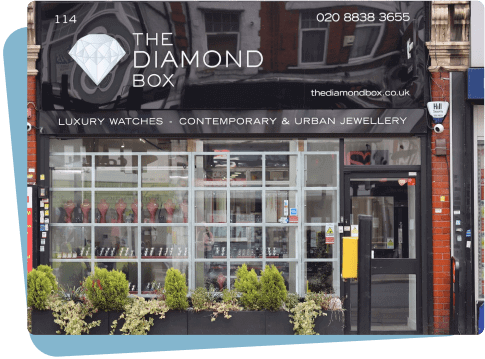
Here at The Diamond Box, we specialise in selling pre-loved Rolex watches. We've watched the luxury watch market recalibrate over eighteen months.
The fever pitch of 2021 and 2022 gave way to corrections in 2023 and 2024. Dealers adjusted. Buyers waited. The market found its footing.
We've had a front-row seat to this transformation. The data from our inventory and sales patterns tells a clear story.
Rolex holds a positive resale premium in 2026. Not the speculative, waitlist-driven premium from pandemic years. This is structural.
The Current State: Premium Above Retail
Early 2026 data indicates Rolex retains approximately +6.7% above retail value in the secondary market. The WatchCharts Rolex Market Index shows the top 30 models reaching £21,100 in value by January 9, 2026.
A Rebag resale report showed Rolex averaging 104% value retention in the 2025 resale market.
These aren't outlier figures. They represent consistent performance across the brand's core lineup. In our own inventory here at The Diamond Box, we're seeing pre-loved Rolex models maintain this premium consistently, particularly for steel sports references that continue to command attention from serious collectors and first-time luxury buyers alike.
The gap between retail and secondary pricing has narrowed dramatically. Rolex implemented strategic price increases in January 2026. Steel sports models rose approximately 4-5%. Precious metal references climbed 6-7%. This created the slimmest gap between new and pre-owned Rolex prices in the brand's history.
What we're seeing is retail prices rising faster than secondary market prices. The premium persists, but the arbitrage opportunity has compressed.
The Long View: Fifteen Years of Data
Bob's Watches released comprehensive sales data covering fifteen years of transactions. The numbers provide context that short-term analysis misses.
From July 2010 to June 2025, Rolex average prices surged 555%. The starting point was £1,500. The endpoint was £9,800.
Specific models tell the story more clearly:
-
Submariner 116610: 335% appreciation over fifteen years
-
GMT-Master II 16710: 303% gain over the same period
-
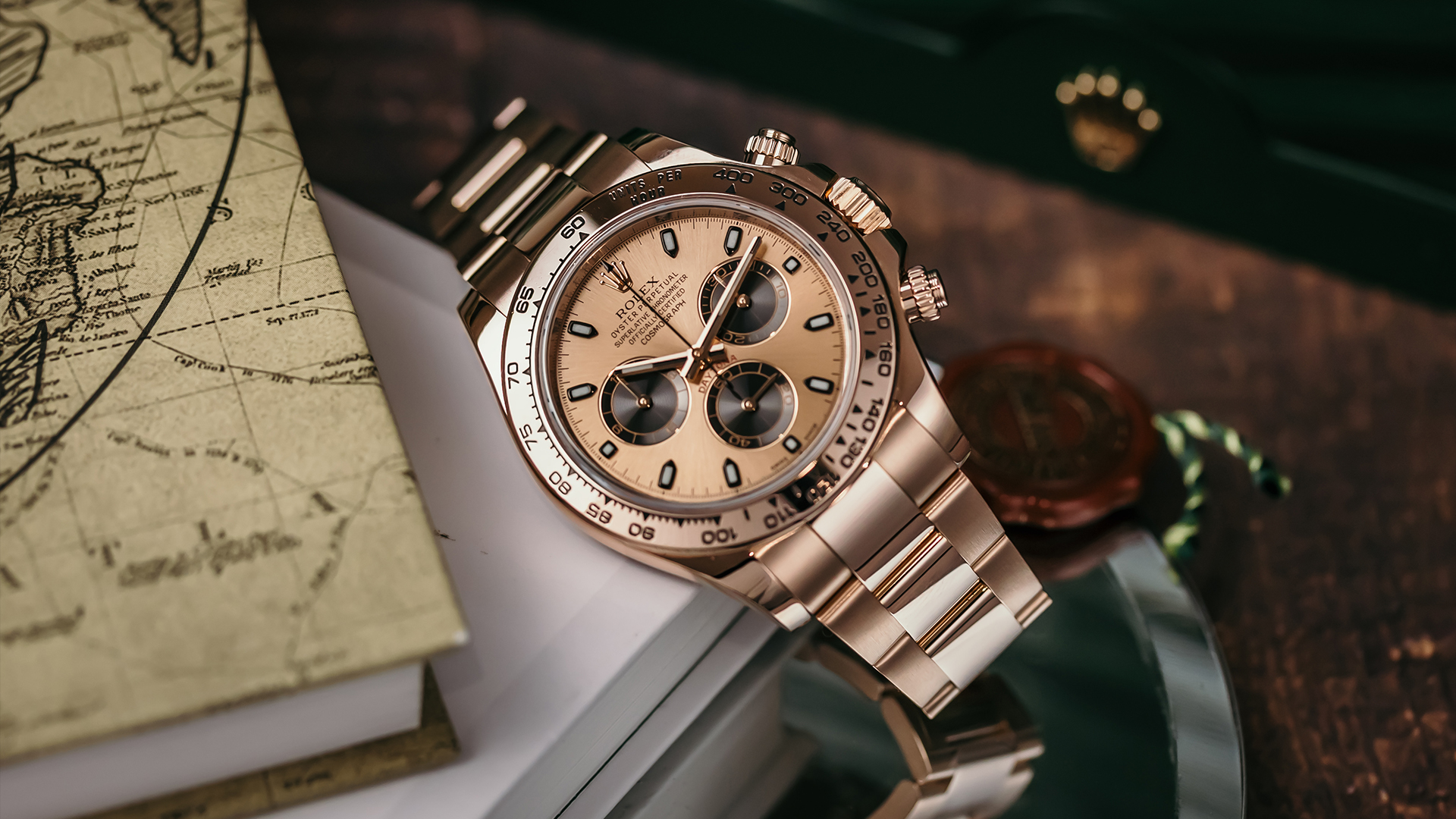
Cosmograph Daytona ref. 116500LN: Trading at 145% over MSRP
-
GMT-Master II ref. 126710BLRO: 118% over MSRP
-
Submariner ref. 126610LV: 87% over MSRP
These aren't pandemic-era anomalies. These are sustained premiums on current-production references.
The data shows something else. Rolex maintains the highest average value retention compared to almost all other luxury watch brands. This isn't about individual grail pieces. This is about the entire brand architecture holding value.
Market Segmentation: The Two-Tier Reality
The luxury watch market has split into distinct tiers. The upper tier including Rolex, Audemars Piguet, and Patek Philippe remains resilient. In some cases, these watches continue to appreciate.
Industry observers describe these timepieces as "quasi-financial assets." The wealthiest buyers aren't forced sellers. This creates stable value floors.
The mid-tier tells a different story. Brands without Rolex's distribution control or Patek's heritage face pressure. Supply exceeds demand. Premiums evaporate. Some models trade below retail.
What separates the tiers?
Production control. Rolex manufactures approximately one million watches annually. Demand exceeds supply for core sports models. This imbalance supports secondary market premiums.
Brand equity. Rolex invested decades building recognition beyond watch enthusiasts. The crown logo carries meaning in boardrooms and at beach clubs. This cultural penetration creates demand that transcends horological appreciation.
Liquidity. You can sell a Submariner in any major city within days. Try that with most other luxury watches. Liquidity itself becomes valuable.
The Certified Pre-Owned Shift
Rolex launched its Certified Pre-Owned programme, and the industry took notice. The secondary market is valued at approximately £18 billion annually according to LuxeConsult's Oliver Müller. The primary market sits at an estimated £36 billion.
Here at The Diamond Box, we've built our reputation on sourcing and authenticating pre-loved Rolex watches. For us, the CPO programme represents both validation and evolution of the secondary market we've operated in for years.
The secondary segment is growing faster. It could eventually overtake the primary market.
Rolex's CPO programme legitimises pre-owned watches. It provides warranty coverage. It establishes authentication standards. It brings grey market transactions into authorised dealer networks.
This move accomplishes several things simultaneously:
It captures revenue from secondary transactions that previously flowed entirely to third parties.
It stabilises pricing by providing transparent, authorised reference points.
It protects buyers from counterfeits and misrepresented condition.
It extends brand control beyond the initial sale into the watch's entire lifecycle.
Other manufacturers will follow. The question is whether they can replicate Rolex's execution.
What Drives Sustained Premiums?
The data points to several factors working in combination.
Scarcity remains real for specific models. Walk into an authorised dealer and ask for a steel Daytona. You'll join a waitlist. That waitlist might be years long. Secondary market premiums reflect the time value of immediate acquisition.
Retail price increases lag market dynamics. Rolex adjusts prices annually. The secondary market adjusts daily. When demand spikes, the secondary market responds immediately. Retail catches up slowly. This creates temporary arbitrage opportunities that become structural premiums.
The buyer profile has shifted. Watch collectors represent a fraction of Rolex buyers. Most purchasers want a luxury timepiece that holds value. They're buying an asset that happens to tell time. Value retention becomes a primary purchase criterion.
Investment diversification drives demand. High-net-worth individuals allocate capital across asset classes. Watches offer portability, enjoyment, and potential appreciation. A £11,000 Submariner represents a rounding error in a diversified portfolio. If it appreciates, great. If it holds value, fine. If it declines 10%, the owner still wore it for years.
The Correction That Wasn't
Many predicted a significant correction in Rolex secondary pricing. The logic seemed sound. Pandemic-era premiums were unsustainable. Demand would normalise. Prices would crash.
The correction happened, but it was measured. The WatchCharts index shows stabilisation rather than collapse. Prices found new equilibrium points above retail.
Why didn't the bottom fall out?
The demand wasn't purely speculative. Yes, some buyers were flipping watches for quick profits. But most were acquiring watches they wanted to own. When prices softened, these owners didn't panic sell. They kept wearing their watches.
The supply discipline held. Rolex didn't flood the market to capture short-term revenue. Production remained controlled. Distribution stayed selective.
The brand equity proved durable. Rolex's cultural position didn't erode when premiums compressed. The crown still meant something.
Looking Forward: Sustainable Premiums or Temporary Plateau?
The question we're examining is whether current premiums represent a new normal or a temporary pause before further correction.
The evidence suggests sustainability.
Rolex has demonstrated fifty years of value retention. The fifteen-year data shows consistent appreciation through multiple economic cycles. The brand has navigated the quartz crisis, the 2008 financial crisis, and the pandemic disruption.
The structural factors supporting premiums remain intact. Production is controlled. Distribution is selective. Brand equity is strong. Demand exceeds supply for core models.
The certified pre-owned programme adds a new stabilising force. Authorised dealers now participate in secondary pricing. This creates transparency and reduces volatility.
The risk factors deserve acknowledgment. Economic recession could pressure luxury spending. Changing consumer preferences could shift demand. Regulatory changes could impact cross-border transactions. These risks exist for all luxury goods.
But Rolex has weathered similar challenges before. The brand adapts without compromising its core positioning.
What This Means for Market Participants
If you're buying a Rolex as a daily wearer, the secondary market premium matters less than you think. You're paying for immediate access to a watch you'll own for years. The premium is the cost of not waiting.
Here at The Diamond Box, we help buyers navigate this exact decision every day. Our curated inventory of pre-loved Rolex watches provides immediate access to references that might have years-long waitlists at authorised dealers. For many of our clients, the ability to walk away with their desired Submariner, GMT-Master, or Daytona today justifies the premium over waiting indefinitely.
If you're buying as an investment, understand that you're buying a luxury good, not a security. Liquidity exists, but transaction costs are real. Condition matters. Documentation matters. Timing matters.
If you're selling, recognise that the market has professionalised. Buyers have access to pricing data. Authentication services are widely available. Condition standards are established. You're competing with authorised dealers offering certified pre-owned watches with warranties.
When you work with us at The Diamond Box, we ensure your timepiece is properly authenticated, accurately described, and positioned in front of serious buyers. We understand the nuances of condition, documentation, and pricing that maximise value for sellers whilst building buyer confidence. Our expertise in pre-loved Rolex watches means you're working with specialists who live and breathe this market.
If you're a dealer, the narrow gap between retail and secondary pricing compresses margins. Volume becomes more important. Authentication capability becomes a competitive advantage. Customer relationships become valuable assets.
The Bottom Line
Rolex maintains a positive resale premium in 2026. This premium is smaller than pandemic peaks but larger than historical norms. The data suggests this positioning is sustainable rather than temporary.
The brand has demonstrated consistent value retention over fifteen years. Current models trade above retail. The certified pre-owned programme stabilises pricing. The upper tier of the luxury watch market remains resilient.
We're watching a market mature. The speculation has faded. The fundamentals remain. Rolex continues to do what Rolex does: control production, maintain brand equity, and deliver watches that hold value.
The numbers tell the story. The rest is just commentary.