







Trust Just Became Luxury's New Currency
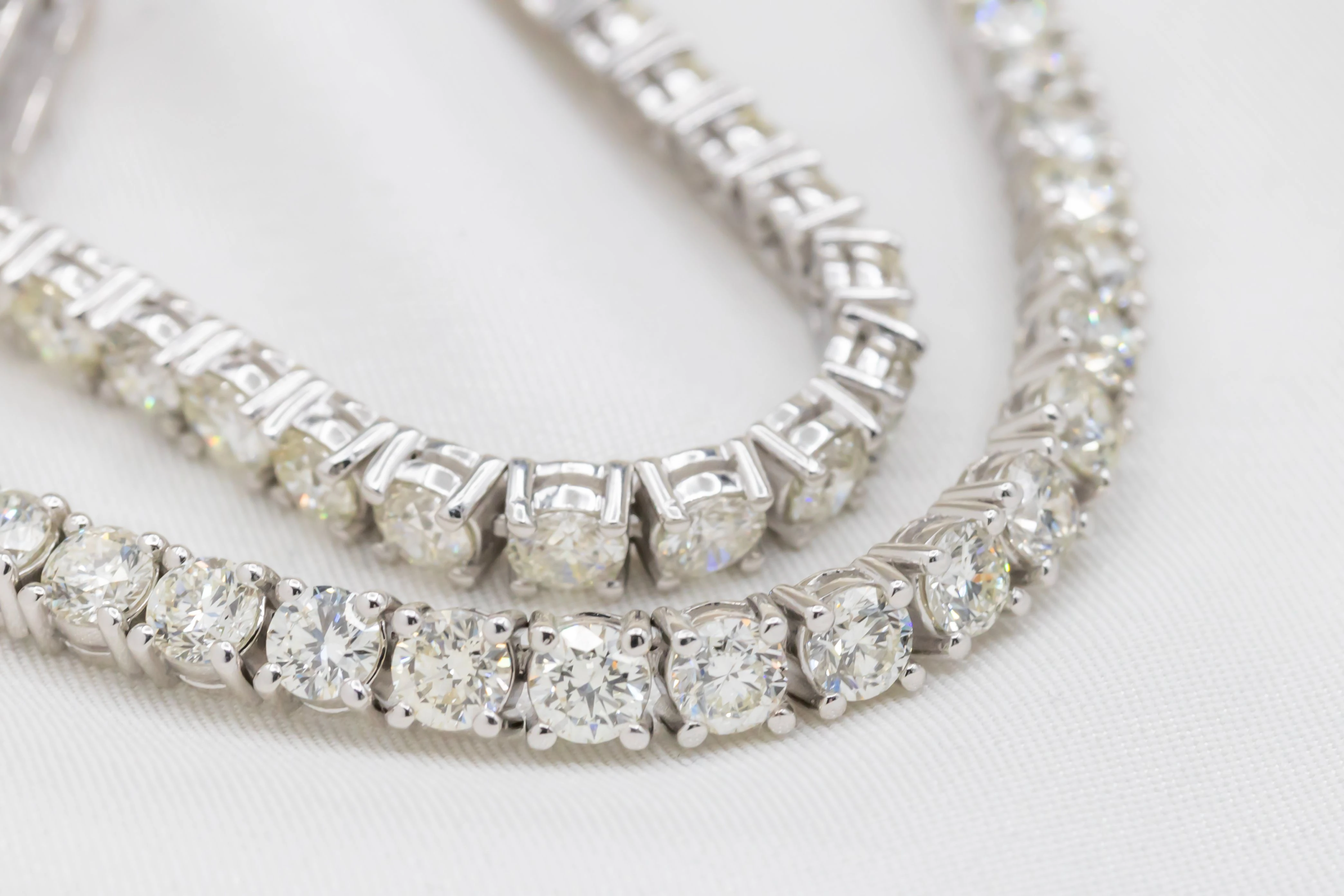
Trust became the new diamond.
We're watching luxury jewelry rewrite its fundamental rules. The Responsible Jewellery Council just launched something unprecedented: their first global retail campaign targeting consumers directly.
The Numbers Tell the Transformation Story
RJC membership exploded from 14 founding companies to over 2,000 across 74 countries. That's 14,200% growth in less than two decades.
But here's what really matters.
Consumer transparency demands jumped from 63% to 94% in just six years. Nearly every jewelry buyer now expects full supply chain visibility.
The #LoveResponsibleJewellery campaign represents industry acknowledgment of this shift. RJC isn't just promoting certification anymore. They're equipping retailers with communication tools to prove their sustainability commitments.
Why Now
Consumers willingly pay 9.7% premiums for sustainably sourced goods. Even during inflation concerns.
This creates a fascinating dynamic. Sustainability becomes a luxury differentiator rather than a cost center. Brands can charge more for doing better.
The campaign's timing reveals strategic thinking. RJC Chairman Dave Meleski states that transparency and ethical practices are "demanded" rather than optional. This language shift matters.
We're observing luxury's evolution from exclusivity based on scarcity to exclusivity based on values alignment.
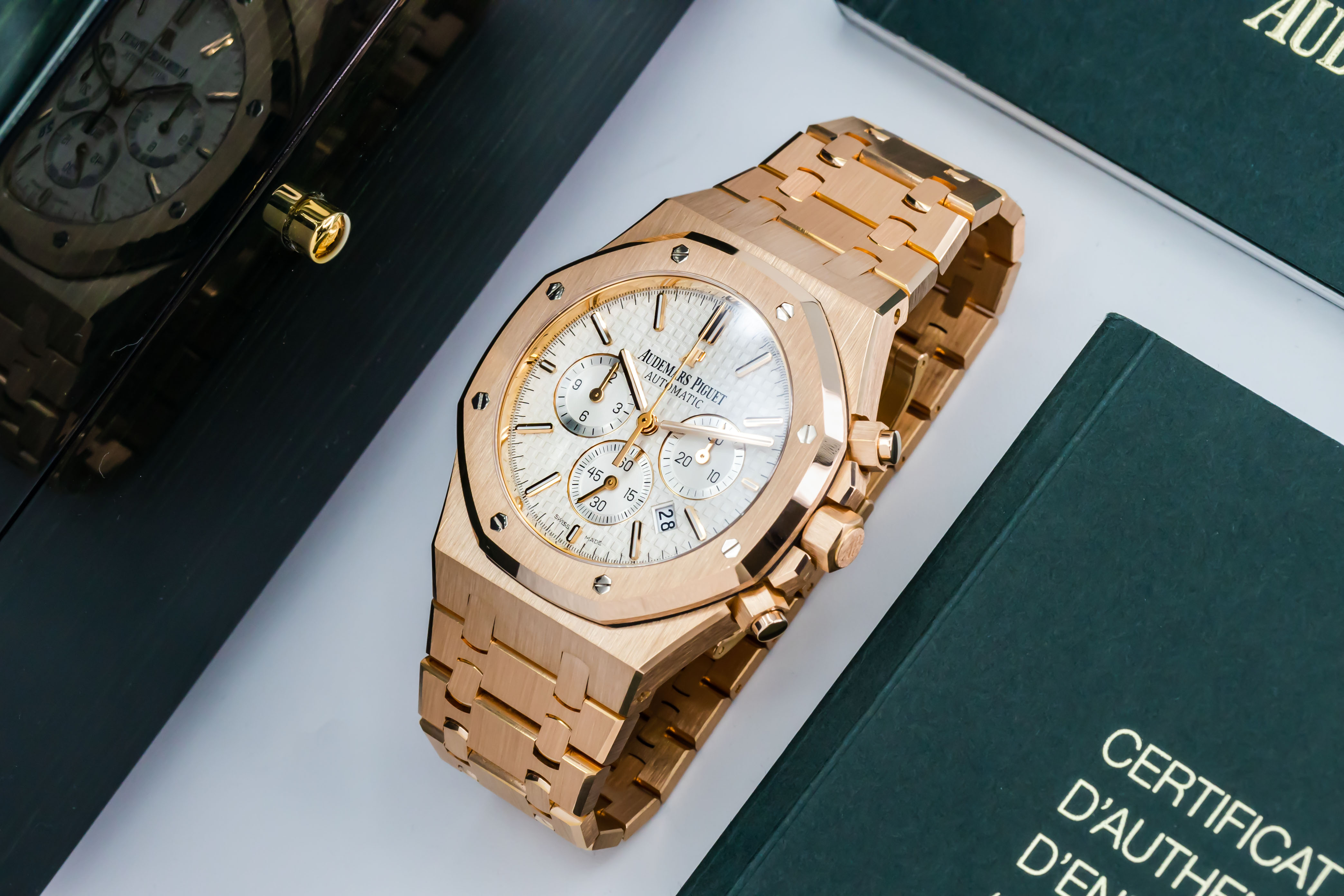
Pre-owned jewelry represents the purest expression of this shift. Every vintage piece carries verified provenance while eliminating new mining impact entirely. The circular luxury model transforms sustainability from future promise into present reality.
The Retail Transformation Begins With Education
RJC's communication kits help retailers articulate their sustainability stories. This addresses a critical gap between consumer demand and brand communication capabilities.
Many jewelry retailers struggled to translate technical certifications into compelling customer narratives. The campaign bridges this disconnect.
Consider the broader implications. When industry associations launch consumer-facing campaigns, they're acknowledging that business-to-business sustainability efforts aren't sufficient.
The market demands direct consumer engagement on ethical practices.
What Happens Next
Retailers embracing this transparency framework gain competitive advantages. Those resisting face increasing consumer skepticism.
We're witnessing the emergence of trust as measurable business currency. RJC certification becomes a proxy for brand reliability in an increasingly complex supply chain environment.
The jewelry industry's transparency revolution mirrors broader luxury market evolution. Sustainability transforms from compliance requirement to brand differentiation strategy.
The question becomes whether traditional luxury markers can compete with ethical credentials in winning consumer loyalty.
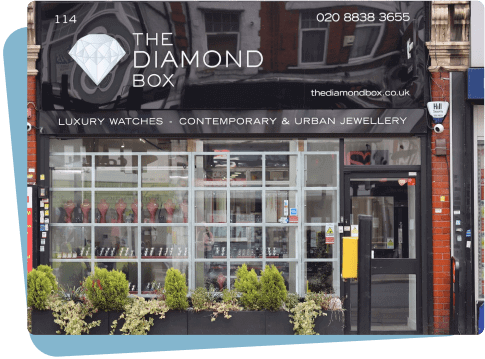
The Diamond Box
Visit us in store for great service and to see our amazing collection.
114 Ballards Lane, N3 2DN, London, United Kingdom 020 8838 3655