




The Ultimate Guide To Buying A Luxury Watch
Buying a luxury watch is not just about telling the time. It’s about owning something that combines history, craftsmanship, design, and style. A luxury watch is a statement piece, an investment, and in many cases, a family heirloom that can be passed down through generations. Whether you are looking for your very first luxury watch or adding another piece to your collection, making the right choice takes time, research, and understanding.
1. Understand Why You Want A Luxury Watch
Before buying, take a moment to ask yourself: why do I want a luxury watch? The answer will shape your choice. For some, it’s about style; for others, it’s about investment or a passion for horology—the art of timekeeping.
- Style and fashion: A luxury watch can be the final touch to your outfit, showing elegance and success.
- Investment: Certain brands and models increase in value over time, making them a smart financial choice.
- Heritage and craftsmanship: Luxury watches are built with incredible precision and attention to detail, often taking months to produce.
- Sentimental value: Many people buy luxury watches to celebrate milestones such as weddings, promotions, or anniversaries.
2. Learn About Watch Movements
One of the most important parts of a luxury watch is its movement, also known as the “caliber.” The movement is the engine that makes the watch tick.
- Quartz movement: Powered by a battery, quartz watches are accurate and low-maintenance, though they’re generally less prized in the luxury world compared to mechanical pieces.
- Mechanical movement: Powered by a mainspring that must be wound manually. Mechanical watches showcase traditional craftsmanship.
- Automatic movement: These are mechanical watches that wind themselves using the motion of your wrist. They combine tradition with convenience and are very popular among collectors.
For most people buying a luxury watch, automatic movements are the most attractive because they offer history, engineering, and practicality.
3. Know The Top Luxury Watch Brands
Luxury watches come from many famous houses, each with its own identity and strengths. Here are some of the most respected names:
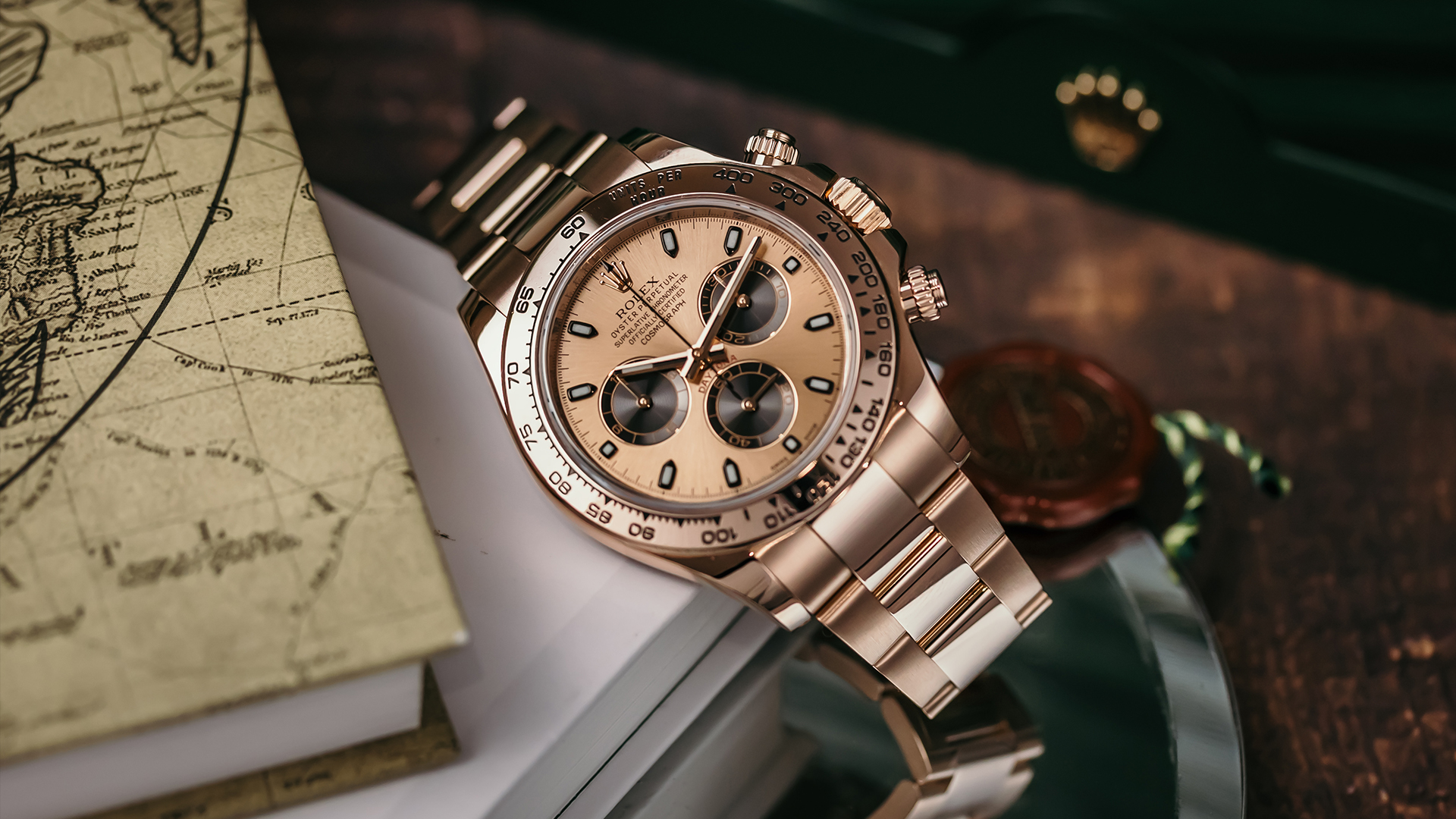
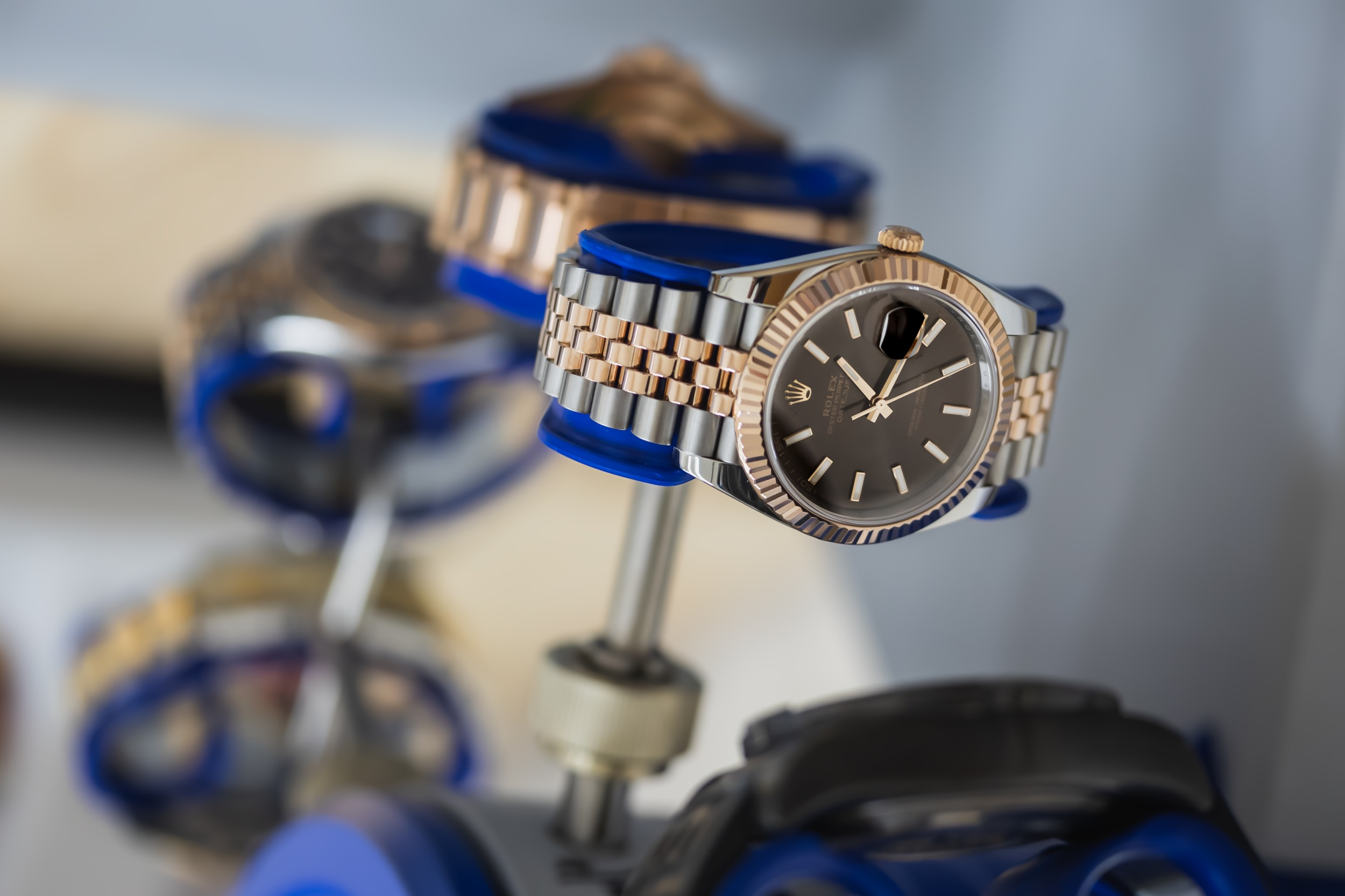
- Rolex: Perhaps the most famous luxury watch brand. Known for models like the Submariner, Daytona, and Datejust. Reliable, stylish, and often a good investment.
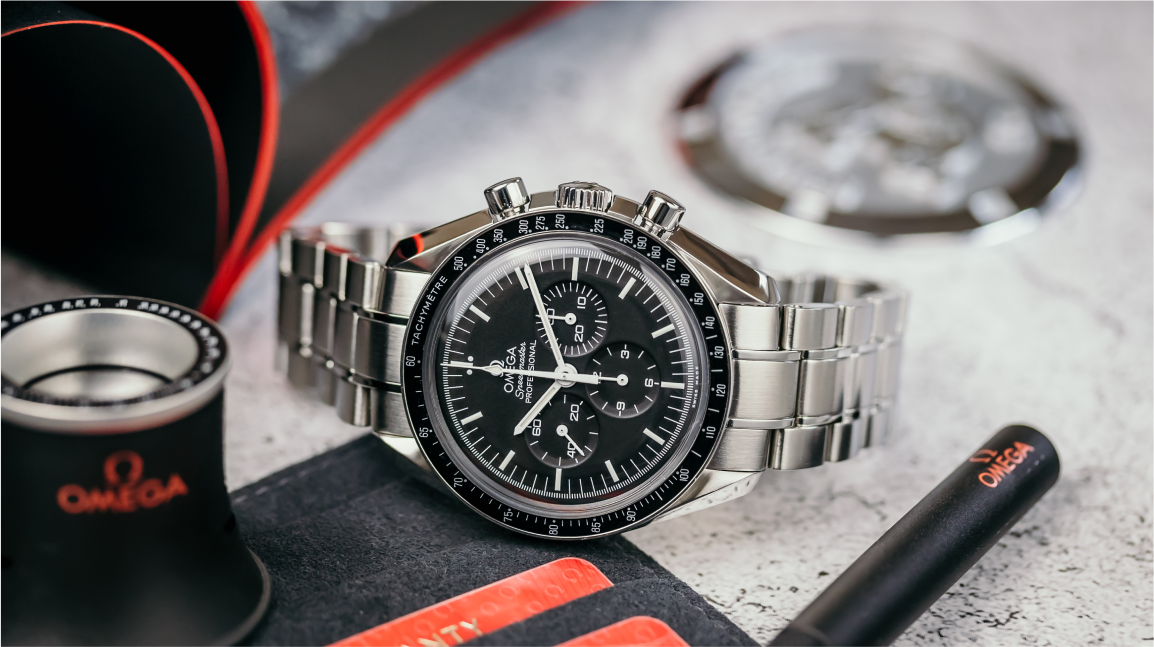
- Omega: Famous for the Speedmaster (the “Moonwatch”) and the Seamaster. Known for precision and durability.
- Patek Philippe: Considered one of the finest watchmakers in the world. Known for elegant dress watches and highly complicated models.
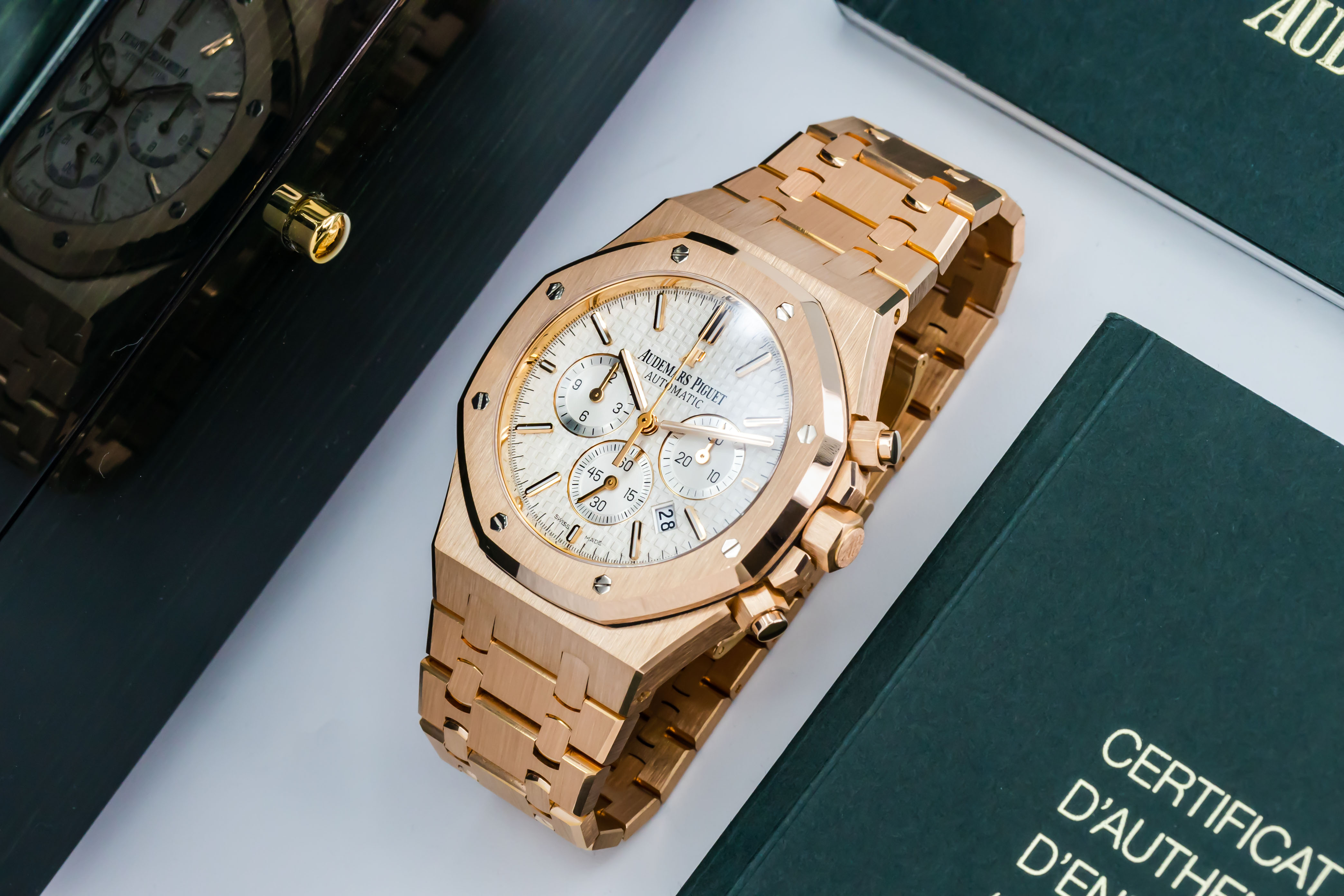
- Audemars Piguet: Known for the Royal Oak, a luxury sports watch with a unique design.
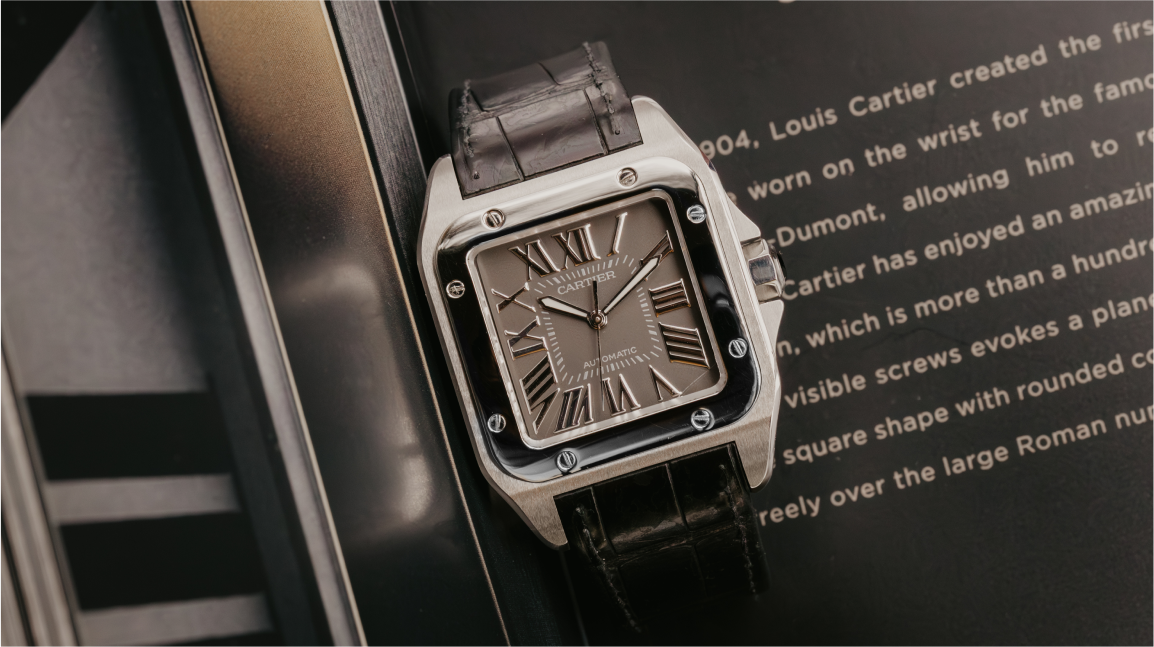
- Cartier: Famous for elegant designs such as the Tank and Santos, often seen as both jewelry and a watch.
- Tag Heuer: Known for sporty and racing-inspired watches. A good entry point into luxury watches.
- Jaeger-LeCoultre: A respected brand for innovation and complications.
- IWC Schaffhausen: Known for pilot and maritime watches, combining functionality with style.
4. Think About Your Lifestyle
The type of watch you choose should match your daily life.
- Professional and formal settings: A dress watch like the Patek Philippe Calatrava, Cartier Tank, or Rolex Datejust fits perfectly under a shirt cuff.
- Active lifestyle: A sports watch such as the Rolex Submariner, Omega Seamaster, or Audemars Piguet Royal Oak is durable and versatile.
- Travelers: Watches with dual-time or world-time functions, such as the Rolex GMT-Master II, are useful.
- Collectors: Complicated watches with moon phases, chronographs, or perpetual calendars add depth to a collection.
5. Set A Budget
Luxury watches can range from a few thousand dollars to hundreds of thousands. Setting a clear budget will help you focus.
- Entry-level luxury: Brands like Tag Heuer, Longines, and some Omega models start around $2,000–$5,000.
- Mid-range: Rolex, Omega, and IWC fall into the $5,000–$15,000 range.
- High-end: Patek Philippe, Audemars Piguet, and Vacheron Constantin can range from $20,000 upwards.
6. New Vs. Pre-Owned
Another big decision is whether to buy new or pre-owned.
- Buying new: You get the watch in perfect condition, with a full warranty, and the excitement of being the first owner. However, luxury watches often depreciate the moment they are purchased (except for rare or highly demanded models).
- Buying pre-owned: You can often find better deals, discontinued models, and even watches that may increase in value. The downside is the risk of fakes or poorly maintained pieces.
7. Materials And Design
The material of a luxury watch affects its look, weight, and price.
- Stainless steel: Durable, versatile, and more affordable. Popular in sports watches.
- Gold (yellow, white, or rose): Classic and luxurious, but heavier and more expensive.
- Platinum: Rare, heavy, and extremely valuable.
- Titanium: Lightweight and strong, great for modern sports watches.
- Ceramic: Scratch-resistant and modern-looking.
Also, consider the watch face (dial), size, and strap. A black dial might be more versatile, while a blue or green dial stands out. Straps can be metal bracelets, leather, rubber, or fabric.
8. Understanding Complications
In watchmaking, a “complication” is any feature beyond telling the time. Popular complications include:
- Chronograph: A stopwatch function.
- Date display: Simple but useful.
- Dual time / GMT: Shows multiple time zones.
- Moon phase: A decorative display of the moon’s cycle.
- Perpetual calendar: Automatically adjusts for months and leap years.
Complications add character but can also raise the price. Decide if you want simplicity or advanced features.
9. Resale And Investment Value
Not all watches increase in value, but some do. Rolex and Patek Philippe, for example, often hold or grow in price over time due to demand and limited supply.
When buying as an investment:
- Choose popular models with strong demand.
- Limited editions and discontinued models usually gain value.
- Keep all original boxes, papers, and receipts, as they increase resale value.
10. Comfort And Fit
No matter how beautiful the watch, if it doesn’t feel comfortable on your wrist, you won’t wear it often.
- Try different case sizes (measured in millimeters). Most men’s watches are 36–44mm. Women’s watches are often smaller, though many now prefer larger cases too.
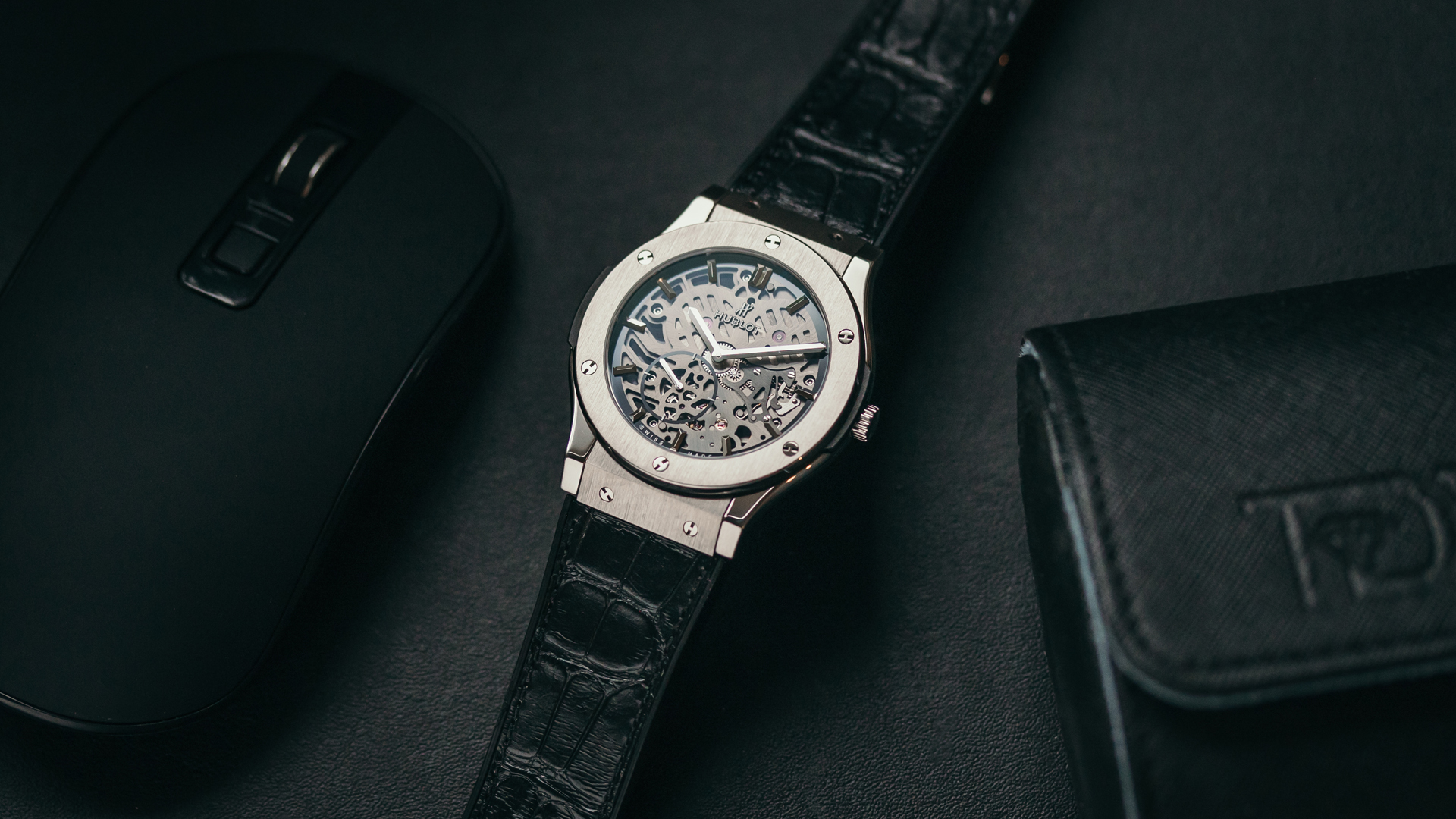
- Check the thickness—slimmer watches fit better under a suit cuff.
- Test the strap or bracelet to see if it feels right for your wrist.
11. Care And Maintenance
Luxury watches are built to last, but they need care.
- Service your watch every 3–5 years at an authorized service center.
- Avoid exposing mechanical watches to strong magnets (can affect accuracy).
- Keep it clean with a soft cloth.
- Store in a watch box or safe when not in use.
- For automatic watches, consider using a watch winder if you don’t wear it often.
Proper care ensures your watch stays in top condition for decades.
12. Vintage Watches
Vintage watches have a charm of their own. They carry history, unique designs, and sometimes even increase in value. However, buying vintage requires more research because of potential issues like replacement parts, condition, or authenticity.
If you are new to collecting, it might be better to start with modern pieces before moving to vintage.
13. Trust Your Taste
At the end of the day, the most important factor is your personal connection to the watch. You may hear opinions about which brand is “best,” but the right luxury watch is the one that speaks to you. When you look at it on your wrist and feel proud, you know you’ve made the right choice.
Conclusion
Buying a luxury watch is a journey that blends passion, knowledge, and style. From understanding why you want one, learning about movements, exploring brands, setting a budget, and considering lifestyle, every step brings you closer to finding your perfect timepiece.
A luxury watch is more than an accessory—it is a story you wear on your wrist. With the right research and care, your watch will not only mark time but also mark moments in your life.
Take your time, trust your instincts, and enjoy the process. After all, a luxury watch is not just about owning time—it’s about owning something timeless.