




TL;DR: Pre-owned luxury watches cost 30-50% less than retail, but ownership involves more than the purchase price. Service costs run £120-£2,000 every 4-5 years. Condition, documentation, and authentication quality create significant value differences. Most watches don't appreciate. Buy for what you'll wear and enjoy, not investment returns.
Quick Answer
-
Pre-owned watches avoid the 40% first-year depreciation hit that new watches take
-
Authentication requires 30-point inspections because counterfeits have become sophisticated
-
Regular servicing every 4-5 years costs £120-£2,000 depending on complexity
-
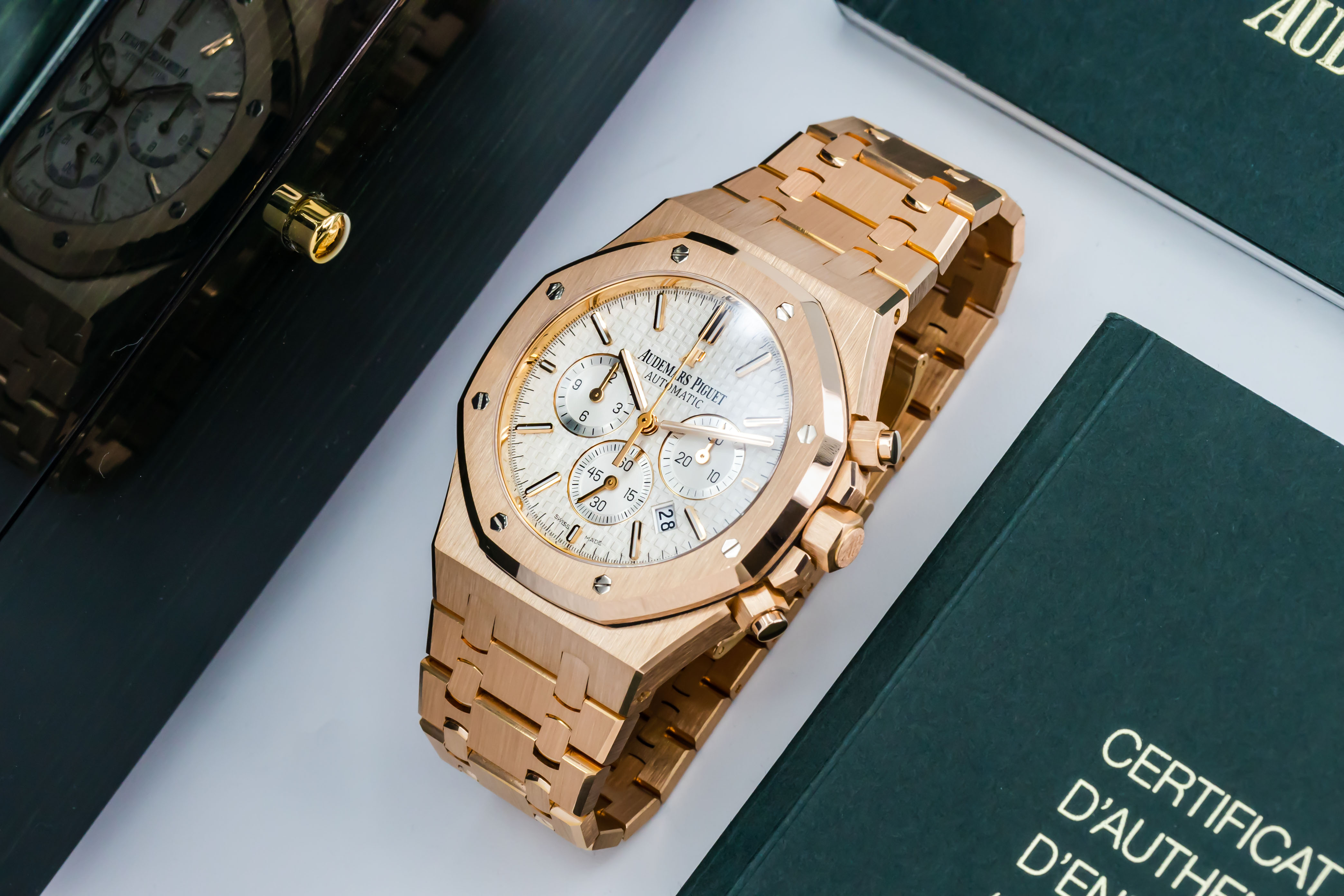
Complete documentation (box and papers) adds 10-20% to resale value
-
Only specific models from brands like Rolex, Patek Philippe, and Audemars Piguet tend to appreciate
The pre-owned luxury watch market reached £21 billion in 2024 and continues growing towards £34 billion by 2031. Over 60% of buyers under 35 now prefer pre-owned over new. They're not settling for less. They're choosing a different path, often after more careful thought.
There's a gap, though, between wanting a luxury watch and understanding what comes with it. Not the glamorous parts. The practical ones. The costs that arrive years after purchase. The differences between authentication processes. The reality of what holds value and what doesn't.
These details shape whether you'll feel good about your decision five years from now.
Why Pre-Owned Costs Less (And What That Actually Means)
Pre-owned watches typically cost 30-50% less than retail. But the discount isn't the interesting part. What matters is why the discount exists and what it means for you.
When you buy new, the watch loses close to 40% of its value in the first year. You're paying for being first. For the pristine presentation. For a particular type of certainty. The moment you leave the store, market value drops sharply.
With pre-owned, that depreciation already happened. You're entering at a more stable point. The price reflects what the watch is worth in the market, not what retail positioning demands. You're not funding the showroom or the brand experience. You're paying for the object itself.
This creates something useful: breathing room. When you're not carrying the newness premium, the decision shifts. Less about justifying expense. More about whether this specific watch fits your life.
When you buy new, you're paying for something that loses a significant portion of its value the moment you walk out of the store. Most luxury watches drop nearly 40% in the first year. You're not paying for the watch alone — you're paying for the experience of being first, for the pristine box, for that particular kind of certainty.
With pre-owned, that initial depreciation has already happened. You're entering at a more stable point in the watch's value curve. The price you pay is closer to what the watch is actually worth in the market, not what the retail environment demands.
Key point: Pre-owned pricing removes the retail markup and first-year depreciation, letting you focus on whether the watch suits you rather than whether you've spent the discount.
What Goes Into Authentication
Authentication has gotten more involved because counterfeits have improved. We're past obvious fakes. Some replicas now approach authentic quality in ways that make casual inspection unreliable.
Reputable dealers use 30-point inspection systems covering movement authenticity, dial quality, case construction, and serial verification. That's not paranoia. That's responding to what's actually showing up in the market.
Reputable dealers now use 30-point inspection systems covering movement authenticity, dial quality, case construction, and serial number verification. That's not excessive caution — that's responding to real market conditions.
The source matters more than it used to. You're not buying a watch alone. You're buying the inspection process behind it. The expertise that authenticated it. The accountability if something turns out wrong later. A certified pre-owned program isn't paperwork. It's access to knowledge and equipment you don't have.
When you're looking at a pre-owned piece, ask about the inspection process. What do they check? How do they verify authenticity? What happens if an issue appears six months from now? These aren't suspicious questions. They're responsible ones.
Key point: Authentication quality varies widely between sellers. The inspection process and seller accountability matter as much as the watch itself.
When you're considering a pre-owned purchase, ask about the specific inspection process. What do they check? How do they verify authenticity? What happens if an issue appears later? These questions aren't skepticism — they're due diligence.
The Service Reality You Need to Plan For
This is where buyers often underestimate what ownership actually costs over time.
Mechanical watches need servicing every 4-5 years. Not as a suggestion. As a requirement for the piece to keep working properly. That interval gets shorter if you wear it daily, expose it to water, or put it through physical activity.
Service costs range dramatically. A simple luxury mechanical watch runs £120-200. Multi-complication pieces hit £1,200-2,000. An Omega automatic service costs around £560-640. Rolex services for complex models start near £630.
Over ten years of ownership, servicing can equal or exceed what you saved buying pre-owned instead of new.
The purchase price is only part of the total. A watch that costs £4,000 pre-owned but needs £1,600 in service every five years has a different ownership cost than a £5,600 watch that costs £400 to service. The maths changes the decision.
When you're evaluating options, ask when the watch was last serviced and what that service included. A watch due for service soon isn't necessarily wrong for you. But you should know that cost is coming and factor it into your thinking.
Key point: The purchase price is the beginning. Service costs every few years become part of what you're committing to when you buy.
These aren't minor expenses. Over a decade of ownership, servicing costs can equal or exceed what you saved buying pre-owned instead of new.
Why does this matter before you buy?
Because the purchase price is only part of the equation. A watch that costs £4,000 pre-owned but needs £1,600 in service every five years has a different total cost of ownership than a £5,600 watch that costs £400 to service.
When you're evaluating options, ask when the watch was last serviced and what that service included. A watch that's due for service soon isn't necessarily a bad choice — but you should know that cost is coming and factor it into your decision.
How Condition Creates Value Differences
Two identical watches from the same year differ in value by 30-50% based purely on condition. That's not a minor margin. That's the gap between a sound purchase and an expensive misstep.
Condition assessment includes case wear, crystal clarity, dial aging, bracelet stretch, and crown function. Some wear is expected and even valued. It shows the watch has been worn, lived with. But there's a line between honest wear and neglect.
Polishing matters more than you'd think. Many watches get polished during service to remove scratches. Sounds positive. But aggressive or repeated polishing removes metal and changes the watch's original lines. For anyone who cares about originality, over-polished cases reduce value noticeably.
When you're examining a pre-owned watch, use good lighting. Look at the case edges. They should be crisp, not rounded. Check the dial for moisture spots or colour shifts. Ask about service history and whether it's been polished.
You're not looking for perfection. You're looking for honest condition that matches what you're being told and what you're paying.
Key point: Condition assessment requires more than glancing at photos. Case integrity, dial condition, and polishing history all affect both value and authenticity.
Many watches get polished during service to remove scratches. That sounds positive, but aggressive or repeated polishing removes metal and can alter the watch's original lines. For collectors, over-polished cases reduce value significantly.
When you're looking at a pre-owned watch, examine it in good lighting. Look at the case edges — they should be crisp, not rounded. Check the dial for moisture spots or discolouration. Ask about the watch's service history and whether it's been polished.
You're not looking for perfection. You're looking for honest condition that matches what you're being told and what you're paying.
Why Documentation Affects Future Value
Box and papers (the original packaging and warranty documentation) affect resale value significantly. Not because the box makes the watch work better. Because it provides provenance and confidence for the next buyer.
A watch with complete documentation typically sells for 10-20% more than the same watch without it. That gap widens for brands and models where authenticity concerns run higher.
If you're buying without papers, understand why they're missing and what that means for verification. Sometimes papers get lost over years. That's normal. But missing documentation should come with a price adjustment that reflects it.
Should you avoid watches without papers? Not necessarily. You should pay a price that reflects the documentation status. And understand you're accepting slightly more verification responsibility and potentially lower resale value later.
Key point: Complete documentation adds 10-20% to resale value. Missing papers aren't disqualifying, but they should be reflected in what you pay.
Does this mean you shouldn't buy a watch without papers?
Not necessarily. It means you should pay a price that reflects the documentation status and understand that you're accepting slightly more verification responsibility and potentially lower resale value down the line.
The Investment Question and Market Reality
This is where expectations and reality often separate.
Recent data shows 54% of pre-owned watch buyers now consider value retention or appreciation a primary motivation. Understandable. Luxury watches feel like they should hold value, maybe grow it.
The reality is more textured. Most luxury watches depreciate after purchase, especially modern models without particular scarcity or historical weight. Only certain pieces from specific brands (primarily Rolex, Patek Philippe, and Audemars Piguet) consistently appreciate, and even then, only particular models.
Rolex shows roughly 6.3% average annual appreciation over long periods. But that's an average across all models and conditions. Individual results vary dramatically based on model, condition, documentation, and when you buy or sell.
If you're buying primarily as an investment, you're entering specialized territory that needs significant research and market knowledge. Most buyers are better served thinking about value retention rather than appreciation. Buying pieces that hold their value reasonably well rather than expecting profit.
If you love the watch and would be content wearing it regardless of future value, the investment question matters less. But if future value drives your decision, that changes which watches make sense and how much you should pay.
Key point: Most watches don't appreciate. Buy for what you'll wear and enjoy, not for returns. If investment matters to your decision, research specific models and market patterns carefully.
Rolex shows approximately 6.3% average annual appreciation over long periods, but that's an average across all models and conditions. Individual results vary dramatically based on model, condition, documentation, and market timing.
What does this mean for your decision?
If you're buying primarily as an investment, you're entering a specialized area that requires significant research and market knowledge. Most buyers are better served thinking about value retention rather than appreciation — buying pieces that will hold their value reasonably well rather than expecting profit.
If you love the watch and would be happy wearing it regardless of future value, the investment question matters less. But if future value is central to your decision, that changes which watches make sense and how much you should pay.
Current Market Patterns Worth Knowing
The 2026 market shows patterns that affect what you'll find and how it's priced.
Buyers are taking more time before committing. Researching thoroughly rather than deciding quickly. There's renewed interest in classic proportions (36-40mm cases, proven designs, traditional looks) over experimental or trend-driven pieces.
Transparency has shifted from competitive advantage to baseline expectation. Detailed condition reports, clear authentication processes, honest disclosure about service history are now standard among reputable dealers. If you're not getting that information level, that tells you something about who you're working with.
Practically, this means you have more information available than before. But you need to use it. The market rewards informed buyers and penalizes rushed decisions more clearly than it used to.
Key point: The market has shifted toward transparency and informed decision-making. Take advantage of available information rather than rushing through it.
Transparency has shifted from advantage to expectation. Detailed condition reports, clear authentication processes, and honest disclosure about servicing history are now standard among reputable dealers. If you're not getting that level of information, that tells you something about the seller.
What this means practically: you have more information available than ever before, but you also need to use it. The market rewards informed buyers and penalizes rushed decisions more clearly than it used to.
How to Approach the Decision
Buying a pre-owned luxury watch involves more variables than buying new. That's not a disadvantage. It's a different type of transaction. You're trading retail simplicity for better value and broader options, but that trade needs more consideration.
Questions worth asking yourself:
-
Do you understand the total ownership cost, including regular servicing every few years?
-
Have you verified the authentication process and seller reputation?
-
Does the condition match both the description and the price?
-
Do you know when the watch was last serviced and what that included?
-
Are your expectations about future value aligned with how the market actually works?
These aren't obstacles. They're the foundation of a decision you'll feel good about years from now.
The pre-owned market offers genuine value and access to pieces that might otherwise be out of reach. But that value comes from informed choices, not fast ones.
Common Questions About Buying Pre-Owned
How long do pre-owned luxury watches last?
With proper servicing every 4-5 years, a quality mechanical watch lasts decades or generations. Age isn't the limiting factor. Maintenance is.
Should I buy from a dealer or private seller?
Dealers offer authentication guarantees, return policies, and accountability. Private sellers offer lower prices but higher risk. For first purchases, dealer protection is worth the premium.
What's the difference between certified pre-owned and regular pre-owned?
Certified pre-owned means the watch passed a formal inspection process (typically 30+ points) and comes with a warranty period. Regular pre-owned offers no formal guarantee.
How do I know if a pre-owned watch has been serviced?
Ask for service records. Reputable sellers provide documentation of when service happened and what was done. No records means you should assume service is needed soon.
Do pre-owned watches come with warranties?
Certified pre-owned programs typically include 12-24 month warranties. Here, at The Diamond Box, we offer a lifetime one.
Which brands hold value best in the pre-owned market?
Rolex, Patek Philippe, and Audemars Piguet show the strongest value retention. Within those brands, specific models (like Rolex Submariner or Daytona) perform better than others.
Can I negotiate on pre-owned watch prices?
Often, yes. Dealers have more flexibility than retail stores. Research comparable sales, know the watch's condition and documentation status, and make reasonable offers based on market data.
What red flags should I watch for?
Missing or mismatched serial numbers, reluctance to provide detailed photos or service history, prices significantly below market averages, pressure to decide quickly, and sellers without verifiable reputation or location.
Key Takeaways
-
Pre-owned watches avoid the 40% first-year depreciation hit but require understanding total ownership costs including regular servicing.
-
Authentication quality varies dramatically between sellers. Always verify the inspection process and seller accountability before buying.
-
Service costs every 4-5 years range from £120 to £2,000 depending on complexity. Factor this into your budget from the start.
-
Condition differences create 30-50% value gaps between identical watches. Examine carefully and match condition to price.
-
Complete documentation (box and papers) adds 10-20% to resale value and provides important provenance.
-
Most watches don't appreciate. Buy for what you'll wear and enjoy, not for investment returns.
-
The market rewards informed decisions. Take time to research, ask questions, and verify details before committing.
What matters most in your decision? The specific watch? The long-term value? Or finding something that fits your life right now?