




TL;DR: The luxury watch and jewellery markets are converging into a £33 billion industry by 2030. Gem-set watches, cocktail timepieces, and jewellery-inspired designs now dominate collector interest because younger buyers view watches as wearable art rather than purely mechanical instruments. Factory-set pieces from established houses command premiums, whilst this convergence creates both investment opportunities and authentication challenges in the preowned market.
-
Market size: The preowned luxury watch market reached £17.8 billion in 2023, projected to hit £32.9 billion by 2030 (9.2% annual growth)
-
Performance: Luxury watches with precious materials outperformed the S&P 500, growing at 20% annually (2018-2023) vs. 8% for traditional stocks
-
Key trend: Gem-setting (sertissage) is now recognised as legitimate métiers d'arts, with factory-set bezels requiring 40+ hours of craftsmanship
-
Buyer shift: 54% of Gen Z and younger millennials increased spending on high-end timepieces from 2021-2023, driven by social media influence and investment diversification
-
Risk factor: Factory-set pieces command premiums; aftermarket gem-setting often reduces value despite high-quality stones
What Is the Watch-Jewellery Convergence?
We've been tracking something unusual in the preowned luxury market. Watches are behaving more like jewellery. And jewellery is behaving more like watches.
The lines between these two industries are blurring because dealers now stock both under one roof. Collectors who once focused exclusively on complications are suddenly asking about gemstone quality. Auction houses that specialised in vintage Rolex are now fielding questions about Cartier cocktail watches with diamond-set bezels.
This convergence represents more than aesthetic preference. It signals a fundamental shift in how luxury consumers view wearable investments.
Bottom line: The watch and jewellery industries are merging into a unified luxury category where mechanical expertise and gem-setting craftsmanship carry equal weight.
How Big Is the Luxury Watch Market?
The global preowned luxury watch market reached £17.8 billion in 2023. Projections put it at £32.9 billion by 2030, growing at 9.2% annually.
This growth is remarkable because the premiumization movement is driving it.
Brands are shifting their creations upward in value by leaning towards precious metals and conspicuous precious stones. Diamonds, coloured gemstones, and even stones never before used in luxury watchmaking are appearing on dials, bezels, and cases.
From August 2018 to January 2023, average prices in the secondhand market for top models from Rolex, Patek Philippe, and Audemars Piguet rose at an annual rate of 20%. The S&P 500 grew at 8% annually during the same period.
Luxury watches outperformed other collectible assets including jewellery, handbags, wine, art, and furniture from 2013 to 2022, growing in value at an average annual rate of 7%.
The jewellery influence amplifies this performance because high-end watches incorporating materials like gold, platinum, and rare gemstones have intrinsic value beyond the timepiece itself.
Key insight: Watches with precious materials consistently outperform traditional investments, making them dual-purpose assets combining horological significance with inherent material value.
Why Is Gem-Setting Considered Legitimate Watchmaking Art?
Gem-set watches are often dismissed as purely decorative or feminine. That view misses the technical reality.
Gem-setting (sertissage) is regarded as a legitimate form of métiers d'arts. Each gemstone is selected, cut, shaped, polished, and set by hand into gold prongs through time-consuming, laborious processes.
This aesthetic boldness represents more than wealth symbols. The craftsmanship parallels the complications inside the movement.
The gem-setting process involves:
-
Evaluating each stone for colour consistency, clarity, and cut
-
Preparing the metal surface with precision tools
-
Creating precise seats for each gem
-
Securing stones with microscopic prongs
-
40+ hours of work for a single high-end bezel
The skill level matches that of a master watchmaker adjusting a tourbillon. Therefore, gem-setting deserves recognition as a legitimate métiers d'arts.
Key point: Gem-setting requires technical mastery comparable to mechanical watchmaking, making factory-set pieces valuable for both craftsmanship and aesthetics.
What Are Cocktail Watches and Why Are They Trending?
The 2026 jewellery landscape reveals something we've been observing in our market data: cocktail watches are less about formality and more about personality.
Bold colours. Diamond accents. Playful shapes.
These pieces are worn everywhere, not just to galas. The trend exemplifies how blinged-out, personality-first timepieces blur the line between function and fashion.
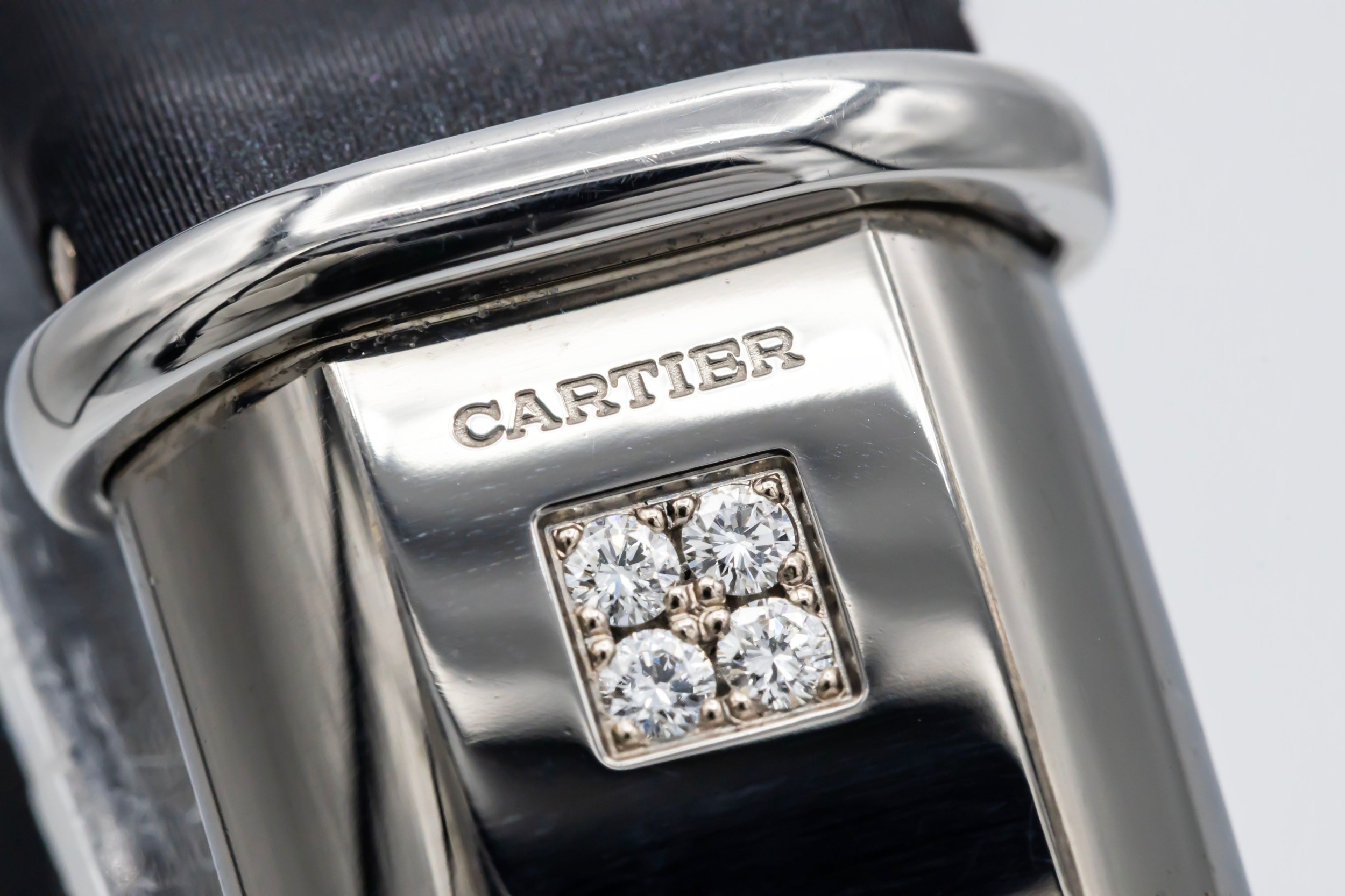
Cartier's Baignoire illustrates this shift perfectly. Originally designed in 1912 as an oval-shaped watch inspired by a bathtub (baignoire in French), it has resurged as a statement piece that functions as both timekeeping instrument and jewellery.
The distinction between "watch person" and "jewellery person" is disappearing because:
-
Collectors with mechanical expertise now acquire gem-set pieces
-
Jewellery collectors discover watches offer better value retention than traditional jewellery
-
Social media visibility drives demand for visually striking timepieces
What this means: Cocktail watches now serve as everyday statement pieces, blurring the line between jewellery and functional timepieces across all occasions.
Are Stone Dials a Lasting Trend or Temporary Fad?
The watch industry's embrace of stone dial art gained momentum in 2024. We watched carefully to see if it would fade. It didn't.
What started as hyped small runs has evolved into a steadily rising trend in 2025-2026. Brands like Rolex, Gerald Genta, and independent makers like Dennison are incorporating meteorite dials, stone materials, and gem-set cases.
Shaped cases reminiscent of Piaget's 1960s jewellery-watch designs are being reinvented with contemporary flair. The glitz factor is undeniable, but so is the technical execution.
Technical Challenges of Stone Dials
Stone dials present unique engineering challenges:
-
Must be thin enough to fit within case dimensions
-
Must be thick enough to remain stable
-
Must accept adhesive without cracking
-
Must maintain colour consistency across production runs
-
Affects durability, water resistance, and long-term value
These aren't simple decorative choices. They're engineering decisions with real consequences.
The verdict: Stone dials evolved from hyped small runs to an established trend in 2025-2026, proving lasting appeal through both technical execution and market demand.
How Does Cartier Exemplify the Watch-Jewellery Convergence?
If you want to understand where this convergence leads, study Cartier.
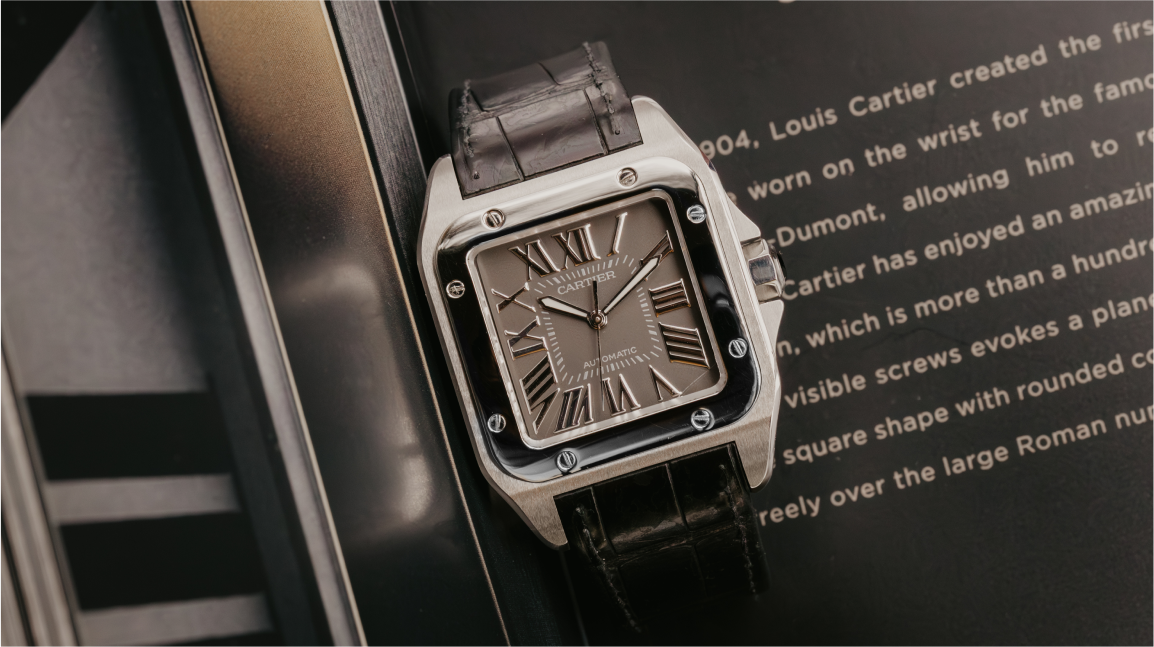
Founded in 1847 as a jewellery house in Paris, Cartier became the jeweller to royal courts across Europe. The brand invented the modern wristwatch in 1904 with the Santos and approaches watchmaking through a design-first lens.
Cartier transcends pure watchmaking to represent Parisian luxury across jewellery, accessories, and timepieces.
The Tank, worn by Jacqueline Kennedy and Andy Warhol, demonstrates how a watch can achieve cultural significance beyond horology. The Ballon Bleu shows how jewellery design principles can create iconic watch shapes.
Cartier proves that expertise in fine jewellery-inspired watches creates market advantages. Their pieces hold value in both watch and jewellery markets simultaneously.
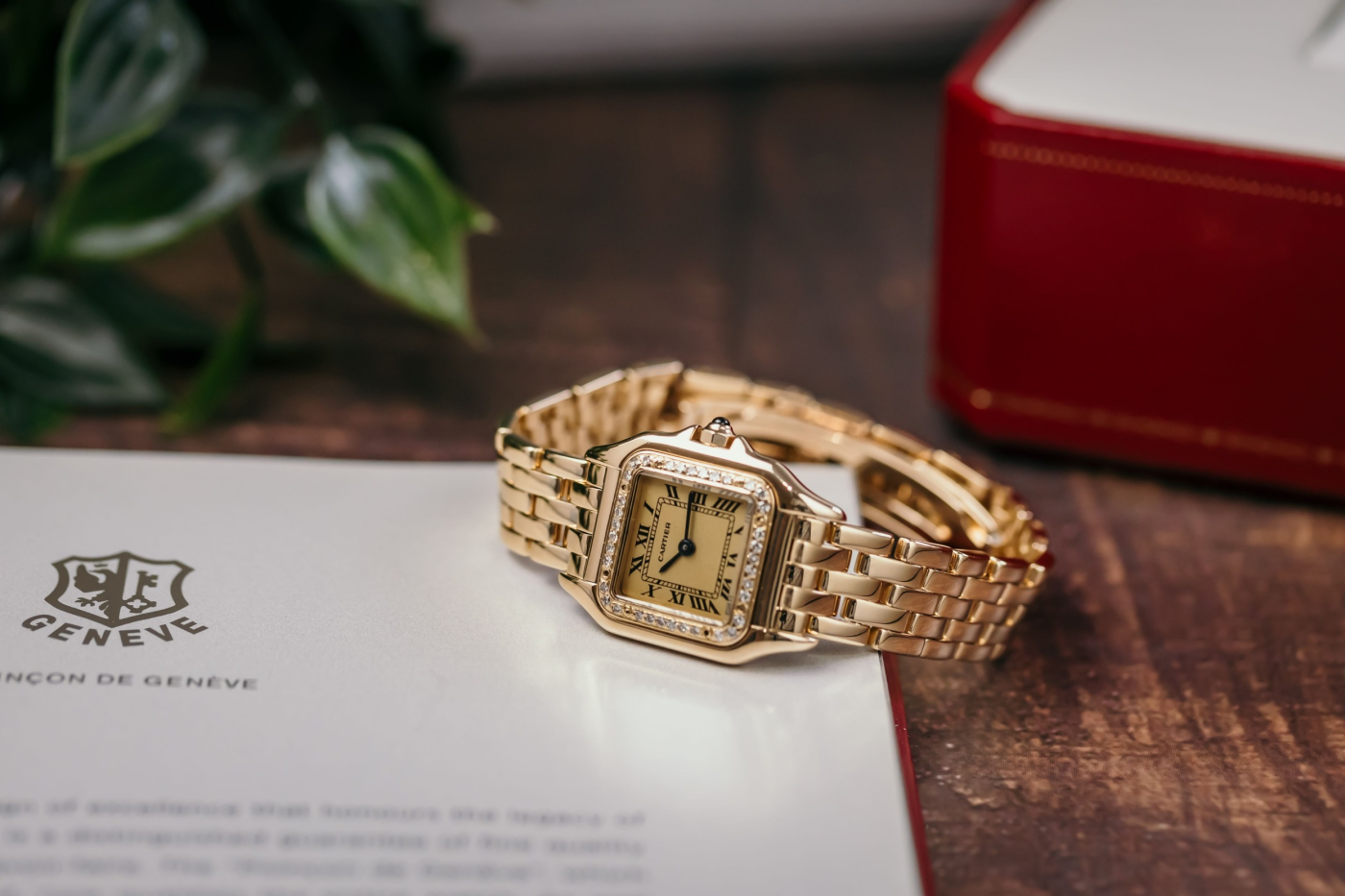
This dual appeal matters in the preowned space because when we evaluate a Cartier piece, we're assessing both mechanical condition and jewellery-grade finishing. The gemstone quality affects resale value as much as movement service history.
Why Cartier matters: Founded as a jewellery house in 1847, Cartier demonstrates how jewellery expertise translates to watch market advantages, with pieces holding value in both categories simultaneously.
Who Is Buying Gem-Set and Cocktail Watches?
Younger buyers are accelerating this convergence. The demographic data is clear:
54% of Gen Z and younger millennials surveyed increased their spending on high-end timepieces from 2021 to 2023. These digitally-savvy consumers view watches as expressions of personal style rather than purely functional instruments.
They don't separate "watch collecting" from "jewellery collecting" the way previous generations did.
Why Gen Z and Millennials Prefer Gem-Set Watches
-
Social media appeal: Gem-set pieces photograph with more visual impact than steel sports watches, driving engagement
-
Investment diversification: Precious materials provide intrinsic value floors—if watch values decline, gold and gemstones retain worth
-
Style expression: Watches serve as personal style statements rather than purely functional instruments
-
Pragmatic luxury: Younger collectors prioritise material value alongside mechanical purity
Demographic shift: Gen Z and millennials view watches as wearable art with investment potential, therefore prioritising visual impact and material value over traditional horological purity.
How Does This Convergence Affect the Preowned Watch Market?
We're adjusting our evaluation processes to account for this convergence.
New Authentication Requirements
Gemstone authentication now matters as much as movement verification
-
Dealers need gemologists on staff, not just watchmakers
-
Provenance documentation must include jewellery-grade certificates for significant pieces
-
Authentication must verify both the watch and the jewellery work
Dealers who stock selections spanning luxury watches, fine jewellery, and estate pieces within unified luxury ecosystems are positioned to capture this trend.
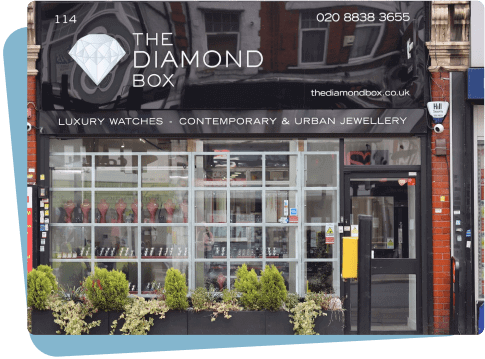
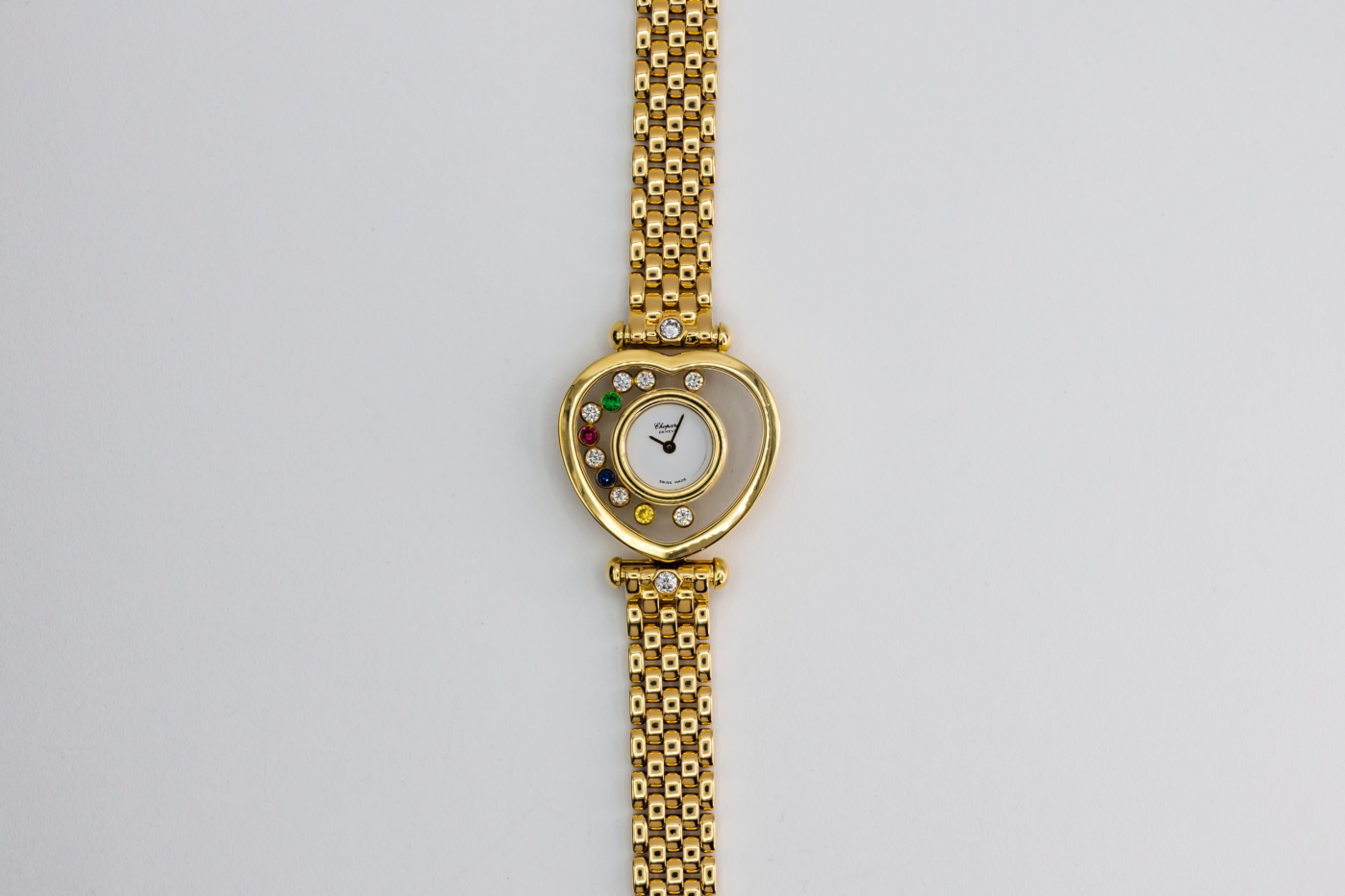
At The Diamond Box, we've built our entire collection around this convergence. Our curated selection includes factory-set pieces with verified provenance, elegant cocktail and dress watches, and an extensive range of luxury jewellery—all under one roof. Whether you're drawn to a diamond-set Rolex or a Cartier Tank, our expertise spans both worlds.
Opportunities vs. Risks for Collectors
Opportunities:
-
Gem-set watches can appreciate based on both horological significance and jewellery value
-
Single purchase provides diversification across watch and jewellery markets
-
Sourcing services (like The Diamond Box's offering) connect collectors with rare pieces
Risks:
-
Not all gem-setting is equal in quality or value
-
Factory-set pieces from established houses command premiums
-
Aftermarket diamond bezels often reduce value, even with high-quality stones
-
Authentication complexity increases—both watch and jewellery work require verification
Authentication complexity increases—both watch and jewellery work require verification
Market reality: Dealers stocking unified collections of watches and jewellery are positioned to capture this trend because they can authenticate both aspects and provide verified provenance.
What's the Future of the Watch-Jewellery Convergence?
This convergence will continue accelerating. The £33 billion projection for 2030 assumes current growth rates, but we're seeing momentum build.
Industry Changes Already Underway
-
Watchmaking brands are hiring jewellery designers
-
Jewellery houses are investing in watch complications
-
The distinction between categories is becoming artificial
For collectors, this creates a broader definition of what constitutes a serious timepiece. A gem-set Cartier Baignoire deserves the same consideration as a perpetual calendar from an independent maker.
The question isn't whether your watch has jewellery influences. It's whether those influences are executed with the same craftsmanship as the movement inside.
We're entering an era where wearable art matters more than category definitions because the preowned market reflects this reality. Values are rising for pieces that successfully merge watchmaking and jewellery expertise.
The collectors who recognise this shift early will have access to pieces that future generations will consider foundational to their collections.
Future outlook: The convergence is complete—category definitions no longer matter as much as execution quality, creating opportunities for early adopters who understand dual-market value.
At The Diamond Box, we're not just observing this trend—we're at the forefront of it. Explore our collection of factory-set timepieces, cocktail watches, dress watches, and luxury jewellery to discover pieces that embody this exciting evolution in luxury. And if you can't find exactly what you're looking for, our sourcing service connects you with the world's finest examples of this watch-jewellery convergence.
Frequently Asked Questions
What is a factory-set watch and why does it matter?
A factory-set watch features gemstones installed by the original manufacturer during production, not added afterwards. Factory-set pieces command premiums because they maintain original design integrity, come with manufacturer warranties, and retain higher resale value. In contrast, aftermarket gem-setting often reduces value, even when using high-quality stones, because it alters the original piece and lacks manufacturer authentication.
Are gem-set watches a good investment?
Gem-set watches can be excellent investments because they appreciate based on both horological significance and jewellery value. The precious materials (gold, platinum, gemstones) provide an intrinsic value floor—if watch values decline, the materials retain worth. From 2018-2023, luxury watches with precious materials grew at 20% annually vs. 8% for the S&P 500. However, only factory-set pieces from established houses consistently command premiums.
How do I authenticate a gem-set watch?
Authenticating gem-set watches requires verification of both the watch mechanism and the jewellery work. You need:
-
Gemstone authentication from a qualified gemologist
-
Movement verification from a certified watchmaker
-
Provenance documentation including jewellery-grade certificates
-
Verification that gems are factory-set, not aftermarket additions
Dealers like The Diamond Box who employ both gemologists and watchmakers can provide comprehensive authentication.
What's the difference between cocktail watches and dress watches?
Cocktail watches are bold, personality-driven timepieces featuring eye-catching designs, gem-setting, and playful shapes worn as statement pieces for any occasion. Dress watches are traditionally understated, elegant timepieces designed for formal wear. However, the 2026 trend shows cocktail watches are now worn everywhere, not just to galas, blurring the line between these categories.
Which brands are leading the watch-jewellery convergence?
Cartier leads this convergence, having started as a jewellery house in 1847 before inventing the modern wristwatch in 1904. Other key players include:
-
Rolex (factory-set models with gemstones)
-
Patek Philippe (gem-set complications)
-
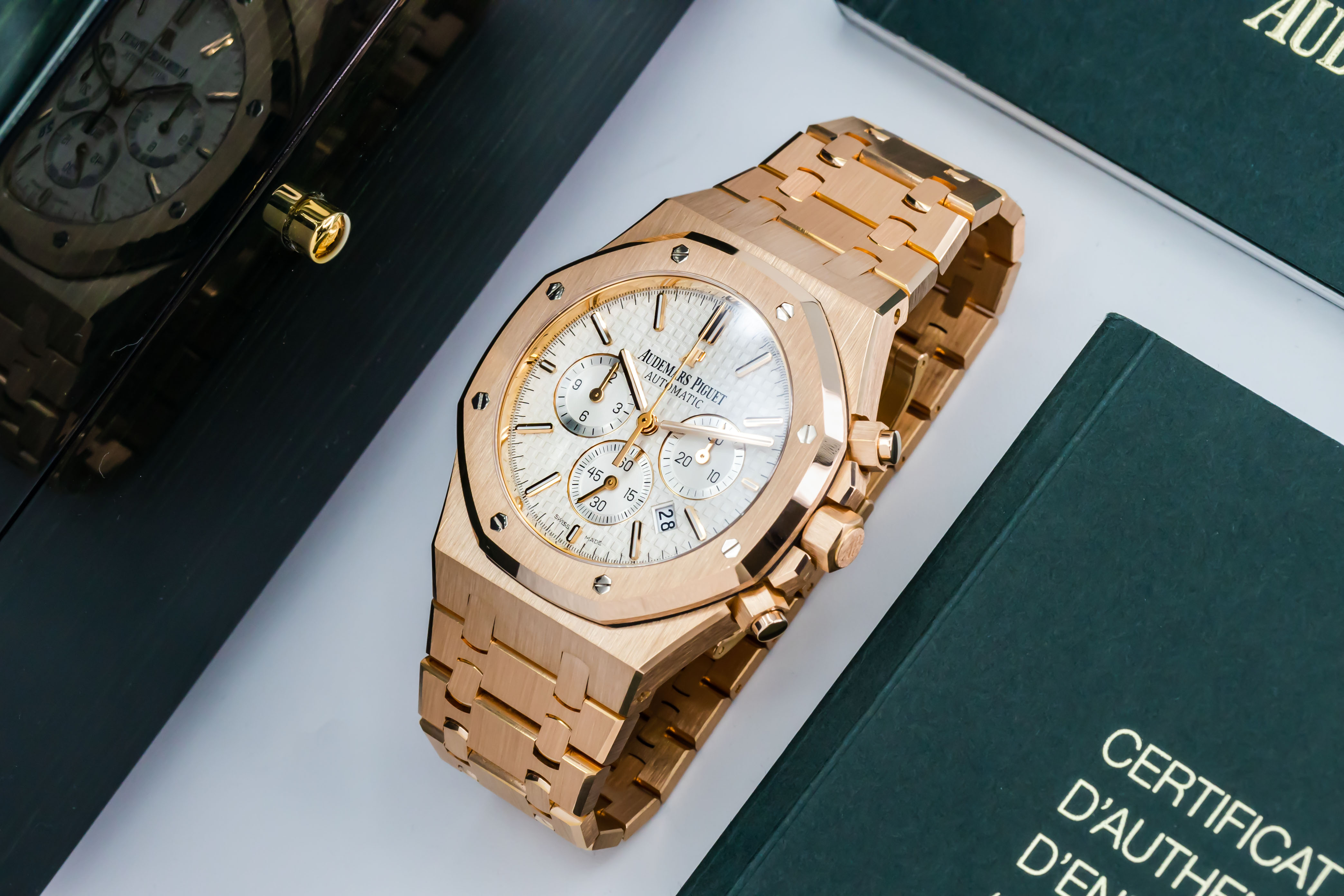
Audemars Piguet (gem-set Royal Oak models)
-
Gerald Genta (stone dials and shaped cases)
-
Piaget (historical jewellery-watch designs)
Why are younger buyers driving this trend?
Gen Z and millennials (54% increased spending 2021-2023) drive this trend because they:
-
View watches as personal style statements, not just functional instruments
-
Prioritise social media appeal—gem-set pieces photograph with more visual impact
-
Appreciate investment diversification through precious materials
-
Don't separate "watch collecting" from "jewellery collecting" like previous generations
Should I buy a vintage or contemporary gem-set watch?
Both offer advantages. Vintage gem-set pieces (particularly 1960s-1970s Cartier and Piaget) often feature unique designs no longer in production and can appreciate as collector items. Contemporary pieces come with manufacturer warranties, modern movements, and verified provenance. The key factor is execution quality and factory-set status, regardless of era. Authentication is crucial for vintage pieces—work with dealers who can verify both the watch and gemstone authenticity.
Can I add gemstones to my existing watch?
You can add gemstones through aftermarket customisation, but this often reduces resale value, even with high-quality stones. Aftermarket modifications lack manufacturer authentication, alter original design integrity, and make future authentication complex. If you want a gem-set watch as an investment, purchase factory-set pieces from established houses. Aftermarket customisation works best for personal enjoyment pieces you don't intend to resell.
Key Takeaways
-
The watch-jewellery convergence is a £33 billion market reality by 2030, driven by premiumization and younger buyers who view watches as wearable art combining horological and jewellery value
-
Factory-set pieces from established houses command premiums because they maintain design integrity and manufacturer authentication, whilst aftermarket gem-setting typically reduces value
-
Gem-setting (sertissage) is legitimate métiers d'arts requiring 40+ hours of craftsmanship per bezel, making it comparable in skill to mechanical watchmaking complications
-
Gen Z and millennials drive 54% of recent growth because they prioritise social media appeal, investment diversification through precious materials, and style expression over traditional horological purity
-
Authentication now requires both gemologists and watchmakers because dealers must verify gemstone quality, movement condition, and provenance documentation for both aspects
-
Stone dials evolved from fad to fundamental trend (2024-2026) because they solve complex engineering challenges whilst delivering lasting visual appeal
-
Cartier exemplifies convergence success as a jewellery house (founded 1847) whose watches hold value in both categories simultaneously, proving dual expertise creates market advantages