






Celebrities keep choosing vintage watches over new releases. The pattern reveals something deeper about luxury value.
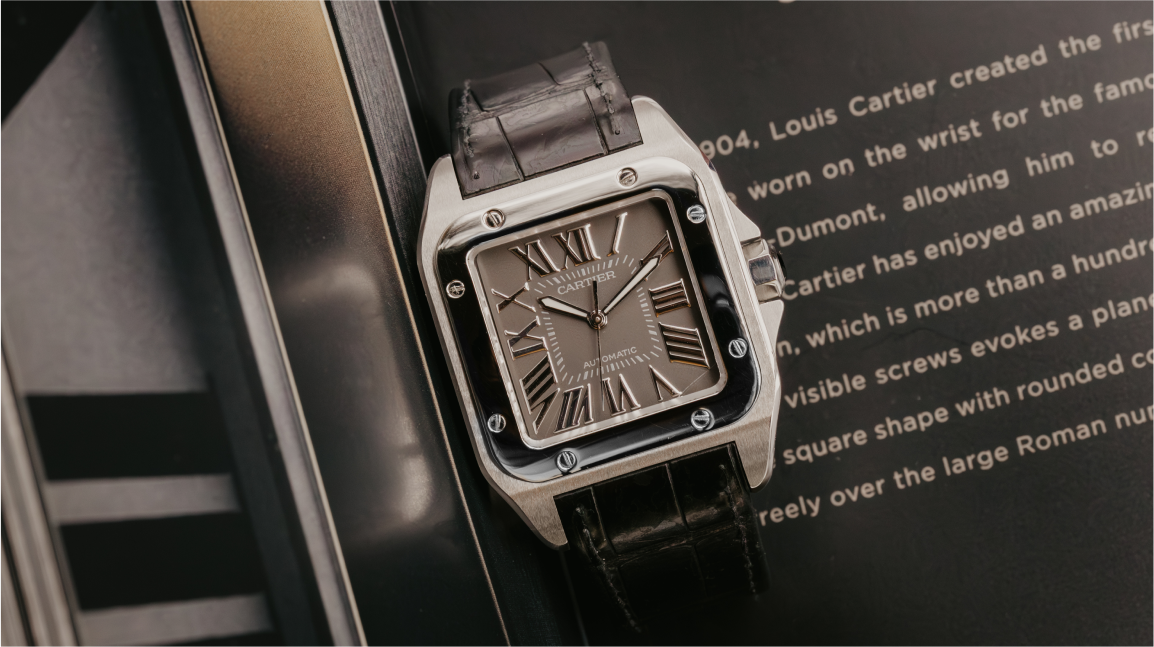
Taylor Swift's engagement announcement created an unexpected moment for vintage collectors. She wore a discontinued Cartier Santos Demoiselle worth between $250,000-$500,000. The choice instantly transformed an obscure vintage piece into a coveted collectible.
This trend extends beyond pop stars. Marcus Rashford announced his Barcelona signing wearing a skeletonised Patek Philippe reference 5180/1R-001. Athletes traditionally gravitate toward sporty brands like Hublot or Richard Mille. Rashford chose haute horlogerie instead.
The vintage preference signals a fundamental shift in luxury signaling.
New releases flood the market constantly. Vintage pieces carry stories, scarcity, and cultural weight that fresh inventory cannot match. Celebrities understand this distinction intuitively.
Meanwhile, the industry pushes technical boundaries in unexpected directions. Rolex is developing atomic clock technology while COSC explores advanced chronometer standards. Traditional giants are adopting cutting-edge technologies previously associated with independent manufacturers.
The 2024 Grand Prix d'Horlogerie de Genève reinforced this technical evolution. The GPHG Aiguille d'Or went to IWC's Portugieser Eternal Calendar. Technical innovation trumped traditional luxury marketing.
Independent brands increasingly compete head-to-head with established houses. Ming's 37.09 Bluefin beat competition from Zenith, Tudor, and IWC. The victory demonstrates how smaller manufacturers challenge luxury hierarchies through pure horological merit.
This creates a fascinating paradox.
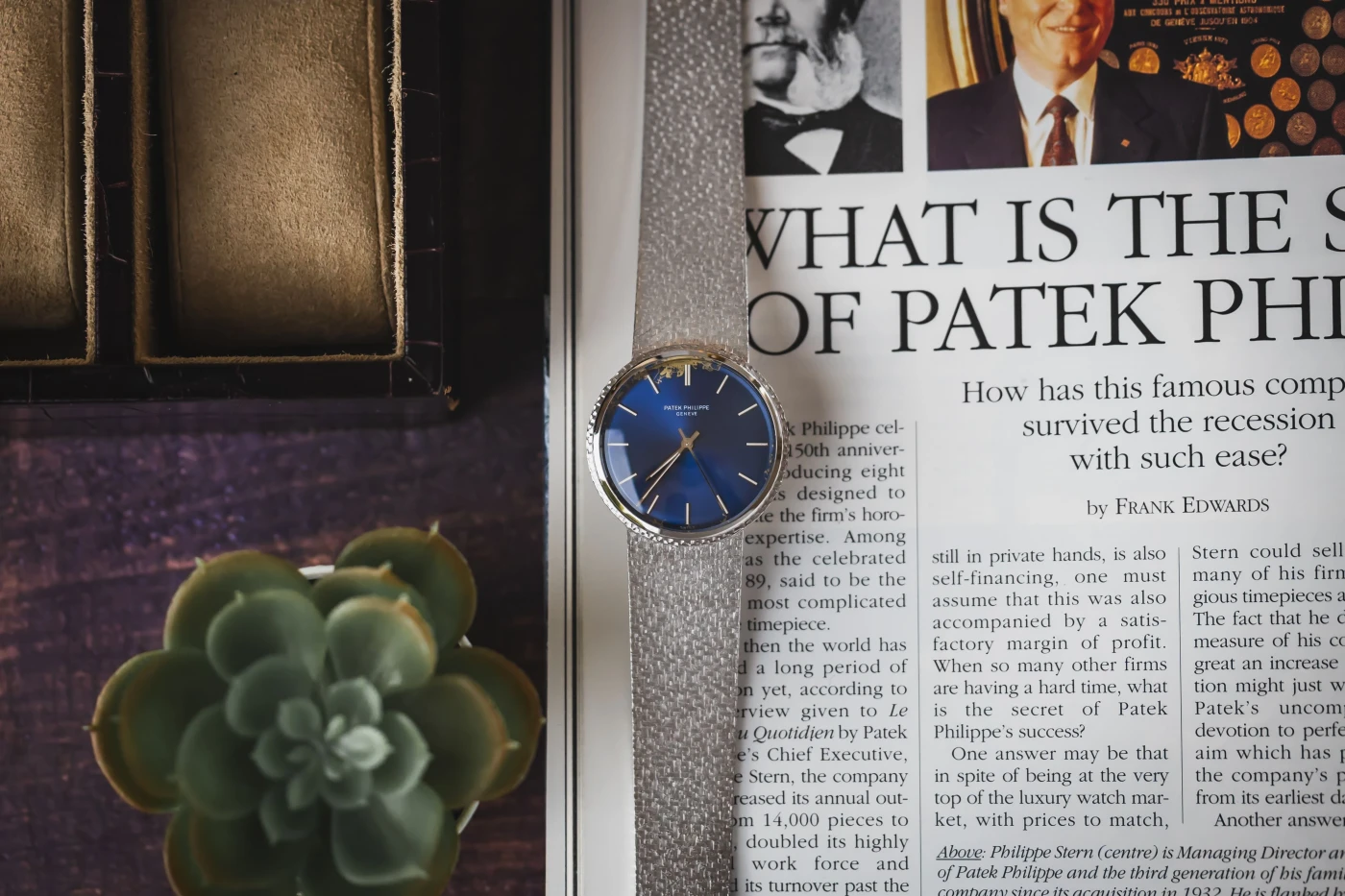
Celebrities embrace vintage pieces while manufacturers push toward atomic precision. The split suggests two different luxury markets emerging. One values heritage and cultural resonance. The other prioritizes technical advancement and mechanical innovation.
Rolex's Superlative Chronometer standard already exceeds COSC certification requirements. Their tolerance of -2/+2 seconds per day surpasses official industry standards. Yet Swift chose a decades-old Cartier over any contemporary Rolex.
The disconnect reveals how luxury value operates on multiple levels simultaneously. Technical excellence drives one segment. Cultural significance and scarcity drive another. Both approaches command premium pricing, but they appeal to different psychological triggers.
I expect this bifurcation to intensify. Manufacturers will continue pushing technical boundaries while vintage markets gain cultural cache through celebrity endorsement. The watch industry is large enough to support both trajectories.
The real question becomes which approach creates lasting value. Technical innovation can be replicated and improved. Cultural significance and vintage scarcity cannot be manufactured.
Swift's vintage Cartier choice might prove more prescient than any atomic clock development.