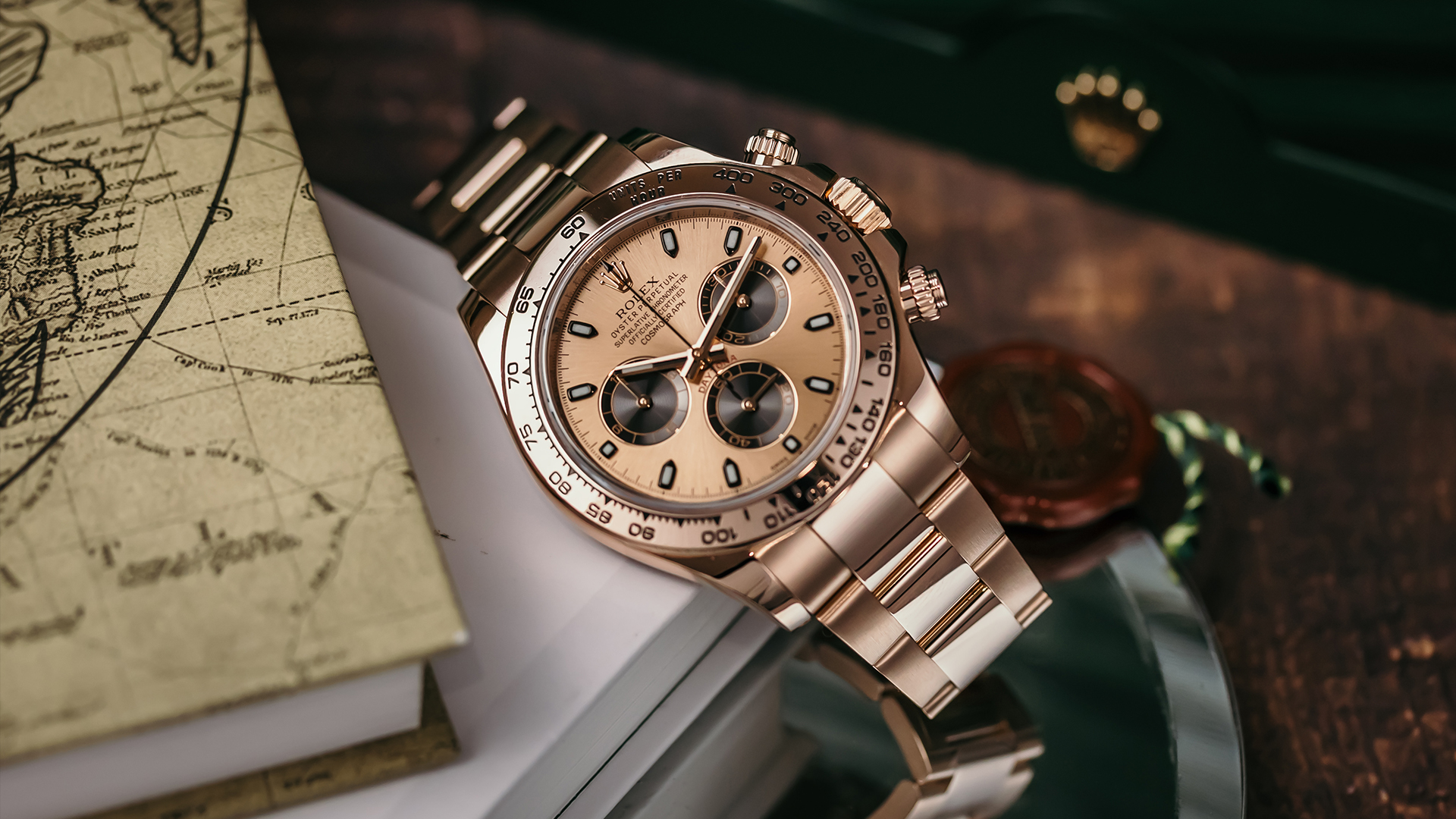





Quick summary: When buying a Rolex in London, the dealer's reputation matters more than finding the lowest price. Reputable dealers offer authenticity verification, long-term support, transparent guidance, and relationships built on trust across years.
Why Dealer Reputation Matters:
-
Authenticity extends beyond paperwork to full transparency about history and condition
-
After-sales support continues for years, not just at point of sale
-
Transparent dealers close information gaps rather than exploit them
-
Long-term relationships create better outcomes than quick transactions
We've watched people walk through our door carrying watches they bought elsewhere, sometimes at prices that seemed too good to pass up. The relief they felt at saving a few thousand pounds often turns into something else entirely when questions start surfacing about authenticity, servicing, or what happens when something goes wrong.
The luxury watch market in London is filled with options. Some dealers prioritise speed and volume. Others build their business on relationships that span decades. The difference between these approaches becomes clear over time, not at the moment of purchase.
What Makes a Rolex Dealer Reputable?
Authenticity Verification Goes Beyond Paperwork
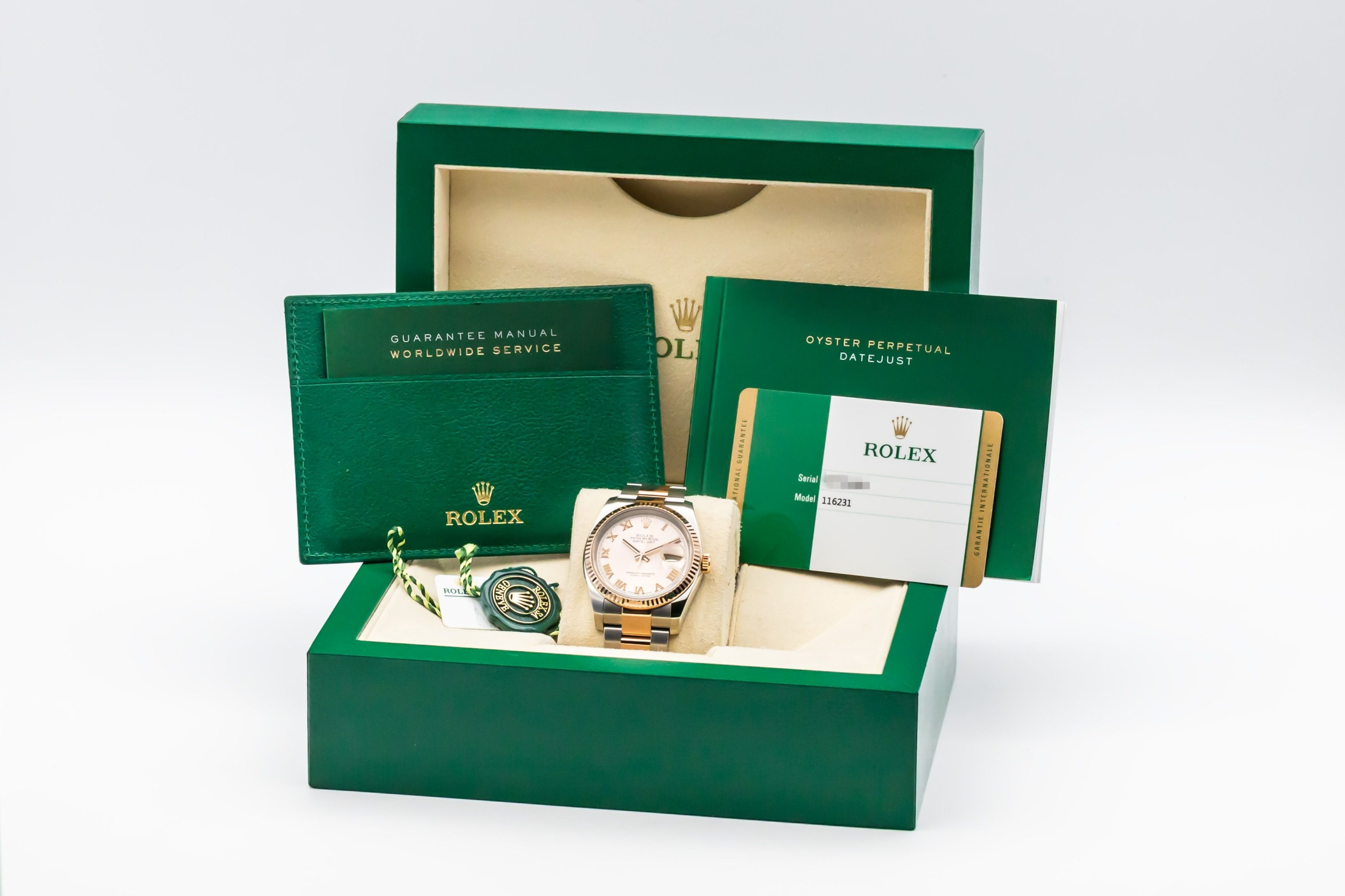
When you buy a Rolex in UK, you're entering into a relationship with a product that should last generations. Reputable dealers understand this. They know authenticity extends beyond verifying serial numbers and checking paperwork.
Authenticity includes transparency about the watch's history, condition, and what you can realistically expect from it. We've seen watches presented as "mint condition" that show clear signs of heavy polishing. We've seen replacement parts described as original. We've seen documentation that doesn't quite align with the watch itself.
A reputable dealer protects you from these gaps. Not because they're legally required to, but because your long-term confidence matters more than a single transaction. The watch market rewards information asymmetry. Buyers often don't know what questions to ask. Sellers choose whether to exploit this gap or close it.
Which approach a dealer takes tells you everything about how they'll treat you after the sale.
What we've learned: Reputable dealers close information gaps rather than exploit them, because long-term trust matters more than immediate profit.
After-Sales Support Shows True Commitment
The moment you walk out with a Rolex shouldn't be the end of the conversation. Watches need servicing. Straps wear out. Questions emerge about insurance, valuation, and maintenance schedules. Sometimes circumstances change and you need guidance about selling or trading.
Dealers who prioritise transaction speed often disappear when these needs arise. Their business model depends on volume, not continuity. We've built our approach differently. When someone buys a watch from us, they're entering a relationship we expect to maintain for years, sometimes across generations.
This isn't sentiment. It's structure. Our business depends on people returning, referring others, and trusting us with decisions that carry both financial and emotional weight. This happens when after-sales support is treated as seriously as the initial sale.
Questions to ask about after-sales support:
-
Does the dealer offer servicing guidance?
-
Do they maintain relationships with authorised service centres?
-
Will they be available when you need advice five years from now?
These questions matter more than most people realise when they're focused on finding the best Rolex prices.
What we've learned: Volume-focused dealers disappear after the sale. Relationship-focused dealers provide support across years and generations.
How Transparency Builds Long-Term Confidence
The luxury goods market has historically thrived on information gaps. Dealers who know more than their customers use that knowledge to their advantage. This approach creates a problem. It generates short-term profit at the expense of long-term trust.
We've chosen to operate differently. Not because we're more ethical, but because we've seen what happens over time when transparency becomes the foundation. Customers who understand what they're buying make better decisions. Better decisions lead to sustained satisfaction. Sustained satisfaction generates the kind of relationships that become the core of a business.
What transparency looks like in practice:
-
Explaining why certain models hold value better than others
-
Being honest about market conditions, even when those conditions don't favour an immediate sale
-
Acknowledging limitations in knowledge rather than pretending certainty where none exists
Transparency slows things down. It requires more conversation, more explanation, more patience. But this means when you make a decision, you make it with genuine understanding. Not because you were rushed or because information was withheld.
What we've learned: Information symmetry creates better decisions and sustained satisfaction. Information asymmetry creates short-term profit and long-term regret.
Why Long-Term Trust Compounds Over Time
The watch industry measures success in different ways. Some dealers track transaction volume. Others measure average sale price. We measure something different: the length and depth of relationships with the people we serve.
Over two decades, we've noticed a pattern. People who buy from dealers focused on price often return to the market sooner than expected, sometimes because they realise the watch wasn't quite what they thought, sometimes because the dealer isn't there to help when questions arise.
People who buy from dealers focused on relationship rarely express regret, even years later. This isn't because the watches are different. It's because the process was different.
When you take time to understand what you're buying, when you have support after the sale, when transparency guides the conversation, the outcome tends to be different. Trust compounds. Each interaction either strengthens the relationship or weakens it. Over time, this accumulation becomes the difference between a transaction and a partnership.
Dealers who understand this don't need to compete on price. They compete on something more durable: the confidence that comes from knowing you're being looked after, not sold to.
What we've learned: Trust compounds through repeated interactions, turning transactions into long-term partnerships that span years and generations.
What to Look for When Choosing a Rolex Dealer in London
If you're considering a Rolex purchase in London, price will naturally be part of your evaluation. But we'd encourage you to ask different questions first.
Essential questions to ask:
-
How long has the dealer been operating?
-
What happens if you need guidance six months from now?
-
How do they handle situations where they don't have immediate answers?
-
What do their long-term customers say about the experience?
These questions reveal more about what you're buying than price ever will. A reputable dealer doesn't sell you a watch. They reduce the uncertainty that comes with high-consequence decisions. They provide the scaffolding that lets you make choices with genuine confidence.
That scaffolding has value, often more value than the price difference between dealers.
Common Questions About Choosing a Rolex Dealer
How do I verify a Rolex dealer's authenticity?
Look for dealers with decades of operating history, transparent customer reviews, and established relationships with authorised service centres. Reputable dealers will openly discuss the watch's history, condition, and provide complete documentation.
What after-sales support should I expect?
Reputable dealers provide ongoing servicing guidance, maintain contact for questions that arise months or years later, and offer support for insurance valuations, maintenance schedules, and future buying or selling decisions.
Is it worth paying more for a reputable dealer?
The price difference between dealers often reflects the value of long-term support, authenticity verification, and transparent guidance. Over time, these benefits typically outweigh initial savings from less reputable sources.
How long should a dealer relationship last?
A relationship with a reputable dealer should span years, sometimes generations. The dealer should be available for guidance, servicing questions, and support throughout your ownership experience and beyond.
What red flags should I watch for?
Be cautious of dealers who rush decisions, avoid questions about servicing support, provide vague documentation, or focus solely on price. Pressure tactics and information gaps often signal volume-focused rather than relationship-focused operations.
How do I know if a dealer is transparent?
Transparent dealers openly discuss market conditions, acknowledge when they don't have immediate answers, explain why certain models hold value, and provide honest assessments even when those don't favour an immediate sale.
What makes London's Rolex market different?
London's luxury watch market offers many options, from volume-focused dealers prioritising quick transactions to relationship-focused dealers building trust across decades. The difference becomes clear over time, not at the moment of purchase.
Should I prioritise price when buying a Rolex?
Price matters, but reputation, authenticity verification, after-sales support, and transparency create better long-term outcomes. People who prioritise dealer quality over price rarely express regret years later.
Key Takeaways
-
Dealer reputation matters more than price because relationships spanning years create better outcomes than one-time transactions
-
Authenticity verification extends beyond paperwork to include full transparency about history, condition, and realistic expectations
-
After-sales support should continue for years, providing servicing guidance, maintenance advice, and ongoing availability
-
Transparent dealers close information gaps rather than exploit them, leading to better decisions and sustained satisfaction
-
Trust compounds over time through repeated interactions, turning transactions into long-term partnerships
-
Ask about operating history, long-term support, and how dealers handle uncertainty before focusing on price
-
The price difference between dealers often reflects the value of support and transparency that matters years after purchase
Does this approach feel right for how you want to make this decision?