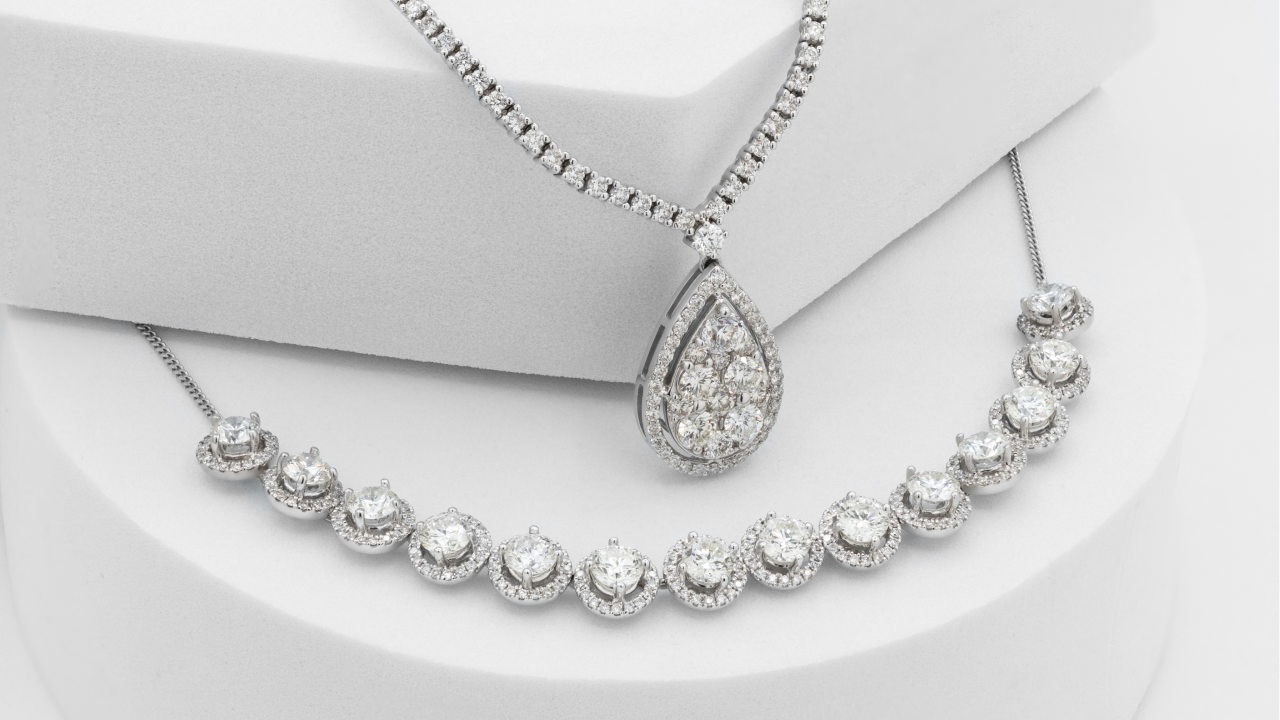




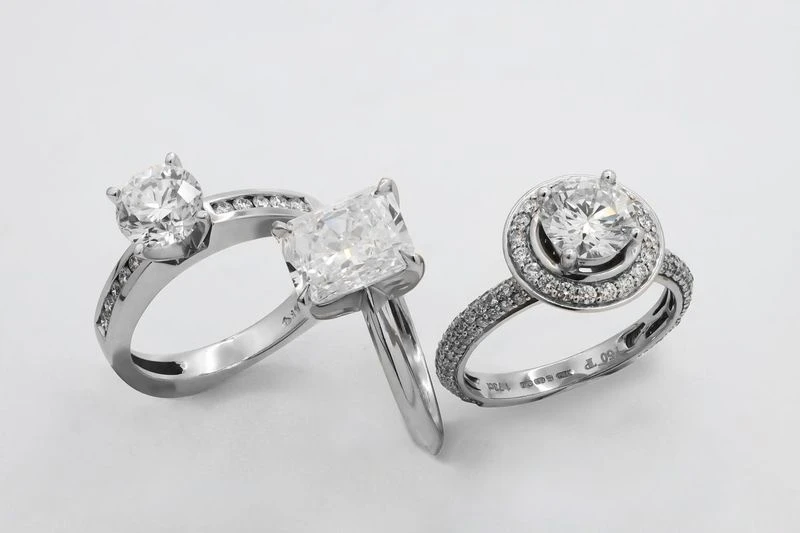
The engagement ring market is growing. Luxury spending is not.
Walk through any jewelry district or scroll through celebrity engagement announcements, and the pattern becomes clear. Rings look bigger. Zendaya's 5.02-carat cushion-cut diamond made headlines. Georgina Rodríguez's 35-carat stone redefined excess.
But is this a real shift in what people buy, or just a shift in what we see?
The Visibility Problem
Celebrity culture amplifies extremes. A 35-carat diamond generates more social media engagement than a tasteful one-carat solitaire. The algorithm rewards spectacle.
So we notice the massive rings. We remember them. We start to believe they represent the norm.
They don't.
What Actually Changed
Two forces are reshaping the engagement ring market, and neither is purely about wanting bigger stones.
First, lab-grown diamonds have democratized access to size. A two-carat lab-grown diamond costs a fraction of its mined equivalent. Suddenly, couples who could afford one carat can consider two or three. The barrier dropped, and expectations adjusted accordingly.
Second, the definition of "large" is shifting. What felt extravagant five years ago now registers as standard. Not because everyone upgraded, but because enough visible examples reset the reference point.
New York jewelry designer Bernard James suggests that two carats represents an optimal size for visual impact. That number would have seemed ambitious a decade ago. Today, it's becoming the new baseline for those who can access lab-grown options.
Design Over Pure Size
Size alone doesn't tell the full story. Cut strategy matters more than most buyers realize.
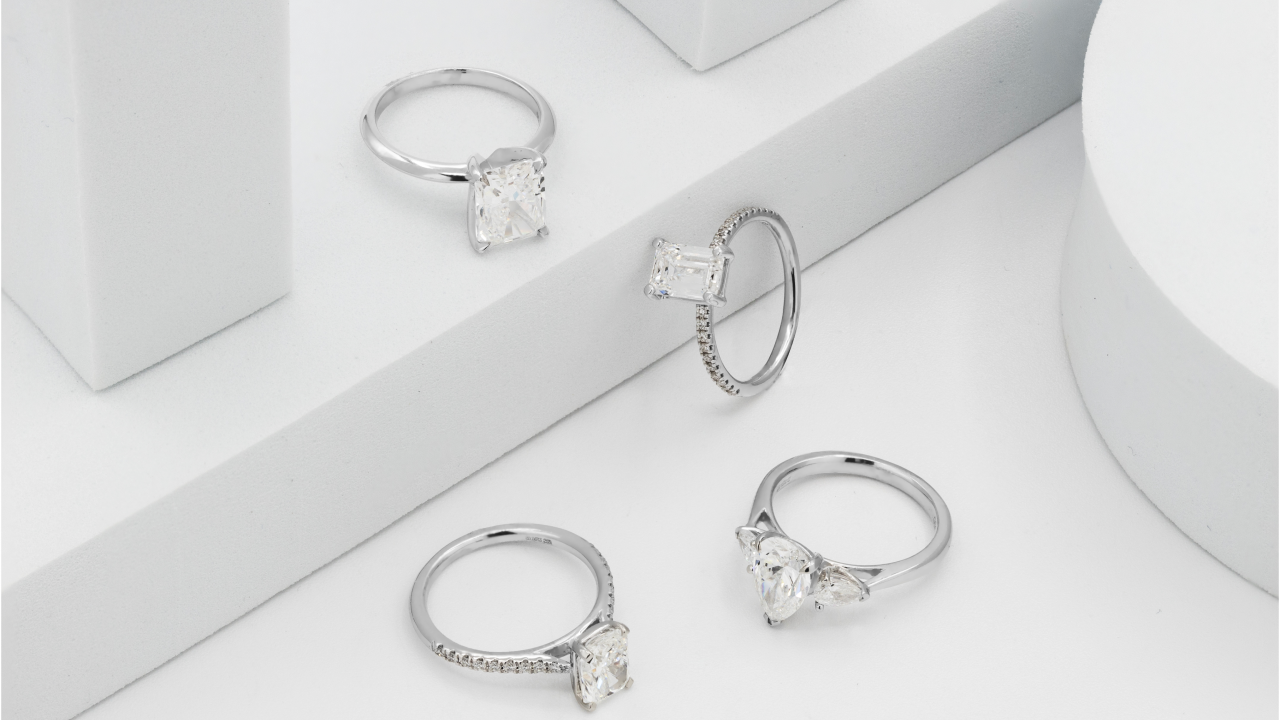
A pear or marquise cut maximizes perceived size and brilliance compared to a round brilliant of identical carat weight. The shape elongates the finger, creating visual drama without requiring a larger stone.
Personalization is replacing pure size as the status signal. Lab-grown diamonds freed up budget for custom settings, unique cuts, and distinctive designs. The conversation shifted from "how big" to "how distinctive."
The Investment Question
Here's where the trend gets complicated.
Couples are spending substantial sums on engagement rings. Some equivalent to a year of college tuition. The justification centers on lifetime commitment and emotional value.
But do larger rings represent better financial investments?
The answer depends entirely on whether you're measuring financial return or emotional significance. Lab-grown diamonds don't hold resale value the way mined diamonds traditionally did. The size increase might be visually impressive but financially neutral or negative.
We're watching a market redefine value in real time. Size became accessible. Accessibility changed expectations. Expectations now compete with financial logic.
The question isn't whether rings are getting bigger. They are, at least in visibility and accessibility.
The question is whether bigger actually means better when the cost might fund other life milestones. That tension between symbol and substance remains unresolved.