




TL;DR: Pre-owned Rolex demand remains strong despite shorter authorised dealer waitlists because of immediate availability, strategic production limits, rising retail prices, and consistent appeal of iconic references. The secondary market serves buyers who value certainty over waiting years for allocation.
At The Diamond Box, we track luxury watch market trends daily. Rolex waitlists have shortened since 2022. Some models now have half the wait time. Yet pre-owned Rolex watches continue selling at strong prices.
Why does secondary market demand stay resilient when retail access improves?
Brand strategy, buyer psychology, and genuine scarcity all play a role. Shorter waitlists don't eliminate what drives pre-owned demand. They reduce wait times from extreme to significant. The gap between wanting a watch and getting one? Still there.
Here's what keeps the pre-owned market thriving:
-
Authorised dealers still require 6 months to 5 years for popular steel sports models
-
Rolex deliberately produces fewer watches than demand requires
-
Retail price increases make pre-owned options more attractive
-
Secondary market offers immediate access to discontinued and rare references
-
Iconic Rolex models maintain value better than most luxury goods
How Long Are Current Rolex Waitlists?
Submariner wait times now average 6 to 12 months for standard models.
The GMT-Master II "Pepsi" still requires 2 to 3 years.
Steel Daytonas? You're looking at 2 to 5 years. Authorised dealers reserve these exclusively for VIP clients.
These numbers show improvement from pandemic peaks. Speculative flippers have exited the market. Fewer people buy watches they don't want for quick profit.
But improved doesn't mean solved.
Walk into an authorised dealer today. Ask for a steel sports model. You'll hear the same response: waitlist.
The timeline shortened. The constraint remains. You still leave empty-handed.
The Bottom Line: The gap between wanting a watch and getting one creates the foundation for secondary market demand. When authorised dealers offer no immediate access, buyers turn to pre-owned specialists.
Why Does Rolex Maintain Production Scarcity?
This isn't a supply chain problem. Rolex's limited production defines their brand strategy.
More than one CEO has stated they'd like to "produce exactly one less watch each year than there is demand for".
This isn't throwaway commentary. This reflects core business philosophy.
The Production Numbers
Rolex produces roughly 1 million watches annually. Global demand far exceeds this number. The brand has the capacity to scale production. They choose not to.
Why? Because controlled production maintains exclusivity. The strategy keeps Rolex as a symbol of luxury and prestige. Owning a Rolex means something beyond having money.
Impact on the Secondary Market
This production strategy directly affects resale demand:
-
Classic models like the Submariner and Daytona are produced in limited numbers
-
Discontinued models become rarer over time
-
Hard-to-find colourways increase in value
-
The secondary market becomes the only source for certain references
When Rolex stops producing a specific colourway, pre-owned becomes your only option. Here at The Diamond Box, we specialise in sourcing these rare and discontinued models.
What This Means: Genuine production constraints paired with strategic brand management create sustained demand across retail and resale channels. This isn't manipulation. This is deliberate scarcity supporting brand value.
How Do Retail Price Increases Affect Pre-Owned Demand?
Rolex implemented price increases up to 8% for precious metal timepieces in early 2025. Steel models saw significant jumps too.
Here's how the logic works:
-
Retail prices climb
-
Secondary prices stabilise after 2022 corrections
-
The price gap narrows
-
Pre-owned watches become more attractive
What Industry Experts Say
Charles Tian, founder of WatchCharts, points out "rising retail prices and continued lack of inventory at the authorized retail level may actually boost demand and prices for the beaten-down secondhand Rolex market."
Paul Altieri from Bob's Watches confirms the pattern: "Typically, when Rolex implements a price increase, it strengthens demand for pre-owned models, as collectors and first-time buyers seek alternatives that offer value without compromising on quality or prestige."
The Value Proposition
You get the same watch. The same prestige. The same quality. At a better price point.
For first-time buyers, this lowers the barrier to entry. For collectors, this means acquiring desired references without paying inflated retail premiums.
When clients ask us to source specific references at The Diamond Box, we often present pre-owned options offering better financial value than waiting years for retail allocation.
Key Insight: Rising retail prices make pre-owned Rolex watches increasingly competitive on value whilst maintaining the same quality and prestige buyers expect.
Why Does Immediate Availability Matter?
People want what they want when they want it. Simple.
The Authorised Dealer Experience
The AD route involves:
-
Relationship building over months or years
-
Uncertain timelines with no guaranteed outcome
-
Allocation systems favouring established customers
-
Zero control over the process
You wait years. You might never get the call. You're at their mercy.
The Secondary Market Experience
Here at The Diamond Box, we offer a different experience:
-
You see the watch
-
You buy the watch
-
You wear the watch today
This isn't about impatience. This is about certainty and choice.
Selection Advantages
The pre-owned market offers wider selection than any authorised dealership:
-
Discontinued pieces
-
Rare colourways
-
Vintage references with history
-
Multiple condition and price options
We're able to source you the pre-owned Rolex you've had your eye on with immediate availability. No relationship building required. No uncertain wait times. No hoping for allocation.
Reality Check: When you've decided on a specific Rolex, waiting years for possible AD allocation makes little sense. You acquire the exact watch you want immediately through established pre-owned specialists.
What Do Market Data and Prices Show?
Overall Market Growth
The pre-owned luxury watch market was valued at £14.5 billion in 2018. Projections exceed £24 billion by 2025. This represents growth, not decline.
Rolex-Specific Price Performance
Bob's Watches data reveals Rolex average prices increased over 550% from 2010 to 2025. Prices climbed from approximately £1,650 to £10,800.
Yes, corrections occurred from 2022 peaks. The long-term trajectory shows sustained appreciation.
Current Market Indicators
The Submariner collection trends higher year-over-year in 2025
-
Rolex bounces back faster than most luxury goods categories
-
53% of current production models still trade above retail on secondary market
What These Numbers Mean
The 2022 correction wasn't collapse. It was recalibration.
The market shifted from speculative trading to genuine collector demand. Prices now reflect actual buyer interest rather than investment speculation.
From our daily transactions at The Diamond Box, we observe a healthier market foundation. Sustained demand at current levels indicates real strength, not bubble dynamics.
Market Reality: Pre-owned Rolex demand rests on solid fundamentals. The speculative frenzy ended. Genuine collector interest remains strong.
Which Rolex Models Drive Pre-Owned Demand?
Not all Rolex models perform equally in resale. Certain references consistently command attention and maintain premium positioning.
The Core Four References
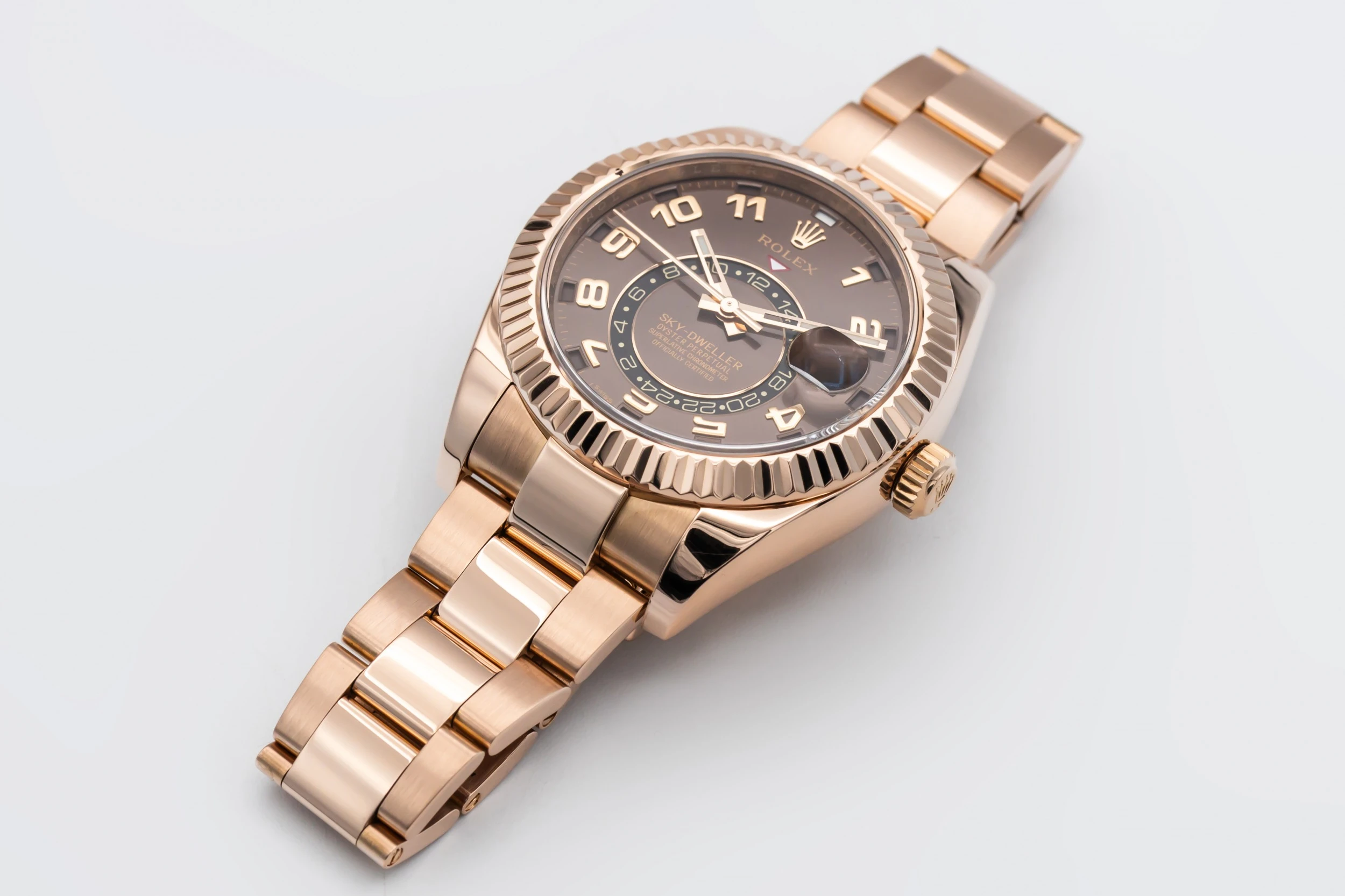
Submariner: The quintessential dive watch and entry point for many collectors.
GMT-Master II: Appeals to travellers and buyers drawn to colourful bezels.
Datejust: Offers classic elegance with endless configuration options.
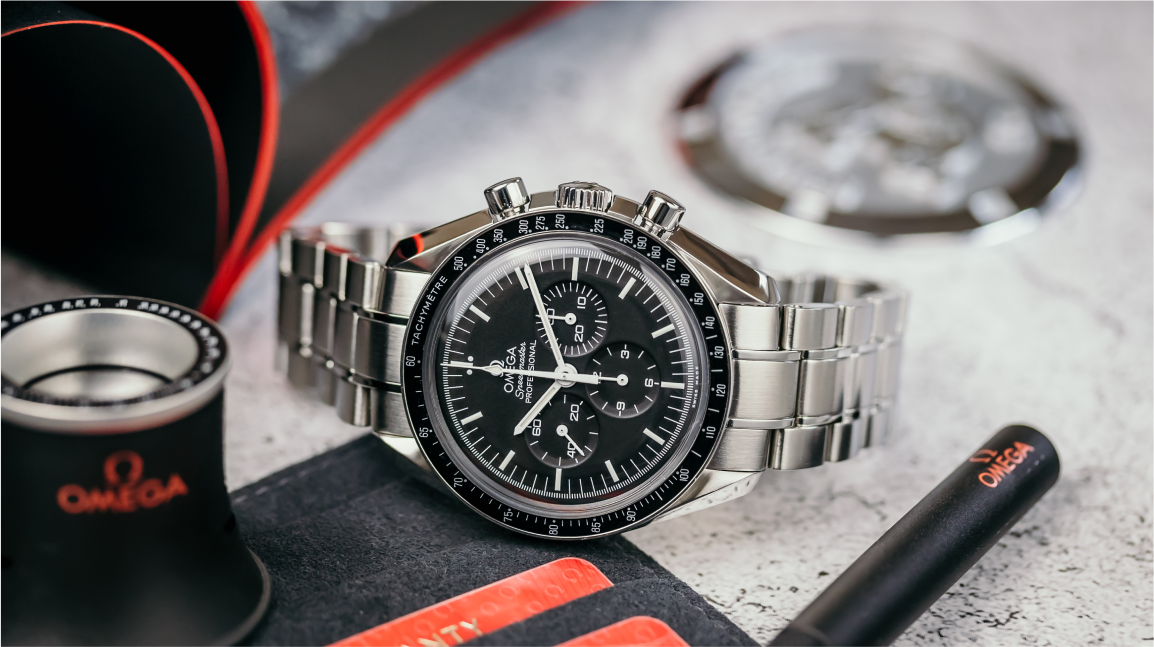
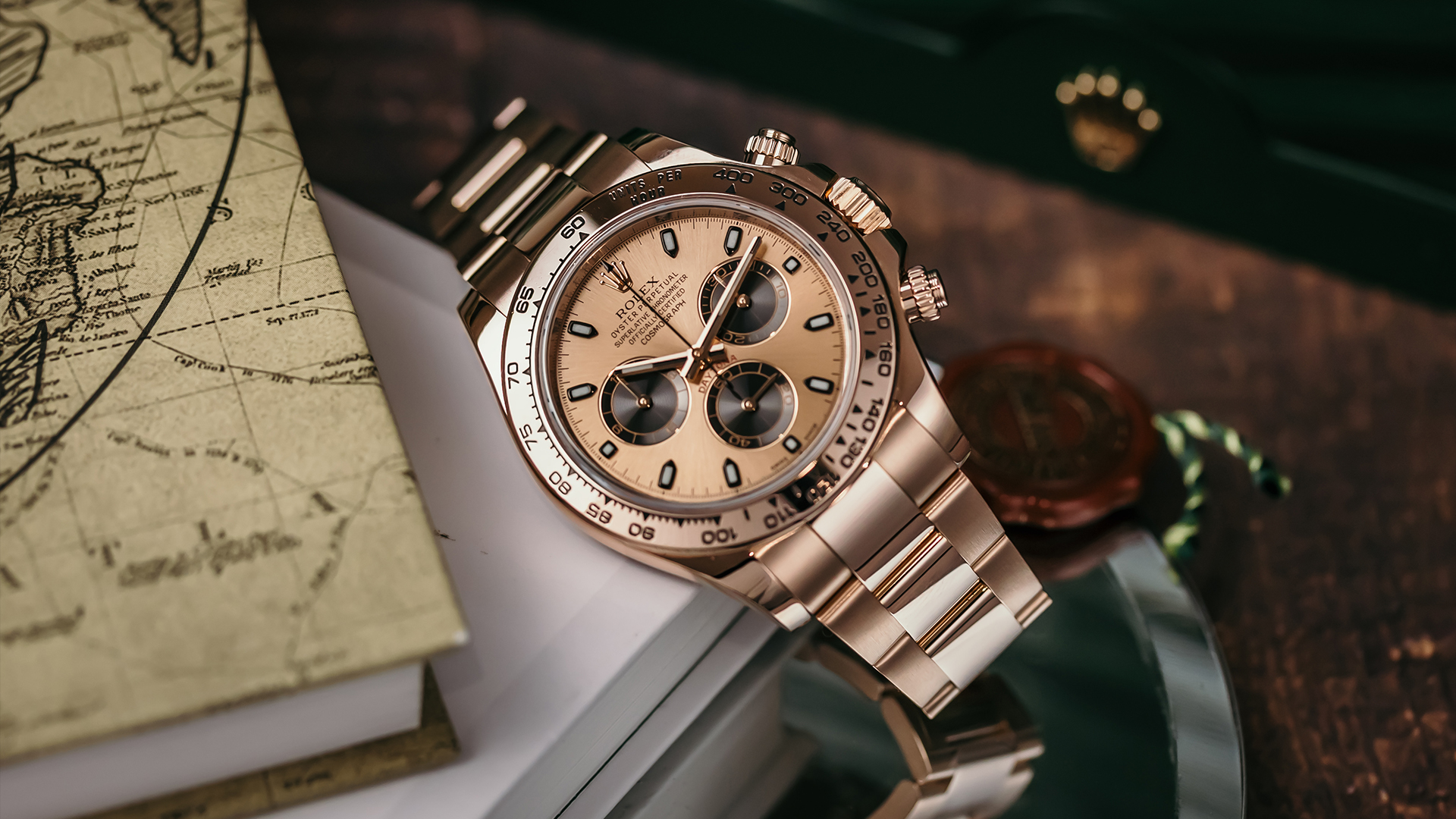
Daytona: Maintains legendary status among chronograph enthusiasts.
Why These Models Maintain Value
These references benefit from:
-
Decades of brand equity
-
Recognisable design language
-
Proven reliability and durability
-
Multi-generational appeal
They're not trendy pieces. They're established classics.
When you buy a pre-owned Submariner or GMT-Master II, you're acquiring a watch with proven staying power. The design won't feel dated in five years. The market will recognise its value in ten years.
We often buy watches from clients looking to liquidate or rotate their collections. These iconic references hold value better than most luxury goods.
Collector Insight: Long-term confidence in iconic references supports sustained secondary market demand. These watches transcend trends.
What Does This Mean for Rolex Buyers?
If you're considering a Rolex purchase, the current market presents opportunities. Shorter waitlists haven't eliminated scarcity. They've reduced it from extreme to significant.
Secondary Market Advantages
The pre-owned route offers benefits beyond skipping the wait:
-
Access to discontinued models
-
Rare configurations unavailable at retail
-
Vintage pieces with character and history
-
Ability to compare condition and price across dealers
-
Purchase on your timeline, not theirs
Quality and Protection
Pre-owned doesn't mean compromised. At The Diamond Box, we provide:
-
Authentication and verification
-
Detailed condition assessments
-
Warranties protecting your investment
You're buying a proven watch with history. Not gambling on an allocation you might never receive.
For those looking to part-exchange their current watch towards one of these references, we offer competitive valuations bridging the price gap.
Buyer Advantage: The value proposition of pre-owned Rolex watches has strengthened as retail prices climb whilst secondary prices stabilise.
The Market Isn't Going Anywhere
We're not predicting explosive growth. We're observing resilience despite improved authorised dealer availability.
Why This Demand Persists
This resilience comes from factors that aren't changing:
-
Rolex's strategic production management
-
Rising retail prices
-
Immediate availability in secondary market
-
Enduring appeal of iconic references
What Market Normalisation Means
Shorter waitlists represent normalisation, not collapse. The speculative frenzy cooled. What remains? Genuine collector and enthusiast demand supported by Rolex's managed brand equity.
The secondary market found its footing. Prices reflect real value rather than speculation. Buyers have confidence. Dealers operate with transparency.
This is what a mature, sustainable luxury watch resale market looks like. For Rolex specifically, brand strength plus production strategy plus product excellence ensures pre-owned demand remains strong regardless of waitlist fluctuations.
At The Diamond Box, we're not watching this market. We're actively participating through sourcing, buying, selling, and part-exchange services daily.
Final Perspective: The market values substance over hype, authenticity over speculation, and long-term appreciation over short-term flipping. This foundation supports sustained demand for years ahead.
Frequently Asked Questions
Are Rolex waitlists really getting shorter?
Yes. Standard Submariner models now require 6 to 12 months instead of 4 to 5 years. The GMT-Master II "Pepsi" needs 2 to 3 years. Steel Daytonas still require 2 to 5 years for VIP clients. Improvement happened, but significant waits remain for popular steel sports models.
Why buy pre-owned when I could wait for retail?
Three reasons: immediate availability, wider selection, and better value. You skip years of uncertain waiting. You access discontinued models and rare colourways unavailable at retail. Rising retail prices make pre-owned options more competitive financially.
Do pre-owned Rolex watches hold their value?
Yes. Rolex average prices increased over 550% from 2010 to 2025. Iconic references like the Submariner, GMT-Master II, Datejust, and Daytona consistently maintain strong resale values. About 53% of current production models still trade above retail on the secondary market.
How does Rolex's production strategy affect the pre-owned market?
Rolex deliberately produces fewer watches than demand requires. This controlled production maintains exclusivity and brand prestige. Limited production of classic models and discontinued colourways creates genuine scarcity. The secondary market becomes the only source for certain references.
Is the pre-owned Rolex market stable or speculative?
The market stabilised after 2022 corrections. Speculative flippers exited. Current demand reflects genuine collectors and enthusiasts, not investors chasing quick profits. Prices now reflect real buyer interest rather than speculation.
What protection do I get buying pre-owned?
Established dealers provide authentication, condition verification, and warranties. At The Diamond Box, we offer detailed assessments and protection for your investment. You're buying proven quality with history, not gambling on an allocation you might never receive.
Which Rolex models are best for pre-owned purchase?
The Submariner, GMT-Master II, Datejust, and Daytona drive consistent pre-owned demand. These references benefit from decades of brand equity, recognisable design, proven reliability, and multi-generational appeal. They're established classics, not trendy pieces.
Will pre-owned prices keep rising?
Long-term trajectory shows sustained appreciation. Prices won't return to 2019 levels because demand increased fundamentally. They also won't return to 2022 peaks because speculation ended. The market found sustainable equilibrium based on genuine demand.
Key Takeaways
-
Shorter Rolex waitlists don't eliminate secondary market demand because authorised dealers still require 6 months to 5 years for popular steel sports models.
-
Rolex deliberately produces fewer watches than demand requires to maintain exclusivity. This strategic scarcity creates sustained demand across retail and resale channels.
-
Rising retail prices make pre-owned Rolex watches increasingly competitive on value whilst maintaining the same quality and prestige buyers expect.
-
The secondary market offers immediate availability, access to discontinued models, and wider selection than authorised dealerships.
-
Iconic references like the Submariner, GMT-Master II, Datejust, and Daytona maintain strong resale values due to decades of brand equity and proven reliability.
-
The 2022 market correction represented recalibration from speculative trading to genuine collector demand. Current prices reflect real buyer interest, not bubble dynamics.
-
Pre-owned doesn't mean compromised. Established dealers provide authentication, condition verification, and warranties protecting your investment.