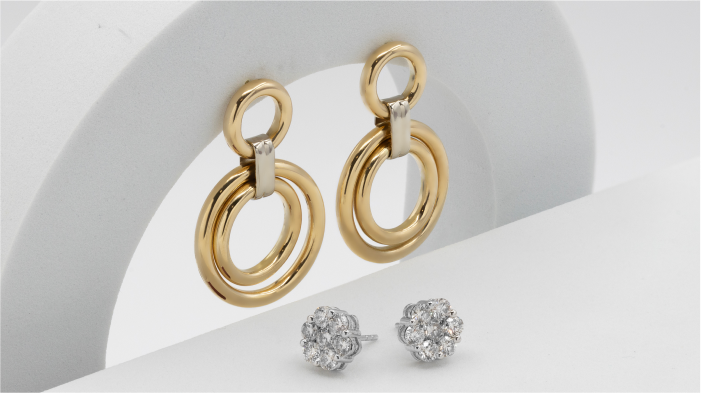




We've been tracking something interesting in the luxury jewellery market. While most buyers chase the new-in-box experience, a smaller group of collectors has been quietly building wealth through a different channel.
They're buying preowned.
The numbers tell a story that contradicts everything retail marketing wants you to believe. Gold prices climbed from £240 per ounce in 2000 to £2,050 in January 2025. Vintage jewellery prices increased 80% over the last decade. Van Cleef & Arpels pieces now resell at 112% of retail value.
The secondary market isn't just for bargain hunters anymore. It's where strategic investors go to eliminate the single biggest obstacle to jewellery as wealth preservation: the retail premium.
When you buy new jewellery from a traditional retailer, you're paying for more than gold, platinum, and diamonds.
You're funding:
Storefront overhead in premium locations
Marketing campaigns and brand positioning
Sales commissions and staff salaries
Packaging, presentation, and "experience" design
These costs typically add 100-300% markups to the material value of your piece. The moment you complete the transaction, that premium disappears. Your £4,000 necklace might contain £1,200 worth of gold and diamonds.
Preowned jewellery eliminates this inflation. You're buying closer to intrinsic value, which means your investment starts from a position of strength rather than immediate depreciation.
The smartest jewellery investors we've observed follow a consistent pattern. They build their collections around three core pieces that maximize both aesthetic appeal and capital preservation.
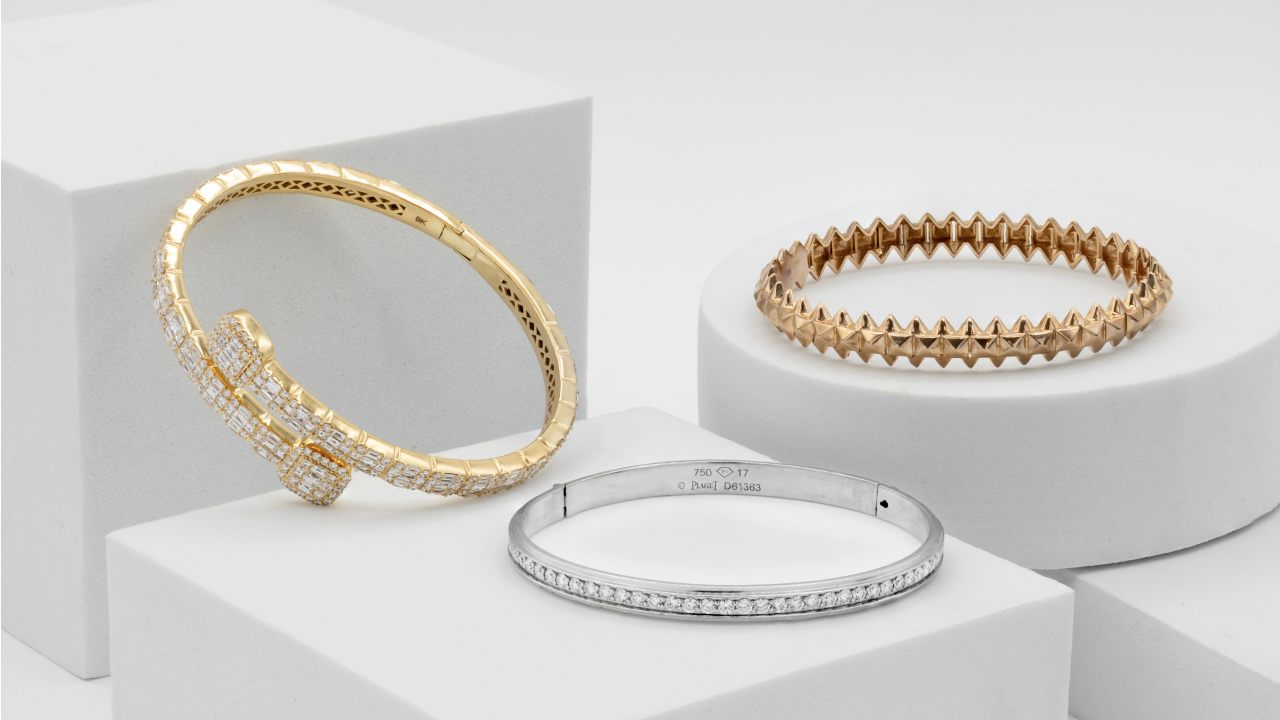
The tennis bracelet. Search interest grew 26% year-over-year, hitting 215,000 monthly searches in late 2024. This piece offers continuous diamond exposure with strong resale demand. Look for preowned examples in 18ct gold with well-matched stones.
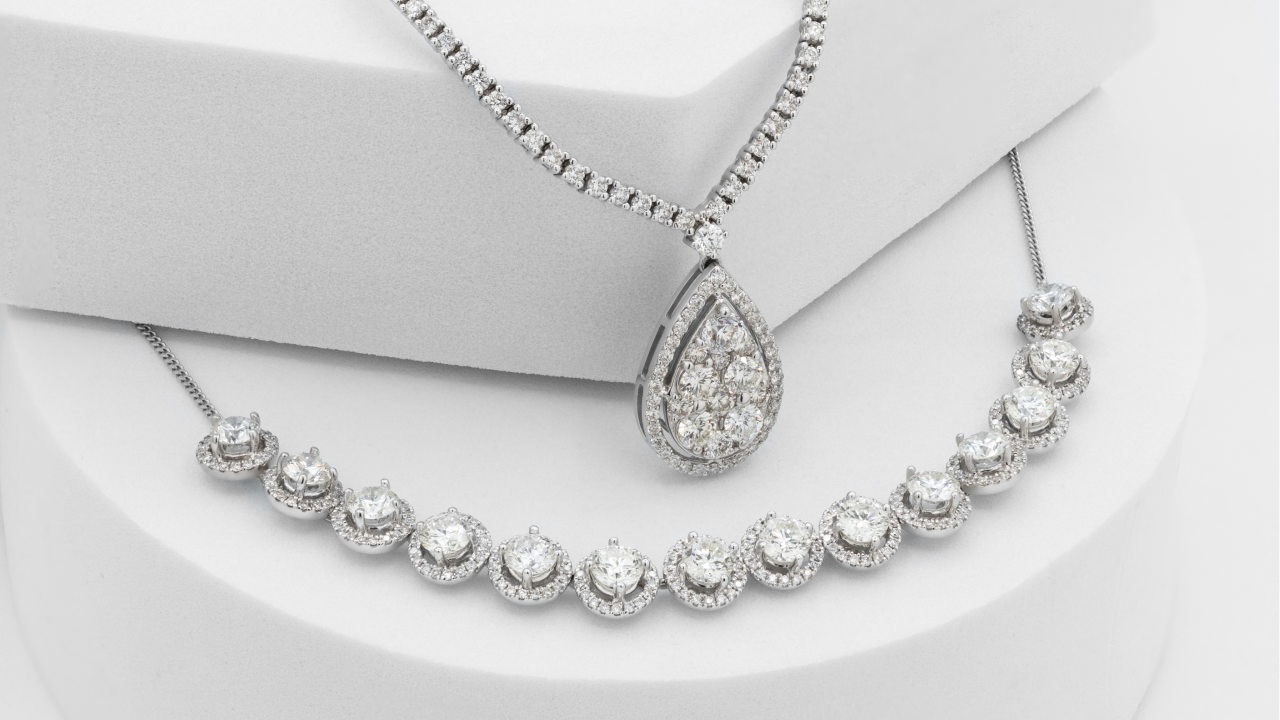
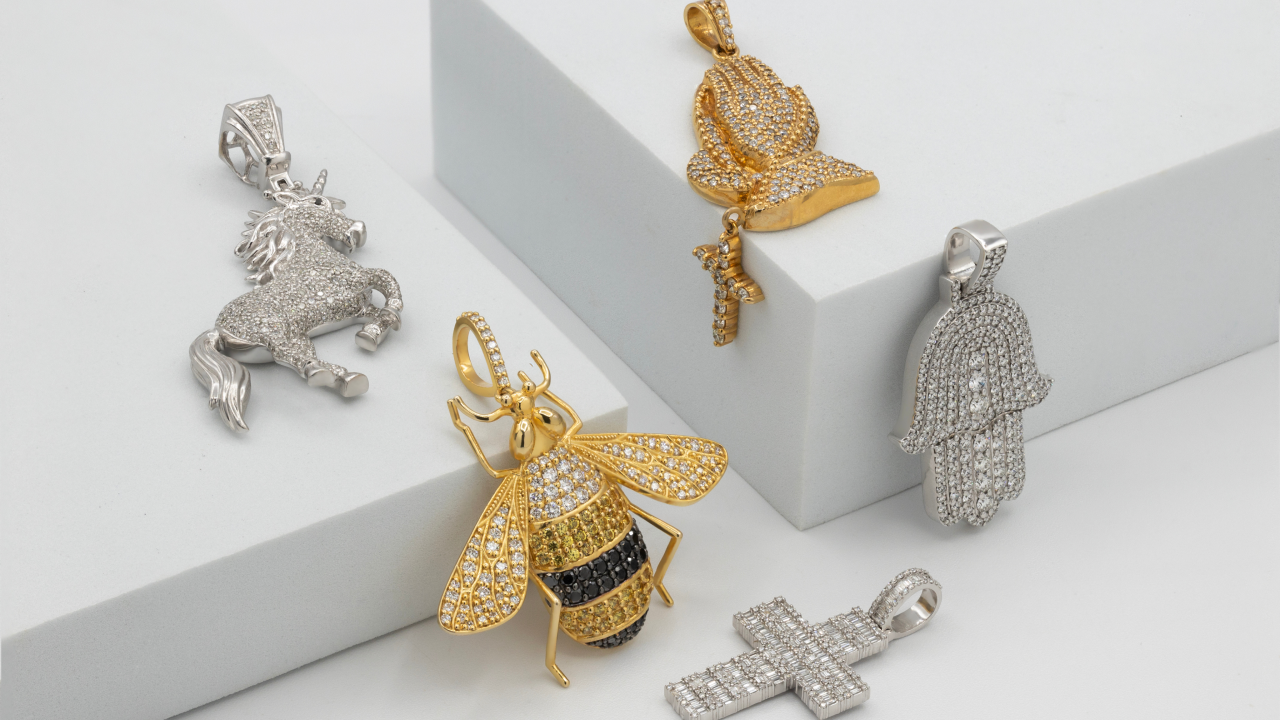
The statement pendant. Signed pieces with recognizable maker's marks command 25-30% higher returns than unsigned work. A preowned pendant from an established house gives you brand recognition without the retail markup.
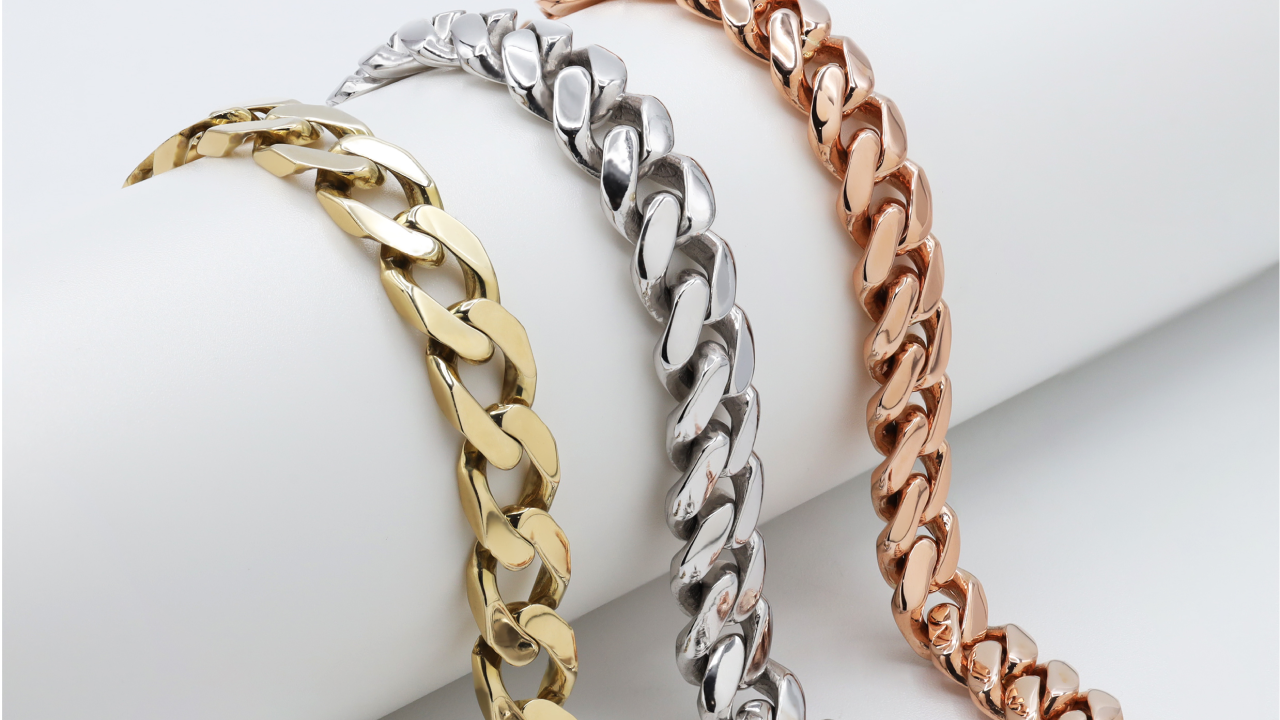
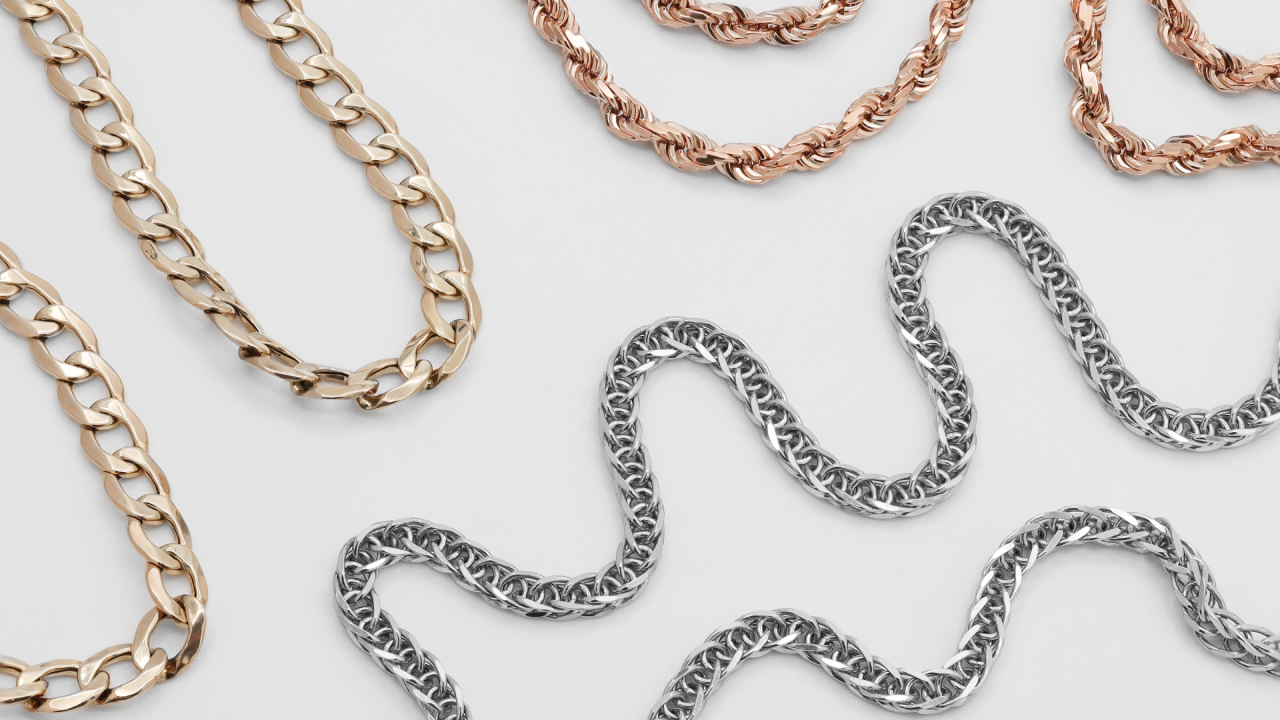
The everyday chain. Solid gold chains in classic styles maintain consistent material value. A preowned 18ct or 22ct chain offers the same gold content as new, but at a fraction of the retail cost.
Here's what most people miss about jewellery as investment: liquidity matters as much as appreciation.
The traditional retail model creates a one-way transaction. You can buy easily, but selling back to retailers typically yields 50-70% of what you paid. The gap between retail and resale creates a liquidity trap.
Platforms specialising in preowned luxury jewellery solve this problem. They operate in the space between retail markup and wholesale buyback. When you buy preowned, you're entering at a price point that already reflects market reality.
This means you can exit your position without absorbing the full depreciation hit that comes with selling "used" retail purchases.
Gold jewellery typically resells at 70-80% of current gold market value. Higher carat pieces (18ct, 22ct, 24ct) command better returns than lower carat alternatives.
Diamonds maintain value based on the 4Cs, but provenance adds measurable premium. A preowned diamond piece from a recognized maker carries documentation and history that enhances resale potential.
The fine jewellery market reached £190 billion globally, with luxury pieces over £800 representing 42% of total value despite being only 8% of unit sales. This concentration suggests that fewer, higher-quality preowned pieces deliver better value preservation than multiple lower-tier purchases.
We look at three factors when assessing preowned jewellery for investment potential:
Material composition. What's the actual gold, platinum, or diamond content? Higher carat gold and well-graded diamonds hold value better than lower-quality materials.
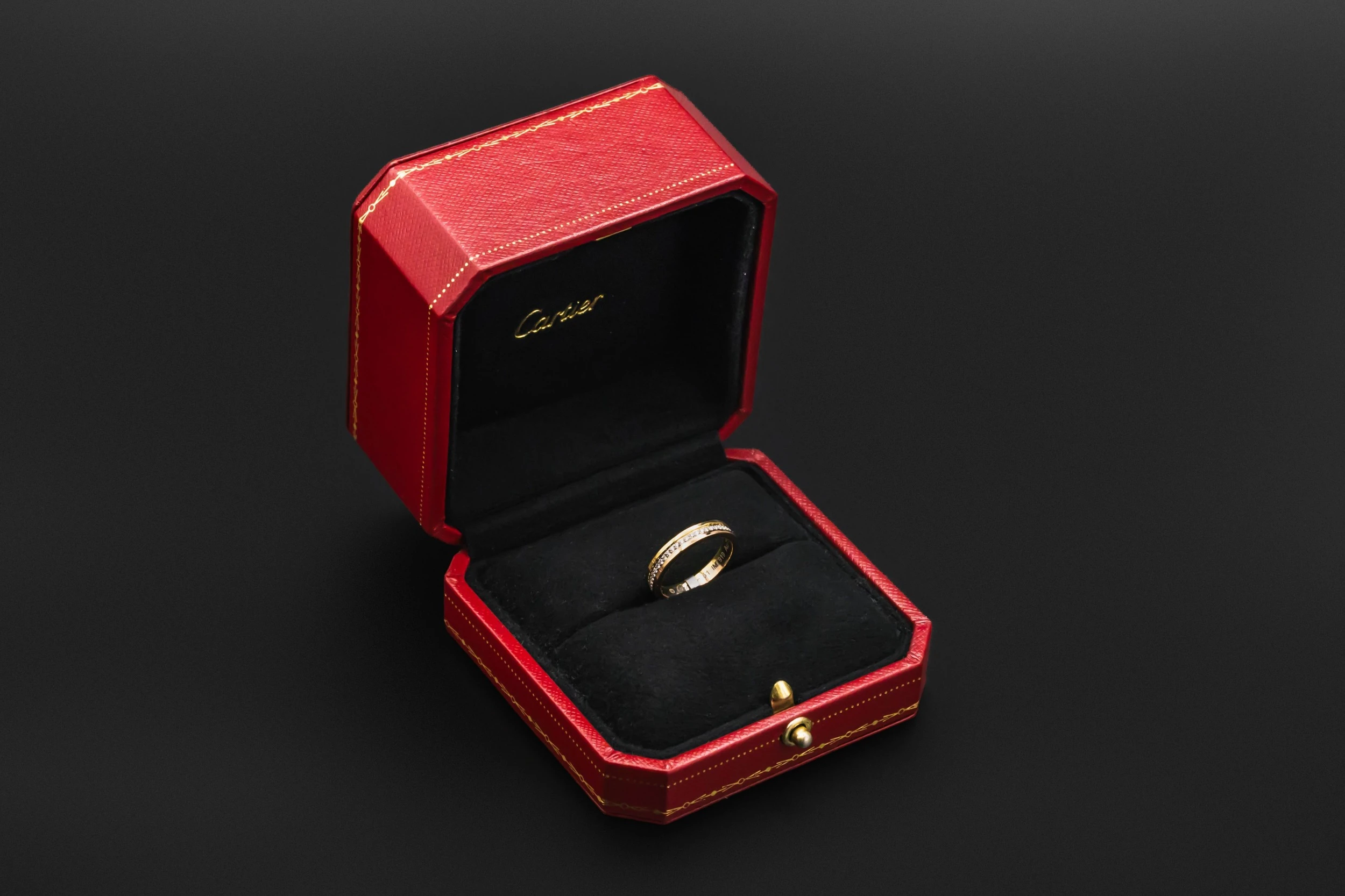
Craftsmanship and maker. Signed pieces from established houses (Cartier, Van Cleef & Arpels, Tiffany) maintain stronger resale demand. The maker's mark adds 25-30% to returns.
Market positioning. Is this piece in a category with growing demand? Tennis bracelets, for example, show sustained search growth and celebrity endorsement, indicating stable future demand.
Precious metals and diamonds don't degrade. A preowned piece from 1985 contains the same material value as one from 2025.
This durability creates an interesting dynamic. While most consumer goods depreciate through use, fine jewellery maintains its physical properties indefinitely. The only variable is market demand for specific styles.
Buying preowned lets you acquire pieces that have already survived their initial style cycle. If they're still in demand decades later, that's a strong signal of lasting appeal.
The collectors building real wealth through jewellery aren't chasing trends or buying for pure aesthetics. They're treating each acquisition as a capital allocation decision.
They ask: Does this piece offer material value that justifies the price? Will it maintain demand in the resale market? Can I exit this position without significant loss if needed?
The preowned market makes these questions easier to answer. You're buying at prices that already reflect market reality, not retail fantasy.
That's the advantage we've been watching sophisticated collectors exploit. While others pay premium prices for the new-in-box experience, they're building investment-grade collections at a fraction of the cost.
The jewellery is identical. The material value is the same. The only difference is the price you paid to acquire it.
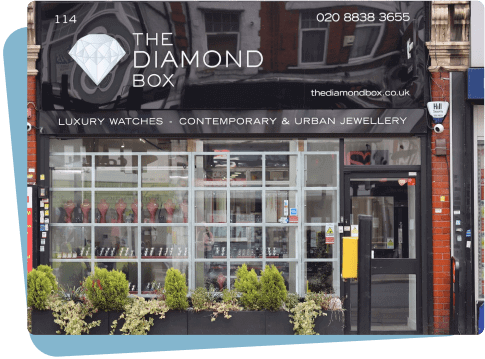
Visit us in store for great service and to see our amazing collection.
114 Ballards Lane, N3 2DN, London 020 8838 3655