



I've been studying luxury markets for years, and one pattern holds almost universally: the moment you walk out of the store, your purchase loses value.
Cars, handbags, jewelry, electronics. They all follow the same brutal depreciation curve.
Except for one glaring exception.
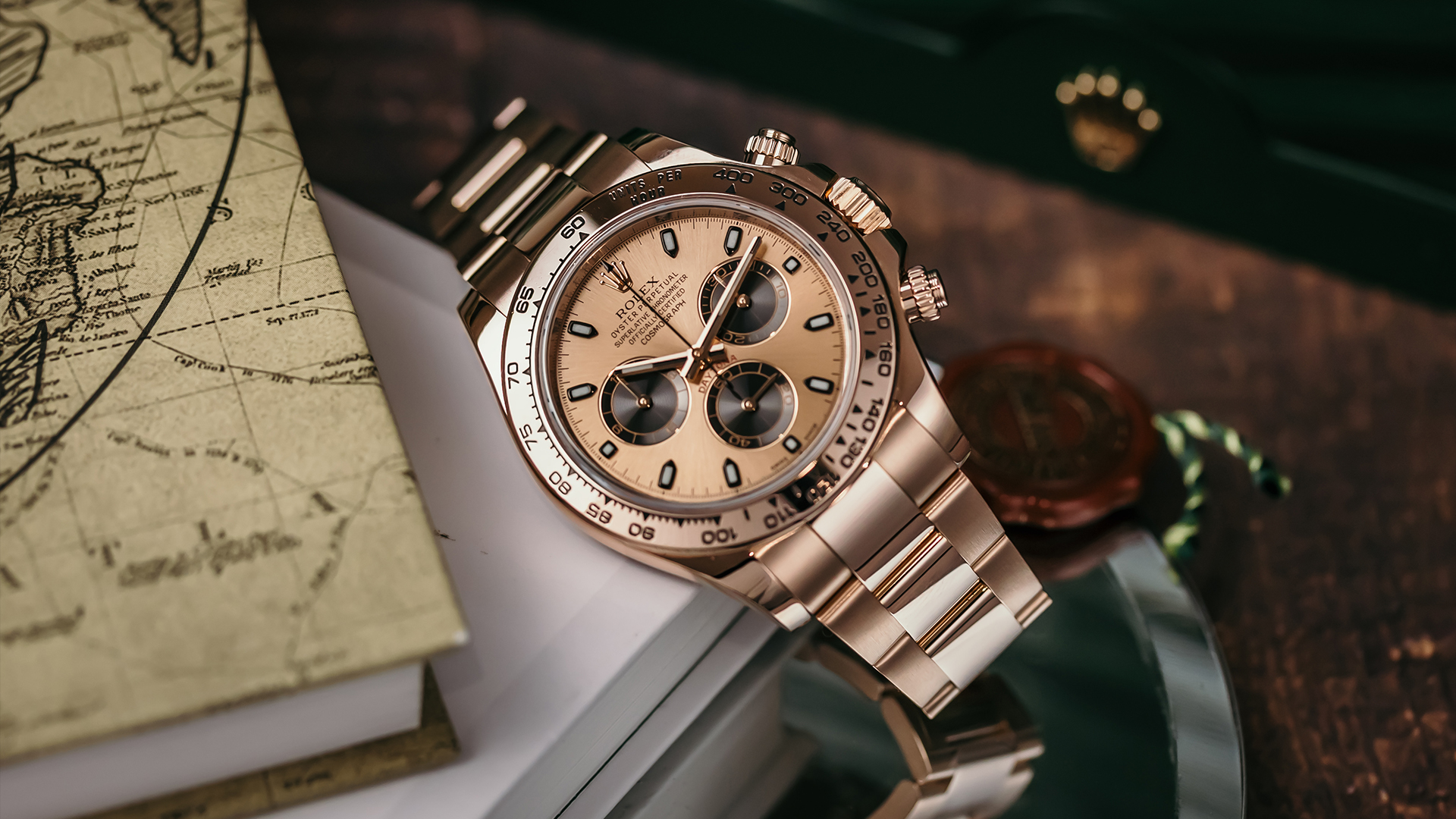
Rolex watches have appreciated 28% over the past five years. The average used Rolex price jumped from under $5,000 in 2011 to over $13,000 today. While other luxury goods crater in value, Rolex timepieces climb steadily upward.
This defies everything we know about luxury consumption.
The Scarcity That Actually Works
Most luxury brands create artificial scarcity through marketing tricks. Rolex does something different.
They produce between 800,000 and 1.2 million watches annually. But here's the key: dealers have zero control over which models they receive.
An authorized dealer might get twenty Datejusts but only two Submariners. They won't know until the shipment arrives.
This creates genuine scarcity, not manufactured hype. The constraint is real, built into their production and distribution model.
Technical Substance Behind The Status
I discovered something interesting about Rolex materials. They don't use standard 316L stainless steel like most watchmakers.
Instead, they use 904L Oystersteel. This grade was originally developed for aerospace and chemical industries. It's more corrosion-resistant, stronger, and shinier than regular watch steel.
Their Cerachrom ceramic bezels resist scratches, fading, and corrosion in ways that traditional aluminum inserts simply cannot match. These aren't cosmetic upgrades. They're functional improvements that justify premium pricing.
This technical foundation separates Rolex from pure status symbols. The watches perform better, not just look more expensive.
Investment Dynamics That Changed Everything
The most fascinating shift I've observed is psychological. Rolex ownership has evolved from consumption to investment.
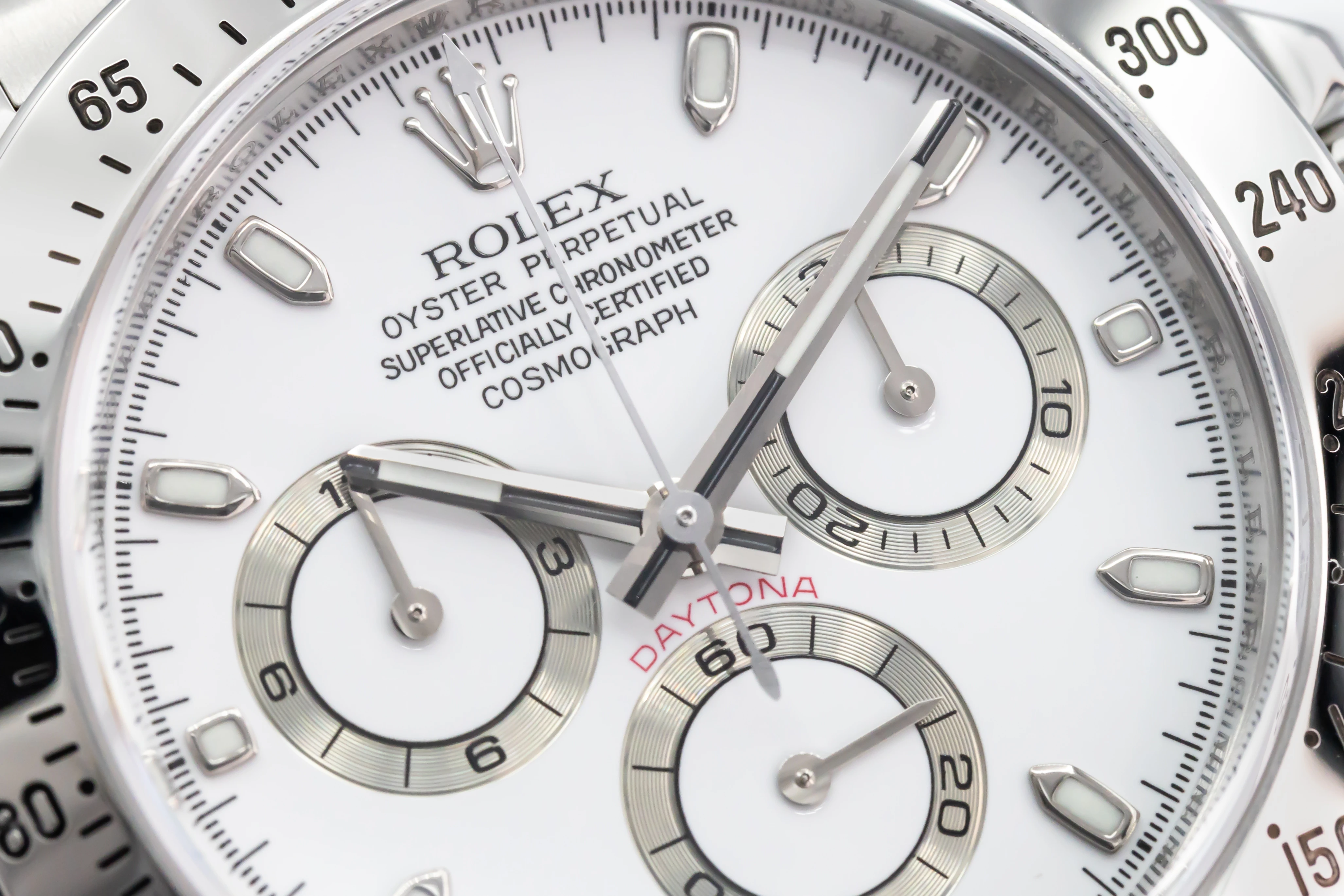
Certain Submariner references show 5-7% annual appreciation. Daytonas average $30,000 on the pre-owned market. Some models have appreciated over 1,000 times their original retail price.
This transforms the purchase equation entirely.
When someone buys a Rolex, they're not just buying a watch. They're acquiring an asset that historically holds or increases its value. The cost of ownership becomes negative over time.
No other luxury category offers this dynamic consistently.
What This Means For Luxury Markets
Rolex has cracked a code that other luxury brands struggle to understand. They've combined authentic scarcity, technical substance, and investment-grade performance into a single product.
The result is a luxury good that appreciates rather than depreciates.
This model challenges the fundamental assumptions of luxury consumption. Instead of paying for status that fades, customers invest in value that compounds.
Other luxury brands are watching closely. The question is whether they can replicate this formula, or if Rolex has built something truly unique in the luxury market.