




TL;DR: Rolex availability improved for mid-tier models in 2026, but high-demand sports watches like Daytonas and GMT-Master IIs remain scarce. Prices rose 3-6% for steel models. The secondary market gap narrowed. Dealer relationships still determine allocation for sought-after pieces.
What's Actually Happening with Rolex Availability in 2026:
-
Mid-tier models (Explorer, standard Datejust, some Submariners) have shorter wait times
-
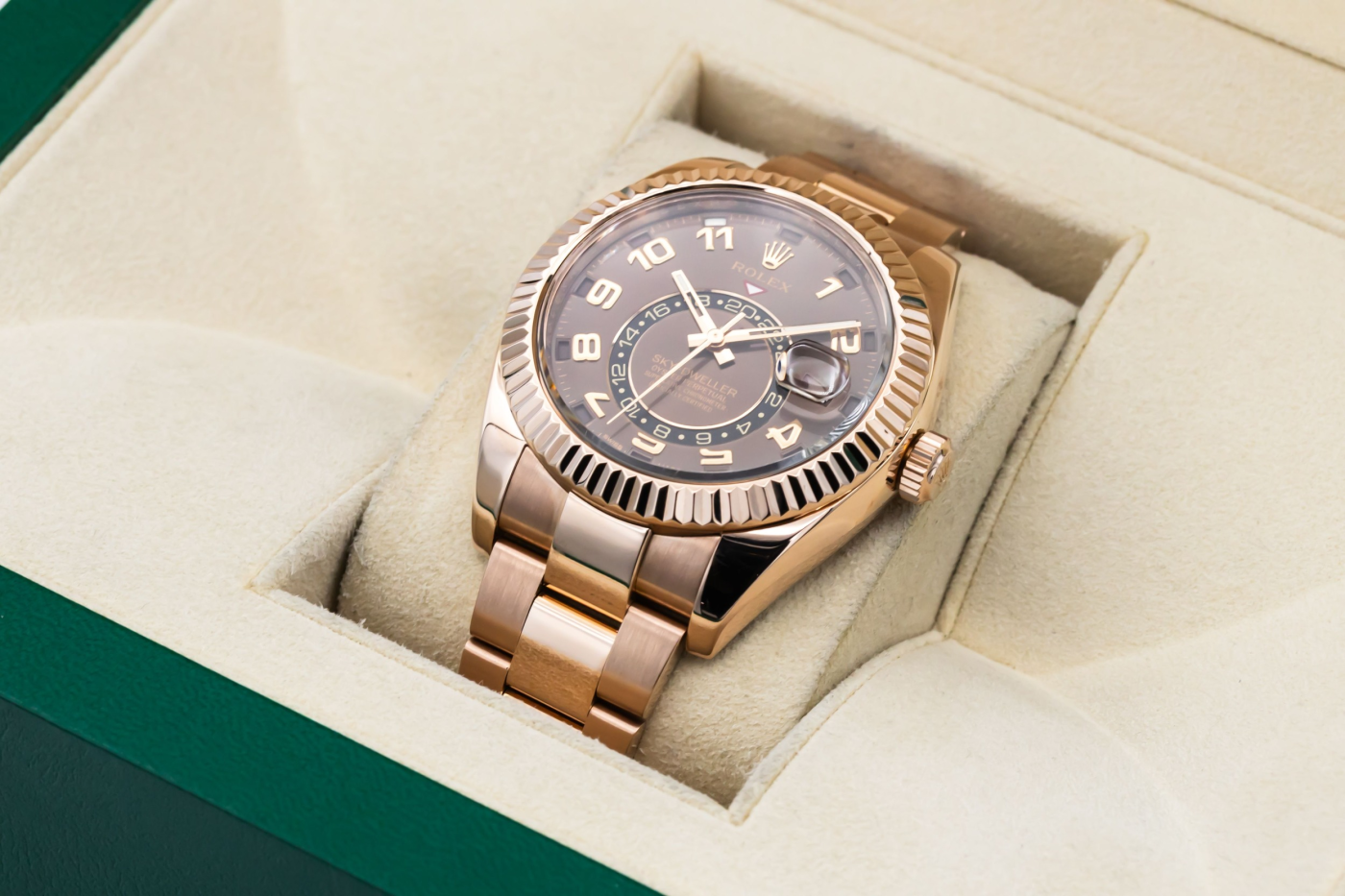
High-demand sports models (Daytona, Sky-Dweller, certain GMT-Master IIs) remain genuinely scarce
-
Steel prices increased 3-6%, gold models rose 2.5-6%
-
Secondary market premiums compressed significantly
-
Dealer relationships still matter more than formal waitlists
We've been watching something shift over the past year. Headlines keep suggesting the Rolex shortage is over. First it was "the waitlist is finally ending," then "supply is catching up," and lately "you just walk in now."
Here's what we're seeing from our position in the UK market: availability has improved for some models, but the fundamental structure hasn't changed.
If you registered interest in a Daytona, a Sky-Dweller, or certain GMT-Master II references two years ago, you're likely still waiting. And if you're starting that conversation now, you're looking at retail prices that have climbed while you've been patient.
Let's walk through what's happening in 2026, not what the headlines suggest, but what the market is showing us.
How Much Did Rolex Prices Increase in 2026?
Rolex increased prices again in 2026. The pattern differs from what we saw in 2025.
Steel and platinum models rose between 3-6%, roughly triple last year's increase. Full gold and two-tone pieces saw smaller increases of 2.5-6%, a slowdown from 2025's jumps of up to 18% on certain gold references. The UK market is experiencing larger increases than European markets because of currency factors.
The UK market is experiencing even larger increases than European markets due to currency factors.
Here's what this means: if you're still on a waiting list for your preferred watch, you're looking at 2026 pricing regardless of when you first expressed interest.
The increase isn't surprising. Gold prices rose more than 60% over the past year, and platinum saw a 100% increase in market value. Material costs drive retail pricing, and Rolex has adjusted prices to reflect this reality over decades.
What creates tension is the combination: waiting years for allocation while prices keep climbing. You're watching the financial commitment grow.
Key Point: Retail prices rose 3-6% for steel models in 2026, driven by material costs. If you're on a waitlist, you'll pay current pricing when your watch arrives, not the price from when you first registered interest.
Which Rolex Models Are Easier to Get in 2026?
The availability story depends entirely on which models you're discussing.
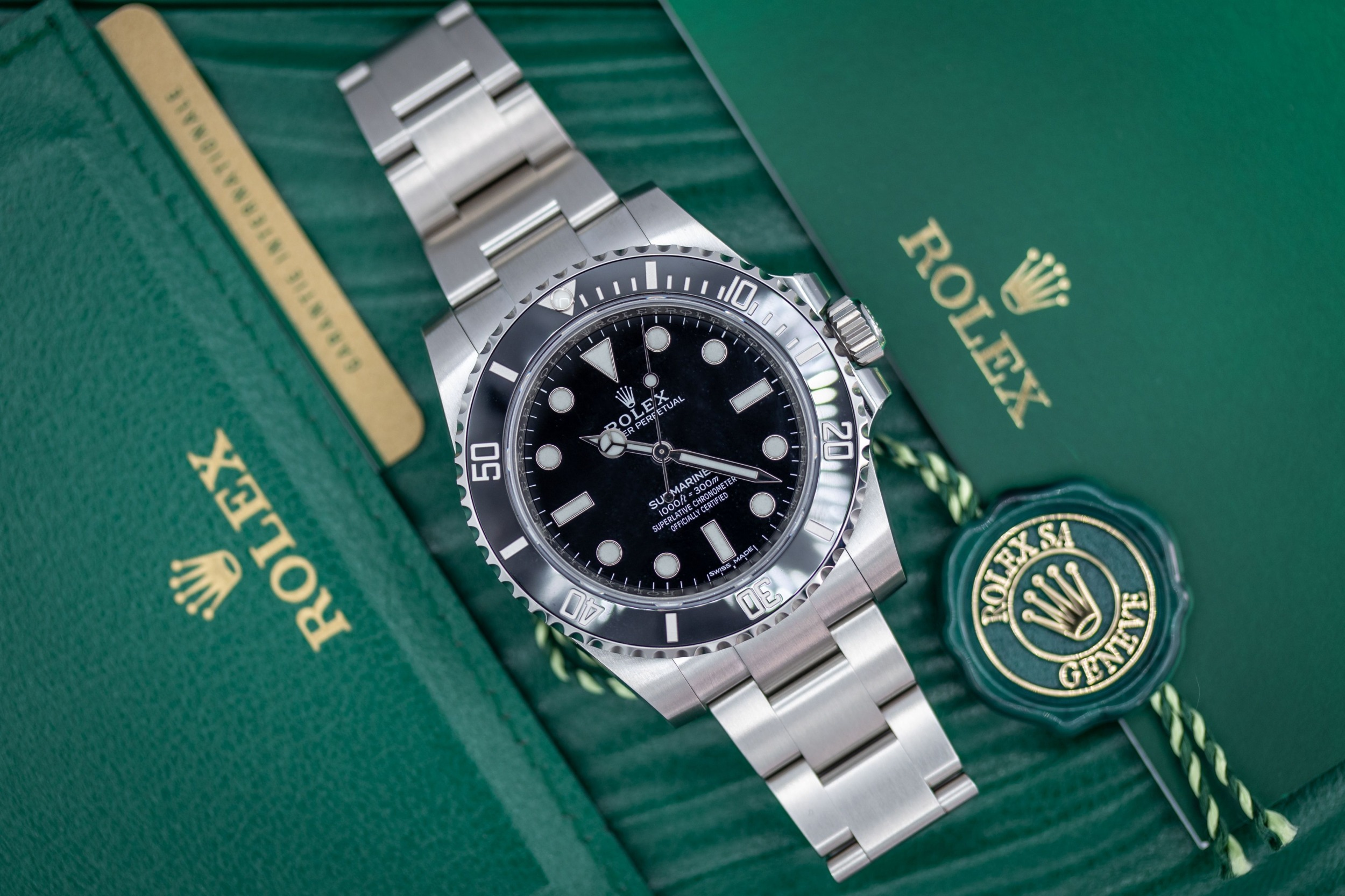
For the middle of the catalog (the Explorer, standard Datejust configurations, and some Submariner references) availability has improved. Recent data from WatchCharts and ongoing reports from authorized dealer customers show that wait times for these models are shorter than they've been in years. We're talking months rather than years.
Recent data from WatchCharts and ongoing reports from authorized dealer customers show that wait times for these models are shorter than they've been in years. Not immediate, but measured in months rather than years.
The most sought-after references remain difficult to acquire.
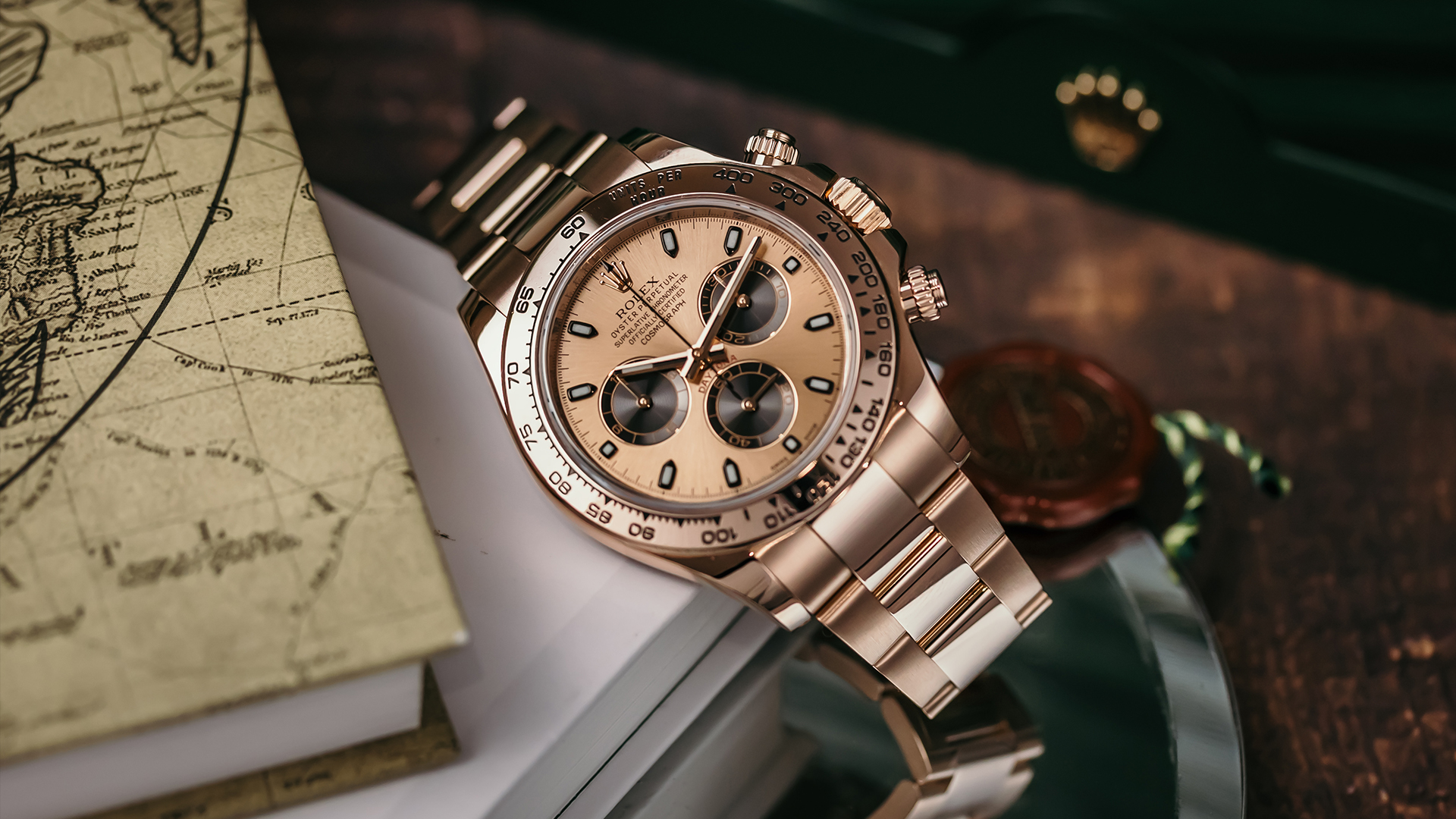
Daytonas, Sky-Dwellers, and certain GMT-Master II models remain scarce. Authorized dealer relationships still matter. The improvement in availability applies to a specific tier of the catalog, not uniformly across the entire range.
This creates a split experience: some buyers walk into 2026 feeling the market has normalized, while others experience the same scarcity they've faced for years.
Key Point: Mid-tier models (Explorer, Datejust, some Submariner configurations) have wait times measured in months. High-demand sports models (Daytona, Sky-Dweller, GMT-Master II) remain genuinely scarce with year-plus waits.
Why Did Rolex Availability Improve?
The common assumption is Rolex increased production, and supply caught up with demand.
That's partially true, but it misses the bigger shift.
Demand normalized more than supply expanded.
From 2020 to 2022, Rolex demand hit unprecedented levels. Pandemic spending patterns, social media amplification, and secondary market speculation created conditions that pushed demand far beyond historical norms. People were willing to wait years. Authorized dealers had far more interest than they could fulfill.
What we're seeing now is demand returning to fundamentals. Flippers have largely exited the market. Speculative buyers moved on. What remains is interest from people who want to wear the watch, and that level of demand is more manageable, though still substantial for certain references.
Rolex's new production facility in Bulle won't be complete until 2029. While the brand opened temporary production sites in Romont and Villaz-Saint-Pierre, the idea that these facilities have already created dramatic supply increases seems unlikely given the timelines involved. The shift feels more significant than it is because demand compressed.
Key Point: The improvement stems more from normalized demand (speculators and flippers exiting) than from increased supply. Rolex's major new facility won't be operational until 2029.
The shift feels more significant than it is because demand compressed so dramatically.
What's Happening with Rolex Secondary Market Prices?
After the surge of pandemic years and the correction that followed, the secondary market for Rolex has stabilized.
Prices have leveled out, and in several cases eased. Retail has kept rising, but resale hasn't followed at the same pace.
The result is a gap between new and pre-owned prices that's now slimmer than it's been in years.
This creates an interesting decision environment.
If you want a specific reference now, the secondary market remains viable, but the premium you'll pay over retail has compressed. For some models, pre-owned pricing now sits close enough to retail that the decision becomes less about price and more about timing and preference.
For buyers who value immediate availability or prefer a specific production year, the grey market continues to serve a role. But it's no longer the dramatic arbitrage opportunity it was during peak shortage years.
Key Point: Secondary market prices stabilized in 2026. The premium over retail compressed significantly, making pre-owned a more viable option for buyers prioritizing immediate availability.
How Do Rolex Waitlists Actually Work?
Here's something worth understanding: Rolex authorized dealers don't operate formal waitlists in the traditional sense.
You register interest. Dealers track that interest. But allocation decisions are made based on dealer discretion, factoring in purchase history, relationship depth, and confidence that you'll keep the watch rather than flip it.
This isn't a queue where position 47 gets the next available piece.
It's a relationship-based system where demonstrated commitment over time influences allocation priority.
If you've been waiting for two years, leaving that relationship now means starting over elsewhere, and there's no guarantee another dealer will prioritize you differently.
This structure frustrates people who prefer transparent, linear systems. But it's the reality of how allocation works across most authorized dealer networks, not only for Rolex.
Key Point: Rolex dealers don't maintain formal waitlists with numbered positions. Allocation is relationship-based, prioritizing purchase history and long-term commitment over registration date.
Should You Buy a Rolex in 2026?
If you're considering a Rolex purchase this year, here's what the current market suggests:
For mid-tier models (Explorers, standard Datejusts, some Submariner configurations): Availability has improved. You're looking at timelines measured in months rather than years, depending on your relationship with an authorized dealer.
For high-demand sports models (Daytonas, Sky-Dwellers, specific GMT-Master II references): The situation remains largely unchanged. These pieces are still scarce, and authorized dealer relationships remain the primary path to allocation.
For pre-owned purchases: The gap between retail and secondary market pricing has narrowed. If immediate availability matters more than waiting for retail pricing, the premium you'll pay is smaller than it's been in recent years.
For pricing expectations: Retail prices will likely keep rising gradually, particularly for steel and platinum models. The dramatic jumps of 2025 seem to have moderated, but steady increases appear to be the baseline.
What We've Learned from Two Decades of Watching This Market
We've spent two decades watching how people navigate decisions like this.
The pattern we see most often: people who rush into purchases during shortage periods (either paying significant premiums or compromising on their preference) tend to experience regret later when availability normalizes. The buyers who fare best are the ones who get clear on what they want, build genuine relationships with authorized dealers, and remain patient through the process.
This doesn't mean waiting indefinitely. It means understanding the current market reality, weighing your options, and making decisions based on what matters most to you, not what headlines suggest you should feel urgency about.
2026 is more stable than the chaos of 2020-2022, but it's not the wide-open market some narratives suggest.
Availability has improved for a portion of the catalog. But the most sought-after references remain scarce, and the fundamental structure (relationship-based allocation, no formal queues, continued price increases) hasn't changed.
If you've been waiting, the question isn't whether the market has fixed itself. The question is whether your specific situation (the model you want, your relationship with dealers, your timeline flexibility) aligns with current market conditions.
Common Questions About Rolex Availability in 2026
How long is the wait for a Rolex Daytona in 2026?
Daytonas remain among the scarcest Rolex models. Wait times vary by authorized dealer and your relationship history, but most buyers are looking at 1-3+ years. Dealer relationships and purchase history significantly influence allocation priority.
Which Rolex models have no waiting list in 2026?
No Rolex model has zero wait time universally, but mid-tier models like the Explorer, standard Datejust configurations, and some Submariner references have dramatically shorter waits (months rather than years). Availability varies by specific reference and dealer.
Did Rolex increase production in 2026?
Rolex opened temporary production sites in Romont and Villaz-Saint-Pierre, but the major new facility in Bulle won't be operational until 2029. The improvement in availability stems more from normalized demand (speculative buyers exiting) than dramatic supply increases.
Is it worth buying a Rolex on the secondary market in 2026?
The premium between retail and secondary market prices compressed significantly in 2026. For buyers prioritizing immediate availability or specific production years, the grey market offers a more reasonable option than during peak shortage years. The decision depends on your timeline and price sensitivity.
Do Rolex waitlists actually exist?
Authorized dealers don't maintain formal numbered waitlists. Instead, they track expressed interest and allocate watches based on relationship history, purchase patterns, and confidence you'll keep the watch. It's a discretionary system, not a linear queue.
Will Rolex prices keep increasing?
Rolex has consistently adjusted prices to reflect material costs and market conditions over decades. Steel and platinum models saw 3-6% increases in 2026. Gradual annual increases appear likely to continue, though the dramatic jumps of 2025 seem to have moderated.
Should I wait for retail or buy pre-owned?
This depends on your priorities. If you want a specific model soon and the secondary market premium is acceptable, pre-owned offers immediate availability. If you're willing to wait and build a dealer relationship, retail provides the satisfaction of purchasing new at list price. Neither path is objectively better.
Key Takeaways
-
Mid-tier Rolex models (Explorer, Datejust, some Submariner references) have significantly improved availability with wait times measured in months rather than years.
-
High-demand sports models (Daytona, Sky-Dweller, certain GMT-Master IIs) remain genuinely scarce with multi-year waits for most buyers.
-
Steel and platinum Rolex prices increased 3-6% in 2026, driven primarily by material cost increases (gold up 60%, platinum up 100%).
-
Secondary market premiums compressed substantially as demand normalized and speculation decreased, making pre-owned purchases more viable.
-
Rolex dealers use relationship-based allocation rather than formal numbered waitlists, prioritizing purchase history and long-term commitment.
-
The availability improvement stems more from demand normalization (exit of flippers and speculators) than from increased production capacity.
-
Rolex's major new production facility in Bulle won't be operational until 2029, so dramatic supply increases aren't imminent.
Does this match what you're experiencing?