





TL;DR: Despite cooling from pandemic peaks, specific Rolex models continue trading above retail in 2026 due to observable market forces: gold prices up 70% since January 2025, persistent allocation constraints on steel sports models, 15% Swiss tariffs in the UK, and genuine collector demand that outlasts hype cycles. Understanding these patterns helps you separate real scarcity from manufactured urgency.
Quick Answer:
-
Gold prices surged 70% since early 2025, pushing precious metal Rolex prices up 5-6%
-
Steel sports models (Submariner, Daytona, GMT) remain allocation-constrained at authorized dealers
-
UK buyers face 15% Swiss tariffs, adding pressure beyond material costs
-
Secondary market premiums reflect immediate availability when retail waitlists extend years
-
Precious metal models often trade 8-15% below retail, creating different dynamics
These forces have been building for years, and in 2026, they're still shaping what you'll pay and how long you'll wait for specific references.
What's Driving Price Increases?
Start with something concrete: the price of gold.
Since January 2025, gold prices surged approximately 70%, reaching around £3,500 per ounce. This observable cost pressure passes directly through to retail pricing on precious metal watches.
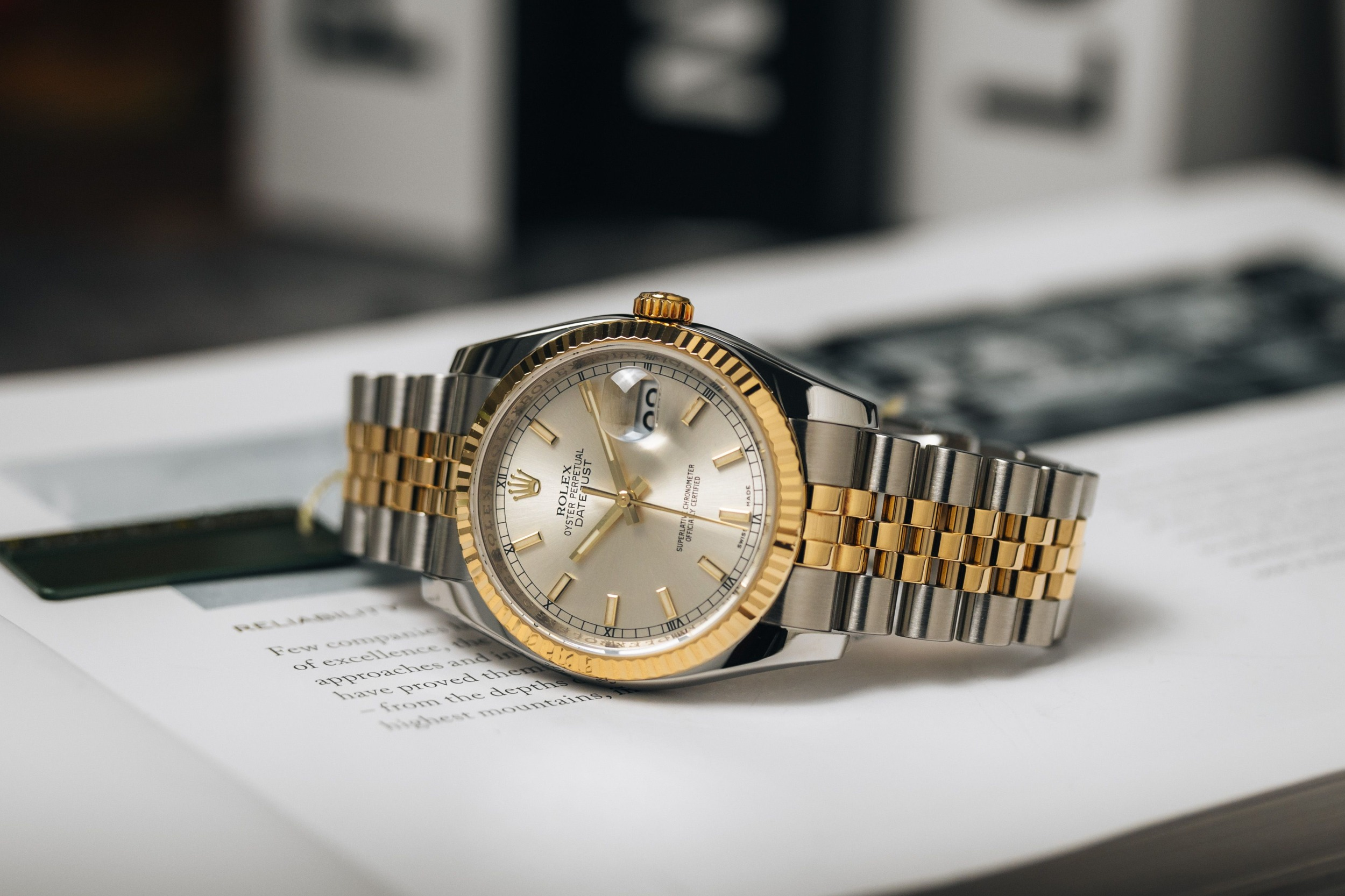
A yellow gold Submariner Date that retailed for £36,200 in 2025 now lists at £38,300 in 2026, a 5.7% increase. Stainless steel models saw roughly 5-6% price increases in January 2026, with the Submariner Date rising over £800 to £9,050.
These adjustments reflect real input costs: materials, labour, tariffs that Rolex absorbs and then adjusts for in their pricing structure.
For UK buyers, there's an additional layer.
The 15% tariff on Swiss goods, up from the traditional 2-3% prior to 2025, now drives Rolex's 2026 price increases in the UK market. Add a U.S. dollar that weakened about 12% relative to the Swiss franc over the past year, and you're looking at compounding external economic forces that have nothing to do with brand positioning.
Key Point: Material cost inflation and tariff pressure create real pricing increases. These are structural realities, not marketing decisions.
Why Supply Constraints Persist
Even as the market normalised from its pandemic frenzy, certain models remain difficult to acquire at retail.
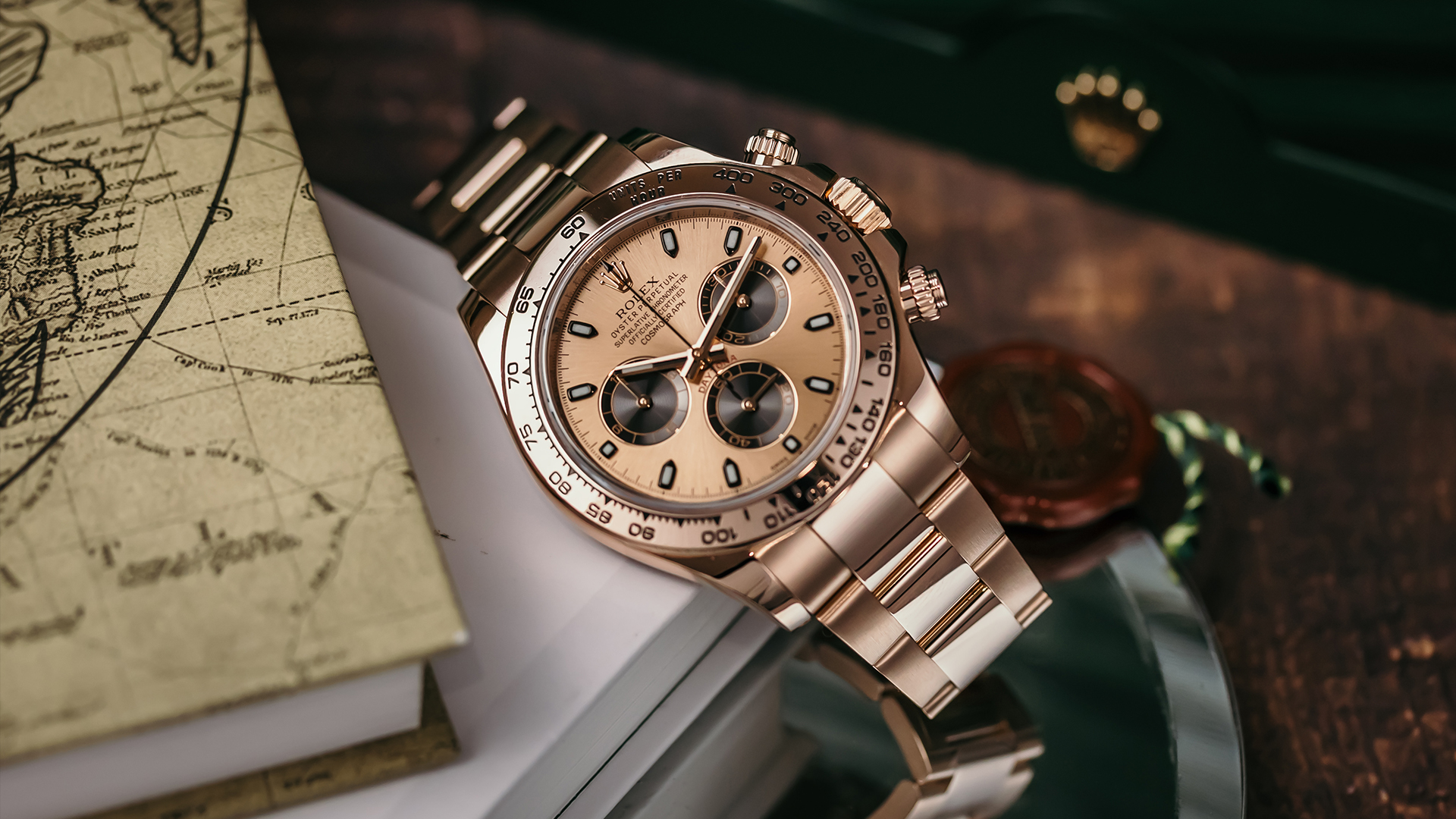
Steel Daytonas and Pepsi GMTs still top the hardest-to-get list. The new Land-Dweller, especially in steel, remains in high demand. Some Rolex salespeople quote ten years for certain models, though valued customers often acquire one in under five years.
This isn't artificial scarcity. It's allocation.
Rolex produces approximately one million watches annually. That sounds substantial until you consider growing global demand and the fact that authorised dealers receive fewer than 50 units per quarter for certain references.
When retail supply falls short of demand, secondary markets fill the gap.
A steel Submariner Date trading at £9,950 on the secondary market while retail sits at £8,950 isn't appreciation in the traditional sense. It's scarcity at retail creating a premium for immediate availability.
Those secondary prices compress when retail allocation eases. We've already seen this happen with certain references that were impossible to find in 2021 and 2022 but became more available by mid-2025.
Key Point: Limited retail allocation creates secondary market premiums. When availability improves at authorised dealers, secondary prices adjust downward.
How Precious Metal Models Behave Differently
While steel sports models command premiums, precious metal watches often trade at a structural discount on the secondary market.
Even unworn examples sell for 8-15% below retail. This creates a bifurcation in the market worth understanding if you're considering a gold or platinum piece.
The reason is straightforward: demand for precious metal Rolex watches is more limited than demand for steel sports models. Collectors and enthusiasts prioritize references that combine wearability, versatility, and cultural cachet. Steel Submariners, Daytonas, and GMT-Master IIs fit that profile. A yellow gold Day-Date, while beautiful and prestigious, appeals to a narrower audience.
This doesn't mean precious metal watches are poor choices.
You should enter the decision with clear expectations about resale dynamics. If you're drawn to a gold Submariner because you love the way it looks and feels, that's a sound reason. If you're buying because you assume all Rolex watches appreciate, you're working from incomplete information.
Key Point: Precious metal models typically trade below retail on secondary markets. Buy for personal preference, not appreciation assumptions.
What the Post-Hype Market Looks Like
After the extraordinary pandemic spike in demand and prices fueled by scarcity and speculation, Rolex has settled back to pre-COVID market-share levels. Multi-year growth remains positive, but the frenzy has cooled.
As of mid-2025, Rolex availability is improving in a way that would have seemed unthinkable a few years ago. This reflects genuine market recalibration, not brand weakness.
What we're seeing now is a more mature market. Rising prices and greater access to information have encouraged buyers to pause, research, and reflect before committing. Watches are no longer impulse purchases driven by hype. They're considered decisions involving money, time, and personal taste.
This systemic deceleration is healthy.
It creates space for you to make a decision that aligns with what you want, rather than what urgency or scarcity pressure you into accepting.
Key Point: Market normalisation gives buyers time to make thoughtful decisions rather than reactive ones.
Why Certain Models Still Command Premiums
If the market has cooled and availability has improved, why do some models still trade above retail?
The answer comes down to observable pattern data across thousands of transactions over years.
Steel sports models like the Submariner, Daytona, and GMT-Master II show five-year compound annual growth rates ranging from 22% to 35%. That's not hype. That's collector demand, supply rationing, and cultural positioning creating sustained value over time.
These models combine wearability, brand recognition, and relative scarcity in a way that few other watches do. They're not only timepieces. They're cultural objects with multi-generational appeal.
Here's what matters most.
If you're considering a Rolex that trades above retail, you need to separate genuine scarcity from manufactured urgency. Genuine scarcity shows up in allocation data, production constraints, and long-term demand patterns. Manufactured urgency shows up in language designed to compress your decision timeline.
Key Point: Sustained premiums reflect real scarcity and collector demand. One is a structural reality. The other is a sales tactic.
What This Means for You in 2026
If you're thinking about acquiring a Rolex this year, here's what the current market landscape suggests.
For steel sports models: Expect to pay a premium on the secondary market or wait for retail allocation. The premium reflects real scarcity, not hype. If immediate availability matters to you, the secondary market provides that option. If you're willing to wait and build a relationship with an authorised dealer, retail remains the better long-term path.
For precious metal models: Understand that these often trade below retail on the secondary market. If you're drawn to gold or platinum, you're entering a less competitive space where patient buyers find opportunities. Don't assume appreciation. Buy because you love the watch.
For newer or less-established references: Be cautious about paying premiums for models without multi-year demand data. Hype creates short-term price spikes that don't hold. Look for patterns, not moments.
Key Point: Your buying strategy should align with your priorities: immediate access, relationship building, or value-seeking in precious metals.
Closing the Information Gap
The Rolex market in 2026 is more transparent than ever, but informational asymmetry still exists.
Dealers who prioritise transaction velocity over decision quality will compress complexity into false binaries like "buy now or miss out" rather than helping you understand what's happening in the market.
Your job is to slow down long enough to close that gap.
Ask questions. Request data. Understand not only what you're paying, but why. Look at allocation patterns, production constraints, and long-term demand trends. Don't let urgency language override your need for comprehension.
The decision to acquire a Rolex that trades above retail isn't inherently good or bad.
It depends on what you value: immediate availability, specific references, long-term appreciation potential, and whether the premium aligns with those priorities.
What matters is that you enter the decision with clarity rather than pressure, understanding rather than speculation.
Key Point: Take the time you need to understand the market before committing.
Frequently Asked Questions
Why do steel Rolex sports models cost more on the secondary market?
Limited retail allocation creates waiting periods of several years at authorised dealers. Secondary market premiums reflect the value of immediate availability when retail supply falls short of demand.
Are Rolex price increases in 2026 due to tariffs or gold prices?
Both. Gold prices surged 70% since early 2025, affecting precious metal models. UK buyers also face a 15% Swiss tariff, up from 2-3% previously. These are separate pressures that compound each other.
Will precious metal Rolex watches appreciate over time?
Precious metal models typically trade 8-15% below retail on secondary markets. Buy them for personal enjoyment, not appreciation expectations. Steel sports models show stronger long-term value retention.
How long is the wait for a steel Daytona at an authorised dealer?
Wait times vary by market and relationship. Some dealers quote ten years, though established customers often acquire one in under five years. Secondary market purchase eliminates the wait but adds a premium.
Has the Rolex market cooled since the pandemic peak?
Yes. Rolex has returned to pre-COVID market-share levels, and availability improved throughout 2025. The market is more mature now, with buyers taking more time to research and reflect before purchasing.
Which Rolex models show the strongest value retention?
Steel sports models like the Submariner, Daytona, and GMT-Master II demonstrate five-year compound annual growth rates of 22-35%. These references combine scarcity, wearability, and cultural appeal.
Should I buy from the secondary market or wait for retail allocation?
It depends on your priorities. If immediate availability matters, secondary markets provide access now. If you're willing to wait and build a dealer relationship, retail offers better long-term value and warranty benefits.
How do I tell real scarcity from manufactured urgency?
Real scarcity appears in allocation data, production constraints, and multi-year demand patterns. Manufactured urgency appears in language designed to compress your timeline, like "buy now or miss out." Take time to research.
Key Takeaways
-
Gold prices up 70% since early 2025 and 15% UK tariffs on Swiss goods drive real cost increases, not marketing
-
Steel sports models (Submariner, Daytona, GMT) remain allocation-constrained, creating secondary market premiums for immediate access
-
Precious metal Rolex watches typically trade 8-15% below retail, buy for personal preference rather than investment
-
The post-pandemic market has matured, giving buyers time to research and reflect rather than react to hype
-
Separate genuine scarcity (allocation data, production limits) from manufactured urgency (pressure tactics)
-
Your strategy should align with your priorities: immediate access via secondary market or patient relationship-building at authorized dealers
-
Take the time you need to understand market forces before committing to any purchase decision
Some models will continue trading above retail because supply doesn't meet demand at the authorised dealer level. That's not manipulation. It's economics.
But the market has also matured. The frenzy has cooled. Information is more accessible. Buyers are taking more time to make decisions that feel right rather than urgent.
If you're considering a Rolex this year, take the time you need. Ask the questions that matter. Make sure the decision aligns with what you want, not what scarcity or urgency pressure you into accepting.