




TL;DR: Vintage luxury watches are outperforming traditional investments because younger buyers (75% of luxury market by 2026) prioritize sustainability, authenticity, and value retention. The pre-owned market now exceeds £22.4 billion, with top investment watches gaining 150% in value from 2013-2025. Certain Rolex models appreciate 15-20% annually—better than most stock portfolios—while offering the benefit of daily wear.
Market size: The pre-owned luxury watch market is approaching £22.4 billion, with investment-grade watches increasing 150% in value between 2013 and 2025
Returns: Select Rolex sports models have been appreciating 15-20% annually over the past five years, outperforming many traditional asset classes
Buyer demographics: Millennials and Gen Z will make up 75% of luxury buyers by 2026, driving demand for pre-owned and vintage pieces
Value factors: Original condition with patina, complete documentation (box and papers add up to 30% to resale value), and iconic models from Rolex, Patek Philippe, and Audemars Piguet hold value best
Market validation: Major brands like Rolex now offer Certified Pre-Owned programs, legitimizing the secondary market and increasing buyer confidence
Here at The Diamond Box, we've been watching something shift in the luxury watch market over the past few years. The collectors walking through our doors are asking different questions. They want pieces with history. They care about sustainability. And they're starting to realize that a well-preserved vintage watch can outperform many traditional investments.
The numbers tell the story better than we ever could.
A steel Patek Philippe 1518 sold for £13.1 million in November 2025. That's the highest price ever achieved for a vintage Patek at auction. The pre-owned market is approaching £22.4 billion, with a value basket of 30 top investment watches increasing 150% in value between 2013 and 2025.
This isn't a bubble. This is a fundamental restructuring of how people think about luxury goods.
The traditional path to luxury watch ownership—saving up and buying new from an authorized dealer—is changing fast.
The secondary market has become the primary gateway into luxury watches, particularly for younger consumers. By 2026, Millennials and Gen Z will make up 75% of luxury buyers. These buyers bring a different mindset because they see resale as both financially smart and environmentally responsible.
They're not settling for pre-owned. They're choosing it.
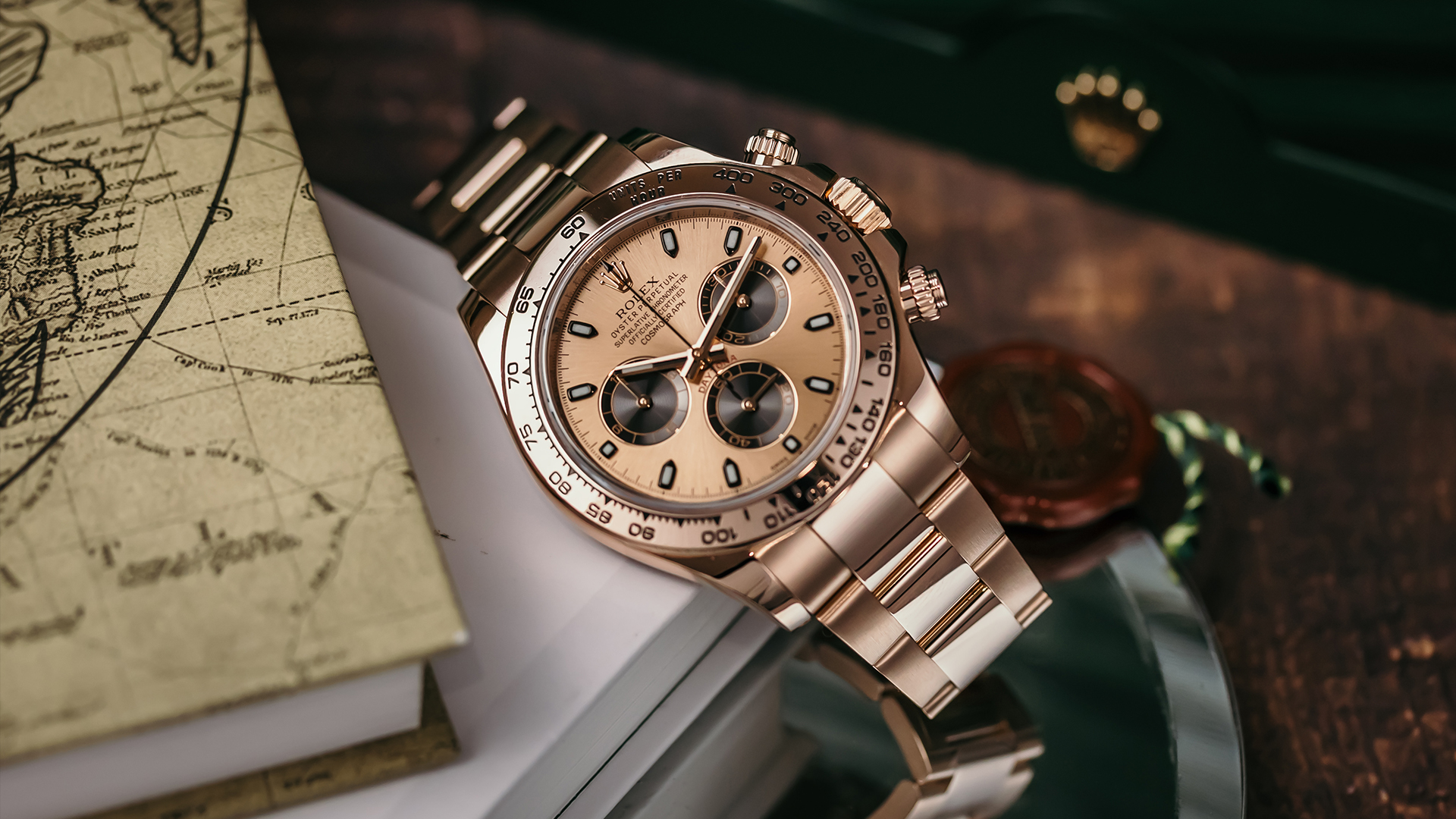
The logic makes sense when you examine the returns. Certain Rolex sports models have been appreciating 15-20% annually over the past five years. That's better than most stock portfolios. And unlike stocks, you get to wear your investment on your wrist.
At The Diamond Box, we buy and sell these sought-after pieces, and our collection can be viewed online at thediamondbox.co.uk.
Rolex remains the only brand whose watches consistently trade meaningfully above retail, with a value retention of +15.7%. Therefore, when retail prices keep climbing, more buyers turn to pre-owned options. We've seen this firsthand.
What This Means: The secondary market is no longer a compromise—it's the preferred entry point for 75% of new luxury buyers who prioritize value and sustainability over buying new.
Here's something we didn't expect five years ago: sustainability is now becoming more important than brand image for many watch buyers.
Recent research indicates that 77% of Swiss watch companies are prioritizing sustainability to lower their environmental impact. The message is getting through to consumers.
Luxury watches have enduring appeal and will probably outlive you, your home, and everything you own. Therefore, that creates a sense of permanence that resonates with buyers who are tired of disposable culture.
The secondhand luxury market is growing rapidly. Pre-owned designer bags, vintage watches, and archival fashion are now fully mainstream, especially among younger consumers who see resale as eco-conscious and financially smart.
Buying vintage isn't just about saving money. It's about making a statement.
When you purchase a vintage Rolex Submariner from 1968, you're keeping that watch in circulation instead of demanding new production. You're preserving craftsmanship that has already proven its worth over decades. You're participating in a form of luxury consumption that doesn't depend on constant manufacturing.
Bottom Line: Sustainability has shifted from a nice-to-have to a primary purchase driver, with 77% of Swiss manufacturers responding to consumer demand for eco-conscious luxury.
The most interesting evolution in vintage watch collecting has been the shift away from restoration.
Collectors used to want watches that looked "like new." They'd send pieces out for refinishing, have dials restored, replace aged hands with fresh ones. The goal was to erase time.
That's reversing.
Today's collectors favor watches in original condition with honest patina. Nicks, scratches, and fading that developed over decades can enhance desirability. We've sold watches with tropical dials (where UV exposure has changed the color) for significant premiums over pristine examples.
The imperfections tell the story.
A Submariner with a faded bezel insert shows you it was actually used for diving. A GMT-Master with a scratched case tells you it traveled the world. These aren't flaws. They're provenance.
This shift reflects a broader cultural movement toward authenticity. People are tired of Instagram perfection. They want real things with real history.
For decades, luxury watch brands pretended the secondary market didn't exist. They focused exclusively on selling new pieces through authorized dealers. The pre-owned market operated in parallel, acknowledged but never embraced.
That changed when Rolex launched its Certified Pre-Owned program.
Rolex recently changed the parameters to make watches that are two years old eligible. This confirms the importance of the Crown's decision to acknowledge the secondary market. When the most prestigious watch brand in the world enters the pre-owned space, it validates everything we've been saying for years.
The secondary market isn't secondary anymore.
Other brands are following. The existence of Certified Pre-Owned programs from major manufacturers legitimizes pre-owned dealers and gives buyers additional confidence. It also creates a clear quality standard that the entire market can reference.
For us, this validation matters because it brings new buyers into the market who might have been hesitant before. When Rolex says pre-owned is acceptable, buyers listen.
Gen Z buyers are pushing the market beyond steel sports watches.
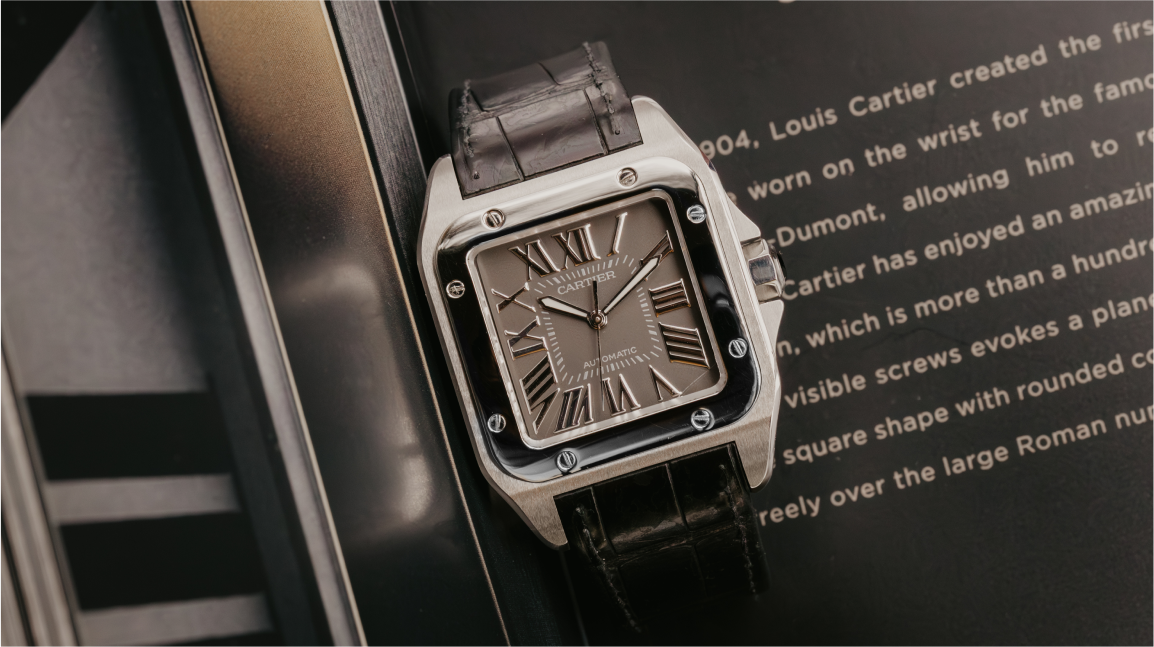
Their preference for slimmer, design-driven timepieces has led to a fourfold increase for brands like Cartier. Original Cartier Crash examples from the late 1960s have seen prices climb from around £13,400 to over £74,600 for exceptional pieces in recent years.
This expansion is healthy for the entire vintage market. When collecting was dominated by middle-aged men obsessing over Rolex Daytonas and Patek Philippe Nautiluses, the market felt narrow. Now we're seeing interest in dress watches, unconventional designs, and pieces with artistic merit beyond pure horological achievement.
Diversity in taste creates market stability.
We've noticed younger collectors are also more willing to buy watches online, trust third-party authentication, and engage with the community through social media. They research thoroughly before buying. They know the reference numbers, the production years, the subtle variations that affect value.
They're sophisticated buyers who understand that a vintage watch is both an aesthetic choice and a financial decision.
We need to be honest about what happened in 2022 and 2023.
Pre-owned watch prices fell for thirteen consecutive quarters. The pandemic-era speculation bubble popped. Watches that had been trading at 2-3x retail came back down to earth. Some collectors panicked. Some dealers closed.
But the correction was necessary and healthy.
Pre-owned watches posted quarterly gains in value for the first time in more than three years, with prices rising by 1.5%. The market is stabilizing. The speculative froth is gone, replaced by genuine collectors and long-term investors.
This is what a mature market looks like.
The watches that held their value during the correction are the ones worth collecting. The pieces that dropped significantly were the ones that never should have been trading at inflated prices. The market is teaching us which watches have real lasting value and which were just hype.
For buyers entering now, this is good news. You're buying in a rational market where prices reflect genuine demand rather than speculation.
Having the original box and papers can add up to 30% to the second-hand price. We see this premium every day.
A Rolex Submariner with its original warranty card, chronometer certificate, and presentation box commands significantly more than the same watch without documentation. The papers prove authenticity, establish provenance, and give the next owner confidence. When we source watches for clients at The Diamond Box, complete documentation is always a priority.
Complete sets are becoming rarer as time passes.
Many vintage watches were sold decades ago when nobody thought to preserve the box. Papers got lost in moves, thrown away during spring cleaning, or simply deteriorated over time. When we find a vintage piece with complete documentation, we know it's been cared for by collectors who understood its value.
For buyers, this means you should always ask about documentation. For sellers, it means you should preserve everything that came with your watch. That warranty card you think is just a piece of paper could be worth thousands of dollars.
At The Diamond Box, we buy, sell, source, refurbish, and service luxury watches in-house. This gives us a unique view into market trends because we see both sides of every transaction.
Sellers are coming to us with watches they've owned for decades, finally ready to part with pieces they no longer wear. They're often surprised by current values. A Rolex they bought for £2,240 in 1995 might be worth £11,200 today.
Buyers are coming to us looking for specific references, often after months of research. They know exactly what they want. They've studied the market. They understand the investment potential alongside the emotional appeal.
The conversations have become more sophisticated.
We're not just selling watches. We're helping people build collections that will appreciate over time. We're sourcing pieces that are becoming harder to find. We're providing authentication and service that gives buyers confidence.
Our in-house refurbishment and service capabilities at The Diamond Box matter more than ever. Buyers want to know the watch has been properly maintained. They want service records. They want to understand what's been done to the movement and what's original. Whether you're looking to buy a vintage piece or sell one from your collection, our team provides the expertise and authenticity you need.
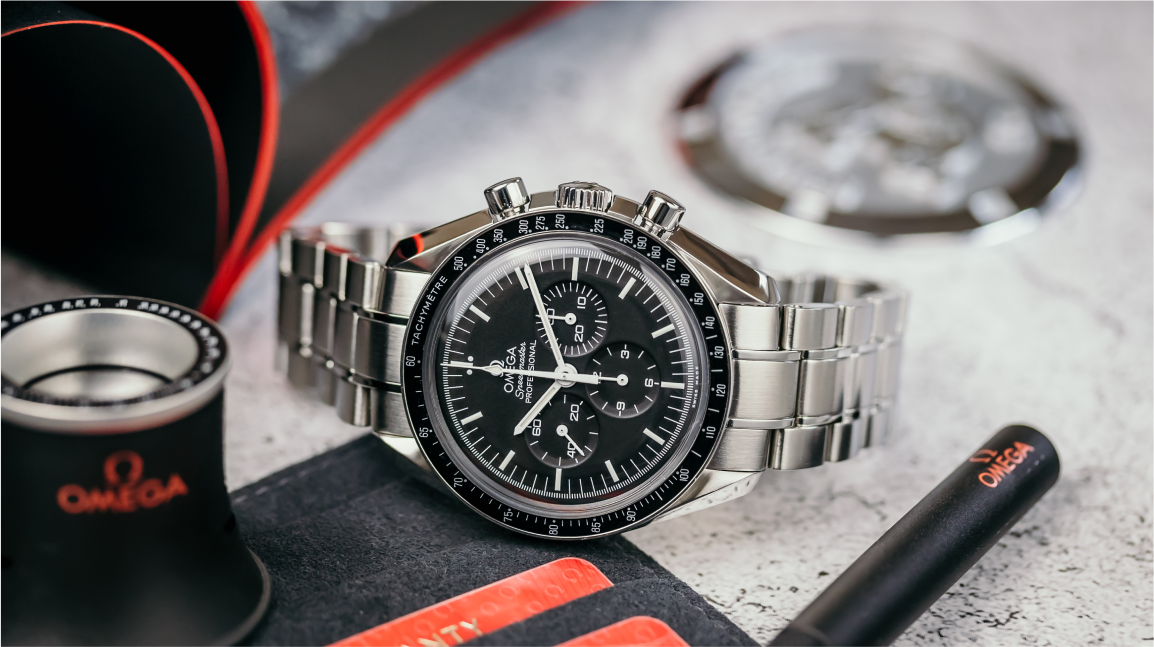
We focus primarily on pre-owned Rolex, Patek Philippe, and Audemars Piguet because these brands have proven track records for value retention. But we're seeing growing interest in vintage Omega, Cartier, and even lesser-known independent brands with compelling stories. Browse our full collection at thediamondbox.co.uk to see what's currently available.
Let's be direct about the financial aspect.
Vintage luxury watches offer several advantages as investments. They're portable, durable, and liquid. You can wear them while they appreciate. The best pieces have consistently outperformed inflation and many traditional asset classes.
The key is buying the right watches.
Iconic models from established brands with proven track records tend to hold value best. Rolex sports models, Patek Philippe complications, and Audemars Piguet Royal Oaks have decades of data showing consistent appreciation. Condition matters enormously. Originality matters even more.
But you can't treat watches purely as financial instruments.
The collectors who do best are the ones who genuinely love watches. They study the history. They appreciate the craftsmanship. They understand the mechanical beauty of a well-made movement. The financial returns are a bonus on top of the intrinsic pleasure of ownership.
If you're only buying for investment, you'll probably make mistakes. You'll chase trends instead of value. You'll sell at the wrong time because you're watching prices instead of building a collection.
We believe several trends will define the vintage watch market over the next few years.
First, the generational wealth transfer will bring new collectors into the market. Baby boomers are passing collections to their children, who often sell pieces they don't connect with and use the proceeds to buy watches that match their taste. This creates opportunities for buyers willing to look beyond the usual suspects.
Second, sustainability will continue driving interest in pre-owned luxury. As environmental concerns become more mainstream, buying vintage will be seen as the responsible choice. Brands will need to adapt their messaging to acknowledge this shift.
Third, authentication technology will improve. Blockchain registries, advanced imaging, and better documentation standards will make it easier to verify authenticity and track provenance. This will increase buyer confidence and reduce fraud.
Fourth, the market will continue to broaden beyond steel sports watches. We'll see more appreciation for dress watches, complications, and design-focused pieces. The definition of "collectible" will expand.
The vintage watch market is maturing into a legitimate asset class.
The window for buying certain vintage watches at reasonable prices is closing.
As more collectors enter the market, as authentication improves, as major brands validate pre-owned through CPO programs, prices for the best pieces will continue rising. The correction of 2022-2023 created a brief opportunity to buy quality watches at more reasonable valuations.
That opportunity won't last forever.
We're not suggesting you rush into purchases you're not ready for. We're saying that if you've been thinking about starting a collection, now is a better time than waiting another five years. The market fundamentals are strong. The cultural shift toward vintage is accelerating. The investment case is clear.
The best time to start collecting was ten years ago. The second best time is now.
We've built The Diamond Box around helping collectors navigate this market. We source pieces you can't find elsewhere. We authenticate thoroughly. We service in-house to ensure every watch meets our standards. And we stand behind everything we sell—from vintage Rolex to rare Patek Philippe complications.
If you're ready to start exploring vintage and pre-owned luxury watches, The Diamond Box is here to help. We can source specific references, provide market insights, and guide you toward pieces that will hold their value while giving you daily pleasure. Visit us online at thediamondbox.co.uk to explore our collection or discuss buying, selling, or servicing your timepiece.
The vintage watch market isn't just about nostalgia. It's about recognizing that the best craftsmanship has already been created, that sustainability matters, and that true luxury appreciates over time.
At The Diamond Box, we've spent years building expertise in this market—buying, selling, sourcing, refurbishing, and servicing luxury watches. Let us put that knowledge to work for you.
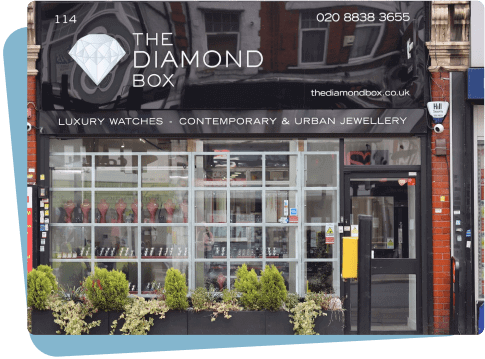
Visit us in store for great service and to see our amazing collection.
114 Ballards Lane, N3 2DN, London 020 8838 3655