



TL;DR: Getting your ring size right protects comfort and value over time. Understanding sizing systems, measuring accurately, and accounting for factors like band width and daily wear matters when choosing platinum, white gold, yellow gold, or diamond rings. Professional sizing removes guesswork. Visit The Diamond Box showroom in North London for expert fitting, or learn how our in-house workshop handles resizing when needed.
Quick Answer: How to Find Your Ring Size
To find your UK ring size, measure the inside diameter of a ring that already fits, or the circumference of your finger, then match it to a UK letter size on our chart below. Measuring at home gives an estimate only. For an expensive ring, or before resizing, we recommend a professional sizing, which is the more reliable option. A jeweller can confirm your size with a ring sizer.
-
Ring sizing systems vary between UK (letters), US (numbers), and European (numbers) standards
-
Visit The Diamond Box North London showroom for professional sizing using calibrated tools
-
Band width, ring style, and daily temperature changes affect fit and comfort
-
Engagement rings need careful sizing as they're worn daily and finger size changes over time
-
Our in-house workshop handles resizing, though some designs like full eternity bands cannot be altered
Getting your ring size right matters more than most people realise.
A ring that's too tight becomes uncomfortable within hours. One that's too loose risks slipping off when you least expect it. Resizing later costs time and money, and in some cases isn't possible at all.
The Diamond Box can help you find the right size for platinum rings, white gold and yellow gold bands, diamond rings, and pieces from jewellery houses such as Cartier and Tiffany. Getting the fit right from the start can make the ring more comfortable to wear and reduce the need for resizing.
Here's what you need to know.
UK Ring Size Chart: UK, US and European Sizes
Ring sizing isn't universal. Different countries use different systems, which creates confusion when you're buying internationally or looking at pieces from luxury jewellery houses.
In the UK, ring sizes use letters, typically running from A to Z. The most common sizes for women fall between J and N, whilst men's rings usually sit between S and Z.
The US system uses numbers. Women's engagement rings typically range from 5 to 7, with 6 being the most common. Men's rings generally fall between 8 and 12.
European sizing also uses numbers, but on a different scale. A UK size M translates to roughly a US size 6 or a European size 52. European size labels are based on inside circumference in millimetres.
| UK size | US size | European size | Inside diameter (mm) |
|---|---|---|---|
| I½ | 4.5 | 48 | 15.3 |
| J½ | 5 | 49.5 | 15.7 |
| L | 5.5 | 50.5 | 16.1 |
| M | 6 | 52 | 16.5 |
| N | 6.5 | 53 | 16.9 |
| O | 7 | 54.5 | 17.3 |
| P | 7.5 | 56 | 17.7 |
| Q | 8 | 57 | 18.1 |
| R | 8.5 | 58.5 | 18.5 |
| S | 9 | 59.5 | 18.9 |
| T | 9.5 | 61 | 19.4 |
| T½ | 10 | 62.5 | 19.8 |
| U½ | 10.5 | 63.5 | 20.2 |
| V½ | 11 | 65 | 20.6 |
| W¾ | 11.5 | 66 | 21.0 |
| Y | 12 | 67.5 | 21.4 |
| Z | 12.5 | 69 | 21.8 |
Sizes are a guide. Brands such as Cartier and Tiffany follow their own sizing, so ask us before you buy.
Source: Tiffany & Co.’s UK ring size guide and French ring size guide. The European column uses the French sizes published by Tiffany. The diameter is the width of the opening across the centre. Conversions and fit can vary slightly between brands and designs. Check the specific brand’s guide and have a jeweller confirm your size before buying or resizing.
For men’s rings, band width can matter as much as the size on the label. Read how band width changes the fit, or see our advice on sizing an engagement ring for daily wear.
How Luxury Jewellery Houses Approach Sizing
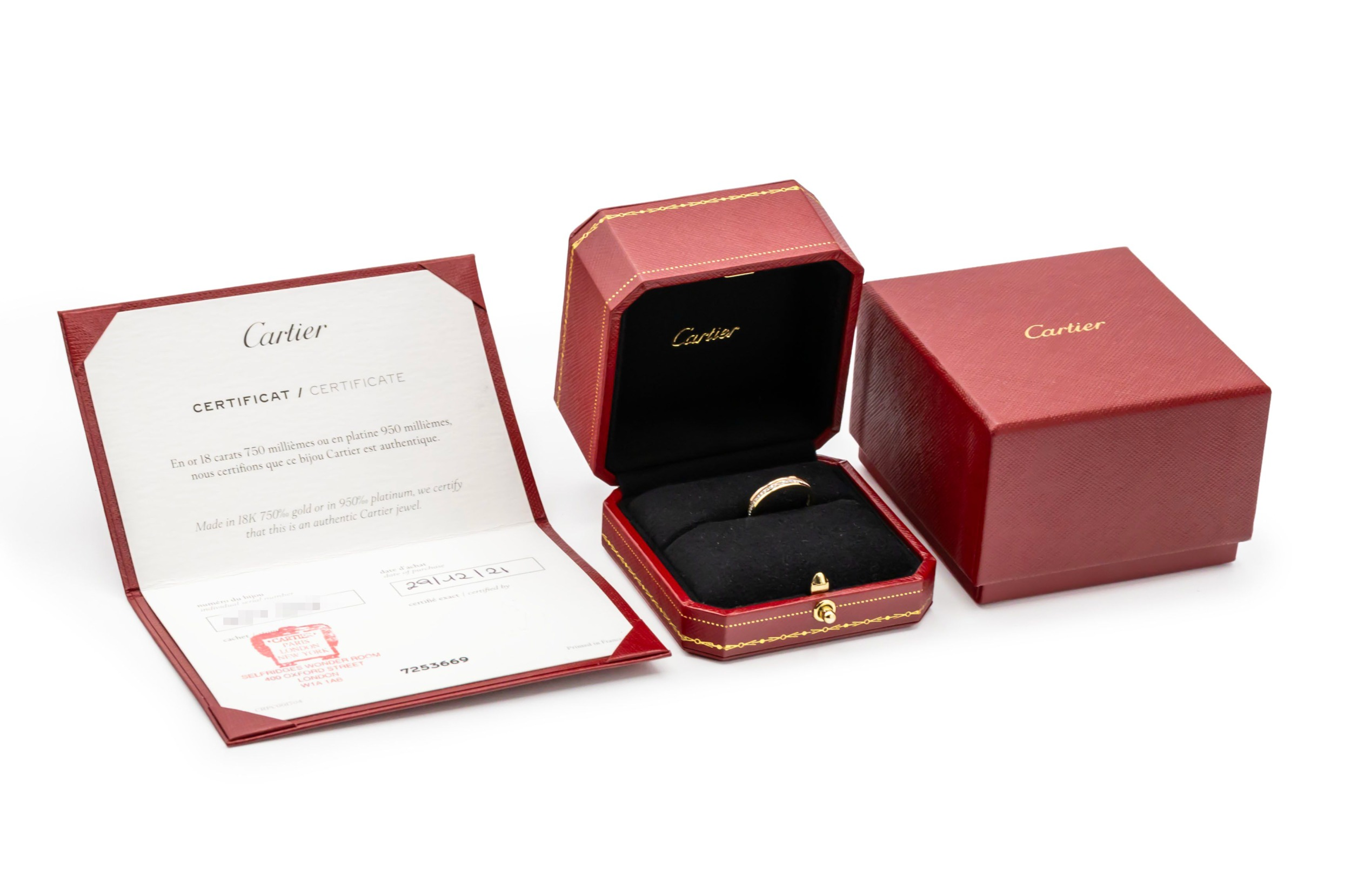
Cartier and Tiffany follow specific sizing conventions that are worth understanding if you're buying from these houses. Proper sizing becomes even more important when you're thinking about the long-term ownership of women's Cartier watches or Cartier jewellery, where pieces are often worn daily and need to fit comfortably for years.
Cartier generally uses sizes based on inner circumference in millimetres. Check the sizing guidance for the specific collection and model, as the fit can vary.
Tiffany shows US sizes alongside UK equivalents in its ring size guide. If you are choosing a wider band, try on the specific design where possible.
When you're buying designer pieces, it's worth getting professionally sized in that specific brand if possible. What fits as a size 6 in one house might feel different in another, even though the measurement is technically the same.
Key point: Ring sizing systems differ between UK (letters), US (numbers), and European (millimetres). Luxury houses like Cartier and Tiffany have specific sizing conventions that may require adjustments from your usual size.
How to Measure Your Ring Size at Home and in a Jeweller
The most reliable way to find your ring size is through professional measurement using calibrated tools.
At our North London showroom, we use metal ring sizers in graduated sizes to find the fit that works for your finger shape, knuckle width, and intended wear. This isn't only about sliding a ring on and off. It's about understanding how the ring sits once it's in place, how it moves over your knuckle, and how it'll feel after you've worn it for a few hours.
We'll also ask how you plan to wear the ring, including whether you'll wear it alone or stacked and whether you prefer a snug fit or a bit more room. These details affect long-term comfort in ways that only become obvious through experience.
When you visit, you'll have the opportunity to try on different ring styles, band widths, and metals. This helps you understand how a thin platinum band feels compared to a wider yellow gold design, or how a diamond ring with a higher setting sits differently on your hand.
If you already own a ring that fits, bring it to our North London showroom. A jeweller can check it with a ring mandrel.
Contact our North London showroom for professional ring sizing and advice on how your measurement relates to UK, US and European sizes.
Key point: Professional measurement with calibrated tools is the most accurate method. Visit The Diamond Box showroom in North London for expert sizing and the chance to try on different ring styles before committing.
How to Measure Ring Size at Home: Step by Step
Both methods give you a starting size. For a wide band, an expensive ring or a resize, have a jeweller confirm the fit.
Method 1 — Using an existing ring
- Choose a ring that fits comfortably on the finger and hand you intend to wear the new ring on.
- Lay it flat and place a millimetre ruler across the centre of the opening. Measure in a straight line from one inside edge to the other. Keep the ruler level and read it from directly above so you exclude the metal band.
- Find the closest inside diameter in the conversion chart and read across to the UK letter size.
Method 2 — Measuring your finger
- Wrap a narrow strip of paper or a length of non-stretch string around the base of the finger. Keep it snug without pressing into the skin. Mark where the ends meet.
- Lay it flat and measure from the starting edge to the mark in millimetres. That is your finger circumference. Check around your knuckle too, especially if it is wider than the base of your finger.
- Match the reading to the circumference column in Tiffany’s UK ring size guide. Repeat on another day with your hands at a comfortable temperature. If the readings differ or the knuckle is much wider, ask a jeweller to check the fit.
See Cartier’s official ring sizing guide (PDF) for more on measuring around the knuckle and checking fit.
Factors That Change the Size and Feel of a Ring
A ring might technically fit, but fit and comfort aren't the same thing.
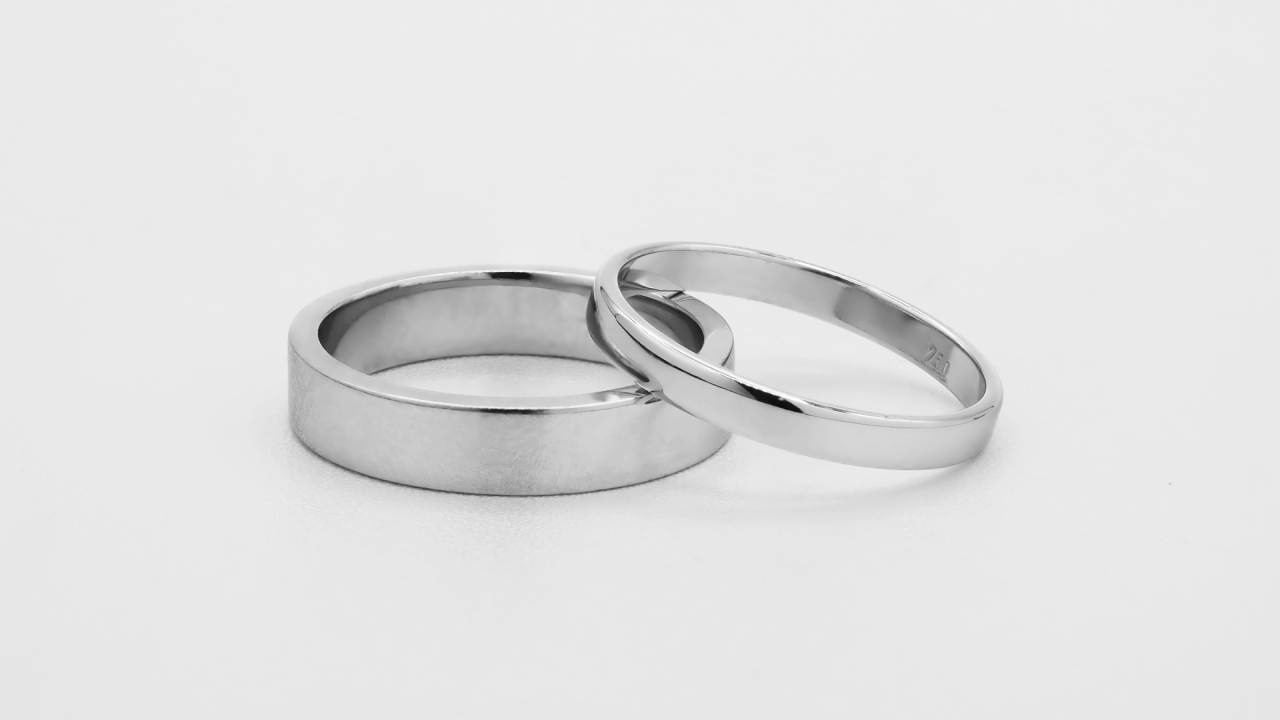
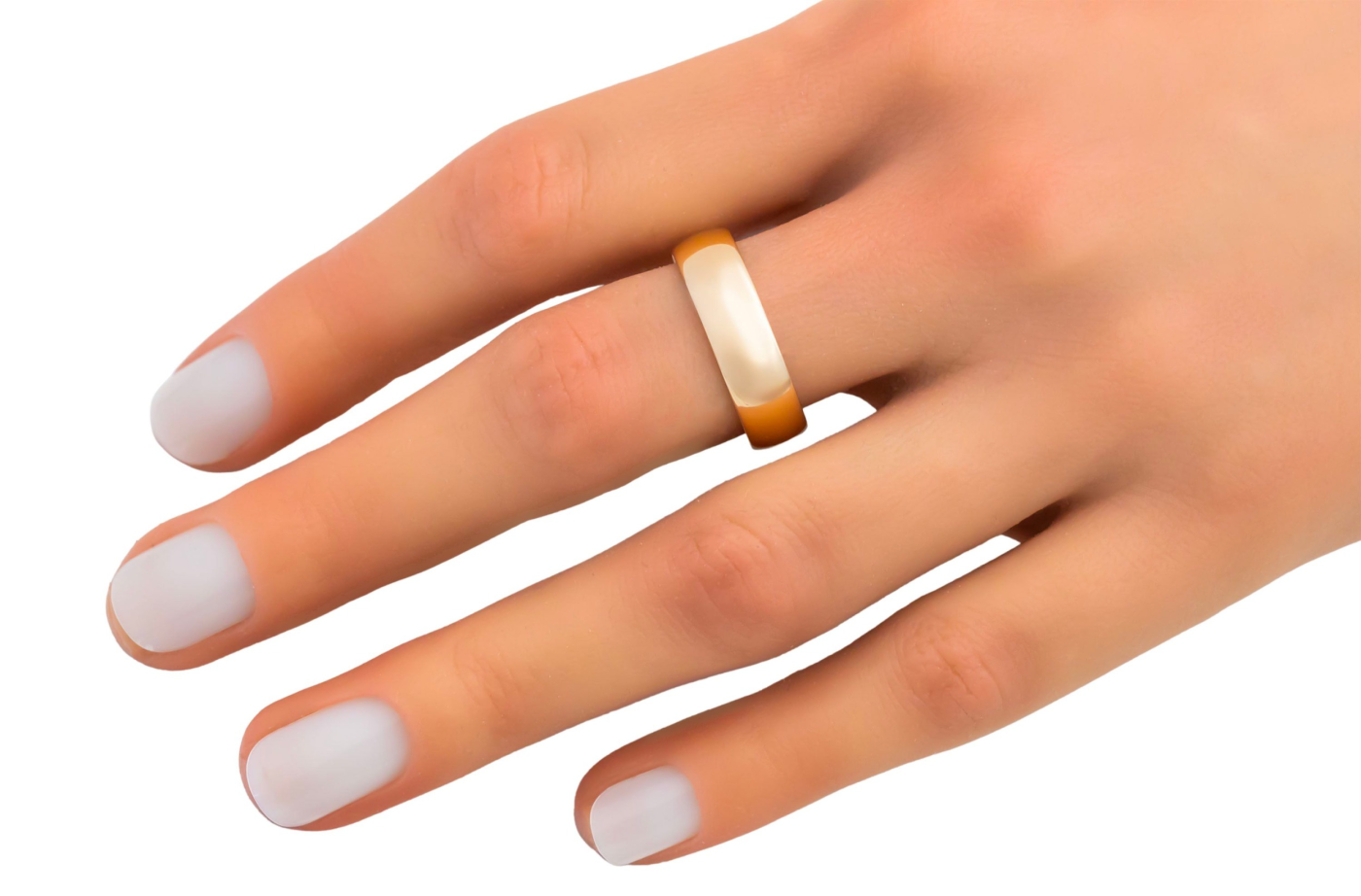
Band width is one of the biggest factors. A thin 2mm band in a size M feels completely different from a 6mm band in the same size. Wider rings cover more surface area on your finger, which creates more resistance when you slide them over your knuckle. They also feel tighter once they're on.
This is why trying the ring on matters. A sizing chart tells you the circumference, but it doesn't tell you how that ring will feel when you're wearing it through a normal day.
The metal matters too. Platinum is denser and heavier than white gold or yellow gold, even in the same design. Some people prefer the weight. Others find it takes getting used to. There's no right answer, but it's worth knowing before you commit.
Ring style also changes the feel. A plain band sits flush against your finger. A diamond ring with a higher setting or a larger stone adds weight and changes the balance. This doesn't affect the size, but it definitely changes how the ring feels on your hand.
This is one of those details that only becomes clear when you're wearing the ring for a few minutes. It's not something you'll discover from a measurement alone.
Key point: Band width, metal type, and ring style all affect how a ring feels, even in the correct size. Trying rings on before having one made removes guesswork about long-term comfort.
Sizing Engagement Rings for Daily Wear
Engagement rings need more attention to detail than other pieces because they're worn every day, often for decades.
Temperature affects finger size more than most people realise. Your finger size can change during the day, swelling slightly in warmer weather and contracting in colder months. A ring that fits perfectly in summer might spin round in winter. One that feels comfortable in the morning might feel snug by evening.
This is why we recommend measuring in late afternoon, when your body temperature and fluid levels have stabilised. Avoid measuring right after exercise, after a salty meal, or when your hands are cold. These conditions all affect your finger size temporarily.
The right fit depends on the shape of your finger, the width of your knuckle and the design of the ring. It should pass over the knuckle comfortably and sit securely at the base of the finger. If you’re between sizes, have a jeweller check the fit before you buy or resize the ring.
Choosing a Ring Design That Can Be Resized
Finger size changes over the years. Pregnancy, weight fluctuations, temperature, and ageing all affect how a ring fits.
This is why it's worth choosing an engagement ring design that can be resized a few times over its wear. A classic band or a half eternity style gives you flexibility. Full eternity bands, where stones go all the way round, are incredibly difficult to resize without disrupting the design.
If you're drawn to a full eternity band, you need to be confident about the size from the start. There's very little room for adjustment later.
The same applies to rings made from certain materials like tungsten or titanium. These metals cannot be resized at all. If your finger size changes, the ring cannot be altered to match.
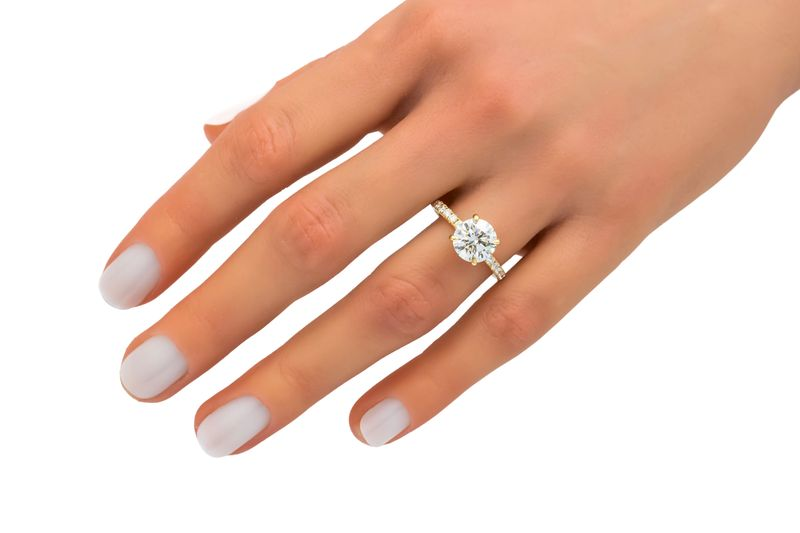
A higher set diamond or a larger stone also changes how the ring feels on your finger. The weight distribution is different, and the setting can catch on things more easily. This doesn't affect the fit in terms of size, but it affects how the ring feels in practice. Trying on similar styles before you commit helps you understand whether that feel works for you.
Key point: Engagement rings worn daily need sizing that accounts for temperature fluctuations and long-term finger changes. Choose designs like classic or half eternity bands that can be resized. Avoid full eternity styles unless you're certain about the size.
The Process Behind Resizing Rings in Our Workshop
When a ring needs resizing, we handle it in our in-house workshop here at The Diamond Box. See our jewellery repairs and servicing page to enquire about your ring.
The process depends on the ring design and the metal. Sizing a ring down, which involves removing metal, is generally easier and safer than sizing it up, which requires adding metal or stretching the band. Going more than one or two sizes in either direction risks weakening the structure or distorting the design.
For platinum, white gold, and yellow gold rings, resizing is usually straightforward if the design allows it. Our craftspeople cut the band, add or remove metal as needed, then resolder and refinish the piece. The goal is to make the alteration invisible whilst maintaining the ring's structural integrity.
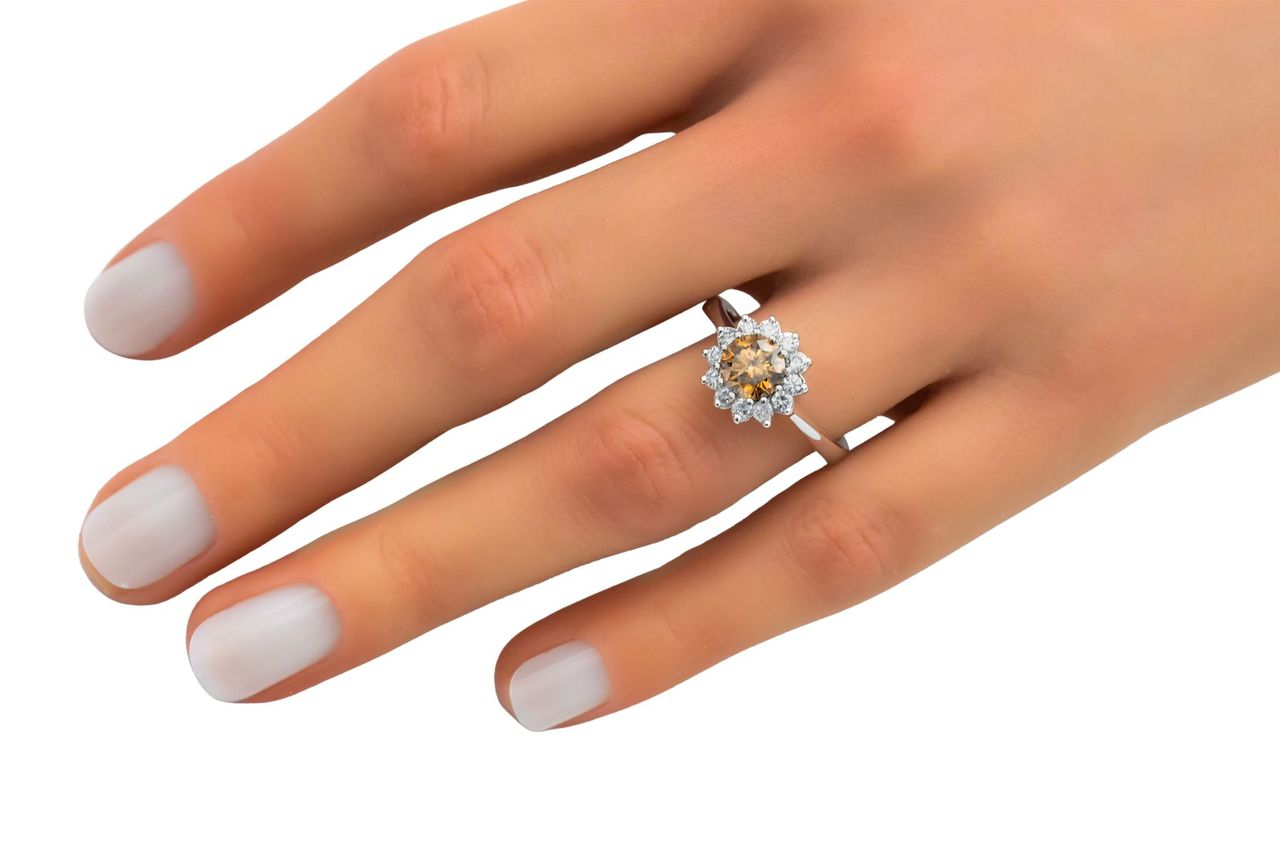
Diamond rings require more care. If stones are set around the band, resizing affects the spacing and can loosen settings. We check every stone after resizing to make sure nothing has shifted. Understanding how to care for your jewellery after resizing helps maintain its condition and ensures any alterations hold up over time.
When Rings Cannot Be Resized
Some rings cannot be altered, no matter how skilled the jeweller.
Full eternity bands are the most common example. Because stones go all the way round, there's no section of plain metal to cut and resize. Altering the band means disrupting the stone layout, which changes the entire design.
Designer rings from houses like Cartier or Tiffany sometimes have construction methods or proprietary designs that make resizing difficult or impossible. In these cases, the ring needs to be sent back to the original maker, which adds time and cost.
Rings made from tungsten, titanium, or other alternative metals also cannot be resized. These materials are too hard to work with using traditional methods. If the size is wrong, the ring needs to be replaced rather than altered.
Knowing this upfront helps you make better decisions about what to prioritise when you're choosing a ring. If you think your finger size might change, it's worth selecting a design that gives you flexibility later.
Key point: The Diamond Box workshop handles resizing for platinum, white gold, and yellow gold rings. Full eternity bands, designer pieces, and rings made from tungsten or titanium often cannot be resized. Design choice affects long-term flexibility.
Having a Bespoke Ring Made at The Diamond Box
When you're having a bespoke ring made, you're leaving the details in the hands of people who understand how rings need to work for daily wear.
When sizing a bespoke ring, our team considers the band width, metal weight, stone setting and how your finger changes throughout the day.
We'll measure your finger properly, ask about how you plan to wear the ring, and recommend a size that balances comfort with security. If you're between sizes, we'll explain the trade-offs so you understand what you're choosing.
The process also gives you the chance to try on different widths and styles before we start making your piece. This removes the guesswork about how the finished ring will feel on your hand.
Because the ring is being made specifically for you, we build it to your exact size from the start. There's no need to resize later, which protects the integrity of the piece and avoids the small risks that come with altering a ring after it's made.
If your finger size does change over time, we'll resize the ring in our workshop, provided the design allows it. But starting with the right size means that's less likely to be necessary.
Key point: Bespoke rings made at The Diamond Box are sized by experts who account for band width, metal type, and daily wear patterns. Starting with the correct size protects the ring's structure and avoids resizing later.
Frequently Asked Questions
What is the difference between UK, US, and European ring sizes?
UK sizes use letters (A to Z), US sizes use numbers (typically 5 to 12), and European sizes measure inner circumference in millimetres (typically 48 to 70). A UK size M equals approximately US size 6 or European size 52.
How do Cartier and Tiffany ring sizes compare to standard sizing?
Cartier generally uses circumference-based sizes, while Tiffany publishes US sizes alongside UK equivalents. Check the brand’s guidance for the specific design before buying.
What is the most accurate way to measure ring size?
Professional measurement at a jeweller using calibrated metal ring sizers is the most accurate method. Contact The Diamond Box showroom in North London for professional ring sizing.
Does band width affect ring size?
Yes, wider bands feel tighter than thin bands in the same numerical size because they cover more surface area and create more resistance over the knuckle. You might need to go up half a size for wider designs.
Why does finger size change throughout the day?
Temperature, activity, food intake, and time of day all affect finger size. Fingers swell in warm weather and after exercise, and contract in cold weather. Measure in late afternoon for the most accurate reading.
Which rings cannot be resized?
Full eternity bands with stones all round the band cannot be resized without disrupting the design. Rings made from tungsten or titanium also cannot be resized. Some designer pieces from Cartier or Tiffany have construction methods that make resizing difficult.
How should I size an engagement ring for daily wear?
Choose a size that accounts for temperature fluctuations and long-term finger changes. Measure in late afternoon and have a jeweller check the fit if you’re between sizes. A classic band or half eternity design may allow for resizing later.
Can The Diamond Box resize my ring?
Yes, we handle resizing in our in-house workshop for platinum, white gold, and yellow gold rings, provided the design allows it. Full eternity bands, alternative metals, and some designer pieces cannot be resized.
How do I know my ring size in the UK?
Measure the inside diameter of a ring that fits the same finger, then use the conversion chart to find your UK letter size. A jeweller can confirm the fit with a ring sizer.
What is the difference between UK and US ring sizes?
UK ring sizes use letters, while US ring sizes use numbers. See the conversion chart for equivalent sizes.
Key Takeaways
-
Ring sizing systems differ between UK (letters), US (numbers), and European (millimetres). Luxury houses like Cartier and Tiffany have specific sizing conventions that may require adjustments from your usual size.
-
Professional measurement at The Diamond Box North London showroom provides accurate sizing using calibrated tools. You'll also get the chance to try on different ring styles, band widths, and metals before committing.
-
Band width, metal type, and ring style all affect how a ring feels. Wider bands feel tighter in the same numerical size, and heavier metals like platinum feel different from white or yellow gold.
-
Engagement rings worn daily need sizing that accounts for temperature fluctuations and long-term finger changes. Choose classic or half eternity designs that can be resized rather than full eternity bands.
-
The Diamond Box in-house workshop handles resizing for platinum, white gold, and yellow gold rings. Full eternity bands, tungsten, titanium, and some designer pieces cannot be resized.
-
Bespoke rings made at The Diamond Box are sized by experts who account for band width, metal weight, and daily wear patterns. Starting with the correct size protects the ring's integrity.
-
Finger size changes throughout the day based on temperature, activity, and time. Measure in late afternoon and ask a jeweller to check the fit if you’re between sizes.
Getting your ring size right matters because a ring isn't only an object you wear. It's something that sits on your hand every day, through everything you do.
If it doesn't fit properly, you'll notice it constantly. It'll catch your attention when you're trying to focus on something else. It'll create low-level discomfort that builds over time.
Getting the size right means you wear the ring without thinking about it. It becomes part of you rather than something you're managing.
Whether you're choosing a platinum band, a diamond engagement ring, or Cartier jewellery, visit us in North London. We'll help you find the size that works, and you'll leave confident about the choice you're making.
Contact The Diamond Box or visit our North London showroom for help finding your ring size.