By Grace ·
posted on 16th May 2026




 follow us
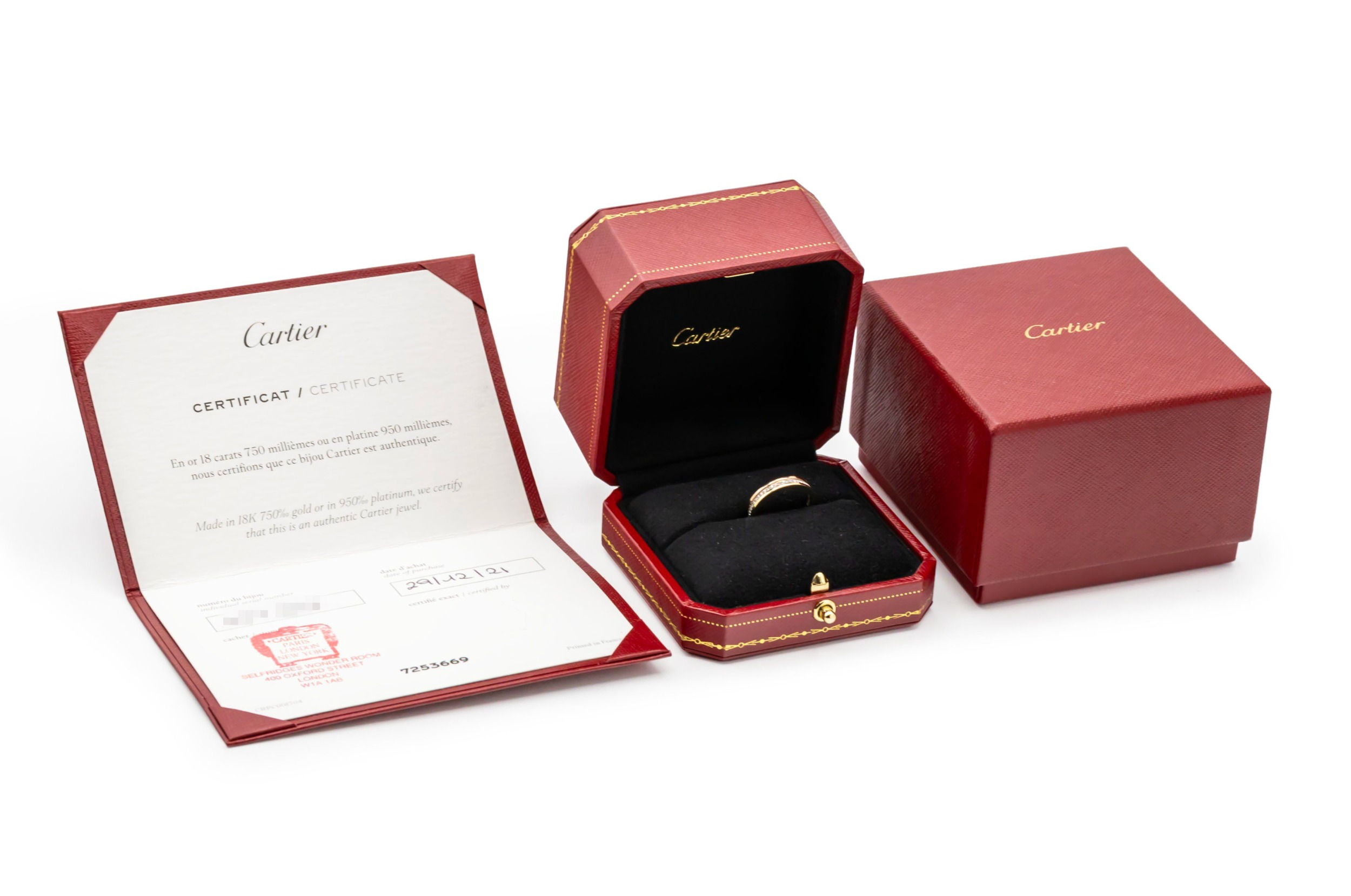
TL;DR: Getting your ring size right protects comfort and value over time. Understanding sizing systems, measuring accurately, and accounting for factors like band width and daily wear matters when choosing platinum, white gold, yellow gold, or diamond rings. Professional sizing removes guesswork. Visit The Diamond Box showroom in North London for expert fitting, or learn how our in-house workshop handles resizing when needed.
Ring sizing systems vary between UK (letters), US (numbers), and European (numbers) standards
Visit The Diamond Box North London showroom for professional sizing using calibrated tools
Band width, ring style, and daily temperature changes affect fit and comfort
Engagement rings need careful sizing as they're worn daily and finger size changes over time
Our in-house workshop handles resizing, though some designs like full eternity bands cannot be altered
Getting your ring size right matters more than most people realise.
A ring that's too tight becomes uncomfortable within hours. One that's too loose risks slipping off when you least expect it. Resizing later costs time and money, and in some cases isn't possible at all.
Here at The Diamond Box, we've spent more than two decades helping people find the right size for platinum rings, white gold and yellow gold bands, diamond rings, and pieces from luxury houses like Cartier and Tiffany. What we've learnt is that getting this right from the start protects both comfort and value.
Here's what you need to know.
Ring sizing isn't universal. Different countries use different systems, which creates confusion when you're buying internationally or looking at pieces from luxury jewellery houses.
In the UK, ring sizes use letters, typically running from A to Z. The most common sizes for women fall between J and N, whilst men's rings usually sit between S and Z.
The US system uses numbers. Women's engagement rings typically range from 5 to 7, with 6 being the most common. Men's rings generally fall between 8 and 12.
European sizing also uses numbers, but on a different scale. A UK size M translates to roughly a US size 6 or a European size 52. The European system measures the inner circumference of the ring in millimetres, which makes it more precise but less intuitive if you're not familiar with it.
Cartier and Tiffany follow specific sizing conventions that are worth understanding if you're buying from these houses. Proper sizing becomes even more important when you're thinking about the long-term ownership of women's Cartier watches or Cartier jewellery, where pieces are often worn daily and need to fit comfortably for years.
Cartier typically uses European sizing for their rings. Their Love ring, for example, is sized in even numbers (48, 50, 52, 54, and so on). This means you might need to size up or down to find the closest match to your usual size.
Tiffany uses US sizing for most of their collections. Their engagement rings and wedding bands follow standard US measurements, but their fit tends to run slightly narrow compared to other jewellers. Many people find they need to go up half a size with Tiffany pieces, particularly with wider bands.
When you're buying designer pieces, it's worth getting professionally sized in that specific brand if possible. What fits as a size 6 in one house might feel different in another, even though the measurement is technically the same.
Key point: Ring sizing systems differ between UK (letters), US (numbers), and European (millimetres). Luxury houses like Cartier and Tiffany have specific sizing conventions that may require adjustments from your usual size.
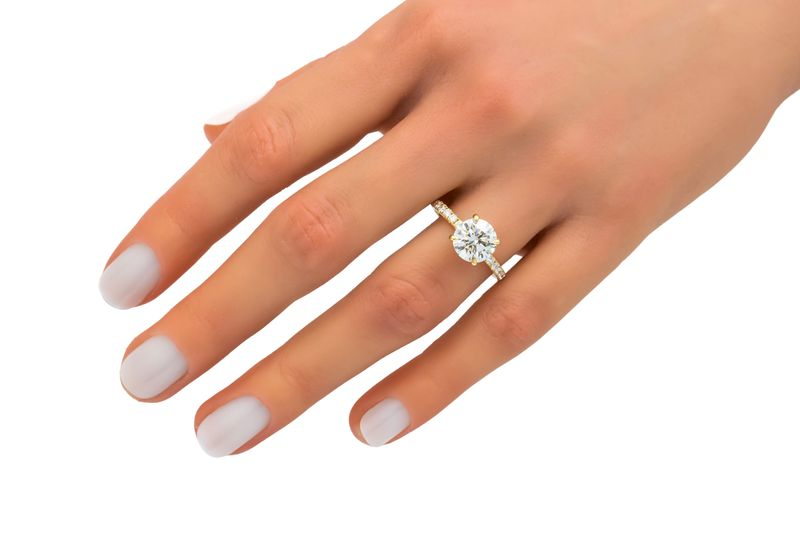
The most reliable way to find your ring size is through professional measurement using calibrated tools.
At our North London showroom, we use metal ring sizers in graduated sizes to find the fit that works for your finger shape, knuckle width, and intended wear. This isn't only about sliding a ring on and off. It's about understanding how the ring sits once it's in place, how it moves over your knuckle, and how it'll feel after you've worn it for a few hours.
We'll also ask questions about how you plan to wear the ring. Whether it'll be worn alone or stacked with other pieces. Whether you prefer a snug fit or something with a bit more room. These details affect long-term comfort in ways that only become obvious through experience.
When you visit, you'll have the opportunity to try on different ring styles, band widths, and metals. This helps you understand how a thin platinum band feels compared to a wider yellow gold design, or how a diamond ring with a higher setting sits differently on your hand.
If you're measuring at home, the most accurate method is to use an existing ring that fits the correct finger well.
Take that ring to a jeweller and have them measure it properly using a ring mandrel. Don't rely on printable templates or guessing based on the inside diameter. These methods introduce errors that seem small but make a real difference when the ring arrives. Working with reputable jewellers in London ensures you get accurate measurements using professional-grade tools.
If you're using online sizing guides, be aware that string, paper, and dental floss all stretch or compress as you measure. What feels right in the moment often turns out wrong once you're wearing an actual ring. We've seen this happen hundreds of times.
The better option is to visit us in North London. We'll size your finger at no charge, and you'll leave knowing your exact size across UK, US, and European systems. That knowledge protects you whether you're buying from us or elsewhere.
Key point: Professional measurement with calibrated tools is the most accurate method. Visit The Diamond Box showroom in North London for expert sizing and the chance to try on different ring styles before committing.
A ring might technically fit, but fit and comfort aren't the same thing.
Band width is one of the biggest factors. A thin 2mm band in a size M feels completely different from a 6mm band in the same size. Wider rings cover more surface area on your finger, which creates more resistance when you slide them over your knuckle. They also feel tighter once they're on.
This is why trying the ring on matters. A sizing chart tells you the circumference, but it doesn't tell you how that ring will feel when you're wearing it through a normal day.
The metal matters too. Platinum is denser and heavier than white gold or yellow gold, even in the same design. Some people prefer the weight. Others find it takes getting used to. There's no right answer, but it's worth knowing before you commit.
Ring style also changes the feel. A plain band sits flush against your finger. A diamond ring with a higher setting or a larger stone adds weight and changes the balance. This doesn't affect the size, but it definitely changes how the ring feels on your hand.
This is one of those details that only becomes clear when you're wearing the ring for a few minutes. It's not something you'll discover from a measurement alone.
Key point: Band width, metal type, and ring style all affect how a ring feels, even in the correct size. Trying rings on before having one made removes guesswork about long-term comfort.
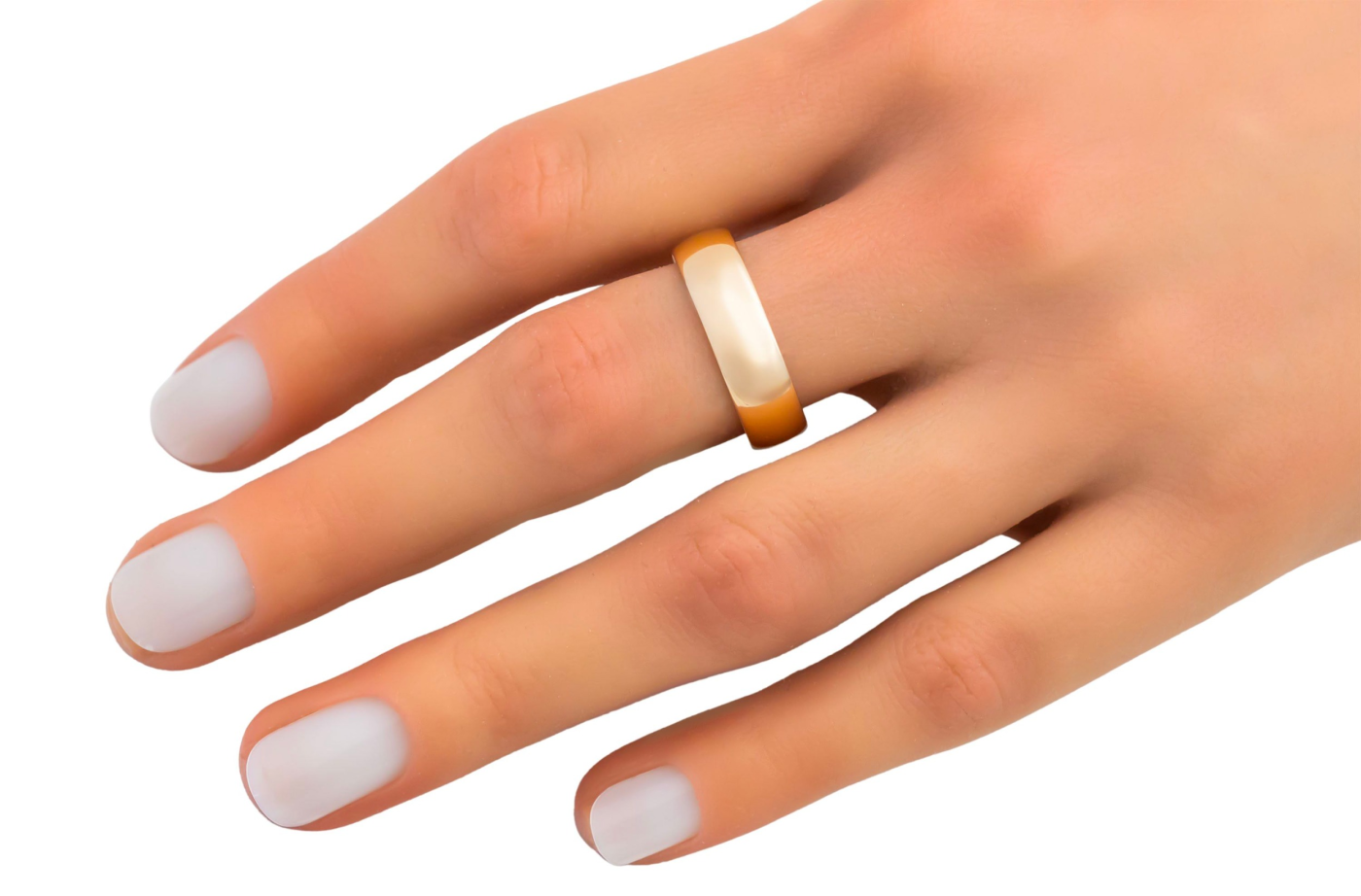
Engagement rings need more attention to detail than other pieces because they're worn every day, often for decades.
Temperature affects finger size more than most people realise. Your finger changes size three or four times during a normal day, swelling slightly in warmer weather and contracting in colder months. A ring that fits perfectly in summer might spin round in winter. One that feels comfortable in the morning might feel snug by evening.
This is why we recommend measuring in late afternoon, when your body temperature and fluid levels have stabilised. Avoid measuring right after exercise, after a salty meal, or when your hands are cold. These conditions all affect your finger size temporarily.
If you're between sizes, it's generally better to go slightly looser rather than tighter. A ring that's slightly loose still goes on and stays secure. One that's too tight gets stuck at the knuckle, which creates a moment nobody wants during a proposal.
Finger size changes over the years. Pregnancy, weight fluctuations, temperature, and ageing all affect how a ring fits.
This is why it's worth choosing an engagement ring design that can be resized a few times over its wear. A classic band or a half eternity style gives you flexibility. Full eternity bands, where stones go all the way round, are incredibly difficult to resize without disrupting the design.
If you're drawn to a full eternity band, you need to be confident about the size from the start. There's very little room for adjustment later.
The same applies to rings made from certain materials like tungsten or titanium. These metals cannot be resized at all. If your finger size changes, the ring cannot be altered to match.
A higher set diamond or a larger stone also changes how the ring feels on your finger. The weight distribution is different, and the setting can catch on things more easily. This doesn't affect the fit in terms of size, but it affects how the ring feels in practice. Trying on similar styles before you commit helps you understand whether that feel works for you.
Key point: Engagement rings worn daily need sizing that accounts for temperature fluctuations and long-term finger changes. Choose designs like classic or half eternity bands that can be resized. Avoid full eternity styles unless you're certain about the size.
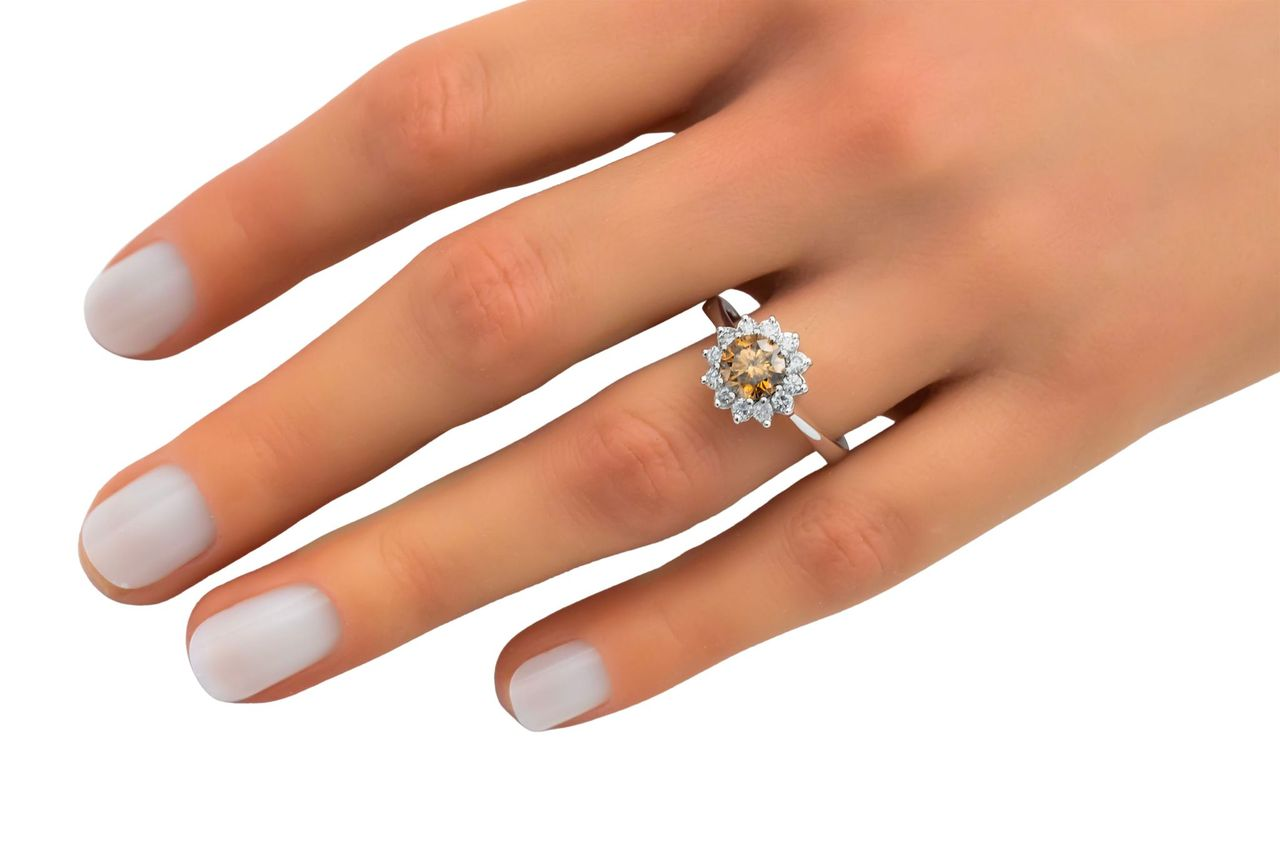
When a ring needs resizing, we handle it in our in-house workshop here at The Diamond Box.
The process depends on the ring design and the metal. Sizing a ring down, which involves removing metal, is generally easier and safer than sizing it up, which requires adding metal or stretching the band. Going more than one or two sizes in either direction risks weakening the structure or distorting the design.
For platinum, white gold, and yellow gold rings, resizing is usually straightforward if the design allows it. Our craftspeople cut the band, add or remove metal as needed, then resolder and refinish the piece. The goal is to make the alteration invisible whilst maintaining the ring's structural integrity.
Diamond rings require more care. If stones are set around the band, resizing affects the spacing and can loosen settings. We check every stone after resizing to make sure nothing has shifted. Understanding how to care for your jewellery after resizing helps maintain its condition and ensures any alterations hold up over time.
Some rings cannot be altered, no matter how skilled the jeweller.
Full eternity bands are the most common example. Because stones go all the way round, there's no section of plain metal to cut and resize. Altering the band means disrupting the stone layout, which changes the entire design.
Designer rings from houses like Cartier or Tiffany sometimes have construction methods or proprietary designs that make resizing difficult or impossible. In these cases, the ring needs to be sent back to the original maker, which adds time and cost.
Rings made from tungsten, titanium, or other alternative metals also cannot be resized. These materials are too hard to work with using traditional methods. If the size is wrong, the ring needs to be replaced rather than altered.
Knowing this upfront helps you make better decisions about what to prioritise when you're choosing a ring. If you think your finger size might change, it's worth selecting a design that gives you flexibility later.
Key point: The Diamond Box workshop handles resizing for platinum, white gold, and yellow gold rings. Full eternity bands, designer pieces, and rings made from tungsten or titanium often cannot be resized. Design choice affects long-term flexibility.
When you're having a bespoke ring made, you're leaving the details in the hands of people who understand how rings need to work for daily wear.
Our team knows how to size a ring that accounts for band width, metal weight, stone setting, and how your finger changes throughout the day. These aren't things you need to think about. They're things we've learnt to check over more than two decades of making rings that last.
We'll measure your finger properly, ask about how you plan to wear the ring, and recommend a size that balances comfort with security. If you're between sizes, we'll explain the trade-offs so you understand what you're choosing.
The process also gives you the chance to try on different widths and styles before we start making your piece. This removes the guesswork about how the finished ring will feel on your hand.
Because the ring is being made specifically for you, we build it to your exact size from the start. There's no need to resize later, which protects the integrity of the piece and avoids the small risks that come with altering a ring after it's made.
If your finger size does change over time, we'll resize the ring in our workshop, provided the design allows it. But starting with the right size means that's less likely to be necessary.
Key point: Bespoke rings made at The Diamond Box are sized by experts who account for band width, metal type, and daily wear patterns. Starting with the correct size protects the ring's structure and avoids resizing later.
What is the difference between UK, US, and European ring sizes?
UK sizes use letters (A to Z), US sizes use numbers (typically 5 to 12), and European sizes measure inner circumference in millimetres (typically 48 to 70). A UK size M equals approximately US size 6 or European size 52.
How do Cartier and Tiffany ring sizes compare to standard sizing?
Cartier uses European sizing and typically offers rings in even numbers only (48, 50, 52). Tiffany uses US sizing but their rings often run slightly narrow, particularly wider bands, so many people size up half a size.
What is the most accurate way to measure ring size?
Professional measurement at a jeweller using calibrated metal ring sizers is the most accurate method. Visit The Diamond Box showroom in North London for expert sizing at no charge.
Does band width affect ring size?
Yes, wider bands feel tighter than thin bands in the same numerical size because they cover more surface area and create more resistance over the knuckle. You might need to go up half a size for wider designs.
Why does finger size change throughout the day?
Temperature, activity, food intake, and time of day all affect finger size. Fingers swell in warm weather and after exercise, and contract in cold weather. Measure in late afternoon for the most accurate reading.
Which rings cannot be resized?
Full eternity bands with stones all round the band cannot be resized without disrupting the design. Rings made from tungsten or titanium also cannot be resized. Some designer pieces from Cartier or Tiffany have construction methods that make resizing difficult.
How should I size an engagement ring for daily wear?
Choose a size that accounts for temperature fluctuations and long-term finger changes. Measure in late afternoon, go slightly looser if between sizes, and select a design like a classic or half eternity band that can be resized over time.
Can The Diamond Box resize my ring?
Yes, we handle resizing in our in-house workshop for platinum, white gold, and yellow gold rings, provided the design allows it. Full eternity bands, alternative metals, and some designer pieces cannot be resized.
Ring sizing systems differ between UK (letters), US (numbers), and European (millimetres). Luxury houses like Cartier and Tiffany have specific sizing conventions that may require adjustments from your usual size.
Professional measurement at The Diamond Box North London showroom provides accurate sizing using calibrated tools. You'll also get the chance to try on different ring styles, band widths, and metals before committing.
Band width, metal type, and ring style all affect how a ring feels. Wider bands feel tighter in the same numerical size, and heavier metals like platinum feel different from white or yellow gold.
Engagement rings worn daily need sizing that accounts for temperature fluctuations and long-term finger changes. Choose classic or half eternity designs that can be resized rather than full eternity bands.
The Diamond Box in-house workshop handles resizing for platinum, white gold, and yellow gold rings. Full eternity bands, tungsten, titanium, and some designer pieces cannot be resized.
Bespoke rings made at The Diamond Box are sized by experts who account for band width, metal weight, and daily wear patterns. Starting with the correct size protects the ring's integrity.
Finger size changes throughout the day based on temperature, activity, and time. Measure in late afternoon for the most accurate reading, and go slightly looser if you're between sizes.
Getting your ring size right matters because a ring isn't only an object you wear. It's something that sits on your hand every day, through everything you do.
If it doesn't fit properly, you'll notice it constantly. It'll catch your attention when you're trying to focus on something else. It'll create low-level discomfort that builds over time.
Getting the size right means you wear the ring without thinking about it. It becomes part of you rather than something you're managing.
Whether you're choosing a platinum band, a diamond engagement ring, or Cartier jewellery, visit us in North London. We'll help you find the size that works, and you'll leave confident about the choice you're making.
Does this change how you're thinking about finding your size?
Visit us in store for great service and to see our amazing collection.
114 Ballards Lane, N3 2DN, London 020 8838 3655