

Quick Answer
Start with your neckline, then try a style you like against your face. Longer pendants can draw the eye down, while curves can soften the look of an angular jaw. A pendant that sits inside a V-neck is an easy pairing. Use the necklace size chart to compare lengths, then try the piece on for comfort.
You've stood in front of a mirror holding different necklaces up to your neck, trying to work out which one looks right. Some feel too short. Others disappear. A few look perfect on the hanger but wrong when you're wearing them.
Choosing a necklace goes beyond the piece itself. It's about how the piece interacts with your face shape, your neckline, and the overall balance of what you're wearing. When those elements work together, the result feels natural. When they don't, something feels off.
Try the necklace with the outfit you plan to wear. The neckline, length and scale of the piece can change how it looks.
This guide walks you through a practical approach to selecting the best necklaces for women based on what makes a difference: your facial geometry, the garments you're pairing them with, and the visual balance you're creating.
What Necklace Suits My Face Shape?
Face shape can help you decide what to try first. Think about where the necklace draws the eye.
This isn't about following rigid rules. It's about understanding how vertical and horizontal lines interact with your features, then using this knowledge to make choices.
Round faces. Try a longer pendant below the collarbone to draw the eye down. A choker draws the eye across the neckline.
Oval faces. Try a choker, mid-length chain or longer pendant and see which works best with your neckline.
Square or angular faces. Rounded pendants and oval links can soften the look of an angular jaw.
Heart-shaped faces. Try a collarbone-length chain or a horizontal detail to draw the eye towards the neckline.
Oblong or long faces. A choker, layered strands or a shorter statement necklace can draw the eye across the collarbone.
Use these suggestions as starting points and choose what feels comfortable and looks right to you.
What to remember: Face shape provides a starting framework, but your comfort and confidence come first.

What Are the Standard Necklace Lengths?
Before matching a necklace to your face or neckline, it helps to know the standard necklace lengths you're choosing between. Necklace lengths for women typically run from 14 to 36 inches (36 to 91cm), and each length sits differently depending on your height, neckline and what you're layering it with. These are the groupings we talk buyers through most often in our North London showroom — think of them as a helpful starting point rather than a fixed standard, as naming varies a little between jewellers:
Necklace Length Guide: How to Read the Necklace Length Chart
Necklace Size Chart
| Length | Often called | Where it sits |
|---|---|---|
| 14–16in (36–41cm) | Choker / collarbone length | Tight to the base of the neck, sits on or just above the collarbone |
| 17–19in (43–48cm) | Princess length | Just below the collarbone — one of the most common, versatile everyday lengths |
| 20–24in (51–61cm) | Matinee length | Sits at or just above the bust line, works well over crew necks |
| 28–36in (71–91cm) | Opera length | Falls below the bust, often worn doubled or layered |
| 36in+ (91cm+) | Rope length | Long enough to double or triple wrap |
There's no single 'correct' necklace length, princess length (around 17-19 inches / 43-48cm) is simply one of the most common and versatile choices for women, not a rule everyone should follow. Petite frames and higher necklines usually suit shorter, collarbone-length pieces; longer necks and lower necklines carry longer lengths well, and layering different necklace lengths together (see below) is one of the easiest ways to make one necklace do more work. If you'd rather start from your neckline than a general guide: crew necks and high necklines tend to suit shorter 16-18in (41-46cm) pieces, V-necks and scoop necks suit 18–24in (46–61cm) lengths that echo the neckline, and off-shoulder or strapless styles carry slightly longer 20–28in (51–71cm) pieces well.
How Do I Match Necklaces to Different Necklines?
The neckline of your garment creates a line your necklace either follows, interrupts, or contrasts with. Getting this relationship right makes everything feel intentional.
V-Necks
A V-neck dress is one of the easiest necklines to buy a necklace for, because the neckline itself does most of the styling work. For a necklace for a V-neck dress, follow the shape of the V rather than fighting it, and position your pendant within the open area it creates — a pendant or Y-shaped necklace that echoes the angle of the neckline is a simple, reliable way to do this. If you're choosing a necklace to wear with a V-neck dress for a formal occasion, the same principle applies: let the pendant sit within the V, and choose a length that keeps it there rather than above or below the opening.
If you're layering, keep the longest piece aligned with the point of the V. Shorter chains sit above, but creating clutter right at the neckline where the garment already draws the eye feels awkward.
Crew Necks and High Necklines
With a crew neck or high neckline, try a short chain or collar-style necklace if you want it to sit close to the collar. A longer pendant can also work over the fabric. Try both with the top to see where the necklace falls.
Scoop Necks
Scoop necklines offer a gentle curve, pairing well with shorter to mid-length necklaces. A piece sitting at or below the collarbone fills the space without overwhelming it.
Rounded or curved designs echo the neckline's shape. Angular or geometric pieces feel less cohesive if you want harmony.
Strapless and Off-Shoulder Styles
These necklines expose your shoulders and collarbone, giving you space to make a statement. Chokers, collar necklaces, or bold shorter pieces work beautifully here because there's no fabric competing for attention.
You're also able to layer multiple strands at different lengths. The key is keeping the focus above the bust line, where the garment creates an open frame.
Boat Necks
Boat necks sit wide across the shoulders, creating a horizontal line. Longer necklaces falling below the neckline work better than short, wide pieces, which make the horizontal line feel wider.
A simple pendant on a longer chain creates vertical interest and balances the strong horizontal created by the garment.
The core principle: Try a necklace that follows the line of your neckline or gives it a deliberate contrast.
How Do Necklace Layering Trends Work?
Layering necklaces lets you play with scale, spacing and texture.
Try two or three necklaces to start. Add another if each piece has room to sit comfortably and the combined weight feels right.
Vary the lengths. Each necklace should sit at a clearly different point: one at the collarbone, one mid-chest, one lower. If they're too close together, they tangle and blur into one indistinct mass.
Mix weights and textures. Combine a delicate chain with a slightly heavier piece, or pair a simple chain with something textured or detailed. This creates visual interest without everything competing at the same level.
Keep a common thread. Whether it's the metal tone, a repeated design element, or a shared aesthetic, having something tying the pieces together makes layering feel intentional rather than accidental.
Layering takes trial and adjustment. What looks right on the hanger might need tweaking once you're wearing it. Give yourself time to experiment.
Layering in practice: Try different lengths and textures, and repeat a detail such as the metal tone to tie the layers together.
What Are the Best Necklaces for Women Based on Occasion?
Different materials and styles send different signals. A delicate gold chain suggests something different to a bold statement piece with gemstones. Context and quality both matter when you're dressing for different occasions.
Fine metals (gold, silver, platinum) work in professional and formal settings. They're understated, elegant, and don't demand attention. If you're not sure what's appropriate, a simple chain in a quality metal is rarely wrong.
Statement pieces with stones or bold designs work better in social or creative environments where personal expression is valued. They draw the eye and become part of the conversation.
Pearls sit somewhere in between. They're classic and refined, but also warm and personal. They work across a wide range of settings without feeling out of place.
Where you're wearing the piece and what you want to communicate matters. A necklace feeling perfect for an evening event might feel too much for a Tuesday morning meeting. If you're looking for pieces working across multiple settings, choosing the right earrings for everyday wear alongside your necklace creates a more complete approach to your jewellery wardrobe.
Material selection: Fine metals for professional settings, statement pieces for social occasions, pearls for versatility across contexts.

When Should I Trust My Instinct Over Guidelines?
If you have a particular length in mind, ask our bespoke jewellery team about your options. You can also browse our necklaces and compare the listed lengths.
If you put on a necklace not technically working for your face shape or neckline, but you feel confident and comfortable wearing it, confidence wins.
Style is personal. The goal isn't following a formula. It's understanding the principles well enough to make informed choices and then adjust based on what feels right for you.
The framework helps you start from a place of understanding. What you do with this understanding is up to you.
Your guide: Guidelines provide starting points based on observed patterns, but personal confidence and comfort override technical recommendations.
How to Pick a Necklace Gift: Practical Considerations
Beyond aesthetics, there are practical elements worth thinking about, particularly if you're working out how to pick a necklace gift.
Length and movement. Longer necklaces move more when you walk or lean forward. If you're wearing something during an active day, the movement might become distracting. Shorter pieces stay in place.
Weight and comfort. Statement pieces are heavy. If you're wearing a necklace for several hours, make sure it's comfortable. A beautiful piece digging into your neck or pulling at your shoulders won't feel worth wearing by the end of the day.
Maintenance and care. Some materials require more care than others. Delicate chains tangle easily. Pieces with stones need regular checking to make sure settings are secure. If you're choosing something for frequent wear, how much maintenance you're willing to do matters. Learning how to care for your jewellery properly ensures your pieces last years rather than months. At The Diamond Box, we offer professional jewellery cleaning and repair services to keep your necklaces in the condition they deserve.
These aren't reasons not to choose a piece you love. They're factors worth considering to avoid surprises later, particularly when selecting gifts.
Practical factors: Consider movement, weight, comfort, and maintenance requirements alongside aesthetic preferences, especially when selecting gifts. If you already own necklaces needing repair or professional cleaning, addressing these issues ensures they remain wearable for years.
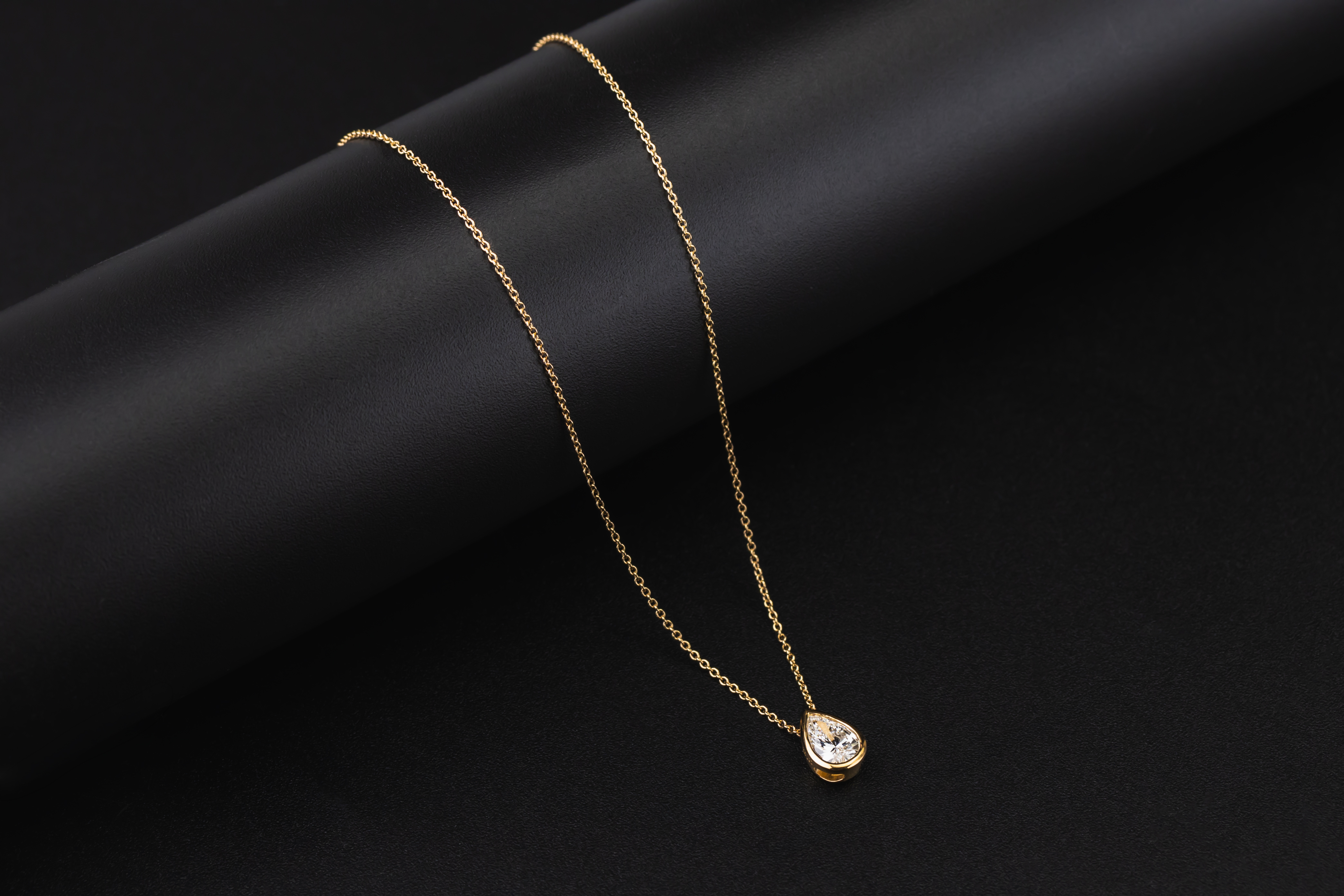 Gold Plated Sterling Silver Lab Grown Pear Cut Diamond Necklace 1.00ct
£545.00
Available
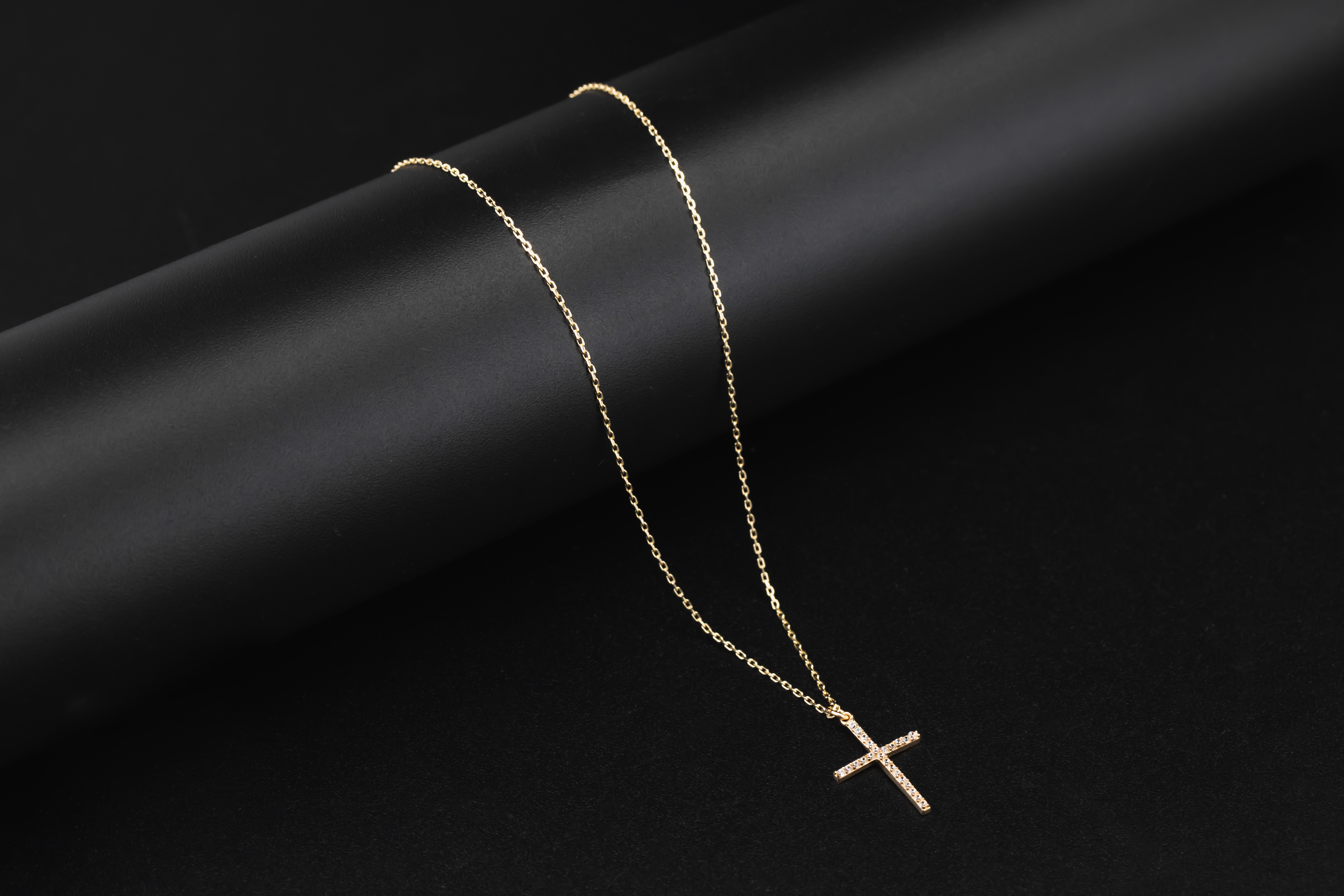 14ct Yellow Gold Cubic Zirconia Cross Necklace 18"
£495.00
Available
 9ct Yellow Gold Diamond Tennis Necklace 13.30ct
£9,350.00
Available
 9ct Yellow Gold Chain And Cross 1.8g
£165.00
Available
Frequently Asked Questions
What length necklace is most flattering?
Try different lengths with your outfit. A longer pendant can draw the eye down, while a shorter chain can bring attention to the collarbone.
How do I know what necklace suits my face shape?
Compare a longer pendant with a shorter chain, or a rounded pendant with a geometric one. Choose the effect you like with the outfit you are wearing.
What's the best way to layer necklaces without tangling?
Start with two or three chains and try spacing their lengths about 2–3 inches apart. Different chain weights can help them sit at separate levels. Add more if the chains still move freely and feel comfortable.
How do I pick a necklace as a gift?
Consider the recipient's lifestyle and existing jewellery. Fine metal chains work for most people and occasions. If you know their face shape, apply those guidelines. When uncertain, mid-length pieces (16-18 inches) and classic styles offer versatility. Weight and comfort matter for pieces worn regularly.
What necklace works best with a V-neck top?
Pendant necklaces following the V-shape's line work naturally. The pendant should sit inside the V, not extend past it. If layering, align the longest piece with the V's point and keep shorter chains above.
Are necklace layering trends suitable for professional settings?
Delicate chains or a shared metal tone can make a layered look feel understated. Try two or three pieces as a starting point and adjust to suit your outfit and workplace.
What's the most versatile necklace length?
Around 18 inches is a useful starting point for everyday wear and layering. Where it sits depends on your neck circumference, build and any pendant.
How often should I check my necklace for damage?
Check clasps and settings every few months if you wear the piece regularly. Delicate chains need more attention because they tangle and stress easily. Pieces with stones should be checked for loose settings twice a year. Professional cleaning and inspection once a year helps maintain pieces you wear often. At The Diamond Box, our jewellery repair and maintenance services help protect your investment over time.
How do I measure the right necklace length for myself?
Wrap a soft tape measure (or a piece of string against a ruler) around the base of your neck, where you'd want the necklace to sit, then add the extra drop you want below that point — typically 2–4 inches (5–10cm) for a close fit, more if you want it to sit lower. There's no single average necklace length for a woman that suits everyone; comparing your measurement to the necklace length chart above will tell you which named length — choker, princess, matinee or opera — it falls into.
Key Takeaways
-
Face shape can suggest styles to try. Longer pendants draw the eye down, while shorter chains can shift the focus towards the collarbone.
-
Neckline matching matters because your garment creates a line the necklace either complements or contrasts with, and this relationship affects overall balance.
-
For easier layering, try chains of different lengths and weights. Add pieces one at a time and check that each has room to sit comfortably.
-
Material selection communicates context: fine metals suit professional settings, statement pieces work for social occasions, and pearls offer versatility.
-
Personal confidence overrides technical guidelines because style is individual, and how you feel wearing a piece comes before following a formula.
-
Practical factors (weight, movement, maintenance) affect long-term satisfaction, particularly when selecting gifts or pieces for regular wear.
-
Understanding principles gives you a starting point, but adapting them to your preferences and circumstances creates authentic personal style.
Choosing a necklace isn't about finding the objectively correct answer. It's about understanding how proportion, line, and context work together, then using this knowledge to make choices feeling authentic to you.
Some people prefer the simplicity of a single, well-chosen piece. Others enjoy the creativity of layering and experimenting with different combinations. Neither approach is better. They're different expressions of personal style. What matters is you feel confident in what you're wearing, and the piece enhances rather than distracts from the overall effect you're creating. When you complete your look with coordinated jewellery, each element supports the others rather than competing for attention.
If you’re choosing a new necklace or looking for pieces to layer together, explore our full jewellery collection to find necklaces chosen with proportion, quality, and longevity in mind. We're here to help you make choices you'll feel confident about for years to come.