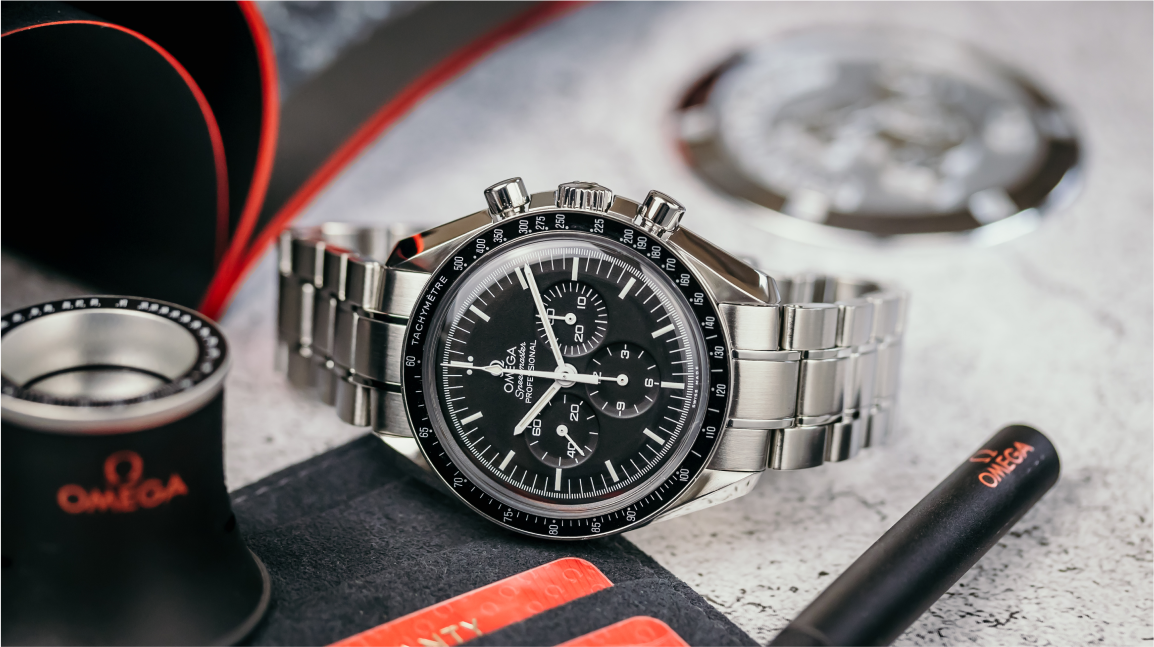
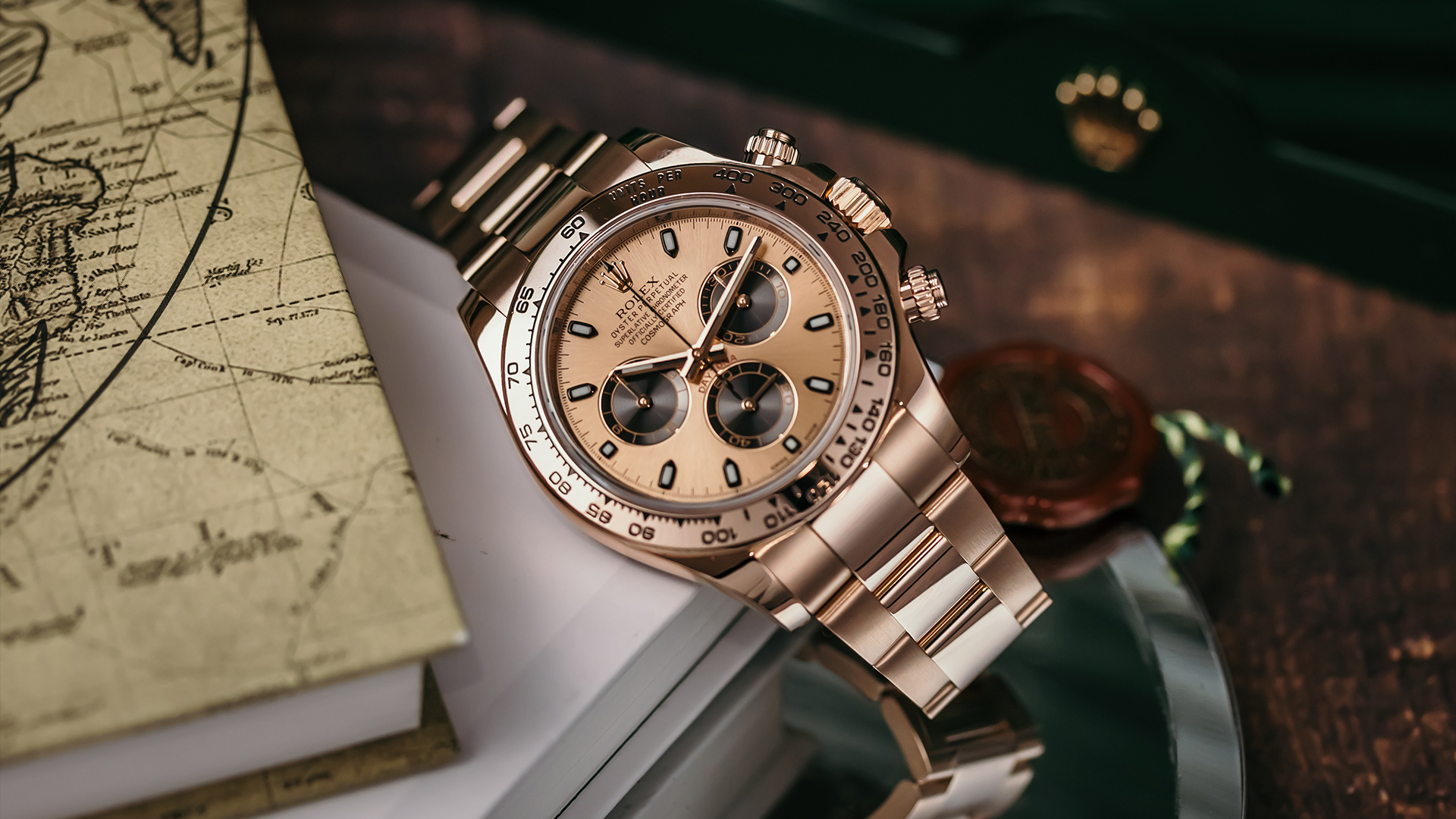




Quick Answer: People collect watches for rich psychological reasons that go far beyond investment or practicality. The main drivers include achievement motivation (the satisfying pursuit of rare pieces), emotional anchoring (watches mark life milestones), social belonging (community and shared knowledge), and the natural evolution of taste over time. Scarcity psychology amplifies desire, whilst mechanical permanence offers something enduring in an increasingly digital world.
Core Psychological Drivers of Watch Collecting:
-
Achievement motivation: The pursuit and acquisition process creates genuine satisfaction and accomplishment
-
Memory anchoring: Watches become meaningful physical markers of personal history and identity
-
Natural desire for rare things: Scarcity makes opportunities feel more valuable and worth pursuing
-
Social belonging: Collector communities provide connection through shared passion and expertise
-
Investment thinking: Financial framework provides a helpful way to think about passionate purchases
-
Mechanical permanence: Enduring objects in a digital world of planned obsolescence
At The Diamond Box, we've spent more than two decades watching people fall in love with watches. Not simply buying them, but collecting them. Coming back for another. Then another.
Whether they're buying their first piece, part exchanging to evolve their collection, or bringing family heirlooms in for servicing, we watch them build relationships with specific brands, specific complications, specific eras. People treat mechanical objects as though they were members of the family.
Over those years, we've noticed something: the reasons people give for collecting watches rarely match the reasons they do it.
What Reasons Do Collectors Give for Buying Watches?
Ask collectors why they buy watches, and you'll hear familiar justifications:
"It's an investment."
"I appreciate the craftsmanship."
"It's a practical tool."
These statements aren't untrue. But they're rarely the complete story.
If watches were purely about investment returns, collectors would treat them like stocks. Buy, hold, sell when the numbers made sense. If collecting were only about craftsmanship, one exceptional piece would be enough. If watches were about practicality, your phone tells better time.
The truth runs deeper.
What we've observed across thousands of conversations is that watch collecting operates on multiple psychological levels at once. Some conscious, some not. Understanding those layers helps explain why the hobby feels so compelling to those who fall into it.
What to remember: The stated reasons for collecting (investment, craftsmanship, practicality) are all valid, but there are richer layers of motivation beneath that make the hobby genuinely fulfilling.
How Does Achievement Motivation Drive Watch Collecting?
There's a reason people talk about hunting for watches rather than simply buying them.
The pursuit of a specific model triggers something primal. Researching its history. Tracking down availability. Negotiating the acquisition. According to research into collector psychology, this mirrors achievement motivation theory: the intrinsic human desire to overcome challenges and reach goals.
When someone acquires a watch they've been pursuing for months or years, the emotional response isn't about ownership alone. It's about accomplishment.
We see this at The Diamond Box regularly. The customer who's been waiting patiently for a specific reference. The one who's researched every detail of a vintage model's production history before coming in to discuss buying or part exchanging. The quiet satisfaction when the right piece appears.
That satisfaction doesn't come from the object alone. It comes from the journey to get there.
Core insight: The hunting process activates achievement motivation, making acquisition feel like accomplishment rather than simple purchase.
Why Do Watches Function as Emotional Anchors?
One pattern we've noticed over the years: people rarely collect watches in isolation from their lives.
They collect them through their lives.
The watch that marked a promotion. The piece inherited from a father or grandfather. The model purchased to celebrate a milestone. The timepiece that travelled through a significant life chapter.
Psychologists describe this as memory anchoring. Our tendency to attach emotional significance to physical objects, transforming them into symbolic representations of identity, relationships, and aspirations. Watches become more than timekeepers. They become bookmarks in personal history.
This explains why people struggle to part with certain pieces when they're considering selling or part exchanging, even when logic suggests they should. The watch isn't simply metal and mechanics. It's connected to who they were when they bought it, what they were feeling, what they were hoping for.
The object becomes part of the story.
Core insight: Memory anchoring transforms watches from possessions into physical markers of personal history and identity formation.
How Does Scarcity Psychology Affect Watch Collecting?
We've watched the watch market change over the past decade.
Waiting lists that didn't exist before. Limited editions that sell out within hours. Discontinued references that suddenly command premiums. The entire structure of desire has shifted around scarcity, real or manufactured.
Nobel laureate Daniel Kahneman spent decades researching why scarcity affects human behaviour. One principle he identified: loss aversion. The psychological reality that missing an opportunity feels more significant than gaining something equivalent.
When a watch becomes difficult to obtain, it's not the object alone that becomes more desirable. It's the fear of missing the opportunity entirely.
This naturally changes how people make decisions. There's a sense of urgency where there wasn't before. A desire to commit whilst the opportunity exists. The awareness that if you wait too long, the chance might disappear.
We've seen this create genuine pressure for customers at The Diamond Box. This is partly why we've built our approach around slowing things down rather than speeding them up.
When you take time to think through scarcity-driven decisions, clarity often emerges. You recognise whether the urgency comes from genuine desire or external pressure. In some cases, slowing down also creates space to verify authenticity properly. Understanding how to authenticate luxury watches gives you confidence before committing to significant acquisitions.
Whether you're buying, selling, or part exchanging, taking time to make the right decision serves you better.
Core insight: Scarcity naturally amplifies desire, which is why taking time to distinguish between genuine passion and external urgency helps you make decisions you'll feel good about long-term.
What Role Does Community Play in Watch Collecting?
Something interesting happens when someone develops a serious interest in watches.
They discover they're not alone.
There are collector groups and online communities. Entire networks of people who share the same fascination. Within these spaces, a particular social dynamic emerges: status based on knowledge rather than price.
A rare vintage piece or an obscure reference earns more respect than a mainstream luxury model. Deep expertise about a specific brand's history matters more than the size of the collection. Passion and curiosity are valued as much as purchasing power.
This creates a sense of belonging that extends beyond the objects themselves. The psychology here is straightforward: humans need social connection, and shared interests provide a natural foundation for it.
We see this at The Diamond Box when customers come in not simply to browse or buy, but to talk. To share what they've learned. To ask questions about servicing or repairs they can't ask elsewhere. To be around others who understand why these details matter.
The watches become a gateway to relationships.
Core insight: Collector communities fulfil social belonging needs through shared knowledge, with status earned through expertise rather than spending power.
Do Watches Function as Investments?
We need to address this directly, because it comes up often.
Many collectors justify purchases by framing them as investments. In some cases, watches do appreciate. Certain models, certain brands, certain conditions hold or increase value over time.
But experienced collectors are often more honest about this than newcomers.
Watch collector Gary Getz puts it clearly: "I've frequently gone on the record over years with my view that watches are not investments. That's not to say that the values of some watches may not go up over time, but to me that's both unpredictable and entirely secondary to the importance of watches as works of mechanical art and personal enjoyment."
Auctioneer Aurel Bacs frames it differently: "Yes, luxury watches can be an investment, but not an investment like a pension fund, real estate, or even the stock market. The investment is a human one. The dividend is not cash. The dividend is the smile you get."
The investment framework gives people a helpful way to think about spending on something they're passionate about.
There's nothing wrong with that. But it helps to recognise it for what it is. When you're honest about the emotional drivers, you make better decisions when you're buying, selling, or building your collection. You choose what genuinely moves you, rather than what you think should move you.
Core insight: Investment thinking provides a useful framework for purchases, though the most satisfied collectors we meet embrace that passion and personal enjoyment are the real reasons they collect.
Why Do Mechanical Watches Appeal in a Digital Age?
There's something else happening beneath all of this.
We live in a world where most objects are designed for obsolescence. Phones that need replacing every few years. Software that requires constant updates. Technology that becomes outdated almost as soon as you understand it.
Mechanical watches operate on principles that have remained largely unchanged for centuries.
They don't need batteries. They don't require software updates. They don't stop working because a company decided to discontinue support. A well-maintained mechanical watch, looked after through proper servicing and repairs, functions for generations.
In an increasingly intangible world, they represent something permanent. Something you hold, understand, and pass down. A counterbalance to the disposable nature of modern life.
This isn't nostalgia. It's a response to a genuine need for objects that endure.
Core insight: Mechanical watches offer permanence and tangibility in a digital world built on planned obsolescence and constant upgrades.
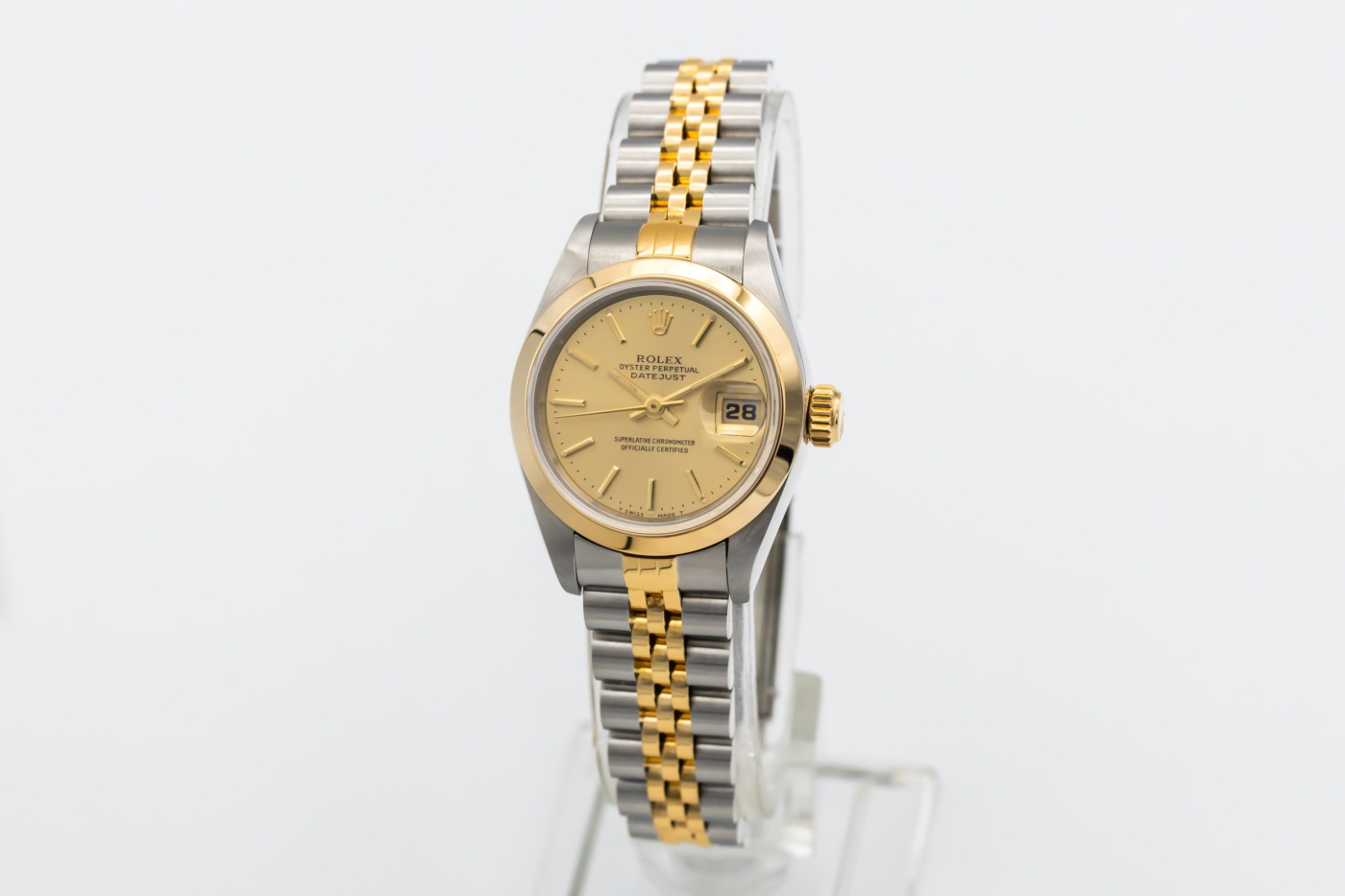
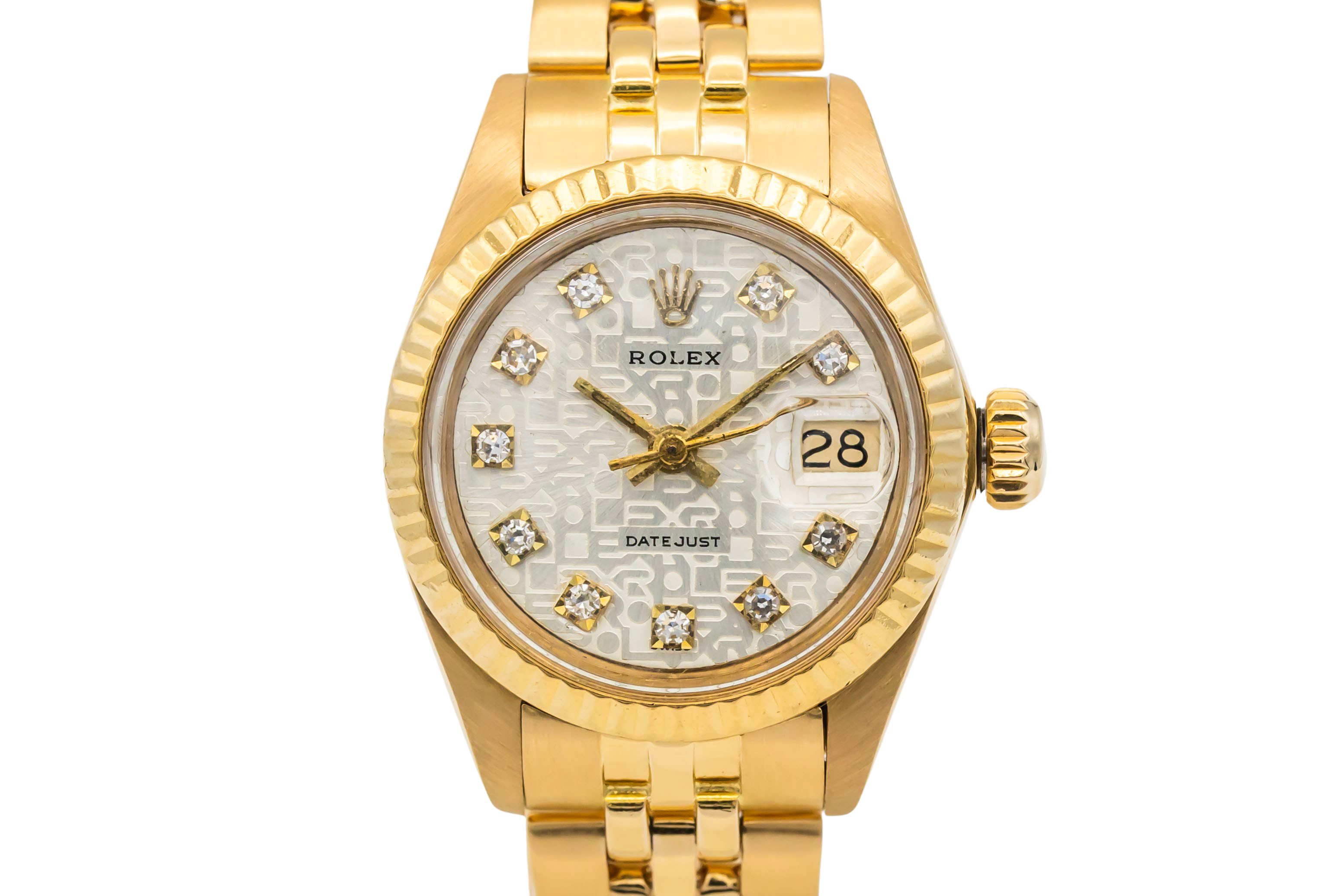 Rolex Lady DateJust 26mm 18ct Yellow Gold Jubilee 6917 1979
£7,295.00
Available
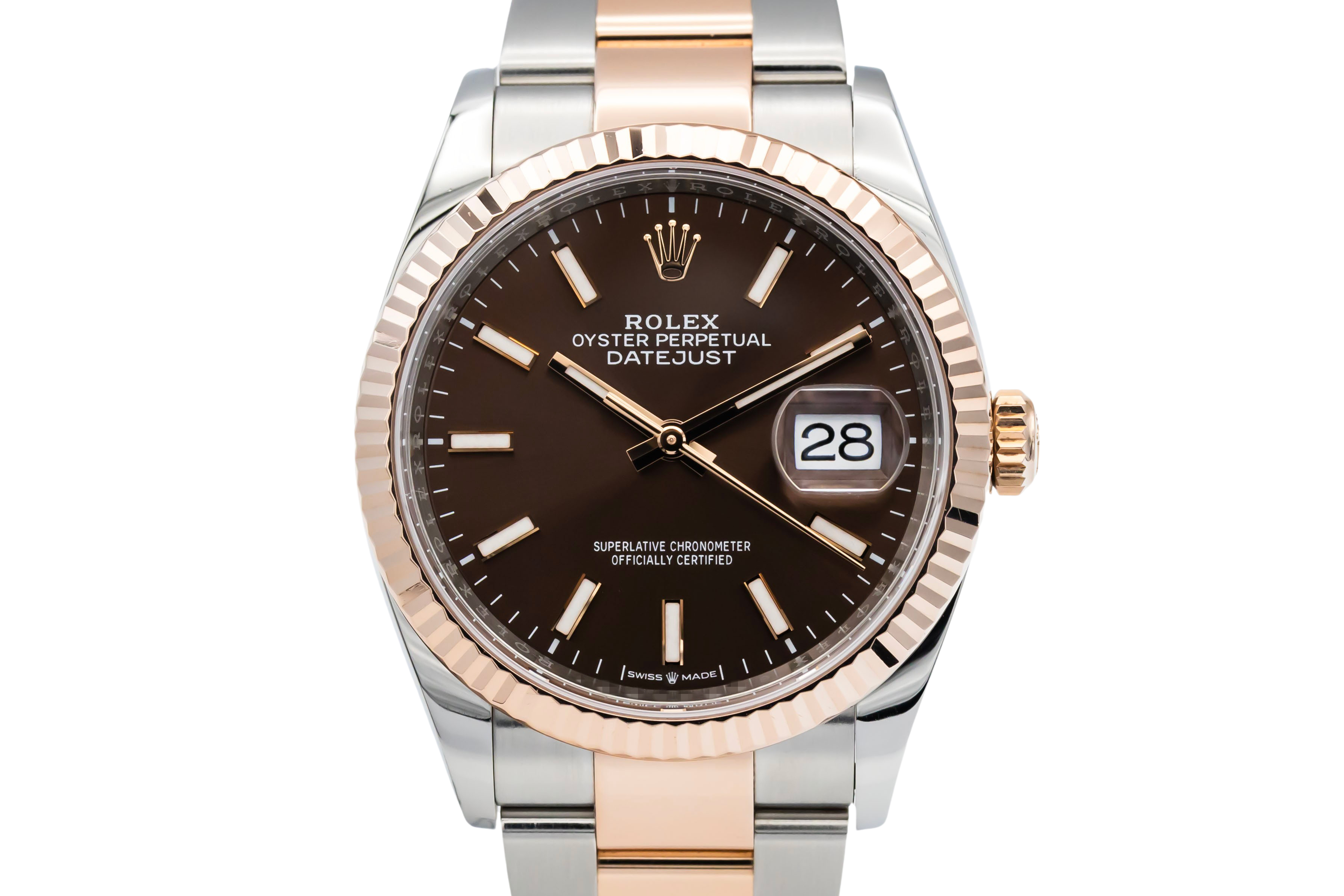 Rolex DateJust 36mm Steel & 18ct Rose Gold Oyster 126231 2024
£12,495.00
Available
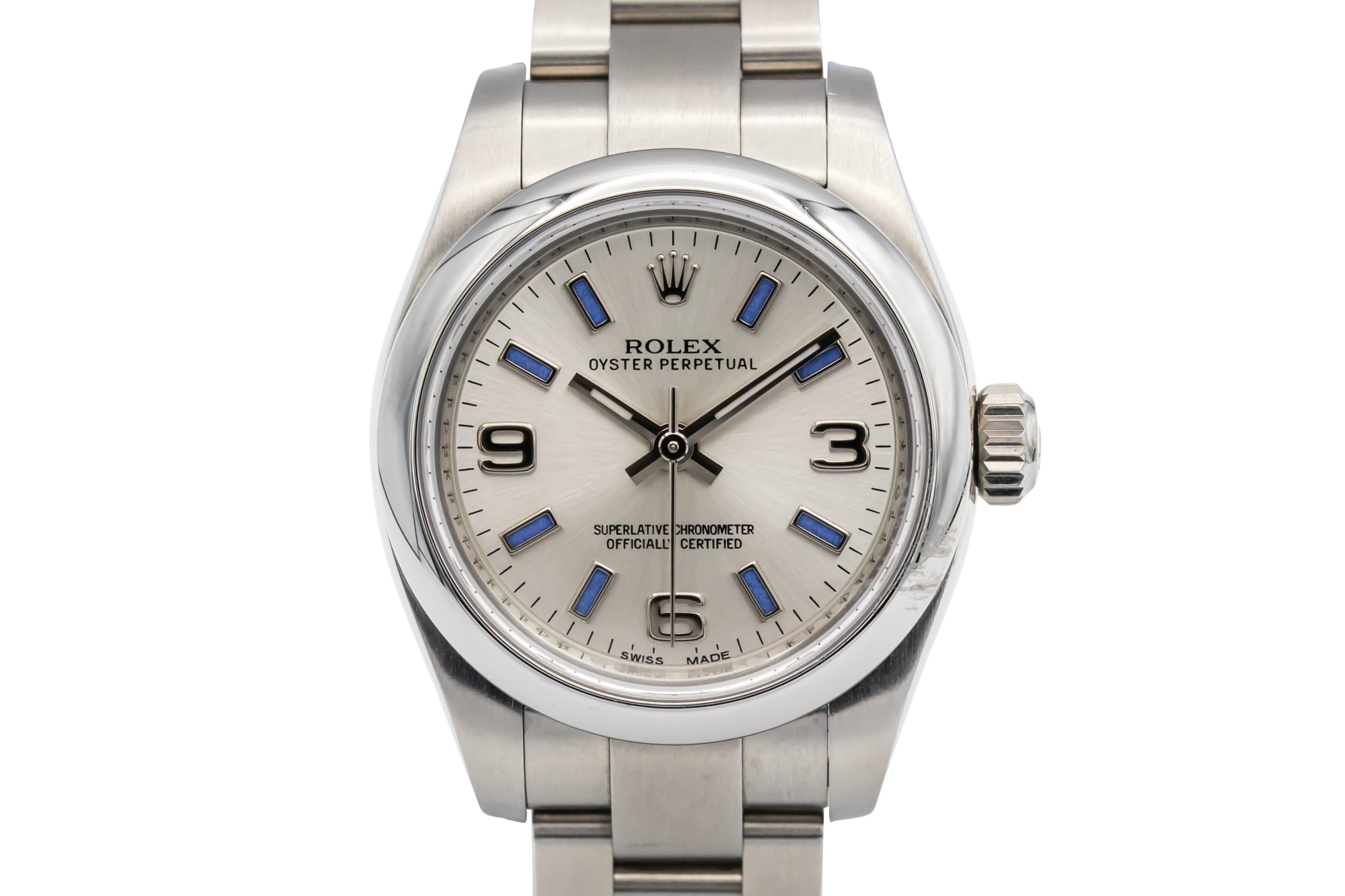 Rolex Lady Oyster Perpetual 26mm Stainless Steel Oyster 176200 2015
£4,995.00
Available
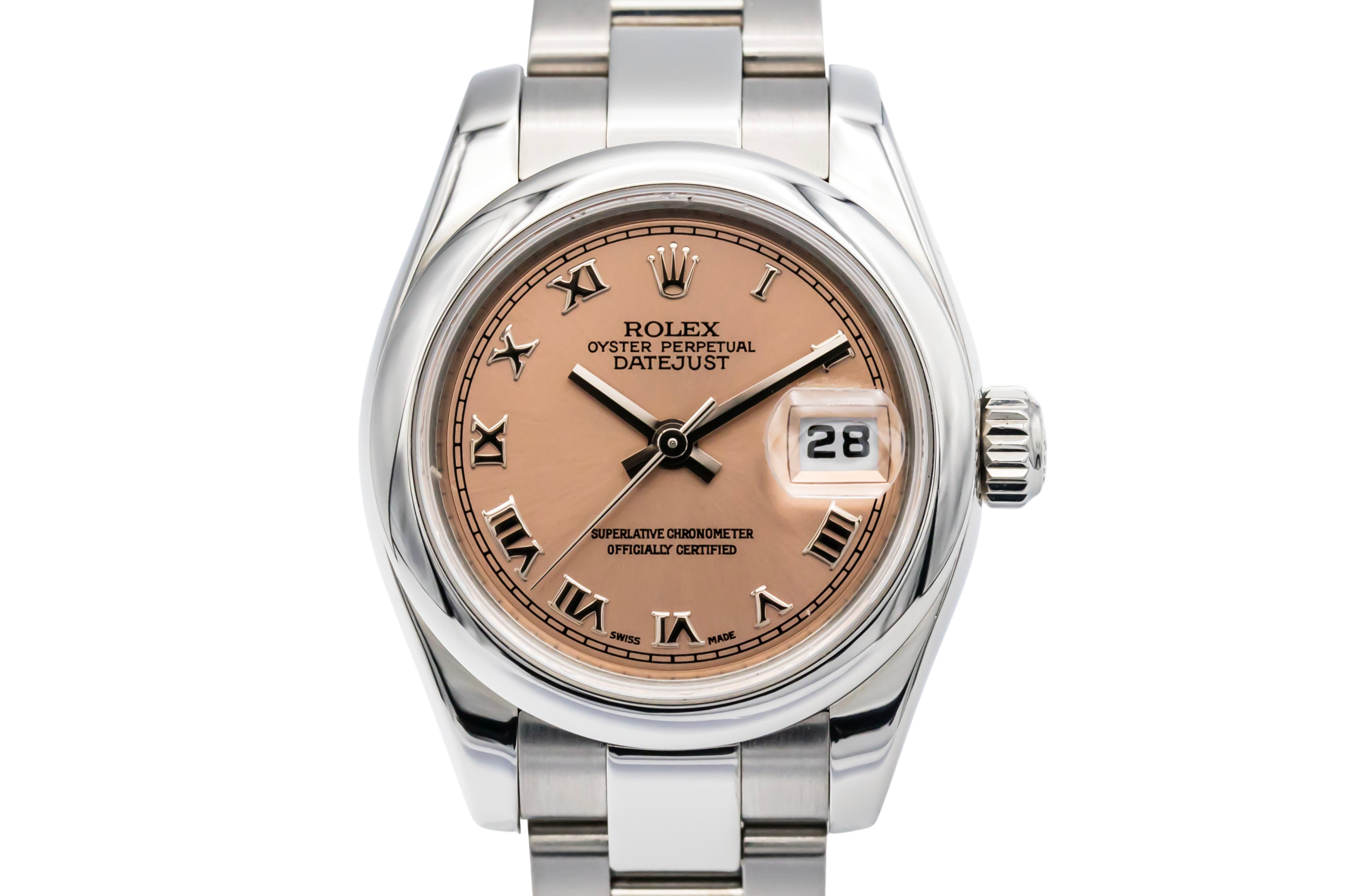 Rolex Lady DateJust 26mm Stainless Steel Oyster 179160 2006
£4,995.00
Available
What Is the Paradox of Watch Ownership?
Here's something we've noticed that doesn't get discussed enough.
The scarcity that makes certain watches desirable often diminishes the practical pleasure of ownership. Pieces too rare to risk wearing. Models too valuable to take travelling. Watches that become prisoners of safes rather than companions through life.
The modern waiting list creates an interesting dynamic in luxury retail. It transforms immediate purchasing into a patient process, where people wait months or years for pieces they're genuinely excited about.
There's a natural tension here that collectors navigate thoughtfully. The desire to acquire versus the desire to enjoy. The pull towards rarity versus the pull towards daily wear. The investment mindset versus the enthusiast mindset.
The most satisfied collectors we've encountered at The Diamond Box have found their own balance with this. They buy what they'll actually wear. They accept that enjoyment sometimes means accepting wear. They prioritise personal satisfaction over market performance. When they need repairs or servicing, they see it as care rather than cost.
Core insight: Finding your own balance between acquisition and enjoyment, rarity and daily wear, creates a collecting experience that remains genuinely satisfying over time.
How Should You Approach Watch Collecting?
If you're reading this as someone who collects watches, or who's considering starting, understanding these psychological drivers doesn't diminish the experience.
It enriches it.
When you recognise what's motivating your decisions, you make choices that genuinely serve you. You distinguish between pieces you want because of external pressure and pieces that resonate personally. You build a collection, through thoughtful buying, selling, and part exchanging, that reflects your values rather than borrowed ones.
You also give yourself permission to simply enjoy the process without needing to justify it through investment logic or practical necessity.
Sometimes the most honest answer to "Why do you collect watches?" is simply: "Because I love them."
And that's enough.
Core insight: Understanding what motivates you allows you to build a collection based on genuine personal connection rather than what you think you should want.
What Patterns Emerge Over Decades of Collecting?
We've been doing this long enough to see how collecting journeys play out over decades.
The patterns that emerge. The regrets that surface. The pieces people wish they'd kept and the ones they wish they'd never bought. The difference between collections built through patience and collections built through urgency.
What we've learned is this: the best collections aren't built through perfect decisions. They're built through honest ones. Pieces chosen because they genuinely mattered to you at the time, not because someone else said they should.
The psychology behind watch collecting is complex. But the practice doesn't have to be complicated.
Buy what moves you. Wear what you love. Take time to understand why you're drawn to specific pieces. Let your collection evolve as you do through part exchanging when your needs change. Look after your pieces properly through expert servicing and repairs. Remember that the goal isn't to own every important watch. It's to own the watches that are important to you.
If you'd like to talk through your collecting journey, whether you're looking to buy your first piece, sell or part exchange to evolve your collection, or discuss servicing and repairs for watches you already own, we're here. At The Diamond Box in North London, we've built more than twenty years of trust by never rushing these conversations. Visit us to discover how a different approach to buying, selling, and caring for watches changes the entire experience.
Frequently Asked Questions About Watch Collecting Psychology
Is watch collecting an addiction or a hobby?
Watch collecting is fundamentally a hobby, though the psychological patterns share some similarities with compulsive behaviour. The natural adaptation cycle means satisfaction evolves after each acquisition, creating ongoing interest in discovering what's next. This operates within the bounds of genuine appreciation and thoughtful spending for most collectors. When collecting creates financial stress or relationship strain, it's worth pausing to examine the underlying motivations. Most collectors naturally find their own healthy rhythm and boundaries over time.
Why do some people collect watches they never wear?
This behaviour stems from understandable psychological factors. Some pieces feel too valuable or rare to risk wearing regularly. Investment thinking sometimes prioritises future value over present enjoyment. Achievement motivation creates satisfaction through acquisition and ownership. Some collectors genuinely derive pleasure from curating and knowing their pieces rather than wearing them daily. There's no single right approach. The most satisfying path tends to balance acquisition with enjoyment, accepting that wear tells its own story in a watch's life.
How does watch collecting differ from other forms of collecting?
Watch collecting uniquely combines mechanical appreciation, wearable functionality, investment potential, and social signalling. Unlike art or wine, watches serve a daily purpose whilst carrying emotional and historical significance. The mechanical complexity appeals to technical curiosity in ways stamps or coins don't. Watches also operate as visible status markers and conversation starters. The blend of engineering, aesthetics, history, and personal meaning creates a distinctive collector psychology.
What psychological needs does watch collecting fulfil?
Watch collecting addresses several core psychological needs. Achievement motivation through hunting and acquiring rare pieces. Social belonging through collector communities and shared expertise. Identity construction through curated taste and visible choices. Memory anchoring by marking life milestones with physical objects. Control and permanence in a world of digital obsolescence. These overlapping motivations create a hobby that feels deeply meaningful beyond the objects themselves.
Why do watch collectors struggle to stop buying?
Several natural forces keep collectors engaged over time. Scarcity in the market highlights opportunities that feel time-sensitive. Community exposure constantly reveals new references and complications worth exploring. For many, being a collector becomes part of identity, making it feel natural to continue. Investment thinking provides ongoing validation for continued purchases. Most collectors find their own natural rhythm and boundaries without needing to stop entirely.
How can I build a watch collection without regret?
Build collections through honest self-awareness rather than external pressure. Buy pieces that genuinely resonate with you, not what others say you should own. Take time with decisions instead of acting on urgency or scarcity. Wear your watches rather than keeping them as safe prisoners. Accept that taste evolves and use part exchanging to let your collection grow with you. Prioritise pieces you'll enjoy over pieces you think will appreciate. Recognise when you're buying for emotional reasons and make peace with that. Work with trusted partners like The Diamond Box who prioritise your long-term satisfaction over immediate sales.
Does understanding the psychology ruin the enjoyment of collecting?
Understanding the psychological drivers enriches rather than diminishes the collecting experience. Awareness helps you make conscious, authentic choices that align with what genuinely moves you. You give yourself permission to enjoy the hobby for what it truly is, without needing justifications about investment or practicality. You recognise when you're making emotional purchases and embrace that as completely valid. Self-awareness helps you make decisions you'll feel good about long-term whilst deepening appreciation for why certain pieces genuinely resonate with you.
Why do inherited watches hold more emotional value than purchased ones?
Inherited watches carry layered emotional significance beyond personal choice. They represent connection to family history and loved ones who've passed. They function as physical links to memories and relationships that no longer exist in present time. The watch becomes a symbolic representation of the person who wore it, carrying their presence forward. Inherited pieces also connect you to stories and moments you didn't experience directly. This multi-generational emotional anchoring creates attachment that purely personal acquisitions rarely match, which is why people struggle to sell or part exchange family pieces even when logic suggests they should.
Key Takeaways: The Psychology of Watch Collecting
-
Watch collecting operates on multiple psychological levels simultaneously, with stated reasons (investment, craftsmanship) representing valid motivations alongside deeper drivers (achievement, belonging, identity).
-
Achievement motivation transforms acquisition into genuine accomplishment, making the pursuit process as satisfying as ownership itself.
-
Memory anchoring turns watches into meaningful physical bookmarks of personal history, which is why collectors form deep attachments to pieces connected to significant life moments.
-
Natural desire for rare things makes scarce watches feel more valuable, which is why distinguishing between genuine passion and external urgency helps create long-term satisfaction.
-
Collector communities fulfil real social needs through shared knowledge and passion, with respect earned through expertise and genuine enthusiasm.
-
Investment thinking provides a helpful framework for purchases, though the most satisfied collectors embrace that passion and personal enjoyment are the real drivers.
-
Mechanical watches offer permanence and tangibility in a digital world, addressing a genuine human need for enduring, understandable objects.
-
The most satisfied collectors find their own balance between acquisition and enjoyment, rarity and daily wear, creating a collecting experience that remains genuinely fulfilling over time.
-
Self-awareness of psychological drivers enables authentic collecting based on personal connection, enriching rather than diminishing the experience.