




How To Choose The Perfect Luxury Watch For Your Lifestyle
A luxury watch is more than just a device to tell time. It is a statement of style, a symbol of achievement, and an expression of personal taste. With countless brands, styles, and features to choose from, finding the perfect luxury watch can feel overwhelming. The key is to consider your lifestyle, preferences, and how you plan to wear the watch. In this guide, we will walk you through practical tips to help you select a luxury watch that fits you perfectly.
1. Understand Your Lifestyle
The first step in choosing a luxury watch is to look at your lifestyle. Your daily routine and work environment should guide the type of watch you choose.
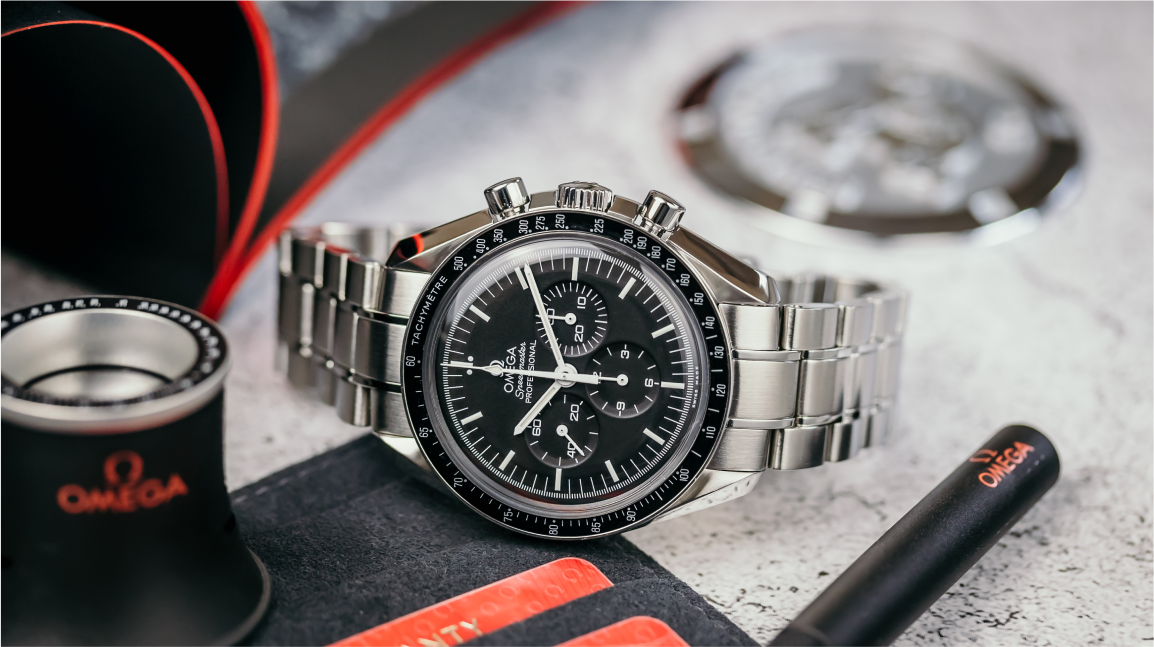
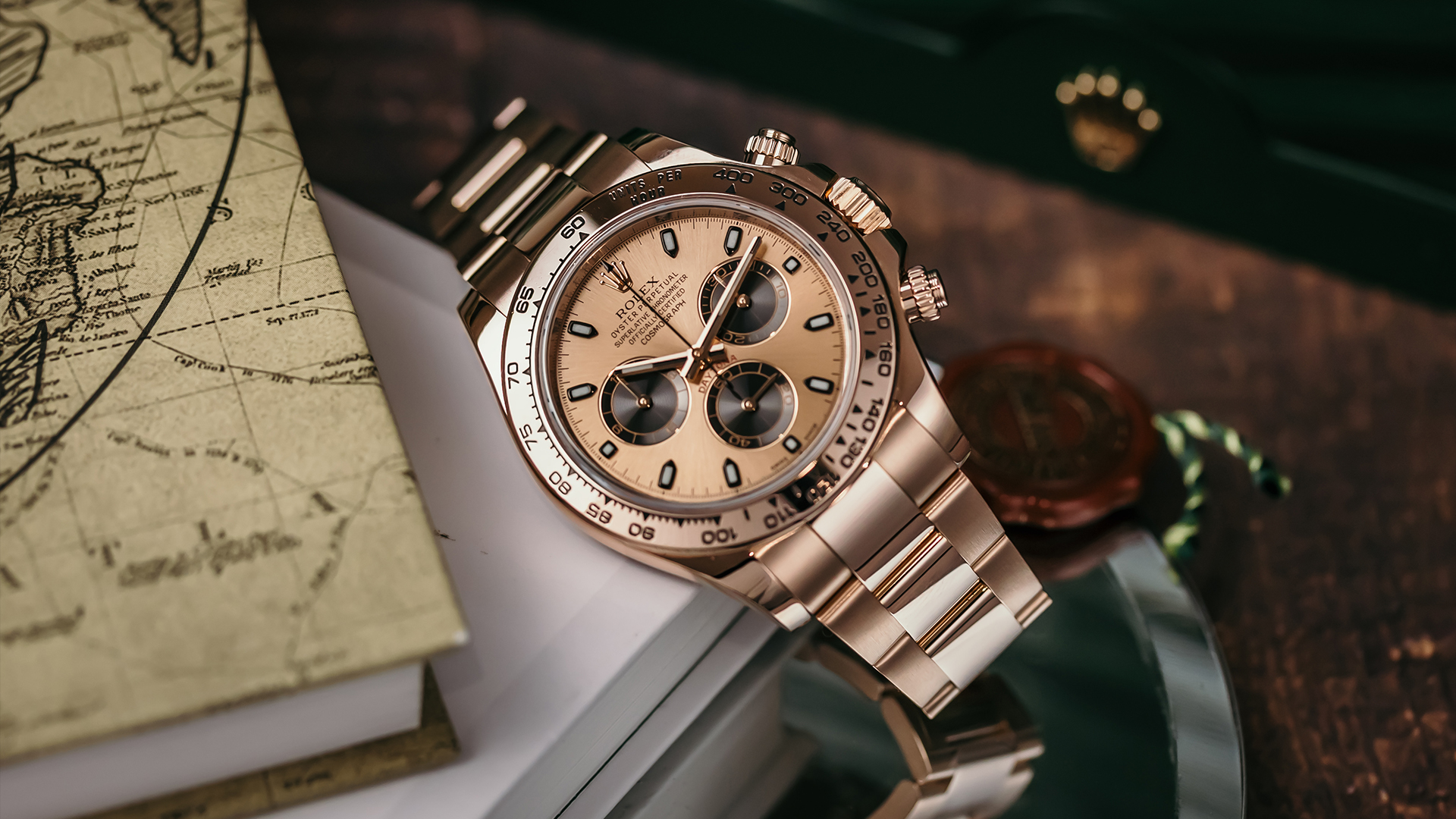
- Active Lifestyle: For those who spend time outdoors, enjoy sports, or travel often, durable, water-resistant watches with features like a chronograph or GPS are ideal. Brands like Rolex, Omega, and TAG Heuer offer sporty models that combine elegance with resilience.
- Professional Environment: For office settings or formal events, a classic dress watch may be ideal. These watches are sleek, understated, and often have leather straps or metal bracelets. Brands like Patek Philippe, Jaeger-LeCoultre, and Cartier offer timeless designs suitable for formal wear.
- Casual or Everyday Wear: If you want a watch that fits daily life, look for versatile styles that can be dressed up or down. Stainless steel watches or models with interchangeable straps can suit a variety of occasions.
Understanding your lifestyle ensures the watch will not only look good but also be practical.
2. Set A Realistic Budget
Luxury watches vary greatly in price, from a few thousand to several hundred thousand dollars. It is essential to set a budget before you start shopping. Setting a clear price range helps you focus on the right options and prevents unnecessary overspending.
Keep in mind that the value of a watch can depend on the brand, materials, complications (features), and rarity. While it is tempting to aim for the most expensive watch, the perfect watch is one that you love, can afford, and can wear confidently.
3. Consider The Watch Type
Luxury watches typically fall into several key categories, each designed with a specific purpose in mind. Understanding the type of watch you want can make the selection process easier.
- Dress Watches: These are elegant, simple, and timeless, often featuring minimal complications and a refined look. Dress watches usually have thin cases, leather straps, and classic designs. They pair perfectly with suits and formal attire.
- Sports Watches: Sports watches are designed for durability and functionality. Many are water-resistant, shock-resistant, and have additional features such as chronographs or rotating bezels. These watches are suitable for outdoor activities and casual settings.
- Diver Watches: Built for underwater use, diver watches are robust, highly water-resistant, and often have luminous hands for visibility underwater. Brands like Rolex Submariner and Omega Seamaster are popular examples.
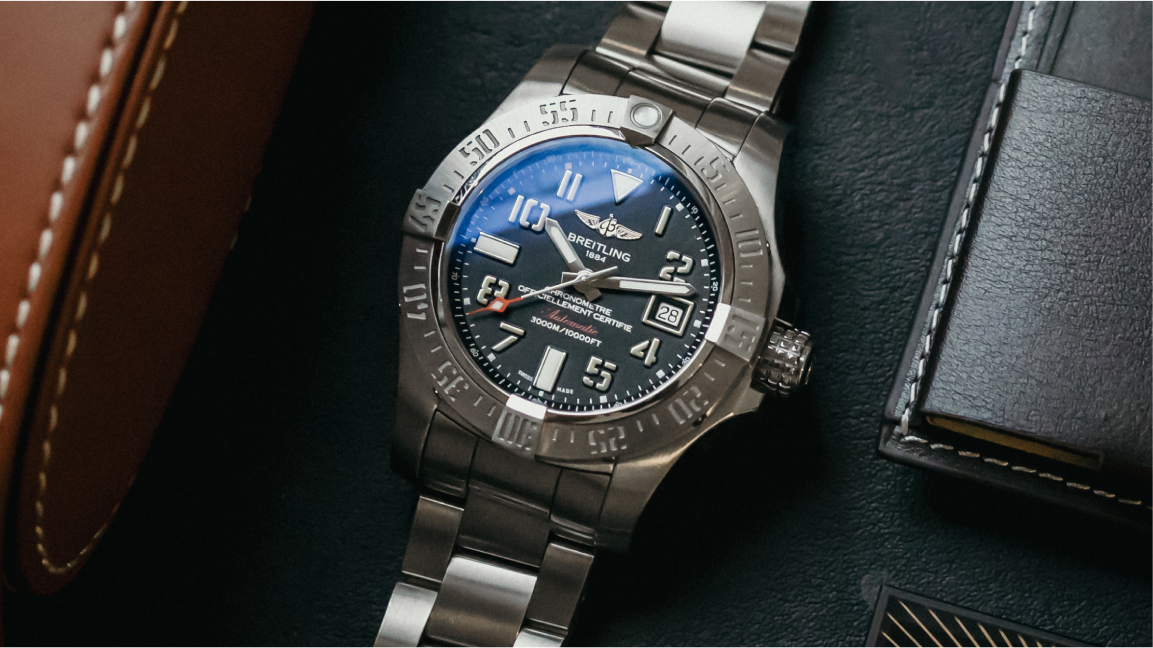
- Pilot Watches: Designed with aviation in mind, pilot watches often have large dials and clear numerals for easy readability. They may include features like dual time zones.
- Luxury Smartwatches: Some modern luxury watches combine traditional design with smart technology, allowing for notifications, health tracking, and more. These are perfect for tech-savvy individuals.
4. Choose The Right Material
The material of a luxury watch affects its look, feel, and durability. Common materials include:
- Stainless Steel: Durable, resistant to scratches, and versatile, stainless steel is ideal for everyday wear.
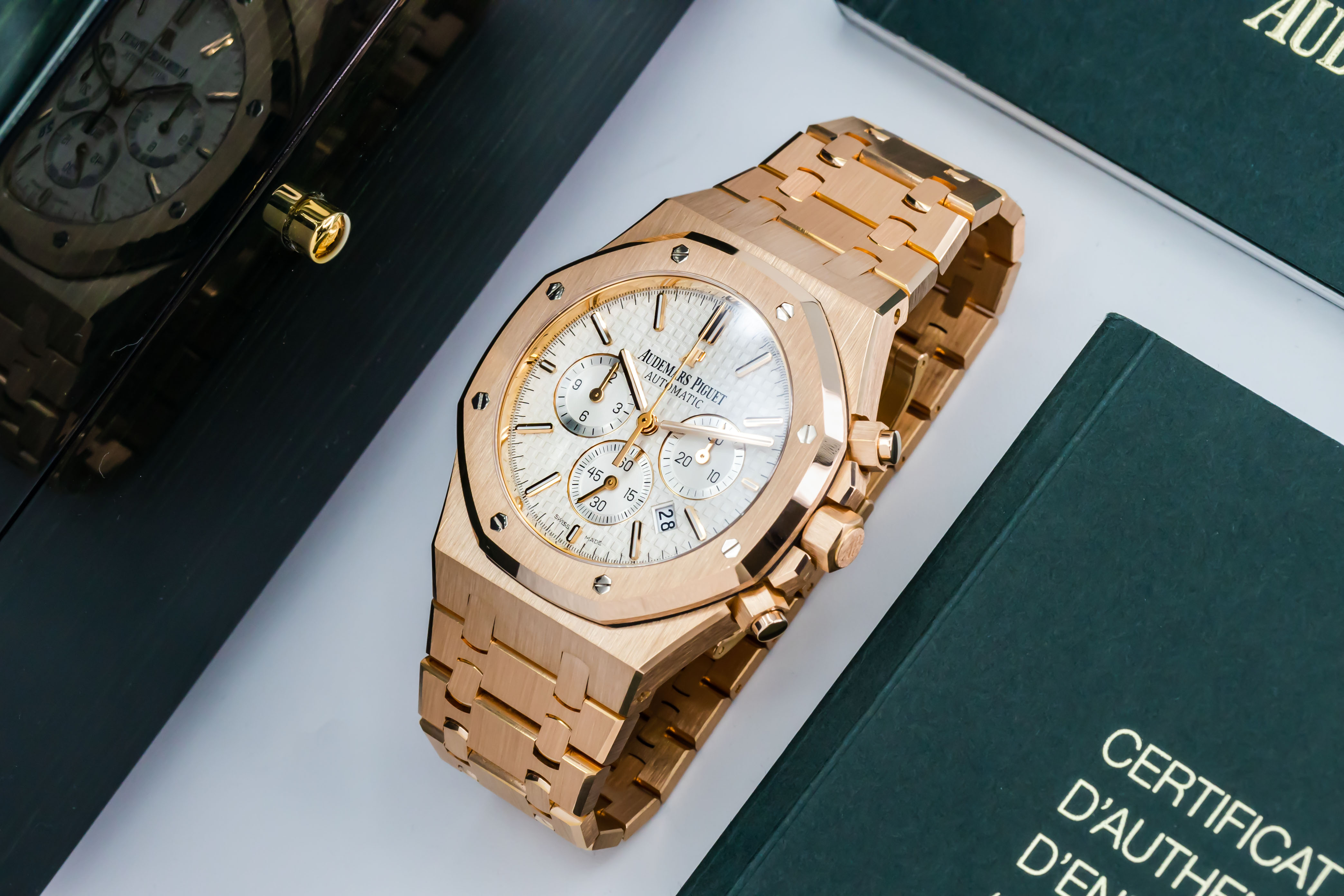
- Gold: Available in yellow, rose, or white, gold watches convey elegance and luxury, though they require extra care due to the metal’s softness.
- Platinum: Rare and prestigious, platinum watches are heavy and long-lasting.
- Titanium: Lightweight and strong, titanium watches are perfect for sporty or active lifestyles.
- Ceramic: Modern and scratch-resistant, ceramic watches are stylish and low-maintenance.
Selecting a material that matches your lifestyle and aesthetic preferences is crucial for long-term satisfaction.
5. Decide On The Movement
A watch’s movement determines how it operates. Luxury watches mainly use three types of movements:
- Mechanical (Manual): These watches require regular winding and are highly valued for craftsmanship. Mechanical watches often appeal to collectors and enthusiasts.
- Automatic (Self-Winding): Automatic watches wind themselves through the motion of your wrist. They combine convenience with traditional watchmaking techniques.
- Quartz: Powered by batteries, quartz watches are accurate, low-maintenance, and usually more affordable than mechanical or automatic watches. While not as prestigious in terms of craftsmanship, quartz movements are perfect for practicality.
Understanding the movement will help you choose a watch that fits your routine and appreciation for horology.
6. Select The Watch Size
The size of a watch should complement your wrist. A watch that is too large or too small can throw off the balance and look less refined.
- Case Diameter: Typically ranges from 36mm to 44mm for men and 28mm to 36mm for women. A larger wrist can carry a bigger watch, while a smaller wrist benefits from a more delicate design.
- Case Thickness: Thicker watches make a bold statement but may not slip easily under a shirt cuff, while thinner cases are perfect for formal wear.
- Strap or Bracelet Width: Proportion matters. The width should complement the case size and your wrist for a balanced look.
Trying watches on in person, if possible, is the best way to determine the perfect fit.
7. Pick The Right Dial And Design
The dial is the watch’s centerpiece, defining both its character and overall style. Consider these aspects:
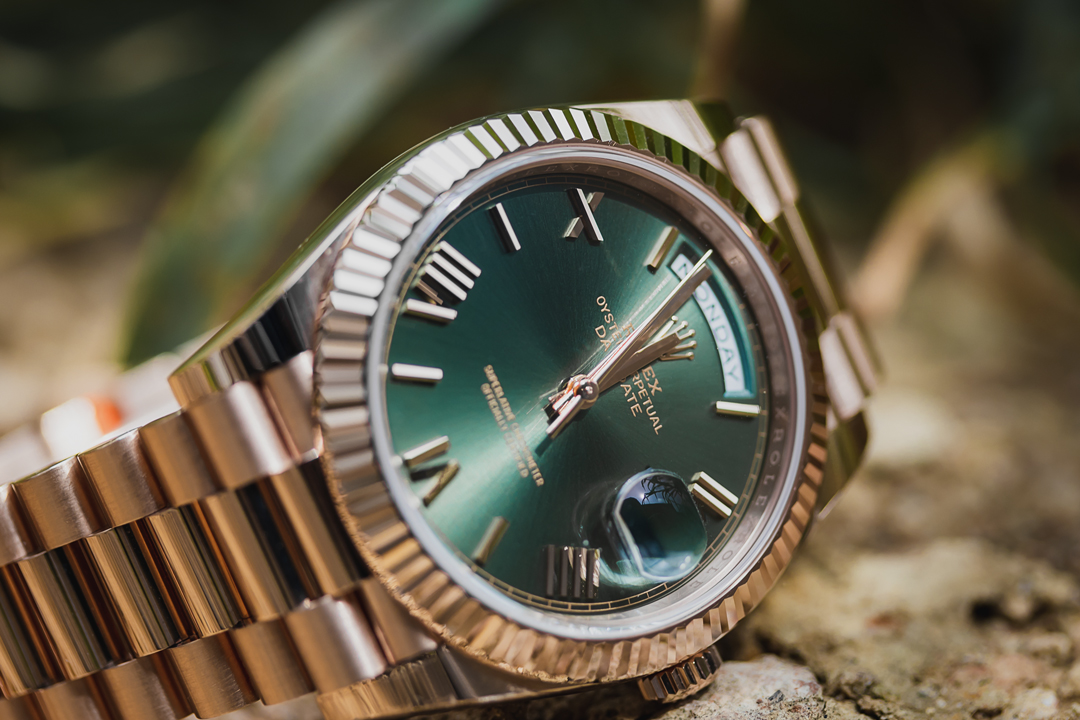
- Color: Classic colors like black, white, and blue are versatile. Bold colors like green or red make a statement and may suit casual or sporty watches.
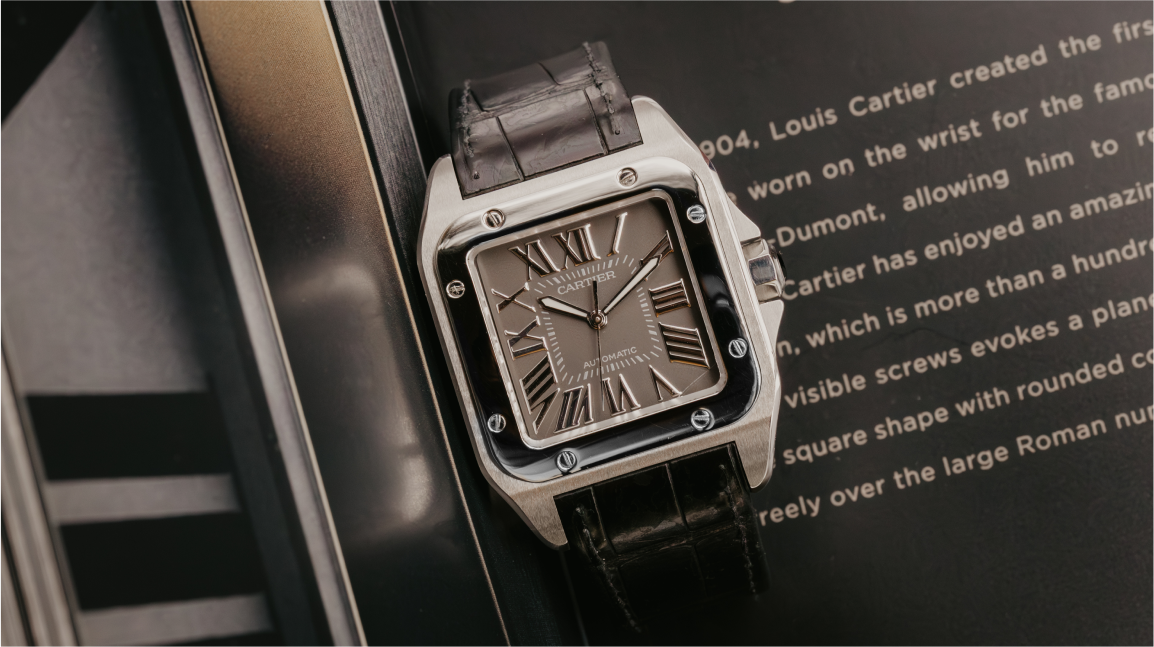
- Markers: Choose between numerals, Roman numerals, or simple indexes depending on the style you prefer.
- Complications: Some watches include additional features like date, moon phase, chronograph, or dual time zones. While complications add functionality, too many can clutter the dial.
- Hands: The shape and color of the hands can influence readability and aesthetic appeal.
A clean, balanced dial usually works best for dress watches, while more complex designs suit sports or pilot watches.
8. Consider Brand Reputation And Heritage
Luxury watch brands carry different reputations and histories. Some are known for precision, others for design or innovation. While personal preference is important, brand recognition can influence both style and resale value.
- Rolex: Known for durability, status, and investment value.
- Omega: Celebrated for innovation, particularly in diving and space exploration.
- Patek Philippe: Famous for elegant designs, complications, and long-term value.
- Tag Heuer: Combines sporty designs with a focus on chronographs.
- Cartier: Renowned for style, jewelry-like elegance, and unique designs.
Choosing a brand that resonates with your taste and values enhances satisfaction and prestige.
9. Match The Watch To Your Wardrobe
A luxury watch should complement your clothing style. Consider how you usually dress:
- Formal Attire: Sleek dress watches pair well with suits and formal wear. Leather straps or slim metal bracelets work best.
- Casual Attire: Sports or everyday watches suit casual wear. Stainless steel or titanium bracelets can handle day-to-day activity.
- Smart-Casual: Choose versatile watches that can fit both office and casual settings.
Matching your watch to your wardrobe ensures it becomes a natural part of your style rather than a standalone piece.
10. Test Comfort And Wearability
Luxury watches can be heavy or bulky, so comfort is crucial. Test the watch on your wrist:
- Make sure it doesn’t pinch or slide excessively.
- Check the strap or bracelet for comfort. A quality leather strap should feel supple, while a well-made metal bracelet should sit smoothly without pulling hair.
- Move your wrist to see if the watch interferes with daily activities.
A watch that feels heavy or uncomfortable, no matter how beautiful, may end up sitting in a drawer.
11. Think About Maintenance
Luxury watches require care to maintain their value and functionality. Consider:
- Servicing Needs: Mechanical and automatic watches need regular servicing every few years.
- Water Resistance: Check if your watch is suitable for swimming or diving.
- Material Care: Gold and platinum need gentle cleaning; stainless steel is more forgiving.
- Warranty and After-Sales Service: Ensure the brand provides reliable support.
Understanding maintenance requirements ensures your watch stays in pristine condition for years.
12. Check For Investment Potential
Some luxury watches increase in value over time, making them both a style statement and an investment. Limited editions, vintage pieces, and watches from renowned brands tend to hold or grow in value. If investment potential is important, research market trends and consider buying from authorized dealers or certified pre-owned sources.
13. Personal Connection Matters
Ultimately, the perfect luxury watch is the one you connect with emotionally. Consider:
- How does the watch make you feel when you wear it?
- Whether it represents your style, personality, and achievements.
- If it tells your story, either through design, heritage, or personal significance.
A watch is a lifelong companion, so emotional resonance matters as much as technical features.
14. Try Before You Buy
Whenever possible, try watches in person. Pictures and descriptions online are helpful, but nothing compares to seeing how a watch sits on your wrist. Visit authorized retailers, explore different brands, and compare models. Trying multiple watches helps you understand which one truly fits your style and comfort.
15. Make An Informed Decision
Choosing a luxury watch is an investment in both style and time. Research, try different models, and consider the following:
- Your lifestyle and daily activities.
- Budget and long-term affordability.
- Watch type, movement, and complications.
- Size, material, and comfort.
- Brand reputation and heritage.
- Personal connection and emotional appeal.
By following these steps, you’ll be able to choose a luxury watch that matches your lifestyle, complements your wardrobe, and becomes a treasured companion.
Conclusion
Buying a luxury watch is more than a purchase; it is an experience. It requires thought, research, and understanding of your personal needs. The right watch will not only tell time but also tell a story about you. Whether you prefer classic elegance, sporty durability, or modern innovation, a luxury watch should complement your lifestyle, reflect your personality, and give you pride every time you wear it. Take your time, explore options, and choose a watch that will be a loyal companion for years to come.