




The first question most buyers ask when considering a Rolex for men is "which model?"
The first question they should ask is "am I ready to make this decision right now?"
Over two decades of working with men buying Rolex watches, I've watched thousands walk through the same pattern. They come in performing with confidence. Research done, model selected, ready to transact. What they don't realize is the performance is the problem when choosing the best Rolex for men.
The Performance of Decisiveness
There are practical considerations worth understanding when buying a Rolex. I've covered those in my guide to buying a Rolex . But men face pressure beyond the practical. The expectation to appear decisive, strong, and financially confident creates blind spots in high-stakes purchases. Research shows conformity to masculine norms creates barriers to help-seeking behavior and admitting uncertainty.
You walk into the store already performing. You've memorized specifications. You know which models hold value. You might even be navigating Rolex waitlist challenges. You're ready to prove you belong in this decision.
Here's what I've noticed: the men who appear most confident at purchase are often the ones who come back six months later saying "I haven't worn this much." The confidence problem runs deeper than any specification or model choice.
The watch they chose looked right. Checked the boxes. Impressed the right people.
What You're Actually Carrying
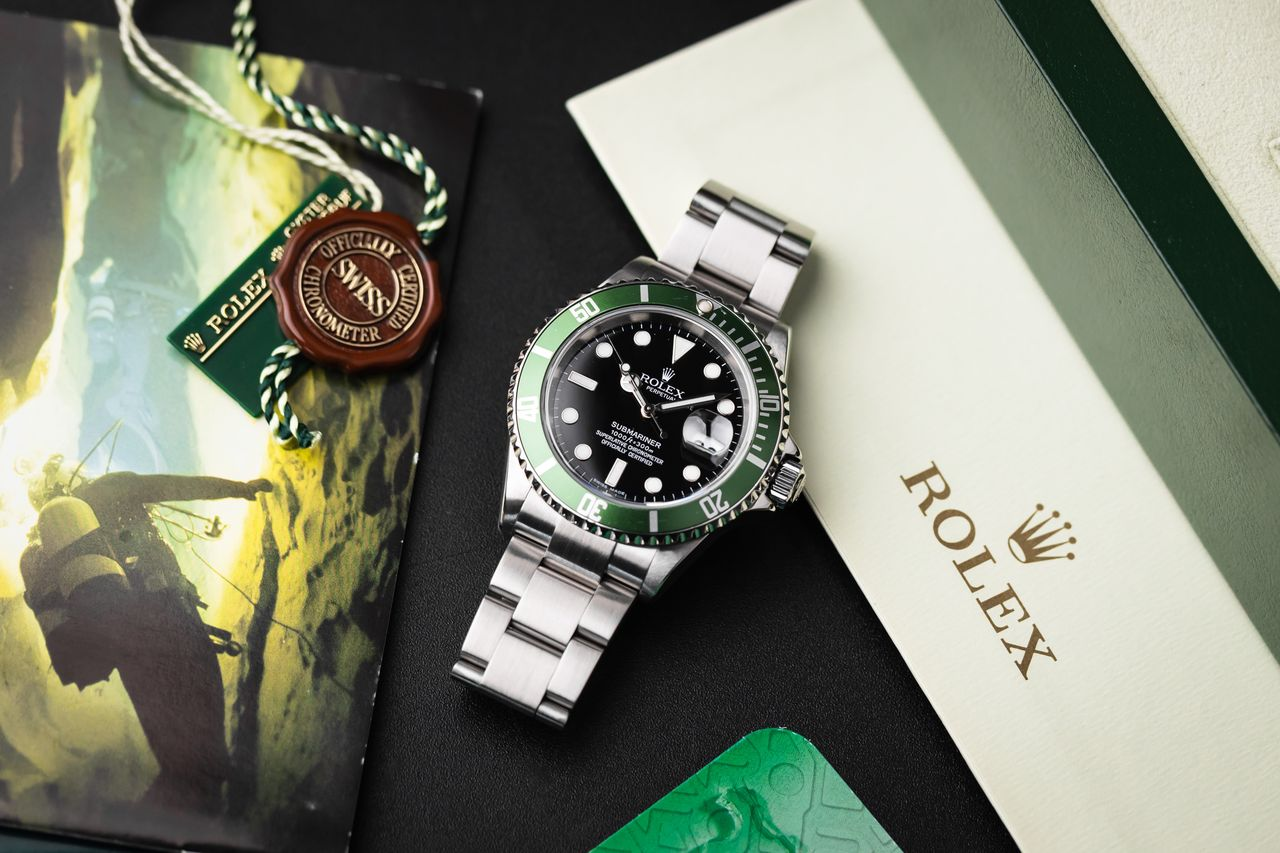
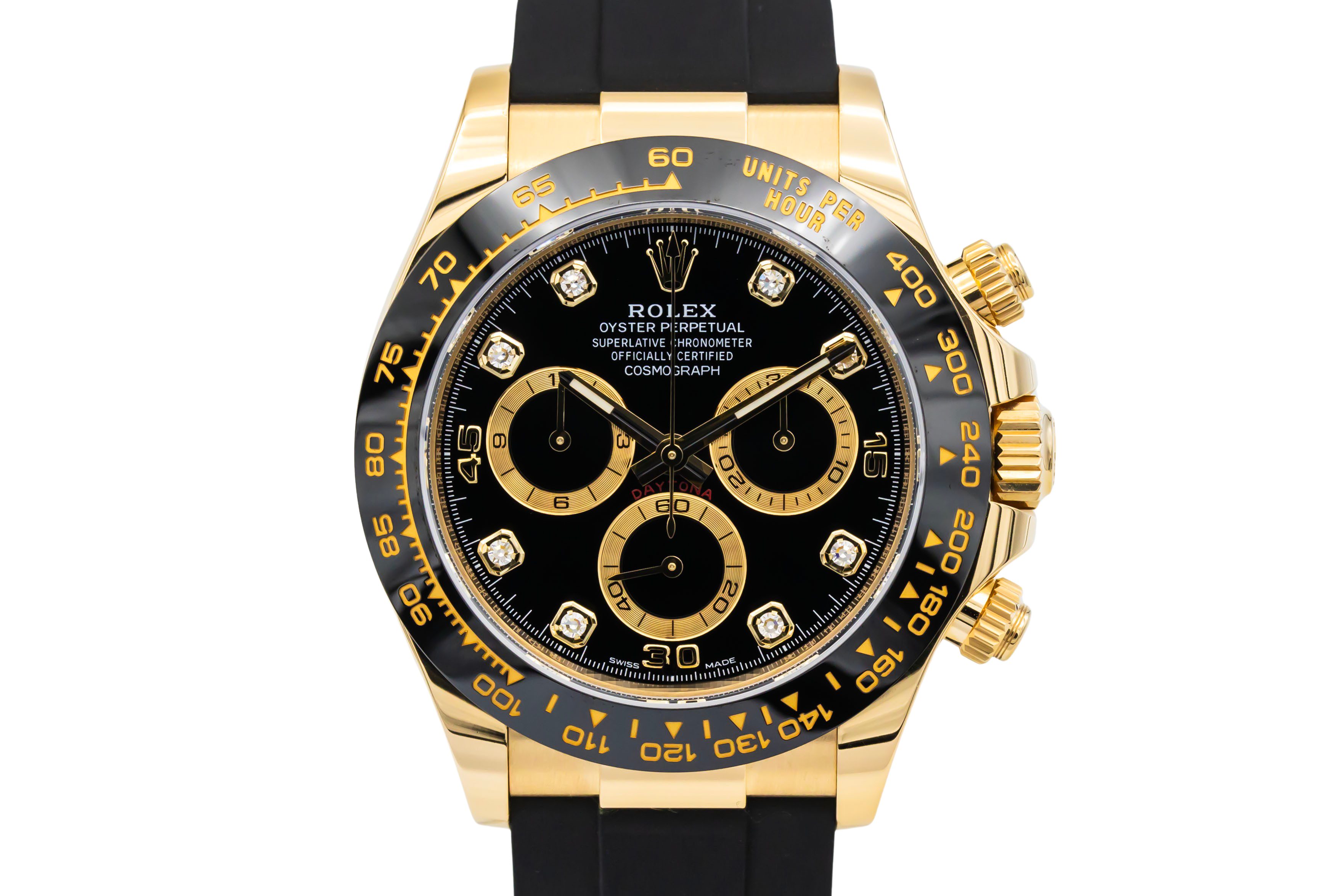
When you choose a flashy Rolex watch for men (a Daytona, a Submariner, a GMT-Master II), you're not wearing a watch. You're carrying expectations.
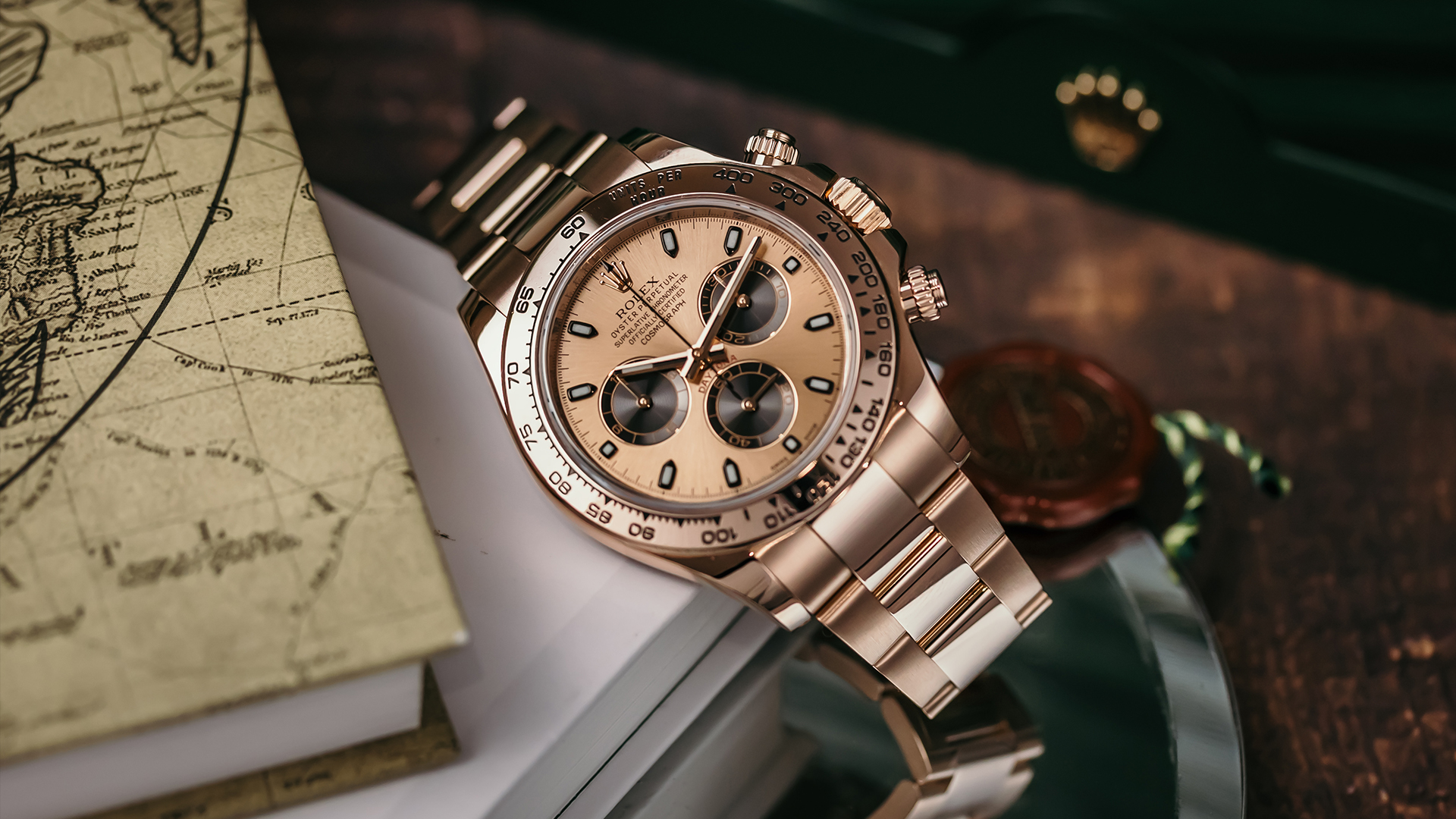
The Daytona comes with an expectation to perform. Motorsports, speed, high-achievement energy. If you're not someone chasing this level of intensity, the watch highlights the gap between the ideal version of yourself and who you are.
Like wearing an outfit for a role you're trying to play instead of something fitting you.
I've seen this weight show up in body language. Men trying on performance pieces stand rigid, checking their reflection from multiple angles, looking for validation even when no one else is watching. Their movements feel stiff, forced. They're trying to "wear" the watch instead of letting it become part of them.
The figurative weight is heavier than the physical one.
You're carrying the burden of external validation. The pressure to maintain an image. The cognitive dissonance between what the watch symbolizes and who you are.
When the Dissonance Sets In
The disconnect doesn't hit immediately. When you first buy a flashy Rolex, the excitement masks everything. The thrill of ownership, the rush of validation, the tangible sign of success. Feels right in the moment.
As the novelty fades over weeks or months, reality sets in.
The watch feels heavier (not physically, emotionally). You start noticing how out of place it feels in certain situations. When you're dressed casually. When you're with family. When you're not in a high-performance environment.
You start asking yourself: Do I need this? Is this me, or is this something I thought I had to have?
The gap between the external persona (the "successful high-achiever" role the watch represents) and your internal reality becomes apparent. The watch stops being a watch. Becomes a reminder of an image you're trying to uphold, not a piece feeling personal or meaningful.
Research on status anxiety shows this pattern clearly. When men face status threats, they engage in compensatory consumption (purchasing luxury goods to restore perceived social standing instead of addressing underlying needs).
The Investment Justification
Many men rationalize luxury watch purchases as investments. The logic seems sound. Certain Rolex models appreciate over time, especially limited editions or discontinued pieces.
Here's what the data shows.
From 2020-2024, luxury watches experienced a 175-point peak in late 2021 before correcting 51% by 2024. A £37,000 Rolex will cost around £56,240 over 10 years when factoring in ownership expenses. The watch must appreciate by more than half its purchase price to break even. (We've observed this market stabilization firsthand throughout 2026.)
When you hear yourself justifying a purchase as an "investment," pause.
The justification often signals misalignment. You're trying to make a performance-driven decision sound rational. You're giving yourself permission to buy something for external validation by wrapping it in financial logic.
The men who come back months later, more introspective and less self-assured, often say the same thing: "I thought this was about showing off. Now I want something representing my story, not what people think of me."
The Trajectory Toward Simplicity
There's a pattern in which Rolex models for men they initially choose versus what they end up gravitating toward.
They start with statement pieces (watches standing out in a crowd). Bold, prestigious, attention-grabbing. The models they think they're supposed to want.
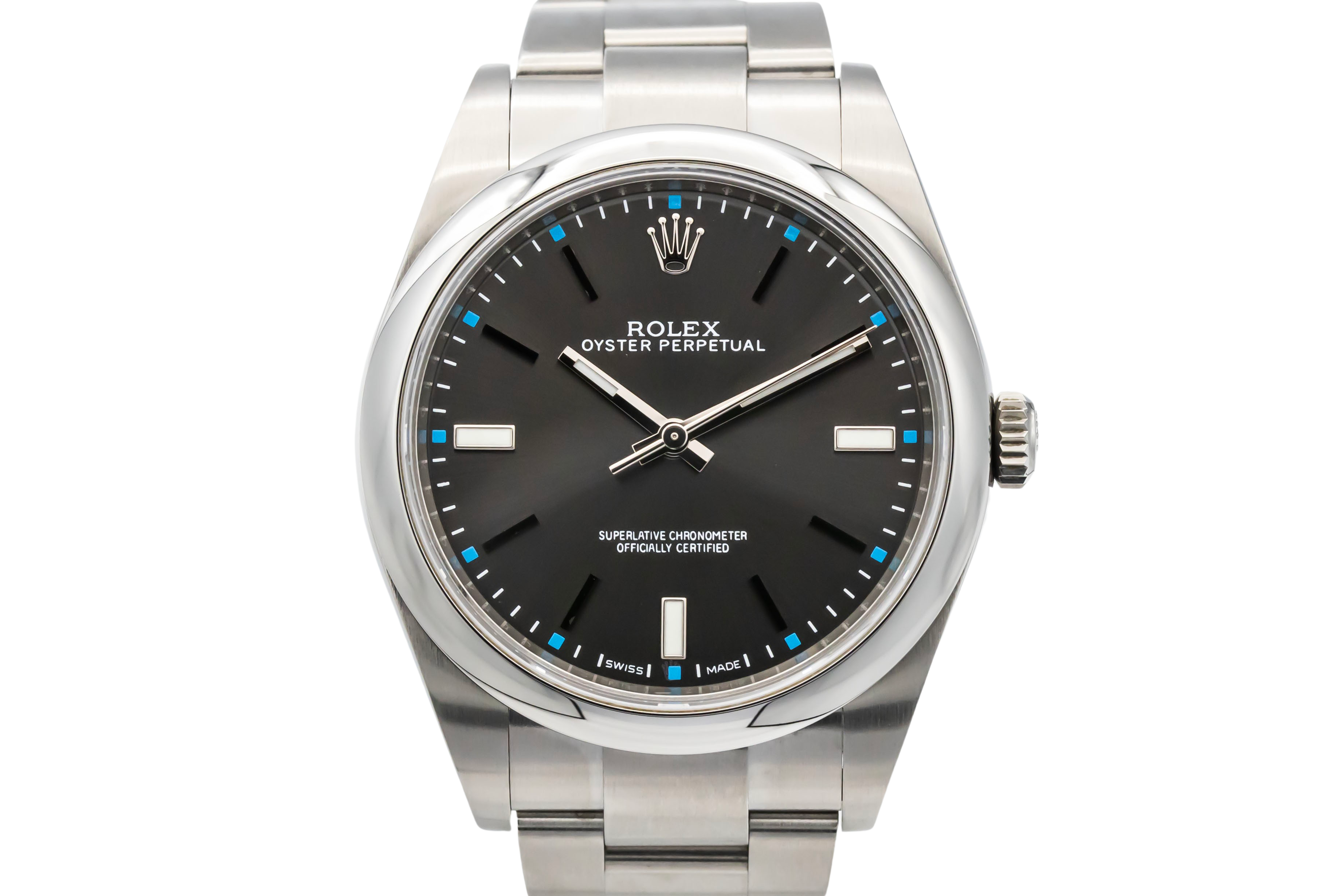
Over time, they move toward simpler, more understated models. The Oyster Perpetual. The Datejust. The Explorer.
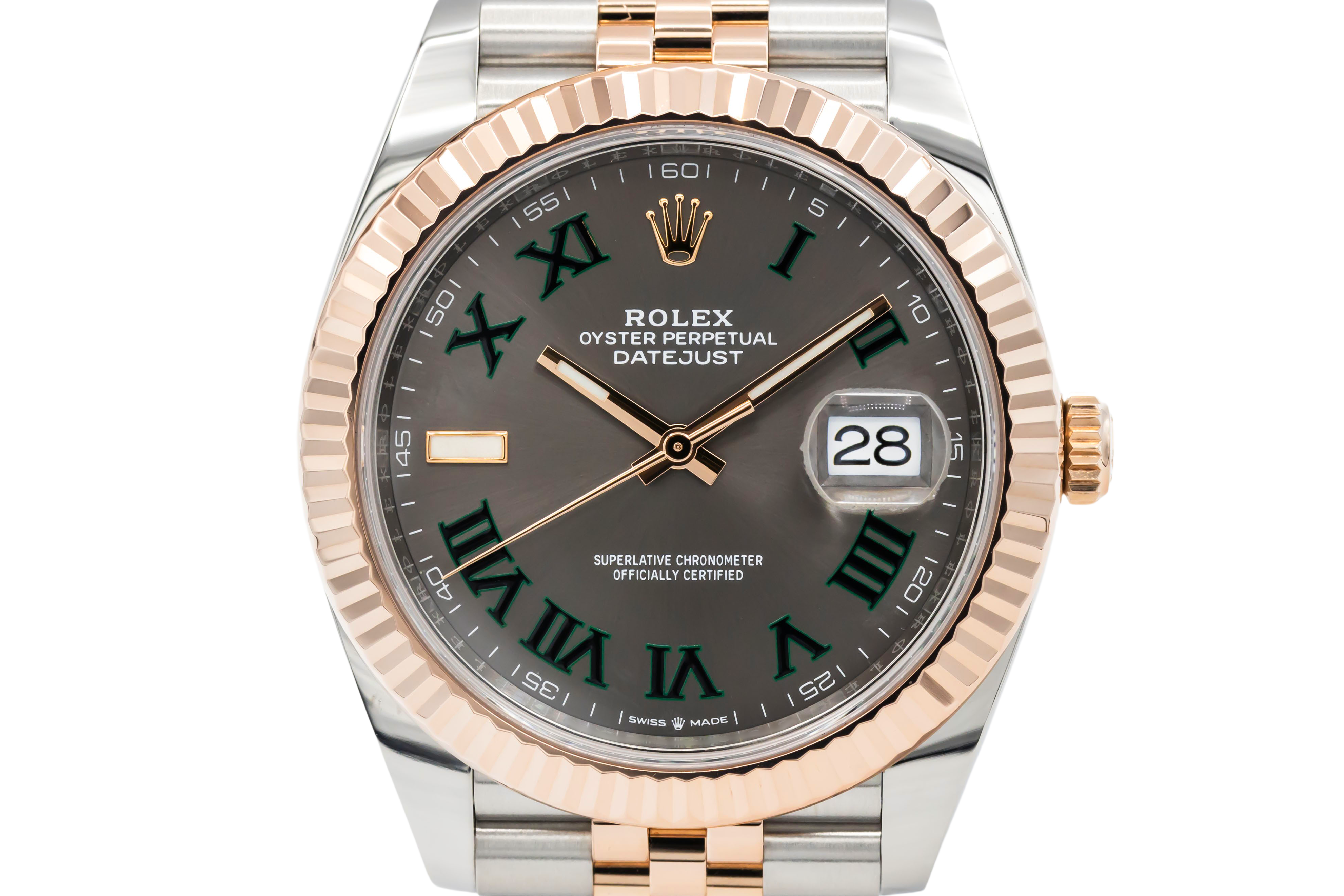
These models are still Rolex (sleek, durable, elegant). They're far more versatile as everyday Rolex watches for men. They don't scream for attention. They exude quiet sophistication. They blend into daily life, whether worn with a suit or casual outfit. (If you're ready to explore these understated models, view our current collection.)
When men try these models after living with a flashy piece, their language changes completely.
Instead of "looks great" or "People will notice this," they say "This feels like my everyday watch" or "I could see myself wearing this all the time."
The focus shifts from what it represents to others to how it feels to them.
Their posture softens. Shoulders relax. They start moving more naturally. The watch stops being something they're putting on for show and starts feeling like it belongs there.
Creating Space for the Shift
When I sense someone stuck in performance mode, I ask questions shifting the conversation away from status and toward personal connection.
"How do you want this watch to reflect you (not to others, but to yourself)? What do you want it to say about your journey?"
This creates space for vulnerability. Gives permission to step back from external expectations and consider what matters.
I'll also emphasize a Rolex isn't about the moment of purchase. "This watch will be part of your life for years. It'll be with you through milestones, moments of triumph, personal growth. Which model will stand with you?"
Then I encourage them to physically connect with the watches. "Don't rush the decision. Wear it for a few minutes. Feel the weight. Notice how the light catches the dial. Does this feel like your watch, or does this feel like something you're putting on for show?"
What breaks through is creating an environment where you feel safe enough to let go of performing.
The shift happens when you realize you don't need to prove anything to anyone. You need to be true to yourself.
The Question That Matters Most
Before diving into models or budgets, ask yourself this:
"What do I want this watch to represent in my life, and how do I want to feel when I wear it?"
This question goes beyond surface-level decisions. Forces you to look inward and think about how the watch fits into your identity, lifestyle, and long-term vision (not how it'll be perceived by others).
Are you seeking a watch as a personal milestone, something marking an achievement or turning point? Or are you seeking a piece aligning with your daily routine, something fitting into your life for years?
The key is focusing on how you want the watch to make you feel when you wear it, not how it'll look on your wrist.
If you're buying this because it'll be a meaningful part of your life instead of a superficial object to impress others, you'll feel more confident in your decision and more connected to the piece.
How to Access That Answer
For many men, this level of self-awareness feels unfamiliar when navigating a Rolex watch guide for men. You're not used to thinking in these terms, especially about something as straightforward as buying a watch.
Start by thinking about your journey and where you are right now in life (not which model tops the "best Rolex watch for men" lists).
Imagine looking back a few years from now. What do you want to be able to say about the time when you bought your first Rolex? What kind of man do you want to have been then, and how does this watch fit into your story?
Visualize the watch in your day-to-day life.
How do you see yourself wearing this? At work, during leisure time, on special occasions? Does this feel like something you could have a real, ongoing relationship with?
Ask yourself reflective questions: What does success mean to me? When I think of my most cherished possessions, what makes them special? Are there things in my life bringing me real joy (family, hobbies, memories) I'd want this watch to reflect?
These questions push you to consider not the purchase, but the meaning behind it.
What Happens When You Get It Right
When men come back and choose the best Rolex watch for men fitting them (often an Oyster Perpetual or Explorer after considering a Daytona), the way they talk about this changes completely.
Their language shifts from prestige and impressing others to comfort, longevity, and genuine connection.
They say things like "This feels like part of me" or "I wear this every day and this fits with my life."
They start using language emphasizing long-term ownership and meaning. "I could wear this for years" or "This is a watch meaning something to me as I get older."
There's a subtle but noticeable lightness in their tone.
They're no longer burdened by external expectations. They've found something fitting (not in terms of style, in how this aligns with who they are).
The cognitive dissonance fades. They speak more authentically about the watch because this is a piece they own in every sense of the word.
What I Wish You Understood Before Walking In
After two decades of watching this pattern repeat, here's what I wish men understood from the start:
A Rolex should be a companion, not a trophy.
Something accompanying you through different phases of life (success, growth, quiet moments, big milestones). Becomes part of your story, one you are telling, not anyone else.
The right Rolex is something you'll build a relationship with, something having sentimental value beyond the price tag or brand name.
Luxury doesn't always mean flash. There's elegance in simplicity. A watch like the Explorer or Oyster Perpetual carries weight in terms of personal achievement as any flashy model (without the pressure).
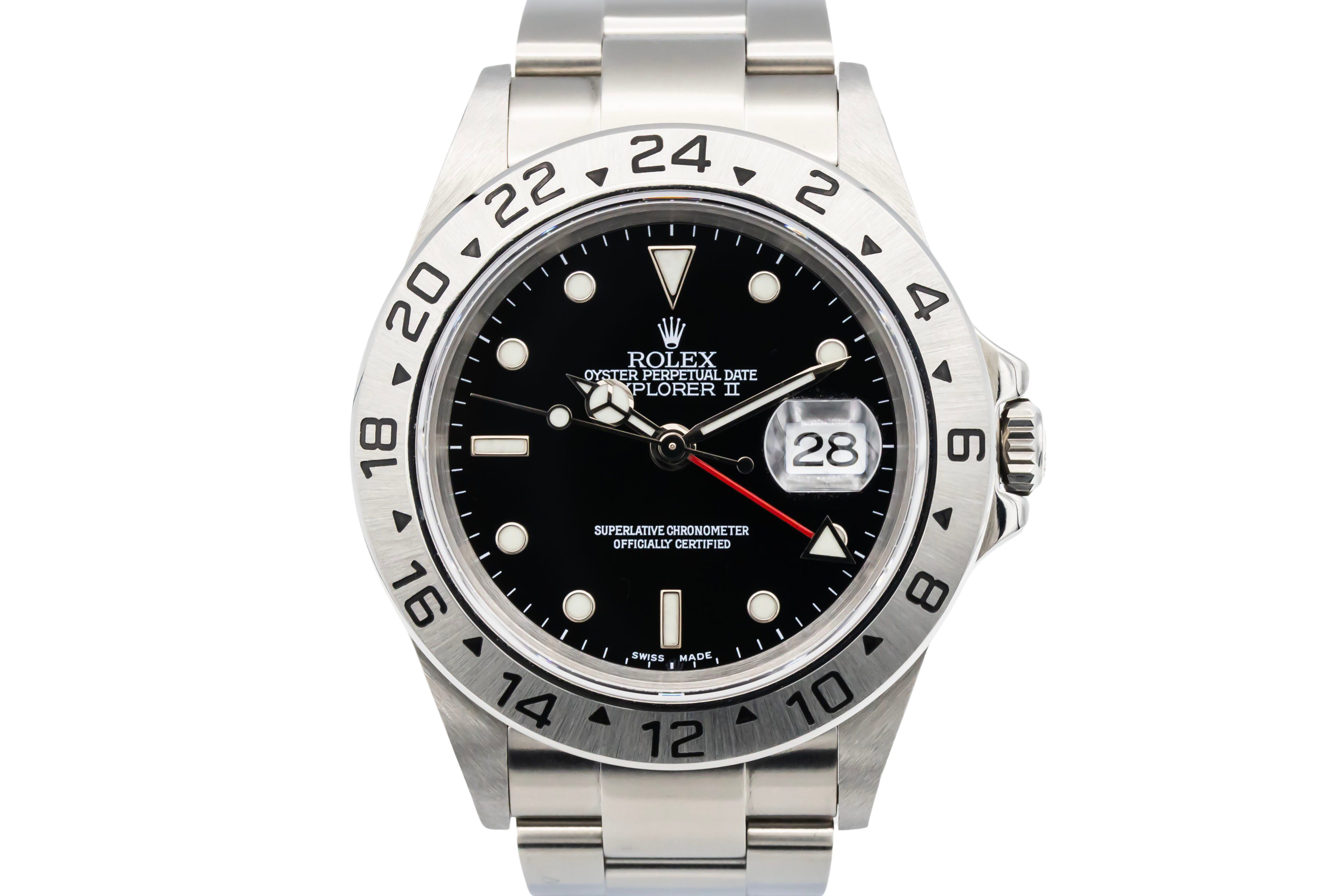
The "right" watch doesn't need to scream success. It quietly reflects it.
If you approach your decision thinking about how the watch will grow with you over the years, how this'll feel on your wrist, how this'll connect with your personal milestones, you'll avoid the cycle of performance, dissonance, and realignment.
You'll walk in knowing it's not about choosing a model to impress. It's about choosing something true to your story, your style, and your life journey.
Does this sound right for you?