By Grace Henley ·
posted on 09th March 2026




 follow us
Quick Answer: Buying a Rolex isn't about finding the fastest route to a specific model. It's about understanding waitlist realities, authentication risks, and long-term ownership costs before you commit. Most buyers start by asking about waitlists for steel sports models, then discover those watches take years to acquire. The real decision comes when you understand what kind of relationship you want with a watch you'll own for decades.
Waitlist times depend on model demand, not price. A £35,000 Day-Date arrives faster than a £10,000 steel Submariner.
Secondary market prices run 30-50% above retail for high-demand models, with authenticity risks around 20% of private sales.
Authentication requires checking serial numbers, movement engravings, papers, and subtle production details across multiple verification points.
Rolex service costs £480 to £1,200 every 5-10 years for complete mechanical overhaul.
Long-term satisfaction correlates with patient buyers who ask about maintenance and craftsmanship before purchase, not those chasing quick transactions.
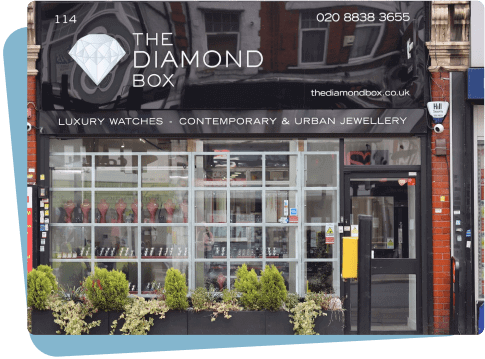
I've worked at The Diamond Box, a pre-owned luxury watch and jewellery shop in North London, for years now. When someone walks in thinking about buying their first Rolex, the first question isn't "which model should I choose?"
It's "how long is the waitlist?"
This question reveals where someone sits in their buying journey more than any discussion about bezels or movements. They're thinking about this as a transaction with a timeline. Join a queue, wait your turn, receive your watch. But the Rolex buying process doesn't follow this path. Understanding why matters more than most buyers think when they're starting out.
When someone asks about waitlist times in any Rolex buying guide, they're asking "When do I get this?" They want a number. Three months. Six months. A year. Something to plan around.
The reality is more nuanced, and the nuance reveals something important about how the Rolex market works. Understanding the Rolex waitlist 2026 situation helps explain why this process works differently than most people expect.
Waitlist duration depends almost entirely on which specific model you're after. This is where the conversation shifts.
A steel Submariner? You're looking at years with most authorised dealers, and many won't even add new names to the list without existing purchase history. A steel Daytona is even more challenging. Some dealers have closed those lists entirely.
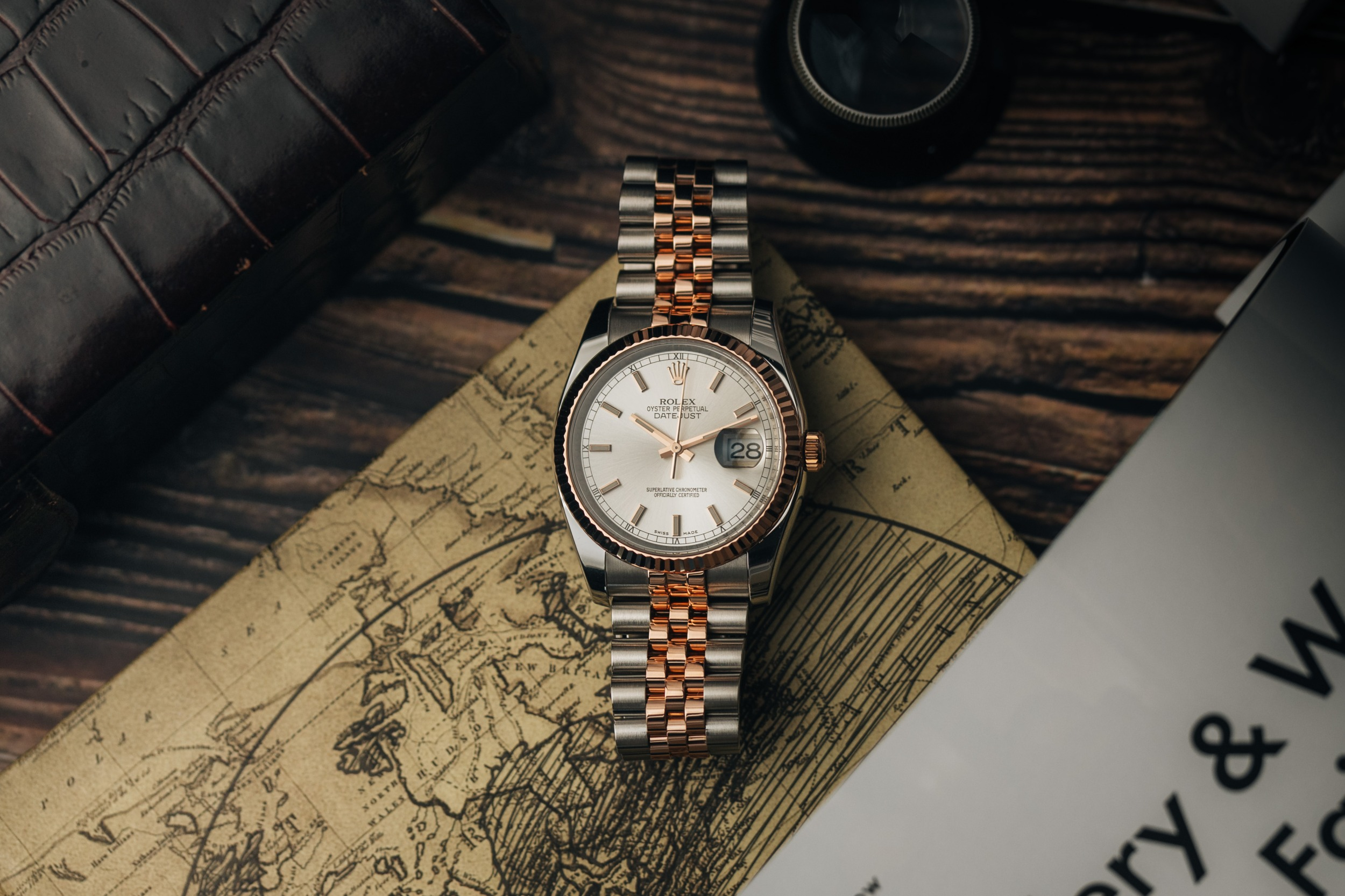
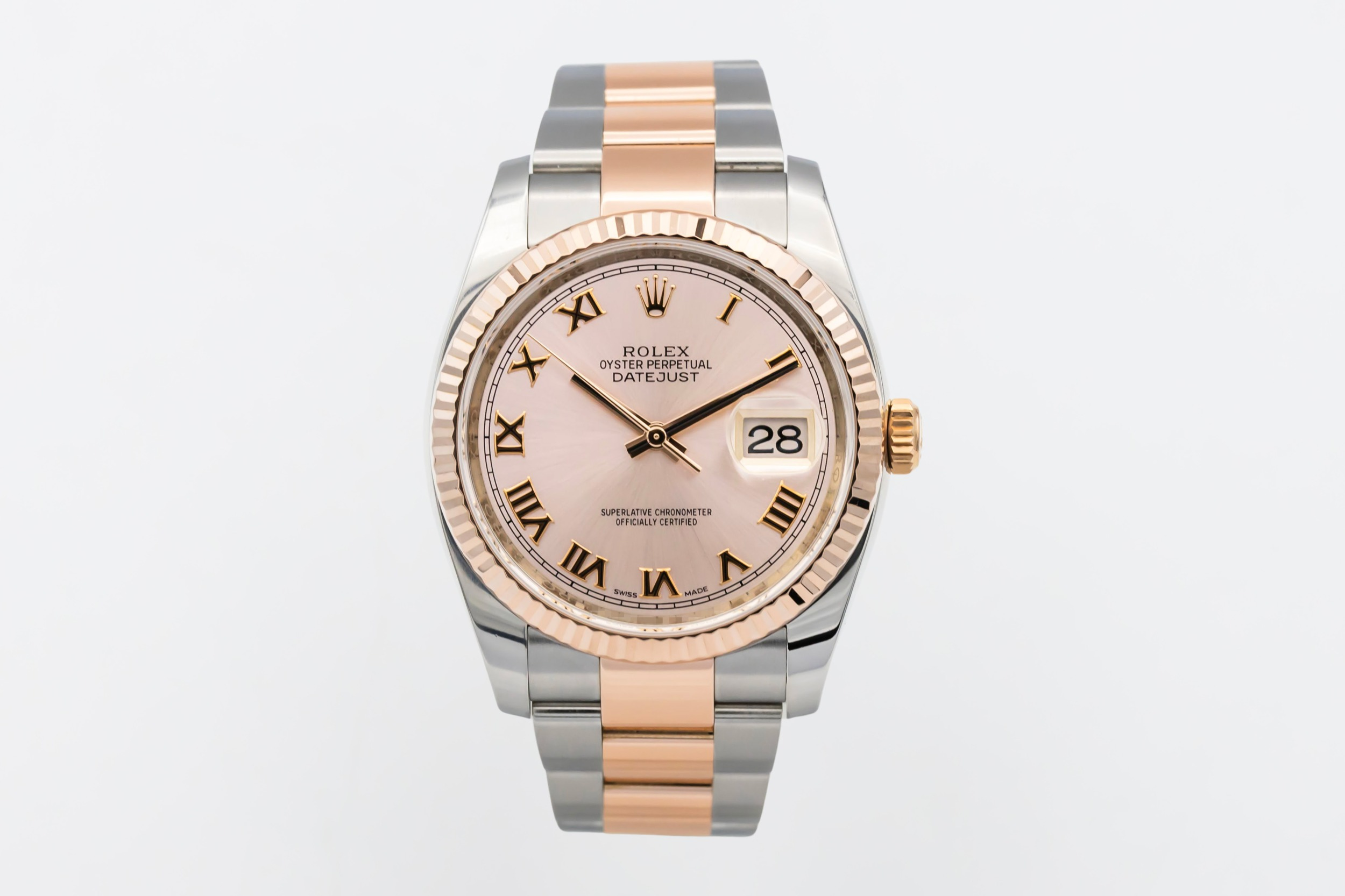
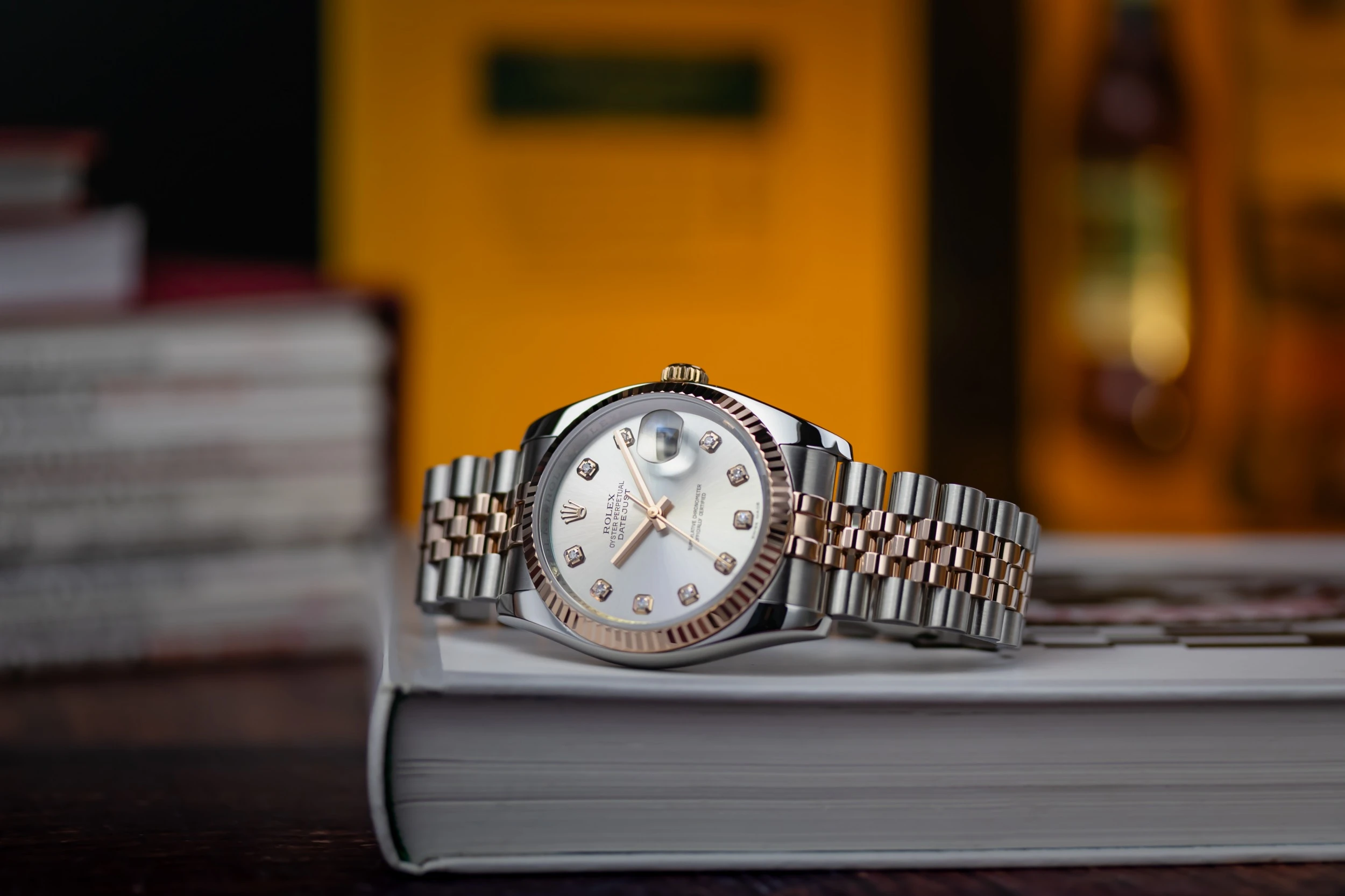
Here's what surprises people. A Day-Date in 18k gold, priced at £25,000 to £35,000, is often available within weeks or months. A two-tone Datejust? Many dealers order one to your specification without years of waiting.
Price isn't the deciding factor in waitlist duration. Demand is. Demand doesn't always match up with cost in the way you'd expect.
The Pattern Here: Model demand drives waitlist length, not retail price. Steel sports models create longer waits because more buyers want them, regardless of their lower cost compared to precious metal dress watches.
The Day-Date, often called the "President", sits in authorised dealer windows much longer than steel sports models. This is one of Rolex's most prestigious pieces, crafted in precious metals, positioned at the top of the range. Yet you'll find one more easily than a steel Submariner.
The reason comes down to market patterns not obvious when you're starting your search.
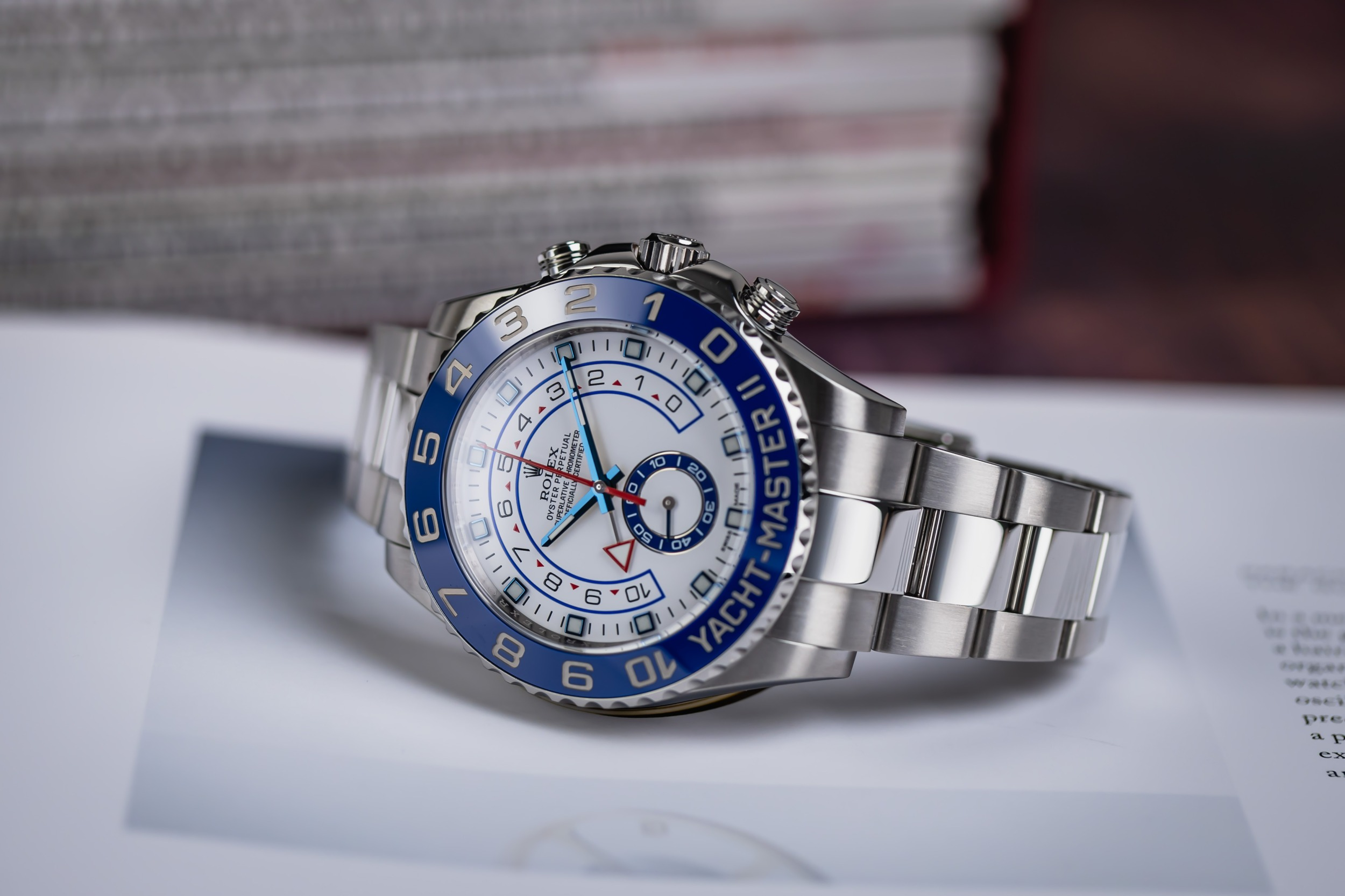
Steel sports models like the Submariner, GMT-Master II, and Daytona appeal to a massive market. They're versatile enough for daily wear, recognisable, associated with both function and luxury. If you're exploring Rolex watches in UK retailers, you'll notice these models dominate conversations.
The Submariner alone accounted for roughly 12% of Rolex's production in 2024, about 150,000 units. This number doesn't come close to meeting global demand.
The Day-Date, by contrast, appeals to a more specific buyer. Someone looking for a dress watch in gold or platinum. Someone who gravitates toward the aesthetic and price point. The market is smaller, so availability is better, despite the higher cost.
Rolex allocates watches based on demand patterns, not price hierarchy. The steel sports models are more popular, which creates longer waits regardless of their lower retail prices.
What This Means for You: If you're flexible on the model, you'll face shorter waits. If you're set on a steel Submariner or Daytona, prepare for a multi-year timeline or explore pre-owned options.
When someone realizes the watch they had in mind might mean years of waiting, you see the shift happen right in front of you at our shop.
Up until this point, they've often been repeating what they've read online. "Submariner." "Daytona." "Steel sports model." "Investment piece." But once they understand the waitlist reality, the questions change.
Some people respond with disbelief. "Wait, people wait years?" They came in expecting a transaction, and they're learning it's more like entering a relationship with the brand or dealer. Their focus shifts from which model they want to how the system works. "How do people get these?" "Do I need purchase history?"
This shift tells you they're starting to understand the market. Everyone needs to go through this step.
Others become more practical. Once someone hears a steel Daytona might take years, many start rethinking what they want from the watch. "What models are there right now?" "Is there something similar I could get sooner?"
This is when the conversation becomes productive. Instead of chasing the one model everyone talks about, buyers start exploring watches that fit them better. Someone convinced they needed a Submariner might find they prefer the look of a Datejust. At The Diamond Box, we have everything from entry-level pieces to high-end models, so people see options they never considered. A two-tone model fits their style better. A slightly dressier watch works better for daily wear.
This is often when people discover the watch they fall in love with.
Then there's a third response: frustration. "This doesn't make sense, I have the money." "I'll find one somewhere else." When someone reacts this way, they're still thinking about the purchase as a product, not as part of the broader Rolex market.
Those buyers often leave and explore other options. Many come back later much more informed.
The Insight: Understanding waitlist realities shifts buyers from chasing hyped models to exploring what suits them better. Many discover their ideal watch once they stop fixating on what everyone else wants.
When buyers say "I'll find one somewhere else," they usually head into the secondary market. Resale shops, online marketplaces, watch forums. This is where their understanding of the Rolex buying process starts to evolve. Many come back to us after this experience with completely different questions.
The first thing they run into is sticker shock. Pre-owned Rolex prices in the secondary market are significantly higher than retail, especially for high-demand models. This explains why interest in what are the bestselling pre‑owned Rolex watches in the UK continues to grow. A Submariner listing for around £10,000 at retail might be £15,000 or more from a secondary seller. A steel Daytona at £17,750 retail often trades at £18,500 to £21,000 secondhand.
At first, many buyers are shocked by these markups. They start questioning the value of the model they're chasing. It's a reality check. They begin seeing the Rolex market for what it is: a combination of scarcity, demand, and resale dynamics.
The second thing they run into is authenticity risk. As they browse listings, they start seeing the prevalence of counterfeits and refurbished watches being passed off as authentic. Some estimates suggest 20% of watches in the private Rolex market are fakes, with roughly 40 million counterfeit watches entering the market each year.
The concern about authenticity moves front and center. They see buying from the secondary market without verification is riskier than they thought. This awareness prompts them to rethink their approach entirely.
What Buyers Learn: The secondary market teaches hard lessons about pricing markups and authenticity risks. These experiences send many buyers back to reputable dealers who prioritise verification and transparency.
After exploring the secondary market, buyers often come back with specific authentication concerns showing how much more complicated verification is than online guides suggest.
One of the most common questions: "I checked the serial number and it matches the paperwork, but how do I know if it's been restamped or altered? I've read counterfeiters fake this too."
This shows they've moved past the simple "check the serial number" advice you find online. They're beginning to understand serial numbers get replicated. Even high-quality replicas often get these details right.
Another frequent concern: "The movement seems to glide smoothly, but should I open it to check the Rolex engraving? What if it's a swapped movement from another brand?"
This shows they now understand internal parts require expert inspection. Small details get swapped out in a fake Rolex, and detecting these issues without a watchmaker's expertise is nearly impossible.
Then there's the documentation question: "The warranty card looks legit, but how do I know it hasn't been faked or swapped?"
Even boxes and papers get faked with alarming accuracy today. Over the years at The Diamond Box, I've seen buyers bring in watches with what looks like legitimate paperwork where something about the pairing between watch and documentation doesn't add up. Our expert team is trained and dedicated to authenticating every single watch before it enters our shop window.
The serial number on the warranty card was legitimate for a different Submariner model. The papers had been recycled from a genuine watch and paired with either a refurbished or counterfeit piece. The depth and style of the serial number engraving showed the mismatch. These are subtle details that need to align with specific production years and models. At The Diamond Box in North London, we deal with customers daily looking to buy their first, fifth, or 100th watch. Our team has verified thousands of Rolex watches over the years, checking every single detail before we put a watch in our window. This behind-the-scenes work means our customers purchase with complete confidence.
This is when buyers see authenticity verification is multi-dimensional. You need to check papers, serial numbers, internal parts, and physical engravings. You need to understand how all these elements should align for a specific model and year. At The Diamond Box, we handle this verification process for every watch, so you don't have to become an expert yourself. Our team works hard behind the scenes to ensure everything checks out before you ever see the watch.
Why This Matters: Authentication isn't about memorising checking lists from online guides. It's about understanding how dozens of subtle details should align for specific models and years. This level of verification requires trained specialists, not weekend research.
After buyers work through the waitlist reality and authentication complexity, they often circle back to one question in this Rolex used watch buying guide: new or pre-owned? For those considering payment options, exploring Rolex finances olutions makes both paths more accessible.
Most people frame this as a condition and price decision. At our shop, we sell both new and pre-owned pieces, and we also buy and part-exchange watches. There's a hidden variable that matters more: what kind of relationship do you want with the watch long-term?
The question is this: Do you want a Rolex with a story, or do you want the certainty of a brand-new, pristine experience?
When you buy pre-owned, you're not getting condition and price alone. You're buying history. Pre-owned watches often come with unique character. Service records. A previous owner's memories. Rare configurations like discontinued models or special editions you won't find new. There's also the sentimental value of owning something with a past, something being part of someone else's life.
The downside is the unknown history. Even with a reputable seller, you're taking on someone else's watch, dealing with issues you might not see upfront unless the seller provides thorough documentation and verification.
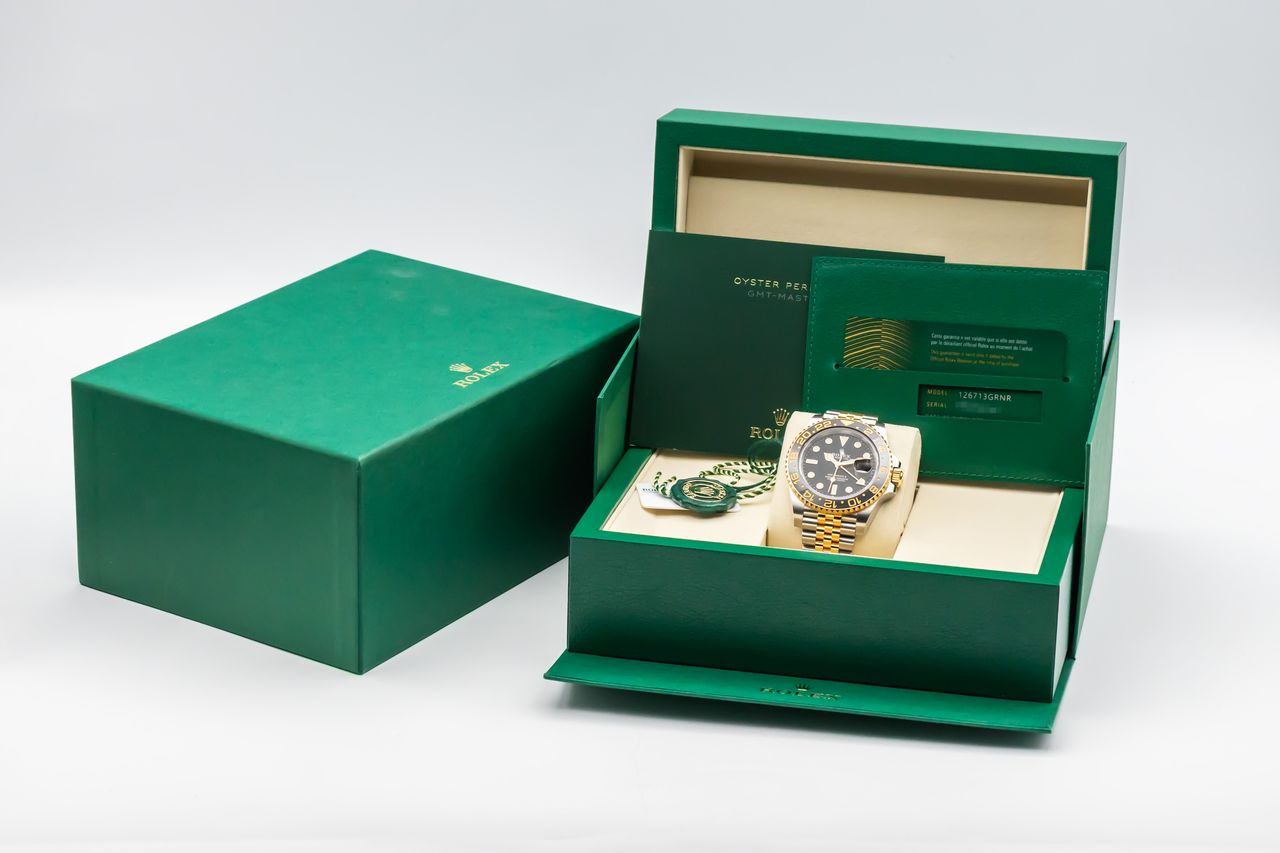
When you buy new, you get complete certainty. The watch is pristine, comes with full documentation, has never been worn. You know exactly how the watch has been handled. You have the full Rolex warranty (five years). You're the first to wear this watch.
Buyers sometimes miss the feeling of ownership coming with pre-owned watches. A new Rolex is perfect. There's something to owning a watch with character, with a personal connection, whether a vintage piece or a discontinued model.
The middle ground is a pre-owned Rolex with full service records, original papers, and strong provenance. This is where The Diamond Box specializes. Our expert authentication team verifies every watch that comes through our doors before it reaches our shop window. We carry pre-owned Rolex, Cartier, and other luxury brands with complete documentation and verification. This feels as secure as buying new while offering the benefits of owning something with history. When you buy from us, you're getting a pre-owned Rolex that's been thoroughly authenticated by trained specialists who know exactly what to look for.
The decision comes down to what you value more: being the first to wear this watch, or owning something connected to time and craftsmanship through previous ownership.
The Choice: New offers certainty and warranty. Pre-owned offers character and immediate availability. Reputable dealers with thorough authentication make pre-owned feel as secure as new while preserving the benefits of history and provenance.
After someone buys their first Rolex and lives with it for a year or two, they often come back with questions showing completely different expectations about what ownership involves.
One of the most common: "It's running a bit slow, is this normal?"
Many first-time owners think a Rolex will behave like perfect quartz timekeeping. They expect it to never drift at all. But Rolex watches are mechanical instruments. Even though they're extremely precise, a deviation of ±2 seconds per day is within Rolex's Superlative Chronometer standard. Small variations are normal and don't mean something's wrong.
The conversation usually becomes about explaining mechanical timekeeping, how wearing patterns affect accuracy, how magnetism or shocks influence performance.
Then there's the servicing cost conversation. Someone comes in after several years and says, "I think it needs a service." When they hear a Rolex service costs £480 to £1,200 depending on the model, there's usually a pause.
They expected a quick adjustment, something similar to changing a battery. What they discover is a Rolex service is a complete mechanical overhaul. The watch is fully disassembled, cleaned ultrasonically, lubricated, reassembled, regulated, pressure tested, and refinished if requested.
This is the moment many first-time owners see a Rolex is closer to owning a precision machine than a simple accessory.
Another common misunderstanding: "I wore it every day, did I damage it?"
Some owners think daily wear causes damage. But daily wear is what these watches are built for. Rolex watches are designed for decades of use, constant motion, real-world environments. What surprises owners is not wearing the watch for long periods sometimes causes more issues than wearing it regularly. Mechanical watches like to run.
There's also the water resistance question. Someone who's been swimming with their watch for years says, "It's waterproof, right?" Rolex watches are extremely water resistant, but gaskets age over time. Even though the watch was water resistant when new, after years of use the seals may need pressure testing or replacement. Water resistance requires periodic maintenance.
The Reality: Rolex watches are precision mechanical instruments requiring regular maintenance. Service costs, water resistance checks, and periodic overhauls are part of long-term ownership, not unexpected expenses.
The most interesting thing is how an owner's perspective changes after these conversations about servicing and maintenance.
Before purchase, many people think of the watch as a luxury item, a status symbol, a collectible investment. But after living with it for a few years, they start seeing it differently. It becomes something they wear every day, something they maintain over time, something that may outlive them if cared for.
This is when Rolex ownership moves from a purchase to a long-term relationship with the watch.
The moment you know someone has become a watch owner is when they come back for service and say, "I want to keep it running right. What should I do to take care of it long-term?"
This is when the watch stops being a luxury purchase and starts being a mechanical companion they plan to keep for decades.
Certain behaviors and questions early in the buying process often tell you whether someone will develop this long-term ownership mindset.
Buyers who ask about value retention ("Do certain models appreciate over time?") are thinking beyond the initial excitement. They're anticipating maintenance, servicing, market shifts. They see the watch as part of a larger picture. These buyers are more likely to take care of it, service it regularly, ensure it stays in excellent condition for years.
Buyers who ask about wearability ("Do I wear it every day?") often see their Rolex as a functional tool, not an accessory. They want a watch that fits into their lifestyle. If someone's asking about daily wear and practicality, they're thinking about how the watch will fit into their life over years, not how it will look for one occasion.
Buyers who are curious about craftsmanship ("What makes a Rolex different?" "How does the movement work?") tend to develop deeper appreciation. They see the mechanical components, design, and heritage as a story worth understanding. This connection usually means they'll treat the watch with respect and care.
Buyers who understand and accept the waitlist reality often have a more patient, thoughtful approach. They're not in a rush. They're looking for something they wait for and then cherish for years. Patience is often an indicator of someone willing to invest time in finding the right piece.
And buyers who ask about servicing before they even purchase ("How often should I service it? How much does this cost?") are thinking long-term. They understand a Rolex isn't about the initial investment alone, but about the maintenance that keeps it running well for decades.
The Pattern: Buyers who ask about value retention, wearability, craftsmanship, and maintenance before purchase develop lasting satisfaction. These questions reveal someone thinking about decades of ownership, not a single transaction.
On the other side, certain questions signal someone needs more time before they'll be satisfied with the purchase.
When someone's main question is about quick profit ("How long will it take for me to flip this for a profit?"), it's often a sign they're not focused on ownership. They're viewing the Rolex as a speculative asset, not a long-term companion. This mindset doesn't align with Rolex ownership. These watches are designed to be cherished over time.
When someone says "I don't care about the waitlist, I want to find someone who gets me a Rolex now," it shows they don't fully understand the distribution system and market dynamics rooted in scarcity and exclusivity. A quick purchase mindset without understanding the waiting process means they're not prepared for the patience required.
When someone focuses on discounts ("How much is the discount?"), it suggests they may not fully appreciate Rolex's premium value. Rolex doesn't offer sales or discounts. If someone's hunting for the cheapest price, they're looking at this as a price-driven decision instead of a long-term investment in quality and craftsmanship.
And when someone asks "Why does it need servicing? It's brand new," it shows they haven't thought about maintenance. If they're expecting low-maintenance ownership without considering the long-term care required, they'll be frustrated when they see servicing is essential for performance and future value.
The Signal: Questions about flipping for profit, circumventing waitlists, finding discounts, or avoiding maintenance reveal a transactional mindset. Rolex ownership requires patience, appreciation for craftsmanship, and commitment to long-term care.
After years of these conversations, if there's one thing I wish every first-time buyer understood before starting their guide to buying a Rolex, it's this:
You're not buying a watch. You're deciding whether you're ready to enter into a relationship that will outlast most things in your life.
The Rolex market doesn't operate on transaction logic. It operates on relationship logic. The waitlists, the authentication complexity, the service requirements, the way certain models appreciate while others don't. All of this exists because these watches are designed to be kept, maintained, and passed down.
When you approach it as a transaction, the friction feels pointless. The waiting feels like poor customer service. The service costs feel excessive. The authentication complexity feels like a barrier.
But when you approach it as entering a long-term relationship, everything makes more sense. The waiting becomes about finding the right fit. The authentication becomes about protecting something valuable. The service becomes about maintaining something you plan to keep for decades.
The buyers who end up most satisfied years later aren't the ones who got the watch fastest or paid the least. They're the ones who took time to understand what they were committing to, who asked questions about maintenance before purchase, who were willing to wait for the right model rather than settling for what was available.
They're the ones who understood from the beginning this wasn't about getting a Rolex. It was about becoming a Rolex owner.
Waitlist times vary dramatically by model, not price. Steel sports models like the Submariner or Daytona often require years of waiting, with many authorised dealers closing lists or requiring purchase history. Gold or platinum models like the Day-Date or two-tone Datejust are often available within weeks to months, despite higher prices of £25,000 to £35,000.
The secondary market carries authenticity risks, with estimates suggesting 20% of watches in private sales are counterfeit. Pre-owned Rolex prices also run 30-50% above retail for high-demand models. Buying from reputable dealers with expert authentication teams reduces these risks significantly. At The Diamond Box, every watch undergoes thorough verification before reaching our shop window.
Rolex service costs range from £480 to £1,200 depending on the model. This isn't a simple adjustment. It's a complete mechanical overhaul where the watch is disassembled, cleaned ultrasonically, lubricated, reassembled, regulated, pressure tested, and refinished if requested. Rolex recommends servicing every 5-10 years.
Many authorised dealers now require existing purchase history before adding names to waitlists for high-demand steel sports models. The requirements vary by dealer and location. Some dealers have closed waitlists entirely for models like the steel Daytona. Building a relationship with a dealer over time through other purchases increases your chances.
The decision depends on what kind of relationship you want with the watch. New Rolexes offer complete certainty, full documentation, a five-year warranty, and the satisfaction of being the first owner. Pre-owned Rolexes offer character, history, potential access to discontinued or rare models, and immediate availability. Pre-owned watches with full service records, original papers, and strong provenance from reputable dealers offer the security of new with the benefits of history.
Authentication requires checking serial numbers, movement engravings, warranty cards, boxes, papers, and subtle production details across multiple verification points. Even high-quality replicas get basic details right. Serial numbers get replicated, movements get swapped, and documentation gets faked with alarming accuracy. Professional authentication by trained specialists who understand how elements should align for specific models and production years is essential before purchase.
Beyond the initial purchase, expect servicing costs of £480 to £1,200 every 5-10 years. Water resistance requires periodic pressure testing and gasket replacement. Insurance costs vary based on model value. Rolex watches are mechanical instruments requiring regular maintenance to preserve performance and value over decades.
The best model depends on your lifestyle, aesthetic preferences, and patience for waiting. Buyers who ask about wearability, craftsmanship, and long-term maintenance before purchase tend to develop lasting satisfaction. Those willing to explore beyond the most talked-about models often discover watches they prefer. Starting with what fits your daily life and taste rather than chasing what everyone else recommends leads to better long-term ownership experiences.
Waitlist times depend on model demand, not price. Steel sports models take years while precious metal dress watches arrive in weeks or months.
Secondary market prices run 30-50% above retail with 20% authenticity risk in private sales. Professional authentication is essential.
Rolex ownership requires ongoing maintenance. Expect £480 to £1,200 servicing costs every 5-10 years for mechanical overhauls.
Long-term satisfaction correlates with patient buyers who ask about craftsmanship and maintenance before purchase, not those chasing quick transactions.
The decision between new and pre-owned comes down to what relationship you want with the watch. Both paths have merits when approached through reputable dealers.
Rolex buying is about entering a long-term relationship with a mechanical instrument you'll maintain for decades, not completing a transaction.
Buyers who understand this from the start, who take time to find the right model rather than settling, end up most satisfied years later.
If you're thinking about buying your first Rolex, or you're ready to move past the confusion and frustration of waitlists and secondary market risks, we're here to help.
At The Diamond Box, we've spent years building relationships with buyers who value transparency, patience, and long-term satisfaction over quick transactions. Every watch we sell goes through rigorous authentication by our expert team before it enters our shop window. We work hard behind the scenes so you purchase with complete confidence. We work with both new and pre-owned Rolex watches, and we take the time to help you find the right watch for your needs, not the one everyone else is chasing.
Whether you're exploring our current Rolex collection, need help understanding authentication, want to discuss part-exchange options, or explore flexible finance options, we're here at our North London shop for the conversation.
Get in touch with The Diamond Box to discuss your Rolex buying journey. No pressure, no rush. Visit us in North London or reach out online. Let's have a conversation about what you're looking for, whether it's Rolex, Cartier, or another luxury brand. We buy, sell, and part-exchange, so whatever path makes sense for you, we're here to help you become a watch owner.
Visit us in store for great service and to see our amazing collection.
114 Ballards Lane, N3 2DN, London 020 8838 3655