







When you open a Rolex movement for the first time during servicing, there's a moment, usually when you're examining the caseback and movement components, where you notice something different.
The edges of the plates and bridges are chamfered and polished in a way you feel is deliberate. The automatic winding system has a distinctive smoothness when you rotate the rotor. The fit and finish of components like the balance wheel and escapement stand out.
It's subtle. But it's there.
After twenty years of this work, I've come to understand the real story of how a Rolex movement performs isn't told in the marketing materials. You see the real story on the bench, during disassembly, when a watch returns after five years, ten years, fifteen years of daily wear. This hands-on experience with Rolex watch movement mechanics, across thousands of timepieces, shows patterns different from common assumptions about durability and maintenance.
What Is a Rolex Watch Movement?
A Rolex watch movement is the mechanical engine inside the watch. It is the system responsible for storing energy, keeping time and powering every function, from the hands to the date display and other complications.
Most modern Rolex watches use a Perpetual mechanical self-winding movement. Rather than relying on a battery, a Rolex automatic watch is powered by the natural movement of your wrist through Rolex's Perpetual rotor, which winds the mainspring as you wear it.
Unlike many watches that use outsourced movements, Rolex designs and manufactures its own movements in Switzerland. This allows the brand to control every stage of production, testing and long-term performance.
How the Rolex Perpetual Rotor Works Inside the Movement
What you feel when rotating a healthy rotor:
- Even resistance throughout the motion
- Fluid, almost effortless movement
- No grit or grinding sensation
- Smooth stopping without jarring
When I rotate the rotor of a well-maintained Rolex movement, the thing moves with even resistance. Fluid, almost effortless. There's no grit, no grinding. The recoil mechanism stops smoothly without jarring.
I've also felt the opposite. A vintage Submariner came to my bench a while ago where the rotor was stiff, with a grainy texture suggesting something grinding inside. When I opened the caseback, I found dried-out lubrication and a small amount of rust around the winding gears and rotor bearings.
The watch had been sitting unused for years, possibly in less-than-ideal conditions.
The Perpetual rotor is the heart of every modern Rolex automatic watch. As your wrist moves throughout the day, the rotor swings freely, winding the mainspring and storing energy for the movement. This stored energy powers the watch even when it is not being actively moved, allowing many modern Rolex movements to continue running for around 70 hours after being fully wound.
Understanding how the rotor works also explains why servicing matters. A smooth, quiet rotor usually indicates healthy lubrication and properly functioning bearings, whereas stiffness, grinding or rough movement can suggest dried oils, contamination or component wear that deserves further inspection.
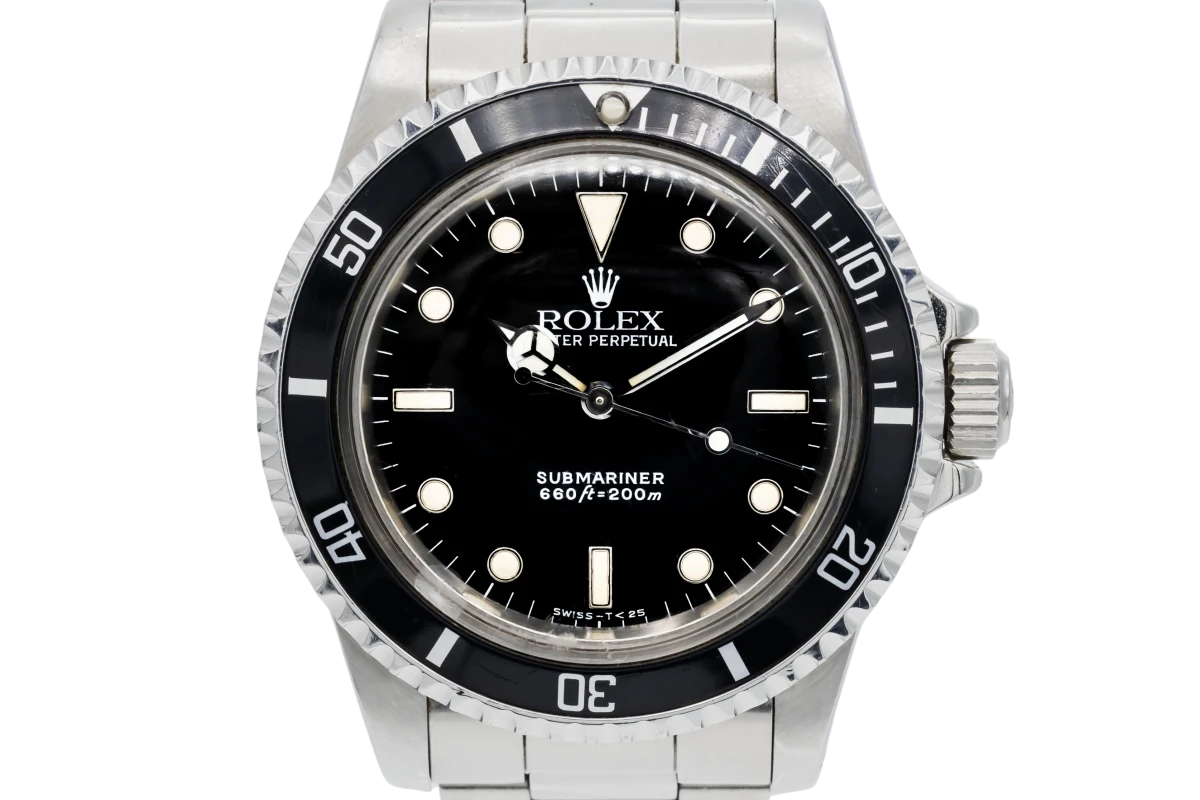
This is where the gap between expectation and reality shows itself. People assume a Rolex, given the reputation, will withstand almost anything without maintenance. The movement gets sealed tightly, but moisture will still seep through small gaps if seals degrade or the watch gets exposed to conditions beyond what the specs allow.
Even a small amount of rust accumulates over time and affects functionality.
Rolex Movement Calibres by Model: 3230, 3235, 3285 and 4131
A Rolex calibre is the specific movement reference used inside a particular watch. Different calibres are designed for different functions, meaning a simple time-only movement differs mechanically from a GMT or chronograph movement. Understanding the calibre inside a Rolex helps buyers compare functionality, servicing complexity and long-term ownership expectations.
|
Rolex model / family |
Current movement |
Main function |
Power reserve |
Why it matters for buyers |
|---|---|---|---|---|
|
Submariner no-date |
Calibre 3230 |
Time-only automatic movement |
Approx. 70 hours |
A simple, robust modern Rolex movement without a date mechanism |
|
Submariner Date |
Calibre 3235 |
Automatic movement with date |
Approx. 70 hours |
Common in modern Rolex date models and important for buyers comparing Submariner references |
|
Datejust 41 |
Calibre 3235 |
Automatic movement with date |
Approx. 70 hours |
Useful for buyers comparing everyday Rolex models and service expectations |
|
GMT-Master II |
Calibre 3285 |
Automatic GMT movement with second time zone |
Approx. 70 hours |
More functionally complex because of the independent local hour hand and GMT display |
|
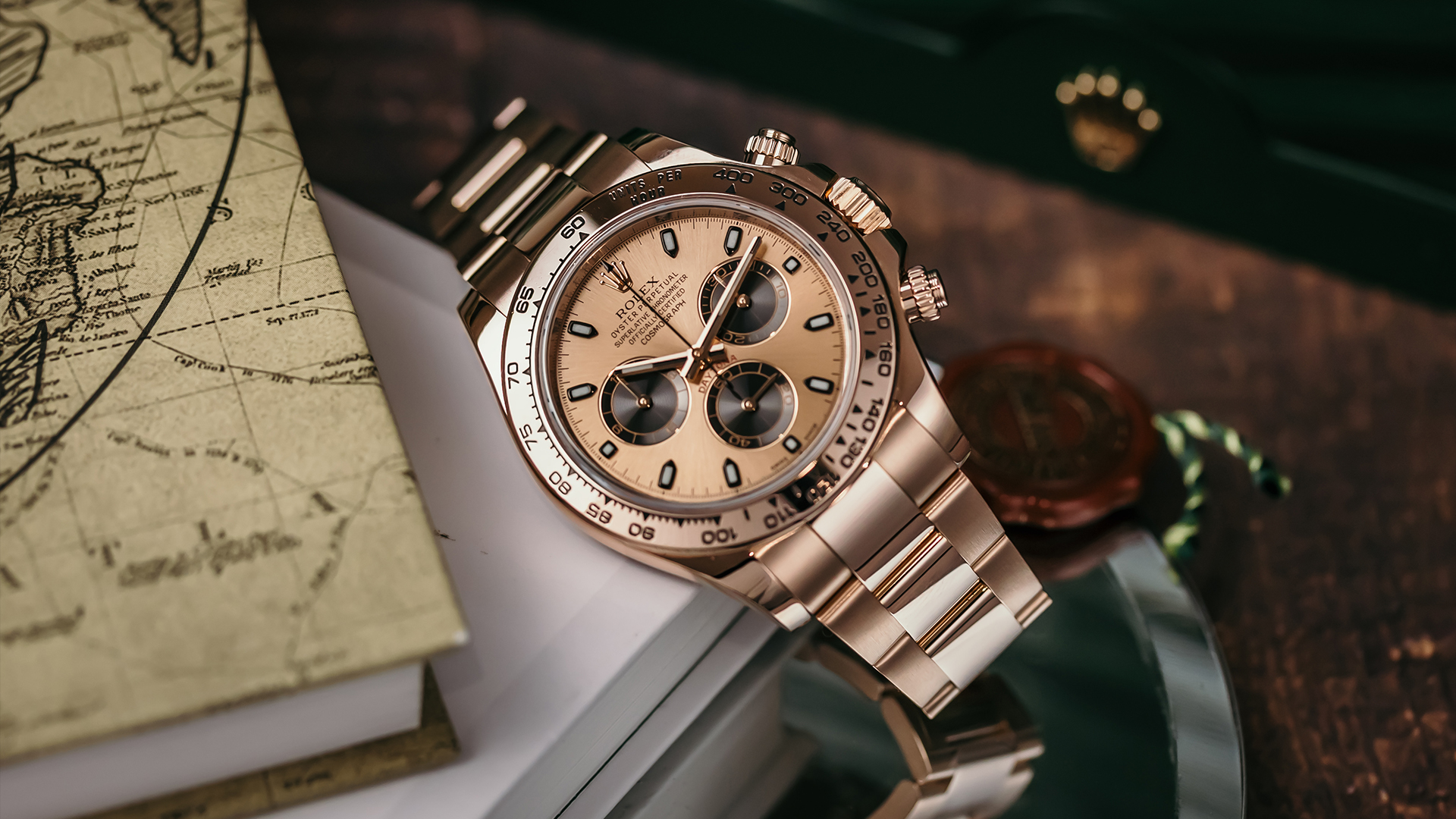
Cosmograph Daytona |
Calibre 4131 |
Automatic chronograph movement |
Approx. 72 hours |
Rolex’s modern chronograph movement, relevant for Daytona buyers and servicing discussions |
Rolex Movement Reliability: What Owners Often Misunderstand
Common patterns I see on the bench:
- Rust around winding gears and rotor bearings
- Dried-out lubrication creating friction
- Excessive wear from prolonged exposure to dust or moisture
- Degraded gaskets allowing water ingress
When choosing a timepiece, working with a reputable Rolex dealer in London means getting transparency about servicing history before purchase.
Many customers treat their Rolex as essentially bulletproof. They're often shocked when I find rust, excessive wear, or dried-out lubrication during servicing.
That belief is understandable because Rolex movements are exceptionally durable, but durability should never be confused with being maintenance-free. Long-term reliability depends just as much on servicing history, storage conditions, moisture exposure and everyday use as it does on the movement itself.
Rolex themselves recommend servicing every ten years, depending on usage and environmental factors. Many owners don't service their watches regularly, which leads to problems caught early with proper care.
The long-term effects go beyond rust. Moisture and contaminants compromise the movement's precision. The mainspring loses elasticity. The hairspring becomes magnetised. Lubricants break down, leading to reduced performance or the need for a complete overhaul.
Common issues I encounter include dried lubrication, degraded gaskets, moisture ingress, magnetised hairsprings, worn automatic winding parts and reduced power reserve. These problems develop gradually, which is why servicing history matters just as much as the model itself when assessing a pre-owned Rolex.
Rolex Movement Accuracy: What Changes Before and After Service
The typical progression looks like this:
- 0-5 years: -2 to +2 seconds per day
- 5-7 years: 3-6 seconds per day as lubricants degrade
- 10-12 years: 8-15 seconds per day with dried lubricant
- 15-20 years: 15-30+ seconds per day without servicing
Current Rolex models are designed to achieve approximately -2/+2 seconds per day after casing when new and correctly adjusted. However, a pre-owned Rolex that has not been serviced for many years should not be expected to perform exactly like a new watch.
Small day-to-day variations are perfectly normal. What matters more is a sudden or noticeable change in accuracy, as this often indicates that the movement requires inspection or servicing.
When a Rolex automatic watch is new or freshly serviced, you're looking at accuracy within -2 to +2 seconds per day. If you're curious about how Rolex watches work over extended periods, accuracy maintenance tells the story more clearly than initial specifications.
This progression shows something worth noting. Accuracy degradation isn't sudden. The thing is gradual, cumulative, and often invisible until crossing a threshold where the owner finally notices.
Accuracy can change over time for several reasons:
- Oils dry out
- Friction increases
- Components wear
- Magnetism can affect the hairspring
- Moisture or corrosion can affect the gear train
- Shock can affect regulation
When a movement reaches the 30-second-per-day mark, disassembly usually shows dried-out lubrication, worn escapement teeth, rust on steel components, misaligned rotors, and sometimes magnetised hairsprings.
COSC, Superlative Chronometer and Rolex Accuracy Explained
Rolex accuracy is often discussed alongside COSC certification and the Superlative Chronometer standard, but these terms are frequently misunderstood. They describe testing carried out under controlled conditions rather than guaranteeing identical performance throughout the watch's lifetime.
- COSC certification tests a mechanical movement for precision under controlled conditions.
- COSC requires an average daily rate of -4/+6 seconds per day.
- Rolex's Superlative Chronometer standard goes further by testing the complete watch after casing.
- Many modern Rolex watches are rated to approximately -2/+2 seconds per day after casing.
- Older or overdue-for-service watches may no longer perform to these figures.
- Magnetism, age, worn lubrication, moisture and impact all affect real-world accuracy.
When buying a pre-owned Rolex, buyers should not judge the movement only by the wording on the dial. Actual timekeeping performance and the watch's service record provide a better indication of its current condition.
How Water Resistance Protects the Rolex Watch Movement
When I explain rust or corrosion to a customer who's genuinely shocked to see it in their "waterproof" watch, I start with a clarification.
Rolex watches are built and tested for specific water-resistance depths, but that protection depends on the condition of the seals and crown. The winding crown must always be fully screwed down to maintain the watch's designed level of protection. Water resistance protects the movement from moisture, not simply from visible water damage. Over time, worn gaskets, a loose or incorrectly secured winding crown, humidity, sudden temperature changes and exposure to salt water can all reduce the effectiveness of the watch's water-resistant seals. Regular pressure testing and gasket replacement during servicing help maintain the level of protection the watch was originally designed to provide.
Rolex watches are water-resistant to certain depths, not waterproof in the sense of unlimited water exposure.
The seals providing this resistance, gaskets and crown tubes, wear out over time. Even the best seals degrade with age and use, especially when exposed to heat, humidity, or other environmental factors.
Condensation forms inside the case when temperature changes, like moving from a warm environment to a cooler one. Even a tiny amount of moisture trapped inside leads to rust over time, particularly around steel parts.
A watch left unworn for long periods is more prone to internal issues. The lubricants dry up, and seals degrade faster because they aren't being regularly checked. Regular use, or regular servicing if not worn frequently, keeps the watch in proper working condition.
What Proprietary Components Actually Reveal
The Parachrom hairspring stays relatively unaffected by magnetic fields and typically holds its shape better than standard hairsprings. But the thing will still experience slight deformation or stretching due to wear.
Many newer-generation Rolex movements also feature the Chronergy escapement, designed to improve energy efficiency and optimise long-term performance. Alongside the Parachrom hairspring and Paraflex shock absorbers, it reflects Rolex's continuous refinement of movement technology. While these innovations improve durability and reliability, they still rely on proper lubrication and regular servicing to perform as intended over the long term.
When authenticating a Rolex, examining these proprietary components reveals how the watch has been treated over time.
The Parachrom hairspring and Paraflex shock absorbers are heavily marketed innovations. After a decade or more of daily use, these components tell me how the watch has been treated.
The Paraflex shock absorbers protect the balance wheel from sudden impacts. When they're intact after years of use, it suggests the watch was worn carefully or subjected to only mild impact.
But I've seen failures.
A twelve-year-old Submariner came in with irregular timekeeping, losing several minutes a day. During inspection, I found one of the Paraflex shock absorbers had cracked. The watch had been subjected to repeated shocks over time, and the accumulation of stress eventually caused failure.
This taught me superior technology has limits when exposed to extreme usage without regular care. The Paraflex system worked well for most of its life, but repeated harsh treatment over many years took a toll.
Rolex Movement Warning Signs: When Losing Time Means It Needs Attention
A Rolex behaving differently does not automatically mean the movement needs a major repair, but a noticeable change is worth investigating.
Signs that a Rolex movement may need inspection include:
- Suddenly losing or gaining time
- The watch stopping before its expected power reserve
- A rough or noisy rotor
- The crown feeling gritty or loose
- The date not changing cleanly
- Condensation underneath the crystal
- The watch stopping after a knock
- Unknown service history
One symptom does not automatically mean the watch needs a major repair, but it does justify an inspection. Changes in performance can be caused by issues such as dried lubrication, magnetism, moisture ingress or worn components, and identifying them early can prevent more significant problems.
Why a Rolex Automatic Movement Still Needs Servicing
When I'm explaining why a Rolex needs servicing every decade, I often use this comparison.
Your Rolex is like a high-performance car. When you buy the thing, everything runs smoothly. Precision-engineered and built to last. But even though construction is solid, regular maintenance keeps the thing running at its best.
If you drive your car every day and never take it in for an oil change, eventually the engine starts to wear out. Performance slowly degrades. Your watch works the same way.
Each time the rotor spins or the balance wheel oscillates, lubricants wear out, dirt builds up, and seals that protect the movement from moisture start to degrade.
Without regular servicing, small issues pile up. Oils dry up. Rust forms in places you don't see. Components like shock absorbers and hairsprings wear out from lack of attention.
Rolex recommends servicing approximately every 10 years, depending on the model and how the watch is used. Regular servicing allows the movement to be cleaned, lubricated, pressure tested and inspected for worn components before minor issues develop into more significant repairs.
Rolex Movement Service Checklist: Three Things Worth Asking
1. When was the movement last serviced?
Knowing when the movement was last serviced helps establish how the watch has been maintained and whether it may be due for inspection.
2. Have the gaskets and seals been checked or replaced?
Gaskets and seals protect the movement from moisture and contaminants, but they deteriorate over time. Their condition matters even if the watch looks perfect externally.
3. Are there signs of moisture, magnetism, rotor wear or internal corrosion?
A clean external case does not prove that the movement is healthy. An internal inspection can identify moisture, magnetism, worn winding components or corrosion that may not be visible from the outside.
Is there documentation or a service record?
For a pre-owned Rolex, documentation can provide useful evidence of when the watch was serviced, what work was completed and how it has been maintained.
If you're unsure about your watch's condition, our watch repairs and servicing team can inspect the watch and provide a quote after inspection.
Do Rolex Watches Have Japanese Movements?
No. Current Rolex watches use Rolex-manufactured Swiss movements rather than Japanese movements.
Rolex designs and manufactures its own mechanical movements in Switzerland. The important distinction for buyers is that an in-house movement does not mean maintenance-free. Condition, authenticity and service history still matter when assessing a pre-owned Rolex.
When browsing Rolex watches in the UK, remember that modern Rolex models use Rolex-manufactured Swiss movements, but the real buying question is still condition, authenticity and service history.
When Expectations Meet Reality
A customer brought in a Submariner passed down from his father, worn daily for over twenty years. He assumed the thing would continue running perfectly.
Opening the case revealed significant wear. The movement was losing 30 seconds daily. Rust had formed on gears. The gaskets were worn out, allowing moisture inside.
"But it's a Rolex," he said. "Isn't the thing supposed to last forever?"
Twenty years without servicing meant dried lubricants, increased friction, and corrosion from moisture. After restoration, the customer understood what happens beneath the surface.
Internal wear is inevitable without proper maintenance.
Our Rolex buying guide explores which models suit different lifestyles and maintenance expectations.
Where This Leaves You
Twenty years of servicing Rolex movements has shown me one consistent pattern. These watches can last generations when treated with the care built into their design. Without appropriate servicing based on the watch's age, condition and usage, even a robust mechanical movement can deteriorate over time.
Whether you're wearing a watch daily or considering your first purchase, understanding how Rolex automatic watch mechanisms age matters more than initial specifications. The movements I see performing best after decades aren't those left untouched. They're the ones serviced regularly.
We work with Rolex watches where servicing history and internal condition receive the same attention as external presentation. Whether you're buying your first Rolex or adding to an existing collection, understanding the movement helps you make a more informed decision. When you're ready to explore a watch built for generations, we're here to help.