




Selecting the right Rolex watch size goes beyond preference. It affects how comfortably the watch sits on your wrist, how it complements your style, and whether you'll wear it daily or find it sitting in a drawer after six months.
Understanding the sizes of Rolex watches is essential whether you're buying a preowned Rolex or considering a new purchase. Rolex produces watches ranging from 28mm to 50mm, with each size suited to different wrist dimensions and wearing contexts. Whilst case diameter often dominates the conversation, bracelet fit and lug-to-lug length play equally important roles in determining whether a watch works for you long-term.
Over more than two decades of helping people find the right Rolex, we've noticed choosing the right size involves more than measuring diameter. It's about understanding how different measurements interact, how your wrist changes throughout the day, and how the watch fits into your life across years.
This guide walks through measuring case size correctly, sizing the bracelet for comfort, and choosing the perfect Rolex based on your wrist dimensions and lifestyle.
What Size Are Rolex Watches?
What size are Rolex watches? If you are buying a preowned Rolex, the answer varies considerably. Rolex watches range from 28mm to 50mm in case diameter, offering options for different wrist types and style preferences.
The smallest models, like the Lady-Datejust at 28mm, suit those with smaller wrists or those preferring understated elegance. At the opposite end, the Deepsea Challenge at 50mm is the largest Rolex ever produced, designed for extreme diving conditions and significant wrist presence.
Rolex measures case size across the case diameter, excluding the crown. This measurement is taken from 10 o'clock to 4 o'clock, providing a consistent reference point across all models.
The diversity of sizes available means there's typically a Rolex suited to your wrist, whether you have a 6-inch wrist or an 8-inch wrist. The key is understanding which size range works for your particular dimensions and how you intend to wear the watch.
Different collections within Rolex offer different size ranges. The Oyster Perpetual spans from 28mm to 41mm, making it one of the most versatile collections for varying wrist sizes. Sports models like the Submariner and Daytona typically sit in the 40mm to 41mm range, whilst professional diving watches like the Sea-Dweller and Deepsea measure 43mm to 44mm. If you're considering Rolex finance options, understanding which size works for you helps narrow down the investment.
What Is the Smallest Rolex Size?
The smallest Rolex size currently made is 28mm, found on the Lady-Datejust and select Oyster Perpetual references. This is the smallest case diameter in Rolex's current catalogue, designed for wrists typically under 6 inches in circumference. It sits at the opposite end of the range from the 50mm Deepsea Challenge, the largest Rolex ever produced. If you're specifically after the smallest option, the 28mm and 31mm Datejust and Oyster Perpetual references are the ones to start with, and both remain in current production, so they're straightforward to find new or preowned.
Rolex Size Chart: Case Sizes by Model
| Model | Case Size (mm) | Notes |
|---|---|---|
| Datejust | 28, 31, 36, 41 | Classic collection for various wrist sizes |
| Submariner | 40 (old), 41 (current) | Iconic sport diver, unisex appeal |
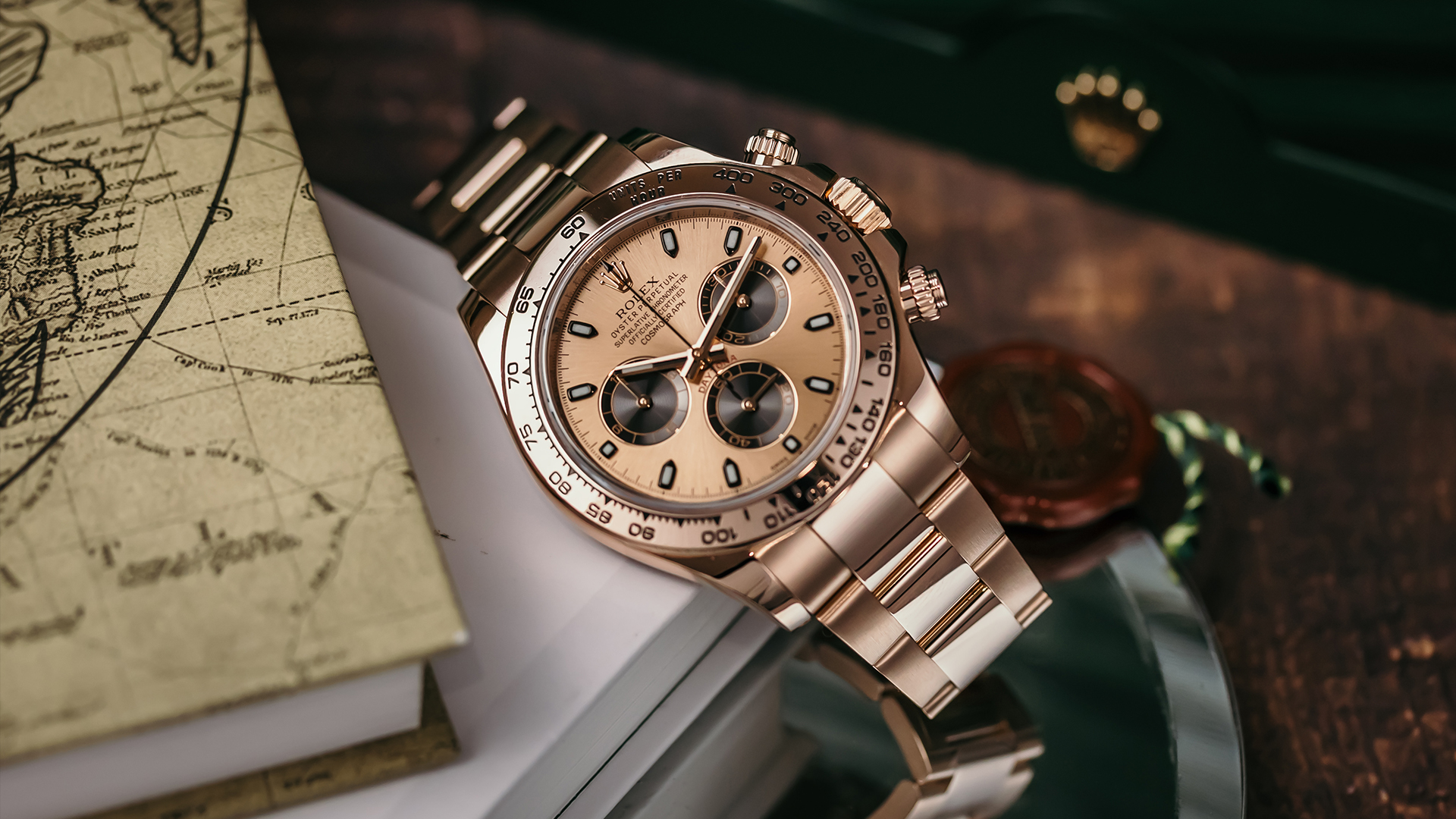
| Daytona | 40 | Popular chronograph, sport watch |
| Explorer | 36, 40; Explorer II: 42 | Adventure-ready, versatile |
| Oyster Perpetual | 28, 31, 34, 36, 41 | Unisex, casual and dress models |
| Sea-Dweller | 43 | Professional diver, larger wrist |
| Deepsea | 44 | Oversized diver, high wrist presence |
| Deepsea Challenge | 50 | Largest Rolex model, extreme size |
A note on dial size: Rolex doesn't publish a separate 'dial size' specification, so people often use 'dial size' and 'case size' interchangeably. They're related but not identical - the visible dial is always somewhat smaller than the case diameter, and how much smaller depends on the bezel width. A wide, flat bezel, like on many sport models, shrinks the visible dial relative to the case, while a narrow bezel opens it up. That's why two Rolex models with the same case size - say, a 41mm Submariner and a 41mm Datejust - can look like they have different-sized faces, even though the case diameter is identical.
Different Rolex models come in different sizes, each designed to serve specific purposes and suit various wrist types. Here's a breakdown of common models and their respective case sizes:
The Datejust, one of Rolex's most recognisable collections, offers the widest range of sizes from 28mm to 41mm. This makes it suitable for nearly anyone, regardless of wrist size or gender.
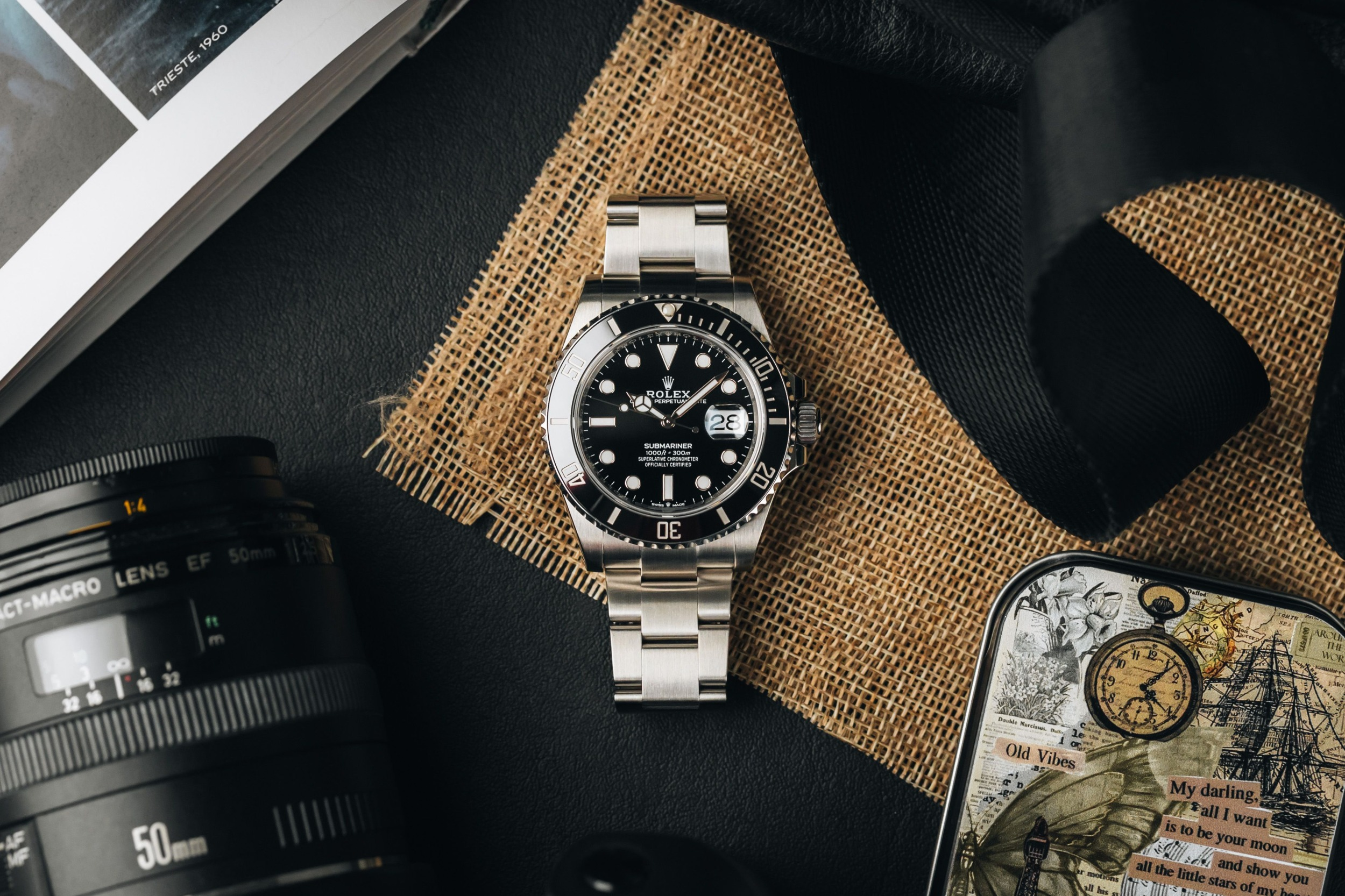
Sports models like the Submariner have evolved over time. Earlier references measured 40mm, whilst the current generation sits at 41mm. Despite the 1mm difference, changes in lug design mean some people find the sizing experience similar across generations.
Professional diving watches sit in the larger size range. The Sea-Dweller at 43mm and Deepsea at 44mm are purpose-built for visibility and durability in demanding underwater environments. These aren't watches for smaller wrists or those seeking subtlety.
When considering models, it's worth noting sizes alone don't tell the complete story. A 40mm Daytona wears differently from a 40mm Submariner due to variations in lug design, case thickness, and bracelet style. Trying on different models within your preferred size range often reveals these differences more clearly than specifications on paper.
Rolex Datejust Sizes: 28mm, 31mm, 36mm and 41mm Explained
The Datejust is Rolex's widest single-model size range, spanning 28mm to 41mm, so the right Datejust size depends more on wrist circumference and preferred proportions than on any one standard choice.
| Datejust size | Typical wrist fit | Best for |
|---|---|---|
| 28mm | Under 6 inches | Smaller wrists, understated everyday wear |
| 31mm | 6 to 6.5 inches | Petite to average wrists, versatile daily wear |
| 36mm | 6.5 to 7.5 inches | The classic unisex Datejust size, the most versatile |
| 41mm | 7 inches and above | Larger wrists or those wanting a more modern, sport-adjacent size |
Sizes of Rolex Watches: Small, Classic, Sport, and Oversized
The sizes of Rolex watches fall into four broad categories, each suited to different wrist dimensions and style preferences.
Small (28mm to 31mm): Historically marketed towards women, these models suit smaller wrists or those wanting understated elegance. The Lady-Datejust and smaller Oyster Perpetual references fall here. These sizes work well for wrists under 6 inches in circumference.
Classic (34mm to 36mm): For decades, 36mm was the standard men's dress watch size. These proportions bridge vintage and modern wearability, offering presence without overwhelming your wrist. The 36mm Datejust and Explorer sit in this category. Classic sizes work across most wrist sizes, typically 6 to 7.5 inches, and have seen renewed popularity in recent years.
Sport (40mm to 42mm): Modern sports watches typically sit in this range. The 41mm Submariner, 40mm Daytona, and 42mm Explorer II represent this category. These sizes offer significant presence and visibility, suited to wrists 7 inches and above. They're designed for active wear whilst remaining versatile enough for most settings.
Oversized (43mm and up): Professional tool watches occupy this category. The 43mm Sea-Dweller, 44mm Deepsea, and 50mm Deepsea Challenge are built for extreme conditions and maximum visibility. These models suit larger wrists, typically 7.5 inches and above, and make bold style statements.
Your wrist size matters, but personal style and purpose matter equally. Some people with 7-inch wrists prefer the classic proportions of 36mm for daily wear, whilst others favour the presence of 41mm sports models. Larger wrists, over 7.5 inches, carry oversized models more comfortably, though they're not the only option.
Oversized models have grown increasingly popular over the past two decades, partly driven by Rolex demand trends in the sports watch market. What once seemed unusually large has become more accepted. That said, we've noticed a gradual shift back towards classic sizes as people prioritise long-term wearability over initial impact.
Why Case Diameter Is Not the Full Story
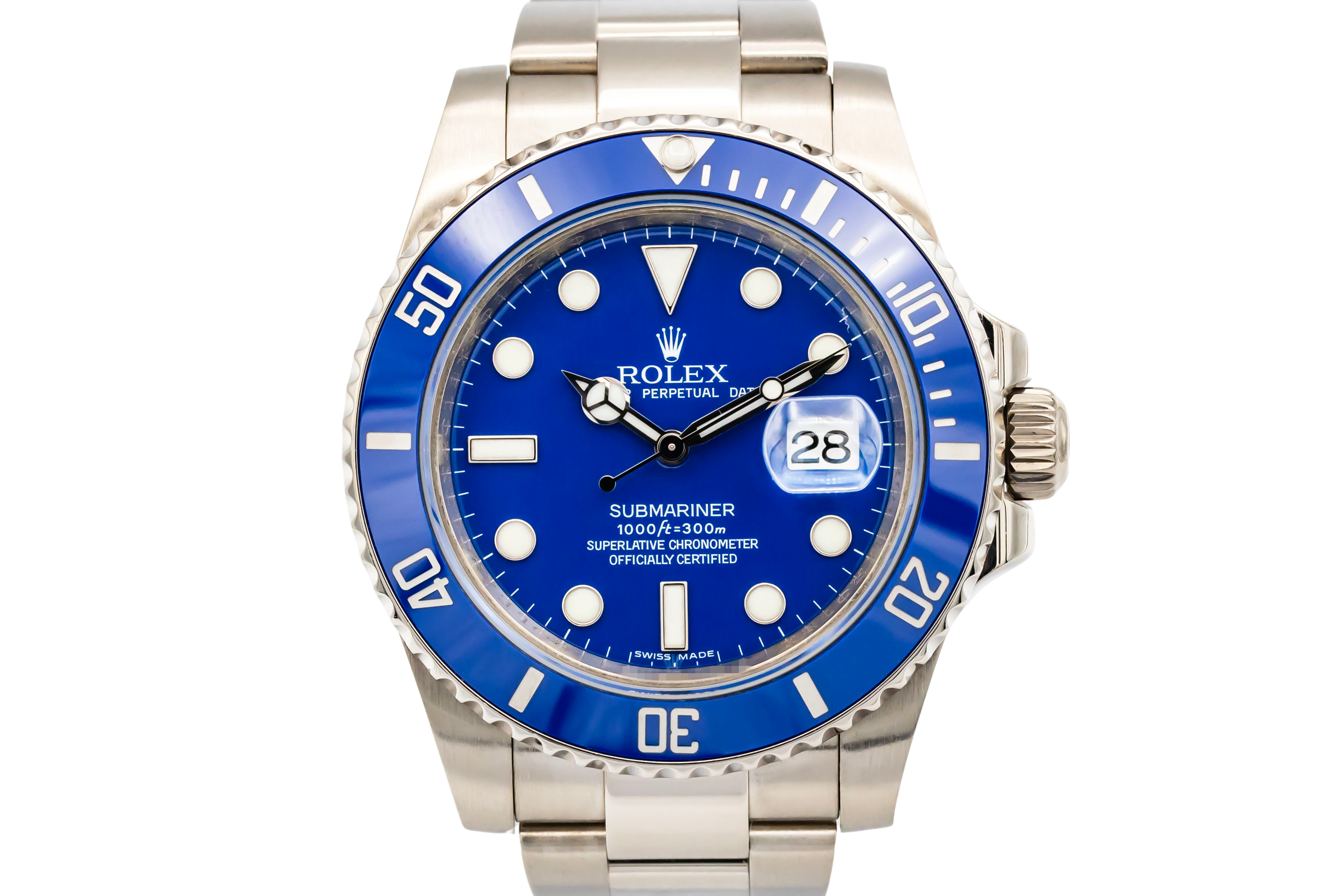
Two Rolex watches with identical case diameters wear completely differently on your wrist.
The Daytona and Submariner both measure 40mm across the case. The Submariner feels noticeably larger because it has longer lugs extending from the case. These lugs hold the bracelet and determine how the watch sits on your wrist.
Lug-to-lug measurement, the distance from top lug tip to bottom lug tip, often matters more than case diameter for real-world fit. A 40mm watch with 48mm lug-to-lug wears larger than a 41mm with 46mm lug-to-lug.
Wrist shape affects fit as well. Some wrists are flatter, others more rounded. A watch sitting flat on one person's wrist might sit awkwardly on another's, even with identical wrist circumference.
Case thickness adds another dimension. A slim 36mm watch slips under shirt cuffs easily. A thick 40mm sports watch demands more space and presence. Thickness affects not just aesthetics but practicality, particularly if you wear dress shirts regularly.
We've seen people dismiss a model based on diameter alone, only to find it fits perfectly once they account for lug length, case thickness, and their wrist shape. The reverse happens often: a diameter sounds ideal on paper but extends uncomfortably past the wrist edges when worn.
How to Measure Rolex Watch Case Size Correctly
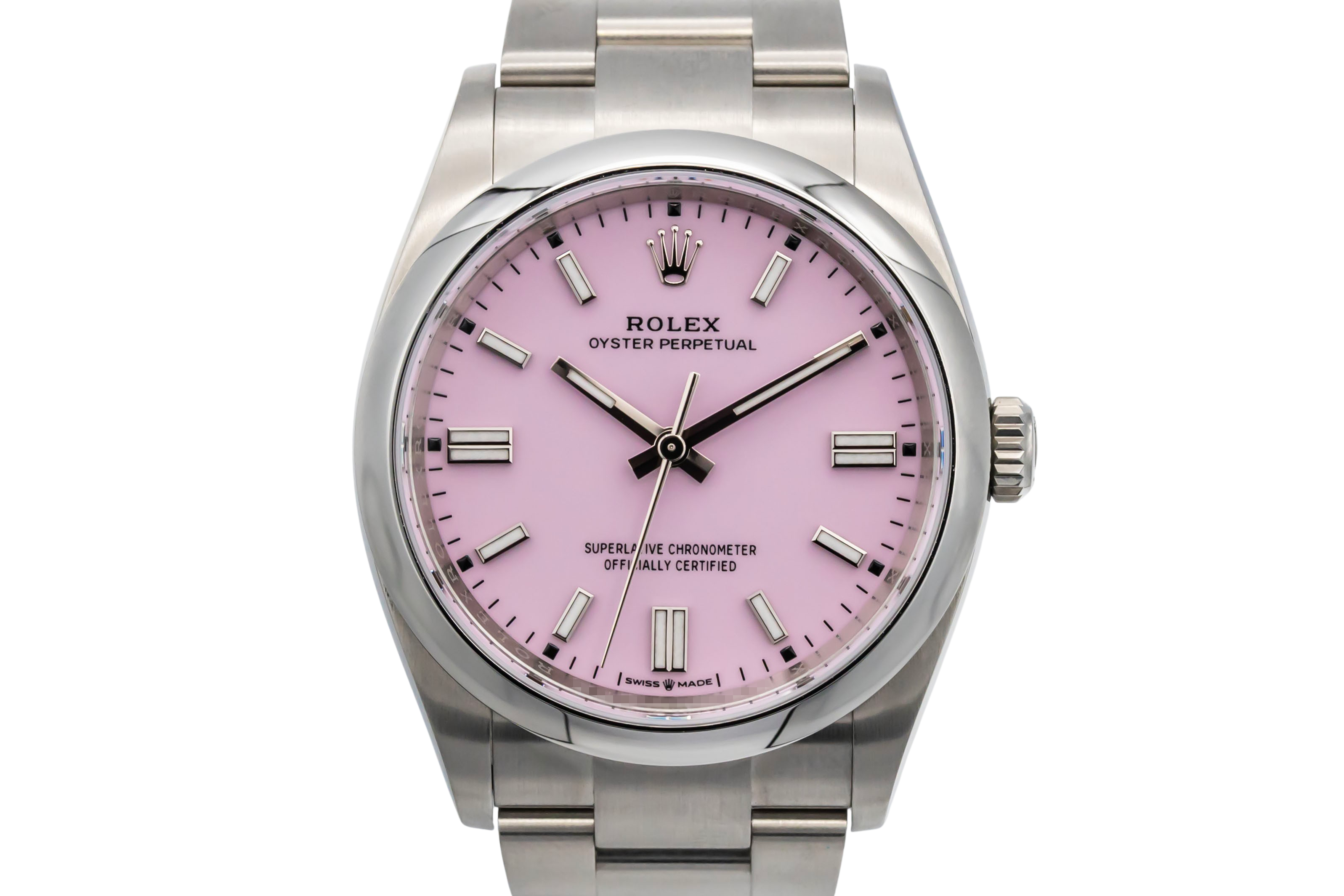
Knowing how to measure Rolex watch case size correctly helps you make informed decisions. Rolex measures case diameter across the case from 10 o'clock to 4 o'clock, excluding the crown. This provides a consistent measurement across all models.
The case diameter tells you the width of the watch face, but it doesn't account for how the watch occupies space on your wrist. That's where lug-to-lug measurement becomes important.
Lug-to-lug length is the distance from the top lug tip to the bottom lug tip. This measurement determines how much wrist space the watch actually occupies. A 40mm watch with 48mm lug-to-lug wears larger than a 41mm watch with 46mm lug-to-lug.
When assessing fit, lug-to-lug measurement often matters more than case diameter. If the lugs extend past the edges of your wrist, the watch is too large, regardless of what the case diameter suggests.
Case thickness also affects fit. Rolex models range from around 10mm thick on slimmer models like the Air-King to 18mm on the Deepsea. Thicker cases offer more presence but slide under shirt cuffs less easily.
To measure your wrist correctly for a Rolex, use a soft measuring tape and wrap it around your wrist below the wrist bone, where you'd normally wear the watch. Note the measurement in millimetres. Add 10 to 15 millimetres for comfortable bracelet sizing.
How to Choose the Right Rolex Size for Your Wrist
Choosing the right Rolex size starts with understanding your wrist circumference, but it doesn't end there.
Under 6.5-inch wrist: Models between 31mm and 36mm typically work best. The 31mm Datejust, 34mm Oyster Perpetual, and 36mm Explorer offer presence without overwhelming your wrist. These sizes provide comfortable all-day wear and suit both casual and formal settings.
6.5 to 7.5-inch wrist: This range offers the most flexibility. You can wear 36mm to 41mm comfortably. The 36mm Datejust provides classic proportions, whilst 40mm to 41mm sports models like the Submariner and Daytona offer modern presence. Your choice here depends more on personal style and wearing context than fit constraints.
Over 7.5-inch wrist: Larger models from 41mm to 44mm balance well on your wrist. The 41mm Submariner, 42mm Sky-Dweller, and 43mm Sea-Dweller provide appropriate visual weight. For very large wrists or those wanting bold presence, the 44mm Deepsea works, though it's substantial even for larger wrists.
For those wanting particularly bold style or having wrists over 8 inches, models above 44mm become options. The 50mm Deepsea Challenge sits at the extreme end, designed more for professional diving than daily wear.
These guidelines provide starting points, not rigid rules. Some people with 7-inch wrists prefer the timeless proportions of 36mm for daily wear. Others with the same wrist size favour the presence of 41mm sports models. Personal style, wearing context, and how the watch makes you feel matter as much as measurements.
Try on adjacent sizes before deciding. The difference between 36mm and 40mm, or 40mm and 43mm, is more significant on the wrist than it sounds on paper.
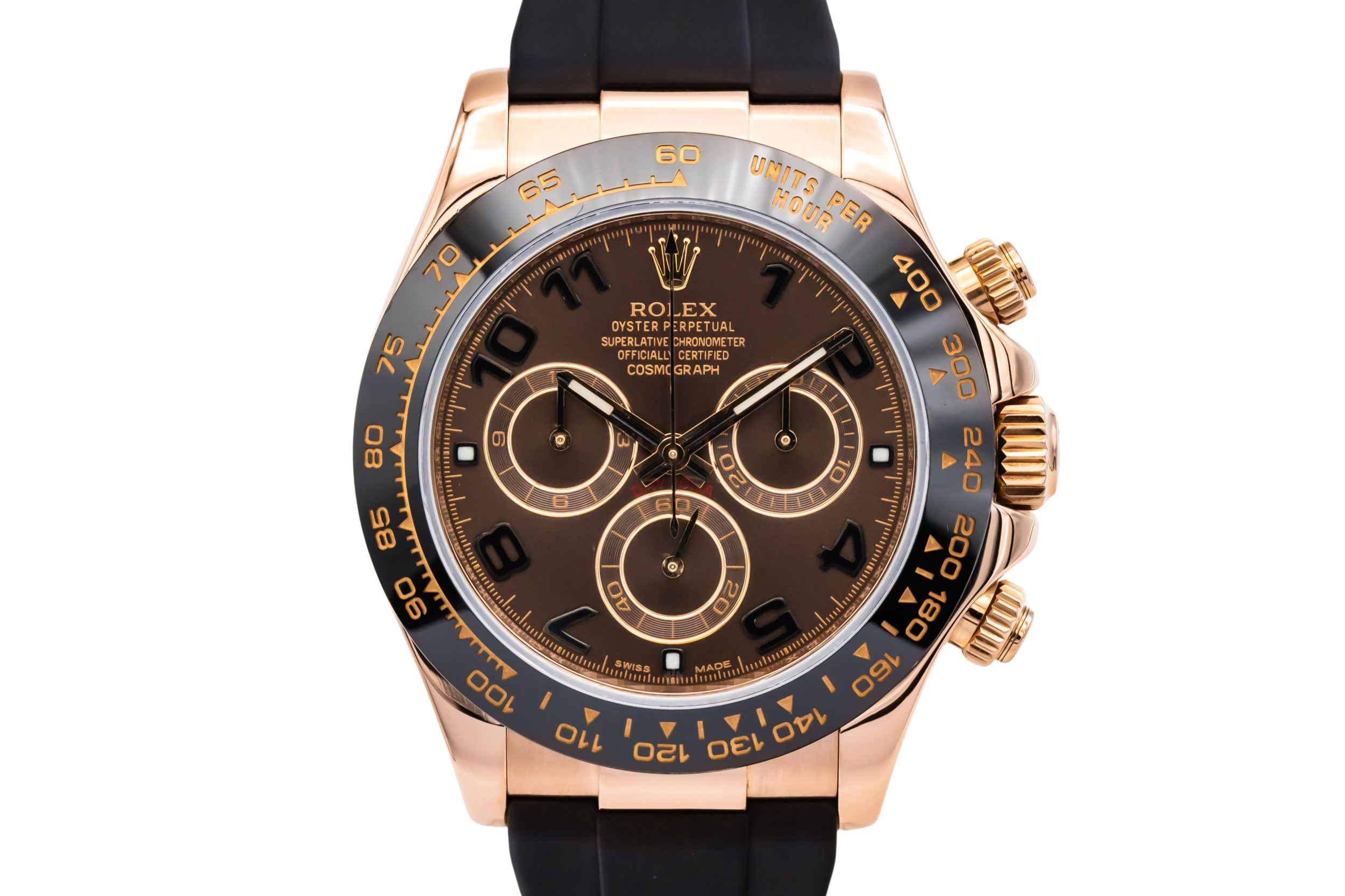 Rolex Cosmograph Daytona 40mm Chocolate Arabic Dial 116515LN 2017
£25,995.00
Available
Rolex Cosmograph Daytona 40mm Chocolate Arabic Dial 116515LN 2017
£25,995.00
Available
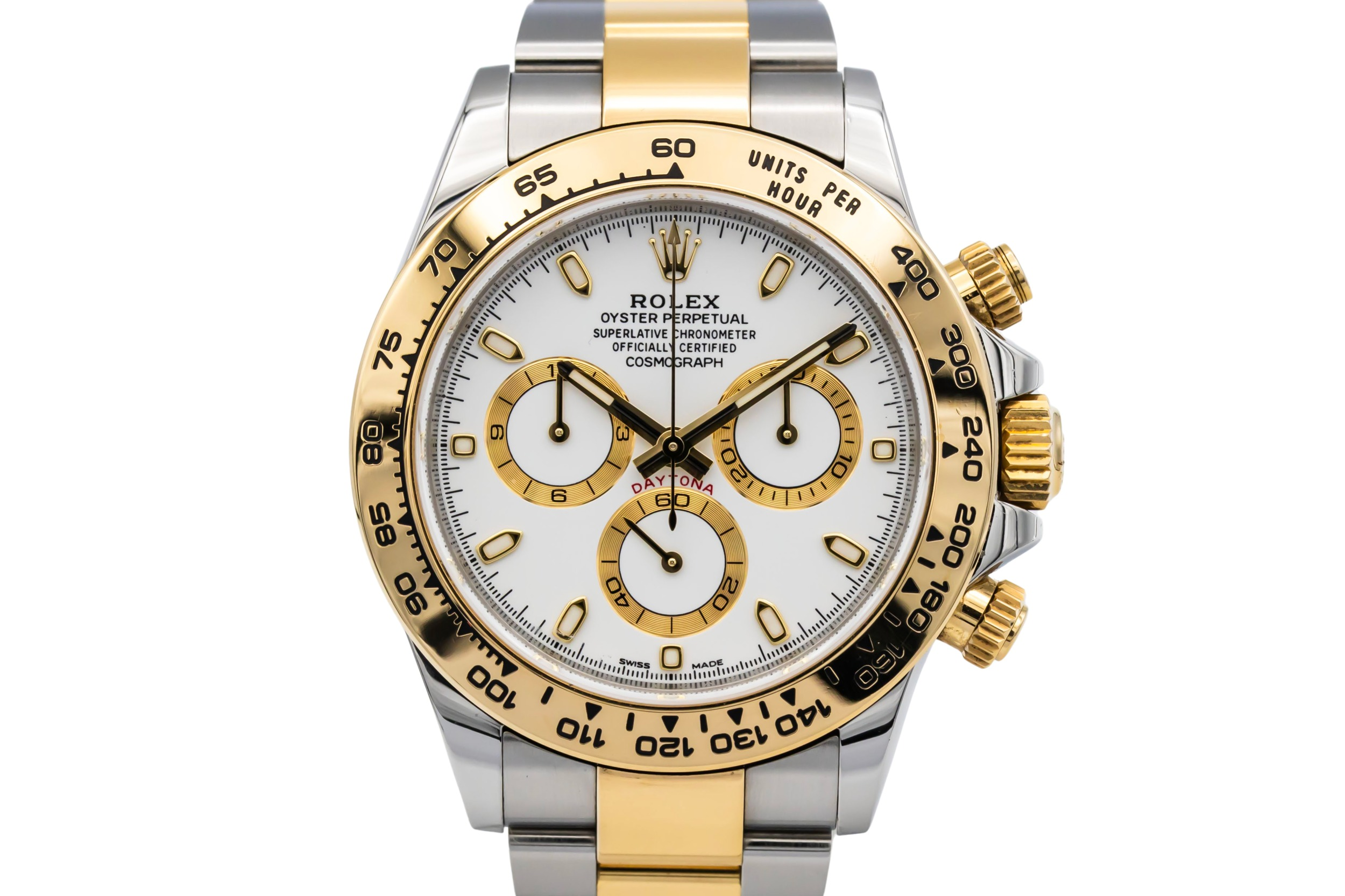 Rolex Cosmograph Daytona Steel & 18ct Yellow Gold Oyster 116503 2017
£16,495.00
Available
Rolex Cosmograph Daytona Steel & 18ct Yellow Gold Oyster 116503 2017
£16,495.00
Available
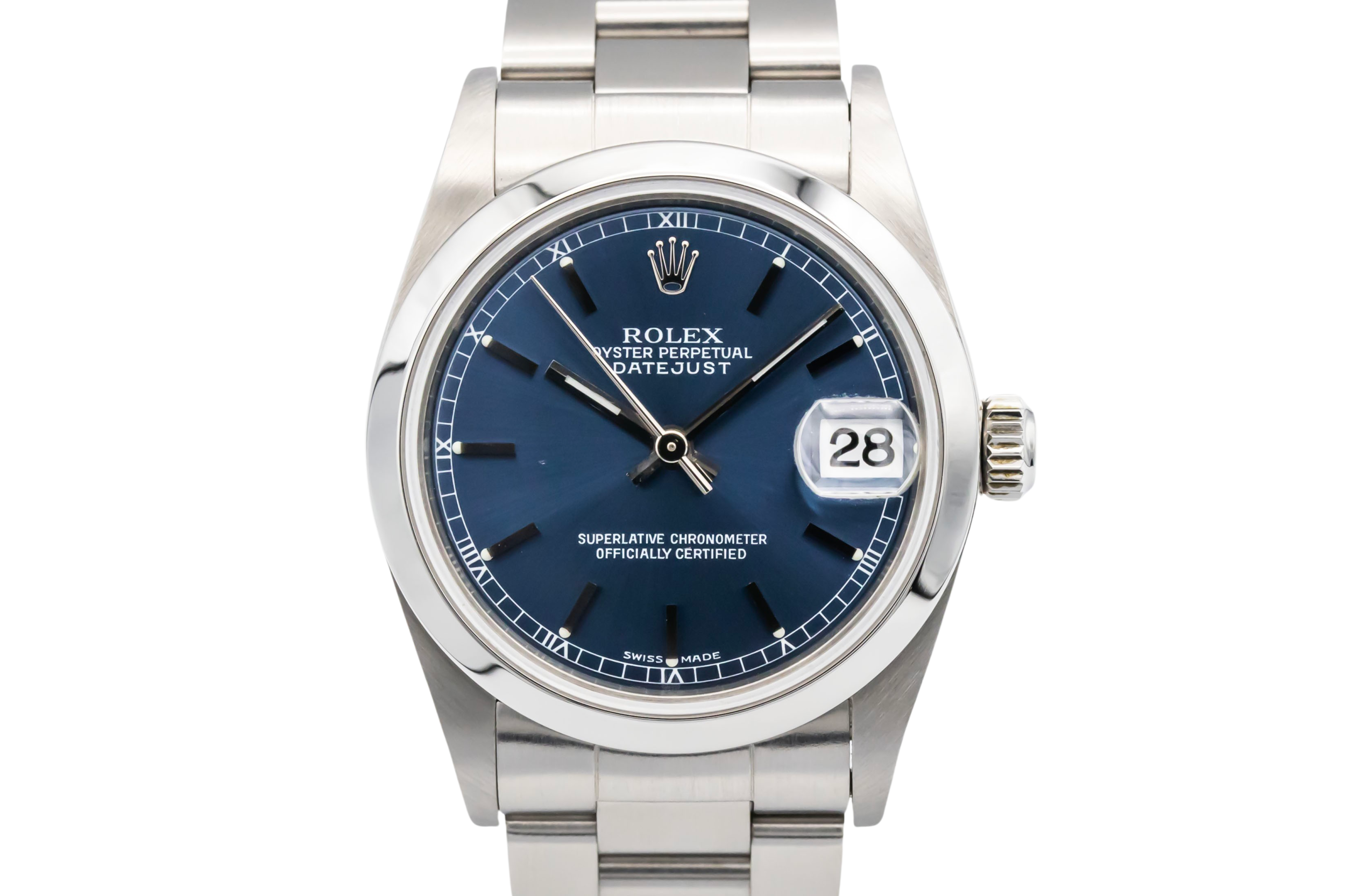 Rolex DateJust 31mm Stainless Steel Oyster 78240 2000
£4,995.00
Available
Rolex DateJust 31mm Stainless Steel Oyster 78240 2000
£4,995.00
Available
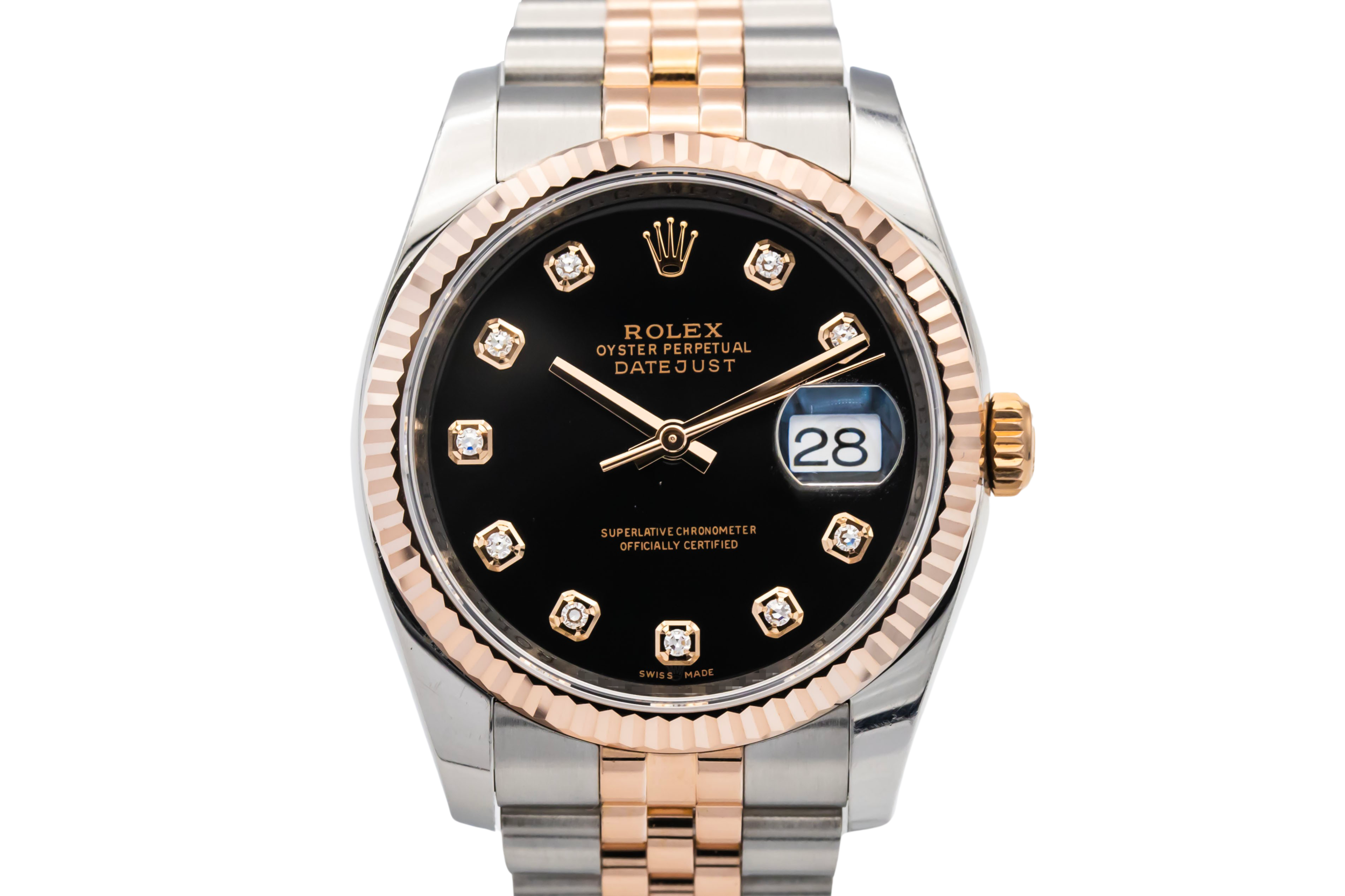 Rolex DateJust 36mm Stainless Steel 18ct Rose Gold Jubilee 116231 2016
£9,950.00
Available
Rolex DateJust 36mm Stainless Steel 18ct Rose Gold Jubilee 116231 2016
£9,950.00
Available
Rolex Watch Sizes for Men, Women, and Unisex Wear
What Size Rolex Should a Man Wear?
Men's wrists typically measure 6.5 to 8 inches, and most sit comfortably in 36mm to 41mm. The 36mm Datejust suits smaller or average men's wrists wanting classic proportions, whilst the 40mm Daytona and 41mm Submariner suit average to larger wrists wanting a modern sports profile. For wrists over 7.5 inches, 42mm to 44mm models such as the Explorer II, Sea-Dweller or Deepsea carry more naturally.
What Size Rolex Should a Woman Wear?
Women's wrists typically measure 5.5 to 7 inches. The 28mm and 31mm Lady-Datejust and Oyster Perpetual references suit wrists under 6.5 inches, whilst the 36mm Datejust and Oyster Perpetual work well from 6.5 inches upward and have become a popular unisex choice rather than a strictly gendered size.
The Oyster Perpetual, ranging from 28mm to 41mm, is one of Rolex's most versatile unisex collections. We've seen it worn comfortably across all wrist sizes and genders. The 36mm size particularly has become popular as an ultimate unisex choice, working across different contexts and style preferences.
Rather than choosing based on how a model is marketed, focus on how it fits your wrist, suits your style, and works with how you'll wear it.
Biggest Rolex Watch Size: Which Rolex Is the Largest?
When people ask about the biggest Rolex watch size, the answer is clear: the Deepsea Challenge is the largest Rolex ever produced, measuring 50mm in case diameter. This watch was designed for extreme deep-sea diving, built to withstand depths of 11,000 metres. It's a technical achievement, not a watch for everyday wear.
Before the Deepsea Challenge, the Deepsea at 44mm held the title of largest production Rolex. The Sea-Dweller also measures 43mm, whilst the Yacht-Master II sits at 44mm. These are substantial watches designed for specific professional purposes.
Large Rolex models offer significant wrist presence and visibility. They're built for demanding conditions where readability and durability matter more than subtlety. For most people, these sizes work best on wrists 7.5 inches and above. Larger professional models also feature prominently in discussions about the Rolex investment guide, as models like the Deepsea and Sea-Dweller hold value particularly well.
Whilst larger models have grown more popular over the past two decades, they're not suitable for every wrist or every context. A 50mm watch dominates your wrist. It catches on sleeves, draws attention, and doesn't slide under shirt cuffs. These are watches for people who want that presence and have the wrist size to carry it comfortably.
We've noticed people sometimes purchase large models for the visual impact, only to find them impractical for daily wear. If you're considering a 43mm+ Rolex, try wearing it for at least 15 to 20 minutes, move around naturally, and consider whether it suits how you'll actually wear the watch.
How to Size Rolex Watch Bracelet for a Secure Fit
Understanding how to size Rolex watch bracelet correctly is crucial for comfort. Bracelet sizing affects comfort and security as much as case size. A poorly sized bracelet undermines even the most perfectly sized watch.
The one-finger rule provides a reliable guideline: you should fit one finger comfortably between the bracelet and your wrist. This ensures adequate circulation whilst maintaining security. Too tight restricts blood flow and leaves marks. Too loose allows the watch to slide around and catch on things.
Rolex bracelets work through a link system. Links are added or removed to adjust the overall bracelet length. Each link represents approximately 5mm of adjustment. Most Rolex Authorised Dealers or professional watchmakers can resize bracelets, though some people prefer to learn the process themselves.
Rolex Oyster bracelets include micro-adjustment systems. The Easylink extension folds out from the clasp, adding 5mm of length instantly without tools. The Glidelock system, found on some professional models, offers finer adjustments in 2mm increments up to 20mm total extension.
| Adjustment method | Increment | Notes |
|---|---|---|
| Easylink extension | +5mm | Folds out from the clasp, no tools needed |
| Glidelock (select Sea-Dweller, Deepsea, Submariner references) | 2mm increments, up to 20mm total | Tool-free micro-adjustment |
| Link removal | ~5mm per link | Permanent adjustment, best done by an AD or watchmaker |
We recommend sizing your bracelet with the Easylink folded in. This gives you room to extend it when your wrist swells during the day or in warmer weather, without the watch feeling loose most of the time.
When removing links yourself, work in small increments. Remove one link, try the fit, then remove another if needed. It's easier to remove an additional link than to find and reinstall one after you've gone too far.
If you're unsure about adjusting your bracelet yourself, visit a professional. Most Rolex service centres and reputable watch dealers offer bracelet sizing. The cost is typically minimal, and proper sizing prevents damage to the bracelet or clasp.
Find the Rolex Size That Fits Your Wrist and Style
Understanding Rolex watch sizes involves more than measuring your wrist and picking a number. It requires trying on different models, understanding how measurements interact, and considering how the watch fits into your life.
We've seen people make confident decisions after a few minutes, only to find the watch uncomfortable six months later. We've also seen people take their time, try multiple sizes across several visits, and end up with a watch they wear comfortably for decades.
The difference comes down to patience and willingness to consider variables beyond the obvious ones.
At The Diamond Box, a reputable Rolex dealer in London, we work with people to find the right Rolex for their wrist and lifestyle. We encourage trying on adjacent sizes, wearing watches longer than feels necessary, and asking questions about lug length, case thickness, and bracelet options. We've helped thousands of people find the right size over more than 20 years, and we've learned the watches people return to are rarely chosen by diameter alone.
If you're exploring Rolex watches in the UK, you'll find a range of sizes and models. The right size depends on your wrist dimensions, personal style, and how you plan to wear the watch. It's worth visiting to try on different options and see how they feel in real life, not on paper.
Take your time. Try on different sizes. Ask questions. The right Rolex watch size tends to reveal itself when you stop rushing towards an answer.
Frequently Asked Questions
What Is the Smallest Rolex Size?
The smallest Rolex size currently available is 28mm, found in models such as the Lady-Datejust and select Oyster Perpetual references. It is best suited to smaller wrists or anyone who prefers a more understated watch.
What Is a Rolex Size Chart?
A Rolex size chart compares the case diameters of different Rolex models so you can see how collections such as the Datejust, Submariner, Daytona and Oyster Perpetual differ in size. Rolex watches currently range from 28mm through to the 50mm Deepsea Challenge.
What Is the Difference Between Rolex Case Size and Dial Size?
Rolex case size measures the diameter of the watch case, excluding the crown, while dial size refers to the visible face inside the case. The dial is always smaller than the case, and its apparent size varies depending on the width and design of the bezel.
How Do You Measure Rolex Case Size?
Measure a Rolex case across its diameter while excluding the crown. Rolex case measurements are generally taken across the case from approximately 10 o'clock to 4 o'clock to provide a consistent measurement.
What Size Rolex Should a Man Wear?
Most men wear Rolex watches between 36mm and 41mm, depending on wrist size and preferred proportions. A 36mm Datejust offers a classic look, while 40mm to 41mm sports models such as the Daytona and Submariner provide a more modern presence.
What Size Rolex Should a Woman Wear?
Many women choose Rolex watches between 28mm and 36mm, although size should ultimately be based on wrist fit rather than gender. The 28mm and 31mm models suit smaller wrists, while the 36mm Datejust and Oyster Perpetual are popular unisex options.
How Do I Measure My Wrist for a Rolex Bracelet?
Wrap a soft measuring tape around your wrist just below the wrist bone where you normally wear your watch. Record the circumference and allow roughly 10 to 15mm of additional room for a comfortable bracelet fit.