By Margarita ·
posted on 23rd March 2026




 follow us
I've spent over two decades working with people buying, selling, and caring for Rolex watches. During this time, I've watched the market shift from steady appreciation to speculative frenzy and back again. I've learnt what separates a good Rolex investment from a costly mistake.
What I've learnt doesn't come from theory or trend pieces. It comes from seeing how decisions play out over years. Which watches people regret buying. Which ones they're glad they kept. What protects value when the hype settles.
If you're wondering whether a Rolex is a good investment or trying to identify the best Rolex for investment in 2026, here's what experience has shown me matters most.
The biggest gap I've noticed when people look at Rolex watches in the UK as investments: they believe buying the most expensive or rarest model automatically ensures appreciation.
It doesn't work that way.
What protects value is a combination of factors working together over time. Condition matters more than rarity. A well-maintained watch with original papers and box will hold far more value than a rare piece that's been poorly cared for or modified. Our guide to buying a Rolex explores this in detail.
Model popularity plays a role too. The Submariner and Daytona have maintained consistent demand for decades. Other models, even rare ones, haven't retained value as well. Understanding which models represent the best Rolex to invest in requires looking beyond current hype.
Then there's timing and market trends. Rolex watch prices are influenced by broader economic conditions, fashion shifts, and the luxury market. Some models move in and out of favour depending on what's happening around them.
The key isn't chasing the rarest or priciest models. It's buying with knowledge of these factors and understanding how they interact.
When I look at a watch someone's owned for ten or fifteen years, there are specific condition problems that impact value. Often more than most people expect.
This is the most common mistake I see.
Many people polish their Rolex regularly, thinking they're maintaining it properly. What they don't know is that over-polishing wears down the sharp contours of the case. A key characteristic of Rolex craftsmanship.
I once worked with someone who brought in a 1990s Submariner. They were proud of how well they'd cared for it, polishing it several times a year to keep it looking fresh.
But closer inspection revealed the damage. The sharp lines of the lugs and case had been smoothed out. The bezel edges showed distortion where polishing had gone too deep. The watch looked shiny, but it had lost the crisp factory finish that collectors value.
The owner was surprised when I explained what had happened. They'd always seen polishing as routine maintenance, not something to devalue the watch.
The Submariner, once worth around £7,000 to £8,000, had dropped by at least 20-30% in value due to over-polishing alone.
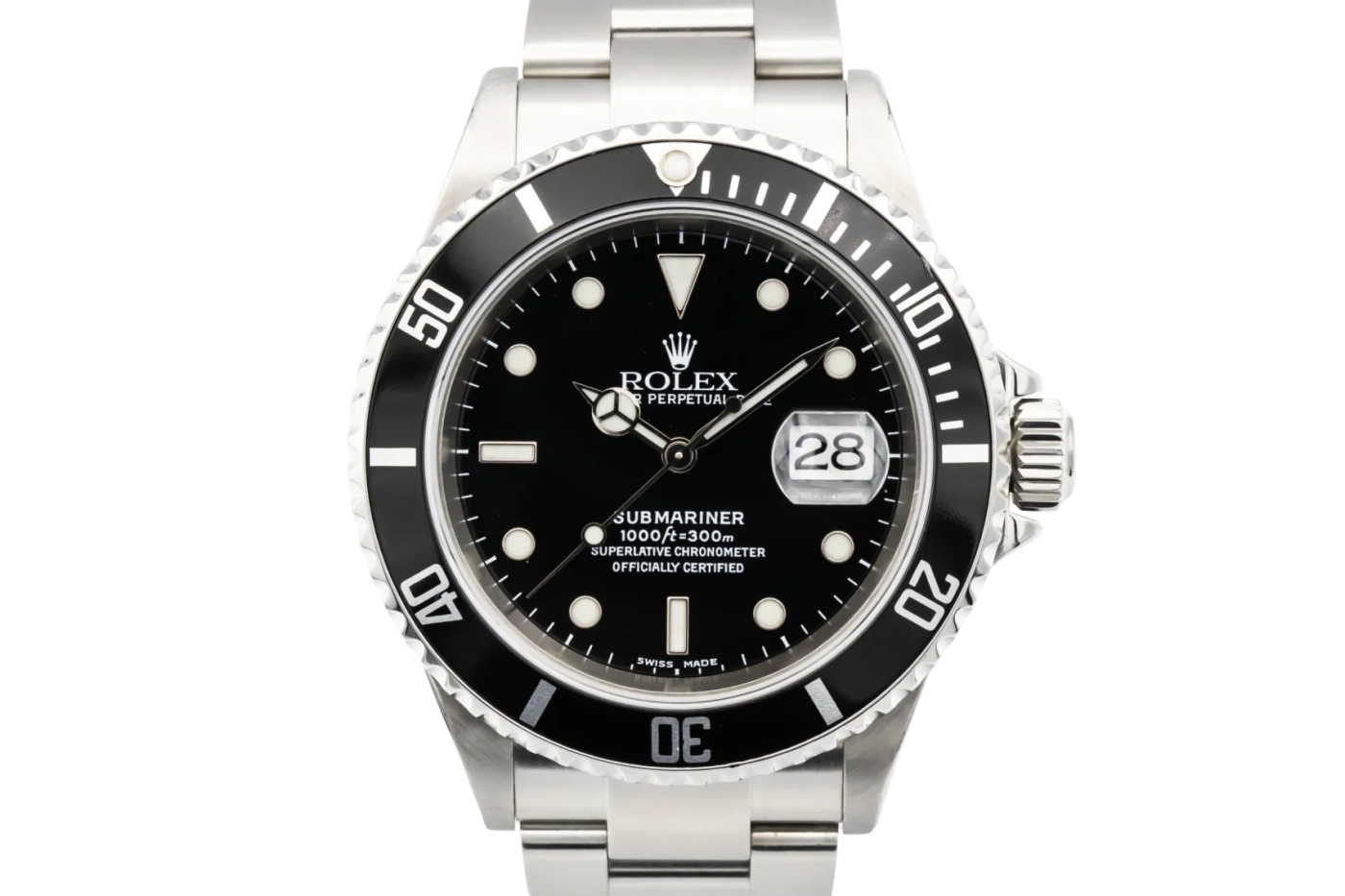
Rolex Submariner Date 40mm Stainless Steel Oyster 16610 2004
According to recent valuation data, polishing a Rolex decreases its value by 5–20%, especially when done improperly or too frequently. Serious buyers prefer unpolished examples with visible yet natural wear.
The lack of original documentation reduces value. The papers verify authenticity, model details, and serial numbers. All of these are needed to determine provenance.
Without them, the watch becomes less desirable to collectors, even if it's in otherwise good condition. Market research shows missing documentation reduces value by 5–10% on lower-tier models and 10–15% on collectible references.
If components have been replaced with non-original parts (a third-party crystal, hands, or crown), this impacts value.
Collectors want to keep a Rolex as original as possible. Aftermarket parts make a watch less valuable, even if the replacement was done professionally.
Even slight water damage leads to corrosion inside the movement. This is hard to spot without professional inspection. Watermarks or corrosion on the dial, caseback, or movement make the watch irreparable. At minimum, they decrease its value.
Superficial scratches on the case or bracelet aren't always deal-breakers. Scratches on the dial or crystal are problematic.
Dials are hard to replace. Once damaged, this affects the watch's appearance and value. Deep scratches on sapphire crystal may require costly replacement.
Personal engravings on the caseback reduce resale value. These modifications, whilst meaningful to the original owner, make the watch less appealing to future buyers, especially if the engraving is large or intrusive.
The bracelet's condition matters when evaluating value. Stretch, wear, or missing links are red flags.
Rolex bracelets are made to last a lifetime. They still show signs of heavy use over time. A stretched bracelet affects fit and comfort. In some cases, this means costly replacement.
Telling a rare model from one that's hyped in the moment requires understanding luxury watch value fundamentals. These go beyond short-term excitement. This matters when evaluating whether Rolex watches are a good investment.
Genuine rarity comes from limited-edition releases or discontinued models produced in smaller quantities.
The Rolex Daytona "Paul Newman" or early Submariner "Red" models are rare due to limited production. They were either discontinued or produced for short periods. Their scarcity is well-documented.
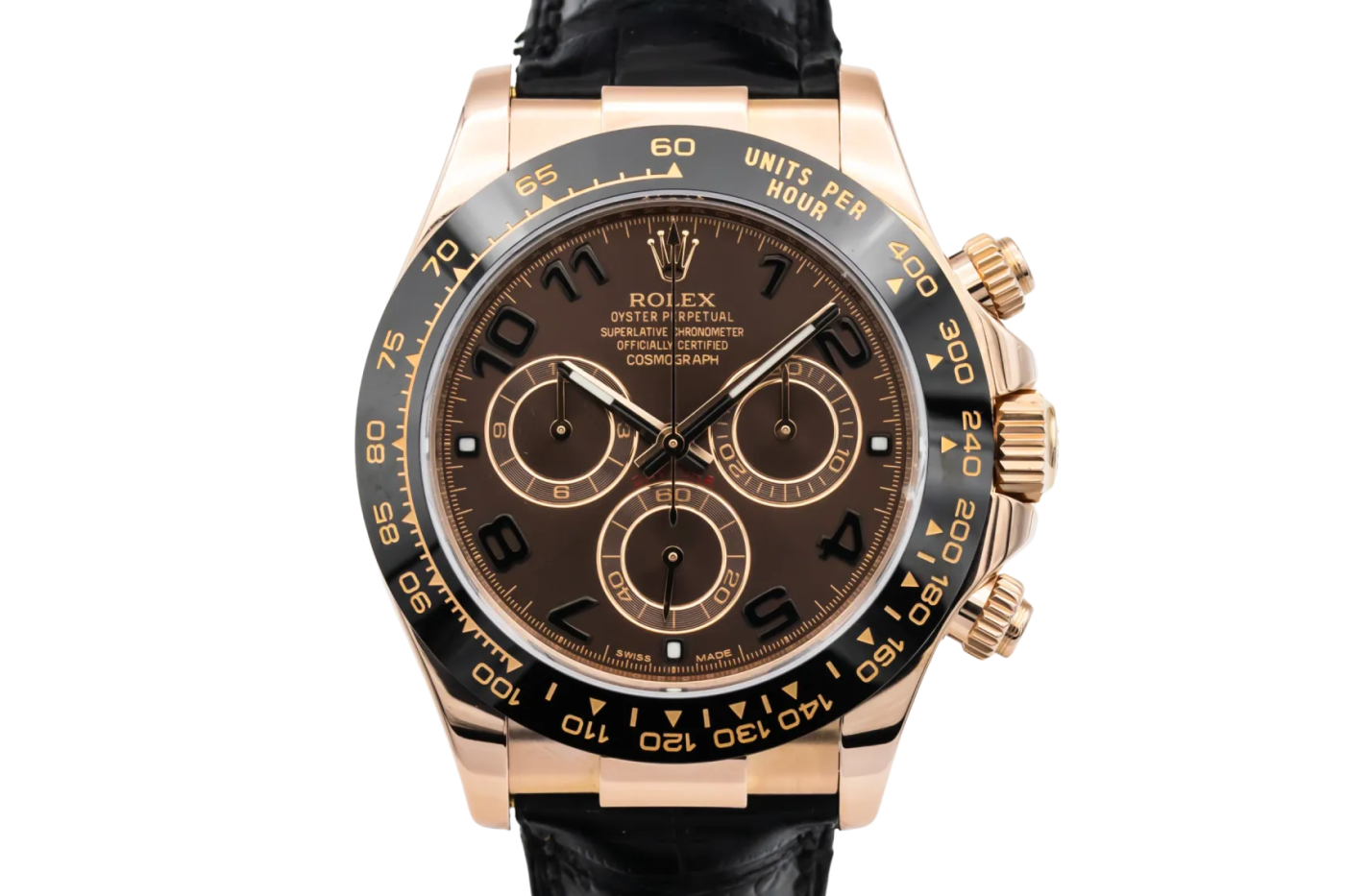
Rolex Cosmograph Daytona 40mm 18ct Rose Gold Black Oysterflex 116515LN 2011
I help buyers research models known for limited runs or special features produced in specific years. Some vintage Daytonas, Oyster Perpetuals, or Sea-Dwellers were produced in limited quantities during certain periods, making them rare even if not popular in the mainstream.
Some models gain value due to media hype or celebrity influence. Their appeal fades over time.
The hype around the Oyster Perpetual with bright-coloured dials in 2020 was driven by social media and influencer marketing. Some models increased in value during that period. It's hard to predict whether they'll continue to appreciate long-term.
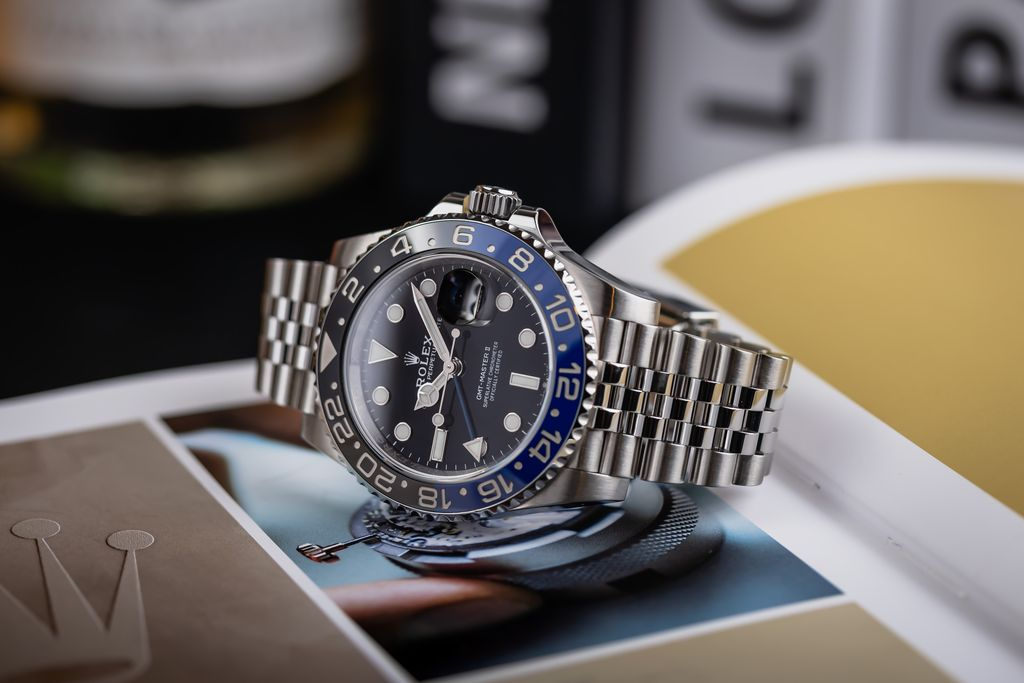
Models like the "Batman" GMT-Master II gained attention because of short-term popularity and scarcity at retail. Demand outstripped supply. I caution buyers: are you buying based on current hype or solid investment principles?
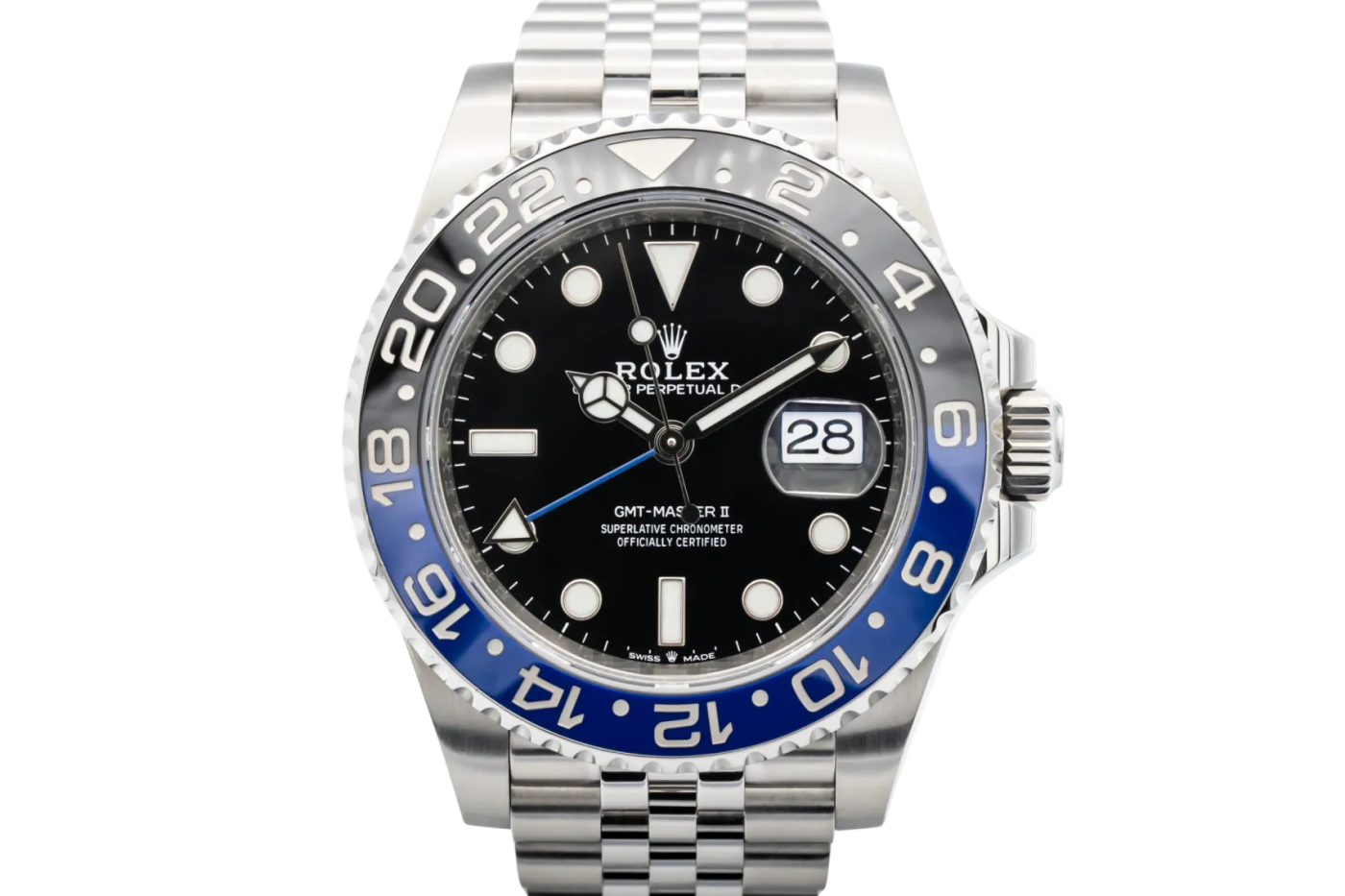
Rolex GMT Master II Stainless Steel Jubilee 40mm 'Batgirl' 126710BLNR 2021
A watch with a sudden surge in value due to a short-term trend drops as quickly when the trend subsides.
Recent market analysis confirms this: the secondary market experienced unprecedented volatility between 2020-2025. All models reached peak valuations in 2022 before systematic corrections. A market recalibration from speculative trading to genuine collector demand.
One model held value better than expected: the Explorer II (16570), especially the polar dial version with the white dial.
When released in the early 2000s, the Explorer II wasn't as sought after as the Submariner or Daytona. It had a niche appeal, especially for adventure enthusiasts. Often overshadowed by other models.
The white "polar dial" wasn't as popular as the black dial version. It didn't attract the same hype or attention from collectors.
In recent years, the Explorer II polar dial has seen appreciation. Collectors began recognising the model for its robust build and distinctive design, like the orange 24-hour hand. This led to a resurgence in demand.
Data shows the Explorer II ref. 16550 price rose from around £9,000 - £15,000 in over five years. Over 66% appreciation. The Polar model showed 157% growth in demand in 2024.
Underappreciated pieces become high-value collectors' items down the line, especially when they have rich history, unique design, and limited supply.
I've seen people try to time the market with Rolex watches, thinking they could capitalise on short-term trends or buy before a model jumped in value. This approach rarely delivers the returns people expect when they ask if Rolex a good investment.
One example stands out.
A customer came in five years ago interested in the GMT-Master II "Pepsi" bezel version. The Pepsi GMT was becoming more widely discussed, especially with its ceramic bezel introduced in 2014. It hadn't yet experienced the explosive price surge it would later see.
The customer had been following the market closely. They'd read articles suggesting the Pepsi GMT was about to jump in value. They were trying to time their purchase based on perceived market trends.
They bought the Pepsi GMT-Master II from an authorised dealer for about £7,500 - a bit above retail due to waiting lists and market demand. They were confident the model was undervalued and would appreciate.
Over the next 2-3 years, hype around the Pepsi GMT increased. Demand soared. Secondary market prices surged to around £12,000-£15,000. For a while, their instincts seemed correct.
Then something unexpected happened.
Rolex released the new Pepsi GMT-Master II with a Jubilee bracelet in 2018. This flooded the market with supply for the same model with a new twist. The rarity and exclusivity driving the original Pepsi GMT's price started to diminish.
The Jubilee model didn't drop the price of the previous version right away. It caused market uncertainty. People began questioning whether the old model would hold its high value.
Today, the Pepsi GMT-Master II is beloved and sought-after. Price growth has plateaued. The market became oversaturated with Rolex sports models. Secondary market prices have normalised.
The customer's watch is now worth around £9,500-£10,000 at best - still a solid return. Nowhere near the exponential growth they'd hoped for.
They'd intended to flip the watch for profit. They ended up enjoying the experience of owning a Rolex far more than anticipated. Over time, their desire to sell diminished. They'd become attached to the watch's design, craftsmanship, and prestige.
This illustrates why market timing can be tricky. Hype-driven demand can quickly be disrupted by changes in supply, new releases, or shifting trends. The question of whether a Rolex is a good investment depends far more on buying the right model for the right reasons than trying to predict market peaks.
After someone's owned a watch for five or ten years, aftercare plays a crucial role in preserving resale value.
Some owners believe wearing a Rolex daily helps preserve its condition or increases its value. Whilst wearing it frequently is fine, it's not necessarily the best practice if you want to preserve resale value. Wearing it too often can cause unnecessary scratches or bracelet stretching.
People sometimes assume any reputable watchmaker can service a Rolex. But using non-authorised service centres can be problematic. If non-Rolex parts are used or the work doesn't meet Rolex's exacting standards, it can significantly reduce resale value.
Many owners get overly concerned about small scratches on the case, trying to fix them or polish them out. Whilst deep scratches should be avoided, minor imperfections usually don't impact resale value much - especially on vintage watches. A watch with gentle signs of use can be more desirable to collectors than one that looks too new.
Watch winders have been a topic of debate in the watch community. I've had the opportunity to observe how they impact Rolex watches over long periods - 10+ years.
For Rolex owners with multiple watches or those who don't wear the same one daily, watch winders are an excellent solution. Customers who used them kept their watches running consistently without needing to reset the time, date, or power reserve. This was especially beneficial for models with complicated features like the Daytona or GMT-Master II.
Movement lubrication is a key aspect of a watch's function. When worn regularly, lubrication inside the movement is distributed evenly. Watch winders replicate this action by keeping the watch in constant motion, preventing lubricants from drying up or becoming unevenly distributed.
Customers who used winders reported fewer issues with lubricant breakdown or movement malfunctions, particularly in models stored for extended periods.
However, proper settings matter.
I once worked with a customer who had a Submariner (calibre 3135) and used a watch winder with excessive turns per day - around 1,200 TPD. The Submariner's movement is designed to handle 800-1,000 TPD.
After a few months, the watch's rotor started showing signs of wear. The rotor experienced friction and stress it wasn't designed to handle. This led to the movement running too fast, and the power reserve became erratic.
The customer had to send the watch to a Rolex service centre for expensive repairs to fix the rotor and recalibrate the movement.
The lesson: not all Rolex movements are created equal. The right turns per day setting is crucial to preserving long-term functionality and value. A Rolex winder should be set within the manufacturer's recommended range for each model.
When someone comes to me unsure about whether a particular piece makes sense for them, I ask questions to understand their motivations, preferences, and long-term goals.
The key question I usually ask is: "Which one do you see yourself wearing every day, regardless of the price or market trends?"
This shifts focus away from transactional thinking and taps into the emotional and personal side of the purchase. Watches are meant to be worn, enjoyed, and cherished.
When people get too caught up in how the market will react or which model might be the "better investment", they overlook what will actually make them happiest long-term.
I also ask about lifestyle compatibility. Will this be a daily wearer or an occasional piece? Someone very active might prefer a Submariner or GMT-Master II for its rugged build and water resistance. Someone working in a formal setting might find a Datejust or Oyster Perpetual more versatile.
Comfort matters too. A watch that doesn't fit well or feel comfortable can lead to frustration over time, no matter how much you love the brand or model.
I often ask, "Which model do you think you'll still love 5-10 years from now?" This helps shift thinking to the long-term. Sometimes people are drawn to something trendy, but they might tire of it over time. A classic model tends to have timeless appeal and is likely to remain attractive for years to come.
I once worked with a customer torn between the Submariner and the Daytona. After we discussed their lifestyle and preferences, it became clear the Submariner was a better fit. They were looking for a robust, versatile watch that could withstand daily wear and occasional diving.
They realised that whilst the Daytona was beautiful, they weren't really drawn to the chronograph function and didn't want a watch that felt too sporty for their office environment.
By focusing on long-term enjoyment and lifestyle fit, they chose the Submariner - and it was clearly the right choice for them in terms of both practicality and personal satisfaction.
Looking back over twenty years of working with customers considering the best Rolex to invest in, the one piece of advice I wish I could give every first-time buyer is this:
Buy the watch you will love to wear, not just the one you think will increase in value.
Rolex watches are made to last a lifetime - maybe even longer. The emotional connection to a watch is what makes it truly valuable, not just in terms of market price but in personal satisfaction. This is why pre-owned Rolex watches for investment can often make more sense than chasing the latest release.
When you buy a watch based on hype or market speculation, you're gambling on external factors that can fluctuate. The market for Rolex watches goes through peaks and valleys. A model popular today might lose its lustre tomorrow.
But if you buy a piece that resonates with you personally - whether it's a classic design, a model with specific features that match your lifestyle, or one you just can't stop admiring - the value is guaranteed in terms of personal enjoyment. This approach addresses the core question of whether are Rolex watches a good investment in a way that protects both financial and emotional value.
Certain models like the Submariner, Datejust, and Oyster Perpetual have become timeless icons. These models, regardless of the market's cycles, tend to hold their value and even appreciate over time. More importantly, they're pieces that never go out of style.
I've seen countless cases where people either regret selling a watch they loved or miss out on truly enjoying the experience because they're obsessed with market prices.
If you buy a Rolex purely for investment purposes, you're probably not enjoying the watch the way it was meant to be enjoyed. A Rolex should be something you cherish - whether it appreciates in value or not.
The market is full of short-term fads and hype-driven models. One model might be in demand today but could lose appeal quickly if the hype fades. I've seen countless buyers get swept up by trendy releases or social media buzz only to find that years later, they don't actually love the piece they bought.
A Rolex is a personal statement. The value of a watch lies in how it makes you feel when you wear it, not just in how much it could be worth in five years.
If you take away just one practical action to protect your Rolex's value, it's this:
Stop over-polishing your watch.
Polishing is the most common mistake I've seen that diminishes value over time. Whilst it might seem like a good way to keep the watch looking shiny and new, excessive polishing wears down the sharp contours and original finish of the case and bracelet.
This removes the Rolex craftsmanship that collectors value and significantly impacts resale value.
If your Rolex has minor scratches or wear, leave it be. Those signs of wear tell the story of the watch's life. Unless there's a major scratch or dent that affects functionality or appearance, it's best to avoid polishing.
If you want to clean it, use a soft microfibre cloth to wipe off dirt and smudges without disturbing the finish.
If polishing is required - for example, a deep scratch - take it to an authorised Rolex service centre and only polish it sparingly.
By avoiding over-polishing, you're preserving the original condition of your Rolex, which is one of the most important factors in maintaining its value for years to come.
The answer to whether a Rolex is a good investment isn't found in market predictions or hype cycles - it's found in understanding what you'll actually wear, care for properly, and value over decades.
Visit us in store for great service and to see our amazing collection.
114 Ballards Lane, N3 2DN, London 020 8838 3655