posted on 27th April 2026




 follow us
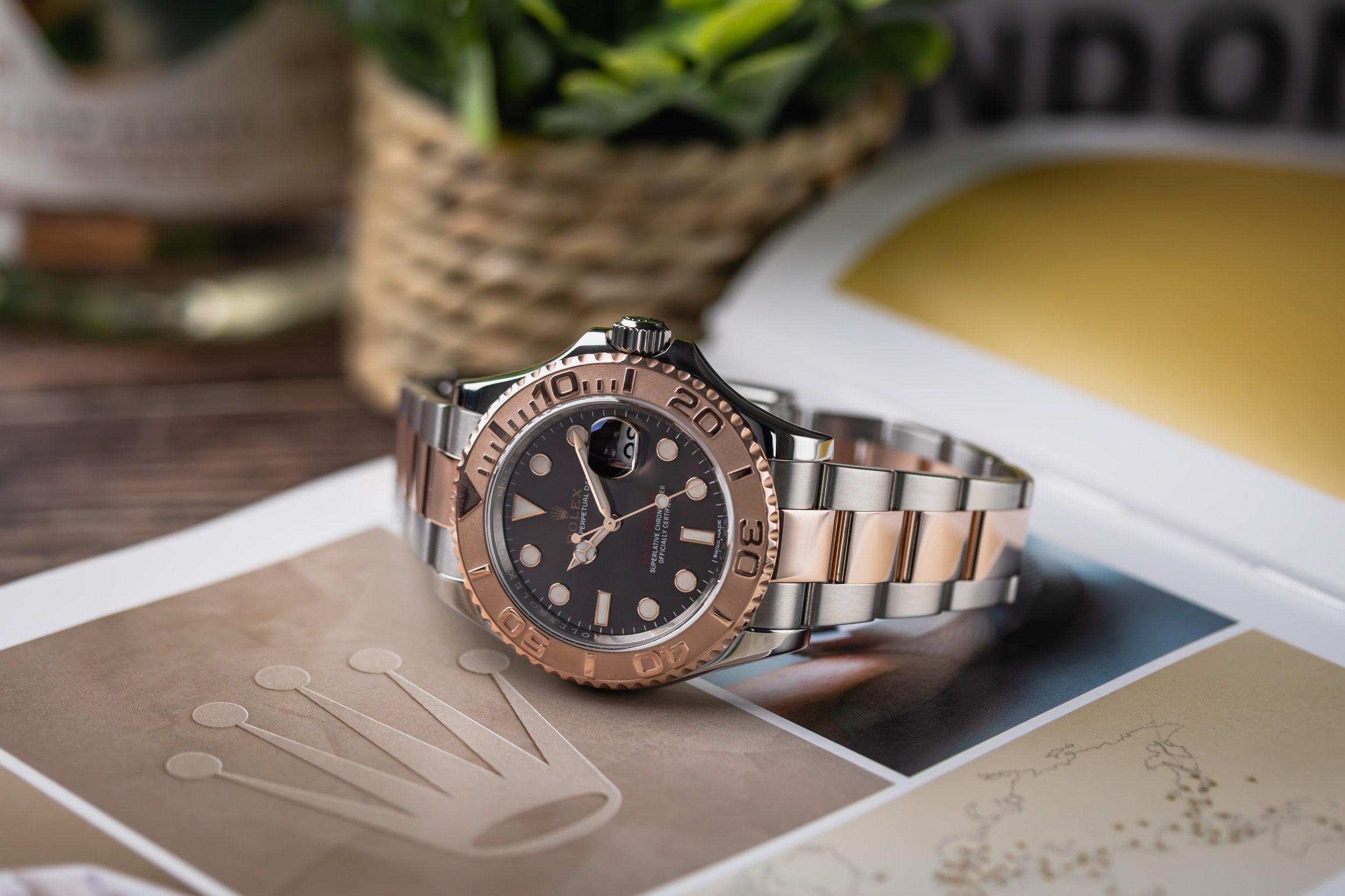
A discontinued Rolex is simply a model that's no longer in production. Rolex removes these pieces from their catalogue without announcement — one day they're available, the next they've quietly disappeared. These aren't damaged or defective watches. They're models that have reached the end of their production run, often replaced by updated versions or removed entirely as the brand refines its collection.
Understanding which discontinued models hold value requires looking beyond the initial appeal. Over more than twenty years, we've watched certain references appreciate steadily whilst others plateau or decline. The difference comes down to specific factors that aren't always obvious at first glance.
Rolex discontinues watches for several practical reasons. Sometimes it's a design evolution — the brand introduces updated movements, improved materials, or refined aesthetics that make the previous version obsolete. Other times it's about market positioning. When demand shifts or production capacity needs reallocation, certain models get quietly retired.
Material changes drive discontinuation too. When Rolex transitioned from aluminium to ceramic bezels across their GMT and Submariner lines, the older aluminium versions stopped production entirely. These weren't inferior watches — they simply represented a previous generation of manufacturing.
Why discontinued models matter:
Limited supply — Once production stops, the available pool shrinks permanently
Strong resale demand — Collectors seek specific references that can't be bought new
Unique design features — Discontinued models often have distinctive elements not found in current production
Collector appeal — Certain references become cultural touchstones within the watch community
This scarcity dynamic is largely driven by ongoing Rolex demand, especially for models no longer in production. When a popular sports model disappears from the catalogue, the secondary market responds quickly.
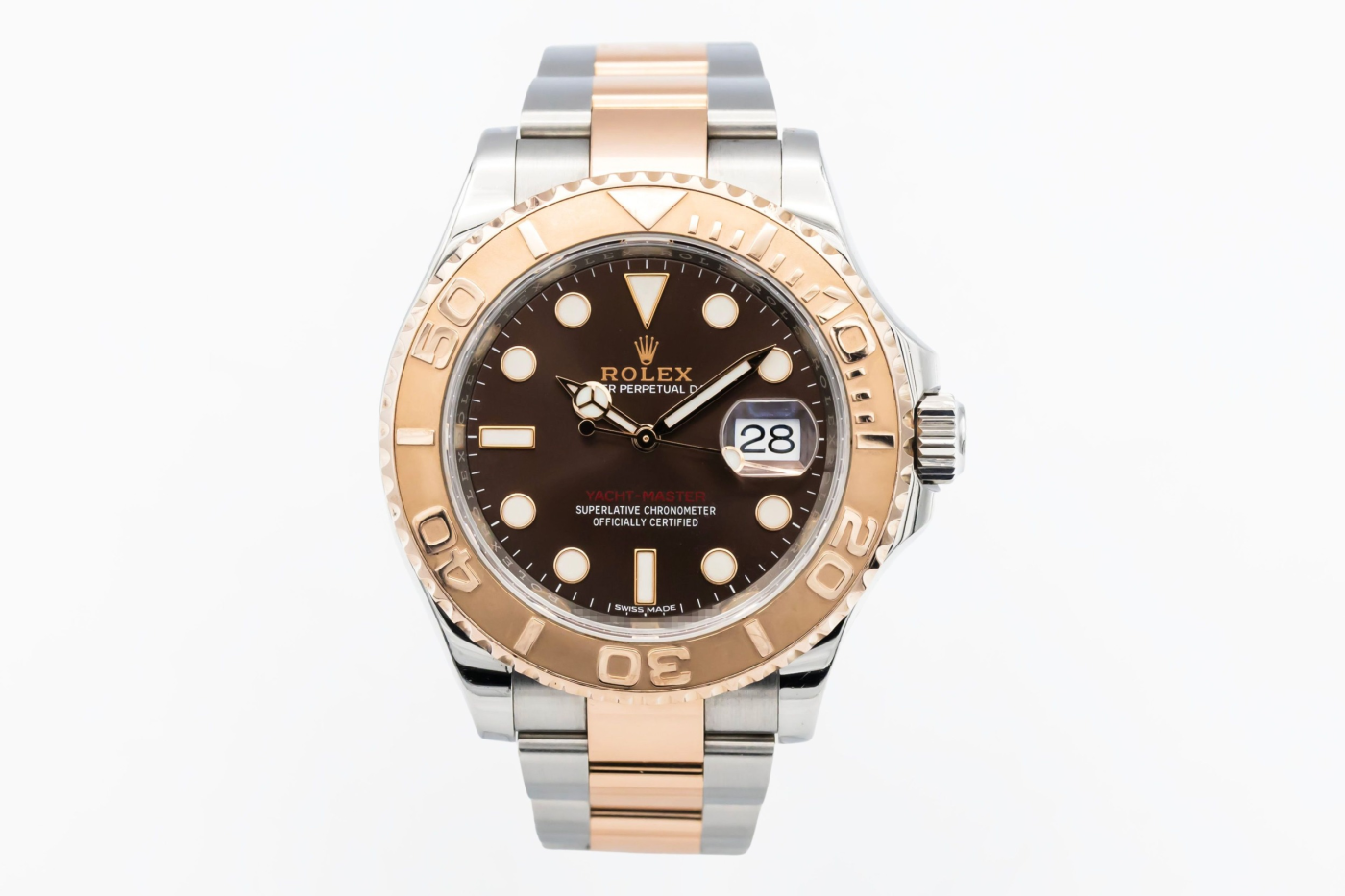
The psychology around discontinued watches centres on exclusivity. When you wear a current production Rolex, you own something anyone with sufficient funds and patience can eventually acquire. When you wear a discontinued reference, you own a specific moment in the brand's history that's no longer accessible through traditional retail channels.
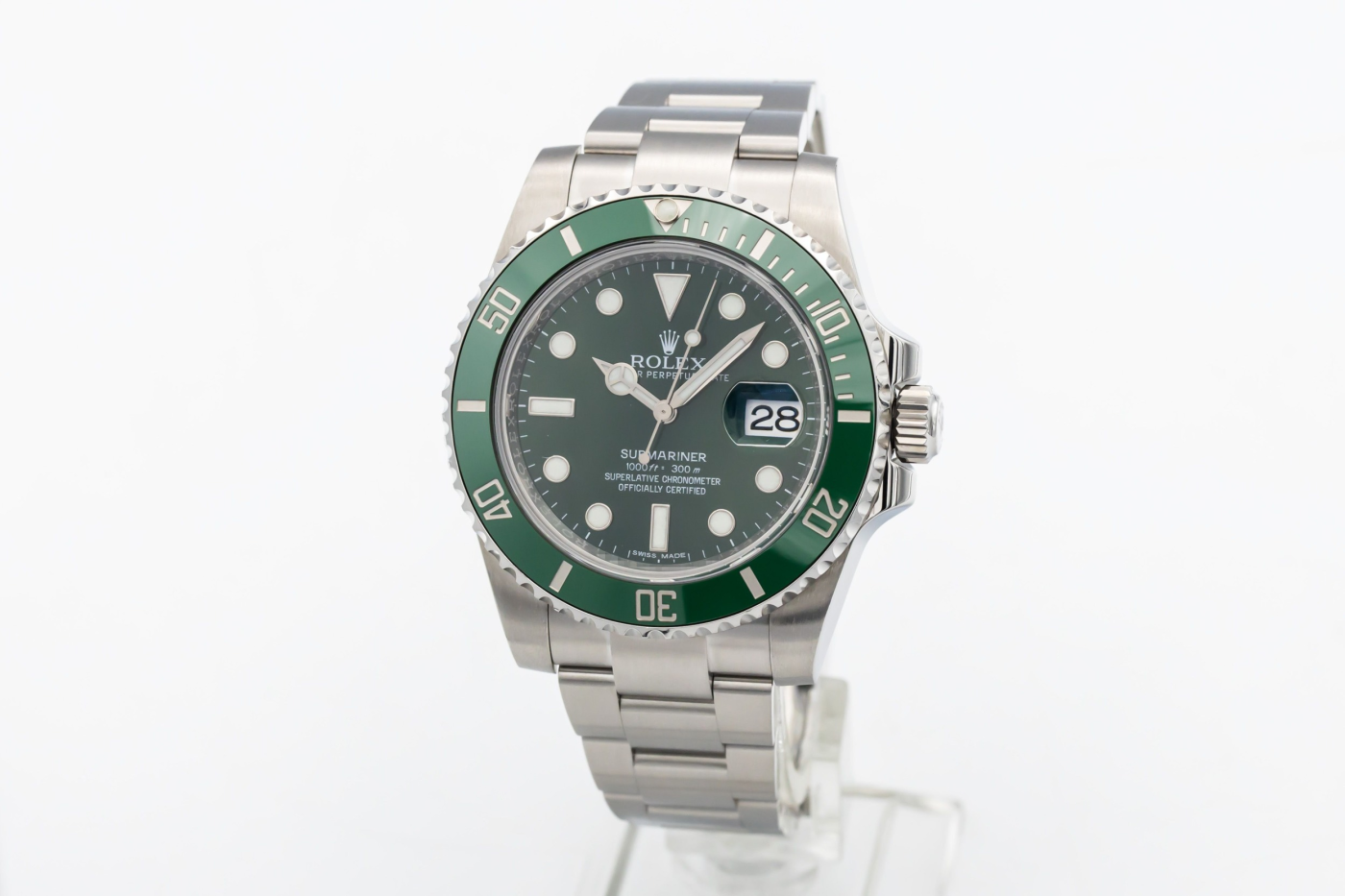
We've noticed this plays out in conversations with customers who've been collecting for years. They're not chasing the newest release — they're looking for references that represent design decisions Rolex has since moved away from. The Submariner Hulk's green dial and bezel combination, for instance, was a bold aesthetic choice that didn't continue into the next generation. That makes it distinct.
What drives collector interest:
Rarity versus current production models — Owning something that can't be replicated through a current purchase
Historical or iconic status — Certain references become symbolic of specific eras or achievements
Design differences versus newer versions — Unique dial colours, bezel materials, or bracelet styles not available today
Investment perception — The belief that scarcity plus sustained demand creates appreciation potential
This investment mindset has become more sophisticated over the past decade. What was once purely about collecting has evolved into a consideration of long-term value. If you're thinking about watches as alternative assets, our Rolex investment guide covers the broader market dynamics worth understanding before committing significant capital.
Sometimes. Not always.
The discontinued label alone doesn't guarantee appreciation. We've seen plenty of references that stopped production and simply maintained their value or declined slightly. What matters is the specific combination of factors that create sustained demand against diminishing supply.
Take the Submariner Hulk as a clear example. When it was in production between 2010 and 2020, market prices sat around £7,200 in 2016, roughly 25% below the £9,000 retail price. Today, those same watches trade between £17,000 and £22,000, representing an 80–140% premium over original retail. That's a significant appreciation over less than a decade.
But that trajectory wasn't guaranteed. It happened because several factors aligned: the green dial was distinctive, the reference was discontinued before demand was fully satisfied, and the replacement model (the 126610LV) featured a different shade of green that didn't replicate the Hulk's specific aesthetic.
Factors that influence whether discontinued models appreciate:
Production numbers — Lower production runs create genuine scarcity
Condition — Box, papers, and documented service history significantly impact value
Market demand — Collector interest needs to remain strong or grow over time
Model popularity — Iconic references with cultural significance tend to hold value better
The documentation point deserves emphasis. Watches with complete provenance consistently command higher prices — sometimes up to 60% more than identical models without papers. This isn't just about authentication. It's about being able to demonstrate the watch's history clearly when the time comes to sell.
Certain discontinued references come up repeatedly in conversations with collectors and buyers. These aren't necessarily the rarest or most expensive — they're the models that have developed strong followings based on design, history, or market performance.
Discontinued in 2020, the Hulk represents one of the clearest examples of post-discontinuation appreciation we've observed. The all-green colour scheme — matching dial and ceramic bezel — created a bold aesthetic that divided opinion when it launched in 2010. That polarising nature actually worked in its favour long-term. Collectors who loved it remained committed, whilst those who initially dismissed it came around as the design aged well.
Production ran for exactly ten years, which created a substantial but not unlimited supply. The replacement model uses a different green tone and a black dial, making the Hulk's specific look impossible to replicate with a current purchase. Market prices have reflected this, with the reference showing approximately 18.5% annual returns over seven years despite broader market fluctuations.
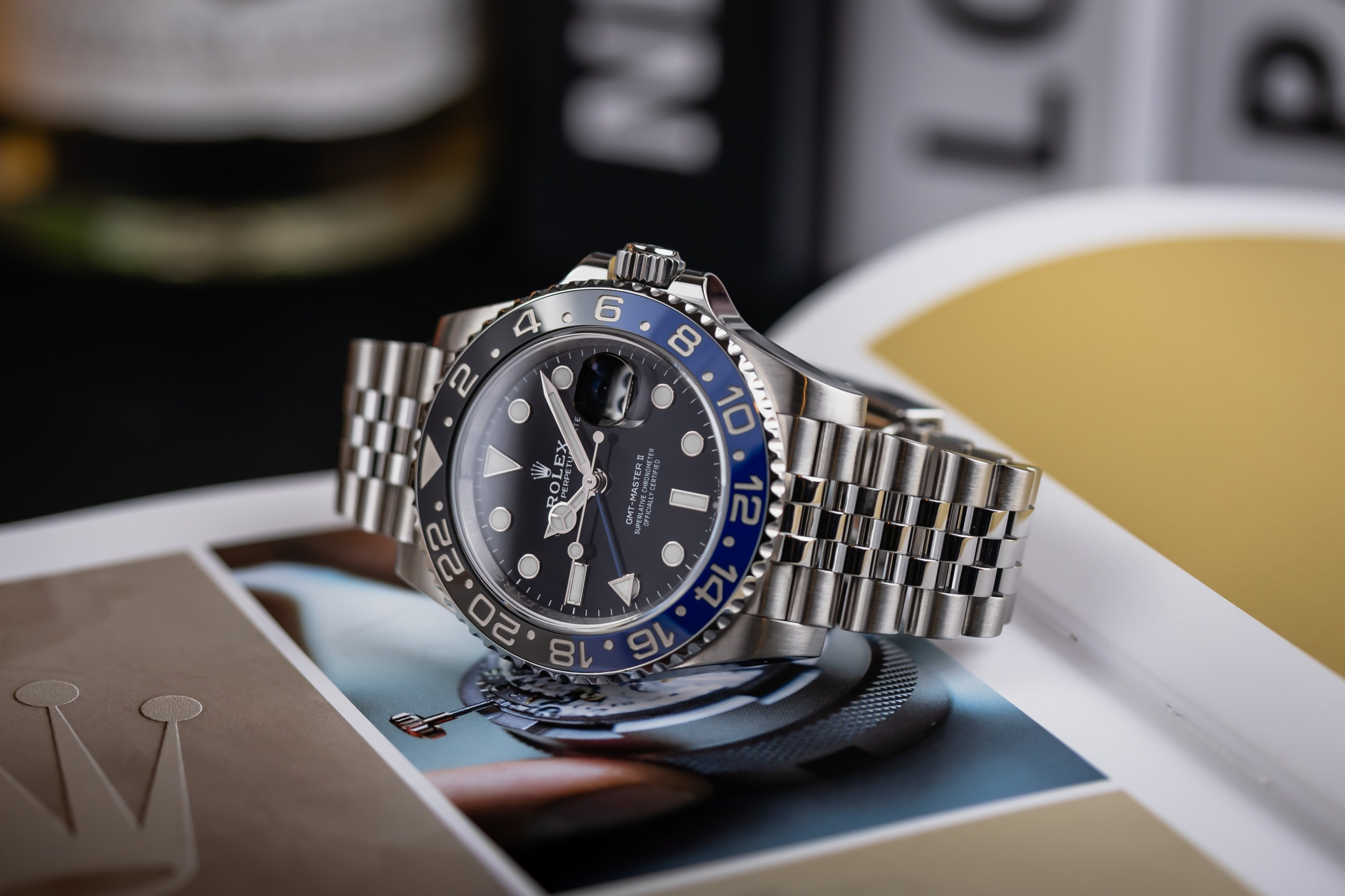
The Batman — named for its blue and black ceramic bezel — holds a particular place in collecting because of how Rolex handled its evolution. Is Batman Rolex discontinued? Yes, but with an interesting twist. The original reference on an Oyster bracelet was discontinued in 2019, with the colour combination moved to a Jubilee bracelet on the newer 126710BLNR reference.
This created an interesting dynamic. Collectors who preferred the sportier Oyster bracelet presentation now had to look to the secondary market, as the current production Batman only comes on Jubilee. That design decision created a collecting niche around the original Oyster version, with premiums developing for what's essentially a bracelet variation.
The Batman also represents Rolex's first two-tone ceramic bezel — a significant technical achievement when it launched. That "first generation" status adds historical significance beyond just the aesthetics.
Various Explorer references have been discontinued over the years, each with distinct followings. The 39mm Explorer I (214270) developed a loyal base amongst those who found the current 36mm too small and don't want to move up to a sports model. The 42mm Explorer II (216570) similarly has supporters who prefer its proportions over the current 40mm version.
These references matter less for dramatic appreciation potential and more for specific design preferences that current production doesn't satisfy. If you want a particular size or dial configuration that's no longer made, the discontinued reference becomes the only option.
Yes. Rolex discontinued the Submariner Hulk (reference 116610LV) in 2020.
The discontinuation matters because the Hulk's specific green-on-green colour combination hasn't been replicated in current production. Rolex introduced the 126610LV as a replacement, but it features a different shade of green on the dial and bezel, paired with a black dial on some variants. The Hulk's matching green dial and bezel was a unique design choice that defined the reference.
Key details about the Hulk:
Production period: 2010–2020 (exactly ten years)
Key features: Green Cerachrom bezel, green sunburst dial, 40mm case, Oyster bracelet
Why demand increased post-discontinuation: The bold all-green aesthetic became more appreciated over time, and the replacement model didn't offer the same look
When the Hulk was current production, it wasn't universally loved. The green was considered too bold by some buyers. That changed quickly after discontinuation, as collectors who'd been waiting suddenly realised the window had closed.
Condition variations significantly impact pricing on the secondary market. The difference between a well-worn Hulk and an unworn example with full documentation can be £2,000–£5,000, depending on service history and completeness of accessories. Original boxes, warranty cards, and purchase receipts add credibility and value when it's time to sell.
Choosing a discontinued Rolex as an investment requires looking beyond current market hype. The references that appreciate sustainably tend to share certain characteristics — and those characteristics aren't always the ones that generate the most social media attention.
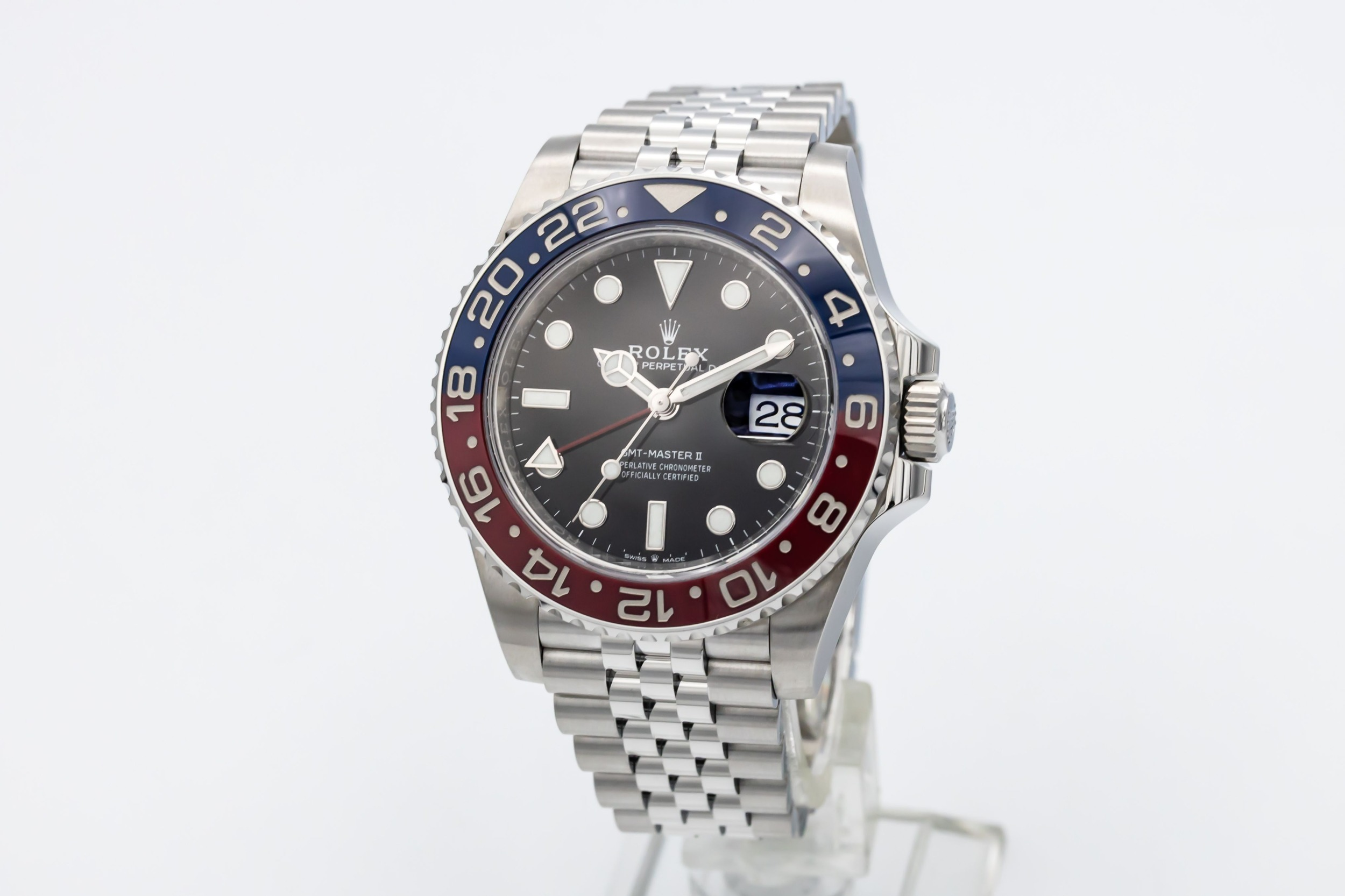
We've watched enough market cycles to recognise patterns. The Pepsi GMT-Master II in stainless steel, for instance, saw prices climb approximately 40% in six months following its 2026 discontinuation announcement, with unworn examples reaching £30,000–£45,000. That initial spike was driven by news cycle urgency. What happens after that surge settles tells you more about long-term value.
Historical data shows a predictable pattern: secondary prices spike immediately post-discontinuation, then settle into a correction period, followed by gradual appreciation as supply genuinely tightens. The Submariner Hulk followed this trajectory, with values climbing 10–15% immediately after discontinuation, then continuing to rise steadily as the available pool of unworn and well-maintained examples shrank.
What to verify before buying a discontinued Rolex:
Authenticity — Verification from someone with hands-on experience examining the specific reference
Condition and service history — Documented maintenance and original components significantly impact long-term value
Market demand — Evidence of sustained collector interest beyond short-term hype
Seller reputation — Established track record and willingness to stand behind what they sell
On the authenticity point, authenticating a Rolex properly requires more than just checking serial numbers. The specific details vary by reference and production era — bracelet codes, dial printing, movement finishing, case proportions. These details matter because sophisticated counterfeits exist, and buying a discontinued model means you're often dealing with watches that have been in circulation for years or decades.
Service history deserves careful attention too. A discontinued Rolex that's been properly maintained will hold value better than one with unknown or questionable service records. Original parts matter. Replacement dials, hands, or bezels — even if genuine Rolex components — can impact collectability and resale value. At The Diamond Box, we ensure every discontinued reference has documented maintenance history and verified original components.
The seller's reputation becomes crucial when you're making a significant purchase in the secondary market. Working with a reputable Rolex dealer in London means you're dealing with a family-run business with more than twenty years of established standing in London, providing complete recourse if any issues emerge. We've seen situations where buyers purchased discontinued references from other sources, only to discover problems months later with no path to resolution.
Market demand requires honest assessment. Some discontinued models appreciate because of genuine collector interest. Others see temporary price inflation driven by speculation or limited-time hype. The difference becomes clear over time, but you need to make the buying decision in the present. Looking at long-term price trends rather than recent spikes helps separate sustainable appreciation from temporary noise.
We've worked with discontinued Rolex references for more than twenty years. That time span matters because it means we've seen how specific models perform across full market cycles — not just during periods of growth, but through corrections and shifts in collector preferences too.
Our approach centres on helping you understand what you're considering before you commit. We don't manufacture urgency around discontinued models. The scarcity is real — production has genuinely stopped — but that doesn't mean every buying decision needs to happen immediately. Sometimes waiting makes sense. Sometimes a different reference serves your needs better. We'll tell you when that's the case.
What guides our work with discontinued Rolex models:
Verified authentication process — Every discontinued reference is examined thoroughly, with attention to the specific details that matter for that production era
Established reputation — More than two decades serving customers who return across major purchases and life milestones
Curated selection — We focus on discontinued models with documented provenance and proper service history
Transparent pricing — Our pricing reflects current market conditions and the specific condition of each watch
When you're looking at discontinued models, you're often making decisions that involve significant capital and long holding periods. The quality of guidance you receive at the point of purchase affects outcomes years later. We've built relationships with customers who come back when they're ready to sell, upgrade, or add to their collection — and that repeat trust comes from being honest about what makes sense for each person's specific situation.
At The Diamond Box, we stock carefully selected discontinued Rolex watches in UK alongside current production models. If you're considering a discontinued model as an investment or simply want to own a specific reference that's no longer made, we're happy to talk through what's available and what might suit your needs.
Does a discontinued Rolex make sense for what you're looking to achieve? That depends on your timeline, your preferences, and what you're willing to hold long-term. Happy to explore that with you.
Visit us in store for great service and to see our amazing collection.
114 Ballards Lane, N3 2DN, London 020 8838 3655