




When someone asks which Rolex is most in demand, they're rarely asking about the watch itself.
They're asking what everyone else wants. They're asking what carries status. They're asking what might appreciate in value whilst sitting unworn in a box.
I've watched this pattern play out across thousands of conversations over the past two decades. The Rolex demand conversation has shifted from "What do I love?" to "What can't I get?"
And that shift has changed everything about how people experience owning these watches.
Understanding Rolex Demand: The Scarcity Question Nobody's Asking
Rolex produces approximately 1.2 million watches annually. That's not a small number.
Yet certain models feel impossible to find whilst others, often equally well-made, sit available at authorised dealers without waitlists.
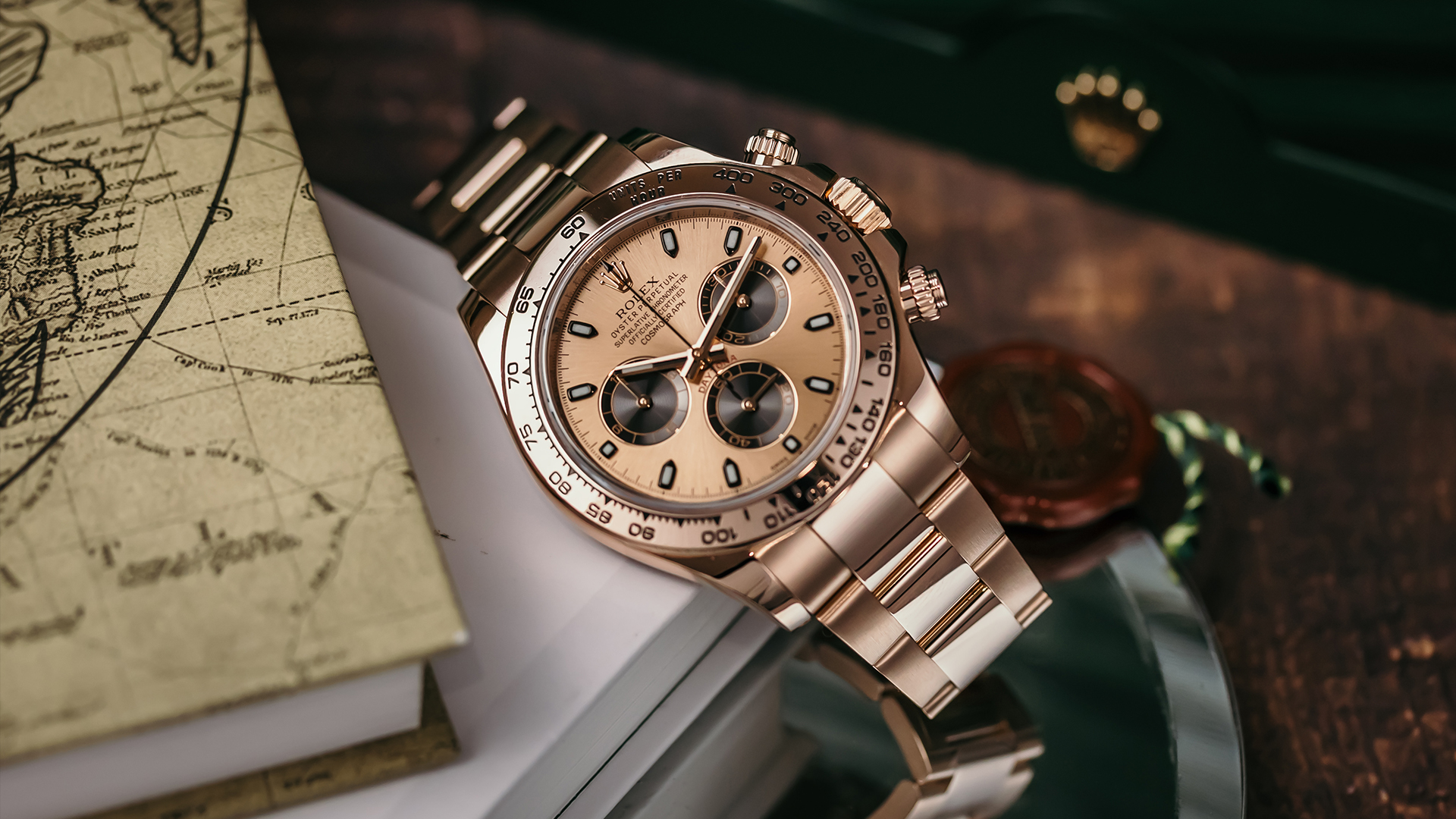
The Daytona accounts for only around 108,000 units annually. Meanwhile, over a quarter of Rolex's total production goes to DateJust models, which rarely trade above retail on the secondary market.
The gap reveals something important: production decisions shape what becomes genuinely scarce versus what appears scarce through controlled distribution.
I remember trying on a GMT-Master II years ago, back when it felt like just another solid Rolex. The watch didn't change. The production numbers didn't dramatically shift. But the conversation around it transformed completely.
What changed wasn't the watch. What changed was how many people suddenly wanted to be seen wanting it — drawn to the symbol of Rolex more than the timepiece itself.
How Demand for Rolex Watches Shifts With Cultural Moments
The Daytona wasn't always the ultimate grail piece.
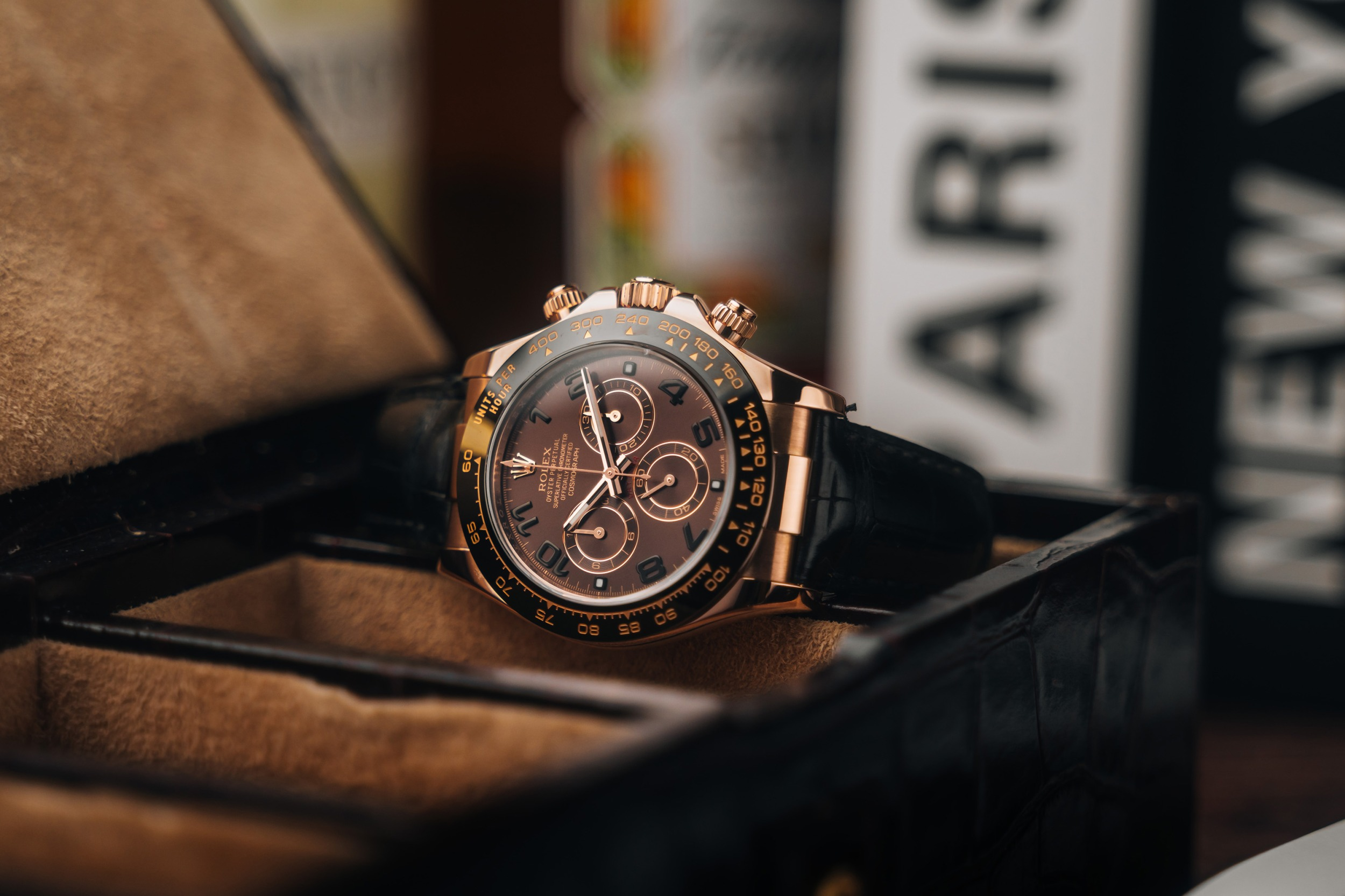
When it launched in 1963, it was a commercial failure. The model only became the scarcity play it is today after Paul Newman's watch rose in value and Rolex recognised that constraining production created a mystique that decades of marketing couldn't achieve.
I've seen this pattern repeat with other references. A celebrity wears a specific model. Social media amplifies it. Suddenly, a watch that sat quietly in display cases for years becomes "impossible to find."
The question worth asking: does that spike sustain, or does it fade once attention moves elsewhere?
Some references hold their appeal across generations. The Submariner has remained consistently desirable since the 1950s because its design serves a clear purpose and its versatility translates across decades — much like certain Rolex for women models that transcend trends through timeless design.
Other models become tied to specific cultural moments that don't translate forward. The hype feels real in the moment, but five years later, the conversation has moved on.
The Allocation Game Behind Rolex Watch Demand
Authorised dealers receive approximately 10-15 Daytonas per year despite thousands of requests.
The system functions as what the industry quietly calls "pay-to-play" — customers purchase high-margin jewellery and less desirable watches to build spend history. You're essentially buying your way to allocation rather than joining a chronological queue.
Someone wanting a Daytona often buys a Yacht-Master or DateJust first. Rolex captures sales it wouldn't otherwise make.
I've had customers tell me they spent £100,000 building a relationship with an authorised dealer, with £50,000 tied up in watches or jewellery they wouldn't have otherwise bought, just to secure a steel Daytona allocation.
That Daytona currently trades at £28,000-£38,000 on the secondary market — roughly double its £15,100 retail price. For those considering whether this makes sense as the best Rolex for investment, the mathematics become uncomfortable.
The mathematics become uncomfortable when you realise the grey market is often more cost-effective and dignified than playing the allocation game.
When Investment Thinking Drives Rolex Demand
When I first acquired my GMT-Master II "Batman," I kept it locked away.
I'd read forum posts about how the reference might be appreciated significantly. Every potential scratch felt like devaluing an asset. I took it out for special occasions, always carefully, as if I was preserving it for something.
After a few months, I realised I wasn't enjoying the watch. I was more focused on keeping it pristine than actually wearing it and appreciating it.
That's when I had to ask myself: why did I buy this watch? To keep it locked away as an investment, or to wear it and enjoy its presence on my wrist?
The shift towards financial motivations has altered how people engage with their watches, they become assets rather than adornments.
Industry experts suggest only 20% of luxury watches sold end up as profitable investments. Most luxury watches depreciate 3.6% annually on average, with the steepest drop occurring within the first 12-36 months after purchase.
Yet the investment narrative drives behaviour that fundamentally changes ownership. When you buy primarily for appreciation potential, the risk of wear becomes preservation anxiety. Pieces sit unworn in boxes rather than developing character through use.
The 2020-2022 Rolex Demand Bubble Nobody Talks About
Rolex Submariner prices exploded from stable historical levels to an extraordinary peak of £17,206 in March 2022.
They'd nearly doubled in less than two years. The Daytona reached an absolute peak of £53,911 in March 2022.
Then reality arrived. By December 2022, Submariner prices had plunged to £11,785. By June 2025, they'd settled around £13,426.
This dramatic correction reveals the difference between speculation-driven demand and genuine collector interest. The 2020-2022 surge was the anomaly, not the historical norm.
I watched customers who'd bought at peak prices struggle with the realisation that their "investment" had lost 30-40% of its value in months.
The ones who'd bought because they genuinely loved the watch? They kept wearing it. The value fluctuation didn't change their relationship with the piece.
The ones who'd bought primarily as an asset? Many sold at a loss, frustrated and disappointed.
Which Rolex Is Most in Demand — And Does It Deserve to Be?
Not all Rolex demand feels equally justified when you look at what the watches actually offer.
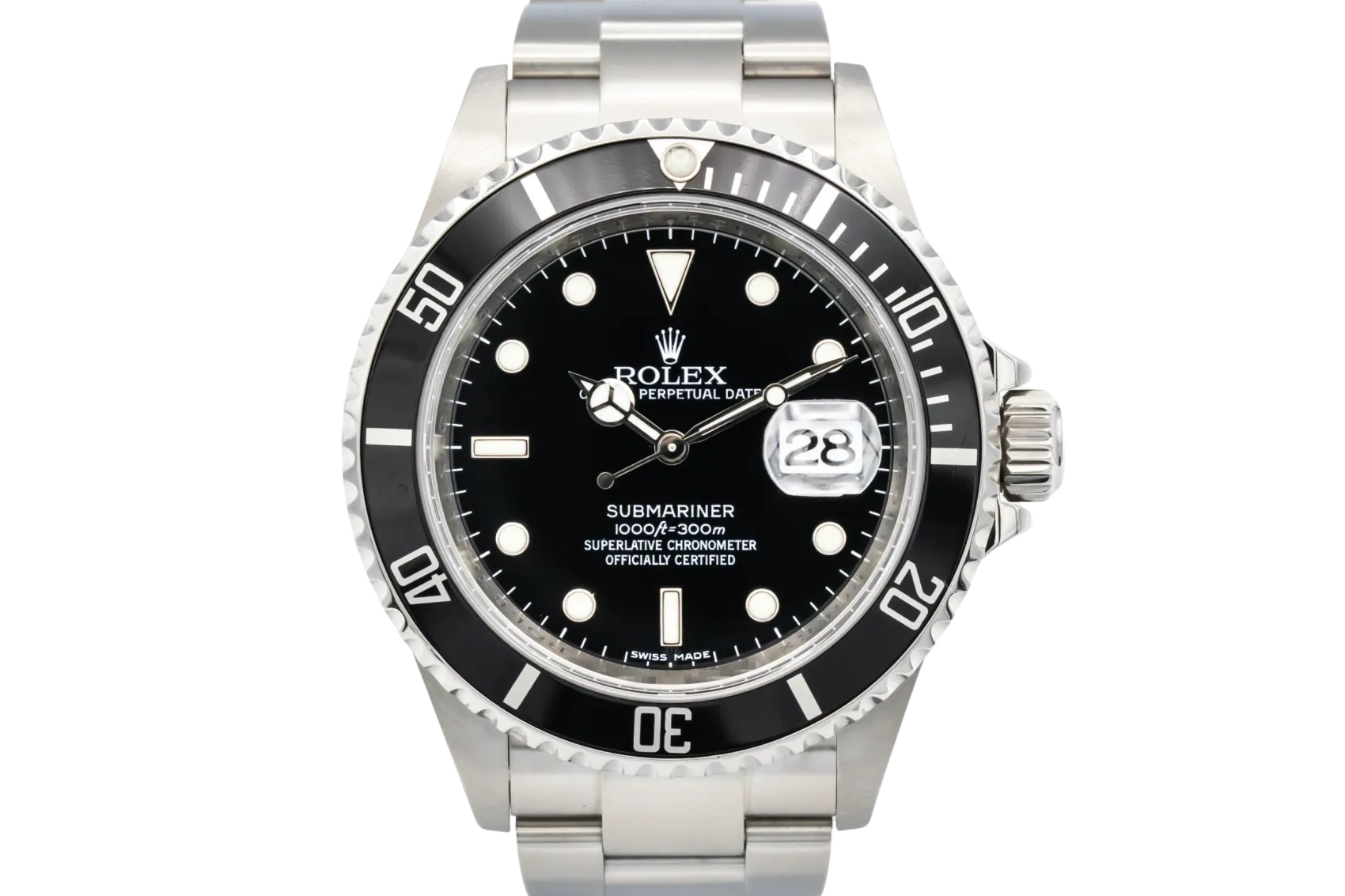
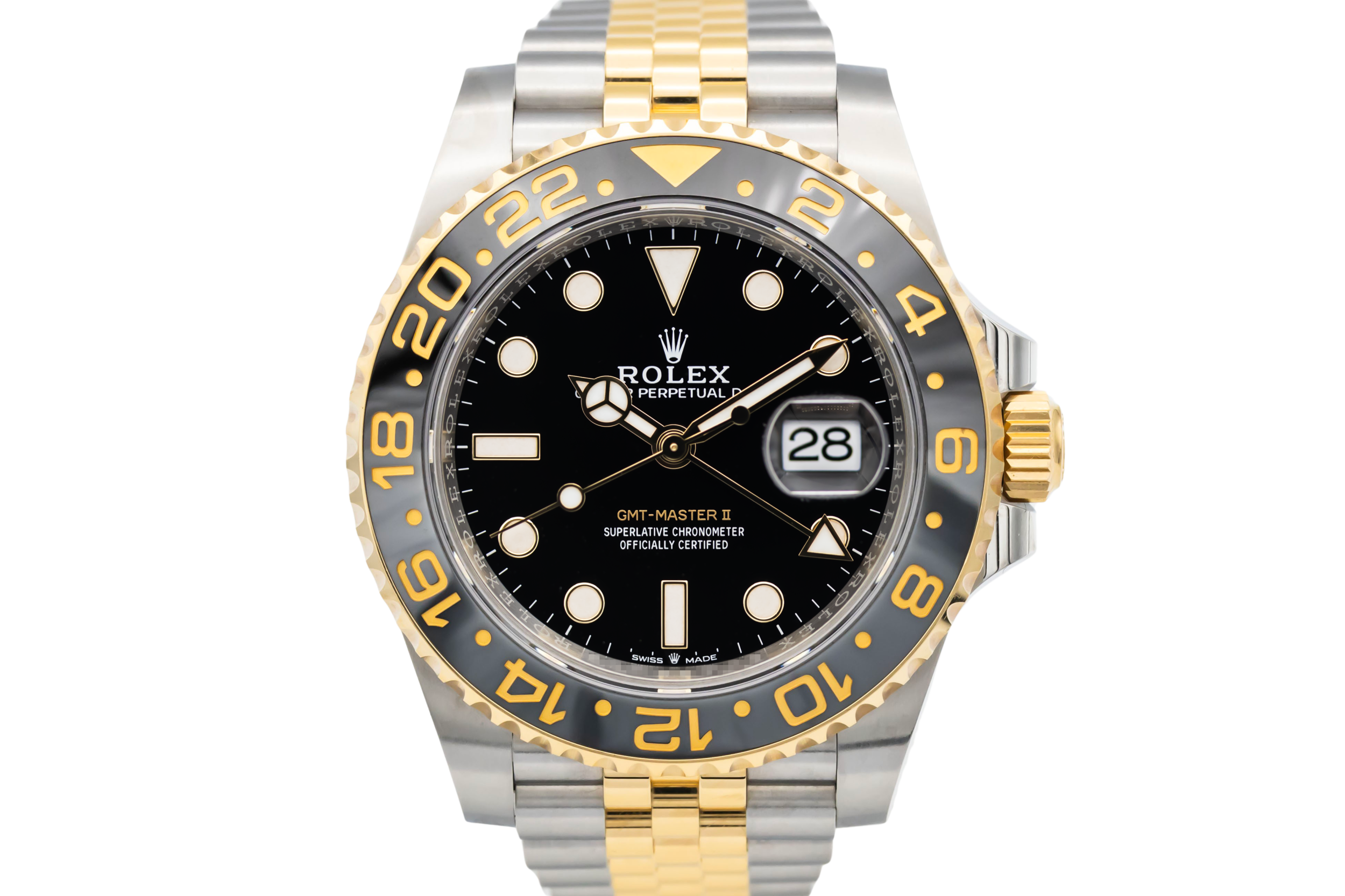
The Submariner, Daytona, and GMT-Master II genuinely deserve their high demand. They have longstanding legacy, functional complications, and clear historical connections to tools — dive watches, motorsport, aviation.
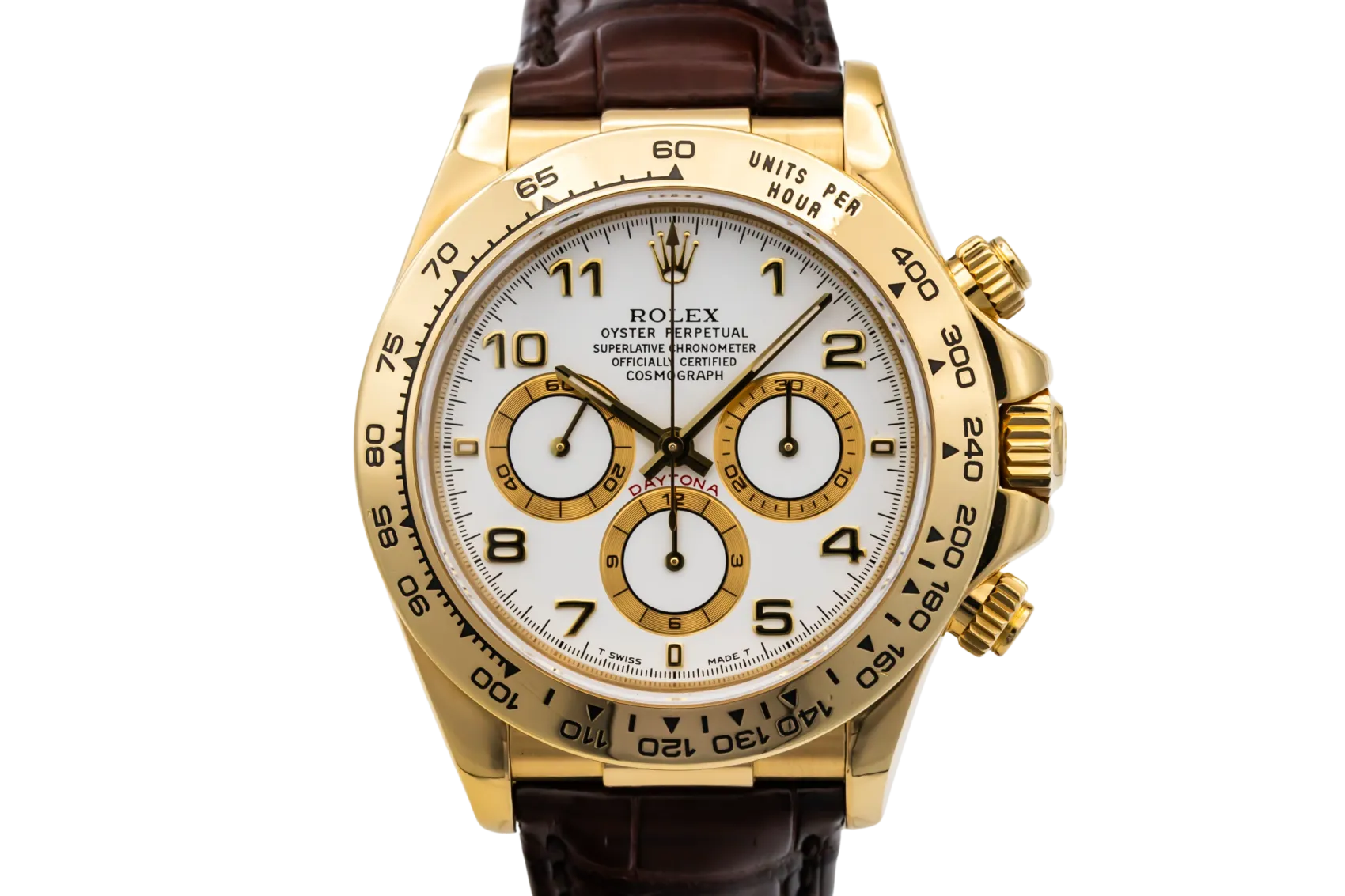
These models offer heritage, innovation, and utility wrapped in a luxurious package. They're not just status symbols. They're purpose-built instruments that happen to be beautiful.
Then you have models like the Oyster Perpetual and Air-King, where the hype feels disconnected from what the watch actually delivers.
The Oyster Perpetual is a solid, reliable Rolex. But its high demand seems more about the status of owning any Rolex rather than particular merits of the model itself. It's essentially a classic three-hand watch without the heritage, complications, or unique design features that other models offer.
The scarcity stems more from Rolex's general market control than from any intrinsic value of the model. It's a beautiful piece, but the hype feels more about the Rolex name than the specific watch.
Beyond the Most Demanded Rolex Models: What the Explorer Taught Me
I found myself drawn to the Explorer after that realisation with my GMT-Master II.
It's not flashy. It doesn't announce itself. It has a deep, purposeful design rooted in history — originally created to withstand harsh conditions of high-altitude climbs.
The Explorer was designed for function. It's built to do one thing well: tell the time, reliably, under any circumstances.
This simplicity cuts through all the noise of the more hyped-up models.
When I tried on a Daytona in person, something felt off. The proportions felt too bulky for my wrist. The chronograph feature wasn't something I was truly drawn to for everyday use.
I'd built up this idea that the Daytona was the watch to own — not because I loved every feature, but because it was always mentioned in conversations. When I actually wore it, I realised I wasn't fully in love with it.
It was the concept of owning the in-demand Rolex that had appealed to me, not the actual watch itself.
A conversation with an older collector sealed it. He told me: "When I was younger, I always wanted the Daytona. When I finally got it, I realised it wasn't what I was after. I just wanted it because everyone else wanted it."
Two Different Approaches to Rolex Watch Demand
I've noticed a clear distinction in watch communities between those who gravitate towards quieter models and those chasing high-demand pieces.
The Explorer crowd values understated elegance, functionality, and heritage more than status. They appreciate craftsmanship and historical significance rather than current scarcity or media attention.
They want watches that blend into everyday life. They're not interested in making a statement with their wristwear — it's about personal connection.
The Daytona and Submariner crowd often gravitates towards these watches because of status, exclusivity, and collectibility. They value scarcity and market demand. These watches are seen as symbols of success and achievement.
There's often a strong financial motivation in this group. They see these watches not just as timepieces, but as assets that will likely appreciate over time.
Neither approach is wrong. But recognising which group you're in — and why — matters more than people admit.
What Wait Times Reveal About Current Rolex Demand
Recent data shows Rolex wait times have significantly decreased from their peak.
The Submariner dropped from 105 days in 2023 to 60 days in 2024. The GMT-Master II fell from 180 days in 2022 to around 90 days in 2024. The Explorer saw wait times plummet by 66%, from 90 days to just 31 days.
For steel Daytonas? The reality remains 5-10+ years for VIP clients, with many buyers never receiving the call at all.
The "waitlist" for most authorised dealers isn't chronological. It's a soft hierarchy based on past history and perceived loyalty, which is why working with a reputable Rolex dealer in London who operates transparently matters more than simply finding the lowest price.
After Rolex reduced production from 1.24 million units in 2023 to 1.18 million in 2024, revenues still grew from CHF 10.1 billion to CHF 10.58 billion. Revenue growth achieved through higher average prices rather than volume expansion.
This represents a deliberate shift from volume growth to pricing power preservation.
The DateJust Surprise: Overlooked in Demand for Rolex Watches
Here's something that challenges the demand narrative: the DateJust collection led in total sales volume with 14.3% year-over-year growth in 2025.
It also appreciated approximately 6% in value during the same period.
This dual performance, volume growth and value appreciation, positioned the DateJust as both a market leader and compelling category. Yet it's often overlooked in hype-driven conversations, despite being readily available amongst Rolex watches in UK dealer inventories.
Accessible doesn't mean undesirable.
Questions Worth Asking Before Chasing the Most Demanded Rolex Models
If you're drawn to a specific Rolex because of its demand and scarcity, here's what I'd want you to consider:
Am I drawn to this watch because of its status, or because I genuinely like its design and purpose?
If your primary reason is prestige, you may end up with a model that doesn't connect with you on a deeper level. That disconnect leads to disappointment down the road.
What do I actually want this watch to do?
If you're not going to dive with your Submariner or travel frequently with a GMT-Master II, you might find that a different model, or even a different brand, suits you better.
Am I ready for the uncertainty and long wait times?
If you're not emotionally prepared for the wait, you might find yourself disappointed or resentful once you finally get the watch. This is especially true if your desire was rooted in status rather than personal connection to the design.
What specifically about this model excites me beyond the brand name?
Buying a watch for the right reasons means you'll appreciate it for its craftsmanship, design, and functionality long after the status fades.
Does that sound right for you?