






Quick Summary
The Rolex waiting list is not a single global queue. Each authorised dealer manages their own interest list with no standard process or guaranteed timeline. Wait times vary from weeks to years depending on the model, your purchase history, and dealer relationships. In 2026, the market has normalised compared to 2019-2021, with shorter waits for many models though Daytonas and steel sports watches remain difficult. Pre-owned and grey market options offer immediate access without the wait.
The Rolex waiting list remains one of the most misunderstood parts of buying a luxury watch. After more than two decades working with buyers, we have seen how confusion about the process leads to frustration and poor decisions.
This guide explains how the waiting list works, what has changed in 2026, and the alternatives available when waiting no longer makes sense for you.
What You Need to Know About Rolex Waiting Lists
-
There is no centralised Rolex waiting list. Each authorised dealer maintains their own interest records with different criteria.
-
Purchase history heavily influences your chances. Dealers prioritise customers who have spent significant amounts with them previously.
-
Wait times range from weeks to five years depending on the model, with Daytonas being the most difficult to secure.
-
The market has improved since 2021. Many models now have shorter waits, and grey market premiums have shrunk or disappeared.
-
Pre-owned and grey market routes provide immediate access without relationship requirements or uncertain timelines.
Why Rolex Waiting Lists Vary So Much Between Models
Rolex waiting times vary significantly because not all watches are produced in the same quantities. Steel sports models such as the Submariner, GMT-Master II and Daytona receive exceptionally high global demand while remaining tightly allocated to authorised dealers. Precious metal models are produced in lower volumes, and platinum references sit at the very lowest production tier.
Rather than operating a single production schedule across the catalogue, Rolex carefully balances manufacturing capacity against long-term exclusivity. This means two customers visiting the same authorised dealer on the same day may experience completely different waiting periods depending on the model they request.
Waiting times also depend on production volumes, global demand, and the popularity of individual references. Stainless steel professional models such as the Daytona, GMT-Master II and certain Submariner references are produced in far lower numbers than demand requires, while some Datejust and Oyster Perpetual configurations may become available more quickly. Local demand also plays a role, meaning waiting times can vary significantly between authorised dealers across the UK.
What Is the Rolex Waiting List?
The most important thing to understand is that there is no centralised global Rolex waiting list. What exists is a collection of individual interest lists managed by each authorised dealer, with no coordination between them and no standardised process.
When you express interest in a particular model at an authorised dealer, they note your details. This is not a queue in the traditional sense. It is not first-come, first-served, and there is no guaranteed timeline for when your name might reach the top.
Think of it as a record of interest that the dealer uses to allocate watches when they arrive. How they decide who gets called first depends entirely on their own criteria, and that is where things become less straightforward than many buyers expect.
Why Scarcity Exists
Rolex limits production deliberately. This is not a supply chain problem that will resolve over time. The scarcity is strategic, designed to maintain brand positioning and desirability. According to industry analysis, Rolex produced 1.24 million timepieces in 2023, yet demand still outstrips supply for specific models. The company operates highly automated facilities and could increase production by 20 to 30 per cent without compromising quality, but doing so would dilute the scarcity that drives pricing power.
Understanding this helps set realistic expectations. The list exists not because Rolex cannot make enough watches, but because they have chosen a model where controlled scarcity is part of the brand architecture.
Bottom line: The waiting list is managed individually by each dealer with no standard process, and scarcity is a deliberate brand strategy rather than a production limitation.
Rolex Production Strategy and Controlled Supply
Rolex deliberately controls supply rather than simply producing as many watches as possible. The company owns much of its manufacturing process, giving it exceptional control over quality, production volumes and distribution.
Instead of flooding the market, Rolex carefully allocates watches to authorised dealers worldwide. This strategy protects long-term desirability, resale values and brand prestige. While Rolex manufactures well over one million watches annually, production remains significantly below worldwide demand for its most sought-after references.
How to Get on a Rolex Waiting List
If you are wondering how to get on a Rolex waiting list, the first step is straightforward. Walking into an authorised dealer and expressing interest costs nothing and requires no commitment. Whether that translates into receiving a watch is a different matter entirely.
Here is what influences your position, based on what we have observed across the industry:
Building a genuine relationship with an authorised dealer can improve your overall experience, although there are no guarantees of receiving a particular model. Being flexible with dial colours, bracelet options or case materials may also increase your chances of receiving an allocation sooner than buyers seeking only one highly sought-after configuration.
What Influences Your Position on the List
While no authorised dealer can guarantee an allocation, there are several factors that may improve your chances over time.
Factors that may influence your position include:
- Your purchase history with the authorised dealer.
- Availability of your chosen model, dial and bracelet combination.
- Current demand for the specific Rolex reference.
- The number of allocations received by that retailer.
- Flexibility if you're open to alternative configurations.
- Regional demand, which varies between authorised dealers.
How Authorised Dealers Prioritise Customers
Although many buyers believe Rolex controls waiting lists directly, allocation decisions are made by individual authorised dealers. Each dealer receives a limited allocation of watches and decides which customer receives each piece.
Several factors commonly influence these decisions:
• Previous purchase history
• Existing relationship with the retailer
• Local customer demand
• Availability of specific references
• Whether the customer is considered a long-term collector
This explains why two buyers can receive very different outcomes despite registering interest at similar times.
Rolex Waiting List UK & What Buyers Should Expect
The Rolex waiting list UK market carries its own dynamics. Demand here is immense, particularly in London, where competition for popular models intensifies considerably. For buyers seeking Rolex watches in the UK markets, understanding these regional patterns becomes essential.
UK Market Characteristics
Certain models face exceptionally long waits in the UK. The Submariner and Daytona remain the most challenging to secure through authorised dealers. In larger cities, where foot traffic and customer bases are higher, dealers receive more requests than they can possibly fulfil, even with regular allocations.
Regional differences exist. Smaller towns or less prominent dealers sometimes have shorter lists simply because fewer people know to ask there. Allocations to these dealers are often smaller as well, which limits the advantage.
What we have noticed over the years is that UK buyers often underestimate how relationship-dependent the process has become. The days of walking into any authorised dealer and leaving with a steel sports model ended years ago. The market adjusted, and so did dealer behaviour.
For buyers in the UK specifically, understanding that patience here often means years, not months, helps set realistic expectations. The alternative routes, pre-owned or grey market, have become increasingly viable as a result.
Key insight: UK wait times for popular models typically extend to years rather than months, making alternative purchase routes increasingly sensible for most buyers.
|
Factor |
UK Market |
Other Markets |
Impact |
|---|---|---|---|
|
Demand Density |
Very High (London focus) |
Medium–High |
Longer wait times in UK |
|
Grey Market Activity |
Strong |
Varies |
Pushes AD demand higher |
|
AD Competition |
High |
Moderate |
Reduced allocation chances |
|
Availability of Sports Models |
Limited |
Slightly better in some regions |
UK often more restrictive |
Why UK Rolex Availability Differs from Other Markets
Rolex demand across the UK is not evenly distributed. London is one of the world's largest luxury watch markets, attracting buyers from across the UK and overseas. This creates intense competition at authorised dealers, particularly for highly sought-after sports models.
Although Rolex distributes watches globally, allocations do not automatically increase in markets with higher demand. As a result, UK buyers, particularly those purchasing in London, often experience longer waiting times than buyers in less competitive regions.
Rolex Daytona Waiting List: Why It’s So Tough
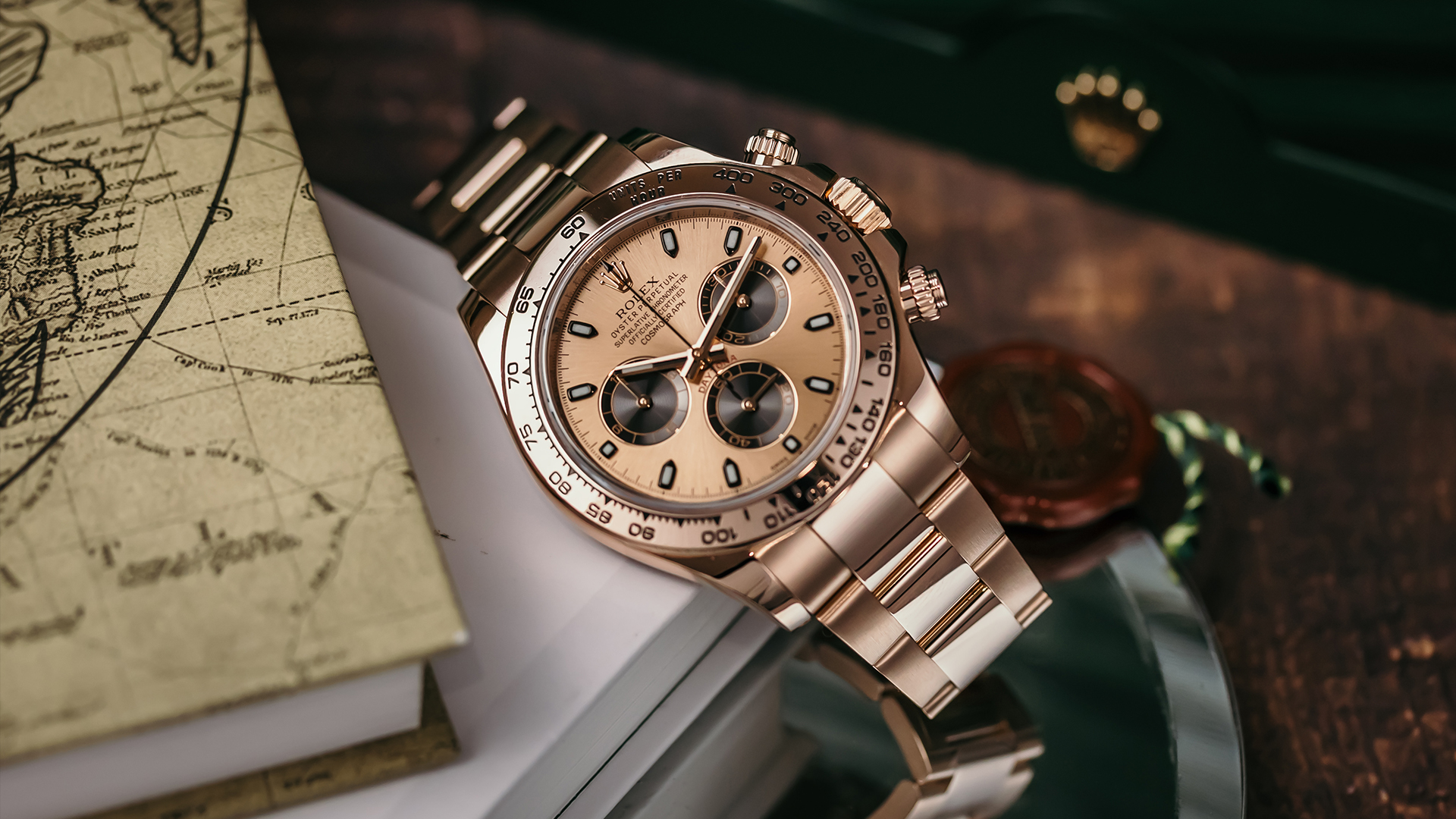
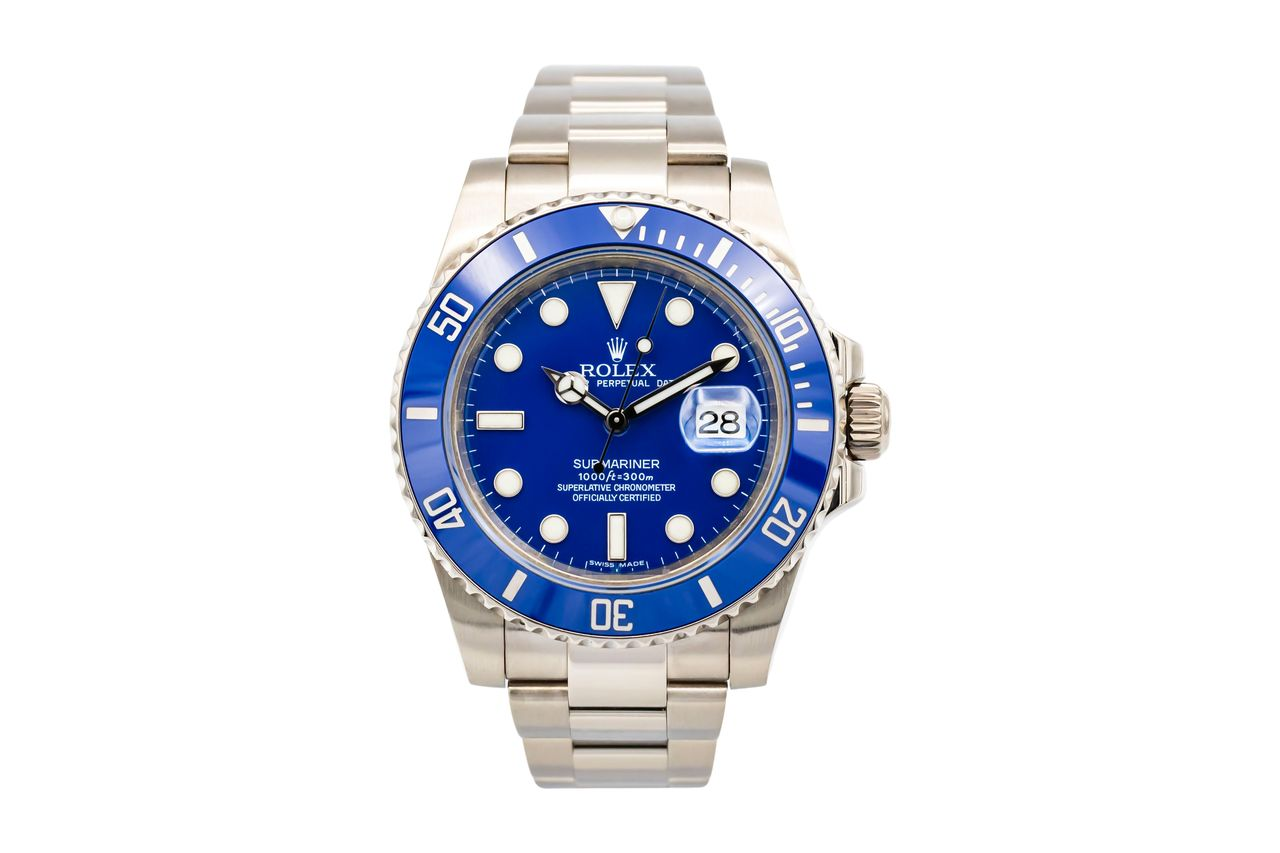
The Rolex Daytona waiting list occupies a special place in the Rolex conversation. The Daytona is not simply difficult to get, it has become the symbol of the entire waiting list phenomenon.
The Daytona consistently attracts some of the highest demand in the luxury watch market. Limited production, strong collector interest and exceptional resale values mean demand continues to outstrip supply worldwide. As a result, many buyers explore the reputable pre-owned market rather than waiting several years for a retail allocation.
Why the Daytona Is Different
Rolex demand for the Daytona far exceeds what Rolex produces. The model's iconic status, its association with motorsport heritage, and its presence in popular culture have made it one of the most desirable watches in the world. Everyone wants one. Very few get one.
According to Chrono24's analysis, wait times for stainless steel and gold Daytona models range from one and a half to three years. For versions with smaller production runs, such as the ice blue dial platinum case, waits can extend to five years. A dealer might receive around 40 Submariners per year but only one or two platinum Daytonas.
The prestige attached to owning a Daytona amplifies the challenge. It is not only about the watch itself. It is about what securing one signals, that you have either built a strong relationship with a dealer or found another way to access a highly restricted product.
We have watched people spend years cultivating dealer relationships specifically to get a Daytona. Some succeed. Many do not. The question worth asking is whether that investment of time and effort aligns with what you want from the experience of buying a watch.
Reality check: Daytona wait times range from 18 months to five years, with steel versions being nearly impossible to secure without significant prior purchase history.
Platinum Daytona vs Steel Daytona Scarcity Gap
Although both models are extremely difficult to obtain, the reasons differ.
The stainless steel Daytona combines relatively accessible retail pricing with enormous worldwide demand, making it the most requested Daytona reference.
The platinum Daytona, meanwhile, is manufactured in significantly lower numbers. Demand is lower because of its higher retail price, but production is even lower, making genuine availability exceptionally limited.
Both sit at the very top of Rolex's scarcity hierarchy, but for different reasons.
|
Factor |
Importance Level |
How It Affects Allocation |
|---|---|---|
|
Purchase History |
Very High |
Primary factor for sports models |
|
Relationship with AD |
High |
Long-term clients prioritised |
|
Model Demand |
High |
Hot models restricted further |
|
Geographic Demand |
Medium |
City-based allocation pressure |
|
Timing & Availability Cycles |
Medium |
Stock arrives unpredictably |
Which Rolex Has the Shortest Waiting List?
|
Tier |
Rolex Model Group |
Demand Level |
Waiting List Difficulty |
Notes |
|---|---|---|---|---|
|
Tier 1 |
Daytona (Steel & Platinum) |
Extreme |
Very long |
Lowest allocation rate, highest demand |
|
Tier 1 |
GMT-Master II (Pepsi / Batman) |
Very high |
Very long |
Strong AD restriction |
|
Tier 2 |
Submariner Date |
High |
Long |
Entry-level sports model |
|
Tier 2 |
Sky-Dweller |
High |
Moderate–Long |
Complex movement limits supply |
|
Tier 3 |
Datejust (Steel/Two-tone) |
Medium |
Short–Moderate |
Often available in select configs |
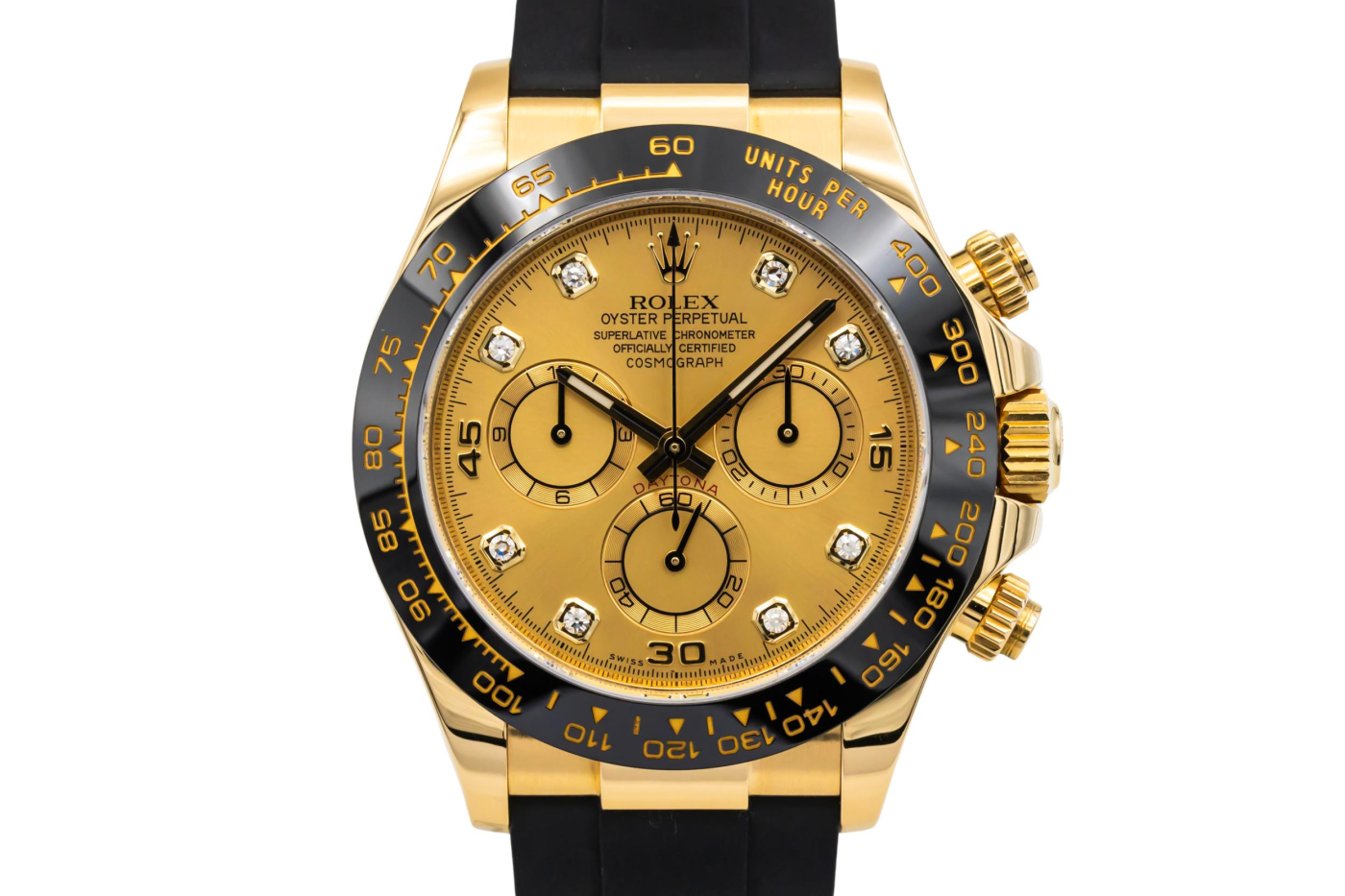
Not all Rolex models carry the same weight of demand. If you are asking which Rolex has the shortest waiting list, understanding the answer can help you make more informed decisions.
Models With Better Availability
The Oyster Perpetual and Datejust typically have shorter waiting lists. These models do not carry the same hype as the sports watches, and their designs appeal to a different segment of the market. Simpler aesthetics and broader availability mean dealers can fulfil requests more readily.
Precious metal versions of popular models are often more accessible. A gold Submariner or Daytona is easier to get than its steel counterpart. The higher price point naturally reduces demand, and Rolex allocates these models differently.
Ladies' models and smaller sizes face less competition. If your wrist size and preferences allow for it, exploring these options can bypass much of the waiting list frustration entirely.
What we have seen over the years is that people often fixate on the most hyped models without considering whether they are the best fit. A Datejust might suit your needs perfectly and be available within weeks rather than years. The question is whether you are buying for yourself or for the market's perception.
Practical advice: Oyster Perpetual, Datejust, precious metal versions, and ladies' models typically have waits measured in weeks or months rather than years.
Which Rolex Models Have the Longest Waiting List in 2026
The Rolex Daytona continues to have the longest waiting list in 2026, particularly in stainless steel. Close behind are the GMT-Master II "Pepsi" and "Batman" references, followed by the Submariner Date and Sky-Dweller.
These models combine exceptionally strong worldwide demand with limited authorised dealer allocations, making them some of the hardest Rolex watches to purchase at retail. Buyers seeking shorter waiting times often have greater success with Datejust, Oyster Perpetual and selected precious metal references.
Are Rolex Waiting Lists Getting Shorter in 2026?
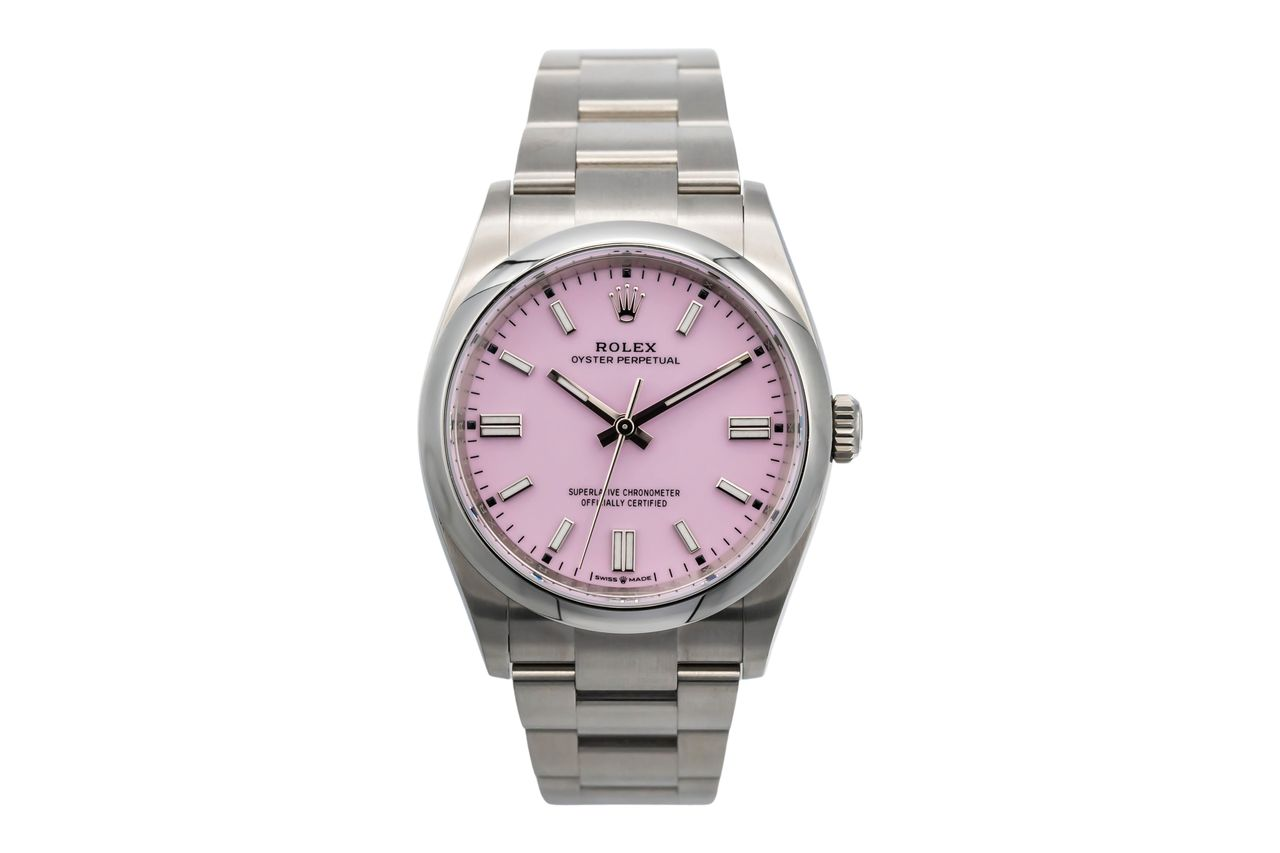
A common question we hear is: are Rolex waiting lists getting shorter? The market has shifted noticeably since the peak frenzy of 2019 to 2021. Wait times for many models have improved, though not uniformly across the range.
How the Market Has Changed
The middle of the catalogue has opened up. According to recent market analysis, the expected wait time for a standard black Submariner or Submariner Date has decreased significantly since 2021. Two years is probably the longest you would wait from a typical authorised dealer, and an increasing number of collectors report getting them within weeks or months.
The hardest pieces remain difficult. Daytonas, especially in steel, still carry long waits. The most sought-after references have not become easier to access, but the perception that everything is impossible to get has started to fade.
Why Wait Times Have Improved
Several factors have contributed to this normalisation. The pandemic-era surge in luxury watch demand has cooled. Supply chain disruptions have eased. The grey market premiums that once made buying from authorised dealers feel like the only affordable option have collapsed for many models. Some references now sell below retail on the secondary market, particularly solid gold pieces.
What we are seeing in 2026 is a healthier market than we had three years ago. The sense of permanent shortage, of being locked out unless you pay a premium, is fading. For buyers willing to be flexible on model or dial colour, options exist that did not a few years ago. Those considering long-term value may also find our article, The 2026 Rolex Pricing Shift: What We've Learned Watching the Market Stabilise, helpful, as it explains how recent market changes have affected Rolex pricing and availability.
Does that mean the waiting list is disappearing? No. The landscape has shifted in ways that create more pathways to ownership.
Market update: Wait times have improved considerably for mid-range models since 2021, though steel Daytonas and top-tier sports watches remain challenging to secure.
Impact of Grey Market and AI Overviews on Demand Perception
The way buyers research Rolex watches has evolved significantly. More customers now compare authorised dealer availability with trusted pre-owned specialists and grey market retailers before making a purchase.
AI-powered search experiences also provide buyers with quicker answers about availability, pricing and waiting times, increasing awareness of alternative purchasing routes. This shift has encouraged more collectors to prioritise immediate availability over joining lengthy waiting lists.
Alternatives to Waiting: Grey Market and Pre-Owned Options
The waiting list is not your only option. For many buyers, exploring alternatives makes more sense than spending years hoping for a call that may never come.
Grey Market Purchase Route
Pre-owned specialists and the wider secondary market can provide immediate access, though pricing varies. Grey market dealers source watches from authorised dealers or private sellers and sell them without being official Rolex retailers. After recent price increases, the premium over retail has shrunk considerably for many models. Some even sell below MSRP, particularly in gold.
According to industry reporting, purchasing from a reputable grey market dealer now makes sense for clients who do not want to play the authorised dealer game. The delta between grey market pricing and retail has notably shrunk or disappeared entirely for certain references.
Pre-Owned Purchase Route
Buying a pre-owned Rolex provides another viable path. A well-maintained pre-owned piece from a reputable dealer gives you immediate ownership, often at a price that reflects real market value rather than inflated premiums. You avoid the waiting list entirely and gain access to models that may no longer be in production.
Due Diligence Required
Both routes require careful vetting. Authenticity concerns are real, and the market contains enough questionable operators that due diligence matters. Working with established dealers who offer proper documentation, servicing history, and guarantees protects you from costly mistakes.
What we have seen over two decades is that many buyers who initially insisted on buying new from an authorised dealer eventually realised that a pre-owned or grey market purchase gave them what they wanted: the watch itself, without the performance required to access it through official channels.
The question worth asking is what matters more to you: the experience of buying from Rolex directly, or wearing the watch you want without the wait.
Straightforward choice: Grey market and pre-owned routes provide immediate access without relationship requirements, often at prices comparable to or below retail.
Rolex Grey Market Premiums in 2026
Grey market premiums continue to vary depending on the model. Highly sought-after references such as the stainless steel Daytona and GMT-Master II generally continue to command prices above retail because immediate availability remains highly desirable.
Meanwhile, many Datejust, Oyster Perpetual and precious metal references now trade much closer to, or even below, official retail prices. Buyers should always compare current market values before making a purchase, as premiums continue to fluctuate with demand.
How The Diamond Box Helps You Avoid the Rolex Waiting List
We have spent more than 20 years watching how the Rolex market works. We have seen the waiting lists grow, the premiums spike, and the frustration build for buyers who want clarity and a fair transaction.
Our approach is straightforward: we maintain a curated selection of pre-owned Rolex watches that you can access today. No waiting. No relationship-building requirements. No uncertainty about whether you will ever receive a call.
Every piece we offer has been thoroughly vetted for authenticity. We provide full transparency about condition, servicing history, and provenance. You are not navigating the grey market alone or hoping a dealer's word is trustworthy. You are working with a family-run business that has built its reputation on protecting customers over decades.
We recognise that buying a Rolex is a significant decision. Whether it is your first or your fifth, the process should feel considered, not rushed. We take the time to understand what you are looking for, explain your options clearly, and help you think through what makes sense for your situation.
If you prefer to pursue the authorised dealer route, we respect that. If you are tired of waiting, or if the games required to access certain models do not sit right with you, we offer a different path, one built on clarity, experience, and the kind of trust that only comes from doing this work properly as a reputable Rolex dealer in London for more than 20 years.
Frequently Asked Questions
How long is the Rolex waiting list in 2026?
Wait times vary by model. Entry-level models like the Oyster Perpetual or Datejust may take weeks to months. Popular sports models like the Submariner typically range from several months to two years. The Daytona, especially in steel, can require 18 months to five years depending on your purchase history with the dealer.
Is there an official Rolex waiting list I can join?
No. There is no centralised global Rolex waiting list. Each authorised dealer maintains their own interest records independently, with different criteria and no standardised process.
Does buying other Rolex watches help me get a Daytona faster?
Yes, in most cases. Dealers prioritise customers with significant purchase history. Building a relationship through multiple purchases of other models or high-value jewellery improves your position, though it does not guarantee you will receive the model you want.
Can I join multiple Rolex waiting lists at different dealers?
Yes. Because each dealer manages their own list independently, you can register interest at multiple authorised dealers. This increases your chances of receiving a call, though it still provides no guarantee.
Why has the Rolex Daytona become so hard to get?
The Daytona combines iconic status, motorsport heritage, and cultural prestige, making it one of the most desired watches globally. Rolex deliberately limits production to maintain exclusivity. A dealer might receive 40 Submariners per year but only one or two platinum Daytonas, creating extreme scarcity for the most popular versions.
Are grey market Rolex watches authentic?
Grey market watches are authentic Rolex timepieces sourced outside official retail channels. The risk lies in verifying authenticity and condition. Reputable grey market dealers provide documentation and guarantees, but due diligence is essential to avoid counterfeits or misrepresented pieces.
Is it worth waiting for a Rolex from an authorised dealer?
That depends on your priorities. If you value the experience of buying new from Rolex directly and have time to wait, the authorised dealer route may suit you. If you want the watch now without relationship requirements or uncertain timelines, pre-owned or grey market options provide immediate access, often at comparable or lower prices.
Which Rolex models are easiest to buy in 2026?
The Oyster Perpetual and Datejust typically have the shortest waits. Precious metal versions of popular models are more accessible than steel. Ladies' models and smaller case sizes face less competition. These options often become available within weeks or months rather than years.