By Grace ·
posted on 24th April 2026




 follow us
TL;DR Selling a Rolex depends on timing, condition, and your specific model. The market has normalised to pre-2020 levels. Steel sports models (Submariner, Daytona, GMT) hold value best. Condition and documentation affect value by 30-50%, far more than market timing. Keep your watch original, maintain complete documentation, and work with reputable dealers like The Diamond Box for fair valuations. The best time to sell depends on your model's demand and your personal circumstances, not perfect market timing.
Best time to sell: When demand for your specific model aligns with favourable conditions. Spring, pre-holiday periods, and 4-6 weeks before price increases create opportunities.
Key value factors: Condition (30-50% impact), documentation (15-20% boost), model type (steel sports models command premiums), and originality (modifications reduce value by up to 40%).
Where to sell: Established dealers offer transparency, authentication, and security. Private sales carry higher risk. Auction houses suit rare vintage pieces.
Submariner pricing: Current models trade £9,000-£14,000. Discontinued Hulk reaches £22,000-£26,000. Vintage references with rare features command £15,000-£50,000+.
Market context: Rolex prices have normalised after pandemic highs. Waiting for 2021 prices means waiting for conditions that won't repeat.
Should I sell my Rolex? It's a question we hear almost every day at The Diamond Box. Someone owns a Rolex they've worn for years, maybe even decades. They're not sure if now is the right moment. The market feels uncertain. Prices have shifted. They want clarity.
The decision to sell isn't straightforward. It depends on market conditions, the specific model you own, how well you've maintained it, and what you're hoping to achieve. Timing plays a role, but so does condition, documentation, and understanding what drives value in the secondary market. Some Rolex owners sell because they need the money. Others because they've stopped wearing the watch. Some want to move into a different piece.
What we've learnt over more than 20 years at The Diamond Box is this: the right time to sell depends less on predicting market peaks and more on understanding what your watch is worth, why it holds that value, and whether selling aligns with where you are now.
When you're asking yourself how much can I sell my Rolex for, the answer depends on several factors. Two identical Rolex models from the same year with the same reference number yield different payouts. Sometimes the gap is 30% or more. Understanding value drivers is part of a broader Rolex investment guide approach.
Understanding what affects value helps you know what to expect and how to protect the worth of your watch before you sell.
The key factors that impact your Rolex's payout include:
Condition: Scratches on the case, bracelet wear, missing links, or functional issues reduce value by 15-30%. A watch in excellent condition with minimal wear commands higher prices. Condition grading is the most significant factor affecting appraisal value. Differences in condition result in a 30-50% price gap for identical models.
The model: Steel sports models (Rolex Submariner, Daytona, GMT-Master II) hold value best and often trade above retail due to scarcity and demand. Vintage models with historical significance or rare dial variations command premiums. Less popular dress watches (Cellini, some two-tone Datejusts) face lower demand and sell closer to or below retail.
Original box and papers: Complete documentation (original boxes, warranty cards, service records) enhances buyer trust and increases value by an average of 15-20%. Missing documentation doesn't prevent you from selling, but it affects what you'll receive.
Market demand: Certain models experience demand surges tied to discontinuation announcements, celebrity associations, or collector trends. When Rolex confirmed the end of both GMT-Master II Pepsi variants at Watches and Wonders 2026, secondary prices climbed £2,200 within weeks. High demand creates upward pricing pressure.
Modifications or repairs: Even small aftermarket changes (bezels, dial replacements, custom engravings) reduce resale value by up to 40%. Collectors prefer original factory condition. Non-Rolex service parts or poor-quality repairs harm value further. For vintage pieces, official Rolex servicing harms value if it removes original patina or components that collectors seek.
How you've cared for your watch matters far more than when you sell it. If you've kept everything (the box, the papers, the original links) and the watch has been serviced properly through authorised channels, you're in a strong position.
What this means: Multiple factors affect your Rolex's payout. Condition and documentation create 30-50% price differences. Steel sports models hold value best. Keep your watch original and well-maintained.
Timing does matter, but not in the way most people think. You're not trying to predict the exact market peak. You're looking for periods when demand for your specific model aligns with favourable market conditions.
The Rolex secondary market responds to global economic factors, seasonal patterns, and shifts in collector interest. Understanding these trends helps you make informed decisions rather than reactive ones. Rolex demand fluctuates based on multiple factors worth monitoring.
Economic recovery periods typically see increased demand for luxury watches, particularly steel sports models. When consumer confidence rises, high-value purchases follow. Conversely, during economic uncertainty, liquidity needs often drive more sellers into the market, creating downward pressure on prices.
Many Rolex models have seen a 20% to 30% drop in resale value compared to their pandemic-era highs. That sounds dramatic, but those highs weren't sustainable. They were fuelled by scarcity, speculation, and heightened collector interest during a period when normal market rules didn't apply. What we're seeing now is a return to pre-COVID market levels. Rolex has resumed its role as a market anchor, not a speculative asset.
Seasonal changes create predictable patterns. Pre-holiday months (November to mid-December) bring strong early demand before seasonal price pressure sets in. Spring and summer see secondary peaks tied to graduations, weddings, and milestone gifting events. These aren't dramatic swings, but they're consistent enough to inform timing.
Global demand shifts matter too. When certain markets (Asia, Middle East, Europe) show increased interest in specific models, secondary prices respond. A Submariner that's particularly sought-after in one region creates upward pricing pressure across the board.
If you own a limited-edition Rolex or a rare vintage piece, timing becomes more nuanced. These watches don't follow standard market patterns because their value is driven by scarcity and collector interest rather than general demand.
Discontinuation announcements create immediate upward pressure. When Rolex confirmed the end of both GMT-Master II Pepsi variants at Watches and Wonders 2026, secondary prices climbed £2,200 within weeks. The Submariner Hulk (reference 116610LV) doubled from around £10,400 to nearly £22,200 within two years of its 2020 discontinuation.
For vintage pieces, market sentiment shifts based on collector trends. Certain references gain favour as collectors revalue specific dial variations, case sizes, or historical significance. These movements are harder to predict but create meaningful value changes when they occur.
If you own a rare model, waiting for discontinuation won't always maximise value. By the time the announcement arrives, the market has often already moved. The best approach is to understand your watch's current position in the market and whether demand is building or plateauing.
Whilst perfect timing is impossible, certain conditions create stronger selling opportunities:
After professional servicing (for modern watches): A recently serviced Rolex with documentation reassures buyers about condition and performance. This works well for contemporary models where buyers value mechanical certainty. For vintage pieces, service before selling requires careful consideration, as original patina and components often matter more than fresh servicing.
When demand for your specific model rises: If you're looking to sell Rolex Submariner, Daytona, or GMT-Master II models, monitor when interest peaks. Certain models experience demand surges tied to celebrity associations, social media trends, or collector re-evaluation. Selling into rising demand, rather than after peak, often yields better results.
During economic recovery or high-demand seasons: Spring (April to June) and pre-holiday periods (November to mid-December) consistently show stronger buyer activity. Economic recovery periods bring increased liquidity and confidence, particularly for high-value steel sports models that trade well above retail.
4-6 weeks before anticipated Rolex price increases: Retail price increases create buyer urgency in the weeks leading up to implementation. Selling during this window captures heightened interest. Selling 2-3 months after an increase often sees reduced premium as the market adjusts.
When you're clear about why you're selling: The best time is often when the decision feels right for your circumstances. Waiting for perfect market conditions whilst ignoring your own needs rarely leads to better outcomes.
Rolex implemented a retail price increase in January 2026, ranging from approximately 4% to 9% depending on material and model. Gold climbed from roughly £2,000 per ounce in late 2024 to over £2,960 per ounce by late 2025, driving significant retail price increases. Whilst those MSRPs changed overnight, the secondary market did not move in lockstep.
The best time to sell depends on three factors: verified demand for your specific model, authentication readiness, and your personal timeline. Markets don't reward perfect timing. They reward certainty and preparation.
What this means: Seasonal patterns exist, but the best time to sell depends on your specific model's demand and your personal circumstances, not perfect market timing.
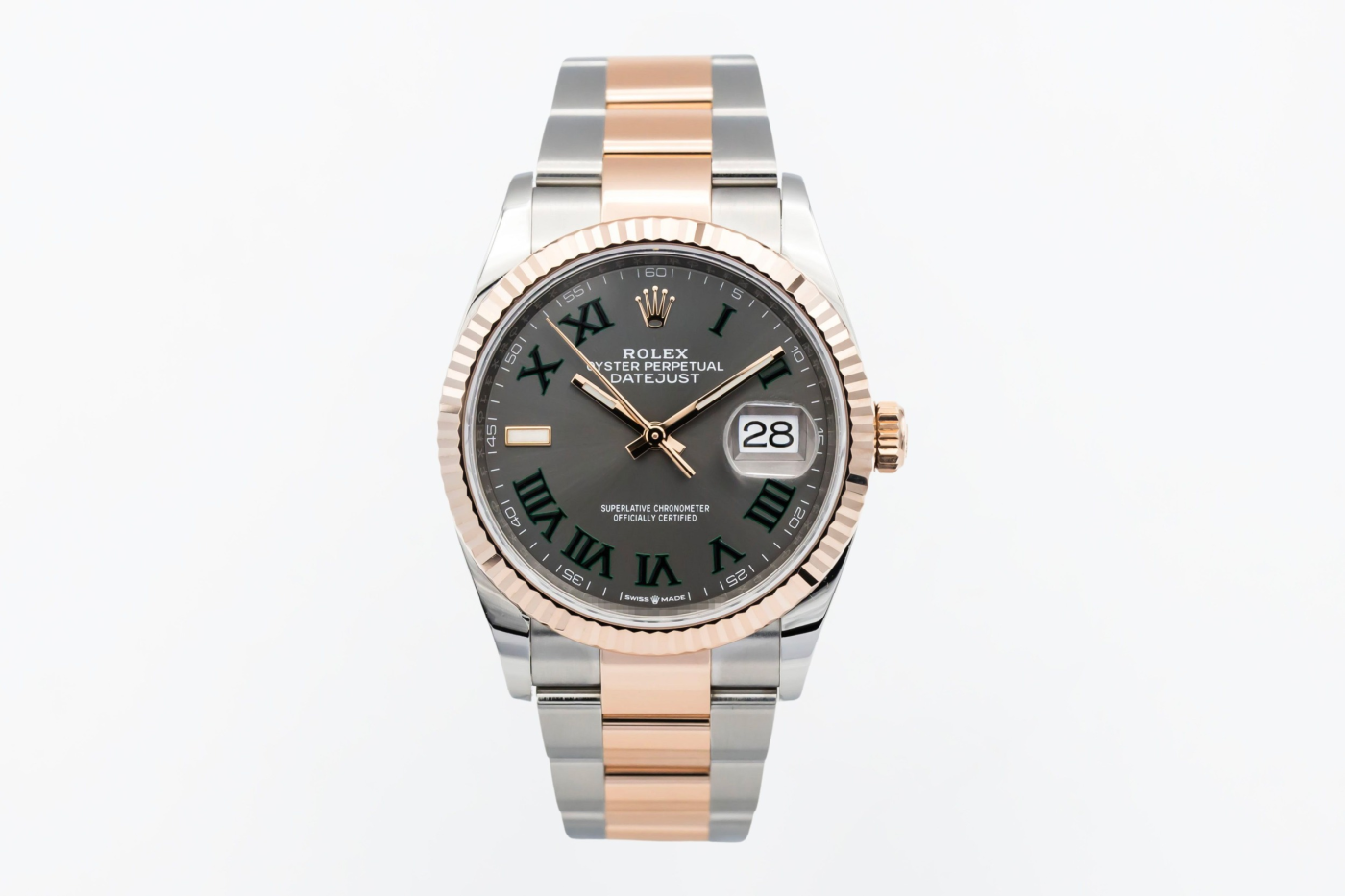
Where is the best place to sell my Rolex watch? It's a question that matters because the selling method affects both the payout you receive and how smoothly the process goes.
You have several options for selling a Rolex, each with advantages and drawbacks:
Pros: Potential to receive higher prices by cutting out middleman fees. Direct negotiation with buyers.
Cons: Requires time and effort to find qualified buyers. Risk of fraud, counterfeit payment methods, or personal safety concerns when meeting strangers. No authentication support or guarantee of payment. Difficult to verify buyer credibility.
Pros: Broader reach to buyers across regions. Convenience of listing from home.
Cons: Platform fees reduce your payout (often 10-20%). Risk of scams or unverified buyers. Limited support for authentication or dispute resolution. Shipping valuable watches creates loss or damage risk.
Pros: Transparency in pricing based on current market demand. Professional authentication eliminates fraud risk. Secure, straightforward transactions. Expertise in condition grading and documentation. Access to verified buyers willing to pay fair market value. Long-term relationships built on trust.
Cons: Dealers need margin to operate, which affects the price offered compared to private sales (though this reflects the value they provide in authentication, security, and speed).
Pros: Suitable for rare vintage pieces or historically significant watches that attract collectors. Potential for premium prices at high-profile auctions.
Cons: High fees (buyer's premium, seller's commission, sometimes insurance and photography fees). Lengthy process from consignment to sale (often months). No guarantee your watch will sell. Best suited for exceptional pieces, not standard models.
Where is the best place to sell my Rolex watch depends on what you're prioritising. If speed, security, and fair market value matter most, established dealers with verifiable expertise offer the clearest path. At The Diamond Box, we've spent more than 20 years building relationships based on transparency and trust. We provide professional authentication, accurate condition grading, and fair market pricing. If you own a rare vintage piece with significant collector appeal, auction houses might make sense. Private sales and online platforms require more effort and carry higher risk.
Look for dealers who prioritise clarity over pressure, maintain long-term relationships with customers, and have decades of hands-on experience in the secondary market. Reputable Rolex specialists like The Diamond Box understand condition grading, provide proper authentication, and offer transparent pricing based on real demand. We work with people buying, selling, part exchanging, and servicing Rolex watches in North London and beyond.
What this means: The best place to sell depends on your priorities. Established dealers offer transparency, authentication, and security. Auction houses suit rare vintage pieces. Private sales and online platforms carry higher risk.
The Rolex Submariner is one of the most recognisable and sought-after models in the secondary market. Whether you're asking how much can I sell my Rolex Submariner for or looking to sell Rolex Submariner models in general, the answer depends on age, condition, and which specific reference you own.
Current market pricing for popular Submariner references:
Submariner 116610LN (black dial, discontinued 2020): Typically sells for £10,000 to £12,000 depending on condition and documentation. Well-preserved examples with full box and papers command the higher end.
Submariner 116610LV "Hulk" (green dial, discontinued 2020): Doubled in value from around £11,000 to nearly £24,000 within two years of discontinuation. Current pricing sits around £22,000 to £26,000 for excellent examples.
Submariner 126610LN (current black dial model): Retail price is approximately £7,000. Secondary market pricing typically ranges from £9,000 to £11,000, reflecting scarcity at authorised dealers.
Submariner 126610LV (current green dial model): Retail price is approximately £8,000. Secondary market pricing ranges from £12,000 to £14,000 due to high demand.
Vintage Submariners (pre-2000 references): Pricing varies significantly based on reference, dial variation, and originality. Certain vintage references with rare dials or historical significance command premiums from £15,000 to £50,000 or more.
Condition affects Submariner pricing by 30-50%. A watch with heavy scratches, missing links, or aftermarket parts sells for significantly less than an excellent example with original components. Complete documentation (box, papers, service records) adds 15-20% to value.
If you own a Rolex watches in UK and want accurate pricing, get a proper appraisal from an experienced dealer like The Diamond Box. Market conditions shift, and what a Submariner sold for six months ago might differ from today's pricing. We provide fair valuations based on current market demand, condition assessment, and documentation.
What this means: Submariner pricing depends on reference, age, and condition. Discontinued models (Hulk, 116610LN) command premiums. Current models trade above retail. Condition creates 30-50% price differences.
Authentication matters because counterfeit Rolex watches circulate in the market. Selling a watch without proper verification creates risk for both you and potential buyers. Reputable dealers and informed buyers won't proceed without confidence in authenticity.
Here's what to check when authenticating a Rolex:
Serial and model numbers: Rolex engraves serial numbers between the lugs at 6 o'clock and model numbers at 12 o'clock (for older models) or on the rehaut (for newer models). These engravings should be precise and clean. Counterfeit watches often have poorly executed or incorrect numbers.
Weight and feel: Genuine Rolex watches use high-quality materials (904L stainless steel, solid gold, platinum). They feel substantial and well-balanced. Counterfeits often feel lighter due to inferior materials.
Movement and sweeping motion: Rolex uses precise automatic movements. The second hand sweeps smoothly rather than ticking in discrete steps (which indicates a quartz movement common in fakes).
Cyclops lens magnification: On models with date windows, the Cyclops lens should magnify the date by 2.5x. Counterfeits often have weak or incorrect magnification.
Dial and printing quality: Rolex dials feature flawless printing, precise alignment, and high-quality luminous material. Look for inconsistencies, misspellings, or poor-quality printing.
Caseback: Most Rolex watches have plain casebacks without engravings or windows (exceptions exist for certain vintage or special models). Counterfeits sometimes add decorative engravings or display windows.
Crown and winding mechanism: The Rolex crown should screw down smoothly with resistance. Winding should feel precise and controlled, not loose or gritty.
Whilst these checks help, professional authentication through an experienced dealer or authorised service centre provides certainty. They have access to detailed records, specialised tools, and years of hands-on experience authenticating a Rolex from counterfeits.
If you're planning to sell, have your watch authenticated before listing it. This protects you from unknowingly selling a counterfeit and reassures buyers about legitimacy.
What this means: Authentication protects both seller and buyer. Check serial numbers, weight, movement, and craftsmanship details. Professional authentication through experienced dealers provides certainty.
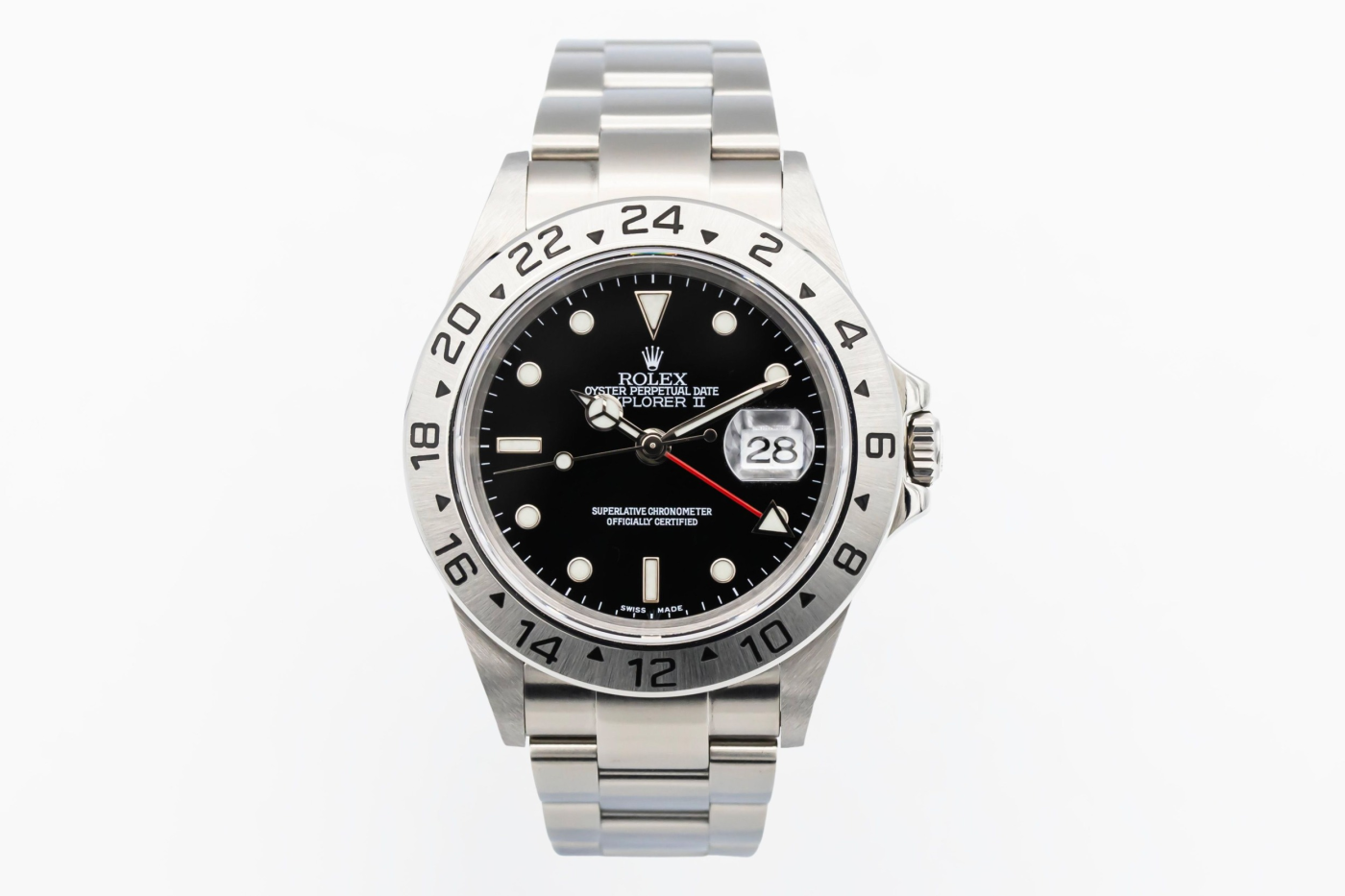
We've covered timing, condition, documentation, model hierarchy, selling options, and authentication. All of that informs your decision. When you're asking yourself should I sell my Rolex, the choice ultimately depends on several factors coming together.
Selling a Rolex is a decision based on market conditions, your watch's specific attributes, and your personal circumstances. Sometimes people sell because they need the money. Sometimes because they've stopped wearing the watch. Sometimes because they want to move into something different. All of those are valid reasons.
To maximise value when selling your Rolex:
Keep your watch in original factory condition. Avoid aftermarket modifications.
Maintain complete documentation (box, papers, service records).
Service through authorised channels for modern watches. Seek advice before servicing vintage pieces.
Understand your specific model's demand in the current market.
Get professional authentication before listing.
Choose a selling method that aligns with your priorities (speed, security, price).
Work with reputable dealers who prioritise transparency and have verifiable expertise.
If you're waiting for the market to return to 2021 levels, you might wait a long time. Those peaks were driven by conditions that won't repeat. If you're hoping a service will add 30% to the value, it might not, especially for vintage pieces where originality matters most. If you've modified the watch, you need to know that affects what you'll receive.
The question we'd ask is this: does selling now feel like the right decision for you, based on what you know about your watch and what you need?
If you understand what drives value, if you know what condition your watch is in, and if you're clear about why you're selling, then you're in a position to make a decision that feels right in the long term, not only in the moment.
At The Diamond Box, we've spent more than 20 years working with people who own Rolex watches. We understand how these decisions feel. Whether you're selling, buying, part exchanging, or servicing your Rolex, we're here to provide guidance without pressure. If you're considering selling and want a fair valuation based on current market conditions, we're here to help. We prioritise clarity over pressure, transparency over urgency, and long-term relationships built on trust.
Speak with The Diamond Box team about your Rolex. We'll give you an honest assessment of what your watch is worth and help you understand your options without pushing you toward a decision you're not ready to make. Our North London showroom welcomes customers who value doing things properly. As a reputable Rolex Dealer in London, we've built our reputation on transparency and trust.
The best place to sell my Rolex depends on your priorities. Established dealers with decades of experience offer transparency, proper authentication, and fair market pricing based on current demand. The Diamond Box has operated in North London for over 20 years, building long-term relationships through honest guidance and transparent valuations. We understand condition grading, have access to verified buyers, and provide support throughout the process. Look for dealers who prioritise clarity over pressure and have verifiable expertise in the secondary market.
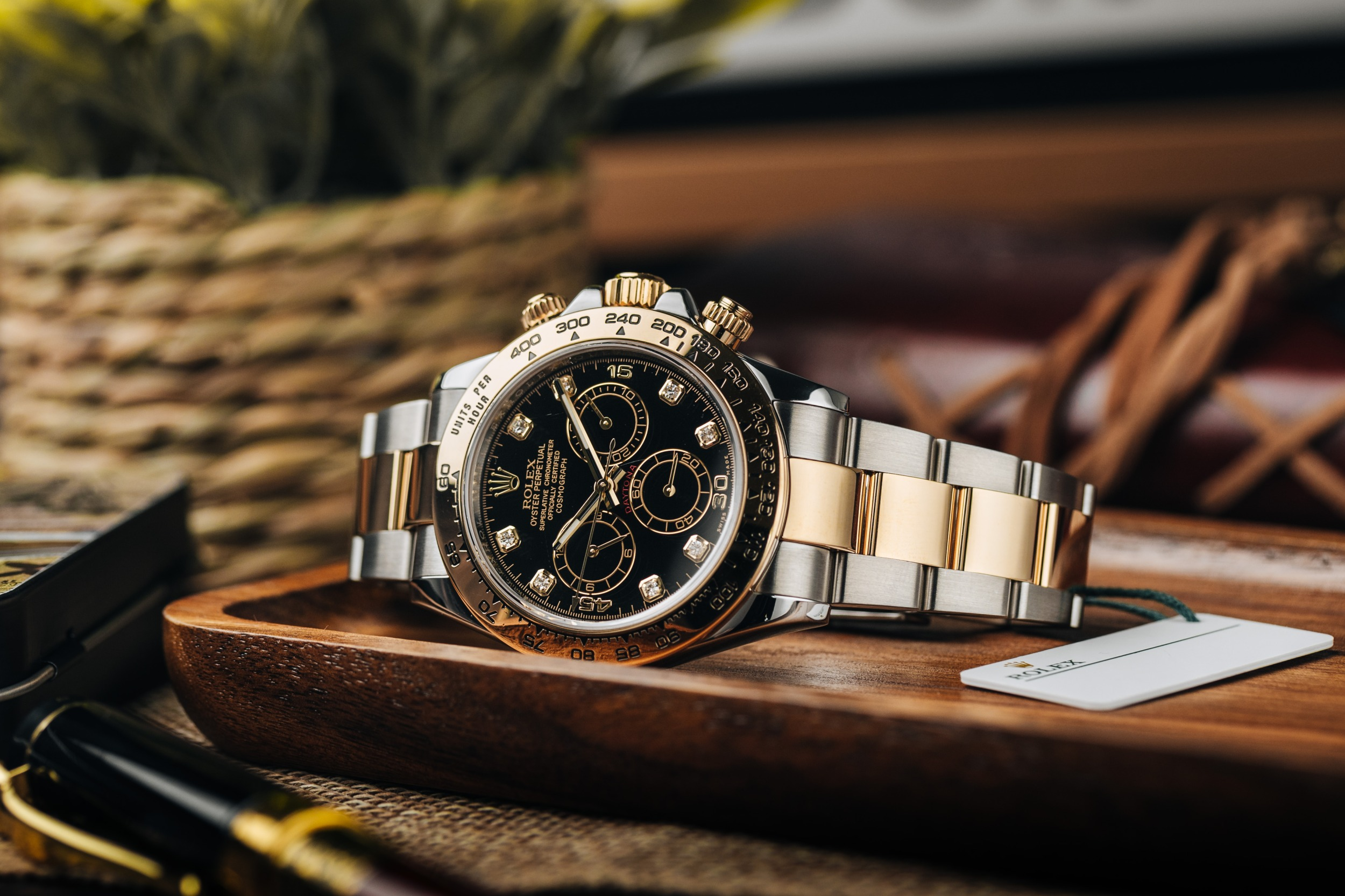
The answer depends on your specific model, condition, and documentation. Steel sports models (Submariner, Daytona, GMT-Master II) command premiums well above retail. A Daytona 126500 sells for £22,200 or more, whilst a discontinued Submariner Hulk reaches nearly £22,200. Dress models (Cellini, some Datejusts) sell closer to retail or below. Condition affects price by 30-50%. Missing documentation reduces value by 15-30%. Get a proper appraisal from an experienced dealer for accurate pricing.
The market has normalised to pre-2020 levels after pandemic-era highs. If you're wondering should I sell my Rolex now, and you're waiting for 2021 prices to return, you might wait indefinitely. The best time to sell depends on your specific model's demand, your watch's condition, and your personal circumstances rather than trying to time the market perfectly.
Value depends on model, condition, and documentation. Steel sports models (Daytona, Submariner, GMT-Master II) command the strongest premiums. Condition and documentation affect value by 30-50%. Scratches, missing links, or aftermarket parts reduce value by 15-30%, whilst original boxes and papers increase value by 15-20%.
Sometimes servicing increases value. Sometimes it doesn't. For modern watches, proper servicing helps. For vintage pieces with original patina or unique components, servicing harms value because collectors prefer original factory condition. Get advice before servicing a watch you intend to sell.
Steel sports models in high demand (Daytona, Pepsi GMT, Submariner) have historically appreciated, especially after discontinuation. The Submariner Hulk doubled from £10,400 to £22,200 within two years of discontinuation. Less popular dress models (Cellini, some two-tone Datejusts) face softer demand and won't appreciate.
Yes, significantly. Even small aftermarket changes (bezels, dial replacements, custom engravings) reduce resale value by up to 40%. Collectors prefer original factory condition. Only modify a watch if you want to wear it that way, not to increase value.
Original boxes, warranty cards, and service records enhance buyer trust and increase value by 15-20% on average. Missing documentation doesn't prevent you from selling, but it affects what you'll receive. Keep all original components and papers.
Retail price increases don't immediately translate to secondary market gains. Selling 4-6 weeks before an anticipated price increase creates buyer urgency. Selling 2-3 months after reduces premium. For high-demand steel sports models, scarcity and desirability drive pricing more than MSRP.
Less popular dress watches (Cellini) and some two-tone Datejust variants face lower demand in the secondary market. These models have greater availability at retail and don't command the premiums seen in steel sports models.
The Rolex resale market has normalised to pre-2020 levels. Waiting for 2021 prices to return means waiting for market conditions that won't repeat.
Condition and documentation affect value by 30-50%, far more than market timing. Keep original boxes, papers, and all components.
Steel sports models (Daytona, Submariner, GMT-Master II) hold value best and often trade above MSRP due to scarcity and demand.
Aftermarket modifications reduce resale value by up to 40%. Keep your watch in original factory condition.
Service vintage watches carefully. Collectors prefer original patina and components. Official Rolex servicing harms value if it removes what makes vintage pieces desirable.
The best time to sell depends on your specific model's verified demand and your personal circumstances, not perfect market timing.
Discontinuation drives prices up, often substantially. The Submariner Hulk doubled in value within two years of discontinuation.
Visit us in store for great service and to see our amazing collection.
114 Ballards Lane, N3 2DN, London 020 8838 3655