




Should You Polish a Rolex? What Twenty Years of Watching Decisions Play Out Has Taught Us
TL;DR: Polishing a Rolex removes metal permanently, unlike cleaning which is often free during service. The decision depends on whether you own a modern or vintage piece. Modern Rolex watches from the 2000s onwards handle light polishing with minimal value impact. Vintage pieces lose 30-50% of their value when polished because collectors pay premium prices for originality. This complete guide covers costs, risks, DIY vs professional options, and how to weigh care against resale value.
Quick Answer
Should you polish your Rolex? Here's what matters:
-
Polishing is permanent and removes metal you cannot replace
-
Modern Rolex models from the 2000s onwards handle light polishing with minimal resale impact
-
Vintage models lose significant value when polished because originality matters more than appearance
-
Official Rolex servicing includes polishing by default unless you specify otherwise in writing
-
The right choice depends on whether you value how the watch looks today or what it retains for tomorrow
Polishing a Rolex removes metal permanently. Once that thin layer is gone from the case and bracelet, there's no putting it back. This isn't cleaning, which official service centres often handle for free. Polishing eliminates scratches by removing material, and the decision affects both how your watch looks and what it might be worth later.
This guide covers what polishing costs, the risks involved, DIY vs professional options, and how to weigh care against resale value. Over more than two decades of these conversations, we've seen what happens when people rush through this decision and what happens when they take their time to understand the trade-offs.
What Does Rolex Polishing Actually Do?
Polishing removes a thin layer of metal from specific parts of your Rolex to smooth out scratches and restore shine. This affects several areas of the watch, each requiring different techniques.
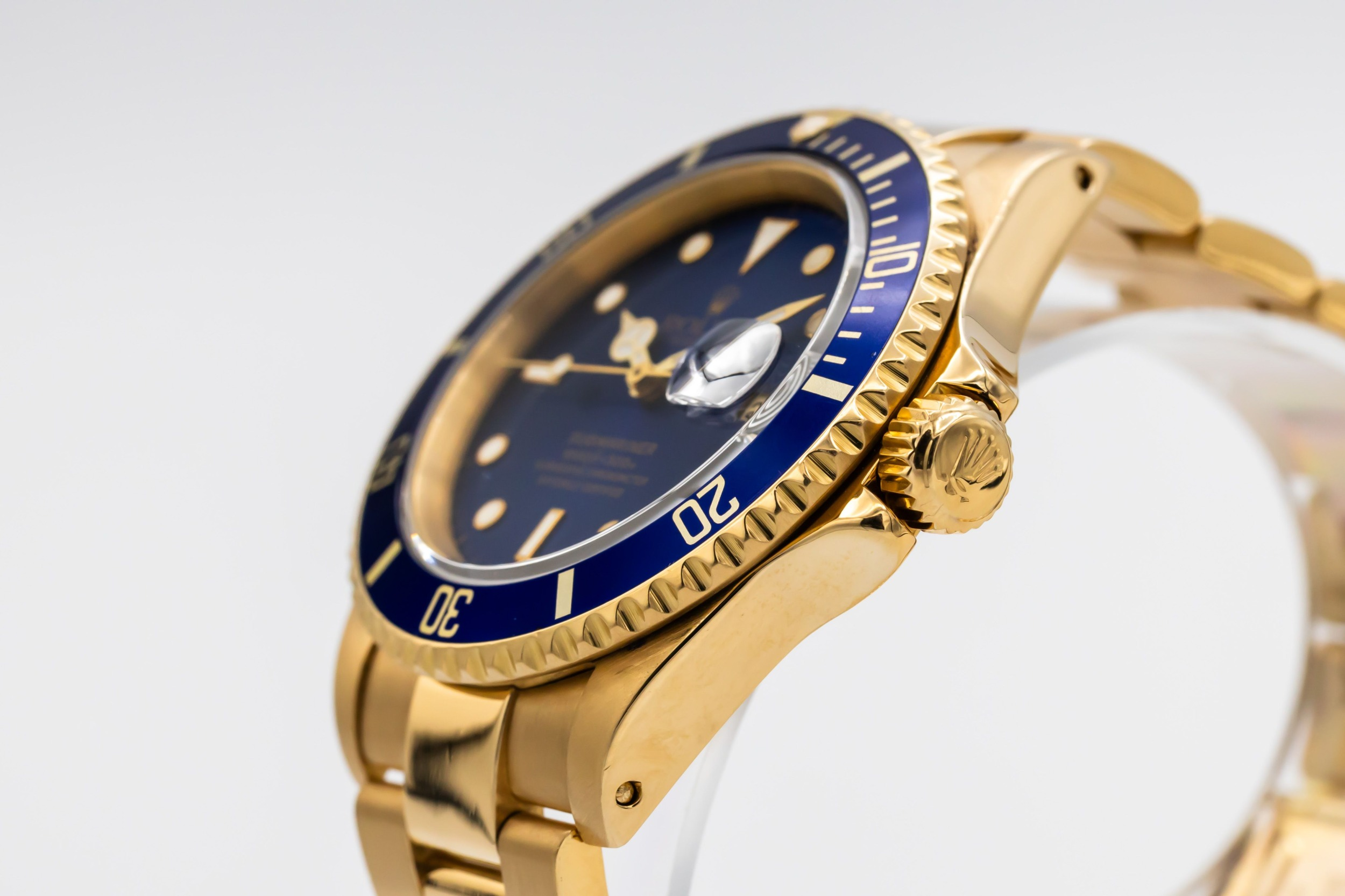
Case and bezel edges are where scratches show up most visibly. The sharp lines between polished and brushed surfaces, particularly on sports models, need careful attention. Over-polishing rounds these edges and destroys the crisp geometry that defines a properly maintained Rolex. The Rolex bezel itself, whether it's a rotating dive bezel or a fixed fluted bezel, also receives polishing treatment. Different bezel types respond differently to refinishing work.
Bracelet links and clasp accumulate scratches from daily wear. Desk diving, the marks left from resting your wrist on a desk, shows up most on clasp edges and outer links. Polishing these areas brings back shine, but repeated polishing thins the bracelet over time.
Polished centre links versus brushed outer links create the two-tone finish you see on many Rolex bracelets. Maintaining this contrast requires precision. Poor polishing blurs the line between finishes, leaving a watch that looks amateurish rather than restored. If you're unsure whether your watch has the correct finishes or original parts, authenticating a Rolex before committing to polishing protects you from refinishing a watch that isn't what you thought it was.
| Aspect | Polished | Unpolished |
| Appearance | Brighter, cleaner look | Maintains factory edges, patina |
| Collector Value | Can reduce for vintage | Maintains maximum collector value |
| Scratch Removal | Yes, minor scratches removed | Scratches remain |
| Risk | Over-polishing possible | No risk |
The appearance benefits are obvious. A polished Rolex looks renewed. Scratches disappear. Light reflects cleanly off surfaces that were dull or scuffed. For a modern watch you're wearing daily, that visual refresh can feel worthwhile.
The originality risk is permanent. Every polish removes metal you cannot replace. Vintage and collectible models should rarely, if ever, be polished. Collectors value untouched cases and bracelets far more than aesthetic perfection. What looks like an improvement to you might destroy value for someone who understands what originality means in this market.
Rolex Polishing Before and After: What Changes?
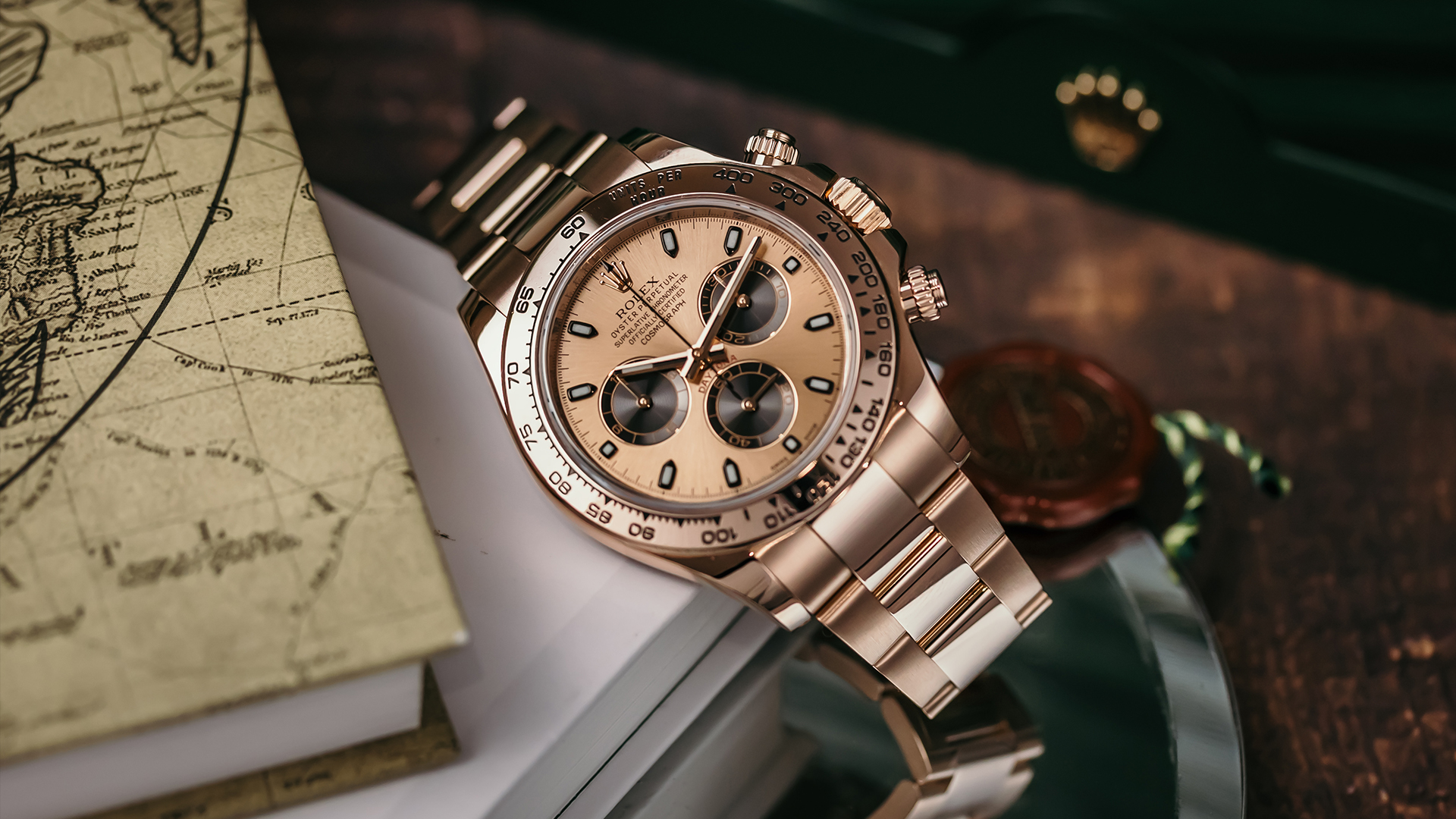
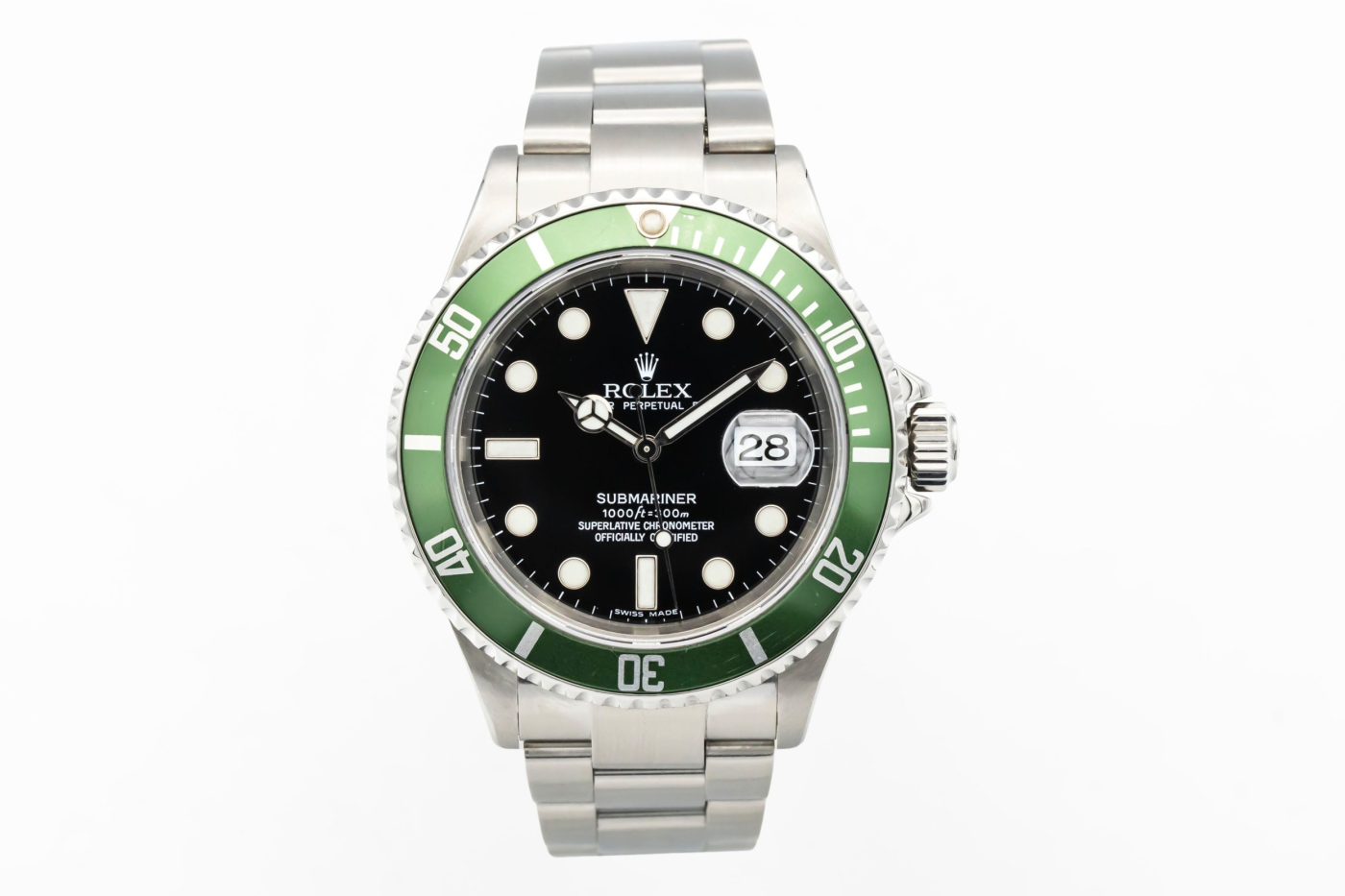
The transformation is visible. Before polishing, you're looking at a watch with scratches across the case, dullness on bracelet links, and scuffed edges where the watch has met desks, doorframes, and daily life. After professional polishing, those scratches disappear. Light reflects cleanly off surfaces that were previously dulled by wear. The bracelet feels smoother when you run your finger across the links.
Here's what you should expect after a professional polish:
-
Reduced scratches on case, bezel, and bracelet surfaces
-
Smoother bracelet links where friction marks have been removed
-
Enhanced overall shine with light reflecting cleanly off polished surfaces
-
Slight loss of sharpness on lugs and edges, especially if polished multiple times
One question we hear often relates to bracelet stretch. People worry that polishing causes the bracelet to loosen. That's not quite right. Bracelet stretch comes from wear, not polishing. The pins connecting each link wear down over time. The holes those pins sit in gradually widen. Friction between metal surfaces increases the tolerances between parts. Polishing addresses surface scratches, but it doesn't cause the mechanical looseness people associate with an older bracelet.
Worth noting: The visual improvement is real, but the metal removal is permanent and accumulates with each polish.
Here's a real example. In 2011, a rare Rolex 6062 in gold sold at Christie's for over half a million dollars. The case was untouched. Heavily oxidised. Original in every detail. Weeks earlier, a polished version of the same reference sold at Sotheby's for £62,500.
The polished watch looked cleaner, but it lacked the originality that serious collectors will pay a premium to preserve. Aesthetic appeal doesn't always equal value.
Key insight: For vintage Rolex watches, originality outweighs appearance when value matters.
When Is Rolex Polishing a Good Idea?
We're not saying polishing is always wrong. There are situations where it's the right choice, and they tend to share common characteristics.
Polishing makes sense when you're prioritising aesthetics over collector value. When you're wearing a modern Rolex daily and the scratches bother you enough that they affect how you feel about the watch. When the piece has already been polished multiple times and originality is no longer a factor. When you're keeping the watch for personal enjoyment and resale value isn't part of your thinking.
Here are the scenarios where polishing tends to be a good decision:
-
Daily-wear modern watches from the 2000s onwards where scratches from normal use accumulate and the watch hasn't been classified as collectible
-
Visible scratches that genuinely bother you and reduce your enjoyment of wearing the watch
-
Watches already polished in the past where originality has been compromised and there's less to lose
-
Personal enjoyment over investment value where you're keeping the watch for yourself rather than considering future resale
-
Professional restoration before purchase where you're buying a pre-owned piece that benefits from proper refinishing to look its best
One important note: we'd always recommend using an official Rolex service centre for any polishing work. The techniques, tools, and understanding of case geometry required to polish a Rolex properly are specific. Poor polishing destroys value faster than age or wear. Official service centres maintain the standards needed to preserve the watch's proportions and finish correctly.
If you're considering buying a Rolex that's been professionally polished before purchase, that can be a sensible route. You're getting a watch that looks renewed without having to make the decision about originality yourself. For anyone looking at pre-owned options, exploring Rolex watches in the UK gives you access to pieces that have been properly assessed and refinished where appropriate.
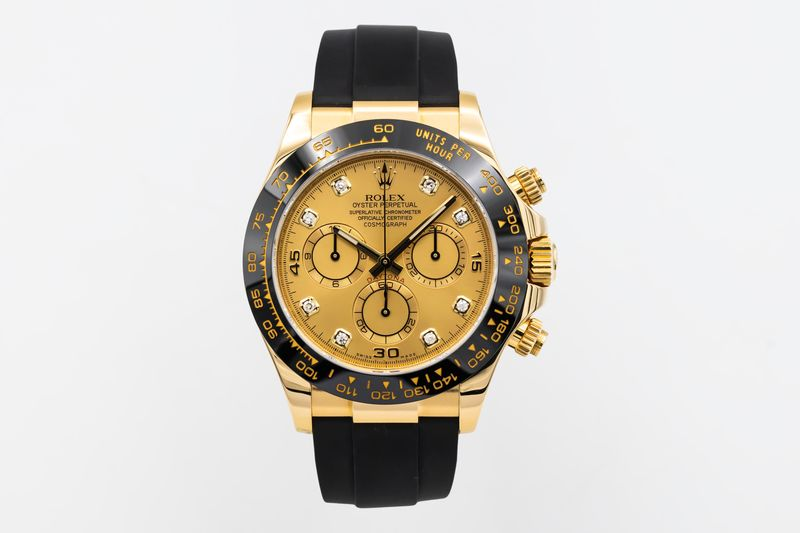
Worth remembering: The best time to polish is when you're certain about the trade-off, not when you're uncertain about the scratches.
When Can Polishing a Rolex Reduce Its Value?
The risk of value loss becomes significant when you're dealing with vintage, collectible, or rare Rolex models. This is where the permanence of polishing collides with the market's preference for originality.
Vintage references from the 1950s through the 1980s carry a premium for untouched condition. Collectors in this space value originality above aesthetic perfection. They're looking for watches with thick lugs, sharp bevels, and case geometry that matches factory specifications from decades ago. Polishing removes the evidence of that originality.
Rare models face even steeper consequences. A limited-production reference or a watch with unusual dial configurations loses authenticity when polished. The scratches and patina tell the story of the watch's history. Remove that history, and you're left with something that looks renewed but feels incomplete to the people willing to pay the highest prices.
Collectible models occupy a middle ground. Some references from the 1990s and early 2000s have crossed into collectible territory whilst others remain functional sports watches. Knowing which category your watch falls into protects you from making a decision that costs thousands in resale value.
The visual difference between original and over-polished case geometry becomes obvious once you know what to look for. Before polishing, or after minimal refinishing, lug edges appear sharp and defined. The bevel between polished and brushed surfaces creates a crisp line. After repeated polishing, those edges soften. The bevels widen. The sharp transitions blur into rounded curves that feel wrong when you look closely.
This loss of bevel sharpness is permanent. Each polish removes more metal. The geometry shifts further from original specifications. What starts as subtle degradation becomes obvious deformation over multiple polishing cycles.
| Watch Type | Polishing Impact | Collector Reaction |
| Vintage Datejust | Moderate | May reduce value |
| Modern Submariner | Low | Mostly cosmetic |
| Rare editions | High | Avoid polishing |
Critical point: Vintage, collectible, and rare Rolex models lose 30-50% of their value when polished because the market values originality over appearance.
Rolex Polishing Cost: How Much Should You Expect?
The cost of polishing your Rolex varies depending on the model, the condition it's in, and the complexity of the service required. There's no single fixed price because the work involved differs considerably between a modern Oyster Perpetual and a vintage Daytona with significant wear.
When you send a Rolex in for service at an official service centre, polishing is typically included as part of a complete service package. That package addresses far more than cosmetic appearance. Understanding what's covered helps you weigh the cost against the value you're receiving.
Here's what a full Rolex service typically includes:
-
Complete cleaning of movement, case, and bracelet components
-
Lubrication of movement parts to restore proper function
-
Timing check to ensure accuracy meets Rolex standards
-
Case and bracelet polishing, included if needed or excluded if you request otherwise
-
Gasket replacement to maintain water resistance
-
Pressure testing to verify waterproofing integrity
Cost estimates are provided before any work begins. Official service centres assess your watch, identify what needs attention, and give you a written quote. You approve the work before they proceed. This transparency protects you from unexpected charges and gives you the option to decline polishing whilst still proceeding with mechanical servicing.
The pricing structure reflects the model type and service complexity. A simple three-hand model requires less time and fewer parts than a chronograph or a watch with complications. Vintage models sometimes need additional work if parts are worn or if previous servicing was done poorly. For detailed information about what's involved in a complete service and how pricing is structured, exploring Rolex service gives you a clearer picture of what to expect.
As a rough guide, here's what different model types typically cost for full service, including polishing unless you specify otherwise:
If you're wondering how much does Rolex charge to polish a watch, the answer is that polishing isn't typically charged separately. It's included as part of the full service package, with pricing varying by model complexity as shown above. When you receive your service estimate, polishing is already factored into the total cost unless you've specifically requested it be excluded.
-
Oyster Perpetual and Datejust, simple three-hand models: £500-£750
-
Submariner, GMT-Master, and Explorer, sports models: £650-£900
-
Daytona and Sky-Dweller, chronographs and complex models: £900-£1,500+
-
Vintage models requiring specialist assessment: Pricing varies significantly based on condition and parts availability
These ranges reflect typical service costs at official centres and reptuable service providers in the UK.
Bottom line: Polishing cost is rarely separate from service cost, and understanding the full package helps you make decisions about what's worthwhile and what isn't.
Does Rolex Clean Watches for Free?
This question comes up often, and the answer depends on what you mean by cleaning. Minor cleaning, removing dust, fingerprints, or surface grime, is sometimes offered as a courtesy at official Rolex service centres when you bring your watch in for assessment or minor maintenance. This might include an ultrasonic clean of the bracelet or a careful wipe-down of the case and crystal.
Full polishing, on the other hand, is never free. Polishing involves removing metal to restore the finish, and that level of work is only performed as part of a complete service, which carries the costs outlined in the previous section. The distinction matters because people sometimes confuse cleaning with polishing and expect one when they're actually receiving the other.
If your watch needs a refresh but you're not ready for a full service, you can clean it safely at home. This won't address deep scratches or restore the polished finish, but it will remove everyday grime and keep the watch looking well cared for.
Here's how to clean your Rolex safely at home:
-
Mild soapy water: Use warm water with a small amount of mild soap, washing-up liquid works well. Avoid harsh chemicals or abrasive cleaners.
-
Soft brush for the bracelet: A soft-bristled toothbrush lets you clean between the bracelet links where dirt accumulates. Be gentle, particularly around polished surfaces.
-
Ensure the crown is screwed down: Before exposing your watch to water, check that the crown is fully screwed down to maintain water resistance. This protects the movement from moisture.
After cleaning, rinse the watch thoroughly with clean water and dry it with a soft, lint-free cloth. This routine maintenance keeps your Rolex looking fresh between services without the permanence or cost of polishing.
Worth knowing: Regular gentle cleaning protects your watch's appearance without removing any metal or altering the original finish.
Rolex Polishing Service vs DIY: Why You Should Avoid Polishing at Home
We've seen the results of home polishing attempts more times than we'd like to count. The watches arrive in the workshop looking worse than they did before anyone touched them. Rounded edges. Blurred finishes. Scratches where there weren't scratches before. The kind of damage that costs far more to fix than professional polishing would have cost in the first place.
Home polishing kits promise easy results. They show you videos of scratches disappearing under a buffing wheel. What they don't show you is the years of training required to know how much pressure to apply, which compounds to use on which surfaces, and how to maintain the sharp geometry that defines a properly refinished Rolex. If you're searching for information on how to polish a Rolex watch at home, the honest answer is: you shouldn't.
Polishing isn't a skill you learn from a YouTube tutorial. It's developed over hundreds of watches, with proper equipment, and under the guidance of people who understand what they're protecting.
Here are the risks you take when you attempt to polish a Rolex at home:
-
Remove too much metal: Without experience, it's easy to press too hard or stay in one spot too long. You'll remove far more metal than necessary, thinning lugs and rounding edges that should remain sharp. This damage is permanent and destroys both the watch's appearance and its value.
-
Scratch bracelet edges: Bracelet links have polished and brushed surfaces sitting next to each other. Crossing that line with a polishing cloth or compound blurs the contrast and leaves the bracelet looking amateurish. Professional polishing maintains these transitions. Home attempts destroy them.
-
Reduce collector value: Even if you manage to remove some scratches, poor polishing work signals to future buyers that the watch has been handled improperly. Collectors walk away from watches with obvious signs of amateur refinishing. What you thought was saving money becomes costing value.
The tools matter as much as the technique. Professional watchmakers use specific compounds, carefully controlled buffing wheels, and precision equipment designed for small, high-value objects. Home polishing kits use generic materials that aren't suited to stainless steel cases or the mixed finishes on Rolex bracelets.
If your watch needs polishing, we at The Diamond Box can offer professional, secure watch poloishing. Our team works in-house, have years of experience with luxury timepieces and provide a service you can trust. The cost difference between professional work and a home kit is negligible compared to the value you're protecting.
Bottom line: Home polishing saves nothing and risks everything. Professional work costs more upfront but protects the watch's geometry, finish, and long-term value.
How to Clean a Rolex Safely Without Polishing
Cleaning and polishing are not the same thing. Cleaning removes dirt, oils, and grime that accumulate from daily wear. Polishing removes metal. One maintains your watch. The other permanently alters it.
If your Rolex looks dull or feels grimy but the scratches aren't bothering you, cleaning is what you need. This is something you can do safely at home without any risk to the watch's finish or value.
Here's how to clean your Rolex safely without polishing:
-
Rinse with warm water: Start by rinsing the watch under warm, not hot, running water. This loosens surface dirt and prepares the watch for cleaning. Make sure the crown is fully screwed down before you begin.
-
Mild soap and soft brush: Use a small amount of mild soap, washing-up liquid works well, and a soft-bristled brush, a toothbrush is perfect, to gently clean the case, bracelet links, and clasp. Pay attention to the areas between links where dirt builds up.
-
Dry with microfibre cloth: After rinsing away all soap residue with clean water, dry the watch thoroughly with a soft microfibre cloth. This prevents water spots and keeps the finish looking clean.
-
Avoid abrasive polish: Never use metal polish, abrasive compounds, or any product designed to remove scratches. These remove metal and destroy the original finish. If you're cleaning, you're only removing dirt, not scratches.
This routine takes a few minutes and keeps your watch looking well maintained between services. You can do this as often as needed without any risk to the watch's value or originality.
One more time, because it matters: do not attempt to polish your Rolex at home. Cleaning is safe. Polishing is not. The line between them is clear. Cleaning removes what shouldn't be there, dirt and grime. Polishing removes what should be there, the metal that defines the watch's geometry and finish.
If your watch has scratches that bother you, take it to a professional. If it just needs cleaning, follow these steps. The difference protects both how the watch looks and what it's worth.
Remember: Clean as often as you like. Polish only when you've thought it through and understand the trade-off.
Should You Polish Before Selling Your Rolex?
The question of whether to polish before selling comes up often, and the answer depends entirely on what you're selling and who's buying. Resale considerations work differently for modern watches than they do for vintage pieces, and understanding that split protects you from making a decision that costs value rather than adding it.
For modern Rolex watches, roughly 2000s onwards, light polishing may improve appeal to buyers who prioritise aesthetics. A modern Submariner or Datejust with a clean, well-maintained appearance tends to attract more interest than one with heavy desk diving marks and visible wear. The market for modern Rolex watches expects some level of care and refinishing over time. A watch that looks looked after signals proper maintenance, and that reassures buyers.
For vintage Rolex watches, the calculation reverses completely. Collectors buying vintage references value originality above appearance. They want thick lugs, sharp case geometry, and untouched finishes that show honest wear rather than refinishing. Polish a vintage piece before selling, and you remove the very characteristics that serious collectors pay premium prices to preserve. What you thought would make the watch more attractive actually makes it less desirable to the people willing to pay the most.
Here's how to approach the decision:
-
Modern watches from the 2000s onwards: Light professional polishing can improve appeal and may help the watch sell faster at a fair price. Buyers in this market appreciate a watch that looks cared for.
-
Vintage watches from before the 2000s: Leave the watch unpolished. Originality is the asset. Polishing reduces value for the collector market and limits your buyer pool to people who don't understand what they're losing.
-
Always get professional assessment first: Before making any decisions about polishing, have the watch assessed by someone who understands the market for that specific reference. What works for one model destroys value in another. Professional guidance protects you from costly mistakes.
One pattern we've noticed over the years: sellers who polish vintage pieces before selling often regret it once they learn what the watch was worth in original condition. The decision feels reversible when you're making it, but it's permanent in its consequences.
If you're unsure whether your watch falls into modern or vintage territory, or if the reference you own has crossed into collectible status, getting an informed second opinion before any refinishing work protects both the watch and its value.
The reality: Polishing before selling helps some watches and harms others. Knowing which category yours falls into makes the difference between adding value and destroying it.
Final Advice: Clean, Service, Polish or Sell?
The decision about what to do with your Rolex comes down to understanding which path serves your situation best. Here's how to think through your options:
Clean if: Your watch looks dull from everyday grime but the scratches aren't bothering you. Home cleaning with warm water, mild soap, and soft brush maintains appearance without risk or cost.
Service if: Your watch needs mechanical attention such as timing issues, water resistance checks, or movement servicing. Full service addresses function, and you can choose whether to include or exclude polishing.
Polish if: You own a modern Rolex from the 2000s onwards and visible scratches genuinely affect your enjoyment of wearing it. The trade-off between appearance and originality makes sense for your situation.
Sell if: You're unsure about the watch's value or future, or if you're considering changes that might affect resale. Sometimes the right decision is to assess value first before committing to any permanent alterations.
Before You Polish Your Rolex, Get Its Value Checked by The Diamond Box
We've spent nearly 30 years watching these decisions play out. We know what happens when people rush into polishing without understanding what they own or what they're giving up. That's why we always recommend getting a proper assessment before any permanent work is done.
At The Diamond Box, we offer:
-
Assessment of value before polishing: We'll evaluate your watch, explain what reference you own, whether it's crossed into collectible territory, and what polishing would mean for its value. This clarity protects you from costly mistakes.
-
Buy, sell, and part-exchange services: If you're weighing whether to keep, restore, or sell your Rolex, we provide honest guidance based on what we've seen work over decades. Our priority is helping you make the right decision for your situation.
-
Nearly 30 years of experience in luxury watches: We've handled thousands of Rolex watches across every reference and era. This pattern recognition means we know what's rare, what's collectible, and what decisions protect value versus costing it.
If you're in London or the surrounding areas, we're one of the trusted reputable Rolex Dealer in London who prioritise transparency and long-term relationships over quick transactions. Whether you need an assessment, servicing guidance, or you're considering selling, we're here to slow the conversation down and make sure you're confident about what happens next.
Get in touch before you make any permanent decisions about your watch. A conversation now protects value later.
Frequently Asked Questions
Does polishing a Rolex devalue it?
For vintage Rolex watches, polishing reduces value by 30-50% because collectors pay premium prices for originality. For modern models from the 2000s onwards, light polishing during service has minimal impact on resale value.
How often should you polish a Rolex?
There's no set schedule. Polishing should only happen when you've decided the aesthetic improvement outweighs the permanent removal of metal. Many vintage collectors never polish their watches.
Will Rolex polish my watch during service?
Yes, polishing is included by default in official Rolex servicing unless you specify otherwise in writing when you submit the watch.
How much metal does polishing remove?
Each polish removes a thin layer of metal from the case and bracelet. Over multiple polishes, this softens edges, rounds lugs, and alters the original case geometry in ways that become obvious to trained eyes.
Is it better to polish or leave scratches?
For modern watches you're wearing daily, polishing restores appearance without major consequence. For vintage pieces, scratches preserve originality and value better than a polished finish.
What's the difference between polishing and refinishing?
Both remove metal to restore appearance. Refinishing typically refers to restoring the original finish with polished or brushed surfaces, whilst polishing focuses on scratch removal.
Who should polish my Rolex?
Only use watchmakers experienced with Rolex specifically. Poor polishing work damages case geometry permanently and destroys value faster than age or wear.
Does polishing void my Rolex warranty?
Polishing by unauthorised service centres might affect warranty coverage. Official Rolex service centres include polishing as standard, which doesn't void warranty.
Key Takeaways
-
Polishing removes metal permanently, you cannot reverse the decision once it's done
-
Vintage Rolex watches lose 30-50% of value when polished because originality matters more than appearance to collectors
-
Modern Rolex models handle light polishing during authorised service with minimal resale impact
-
Official Rolex servicing includes polishing by default unless you specify otherwise in writing
-
Over-polishing softens case geometry, rounds lugs, and destroys the sharp lines that define proper Rolex proportions
-
The right choice depends on whether you value how the watch looks today or what it retains for tomorrow
-
People who take time to understand trade-offs feel most confident about their decision regardless of which path they choose
Does that sound right for you? If you'd like to talk through your specific situation, we're here.
The Diamond Box
Visit us in store for great service and to see our amazing collection.
114 Ballards Lane, N3 2DN, London, United Kingdom, N3 2DN 020 8838 3655